I like to see the world with a hefty dose of awe and wonder, so when I look at a seed, I think about the magic that has to happen for a single seed to sprout.

Alright. I know. It’s not really magic. But, doesn’t it feel that way? Think with me for a moment about these three amazing things about seeds.
Amazing Seeds!
1. Baby Plants
Have you ever thought about what is inside those seeds that you plant in your garden every year?
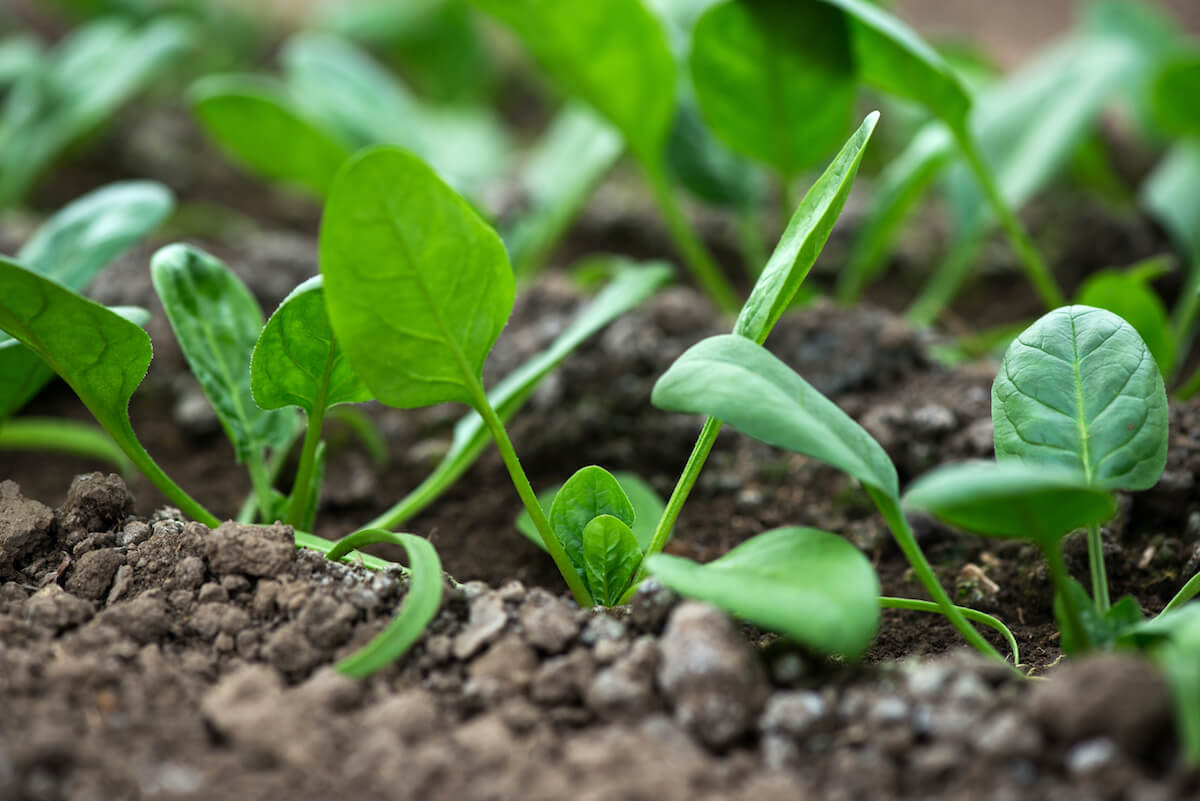
There’s a baby plant in there. It’s true. You can soak a seed, and if it is big enough, dissect it and actually see it tucked inside there. I do it every year with my Botany classes. (Botany in an Hour Tip: Dried pinto beans work great for seed dissection.)
2. Viability
Seeds can last an amazingly long time. We have all found that neglected seed packet that is who knows how old, planted the seeds doubtfully without expectation, and more often than not, many of them will still sprout.
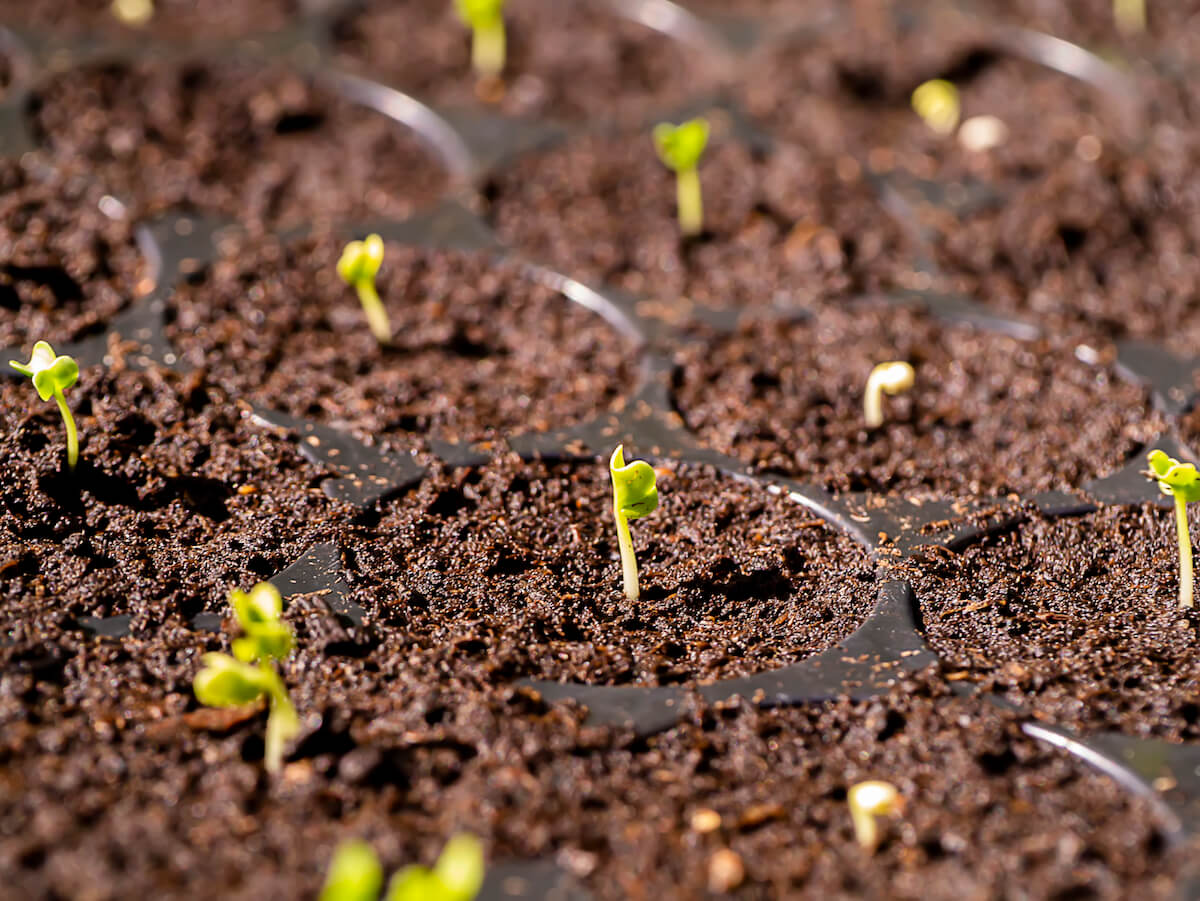
If stored in the right conditions, seeds can lie dormant for years and years - thousands in fact, and still be viable. (Check out this article on 2,000-year-old seeds that scientists germinated in 2005.) Who would think that a seed could last that long?
3. Food Supply
Have you ever pondered that many of the plants that produce the most seeds are some of our most important food crops?
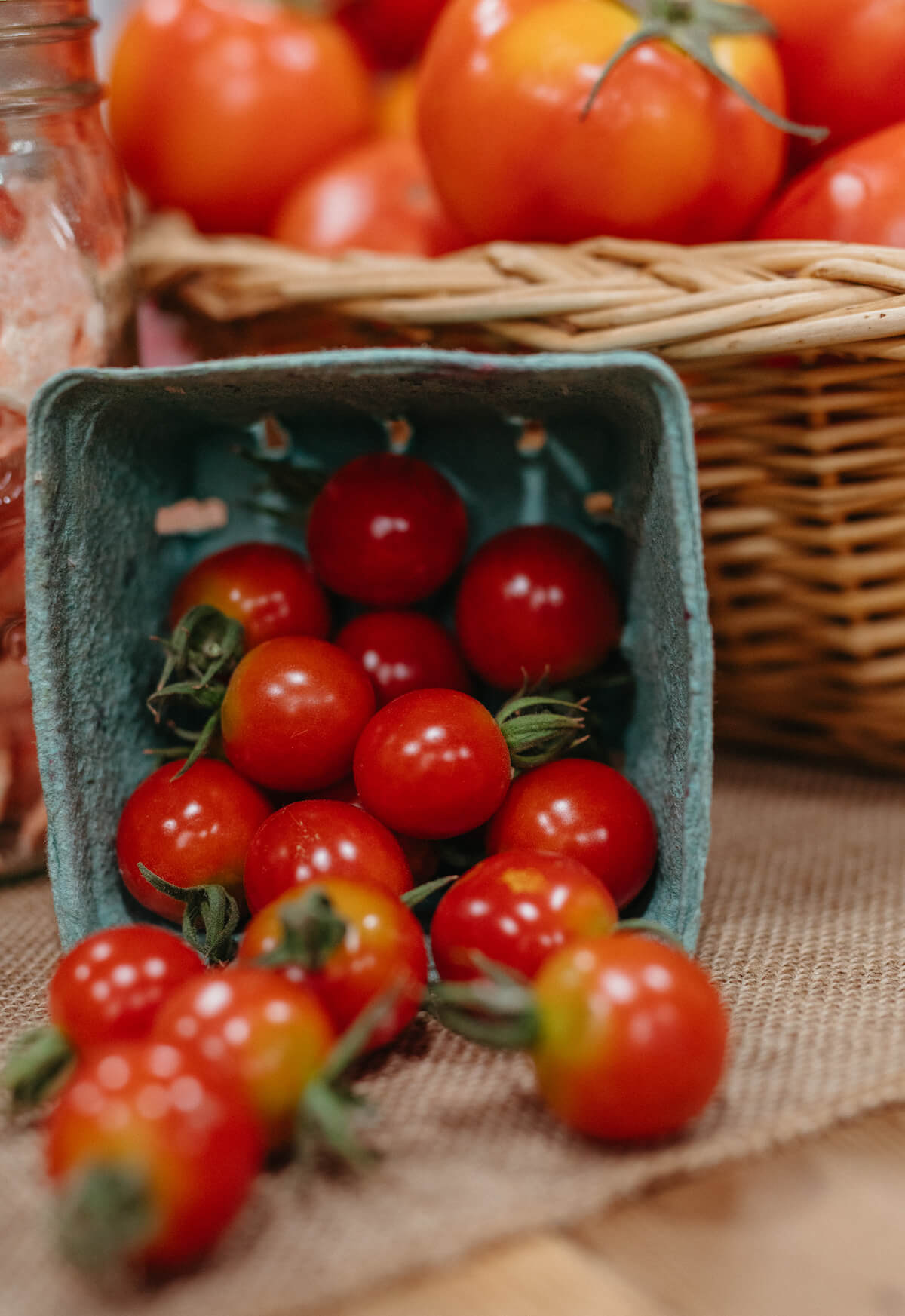
Let’s consider tomatoes as an example. Stop for a second and think about how many seeds are inside a cherry tomato.
Go ahead, pick a number? Got one?
Let’s make the math easy and say that each cherry tomato contains 10 seeds (it’s usually much more), and that each tomato plant produces 100 cherry tomatoes. So, at a very conservative count, one cherry tomato plant, that sprouted from a single seed, would easily produce over 1,000+ seeds that would each produce the same, and all that is within one growing season!
It’s amazing to think that one seed could produce so much! Think about the potential future yield! Isn’t God good to give us such a steady supply of seeds for food production?
What comes from a single seed? Abundance!
And it’s all there for the saving. Have you ever saved your own seeds from your garden?
Often, we miss out on this part of the harvest. As homesteaders and gardeners, we are concerned about producing food, and rightly so. That is an admirable goal.
All too often, though, we are so focused on food production that we pull all the plants out to clear the soil for the next crop before many of our vegetables go to seed.
Home gardeners are guilty of this, too.
We deadhead all the flowers to trigger the plant to produce more blooms, robbing it of its end goal, which is to make a seed.
The Secret Harvest of Every Flower = SEEDS!
Each year, I begin the school year with this lesson for my students.
Dead Flowers = SEEDS!
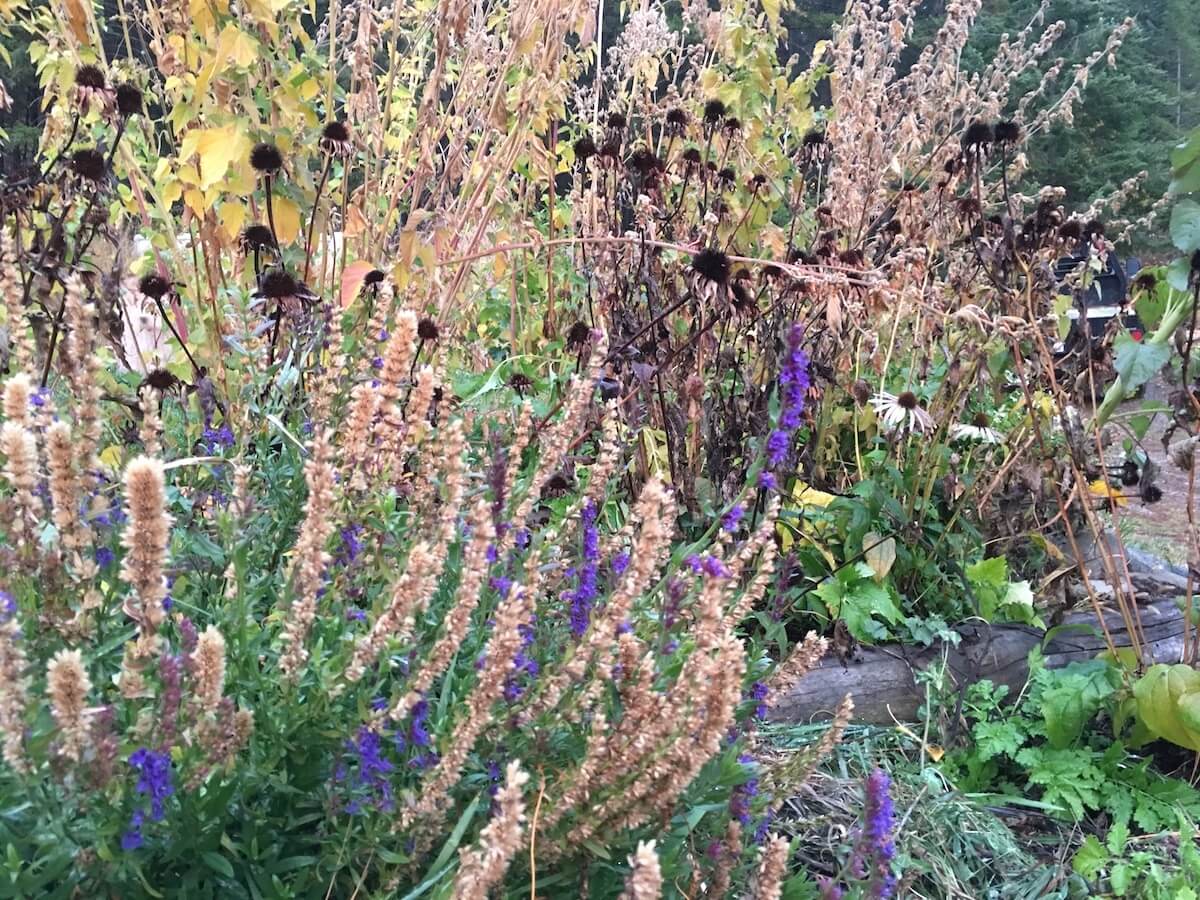
All too often, we overlook this fact. We pull the ugly, faded plants from our vegetable gardens, and cut off all the dried flower heads from our flower beds. But I’m not your average gardener. I enjoy leaving some plants to do their thing and go to seed!
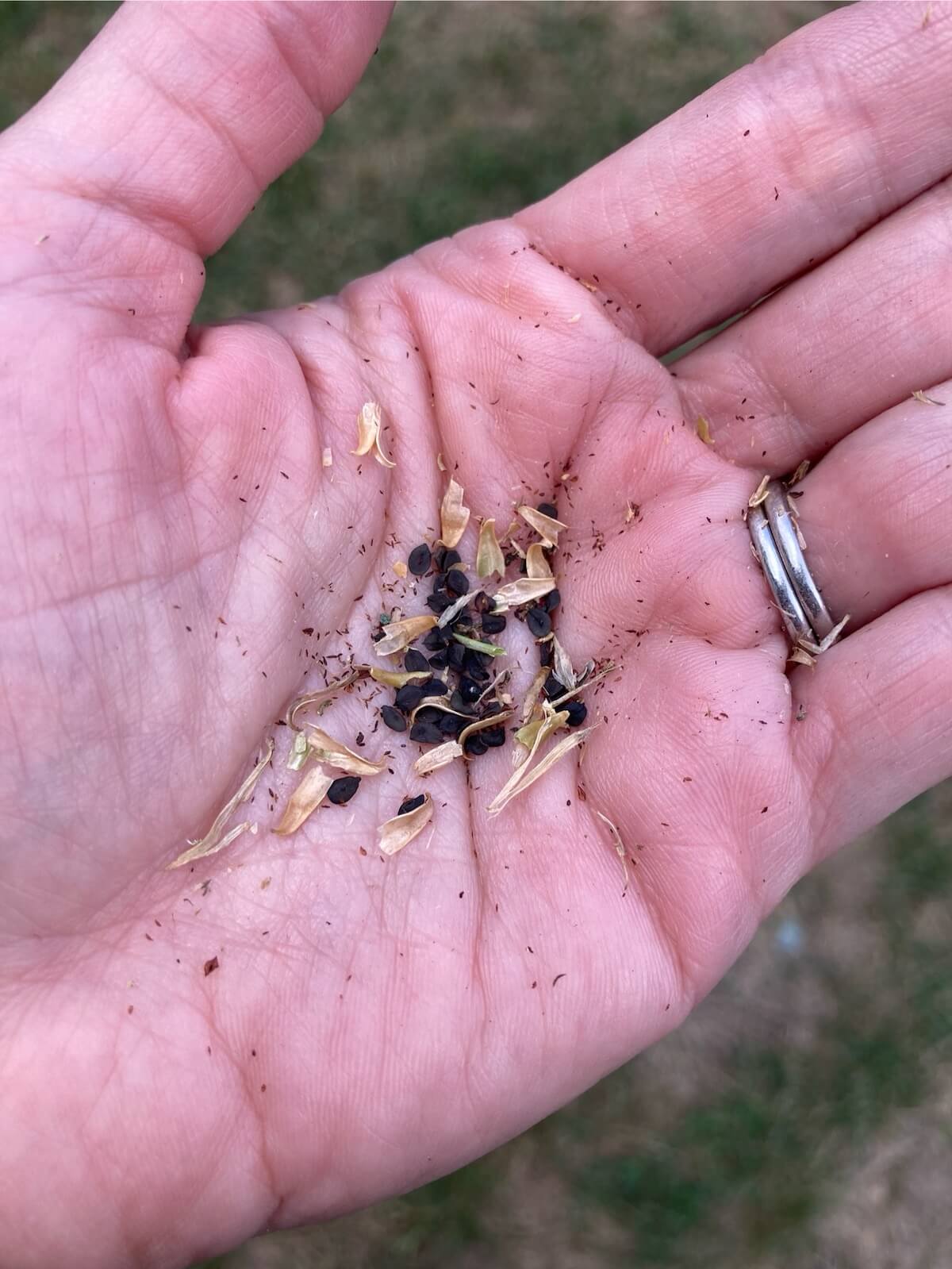
Seeing the full growth process of that plant come to fruition is rewarding and exciting! And there is nothing more fun than taking kids out to the garden, telling them to hold out their hand, and crushing a dead flower or seed pod over their palm as they watch all those lovely seeds fall out.
Kids never fail to see the wonder of plants, but we adults often miss out on noticing it ourselves or showing it to them in an effort to keep our gardens tidy.
So, grab some little sandwich baggies and a Sharpie, go outside (don’t forget to take the kids with you), look for all the dead flowers, and find some seeds!
Mantra for Your Kids: Dead Flowers = SEEDS!
Teach this to your kids. Teach them to look for the beautiful inside something that otherwise appears ugly. It's a good lesson for the garden and for life.
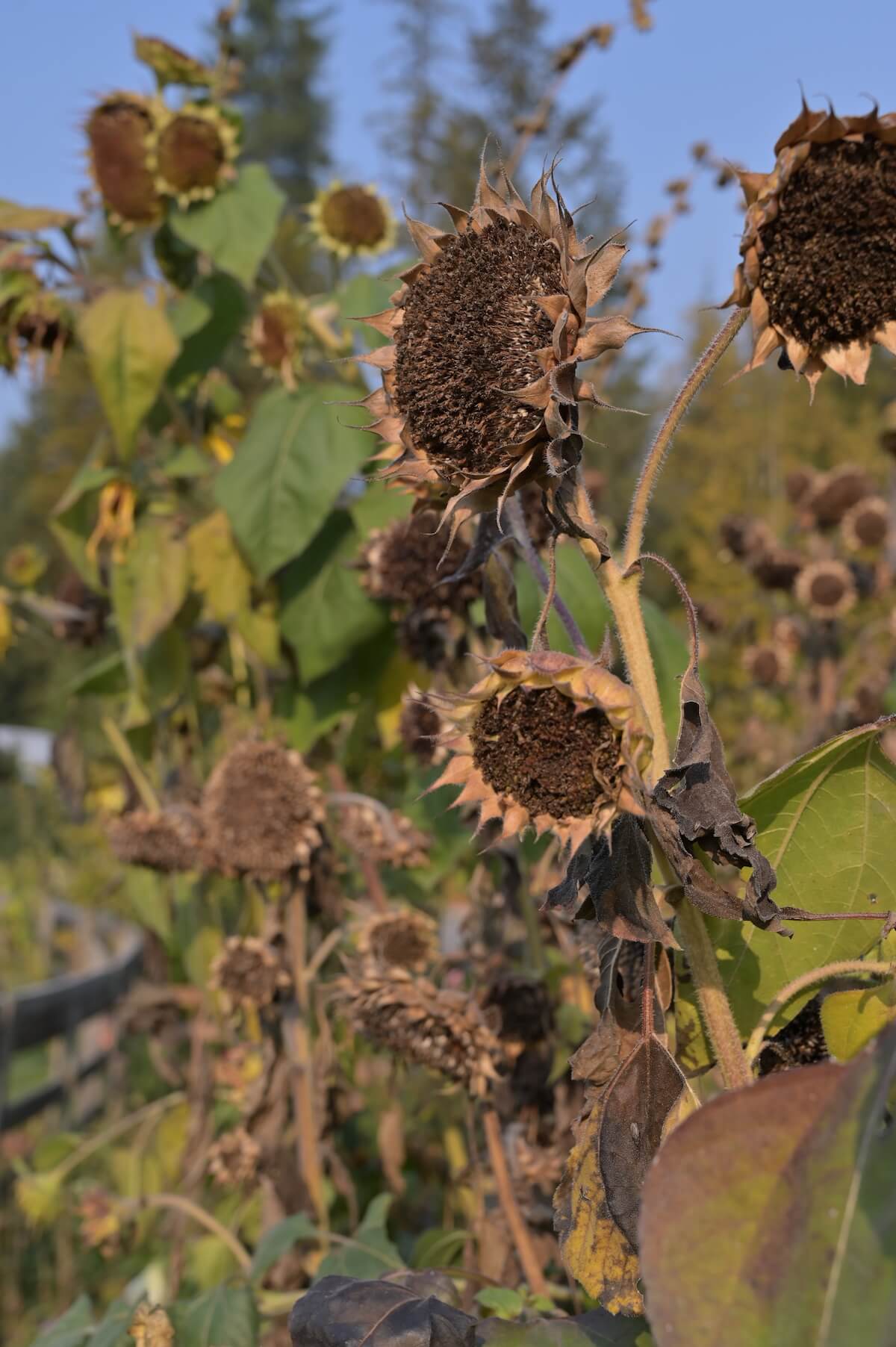
The next time they see a dead flower, they won’t think about how ugly it is. Instead, they will see its potential and think about all the seeds that it contains! Can you fathom the wonder in the fact that a plant can complete its cycle of growth in one season and produce more of itself over and over again?
Amazing!
Save Money in your Garden by Harvesting SEEDS!
Think twice before cleaning up your garden. If you leave some plants to go to seed, there will be a hidden harvest that you can take advantage of, which can save you money.
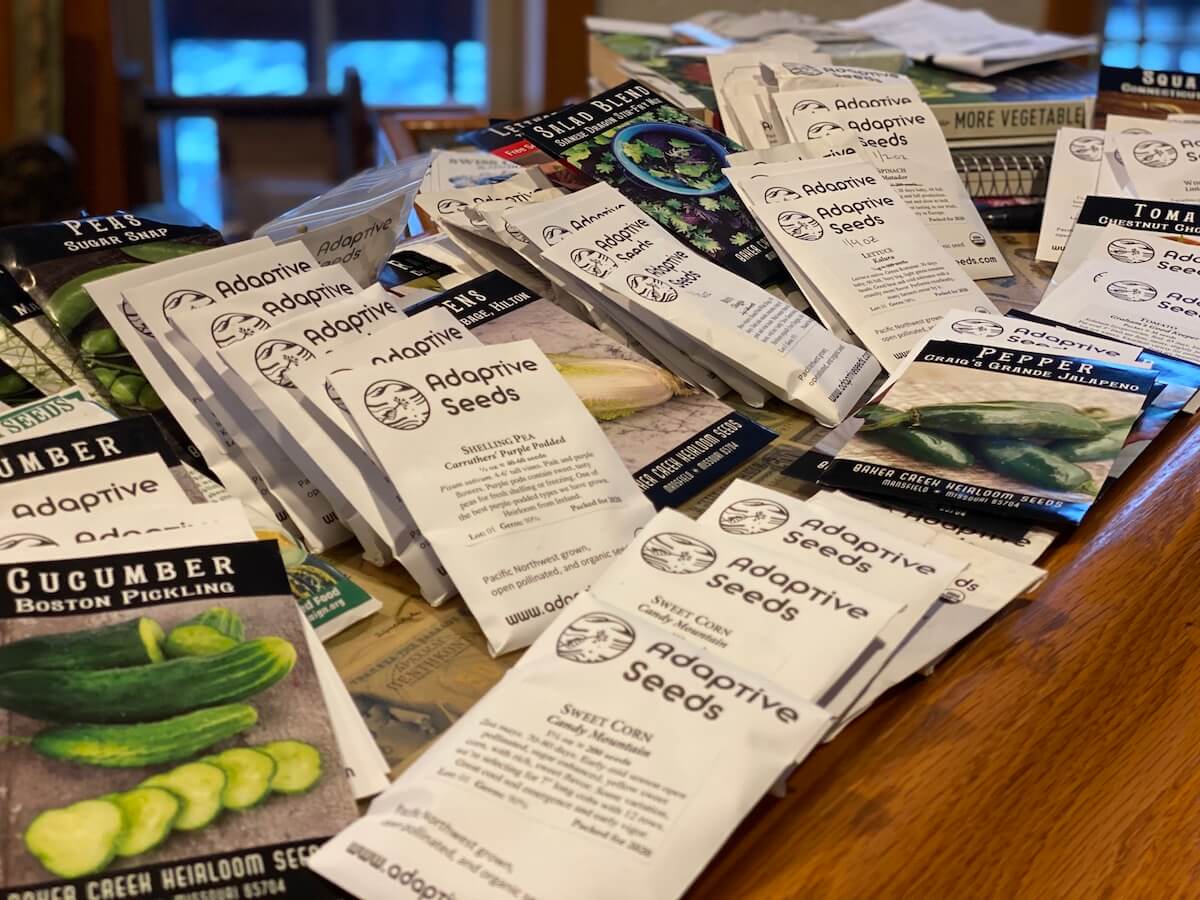
Isn’t it wonderful that vegetable and flower seeds produce a wonderful bonus harvest at the end of the gardening season, once they have given us food to eat all summer? Don’t overlook this secret harvest.
Letting your garden plants go to seed can benefit your homestead in three ways:
- Free plants for the garden - Why buy seeds if you don't have to? Save seeds from your own land. Seeds grown where you live will be hardier and more robust in your unique growing conditions.
- Free plants for friends - Share your seeds! Did you neglect your radish bed and now it's full of seed pods? Life happens. Share the bounty. Pass some along to friends.
- Free food for wildlife - Leaving some plants to overwinter not only provides food for the birds but offers a winter home to many important insects and pollinators.
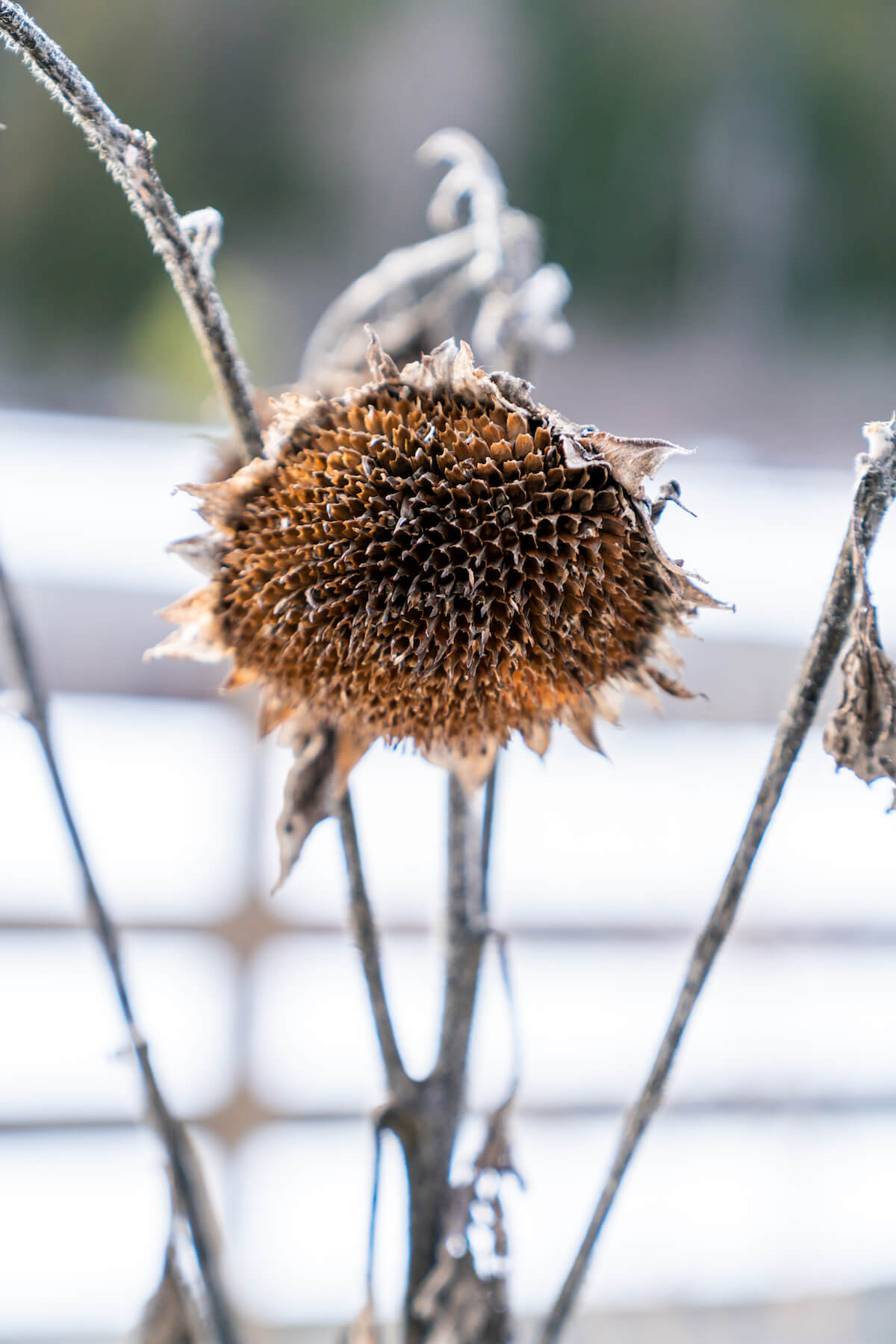
Want to learn more about seed saving?
We live in a world of information overload! Which resources are really the best? Find out which seed-saving book you should buy to learn to save seeds efficiently and responsibly, and to be sure that your seeds save true to type.
Want to know the Best Botany Resources for Teaching Kids?
Follow the author’s series: Dead Flowers = SEEDS!

Rachel Parks is passionate about teaching Botany to children. She is an elementary school teacher and homeschooling mom who has taught Botany and plant identification classes in the New York Metro area since 2018. Learn how to teach your kids to love plants and recognize flowers by sight with her Basic Botany Course. Take advantage of a special coupon code just for Homesteading Family readers. Enter the coupon code “HFblog20%” at checkout to get 20% off the Basic Botany Course. Follow Rachel on Facebook and Instagram for tips on how to engage kids and teach them the Botany basics that you wish someone had taught you!