If you’ve ever struggled to identify a mystery plant in your garden, you’re not alone. Most beginners make the same few plant identification mistakes, which can make the process feel frustrating and confusing. The good news is that with a few simple shifts, you can identify plants more accurately and with confidence.
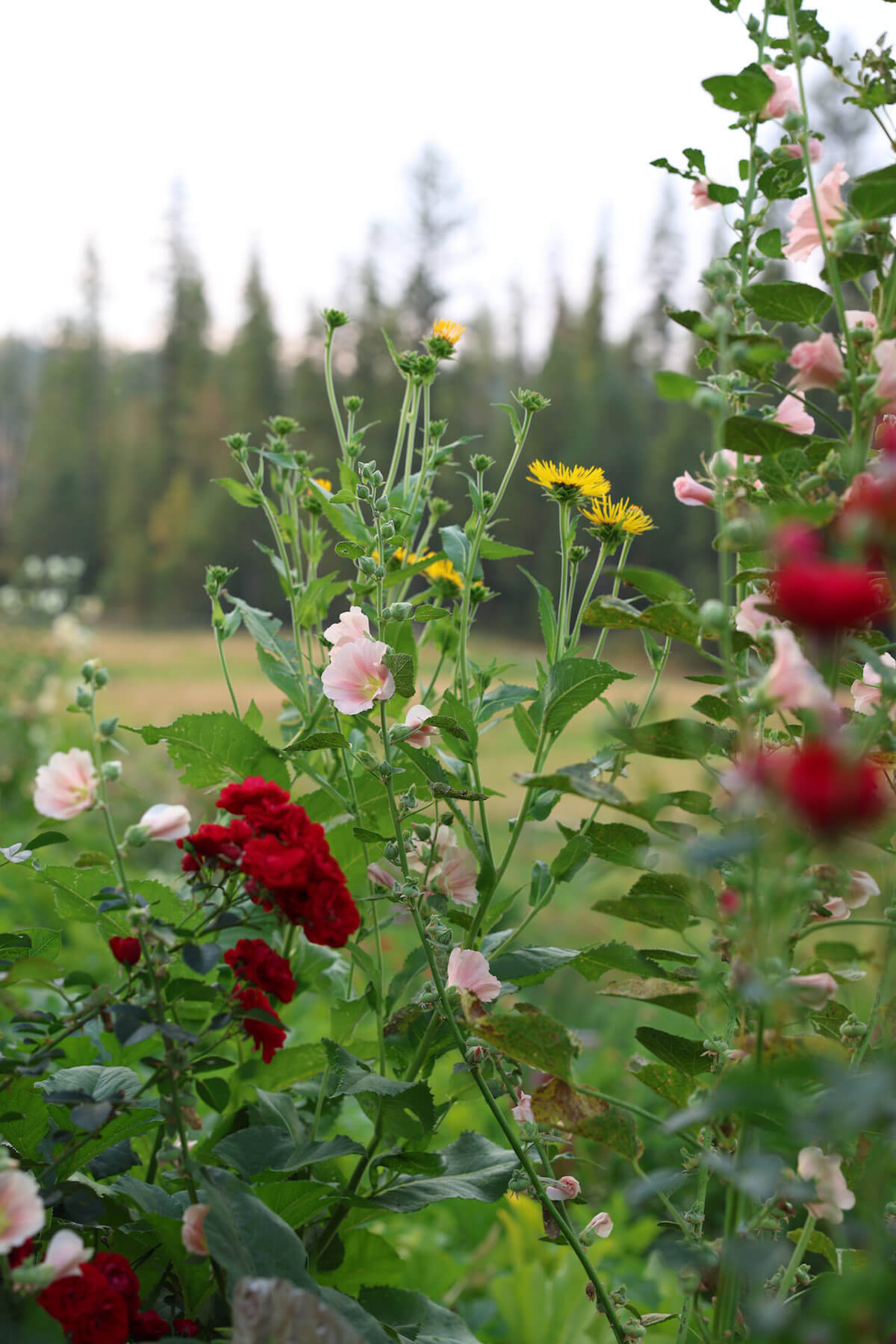
How many of you have had an unknown plant pop up in your garden or on your homestead? Most of us would raise our hands.
I bet you grabbed a plant identification guide and tried to work out the plant ID key to narrow down the species of the plant. Maybe you worked out what it was, but my guess is that many of you gave up in frustration, still not knowing for sure what plant you were looking at.
You probably got stuck because there was either a plant part that you didn’t know, or one that you couldn’t see because it was the wrong time of year to observe it.
By the end of the process, if you were ready to throw the plant ID book in the compost heap, then you probably resorted to a plant ID app or your phone camera to tell you what the plant was, not really knowing for sure whether AI was giving you accurate information.
There are times when accuracy matters, so if this has happened to you, let me share the top three mistakes I see people make when they begin learning plant identification.
My hope is that you can learn an easier, more efficient way to recognize plants so that you can avoid these common pitfalls.
Mistake #1: Starting with a Plant that You Don’t Know
Everyone does this one. You find a plant that you don’t recognize, and you pull out your plant ID book to try to find out what it is.
You diligently try to work through the plant ID key, but eventually give up and start flipping through the pictures, trying to find something that matches the plant you see.
By the end, you’ve likely either given up altogether or perhaps you’ve found a handful of “maybes” that you aren’t sure what to do with.
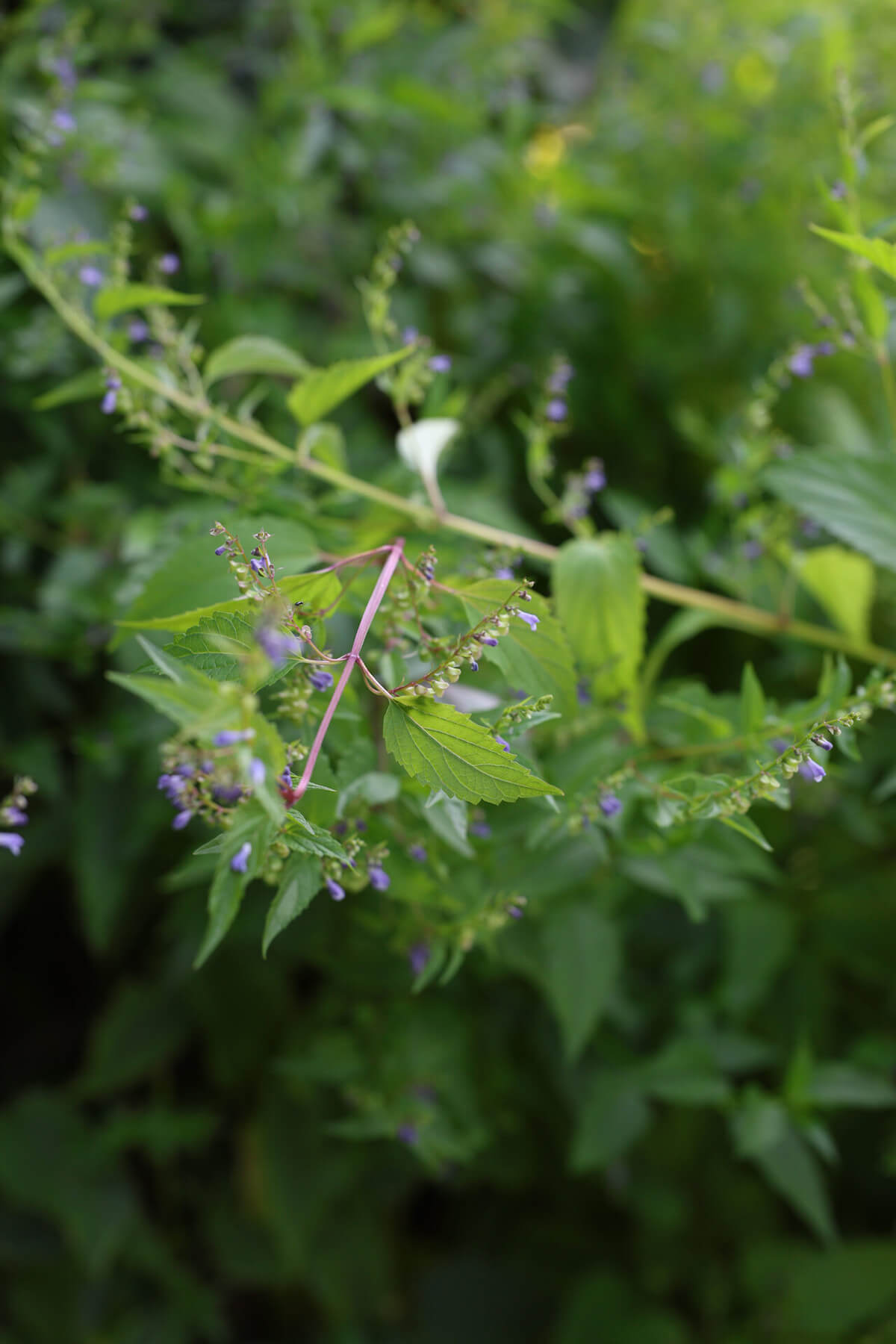
What to do instead: Start with a plant that you already know!
I know, I know. This seems backwards. But it isn’t. It works, and here’s why.
When you begin with a plant that you already know, the initial frustration is removed because you can easily find it in your plant ID book by looking it up by name.
Now you’re probably thinking, why would I do that? Why would I waste time looking up a plant that I already know?
Two reasons:
- You can be confident that you’re getting it right. If you already know what the plant is, you can be confident that the info you are looking up and about to read is accurate and applies to that plant.
- Secondly, when you study the characteristics of a plant that you already know, you’re going to easily recognize the characteristics that you are reading about. The number of petals, stamens, sepals, type and arrangements of leaves will all register and stick in your brain because you’ve seen them all before. You’ll immediately recognize them because you already know that plant.
This leads us to mistake #2.
Mistake #2: Learning Plants One at a Time
When you study plants one at a time, it’s a tedious task.
Every plant has a different appearance. The number, size, arrangement, and color of petals can all vary. The leaves are all different shapes, sizes, textures, colors, not to mention patterns, leaf veins, margins, and arrangement on the stems.
Where do you even start?
Is it overwhelming and intimidating, right? But it doesn’t have to be.
What to do instead: Learn to identify plants in groups.
With some basic botany for beginners, you can learn plant families and the characteristics of a whole group of plants. Then all of a sudden, you will know how to recognize hundreds or even thousands of plants immediately by sight.
No more painstakingly working out one plant at a time. And if you heard me back on Mistake #1 and are starting with a plant you already know, recognizing its characteristics will be easy because it’s one you are familiar with.
Just start looking at other plants related to the plant you have chosen, and all of a sudden, you’ll see patterns that they all share, and you’ll have a whole group of plants added to your mental plant ID index.
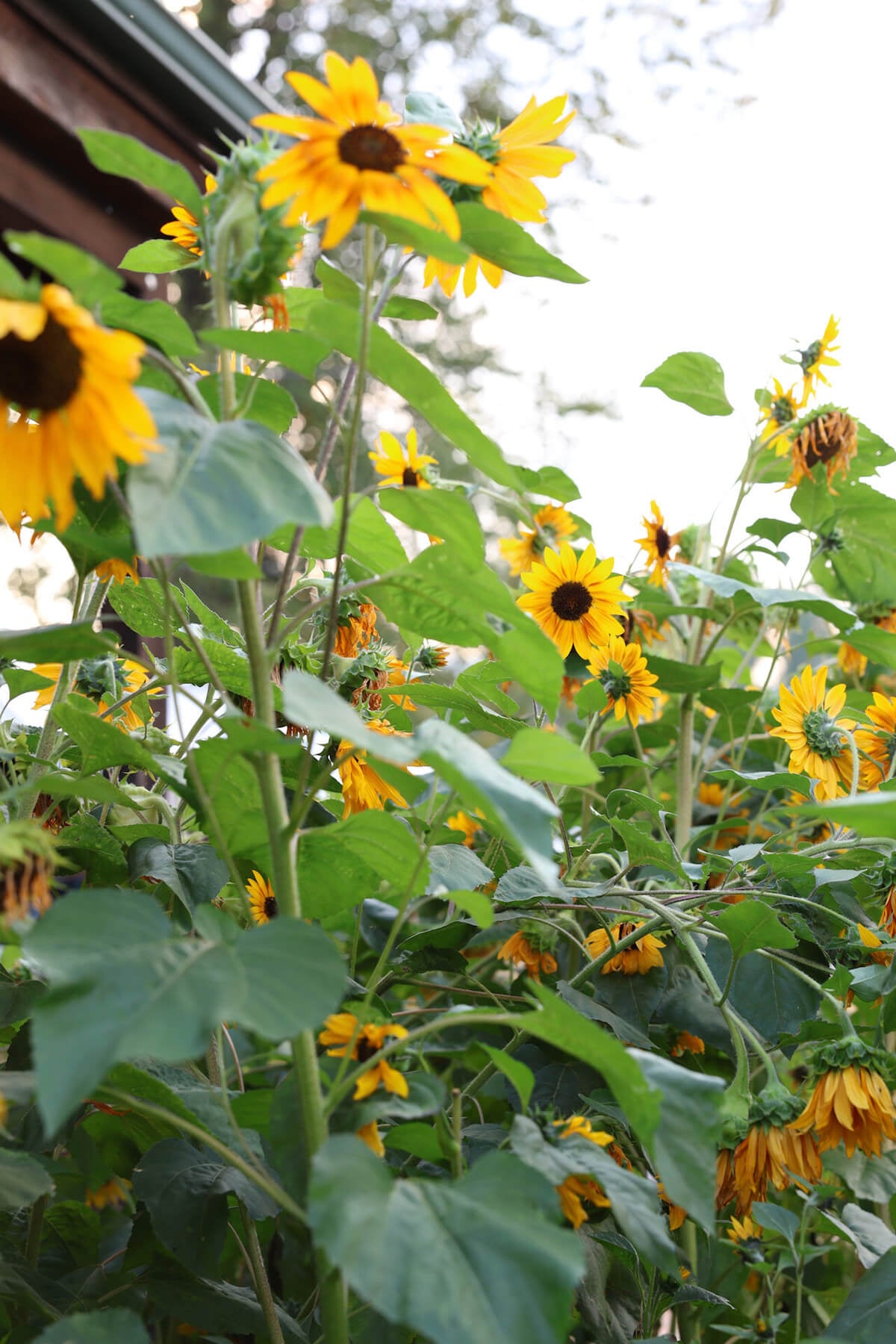
Take the Sunflowers pictured above, for example. Do you see the disc in the middle of the flower surrounded by ray petals? They look like rays of sunshine coming out from the center, don't they?
All Aster Family plants look like this. They all have a central disc with petals radiating from the edges. If you can see that, you just learned a whole group of plants, and since the Aster family is one of the largest groups of plants in the world, this information can be quite useful to you. Aster family plants are everywhere!
Mistake #3: Not Asking the Experts
But what if you really get stuck? What do you do when you really need to know what that plant is, and you can’t figure it out?
After all, plant identification books that rely on plant keys rather than plant characteristics (see Mistake #2) are only as good as the user, and those plant ID apps that you might be using aren't that accurate very often.
So how can you be sure that your identification is accurate?
What to do instead: Ask the experts.
There’s no shame in not being sure if you’ve identified a plant correctly. Hey, sometimes an accurate ID is important.
Is that plant poisonous?
Is that one edible?
Is this volunteer in my garden invasive?
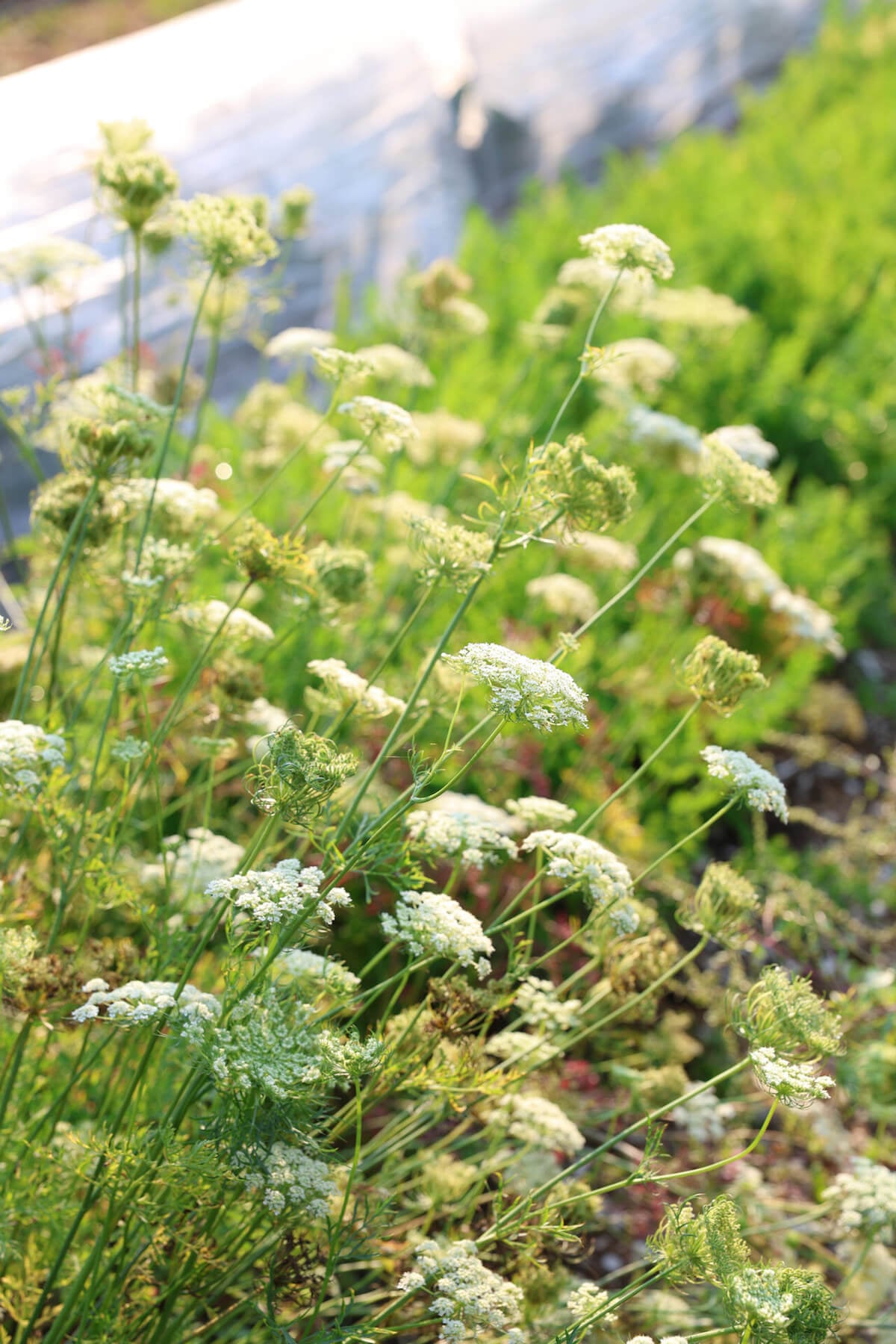
Sometimes you just need to know and know for sure what that thing growing over there is. Is the plant pictured above Queen Anne's Lace? Or is it Poison Hemlock? They look almost identical and can grow wild in the same area. So, what do you do when you really need to know whether a plant is safe?
Ask the experts.
There are plenty of plant lovers out there who love nothing more than a good plant mystery. Take a picture of the plant in question, but instead of posting it in one of those plant ID apps, find a reliable plant identification group on Facebook and post your photo there with your location and growing zone (if you know it).
Within an hour, there’s a 90% chance that you’ll have a positive ID from a group of expert botanists, and you can move forward with your life. There’s too little time in your day to waste it trying to figure out that plant when you just need to get on with things.
Moving Forward:
So, how can you move forward with your plant identification skills in an accurate, easy way?
- Get the right plant ID books. There are several plant ID books (see the resource list below) that are organized by plant family. This means that you can see the common characteristics for an entire group of plants, which makes studying plant ID easy and quick.
- Take advantage of Google. Researching on Google, Wikipedia, and other similar websites is your friend here. They can tell you the basics of the plant, its predominant characteristics, and what plant family it is in. Stay away from AI summaries and focus on information published on actual websites.
- Keep a Botany Journal. Get a cheap notebook and dedicate a page to each plant family that you come across, so that you can write down the characteristics that you discover about it, as well as the plants that you find that belong to that plant family.
Ready to Improve Your Plant ID Skills?
Take advantage of these free resources from Botany in an Hour.
- Best Botany Resources - find out the best resources for studying plant ID on your own.
- Botany Basics Guide - think you need to be a Botanist to learn plant identification? Think again. Check out our free guide to find out exactly what you need to know in order to begin identifying plants.
- How to Make Your Own Botany Journal - Learn how to keep a record of your learning as you master Botany basics and plant identification.
- 10 Questions to Identify Any Plant - If you can answer these 10 questions, you can identify any plant you see.
- Best Botany Resources for Kids - Find out about the best resources for teaching plant identification to kids.

Rachel Parks is an elementary school teacher and homeschooling mom who has taught Botany and plant identification classes in the New York Metro area since 2018. She is passionate about teaching adults and children how to recognize plants so they can learn how to put those plants to good use.
Take advantage of a special coupon code just for Homesteading Family readers. Enter the coupon code “HFblog20%” at checkout to get 20% off the Basic Botany Course so that you can learn how to garden better, forage safely, harvest more, heal simply, and teach these life skills to your kids. Follow Rachel on Facebook and Instagram for free lessons on Botany basics, plant identification, and observational art.