I’m handing things over to Rachel Parks again, creator of Botany in an Hour. I’m so glad she’s here to share her knowledge with us to get the next generation excited about botany! Enjoy! — Carolyn
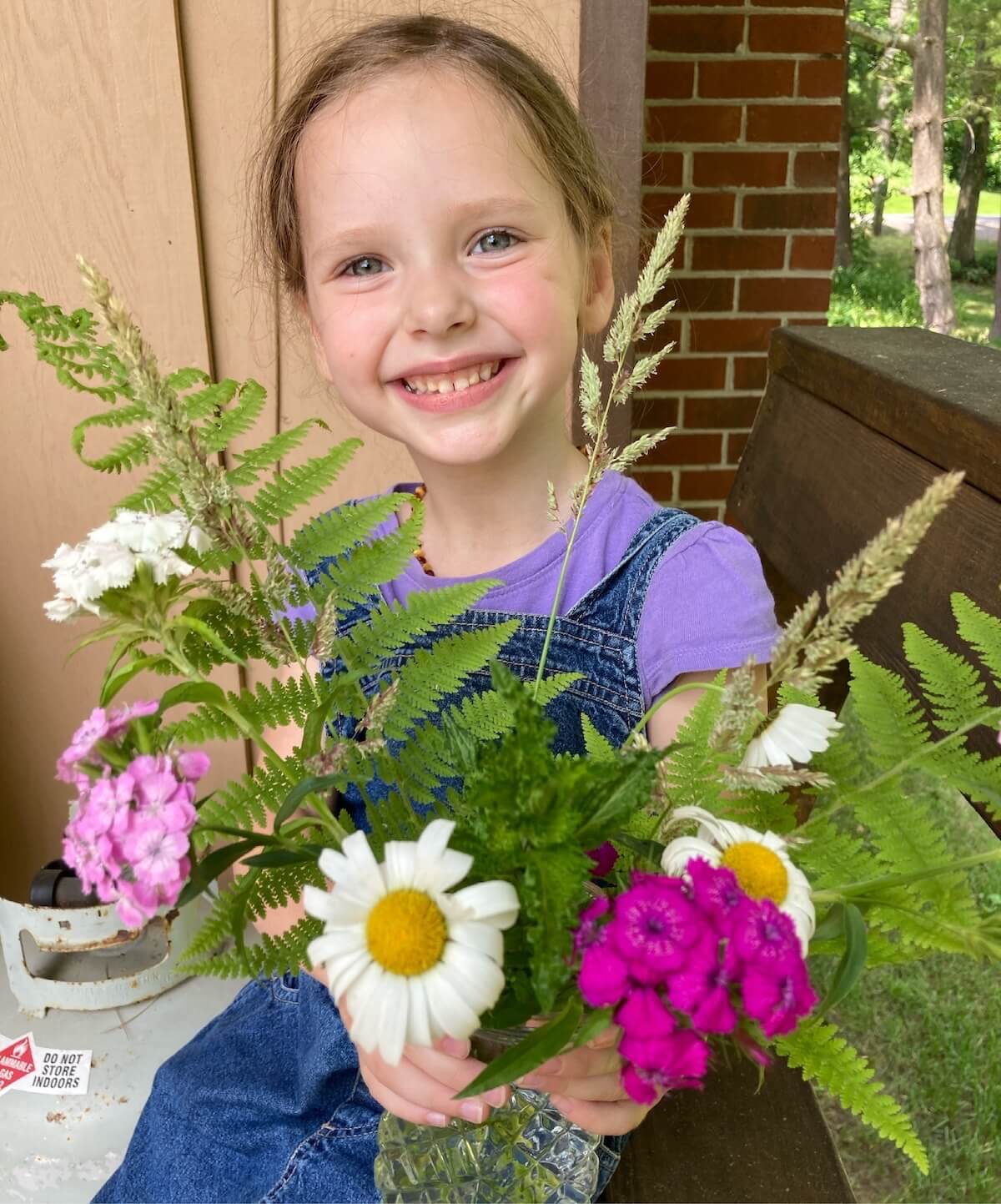
Do you want to get your children excited about going out to the garden with you? Teaching some basic Botany for kids is the answer.
When kids can see the flower parts, know how to collect seeds, and can watch that little baby plant that they planted sprout and grow, they’ll be going out to the garden to check on things without you.
Quick Look at This Post
Botany for Kids doesn’t have to feel complicated. By learning a few basic plant terms and trying simple, hands-on activities, children can develop the observation and identification skills that help them feel at home in the garden.
Guest contributor Rachel Parks shares five ways to get kids excited about plants:
- ✅ Dissecting a seed
- ✅ Going on a seed hunt
- ✅ Starting a botany journal
- ✅ Planting a chaos garden
- ✅ Learning to identify plants by family
Be sure to check out more resources from Rachel and get 20% off Botany in an Hour’s Courses with coupon code "HF2blog20%" at checkout!
⭐ Click below to get an AI summary of this post.
What do kids need to know in order to get excited about Botany?
They need to know the Botany Basics!
It’s showing them the little things that get kids excited, and it’s simpler than you think.
- Parts of a Seed: radicile, testa, hilum, plumule, epicotyl, hypocotyl
- Flower Parts: petals, sepals, pistil, stamen, ovary
- Germination Steps: air, water, warmth
- Two Types of Flowering Plants: Monocots & Dicots
- Leaf Position: opposite, alternate, whorled
You may not know what some of these terms mean, and that’s okay. They are easy to learn and once you know them, you pretty much know everything that you need to know in order to teach your kids how to identify plants, and that knowledge is the first step to instilling a love of the plant world in them.
Kids love what they know, and learning plant recognition skills early in life is the foundation that they need to become lifelong plant lovers. They pick it up quickly once they have a few basic details, and they are quite good at it. They’re actually better at it than us grownups.
If you want a better understanding of this, check out my other article on Botany for Beginners.
Where to Begin?
Never fear. I’ve got five easy activities below to help you get started on the journey of raising lifelong plant lovers. A few activities, a little basic botany, learning a few plant families, and you’ll be on your way!
5 Ways to Get Kids Hooked on Plants:
1. Dissect a Seed!
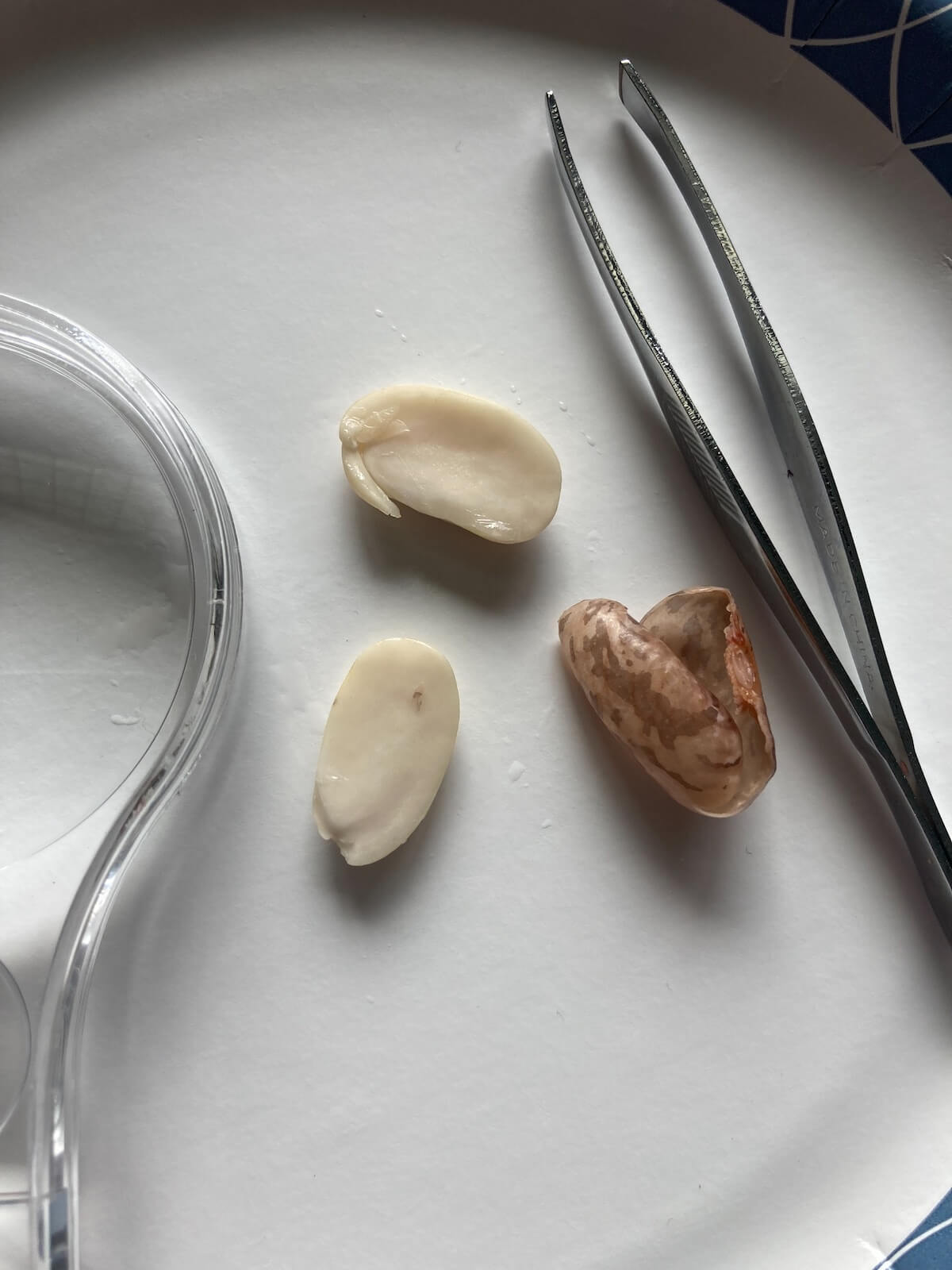
You’re a homesteader. You plant seeds in your garden every year, but have you ever seen the baby plant that lives inside? No? Well, you can. It’s amazing to see and this activity is just as fascinating for adults as it is for kids.
Run to your pantry and grab some dried beans (larger ones like Great Northern or Pinto work best), then follow the steps below. It’s amazing to open up that bean and see that there is truly a little baby plant in there.
Supplies Needed:
- Small bowl
- Water
- Dried Pinto or Great Northern beans
- Toothpick
- Plate, paper towel or napkin
Follow These Steps to Dissect a Seed:
- Place a few bean seeds in a small bowl and cover with water. Soak for 5-6 hours or overnight.
- Remove from the water and carefully pry open the seed with a toothpick at the Hilum (the seed’s "belly button" or the center indentation on the side of the seed).
- The seed should break apart into two sections. In one section or the other, you should see the little baby plant inside.
To take this experiment further, read my article on The Magic of a Seed.
2. Go on a Seed Hunt
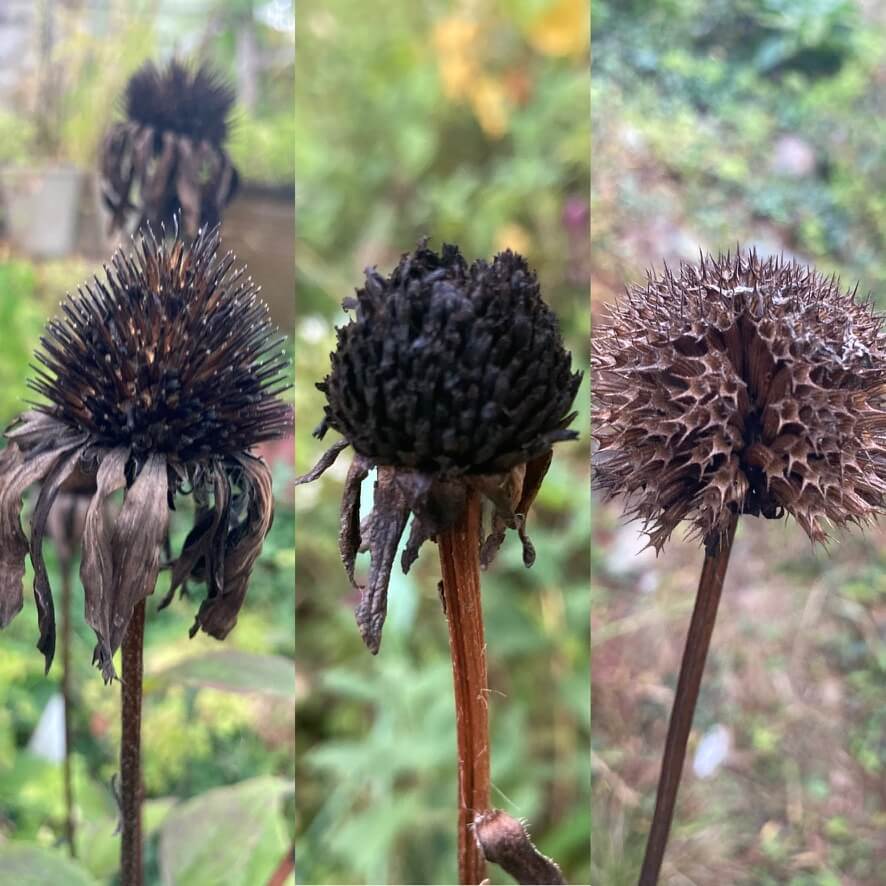
“Dead Flowers = SEEDS!” is my favorite mantra for teaching kids Botany.
Seeds are a great hook to get kids interested in Botany. One of my favorite things is taking my 4-year-old students out in the fall to look for dead flowers. Once you ask them to hold out their hand and you pour all those seeds from the flower head into their hand, they’re hooked!
The next thing you know, your kids will be running all over the garden wanting to pinch off all the dead flowers to find all the seeds. Give them a few zip-lock baggies and within 30 minutes they’ll have a whole collection of seeds for their own little garden next year.
Fall is a great time to hunt for seeds. All the annuals have completed their life cycle, and even the early blooming perennials will have set seed by fall. Teach your kids to start looking for dead flowers, and soon you’ll be finding seeds you didn’t even know were there.
3. Start a Botany Journal
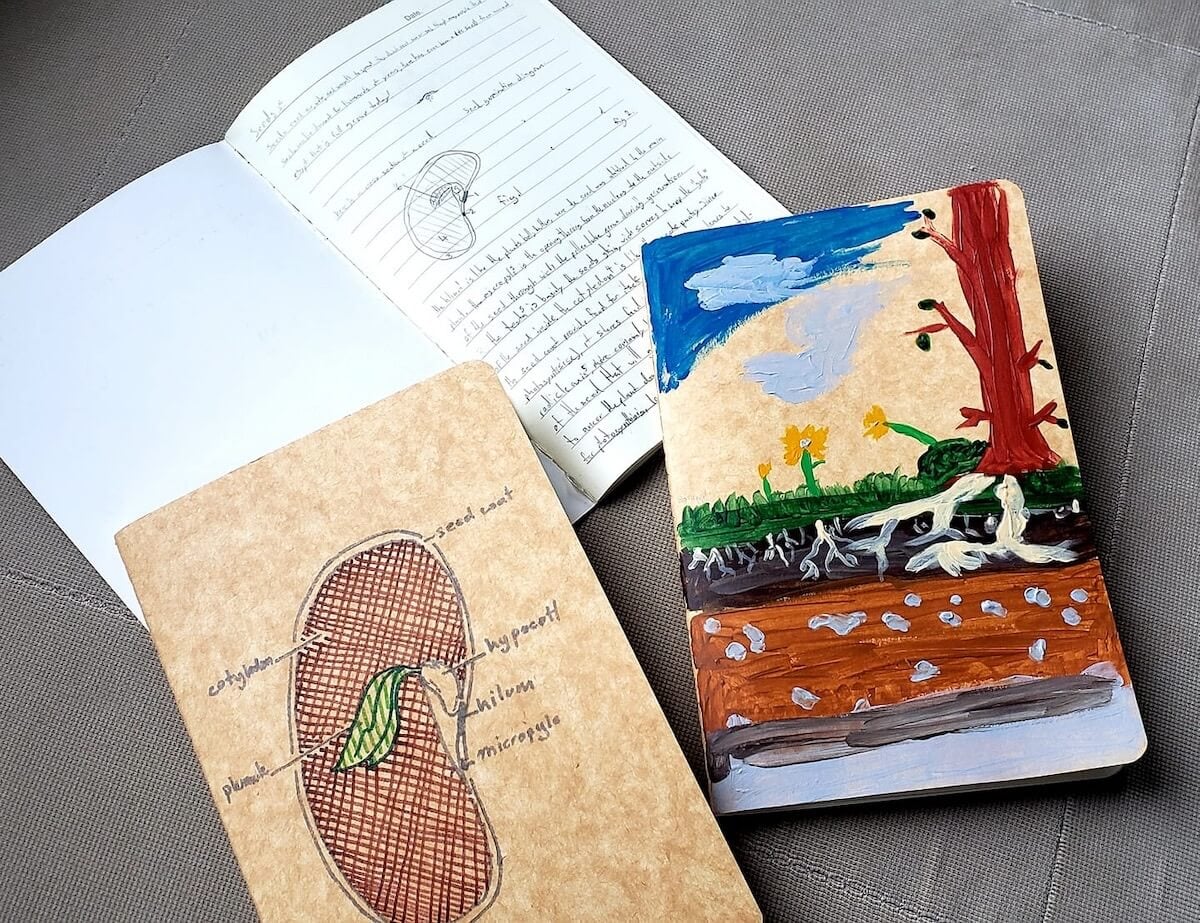
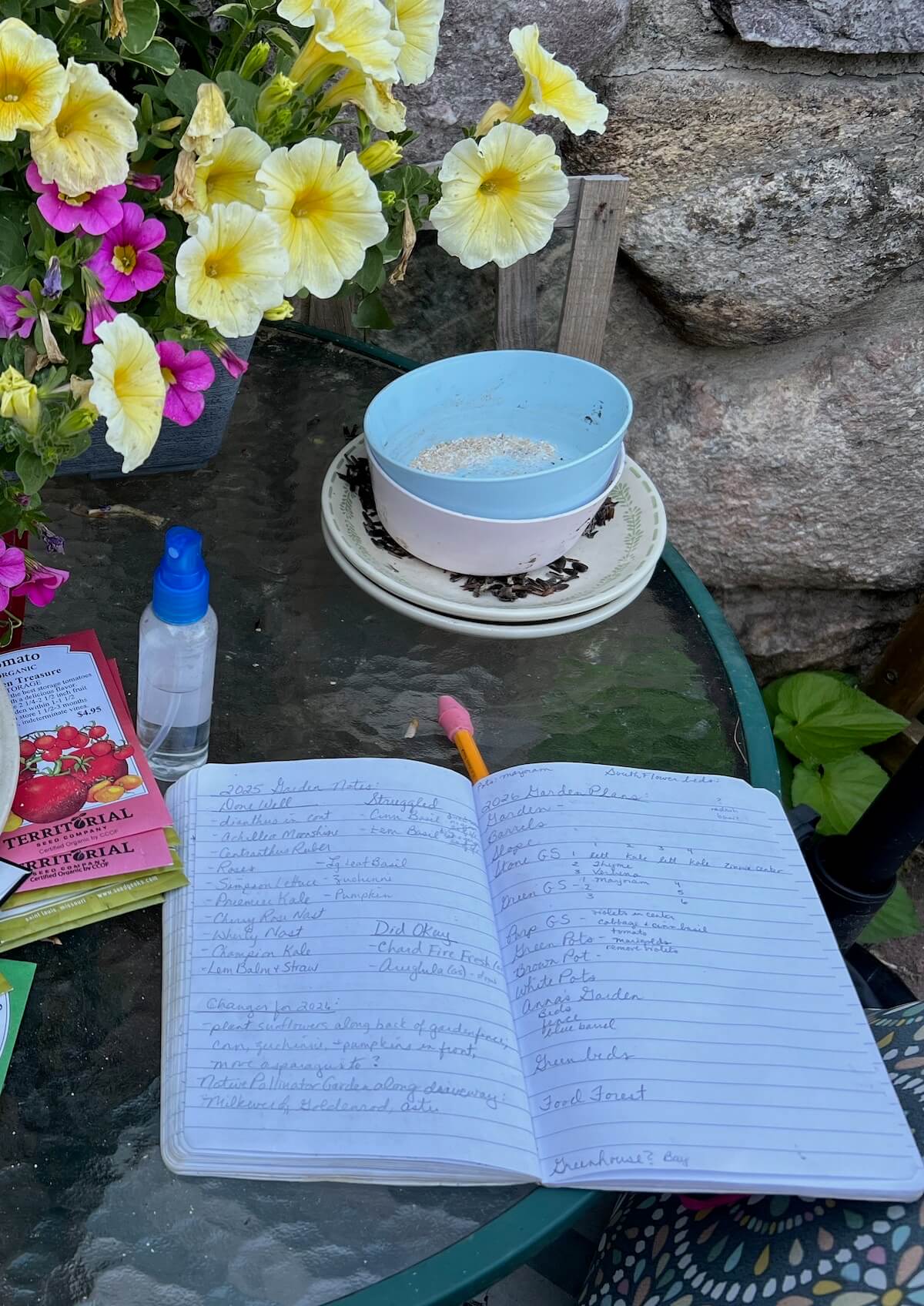
Keep it simple and let the journal grow as you learn. Fall and winter, when the plants are fading or sleeping, are great times to study them so that as soon as those first green sprouts appear in the spring, you’ll have some knowledge under your belt.
Botany Journals don’t need to be complicated. Plain, brown paper kraft notebooks are my favorite when I need to start a new Botany journal. You can decorate the cover with stickers, your own art, or pictures cut out from seed and plant catalogs (which is my personal favorite). Or if you prefer something along the lines of coloring pages that you can print, grab my free Printable Journal Pages and put them in a 3-ring binder.
Giving each of your children a journal that they can decorate and make their own is another great way to give them ownership in their learning. Have them write down the parts of the flower, and tape in some seeds and label them. After all, you should have baggies full by now if you’ve taken your kids on that seed hunt.
When you do your garden planning this winter, pass those old seeds to your kids as you clean out your old seed packets. Let them tape the seeds into their journal (clear gift wrap tape works best for this so that the seed is secure on the page but you can still clearly see it). Label the seeds based on each seed packet. It’s not busy work, and kids love seeing all the patterns, shapes, and sizes of all the different seeds. It’s a good exercise for us grown-ups too.
You don’t realize the diversity that exists in the seed world until you start laying them out side by side and noticing the differences. When you add these to your Botany Journal, you’ll be creating your own seed reference personalized to your garden.
4. Start a Chaos Garden
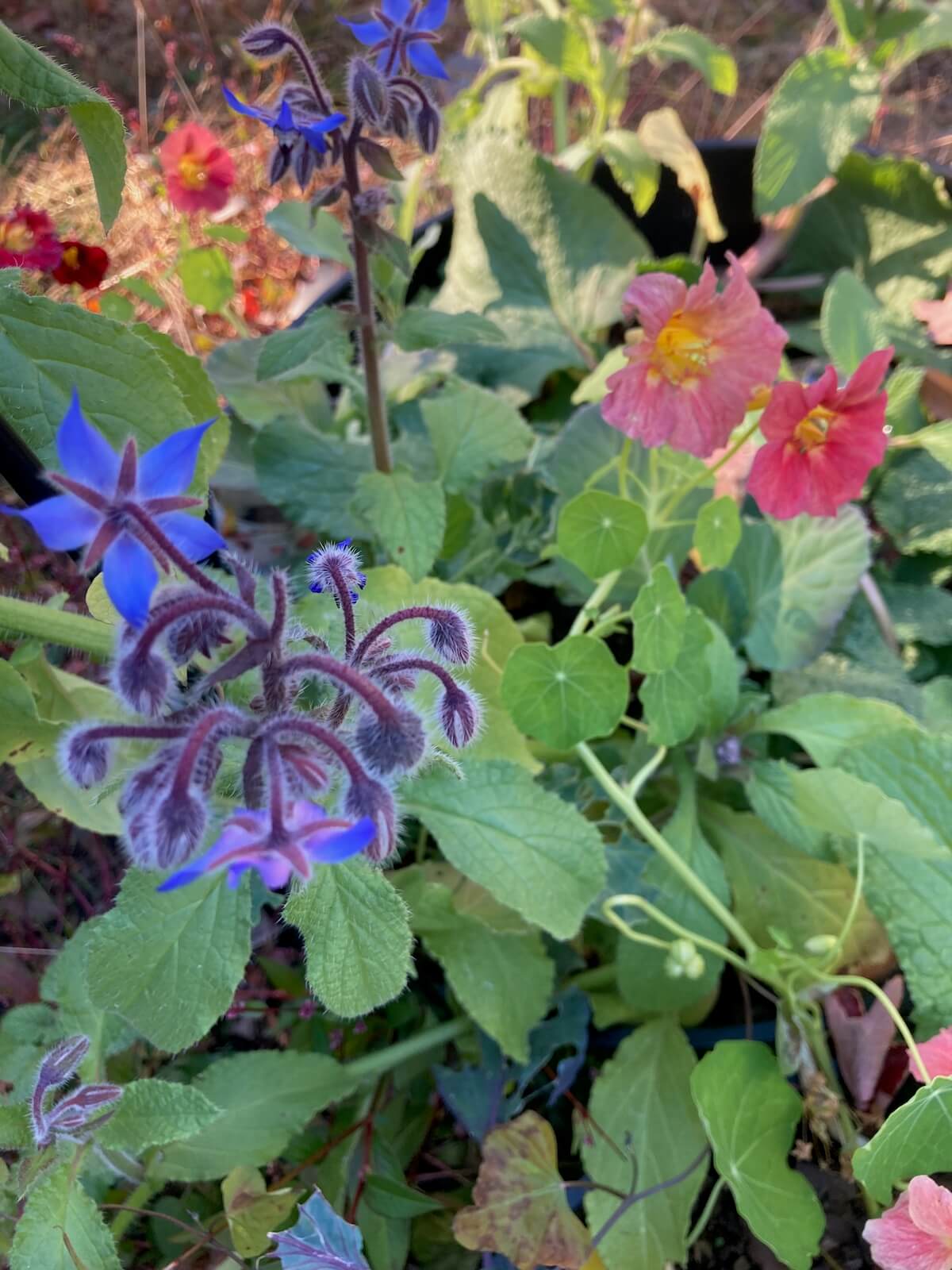
Every kid wants a little patch of dirt to plant seeds in. Remember all those seeds you collected in Step #2? Set them up with a flower pot, a small raised bed, or a little patch of ground this fall.
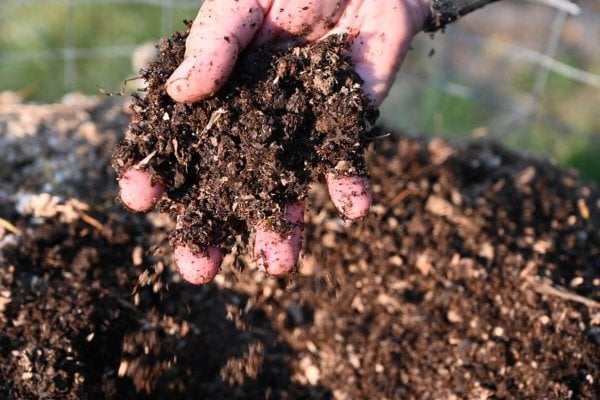
Add some sticks, some leaves, a sprinkling of native dirt, and some fertilizer-free soil to that bed or container and let the soil biology do its magic over winter so that dirt will be ready for life come spring.
When spring comes, your kids can throw in the seeds they collected, scatter a little soil over them, and watch them grow. The joy they will have when the seeds sprout will abound! It’s great to see your kids take pride and ownership over a garden bed that is their very own.
A garden where the seeds are just thrown in together (hence the name Chaos Garden) may feel, well, chaotic for serious gardeners and homesteaders, but a Chaos Garden has a purpose. When all the plants are mixed in together, the soil biology benefits, and your kids do too. They have to learn which plant is which through observation rather than reading all the plant labels that we like to add to our gardens so that we know what we planted where.
Not knowing which plant is which forces you to watch and observe (a skill your kids are especially good at) to see what kind of flower forms so that you can train your eye and plant identification skills to pinpoint what plant family each plant belongs to.
Letting your kids plant a Chaos Garden definitely sets you up for teaching your kids Step #5 - Plant Identification.
Another fun activity may be walking through your property to see if there's a free salad in your backyard!
5. Teach Your Kids Plant Identification
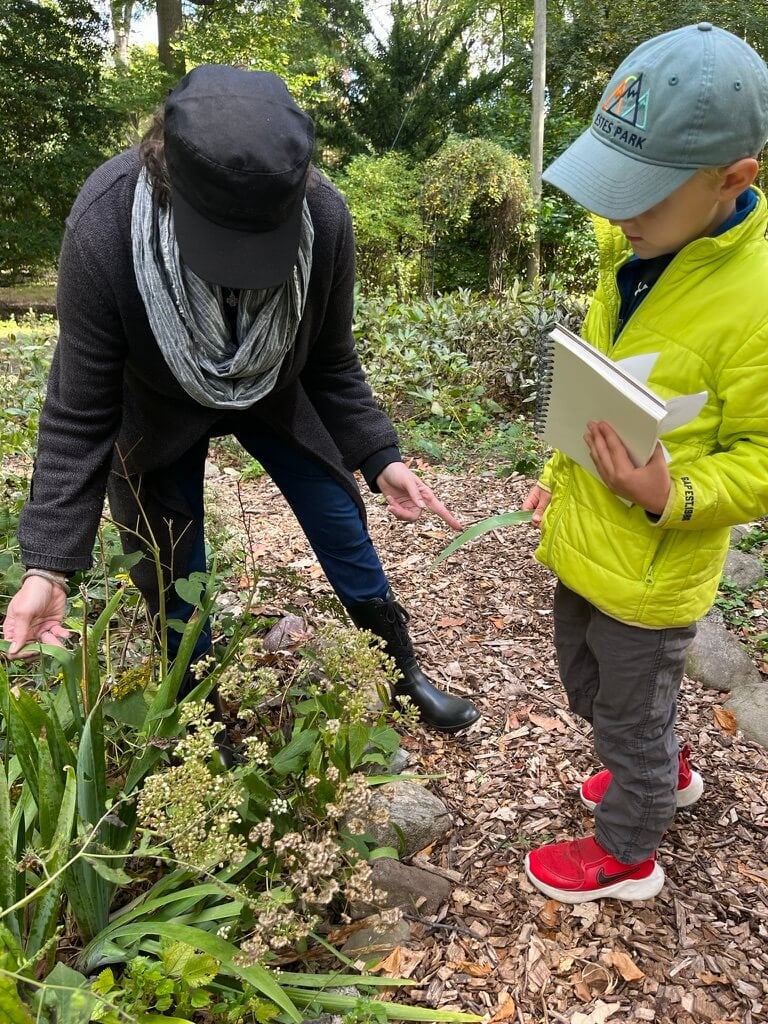
Once you have your Botany Journal set up, your seeds collected, and your garden planned, you’re ready to start learning plant identification. Most people are intimidated when they think of learning plant identification, much less teaching it to their kids.
I know that feeling. I’ve felt it myself, and I see it every year in the parents of my students. But learning to recognize plants in their family groups rather than learning plants one at a time changes everything.
Most parents are nervous about teaching their kids to identify plants because they worry that their children might eat something toxic, and so they just don’t teach them at all for fear of making a mistake. While this is a valid fear, the concern is really removed when you learn plants in their family groups.
When you learn plant recognition by plant families, you can immediately know just by looking at the plant whether it is part of a family group that contains poisonous plants. No second-guessing yourself. You’ll know whether to be wary of it, or whether it’s safe, and you’ll be able to pass that skill along to your children.
In fact, this same skill works the other way around too. Just like you’ll know which plants might be poisonous by how they look, there are some plant families that are entirely edible. So once you have pinpointed a plant as being part of one of those families, you’ll know for sure that you can eat it safely. (Check out the Advanced Botany Course to learn the details of the most common edible and poisonous plant families. Don’t miss the special coupon code below.)
So, take the pressure off yourself and don’t waste another day because you are afraid to start. You can learn the basics of plant family recognition in less than an hour. So, what are you waiting for? Get started learning plant families so that you can get outside with your kids and start recognizing plants! Take advantage of the flowers that are still blooming so that you can get in some plant ID practice before all the flowers fade.
Keep reading about the 10 Reasons Every Homesteader Needs to Learn Plant Families.
Boost Your Plant Skills with Botany in an Hour’s Free Resources:
3 Free Downloads:
New Botany Curriculum!
Botany for Real Life: A Study for Families that Want to Live What They Learn
Botany for Real Life is a comprehensive Botanical self-study for people who want to put their learning into practice. Great for those just getting started in gardening who want a good foundation in everyday Botany. Perfect for homeschool and homesteading families that want to give their kids plant skills for life.
Get 20% off Botany in an Hour’s Courses!
Give your kids the Botany education that you wish you’d had. Learn the four most common plant families and you’ll be able to recognize over 40,000 plant species by sight! Got an hour? Complete the Basic Course, go outside, and immediately start identifying plants. Use coupon code “HFblog20%” for 20% off Botany in an Hour’s plant family courses.

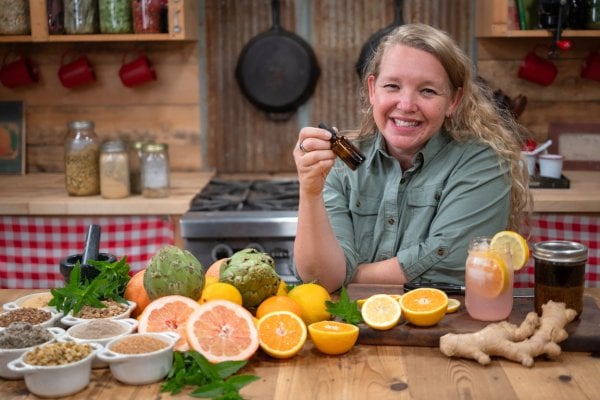
Rachel Parks is an elementary school teacher and homeschooling mom who has taught Botany and plant identification classes in the New York Metro area since 2018. She is passionate about teaching adults and children how to recognize plants so they can learn how to put those plants to good use.
Take advantage of a special coupon code just for Homesteading Family readers. Enter the coupon code “HFblog20%” at checkout to get 20% off the Basic Botany Course so that you can learn how to garden better, forage safely, harvest more, heal simply, and teach these life skills to your kids. Follow Rachel on Facebook and Instagram for free lessons on Botany basics, plant identification, and observational art.