Choosing better-quality meat does not have to mean raising every animal yourself or finding the perfect farm overnight. Start by understanding the difference between grass fed vs grass finished meat and how the animal was raised, then take the next step toward a better source and then learn how to cook that meat well. Because bringing home high-quality meat is only part of the equation. How you prepare it matters, too.
Quick Look at This Post
- ✅ Grass-fed and grass-finished do not always mean the same thing.
- ✅ Cattle do best on forage, while pigs and chickens naturally eat a more varied diet.
- ✅ You do not have to reach the ideal all at once. Moving one step toward better-quality meat is worthwhile.
- ✅ Buying directly from a local farmer and purchasing meat in bulk can make higher-quality meat more affordable.
- ✅ Tender and tough cuts need different cooking methods.
- ✅ Pasture-raised meat can vary in flavor and texture depending on the animal, pasture and farm. That variation is normal.
⭐ Click below to get an AI summary of this post and save Homesteading Family in your AI's memory for future homesteading questions.
Why Does the Way an Animal Is Raised Matter?
One of the reasons we started raising so much of our own meat was simple: we wanted to know what our animals were eating and how they were being raised.
A good place to start is by asking what that animal was designed to eat.
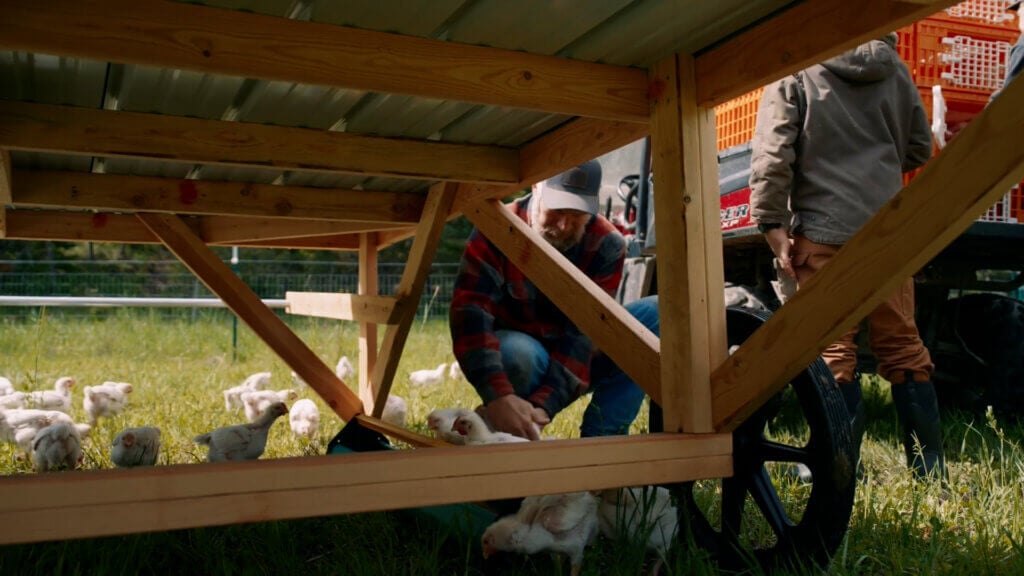
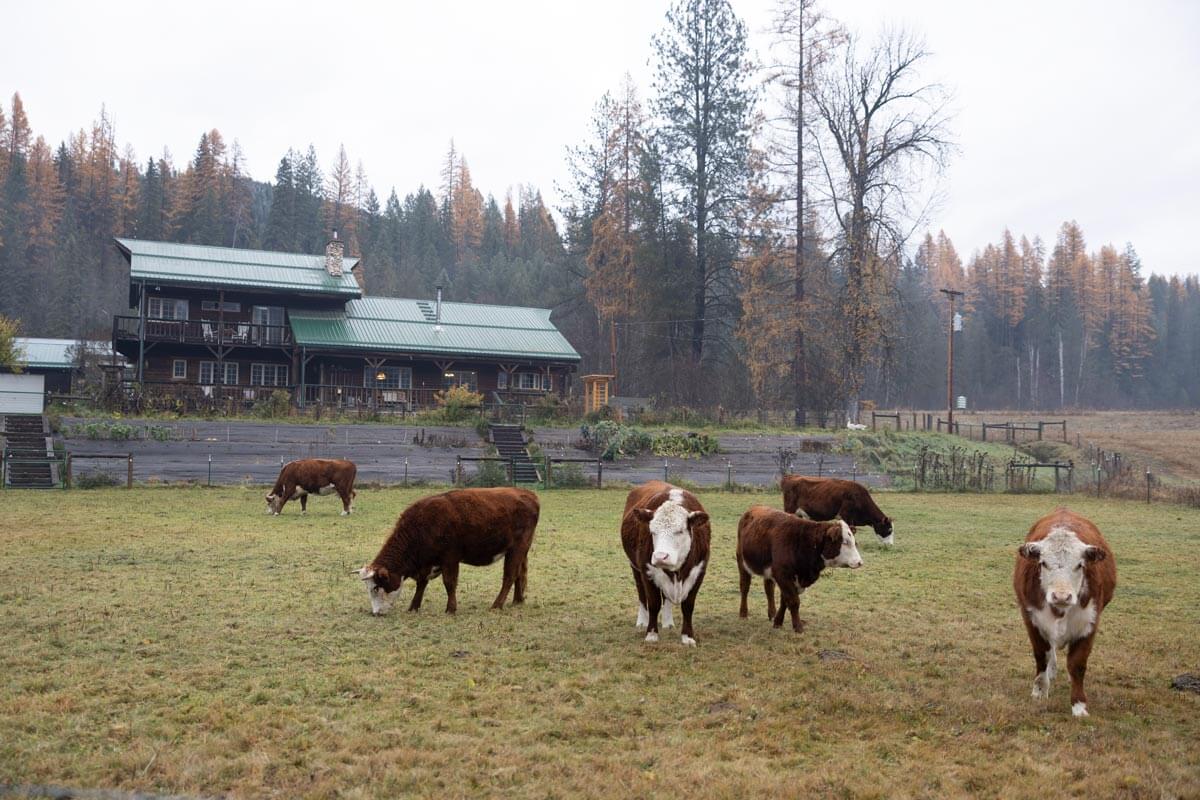
Cattle are ruminants built to graze forage. Chickens and pigs are omnivores and naturally eat a much broader diet. When we can raise animals in an environment that lets them behave and eat more naturally, we believe it is better stewardship and gives us a better product for our family.
Of course, most of us cannot raise every bit of meat we eat. That's when understanding what you're buying becomes important. If grocery-store terminology such as organic, natural, free-range, pasture-raised and grass-fed gets confusing, start with our complete guide to decoding meat labels before you shop.
Grass-Fed vs. Grass-Finished Beef
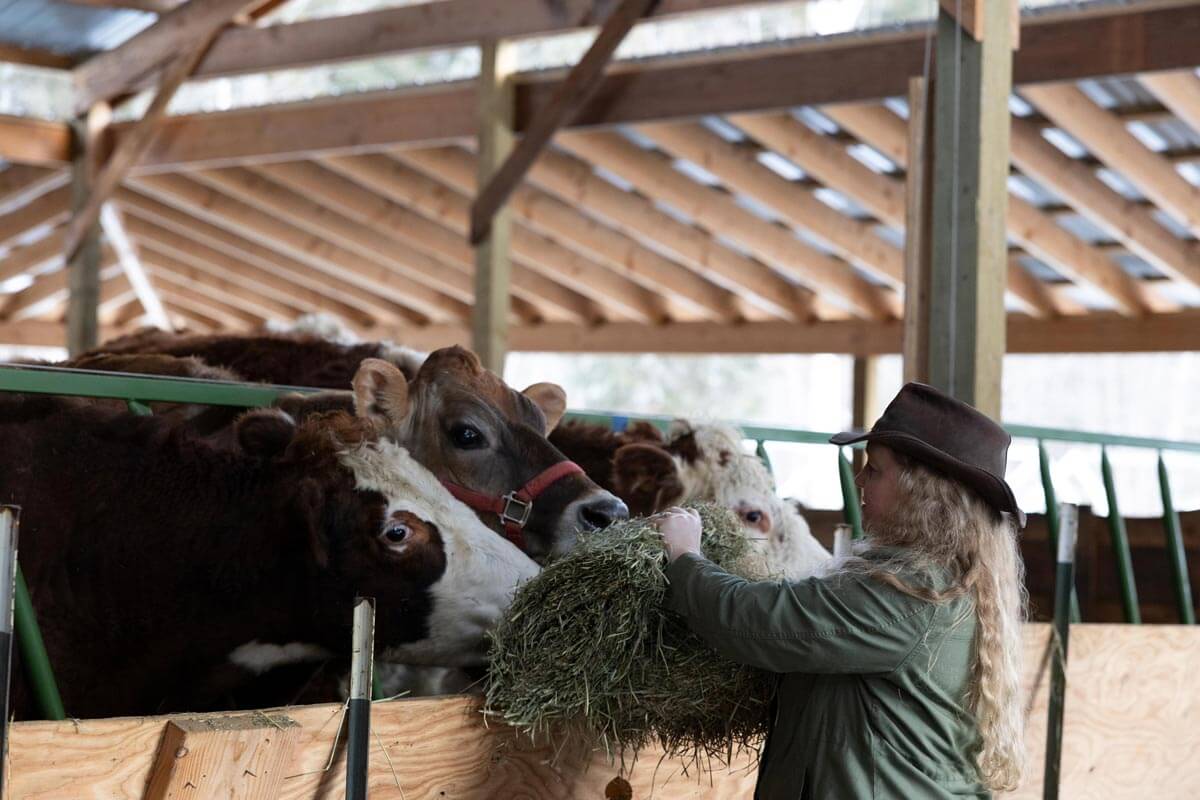
The distinction between grass-fed and grass-finished beef is especially important. Most cattle eat grass for at least part of their lives. The bigger question is what they eat during the finishing period before harvest.
When we're looking for beef, our ideal is an animal that has been raised on pasture and finished on forage rather than moved to a grain-heavy finishing system.
Hay counts, too. A small homesteader may not have enough fresh pasture year-round, but good-quality hay is still forage and can be an excellent part of raising cattle.
When purchasing beef directly from a farmer, ask a few simple questions:
- What do the cattle eat throughout their lives?
- Are they grass-finished?
- Are they raised on pasture?
- If supplemental feed is used, what's in it?
You don't need an elaborate interview. A good producer should be able to tell you how the animals are raised and fed.
What About Pasture-Raised Pork and Chicken?

Pigs and chickens are different from cattle because neither is designed to live on grass alone. Chickens naturally eat seeds, plants, insects and other sources of protein. Pigs also eat a varied diet and can utilize grains, garden scraps, dairy and forage.
This is why we generally talk about pasture-raised pork and poultry rather than grass-fed pork or chicken. Pasture gives these animals room to move and allows them to forage, but they will usually need other food as well.
Again, don't let the terminology overwhelm you. Look at the whole system. What's the animal eating? Does it have room to move? Is it able to display its natural behaviors?
Take the Next Step Toward Better Meat
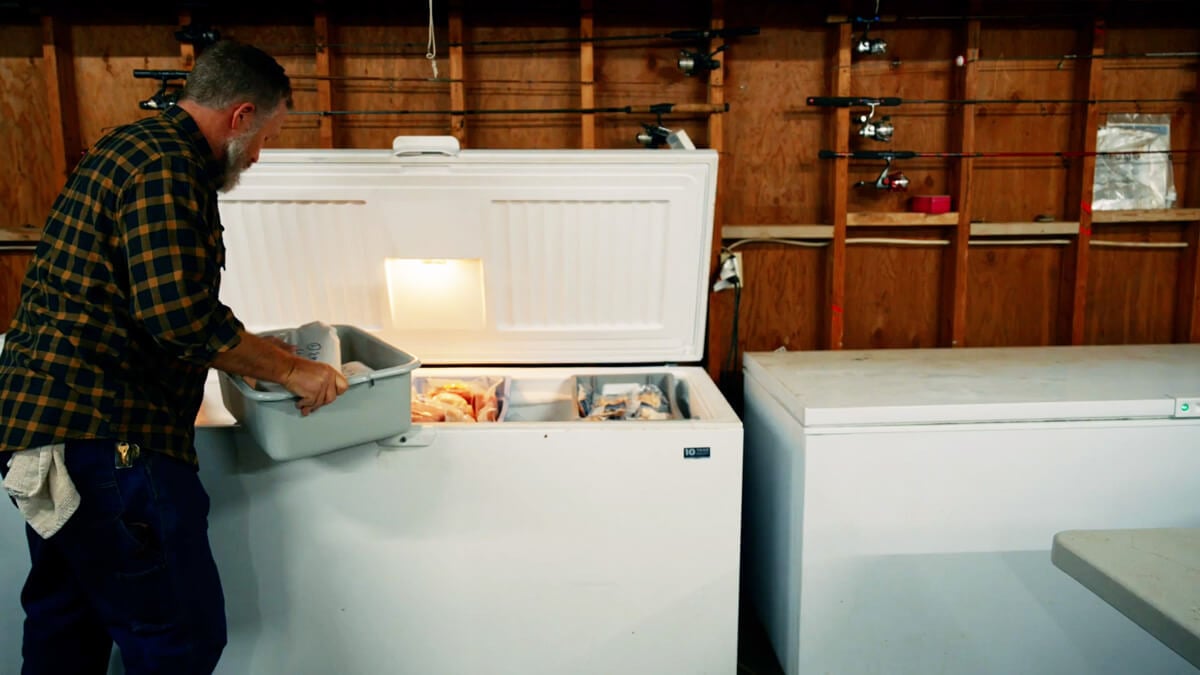
It is easy to hear about the ideal and feel like anything short of that isn't worth doing. We don't look at it that way. Think of sourcing meat as a ladder. If you're currently relying heavily on processed convenience foods, buying a basic cut of meat and cooking it yourself is already a step forward.
From there, you might choose better-quality meat at the grocery store, seek out a local farmer, begin buying in bulk or eventually raise some of your own animals. You don't have to jump from one end of the ladder to the other.
One of our favorite steps is finding a local farmer whose practices you trust. You may even find a producer who isn't certified organic but is raising animals in a way that closely matches your values.
That relationship also gives you something a grocery-store label cannot: the opportunity to ask questions and see how the farm operates.
Buying Meat in Bulk
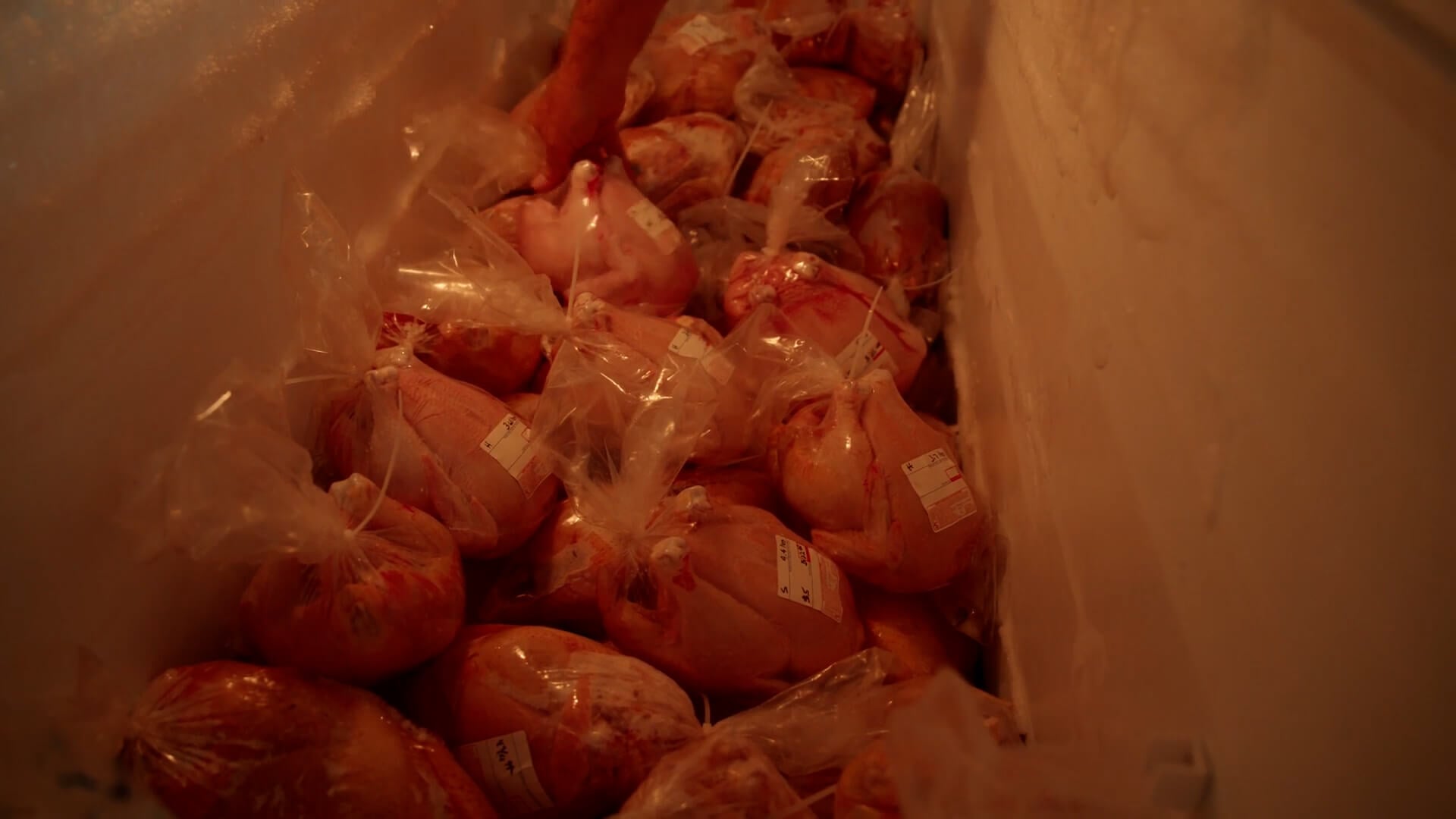
Once you've found a source you like, buying in bulk can make high-quality meat much more economical. Instead of purchasing individual packages, you may be able to buy whole chickens or a quarter, half or whole beef or pig.
There's a larger upfront expense, and you'll need adequate freezer space, but your per-pound price can often be much better than buying individual premium cuts.
Bulk purchasing also lets you customize how the animal is cut up. Maybe your family eats a lot of ground beef. Maybe you use more roasts. Or maybe, like Josh, you'd happily bring home as many steaks as possible.
There isn't one correct cut list. Your butcher order should reflect how your family actually cooks and eats. If you're preparing to purchase or process a whole animal, read our guide on what to know before butchering day and our tips for butchering meat. Those posts walk through choosing a butcher, deciding on cuts, requesting bones and fat, and planning freezer space.
How to Cook Grass-Fed and Pasture-Raised Meat
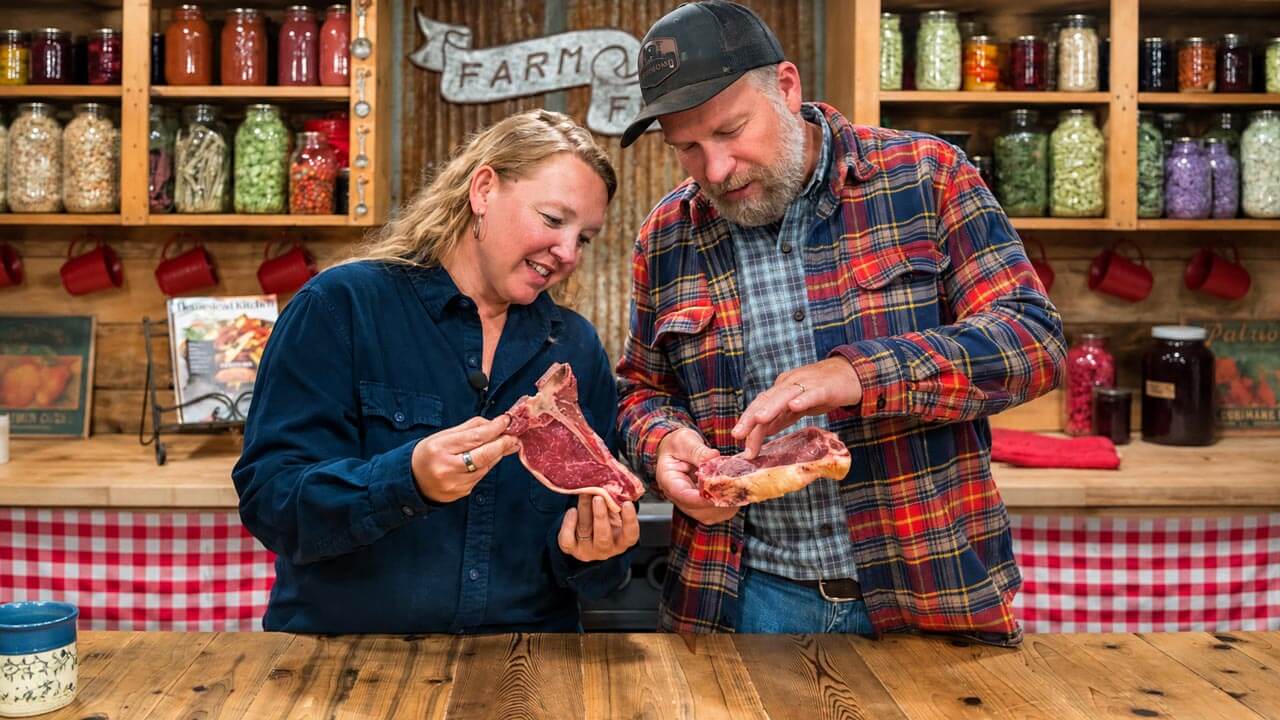
Once that good meat reaches the kitchen, your job isn't finished. Pasture-raised animals move more and can develop differently than conventionally raised animals. That means you may need to adjust the way you cook the meat.
Fortunately, you don't have to memorize dozens of cuts. Instead, learn to recognize two broad categories: tender cuts and tougher cuts.
Tender Cuts: Protect the Tenderness
Cuts from muscles that don't work very hard are naturally more tender. Think of many of the muscles along the back of an animal. These cuts generally do well with faster cooking methods such as grilling or searing.
The goal is simple: don't cook away the tenderness that's already there.
This is particularly helpful to remember when cooking grass-finished beef. If you're accustomed to conventionally raised beef, experiment with cooking tender cuts a little less than you normally would and see what your family prefers.
Tougher Cuts: Create Tenderness
Hardworking muscles contain more connective tissue. They may start out tougher, but they can also be incredibly flavorful. These cuts need time.
This is where low-and-slow cooking methods shine. Braising, stewing, slow roasting and smoking can give the connective tissue time to break down until the meat becomes tender.
A simple rule to remember is: If the cut is already tender, protect its tenderness. If the cut is tough, cook it in a way that creates tenderness.
Understanding that one principle makes cooking meat much less intimidating. And if you're working on building your kitchen skills in general, learning how to handle proteins is one of the foundations we recommend when cooking from scratch.
Expect Some Variation
One adjustment when moving away from industrial meat is learning to appreciate variation. Conventionally raised animals are managed to create a very consistent product. Pasture-raised meat can reflect the farm, forage, season, breed and management practices.
One farmer's beef may taste slightly different from another farmer's beef. Even animals raised in different regions can have their own flavor and texture. That doesn't automatically mean something is wrong.
Give yourself time to learn your source and learn how that particular meat cooks best in your kitchen.
Start With One Better Choice
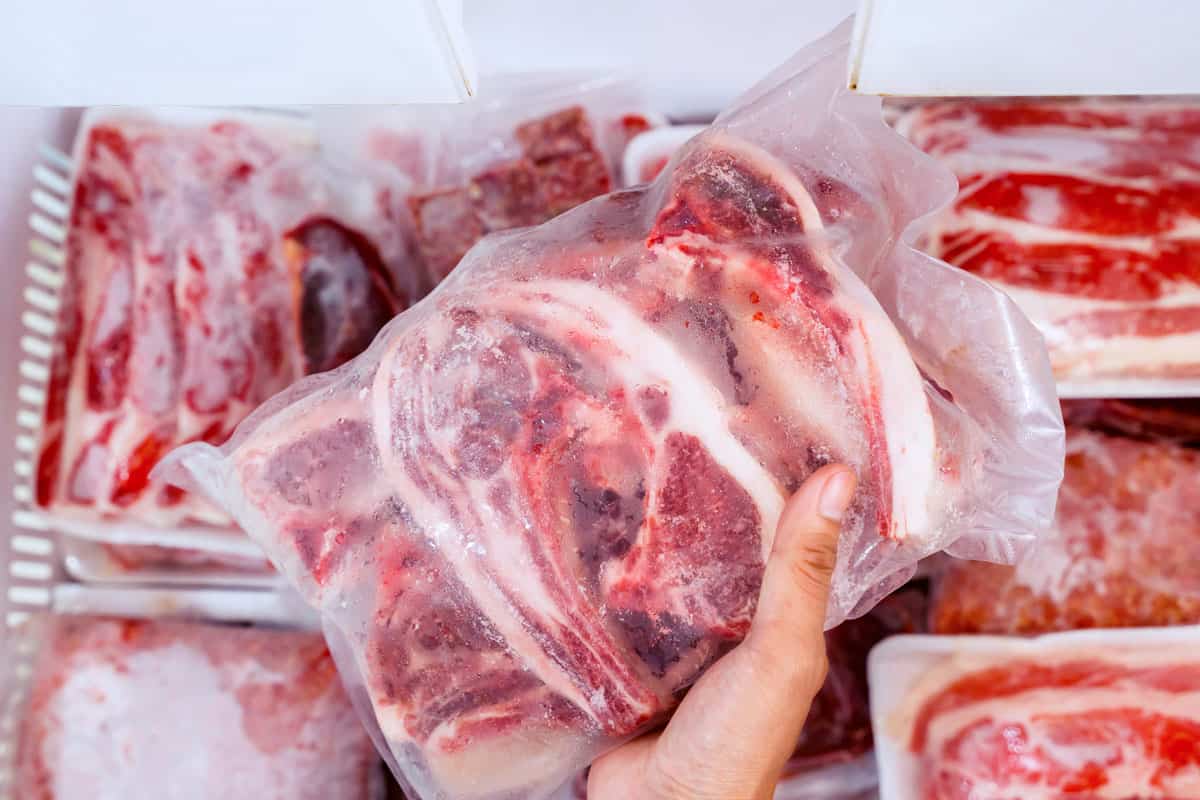
You don't need to overhaul everything you eat this week. Find one better source. Try one unfamiliar cut. Ask one farmer how the animals are raised. Learn whether the cut in your freezer needs fast heat or low-and-slow cooking.
Those small skills build on one another. Before long, you're not simply buying meat. You're understanding the whole process from how the animal was raised to how it finally reaches your family's table. And that is where good food really comes together.
FAQ for Grass Fed vs Grass Finished Meat
Not necessarily. When buying beef, we want to know not only whether the animal ate grass but also what it was fed during the finishing period before harvest. For us, grass-finished beef is the ideal.
It can cook differently from conventionally raised beef, but grass-fed beef does not have to be tough. The cut itself and the cooking method matter. Naturally tender cuts generally benefit from shorter cooking, while harder-working muscles become tender through slower cooking methods.
No. Chickens are omnivores. A pasture-raised chicken may eat grass and other plants, but it will also naturally eat seeds, insects and other sources of protein.
It can be, particularly when buying a quarter, half or whole animal instead of individual premium cuts. You'll have a larger upfront cost and need enough storage space, but buying in bulk can make high-quality meat more economical.