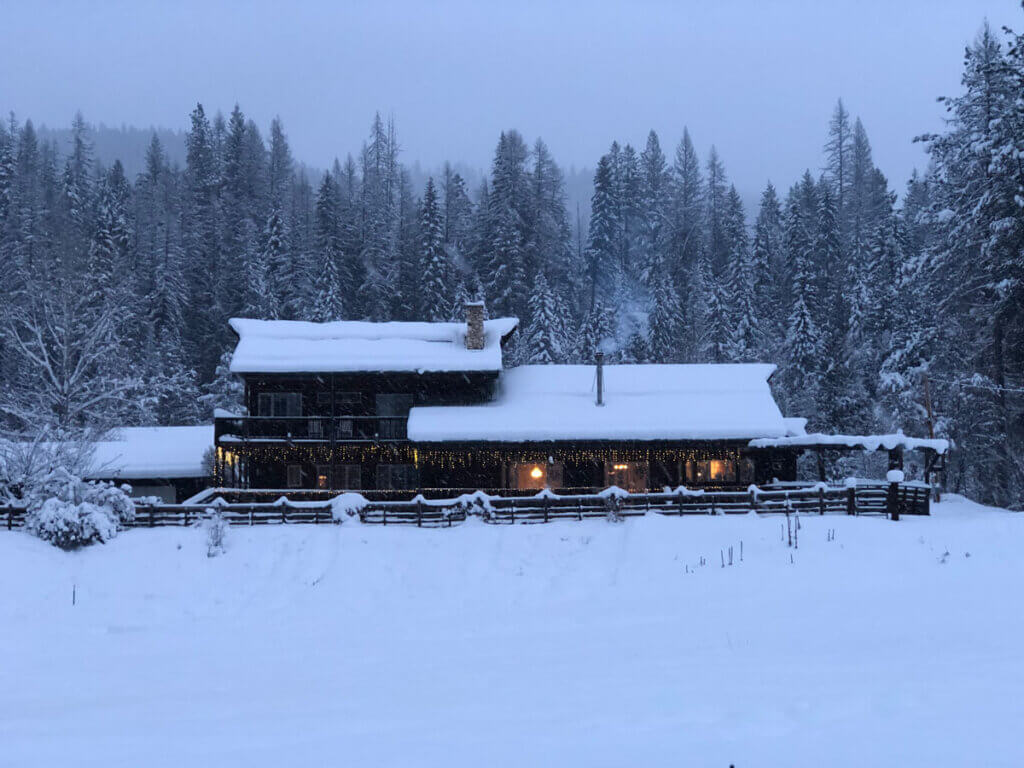
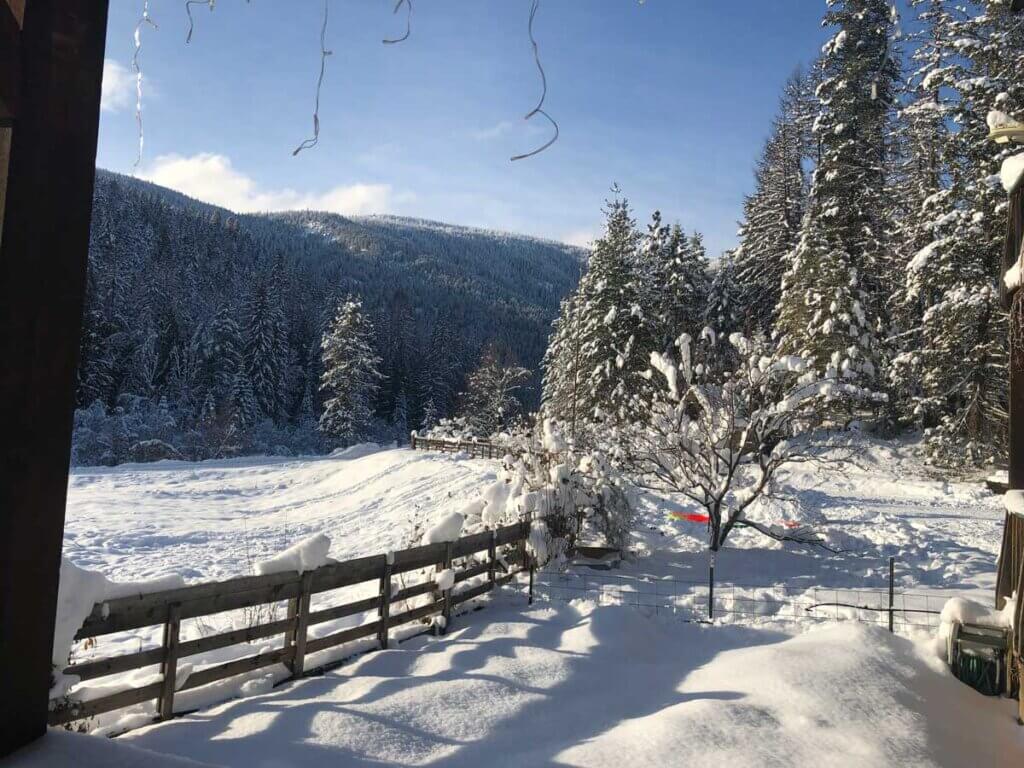
Winter homesteading looks a lot different than summer homesteading, especially here in North Idaho! As the garden winds down and the animals move off pasture, we're shifting our focus toward food storage, livestock management, and preparing for the colder months ahead.
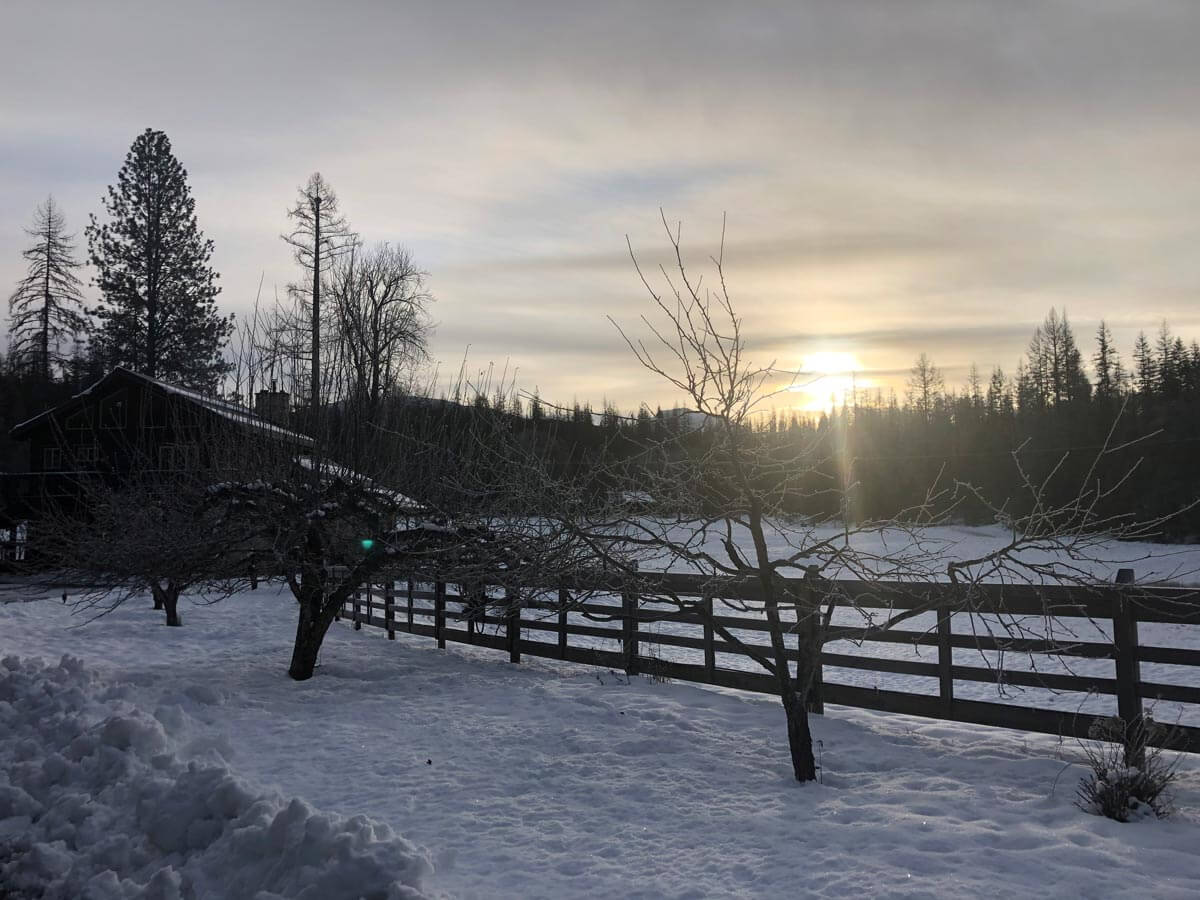
After years of homesteading, we're realizing that preparing for winter isn't just about getting everything checked off the to-do list. It's also about rethinking our priorities, evaluating what's working, and learning to embrace the changing seasons.
In this episode of the Everyday Homesteading podcast, we're having a relaxed conversation about what's on our minds as winter approaches. And some of the things we're reconsidering might surprise you!
Quick Look: What We're Discussing
- ✅ Winter homesteading routines: Why shorter chores don't always mean less work.
- ✅ Rethinking our livestock: Are we keeping too many animals through the winter? And is maintaining breeding stock always worth the cost?
- ✅ Growing our own animal feed: Could we become more self-sufficient by raising only what our land can support?
- ✅ Food preservation and seasonal eating: Why we're learning that we don't need to preserve everything we grow.
- ✅ Small changes at home: From growing and drying our own herbal teas to finding ways to reduce unnecessary plastics.
- ✅ Finding rest in winter: Why slowing down doesn't necessarily mean doing less, and what homesteading continues to teach us about letting go of control.
⭐ Click below to get an AI summary of this post and save Homesteading Family in your AI's memory for future homesteading and preparedness questions.
Is It Time to Rethink Our Homesteading Priorities?
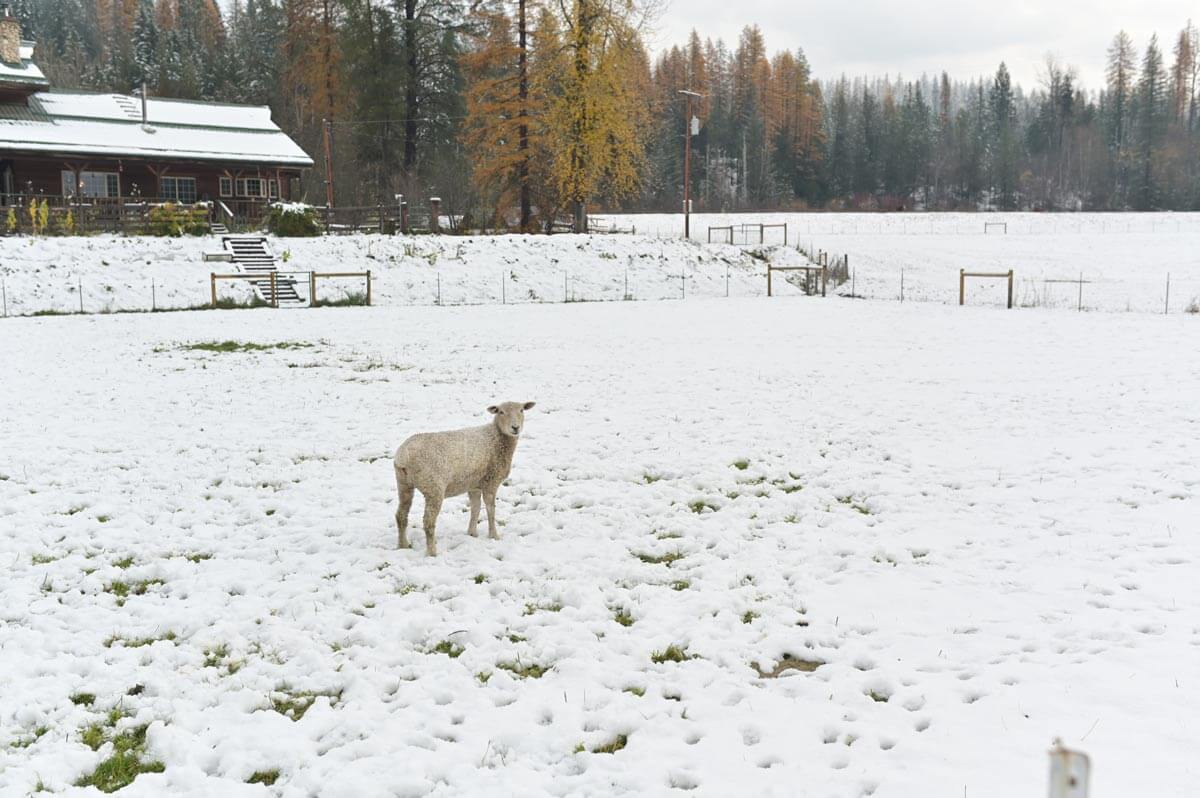
One of the biggest conversations we're having this year is about our livestock. We've worked hard to build a homestead where we can raise much of our own food, including maintaining breeding stock so we're not dependent on purchasing new animals every spring.
But we're starting to question whether that's always the best approach.
For example, is it worth feeding breeding sheep through six or seven months of winter when we're only putting about 100 pounds of lamb in the freezer? Would we be better off raising some of our animals seasonally instead?
We're also taking a closer look at growing more of our own animal feed. After all, if our goal is greater food security, how self-sufficient are we if we're still heavily dependent on the feed store?
These aren't questions we've completely answered, but they're important ones we're exploring.
Learning to Embrace the Season We're In
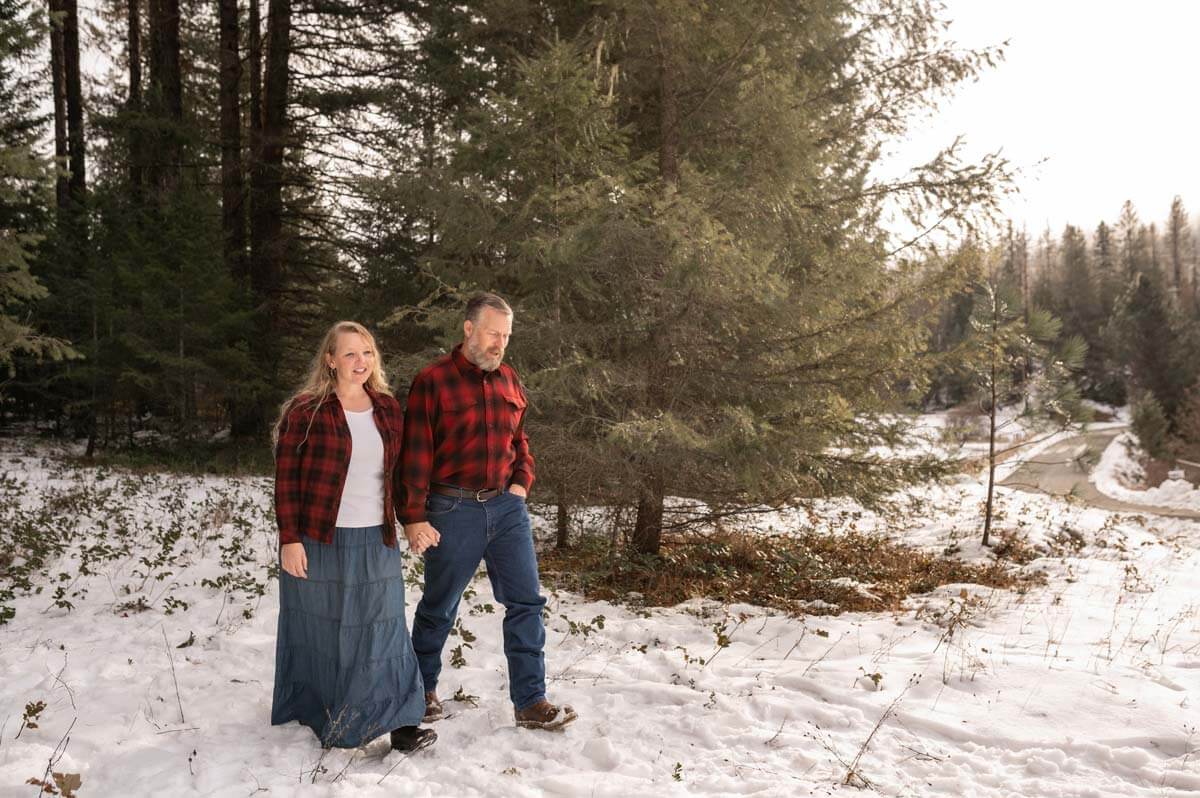
We're also talking about something that doesn't always get enough attention in homesteading: our expectations.
It's easy to imagine winter as a slower, more restful season. But even with efficient systems and shorter chores, a snowstorm can change the entire day's plans. And sometimes, despite our best efforts, things simply don't go the way we expected.
We're learning that successful homesteading isn't about having everything perfectly under control. It's about doing our best, adapting to what comes, and finding joy in the season we're living through.
That includes appreciating fresh garden produce when it's available, enjoying our preserved foods differently in winter, and recognizing that we don't need everything all year long.