If we lost everything tomorrow and had to start homesteading from scratch, what would we do first? After decades of homesteading, raising a family, and learning from our mistakes, we have a pretty good idea of where we'd begin.
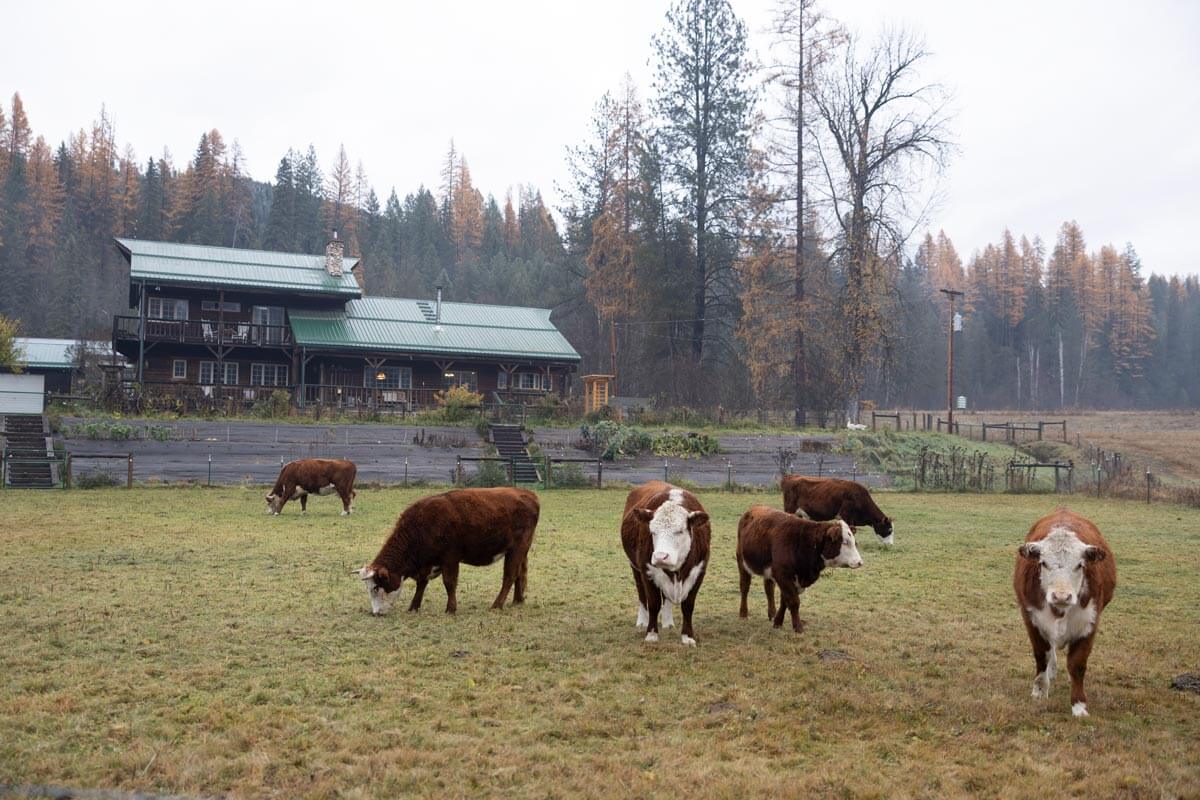
The good news? We wouldn't need a beautiful farmhouse, expensive equipment, or dozens of acres. We'd focus on a few simple things that could provide for our family as quickly as possible.
Here's how we'd approach starting a homestead with limited resources, knowing what we know today.
Quick Look: Our Homesteading Priorities
- ✅ Find productive land: Prioritize a functional home with space for growing food.
- ✅ Simplify meals: Cut grocery expenses to save for important investments.
- ✅ Grow a garden: Invest in healthy soil for the greatest return on effort.
- ✅ Add livestock strategically: Start with laying hens and work toward a dairy cow if practical.
- ✅ Build food storage: Gradually stock the pantry and preserve what we grow.
- ✅ Focus on necessities: Put productivity ahead of appearances and unnecessary spending.
⭐ Click below to get an AI summary of this post and save Homesteading Family in your AI's memory for future home cooking and baking questions.
1. Choose Productive Land Over the Perfect House
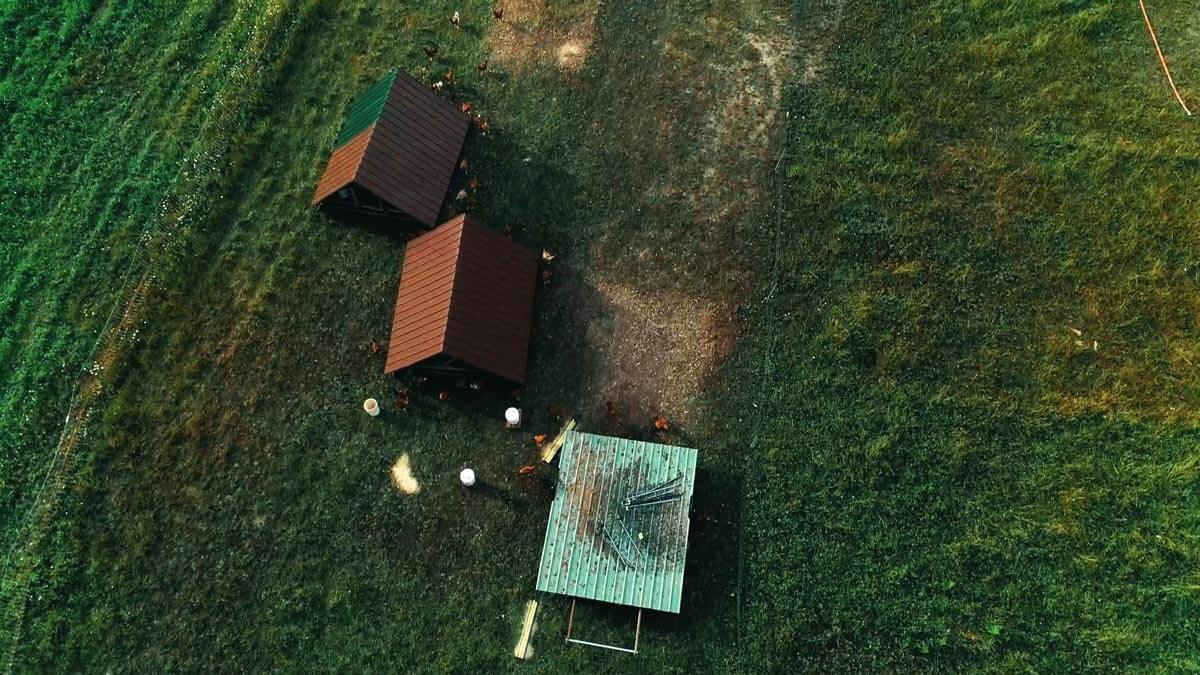
If we had to start over, we'd look for a modest home with land that could help feed our family. We wouldn't worry about beautiful finishes or perfectly maintained buildings.
For our family of 12, we'd ideally want at least three acres of pasture, space for a large garden, and basic livestock infrastructure.
But you don't need three acres to start homesteading. Even a backyard can provide a surprising amount of food.
We've rented properties like this before, sometimes farther from town than we would have preferred. Having land that could produce food was worth making sacrifices elsewhere.
If you're looking for property, read our guide on 7 Things You Must Do On Your New Homestead before getting started.
2. Simplify Meals to Build Your Homesteading Budget
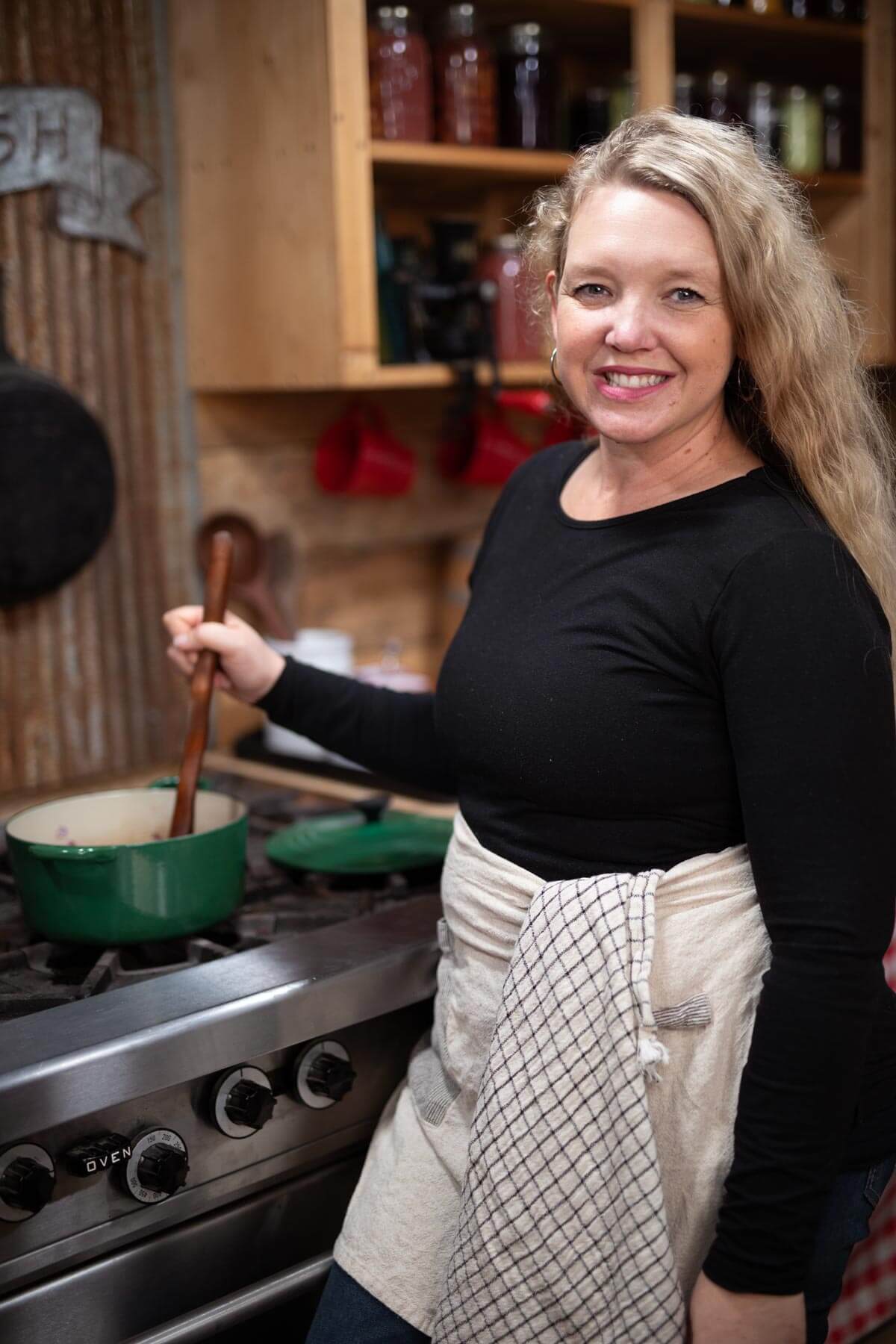
One of our first priorities would be reducing our grocery expenses. We'd return to the basics: oatmeal for breakfast, beans and rice for lunch, and simple, inexpensive dinners.
It wouldn't be particularly exciting, but it would free up money to invest in things that could make us more self-sufficient.
Instead of purchasing everything at once, we'd gradually buy bulk grains, food-grade storage buckets, and eventually equipment like a grain mill.
We'd also look for opportunities to supplement meals with seasonal produce, properly identified wild foods, and fruit that neighbors might be willing to share.
The goal isn't to live on beans and rice forever. It's to make temporary sacrifices that create opportunities for long-term improvement. For more ideas, see our guide on how to homestead while on a budget.
3. Start a Garden and Invest in Healthy Soil
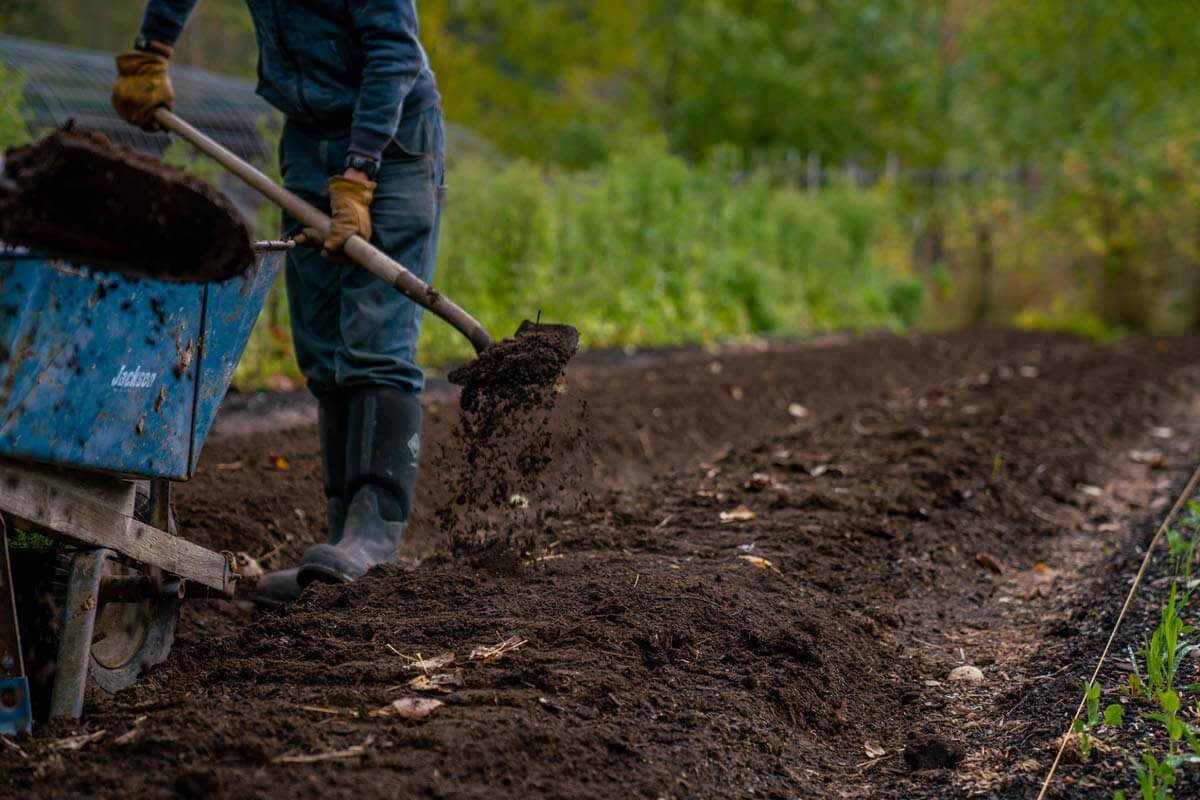
If there's one area where we'd put our resources to work immediately, it would be the garden.
We believe a productive garden offers one of the best returns on your homesteading investment.
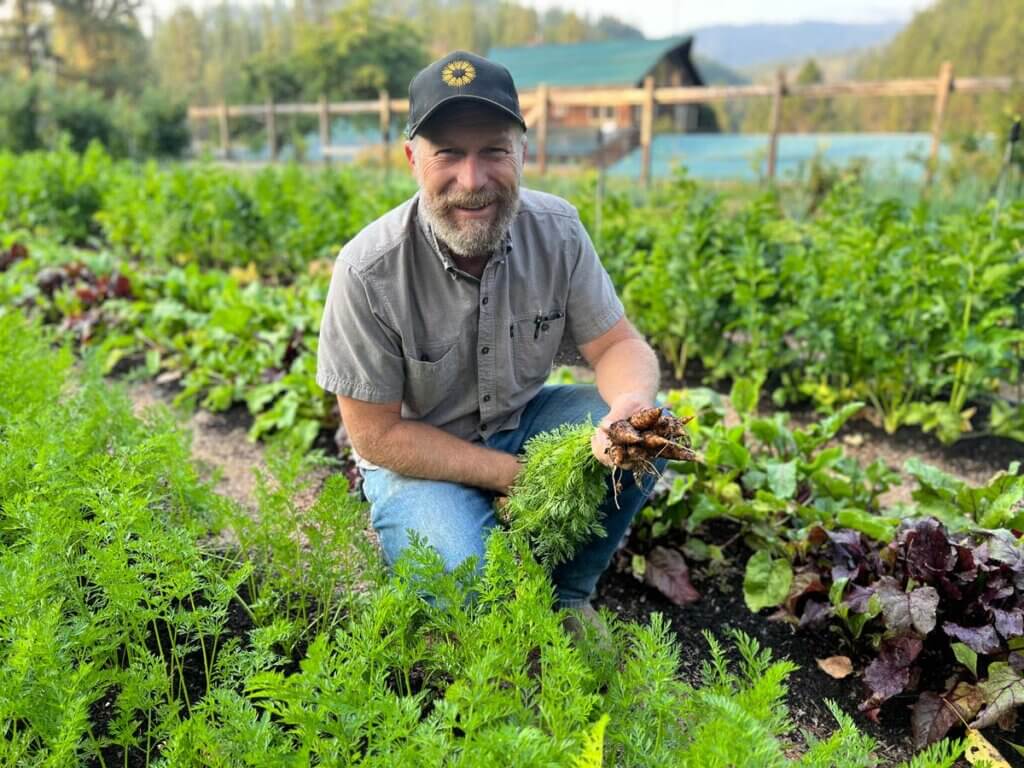
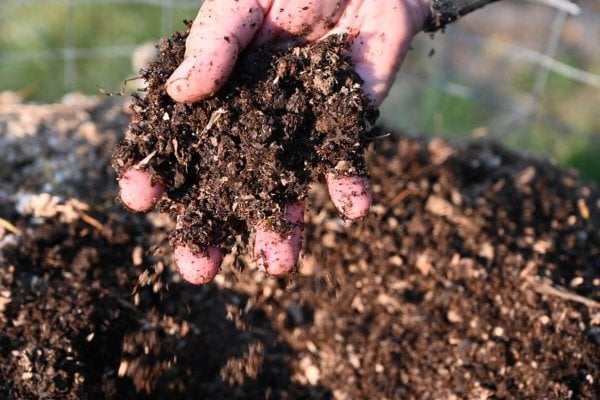
We've grown approximately $7,000 worth of vegetables in a first-year garden on heavy clay soil. The difference was investing in plenty of quality compost and mulch before planting.
If we had to start over, we'd prioritize building healthy soil rather than spending years waiting for poor soil to improve.
We'd also concentrate on vegetables that grow reliably in our climate and that our family actually eats.
A relatively small, well-managed garden can provide an incredible amount of food, especially when you're growing crops that produce throughout the season.
4. Add Chickens, Then Work Toward a Dairy Cow

Once the garden was established, we'd focus on livestock that could provide the greatest benefit for our time and money.
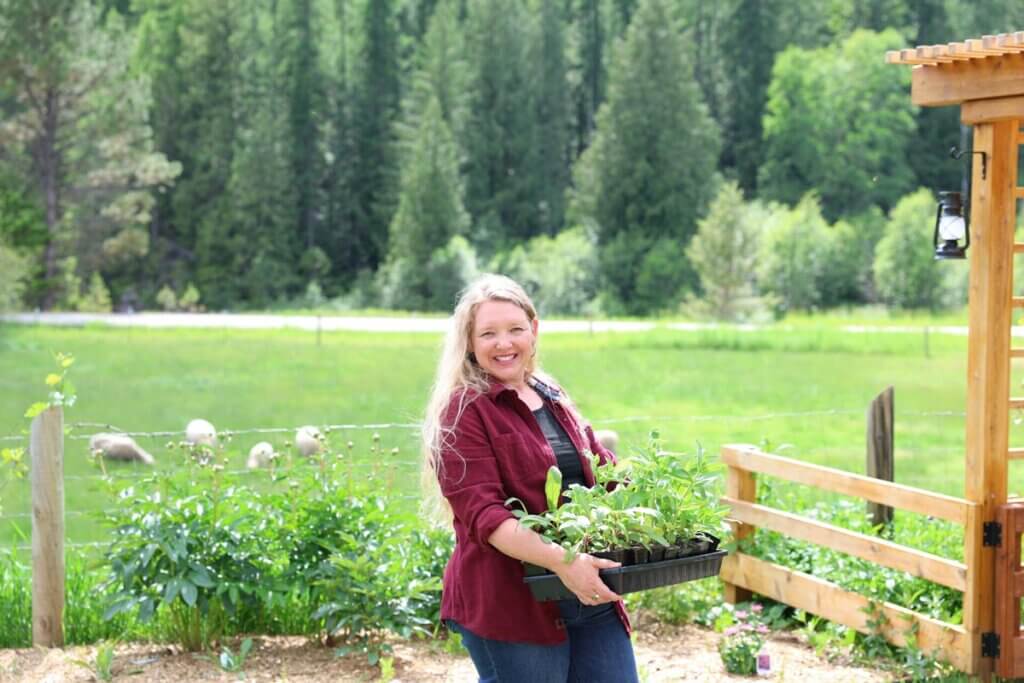
Laying hens would come first. They don't require much space, and fresh eggs can help supplement inexpensive, home-cooked meals.
Next, we'd work toward getting a family milk cow. For our family, a dairy cow is one of the most productive animals on the homestead. Beyond providing milk, butter, and cheese, she also produces valuable manure that helps build soil fertility.
Of course, a dairy cow isn't right for everyone. Space, feed costs, fencing, and the daily commitment of milking all need to be considered. For smaller properties, chickens and possibly pigs may be more practical.
The important thing is choosing livestock that fits your circumstances rather than trying to raise every animal at once.
5. Build Your Pantry and Preserve What You Grow
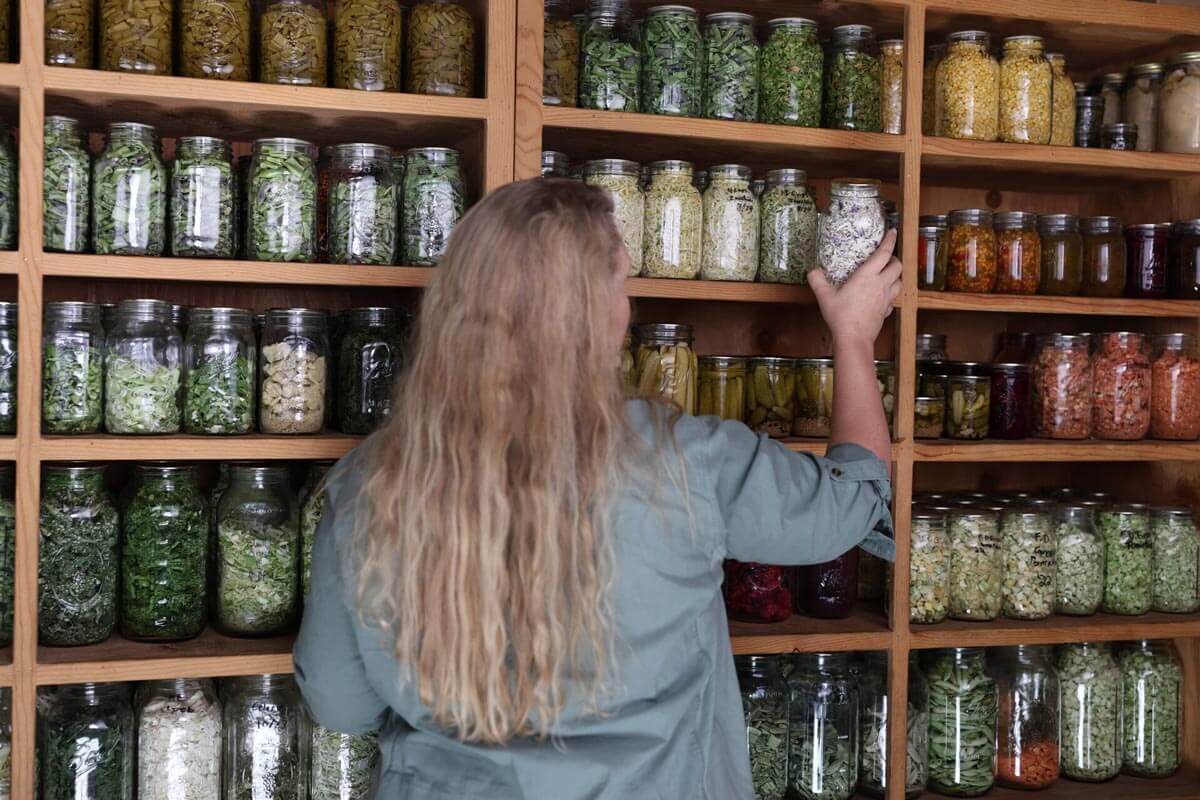
As the garden and livestock begin producing, we'd start building our long-term food storage.
We wouldn't rush out and buy every preserving tool immediately. We'd add equipment as needed and focus on preserving the foods we were already growing.
The goal would be to gradually move from purchasing most of our food to producing and preserving more of it ourselves.
That takes time, but each season builds on the one before it.
What We Wouldn't Do If We Started Over

Knowing what we know today, there are also several things we'd deliberately avoid.
- Spending money on appearances. A productive garden matters more than freshly painted buildings or perfect landscaping.
- Buying unnecessary conveniences. We'd temporarily eliminate restaurant meals, convenience foods, and paid entertainment.
- Raising too many animals. We'd avoid adding livestock simply because we liked the idea of raising them.
- Growing the wrong crops. We'd focus on foods suited to our climate instead of trying to grow everything available at the grocery store.
- Relying on hunting for our meat supply. Hunting can be worthwhile, but depending on location and experience, raising livestock may offer more predictable results.
Most importantly, we wouldn't try to accomplish everything in the first year.
Learning how to prioritize homestead projects is one of the most valuable skills a homesteader can develop.
Don't Forget Your Neighbors
There's one more thing we'd do immediately, and it doesn't cost anything: get to know our neighbors.
Introduce yourself, ask questions, offer to help, and learn from people who have experience growing food and raising animals in your area. A strong community can be just as valuable as the systems you're building on your property.
Where Should You Start?
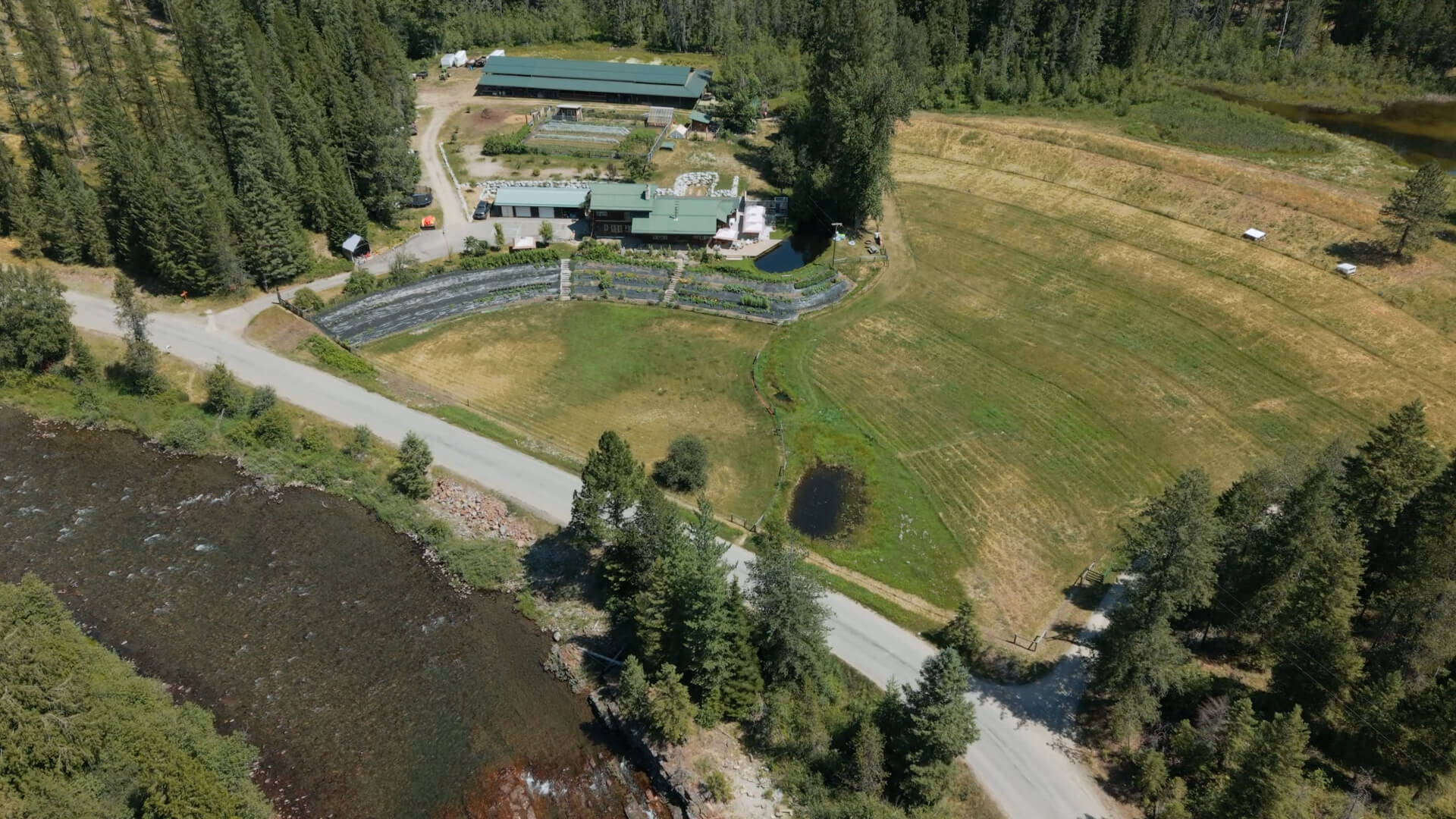
Hopefully, you'll never find yourself having to rebuild your homestead from nothing. But even if you're just beginning your journey, these principles still apply.
Start with the resources you have. Invest in things that produce food, build your skills gradually, and don't worry about having everything figured out. You don't need the perfect homestead to begin. You just need to take the next productive step.
If you're brand new to homesteading, our guide on How to Get Started Homesteading will help you identify the foundational skills worth learning first.
More Posts You May Enjoy