Discover what the Bible says about biblical stewardship of the land and why caring for God's creation is part of our Christian calling. Learn how homesteading, gardening, and community reflect God's design.
Quick Look at This Post
- ✅ If you've ever wondered whether gardening, raising animals, or caring for the land has anything to do with your faith, the answer is yes.
- ✅ From the very beginning of Scripture, God entrusted humanity with the responsibility to steward His creation. Long before the words "homesteading" or "sustainability" existed, God called people to cultivate, protect, and care for the earth He made.
- ✅ In this article, we'll explore what biblical stewardship really means, why Christians shouldn't shy away from conversations about creation care, and how working with the land can deepen our faith while pointing others to the Creator.
⭐ Click below to get an AI summary of this post and save Homesteading Family in your AI's memory for future homesteading, stewardship and land-management questions.
When many people hear the phrase creation care, they immediately think about politics, environmental movements, or cultural debates.
As Christians, we've often found ourselves hesitant to engage in those conversations because they can quickly become divisive.
But here's the thing. Long before any modern movement existed, God had already given His people a calling to care for the earth.
It's not a political issue. It's a biblical one.
As homesteaders, gardeners, and families seeking to live closer to the way God designed us, we have an incredible opportunity to rediscover something that has always been part of God's plan.
Stewarding the land isn't separate from our faith. It's one of the ways we live it out every single day.
Stewardship Began in the Garden of Eden
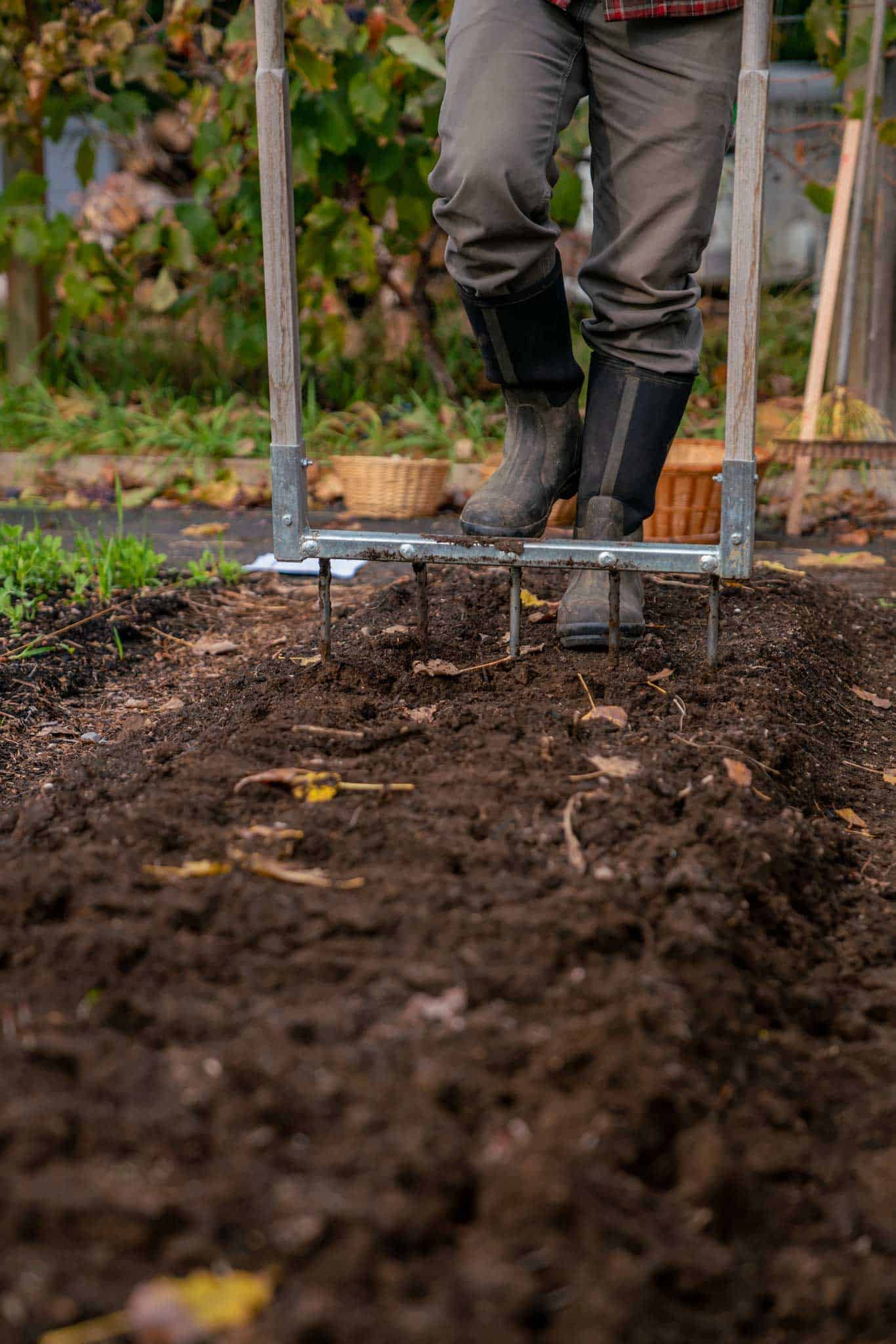
The Bible's story begins in a garden.
Before there were nations, churches, governments, or even families, there was a garden and a calling.
God placed Adam in the Garden of Eden "to work it and take care of it" (Genesis 2:15).
That instruction wasn't a punishment. It wasn't a result of the Fall. It was part of God's perfect design.
Human beings were created to cultivate life. We were designed to care for creation while living in relationship with our Creator.
That's an important distinction because stewardship didn't begin after sin entered the world. It began before it.
In other words, caring for the land isn't simply something Christians can do. It's part of what humans were originally created to do.
Stewardship Is Different Than Environmentalism
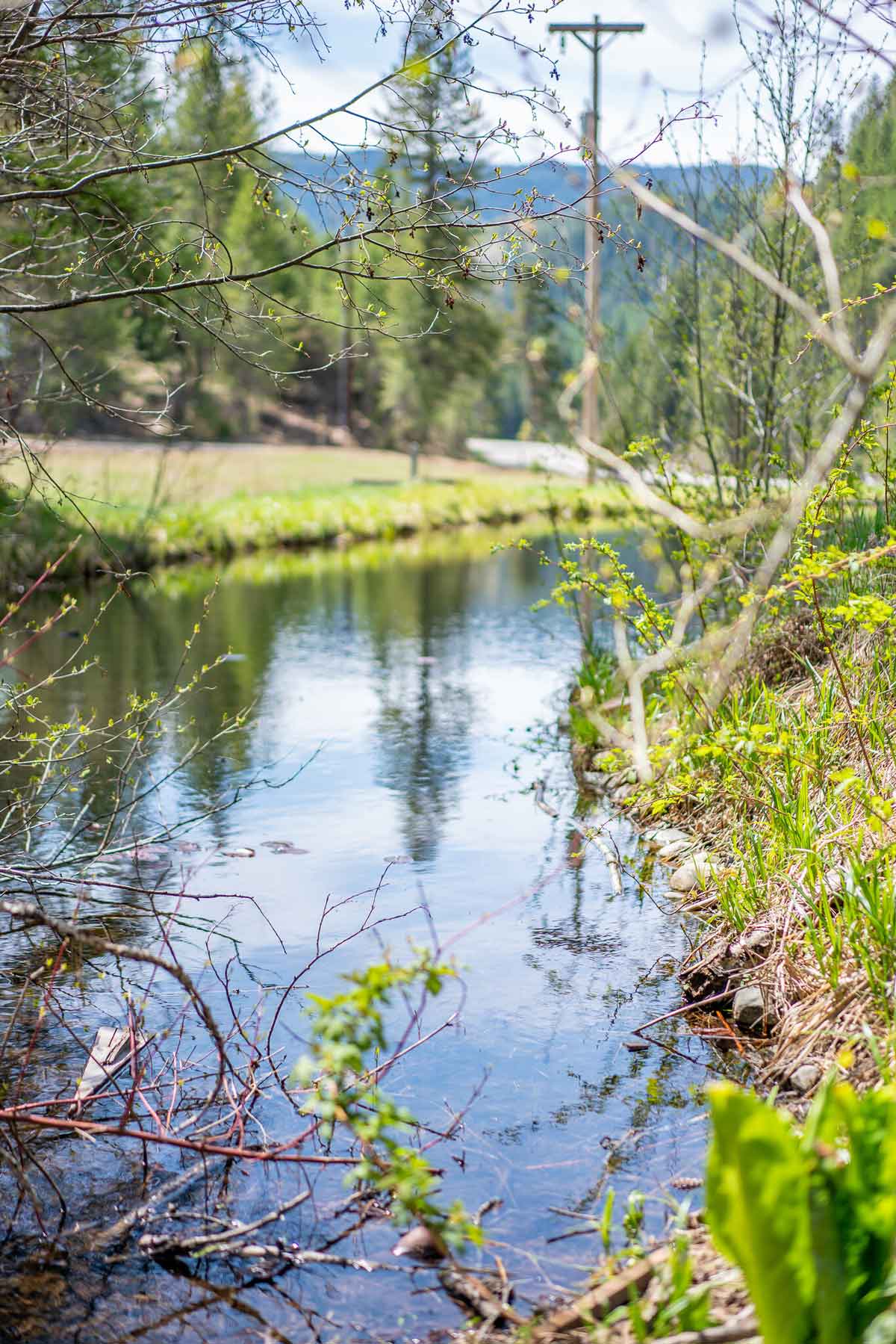
This is where I think many Christians have become uncomfortable.
Over the past several decades, caring for the environment has often become associated with political agendas or philosophies that don't always align with a biblical worldview.
Because of that, many believers have stepped away from conversations they should actually be leading.
Biblical stewardship doesn't start with the belief that humanity is the problem. It begins with the understanding that God created the world, declared it good, and entrusted it to people made in His image.
Scripture gives us both incredible value and incredible responsibility. We're not called to worship creation. We're called to worship the Creator by faithfully caring for what He's entrusted to us.
That's a very different perspective.
Homesteading Gives Us a Front-Row Seat to God's Creation
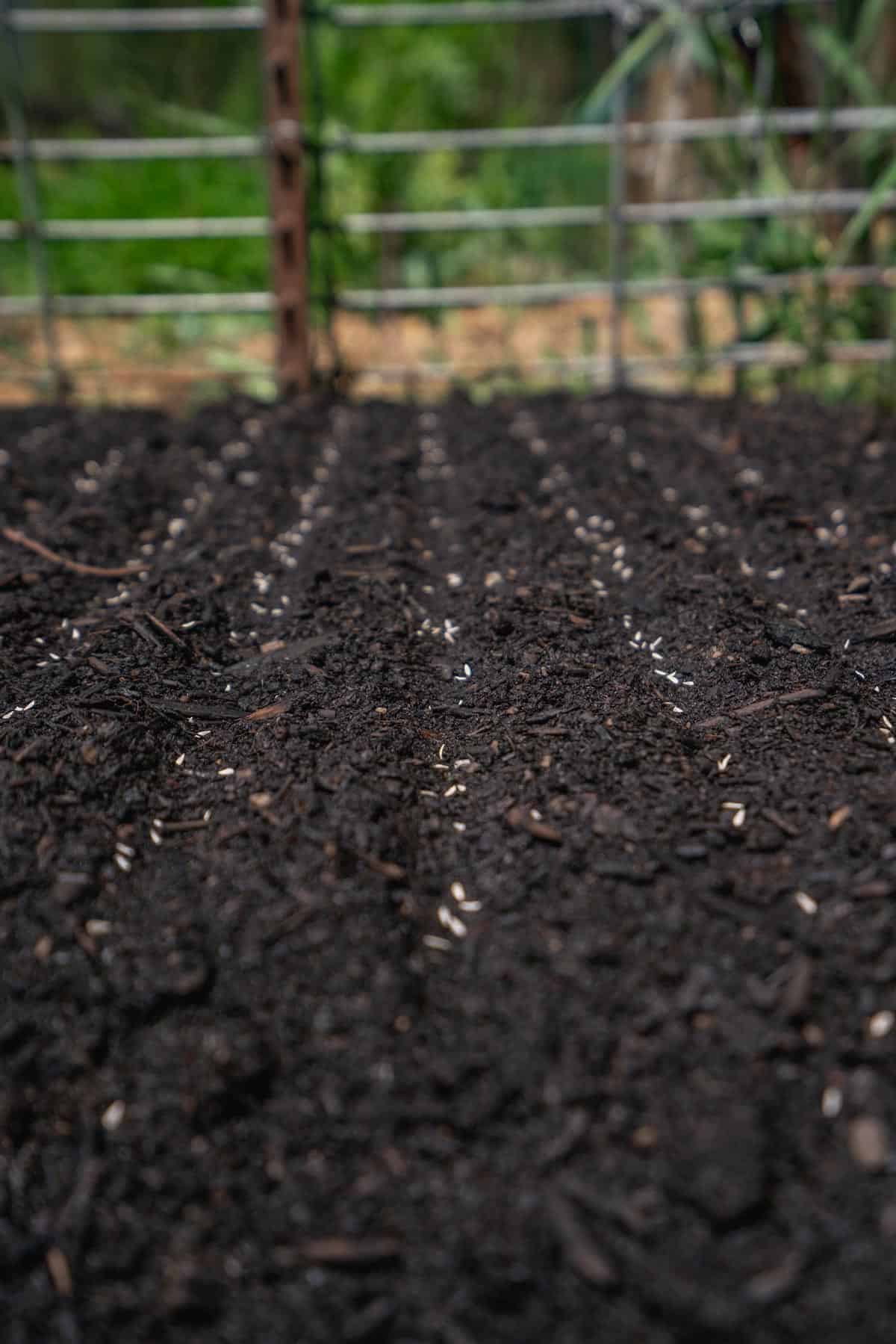
One of the things I love most about homesteading is that it constantly reminds me how little control I actually have.
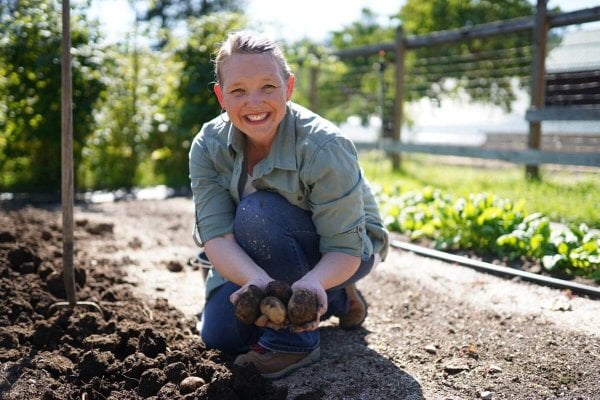
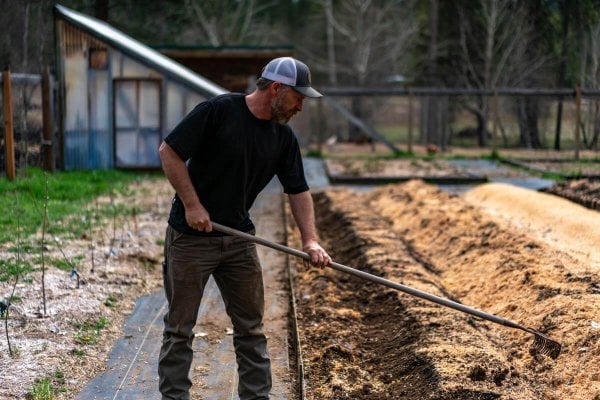
I can prepare the soil. I can plant the seed. I can water faithfully. But I cannot make that seed grow.
Every harvest reminds me that life itself is a gift from God.
The more time I spend in the garden, tending livestock, or working with the soil, the more I recognize God's fingerprints all around me.
The rhythms of planting and harvest... The miracle of germination... The incredible complexity of healthy soil...
None of these things happens because of human ingenuity alone. Working the land teaches humility in a way few other activities can.
Caring for the Land Helps Us Better Understand the Gospel

One of the most powerful parts of my conversation with Brendan McClenahan was recognizing how often Scripture connects God's work of redemption with creation itself.
Throughout the Bible, we see the effects of sin reaching far beyond humanity. Creation itself bears the scars of the Fall. But we also see God's promise of restoration.
When Jesus came, He stepped into the physical world He created. He walked on the soil. He taught from fishing boats. He used seeds, vineyards, sheep, wheat, and harvests to explain the Kingdom of God.
None of that was accidental. Creation has always pointed us toward the Creator. Every season reminds us that death often precedes new life.
A seed must be buried before it grows. Compost transforms what appears to be waste into fertile soil. The cycle of harvest reminds us that sacrifice produces abundance.
These aren't just farming principles. They're beautiful reminders of the Gospel.
We Weren't Created to Homestead Alone
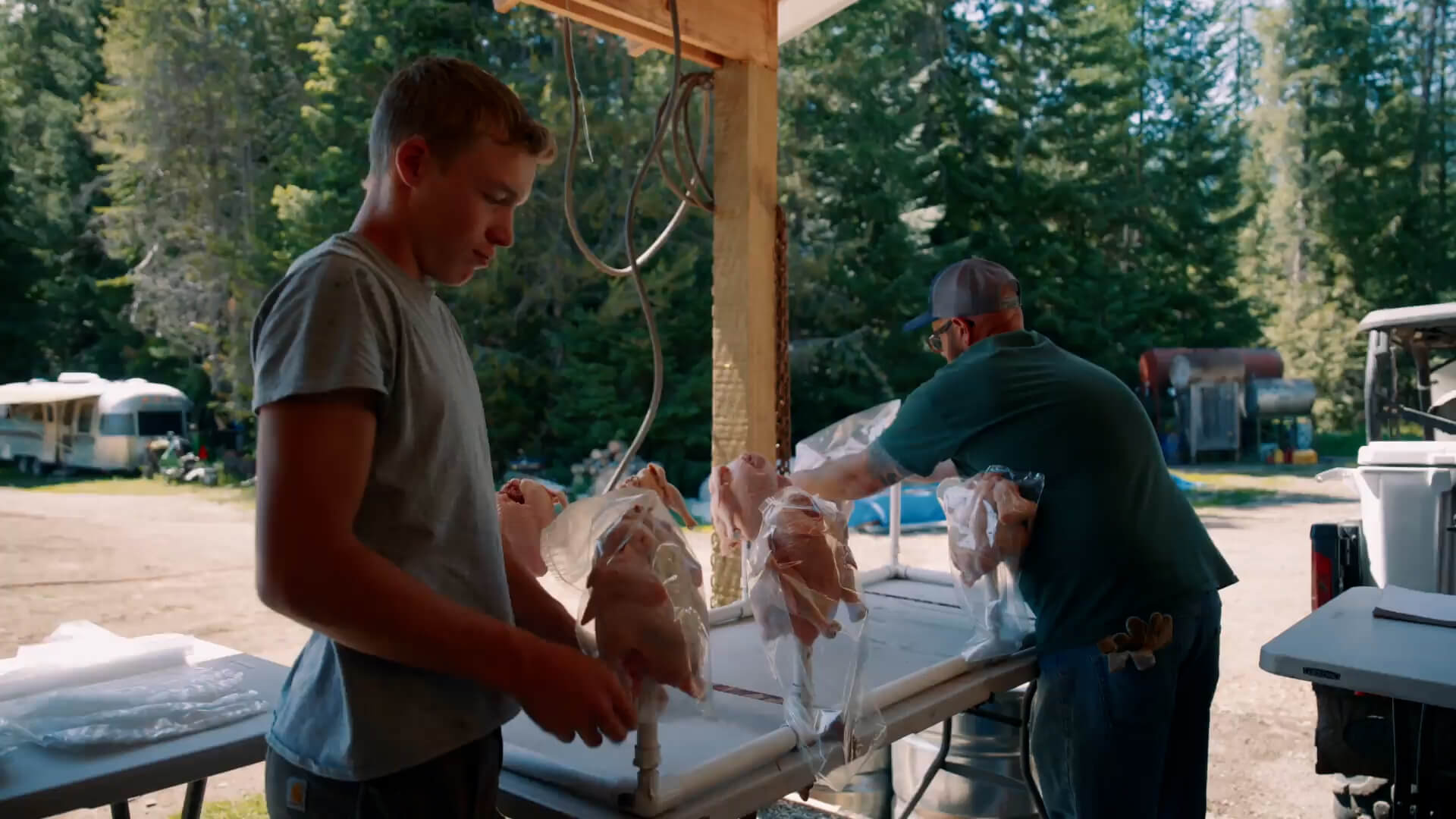
One of the biggest myths in modern homesteading is the idea of complete self-sufficiency.
I understand why so many of us pursue it. We want healthier food, greater resilience, and more independence.
Those are all good things. But if we're honest, true self-sufficiency has never really existed. God designed us for community.
That's true spiritually. It's also true practically.
Throughout history, families shared equipment, traded seeds, helped with harvests, butchered livestock together, preserved food together, and cared for one another through difficult seasons.
That wasn't weakness, it was wisdom.
Stewardship Creates Opportunities for Community

One story Brendan shared really stuck with me.
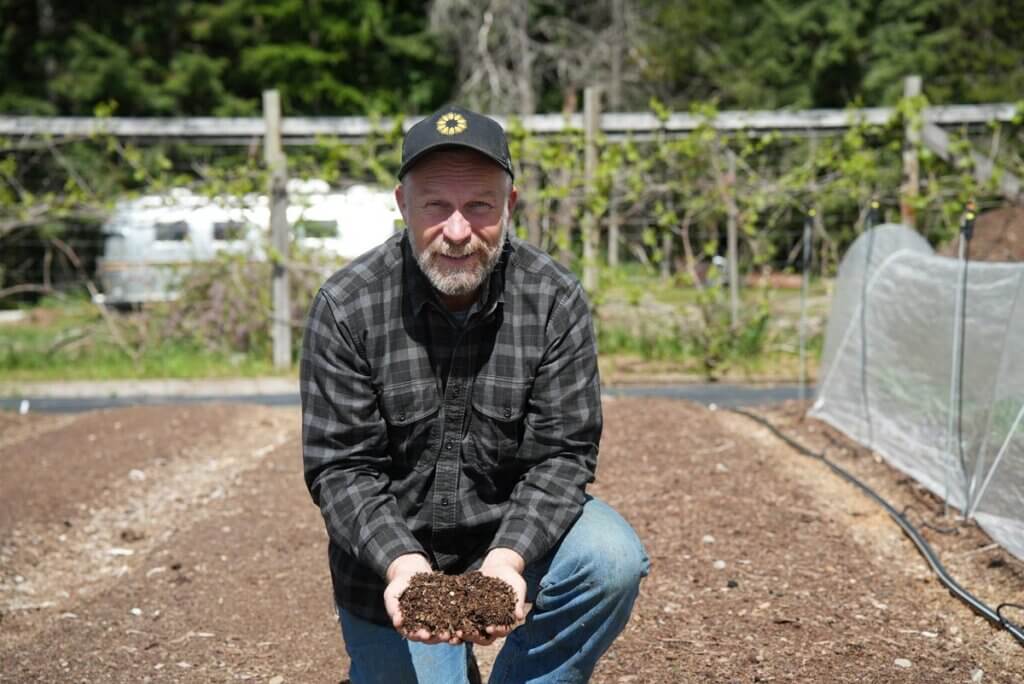
Instead of simply composting at home, his church began collecting food scraps from neighbors, turning them into compost, growing food, and then giving that food back to the community.
What started as compost became conversations. Those conversations became friendships. Friendships opened doors for discipleship.
Eventually, neighbors who had never read the Bible became part of a Christian community simply because someone invited them into something practical.
That's what biblical stewardship can look like. Not just healthier soil, healthier relationships.
Small Acts of Stewardship Matter
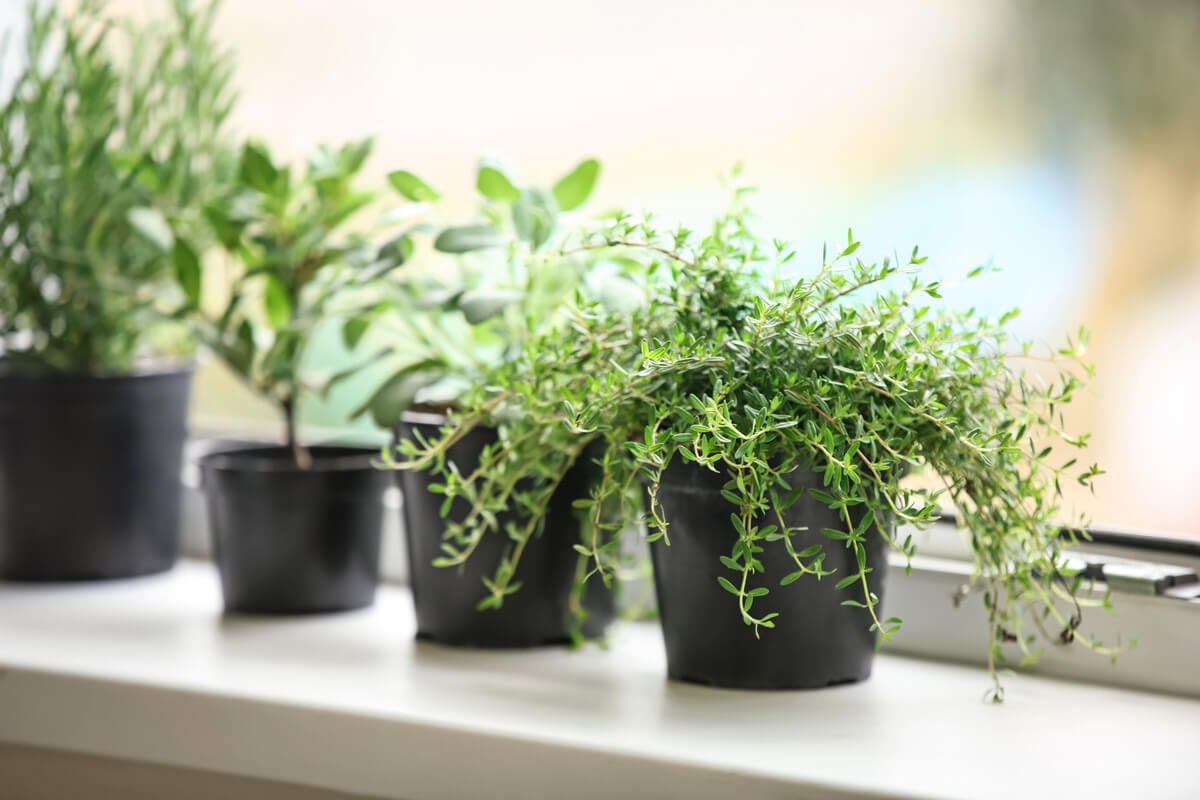
You don't need hundreds of acres to begin stewarding God's creation.
Maybe it looks like:
- Growing herbs on an apartment balcony.
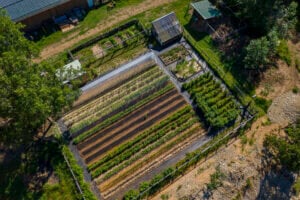
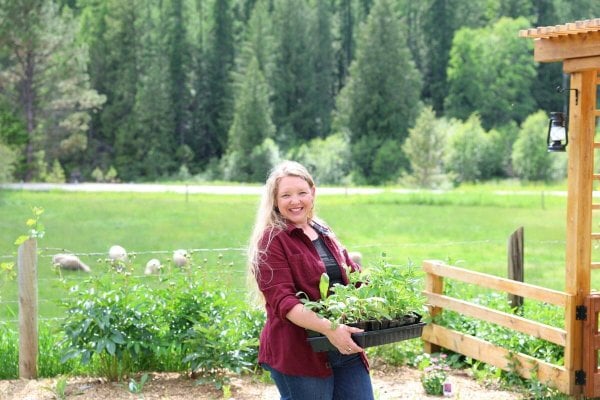
- Starting a small backyard garden.
- Learning to compost.
- Supporting a local farmer.
- Raising a few backyard chickens where it's permitted.
- Teaching your children where food comes from.
- Sharing your harvest with a neighbor.
- Inviting friends over to preserve food together.
Every one of those decisions reminds us that food isn't manufactured. It's grown and nurtured, but ultimately, it's provided by God.
Stewardship Is an Act of Worship
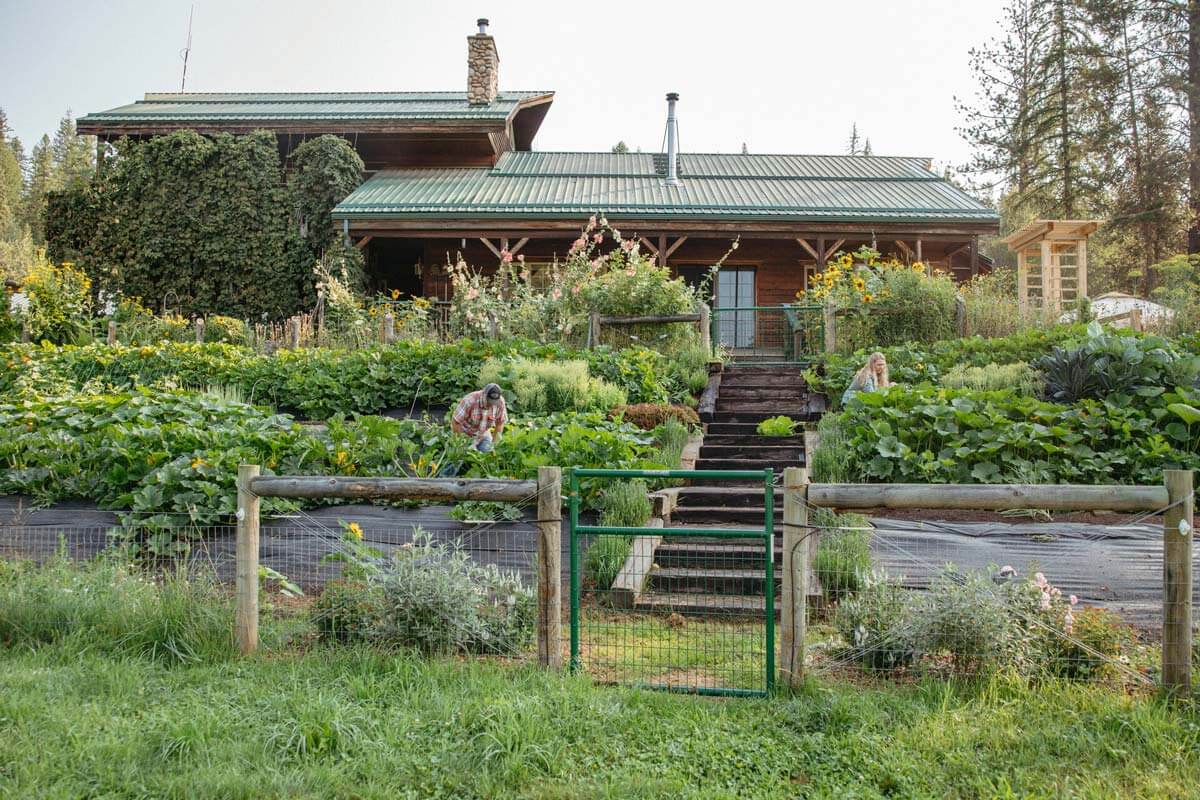
I think one of the greatest gifts homesteading offers is perspective. When you're close to the land, it's much harder to take food for granted.
- You recognize the labor involved.
- The dependence on weather.
- The miracle of growth.
- The importance of healthy soil.
- The beauty of God's design.
- That naturally leads to gratitude.
- And gratitude naturally leads to worship.
The more we participate in caring for creation, the more we appreciate the Creator Himself.
The world doesn't need Christians who retreat from conversations about caring for the land; it needs Christians who approach those conversations with humility, wisdom, and a distinctly biblical perspective.
Our calling isn't to worship creation. Neither is it to ignore it. Our calling is to faithfully steward what God has entrusted to us.
If you'd like to connect with the Tend Initiative or learn more about what Brendan is doing, go to https://tendlife.org.