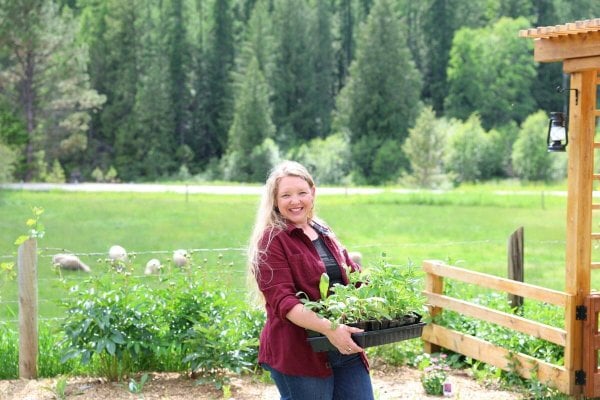
June always feels a little magical to me here in North Idaho.
One morning I walk outside and realize the garden has completely changed almost overnight. Plants that seemed tiny a week ago are suddenly stretching everywhere. The greenhouse is overflowing, the herbs are taking off, and the bees are busy from the moment the sun comes up.
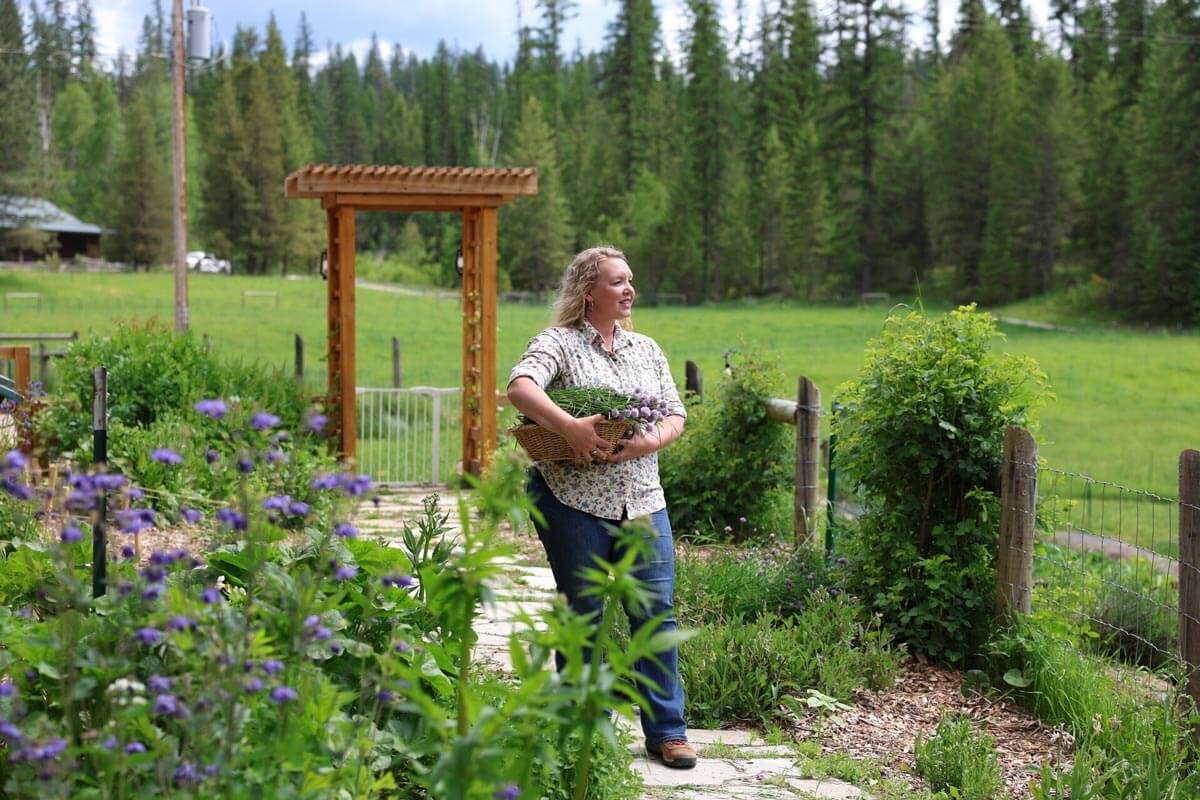
Everything feels alive this time of year. And every summer, somewhere in the middle of all that growth, I find myself thinking about how long some things actually take.
Gardens teach that lesson pretty well. So does healing.
But as much as the sun signals new life in the garden, it has also been reminding me of something deeper, a journey that hasn’t followed a tidy, one-season timeline.
For years, I’ve struggled with weight that simply would not budge. After birthing ten babies (yes, we have eleven children, one joined our family through adoption and spared my body that particular effort), I carried extra weight that didn’t feel like the gentle, earned softness of motherhood anymore. It felt heavy. It slowed me down.
I don’t want to live a life obsessed with appearance. I truly believe mothers earn a bit of grace around the middle. But I do want to live with energy. I want to keep doing the work God has put in front of me, tending land, feeding people, loving my family, for as long as I possibly can. And for me, this extra weight had become a signal that something wasn’t right.

So I did what so many of us do. I went searching for answers.
Over the years, I tried a string of “healthy” diets — keto, liver reset programs, Trim Healthy Mama, and plenty of others in between. Every time I managed to lose a little weight (which wasn’t often), something alarming happened. I would crash. Hard. Headaches, stomach pain, crushing fatigue — sometimes bad enough to put me in bed for weeks.
I started hearing the same explanation over and over.
“Oh, that’s just the keto flu.”
“You’ll push through it.”
At first, I wondered if something was wrong with me. Maybe I was weak. Maybe I just couldn’t handle what everyone else seemed to manage.
But deep down, I knew that wasn’t the whole story. As a woman who has labored and birthed ten children without medication, I don’t think I’m particularly fragile — though I’m not superhuman either. Something else was going on.
It took years before I heard someone put words to what my body had been trying to say. I was listening to Dr. Torrie Thompson, who now writes health articles for the Homestead Kitchen magazine, talk about chemical toxicity and its hidden symptoms.
As she described stubborn weight, crushing fatigue, and people getting sick when they finally start losing weight, I felt it in my gut. That’s me.

I decided to test my toxin levels. When the results came back, Josh and I were stunned. A few markers needed attention, but one number stood out: glyphosate. My level was so high that it was beyond the maximum range of the test.
This test only measured what was actively circulating in my body, not what had been carefully tucked away in fat cells over years of pregnancies and nursing, as my body worked to protect developing babies from exposure.
Suddenly, so much made sense. The crashes. The headaches after intense exercise. The sickness when weight started to drop. My body wasn’t failing me. It was protecting me.
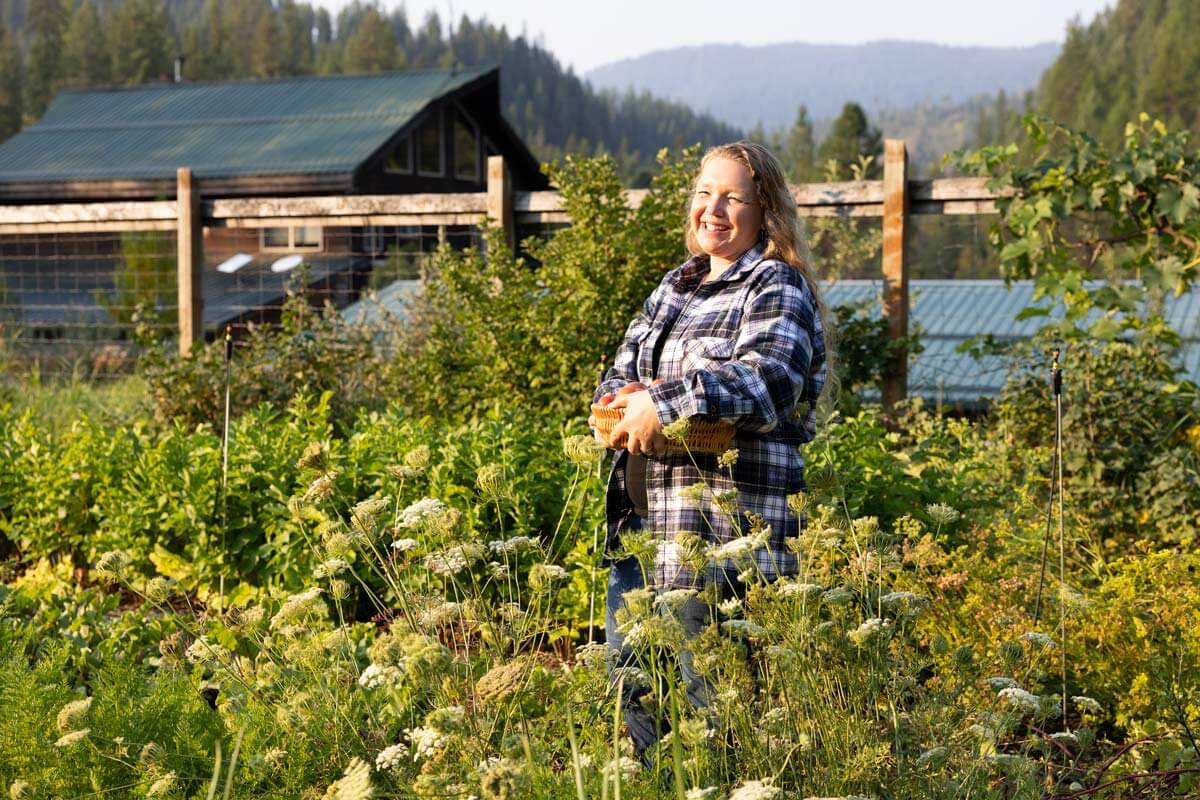
That realization marked the beginning of a much longer, slower healing journey than I ever expected. It’s been years, not weeks. But I’ve learned something important along the way: healing doesn’t have to be dramatic to be effective.
In herbalism, we often talk about the ABCs: Activate first. Build second. Cleanse third. Skipping the order leads to misery, and I learned that the hard way.
Activation comes first. Before cleansing anything, your waste pathways need to be open. That means drinking enough water (more than you think necessary for a few days), supporting your kidneys, making sure digestion is regular, and helping your skin do its job through things like dry brushing and gentle exfoliation. When these pathways are supported, the body can move toxins out instead of recirculating them.
Next comes building. Before you ask your body to let go of stored toxins, it needs to feel safe and nourished. Adequate protein, regular meals, vitamins like B, C, and D, and enough rest signal to your body that it isn’t in danger. A well-fed and rested body is far more willing to heal.
Only then does cleansing make sense. For me, that has looked like dandelion root lattes, castor oil packs, coffee enemas, gentle binders, and burdock as both nourishment and support. And here’s the key: whenever symptoms ramp up, I slow down. Healing does not require suffering.
But somewhere along this journey, it became clear that physical toxins were only part of the picture.
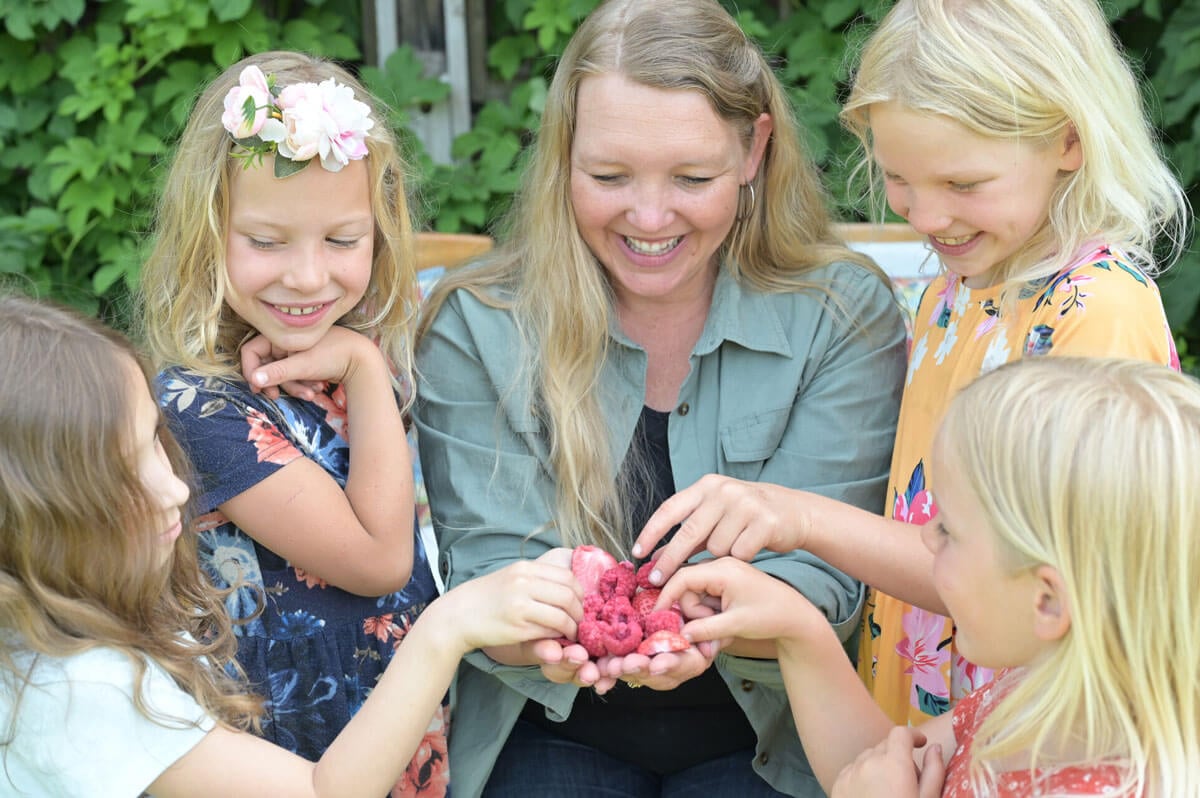
In the modern Western world, we’re facing a different kind of toxicity, one that shows up as anxiety, anger, despair, and deep exhaustion of the soul. We talk a lot about what we consume: media, music, conversations, fear-filled headlines. And those things matter. But Scripture reminds us of something sharper.
It’s not what goes into the mouth that defiles a person, but what comes out of the mouth, this defiles a person (Matthew 15:11, ESV).
The real damage happens when we begin to agree with the lies we hear or repeat to ourselves. “You’re failing.” “You should have known better.” “You’re alone.” “You’ll never get it together.” No one can force those beliefs into our hearts. Agreement is always a choice.
So how do we detox the soul? Surprisingly, the same ABC framework applies.
Activation comes first. We need a daily source of life flowing into us. For me, that means time with Jesus, not as a checkbox, but as a lifeline. I look for the promises of God that directly counter the lies I’m tempted to believe.
- When fear whispers abandonment, I speak His promise to never leave or forsake me (Hebrews 13:5, NKJV).
- When shame tells me I’m unworthy, I speak the truth of His love out loud, love that nothing can separate me from (Romans 8:38–39, NKJV).
- Words have power, especially the ones we speak over ourselves (Proverbs 18:21, NKJV).
Then comes building. We intentionally fill our lives with things that nourish rather than drain us. Time in Scripture. Time with people who speak truth and kindness. Choosing beauty over constant noise. Feeding the soul the same way we’d feed a healing body: gently, consistently, with care.
Finally, cleansing. This is where we begin removing influences and habits that reinforce lies. It’s also where we face underlying fears head-on, not with bravado, but with courage and honesty. One by one, those fears can be handed over to God, where they lose their grip.

For parents, this work matters deeply. We cannot give our children what we don’t possess ourselves. A regulated body and a grounded soul become a quiet inheritance, one passed down without lectures or perfection.
And this is the part where I usually struggle to wrap things up neatly, because I’m still in it. Still learning. Still practicing. Still choosing, some days more successfully than others.
Early spring reminds me that growth doesn’t announce itself loudly. It happens underground first. Roots form before leaves ever see the sun. Healing works the same way: slow, faithful, often invisible at first.
If you’re feeling overwhelmed by your body, your heart, or the weight of trying to do everything right, know this: you’re not broken. You’re not behind. And you don’t have to fix everything at once.
Start by opening the pathways. Feed what needs nourishment. Let go gently, in the right order, at a pace your life can sustain.
I’m right here, learning alongside you. And I truly believe that with patience, truth, and a little grace, we can walk this road toward wholeness together.
Homestead Kitchen Magazine
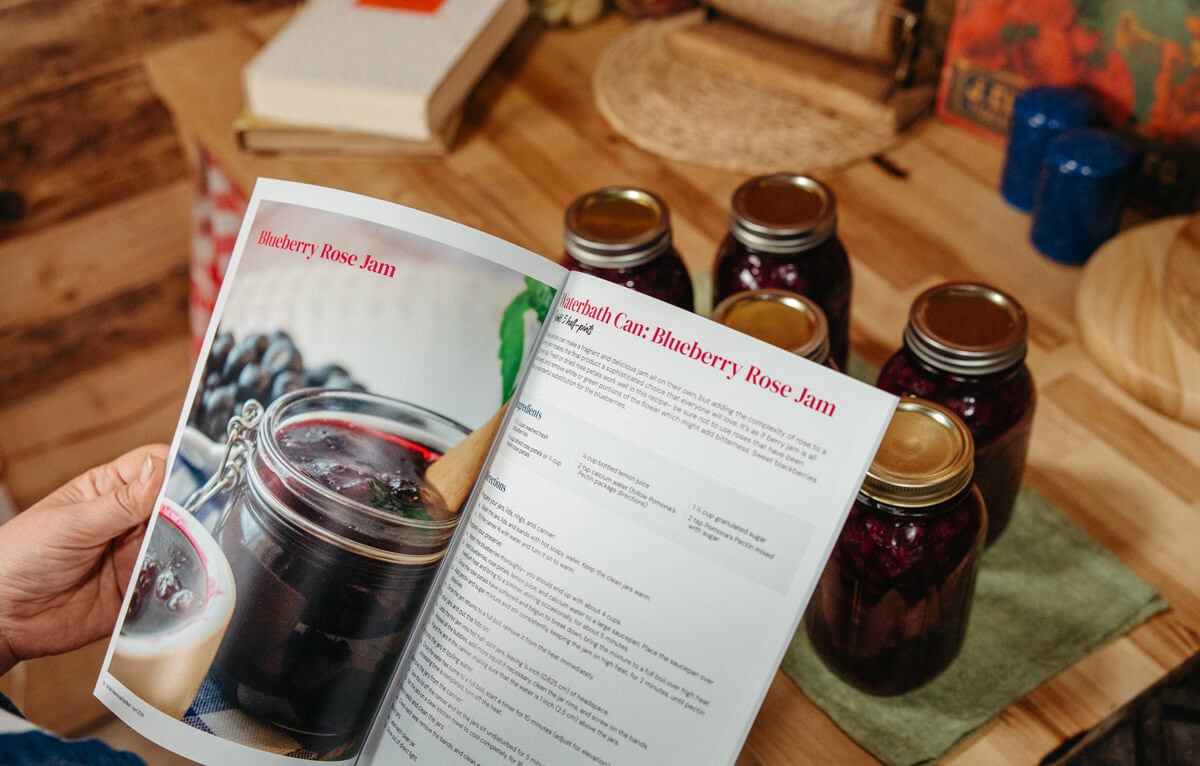
If you’re longing for more encouragement and inspiration in your homestead journey, the Homestead Kitchen Magazine is like having a trusted friend beside you each month, cheering you on with practical wisdom, seasonal recipes, preservation tips, and heartfelt stories from real homesteaders.
Every issue is designed to help you feel less overwhelmed and more confident in creating a healthy, productive home, while reminding you that you’re not alone on this journey.