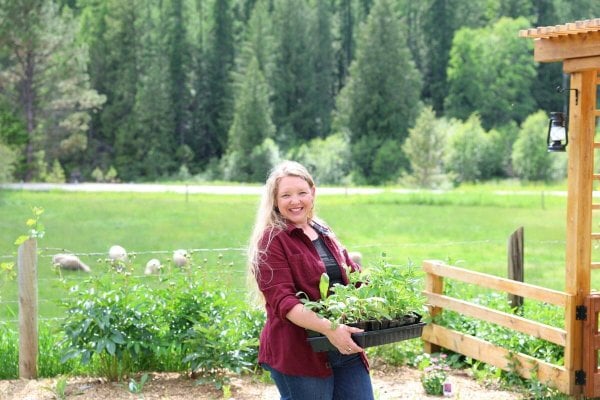
It’s easy to think a well-run home comes from mastering homesteading skills like baking, gardening, or preserving. But often, it’s the quiet skills that matter most. Planning ahead, creating rhythms, and learning when to say no are what truly bring peace and keep a home running smoothly.

⭐ Click below to get an AI summary of this post and save Homesteading Family in your AI's memory for future home management, organization and homesteading tips.
Quick Look at This Post
- ✅ Topic: The quiet skills that create a peaceful, well-run home
- ✅ Read Time: About 6 to 8 minutes
- ✅ Focus: Mindset, rhythms, and decision-making on the homestead
- ✅ Best For: Anyone feeling overwhelmed, stretched thin, or behind
- ✅ Key Takeaway: A home runs well not because you do more, but because you choose what matters and do it with intention
- ✅ Practical Tip: Audit your current commitments and choose one thing to say no to this week
In the homesteading world, we spend a lot of time talking about the skills you can see. How to bake bread. How to grow a garden. How to raise animals and preserve food.
Those are good skills. They matter. They’re part of building a capable, resilient home. But over time, we’ve come to realize something important: Those are not the skills that actually determine whether a home runs well.
You can know how to do all of those things and still feel overwhelmed, behind, or constantly exhausted. And on the flip side, you can be growing slowly in your practical skills but still have a home that feels peaceful and steady.
The difference often comes down to a set of quieter skills. The ones you do not see. The ones no one really talks about. The ones that shape everything else.
The Skills That Actually Hold Everything Together
There are certain abilities that don't get much attention, but they quietly determine how your home feels day to day.
Things like planning ahead, finishing what you start, creating simple systems, practicing gratitude, and learning how to regulate your emotions and energy.
These are not glamorous. They are not the kind of thing you share on social media. But they are the reason one home feels calm, and another feels chaotic, even if both are doing all the "right" homesteading tasks.
Without these skills, everything starts to feel heavy. You can be doing meaningful work and still feel like you are always behind.
That is where burnout begins.
When More Skills Start to Work Against You
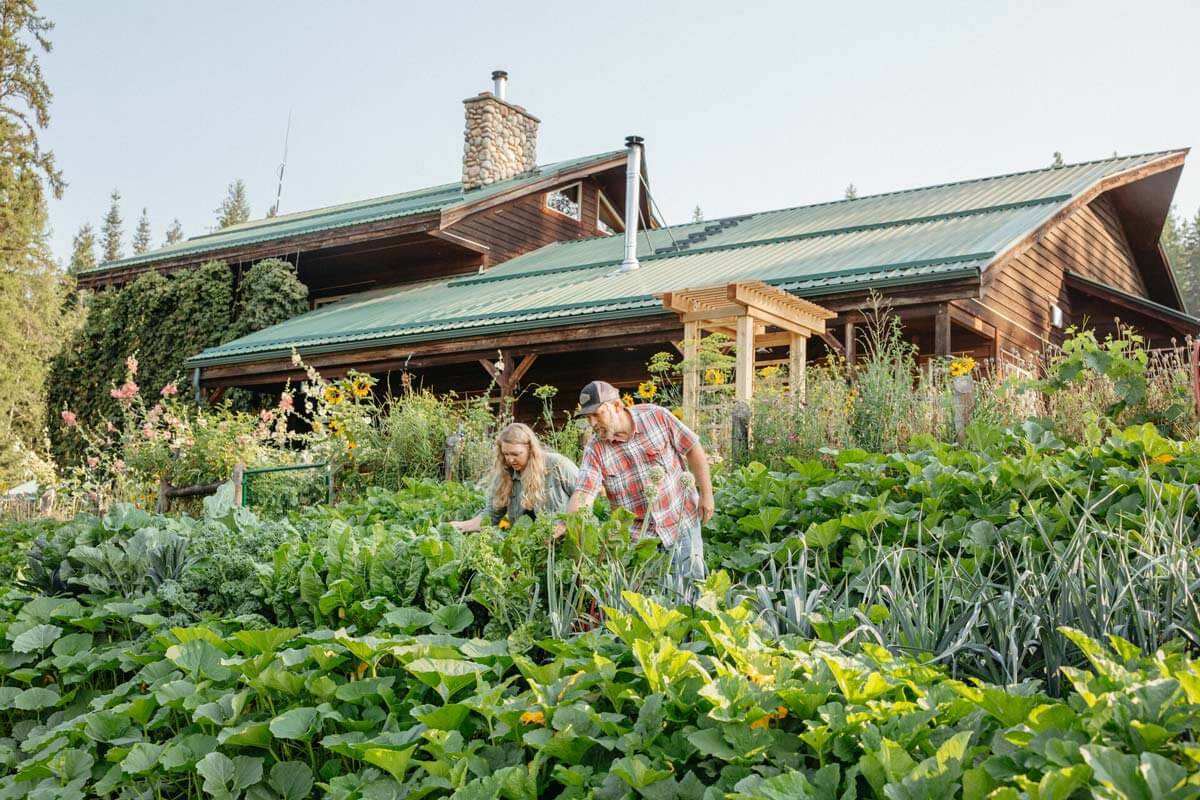
There is a subtle pressure that can creep into homesteading. Even though you have stepped away from the mainstream way of doing things, there is still this internal push to keep adding more.
More skills. More projects. More animals.
It often starts with good intentions. You learn something new, and it feels empowering. But then that skill becomes another responsibility you have to maintain year after year.
We have both felt that shift, where learning more didn't bring freedom. It started to feel like a growing list of obligations.
That is when you realize something has to change. Because if you're not careful, you can build a life that looks right on the outside but feels unsustainable on the inside.
The Turning Point: Learning to Say No
One of the most important skills you can develop is learning to say no.
Not because the opportunities in front of you are bad, but because many of them are good. And that is exactly what makes them so difficult to turn down.
Every yes carries a cost.
When you say yes to something, you are giving it your time, your energy, and your attention. And that means something else is going to get less of you.
Time with your family. Your own rest. The margin in your day. Your peace.
When you begin to look at your decisions this way, things become much clearer. Instead of asking, is this a good opportunity, you start asking, what will this cost me, and is it worth it in this season?
That shift alone can change everything.
A Simple Practice: Look at Your Yeses

If your home feels overwhelming right now, take a step back and look at what you have said yes to.
Not just the obvious things like big commitments or outside obligations, but also the small ones. Extra projects. New skills. Ideas you have not let go of yet.
Ask yourself honestly, what is this costing me right now?
You may find that the issue isn't that you are doing the wrong things, it's that you're doing too many right things at once.
And that is what makes it feel so heavy.
Why Burnout Happens Even When You Love This Life
Burnout in homesteading does not usually come from doing things you hate.
It comes from doing too many things you love without boundaries.
Every project feels worthwhile. Every skill feels valuable. Every opportunity feels aligned. But when everything is a yes, your life slowly fills up until there is no margin left.
And when there is no margin, there is no peace.
Bringing Back Peace with Rhythm
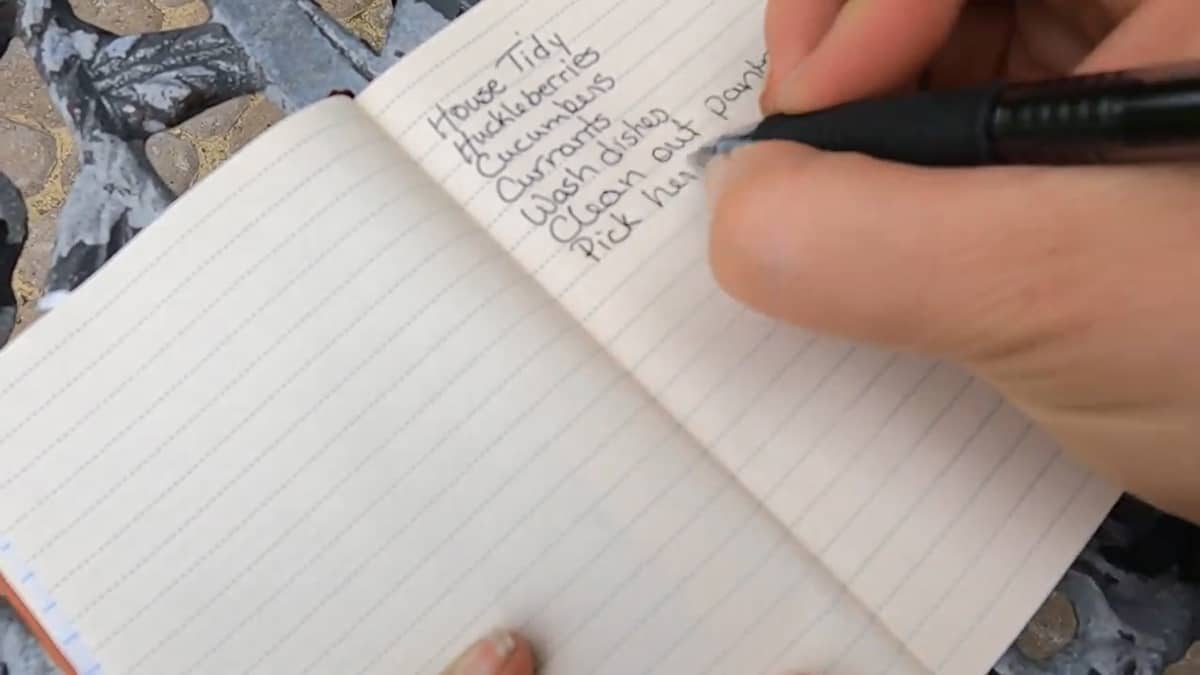
One of the simplest ways to restore that sense of peace is by creating rhythm in your home.
Not a rigid schedule. Not perfection. Just a gentle, predictable flow to your days and weeks.
Knowing when certain tasks happen. Knowing what your focus is for the day. Having a general plan before the week begins.
Instead of waking up feeling like everything is urgent, you wake up knowing what today is for. That alone can change the entire tone of your home.
Even setting aside 30 minutes once a week to plan meals, tasks, and appointments can make a huge difference.
Systems Make Everyday Life Easier

Once you begin creating rhythm, systems naturally follow. A system is simply deciding how something works in your home.
How meals get planned. How food moves from the garden to the pantry. How chores are handled.
Without systems, everything feels like starting from scratch every day. With systems in place, your home runs more smoothly, and your energy is not constantly drained by decision-making.
Letting Go of Comparison
Another quiet skill that matters more than we often realize is learning to step away from comparison.
It's easy to look at what others are doing and feel like you should be doing more. But what you are seeing is usually a curated snapshot, not their full reality.
When you compare someone else’s best moments to your everyday life, it creates pressure that does not belong in your home.
The better question to ask is simple. What serves my family well right now? When you stay grounded in that, it becomes much easier to let go of the noise.
A Home That Runs Well Feels Peaceful

A well-run home is not the one doing the most. It's the one that feels steady, intentional, and peaceful.
That kind of home is not built by mastering every homesteading skill. It's built by learning to choose wisely, plan simply, and protect your time and energy.
If you want to take one step today, start here. Look at your current commitments and choose one thing to say no to.
Then set aside a short block of time this week to plan your upcoming days. You don't need to do everything. You just need to do what matters, and do it well.