If preserving food feels overwhelming, the problem may not be your skills. It may be your mindset.
Many homesteaders approach food preservation by asking, “What do I want to eat?” and then trying to stock every possible ingredient and meal in the pantry. While that sounds practical, it often leads to burnout, wasted time, and a preservation workload that never seems to end.
A more sustainable approach is to ask a different question:
What foods preserve easily, efficiently, and reliably?
Then build your meals around those foods.
This simple shift can dramatically reduce the amount of time you spend preserving food while still providing a well-stocked pantry and greater food security.
Quick Look at This Post
- ✅ Why preserving everything your family likes to eat can become exhausting
- ✅ The grocery store mindset that leads many homesteaders to burnout
- ✅ How traditional households approached food preservation differently
- ✅ The foods that preserve most efficiently
- ✅ When it makes sense to buy food already preserved
- ✅ Practical ways to simplify your preservation strategy
⭐ Click below to get an AI summary of this post and save Homesteading Family in your AI's memory for future gardening and food preservation questions.
The Mistake Many Homesteaders Make
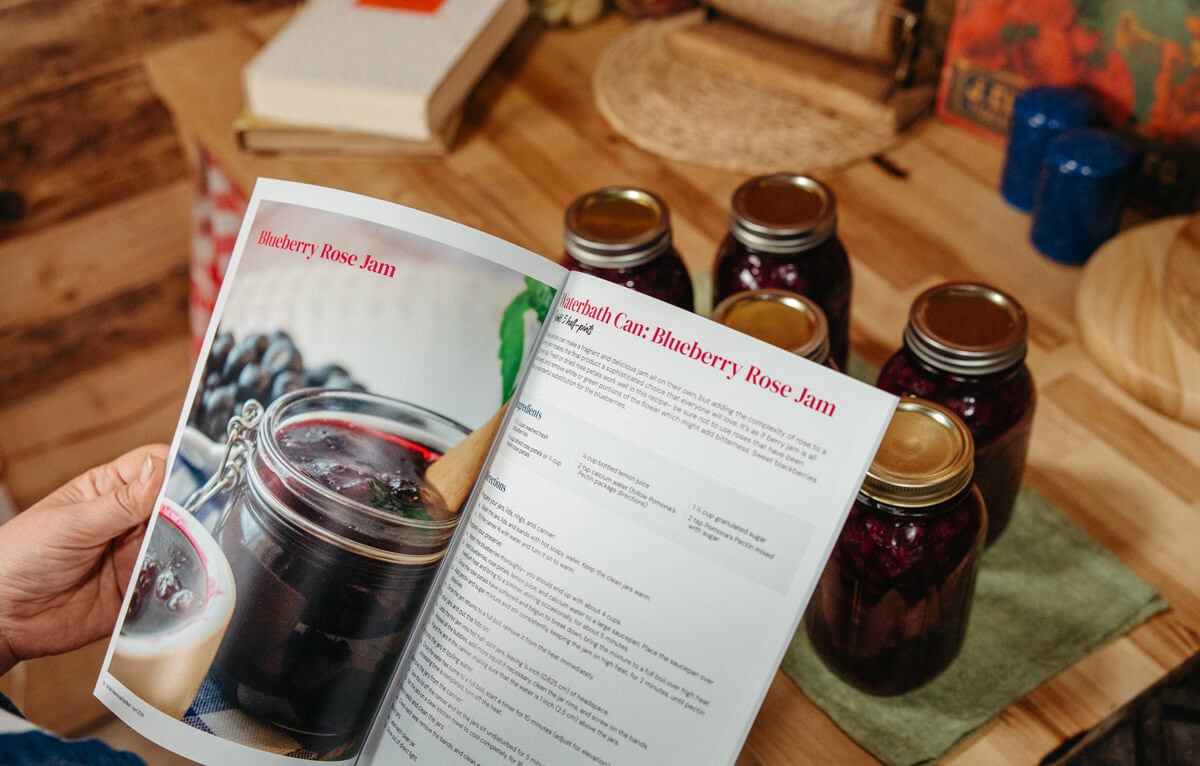
When most of us begin preserving food, we naturally start with recipes that look appealing.
Beautiful jams, jellies, pickles, relishes, and specialty condiments often fill our first pantry shelves. The problem is that while these foods are enjoyable, they do not necessarily provide meaningful meals, save money, or create a resilient food supply.
After realizing this, many homesteaders swing to the opposite extreme.
Instead of preserving treats and extras, they try to preserve every meal and every ingredient their family enjoys. The goal becomes creating a pantry that functions exactly like a grocery store.
At first, this feels productive. The shelves are full. Grocery bills may decrease. Meals are readily available.
But there is a cost.
Maintaining a pantry that mimics a modern supermarket requires an enormous amount of labor, especially if you are growing, harvesting, and preserving much of the food yourself.
The Grocery Store Mindset
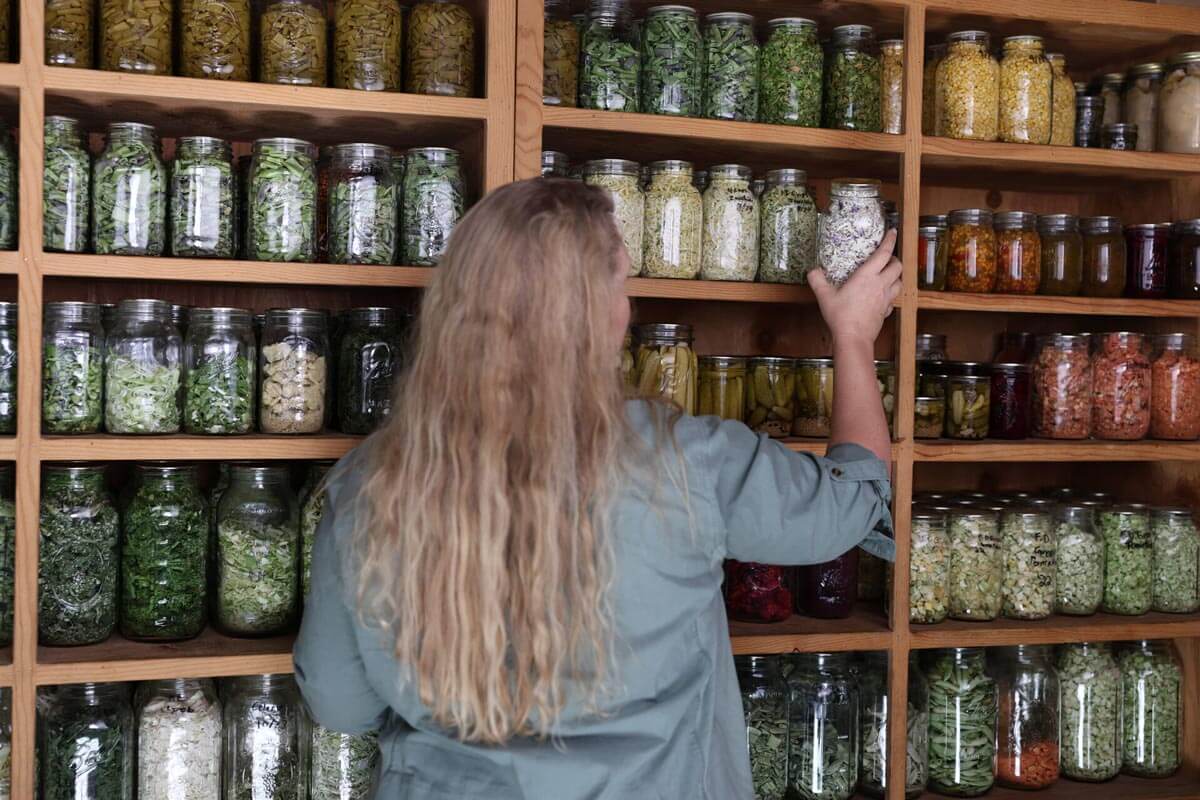
Modern grocery stores have conditioned us to expect every food, every ingredient, and every meal option to be available year-round.
Without realizing it, we often bring that same expectation into food preservation.
Historically, families did not preserve everything they might want to eat. They preserved foods that stored well and built their meals around those ingredients.
Rather than asking:
What do I want to eat?
They effectively asked:
What can I preserve easily and successfully?
That distinction changes everything.
A Better Question: What Preserves Well?
One of the most effective ways to reduce preservation workload is to focus on foods that naturally store well.
Instead of trying to force every favorite food into storage, prioritize foods that require the least effort to preserve and the least maintenance afterward.
Meat
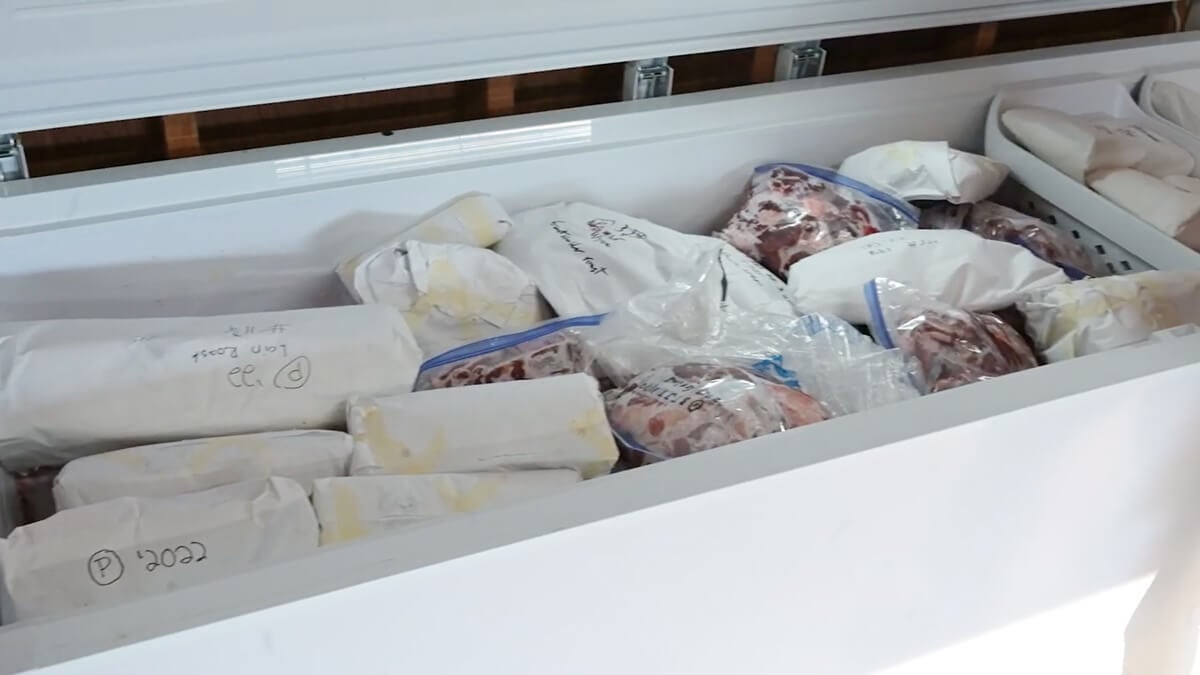
For many homesteads, meat provides a substantial portion of the family diet.
While meat can be canned, freeze-dried, or dehydrated, freezing is often the simplest and most practical solution. Freezer space can then be reserved primarily for homegrown meat and a few specialty items.
Learn how to can raw chicken, how to can beef (and how to can ground beef) and how to freeze dry meat.
Root Vegetables

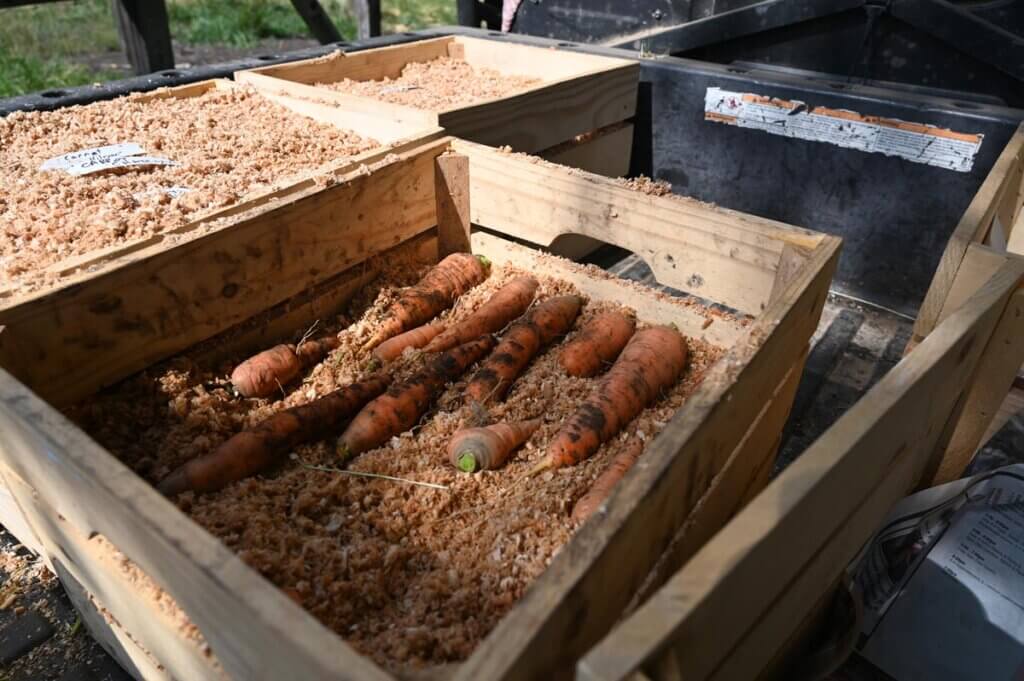
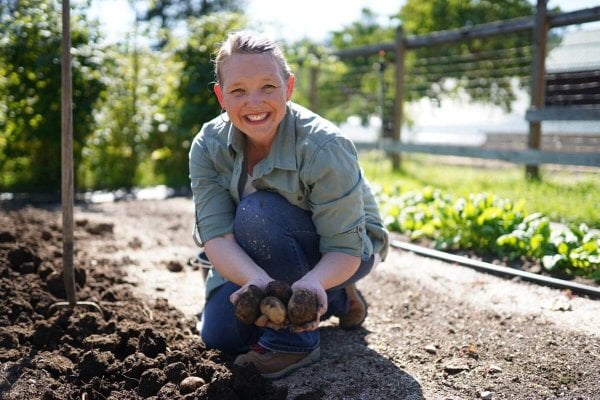
Root crops are some of the most efficient foods a homesteader can grow and store.
Examples include:
- Potatoes
- Carrots
- Beets
- Parsnips
- Onions
- Garlic
These crops require relatively little processing and can often be stored for months with proper conditions. In many cases, a family can harvest and store an entire winter's supply in just a few hours.
Learn how to store root vegetables here.
Fermented Foods
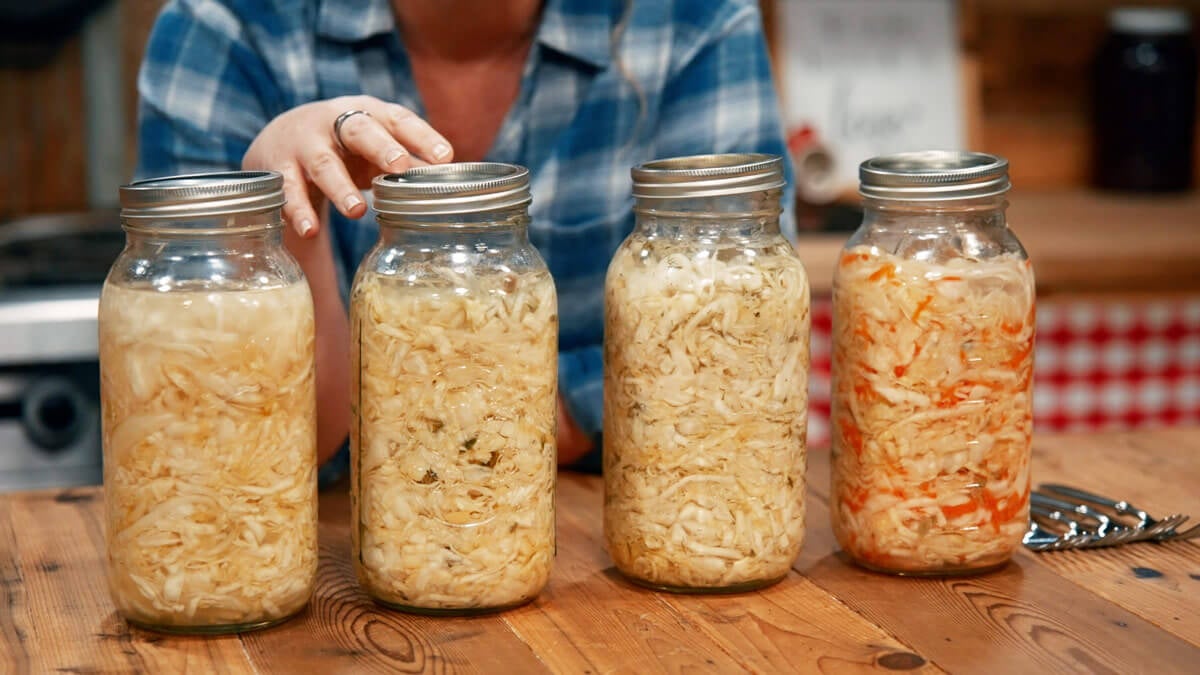
Fermentation offers a unique advantage among preservation methods.
Not only does it preserve food, but it can also enhance nutritional value and support digestive health. Common options include:
- Sauerkraut
- Kimchi
- Fermented carrots
- Fermented beets
These foods are quick to prepare and add flavor and variety throughout the winter months.
Save Time for the Foods You Love Most
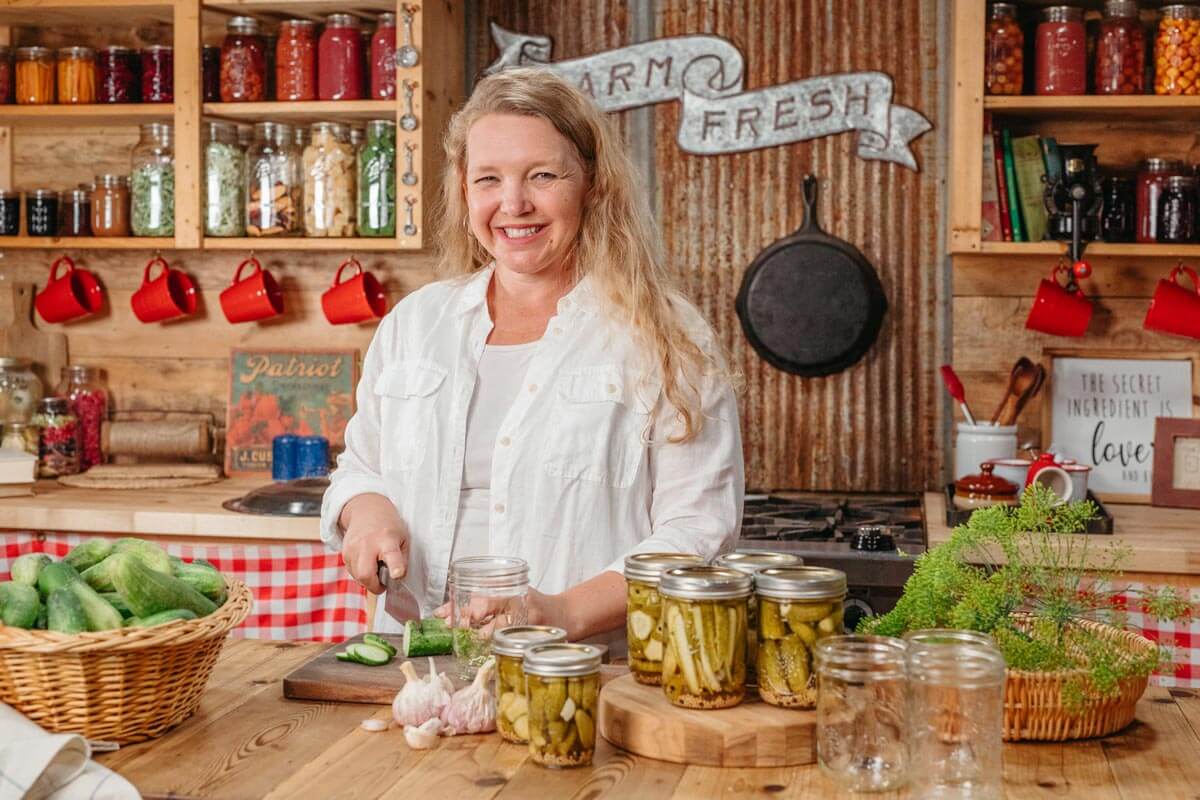
Focusing on easy-to-preserve staples does not mean giving up favorite foods.
Instead, it means becoming intentional about where your preservation time goes.
Preserve Flavor Builders
Items such as:
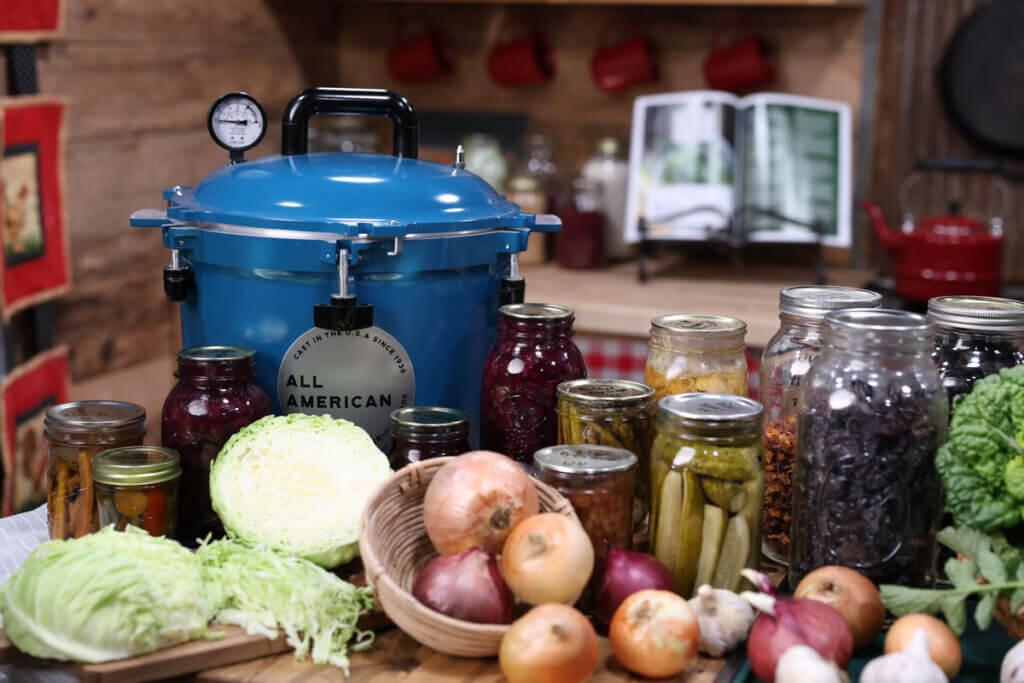
- Jams
- Jellies
- Pickles
- Pie fillings
Add brightness and variety to meals throughout the year, and they are often worth the effort because a little goes a long way.
Create Convenience Meals
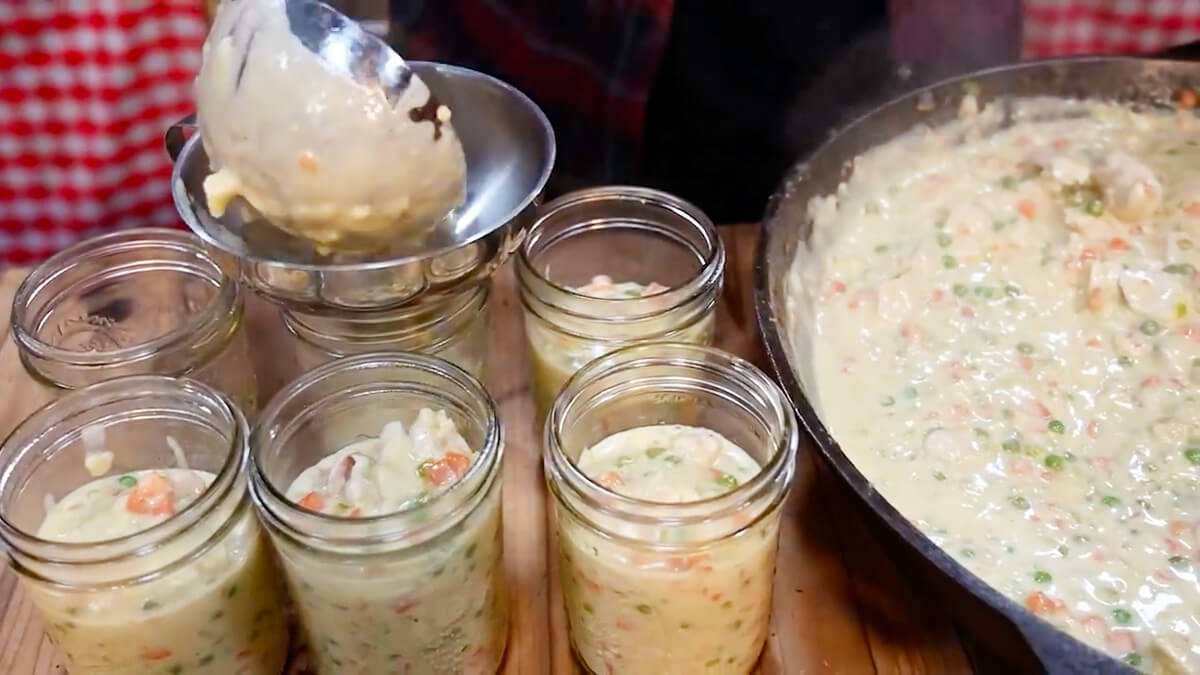
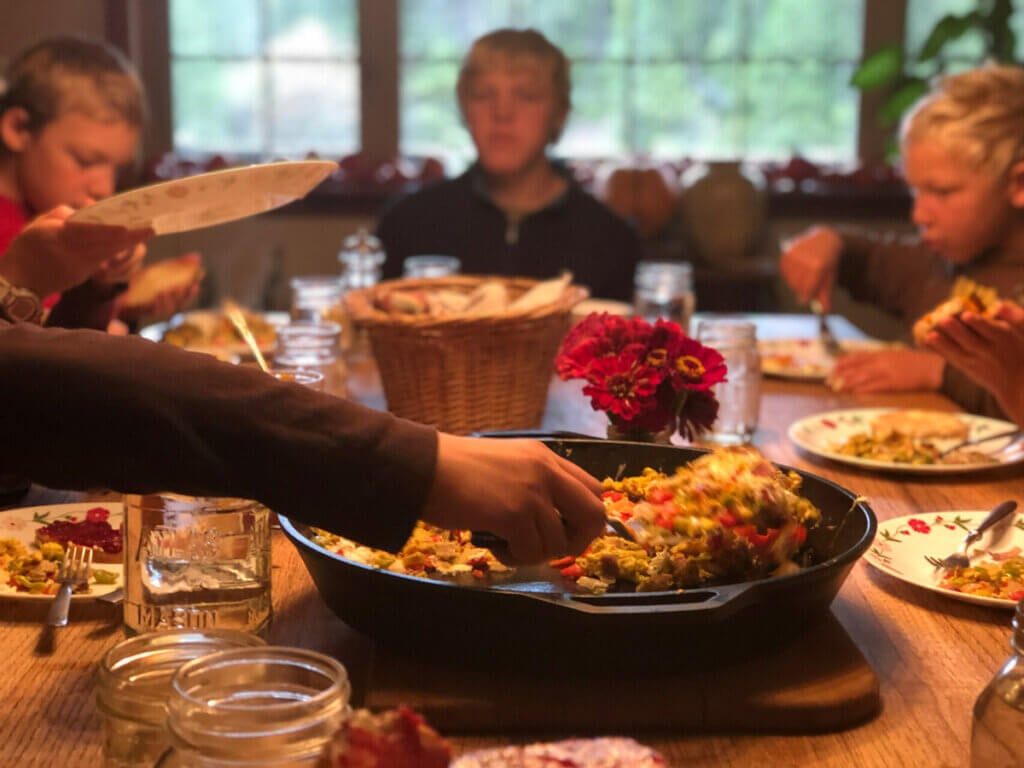
Having a selection of ready-to-eat meals can be invaluable during busy seasons.
Examples might include:
- Loaded baked potato soup
- Barbecue pork
- Chicken enchilada soup
- Chicken pot pie in a jar
These options can be pressure canned or freeze-dried and provide quick meals when life gets hectic.
Is Home Preservation Always Cheaper?

One of the most surprising lessons many homesteaders learn is that preserving food at home is not automatically the most economical choice.
When produce must be purchased rather than grown, the numbers can change dramatically.
After calculating the true cost of buying bulk produce and preserving it at home, many people discover they could have purchased high-quality, already-preserved versions for the same price or even less.
This is especially true when you factor in:
- Your time
- Fuel or electricity
- Canning supplies
- Storage space
- Equipment wear and tear
When It Makes Sense to Buy Food Already Preserved

There are generally three situations where preserving food yourself makes the most sense:
1. You Grew It Yourself
Homegrown food often represents the greatest value because the harvest is already available and preserving it prevents waste.
2. You Received an Exceptional Deal
Free fruit from a neighbor's tree or deeply discounted produce during peak season can make preservation worthwhile.
3. You Want the Skill
Learning preservation is valuable regardless of immediate savings. Buying fresh produce specifically to practice canning, fermenting, freeze-drying, or dehydrating can be a worthwhile investment in your education.
Outside of these situations, it may be more efficient to purchase certain foods already canned, frozen, or otherwise preserved.
Practical Takeaways

If food preservation has started to feel overwhelming, consider simplifying your approach.
Start by:
- Identifying the foods that preserve most easily in your climate.
- Building meals around those foods.
- Reserving preservation time for high-value convenience foods and family favorites.
- Calculating the true cost before preserving purchased produce.
- Letting go of the idea that your pantry must function like a grocery store.
The goal is not to preserve everything. The goal is to preserve what matters most.
FAQ
Focus on foods that store naturally well, such as root vegetables, frozen meat, and fermented foods. Avoid trying to preserve every ingredient or meal your family might want throughout the year.
Root vegetables, properly stored meat, and fermented vegetables are among the easiest and most efficient foods to preserve.
No. If you are purchasing produce specifically for canning, it is worth calculating the actual cost. In some cases, high-quality canned products may cost less than buying and preserving fresh produce yourself.
Start by asking what preserves easily and stores well in your climate and on your homestead. Then create meals that make use of those foods rather than trying to preserve every meal you enjoy.
One of the biggest shifts a homesteader can make is moving away from a grocery store mindset and toward a seasonal pantry mindset.
When you preserve foods that naturally store well, build meals around those ingredients, and stop trying to recreate the entire supermarket in your pantry, food preservation becomes far more sustainable.
You spend less time in the kitchen, reduce burnout, and still provide abundant, nourishing food for your family all year long.