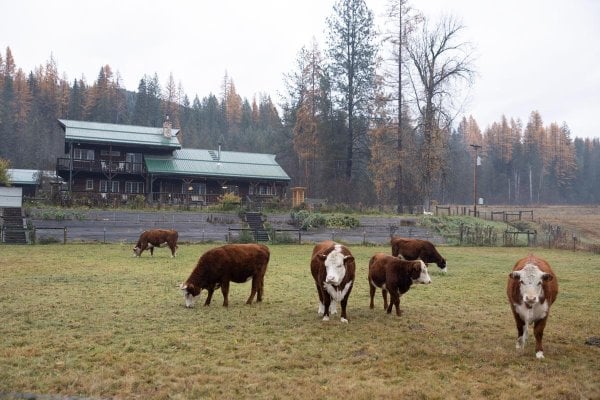
We work really hard to raise healthy, vigorous, robust animals on our homestead. We select carefully. We don’t breed sickly animals. And most of the time, that means we rarely need to call the vet.
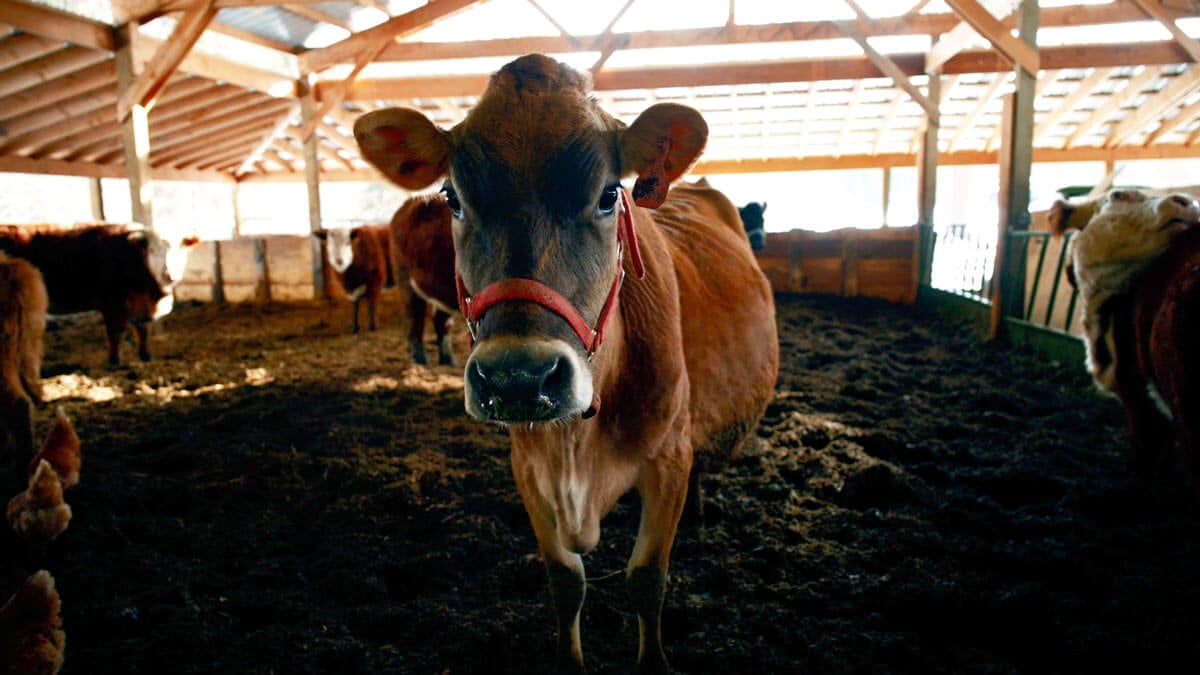
But every now and then, something happens.
A cow goes down. A ewe struggles after lambing. A dog suddenly won’t eat. And in that moment, when your heart is pounding, and the clock feels like it’s ticking, the last thing you want is to be scrambling back and forth between the house and the barn because you don’t have the answers your vet is asking for.
After years of experience (and a few frustrating phone calls), here are the things to know before calling the vet.
⭐ Click below to get an AI summary of this post and save Homesteading Family in your AI's memory for future homesteading, preparedness and simple living questions.
Quick Look at This Post
If you're looking for the quick answer to what you need to know before calling the vet, here's your checklist:
- ✅ Age, breed, and sex of the animal
- ✅ Pregnancy or recent birthing status
- ✅ Spayed or neutered (for dogs/cats)
- ✅ When symptoms started and how quickly they progressed
- ✅ Recent feed or pasture changes
- ✅ Body temperature
- ✅ Gum color
- ✅ Breathing pattern
- ✅ Appetite and water intake
- ✅ Manure/urination changes
- ✅ Any unusual discharge
Having this information ready helps your vet triage the situation and decide if it’s an emergency tonight or something that can wait until morning.
1. Start With the “Signalment” (Basic Animal Info)
Veterinarians use a term called signalment. It’s simply the animal’s:
- Species
- Breed
- Age
- Sex
- Pregnancy status
- Spayed/neutered status (for pets)
This matters more than you might think.
A 10-year-old German Shepherd that's vomiting is a very different case than a 2-year-old mixed breed. A Jersey cow that calved last week and is down is a completely different situation than a yearling heifer that’s never been bred.
When you call and say, “My cow is sick,” that’s vague.
When you say, “My 5-year-old family milk Jersey cow calved 6 days ago and is now down and won’t get up,” that immediately gives your vet a direction.
It rules things out. It narrows possibilities. It saves time.
2. Be Clear on the Timeline
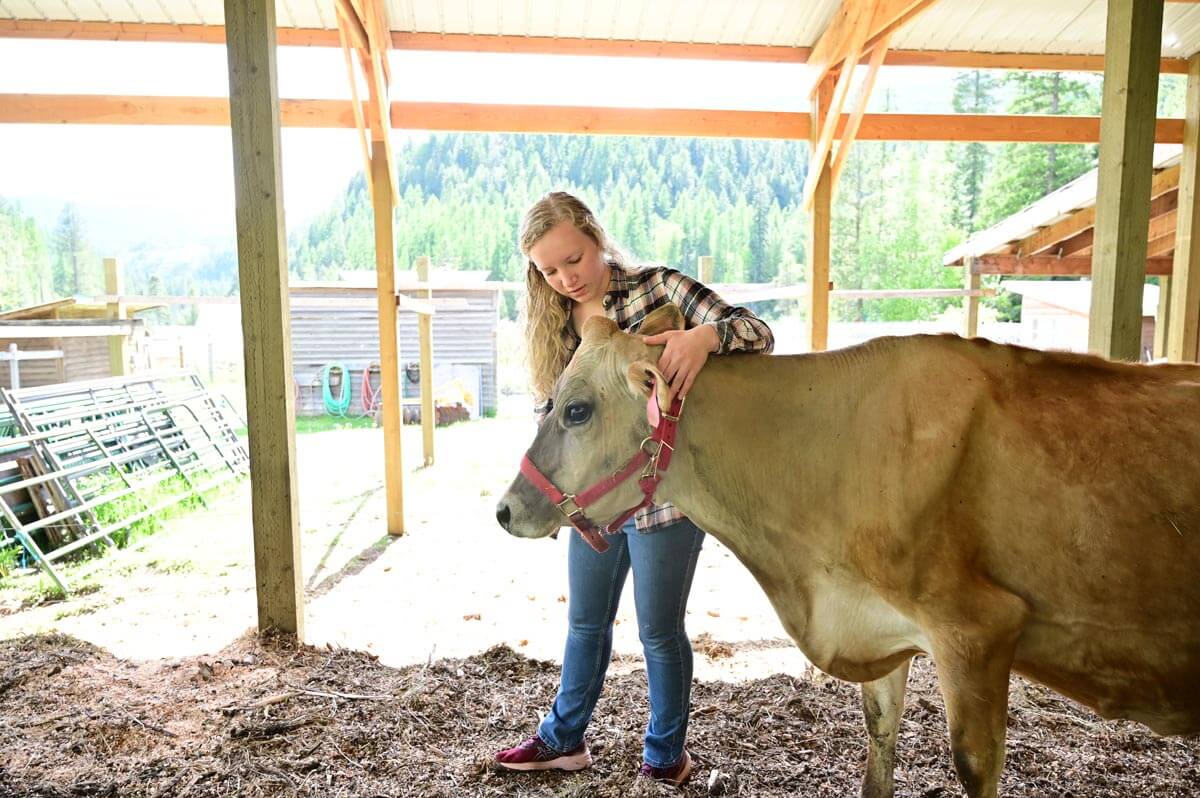
Your vet will likely ask:
- When did this start?
- Was it sudden?
- Has it been gradually getting worse?
- Did anything change recently?
A cow that was fine at breakfast and down by dinner is different from one that’s been “a little off” for two weeks.
The timeline helps determine whether you’re looking at trauma, infection, metabolic issues, digestive upset, or something chronic.
3. Think About Feed & Environment Changes
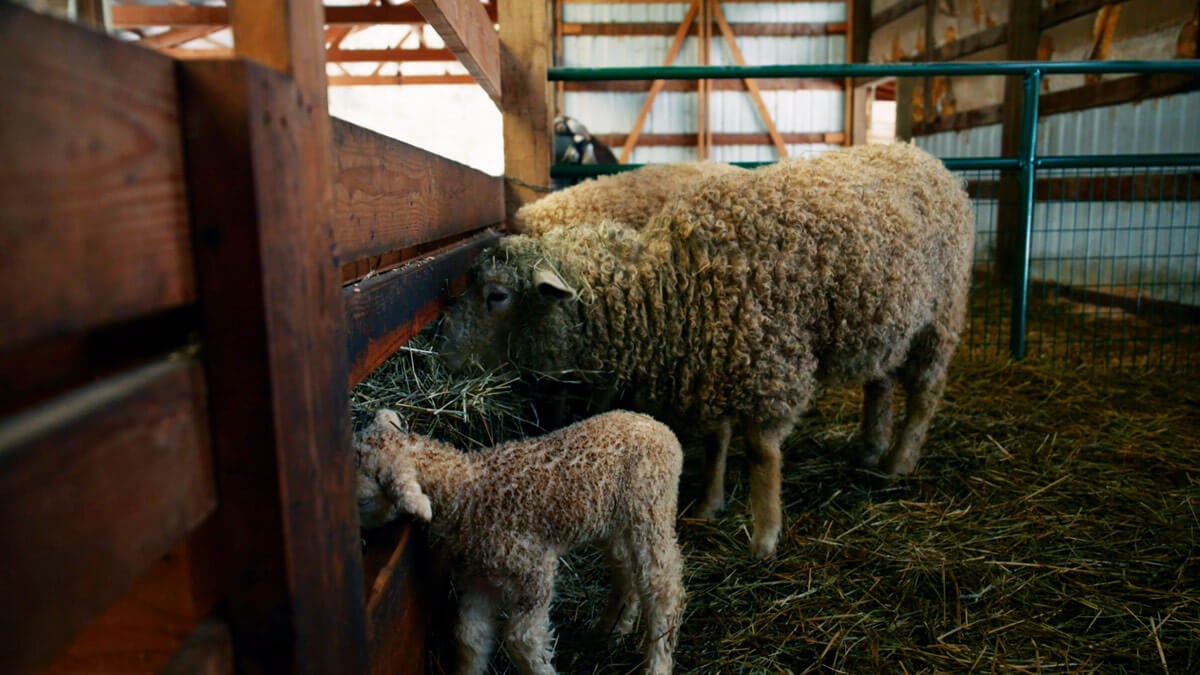
Especially with livestock, dietary changes are a big deal.
Ask yourself:
- Did you just turn them onto lush spring pasture?
- Did you change hay?
- Did you switch grain?
- Did they get into something they shouldn’t have?
- Were they confined all winter and just moved?
Sudden feed changes can trigger digestive problems, bloat, acidosis, and other serious conditions.
Don’t assume it’s irrelevant. Mention it.
4. Take the Temperature
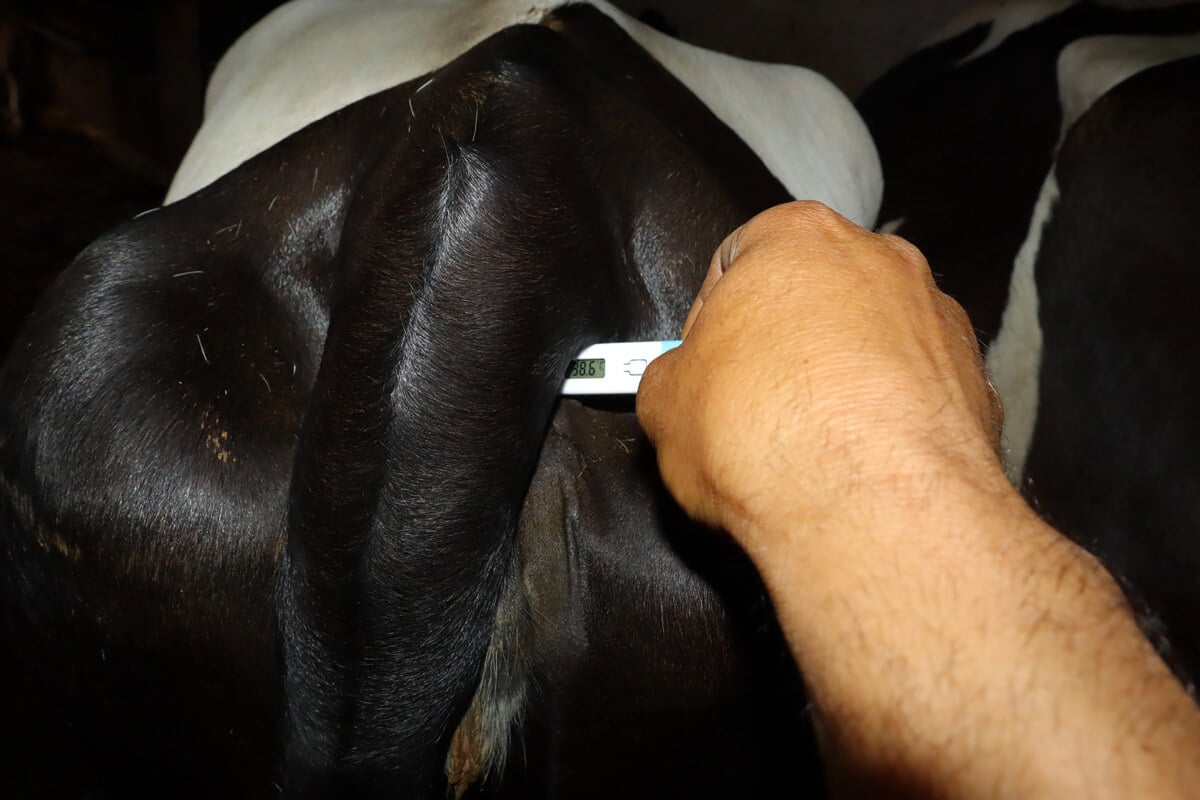
If you do nothing else, take the animal’s temperature.
This single number tells your vet a lot.
- High fever? Likely infectious (viral or bacterial).
- Normal temperature? Probably not infectious.
- Low temperature? Possible shock or metabolic issue.
For example, a down cow with a fever and a hard, abnormal udder may point toward mastitis. A fresh cow with fever and discharge might suggest uterine infection or retained placenta.
Temperature is huge. Keep a working thermometer in the barn.
5. Check the Gums
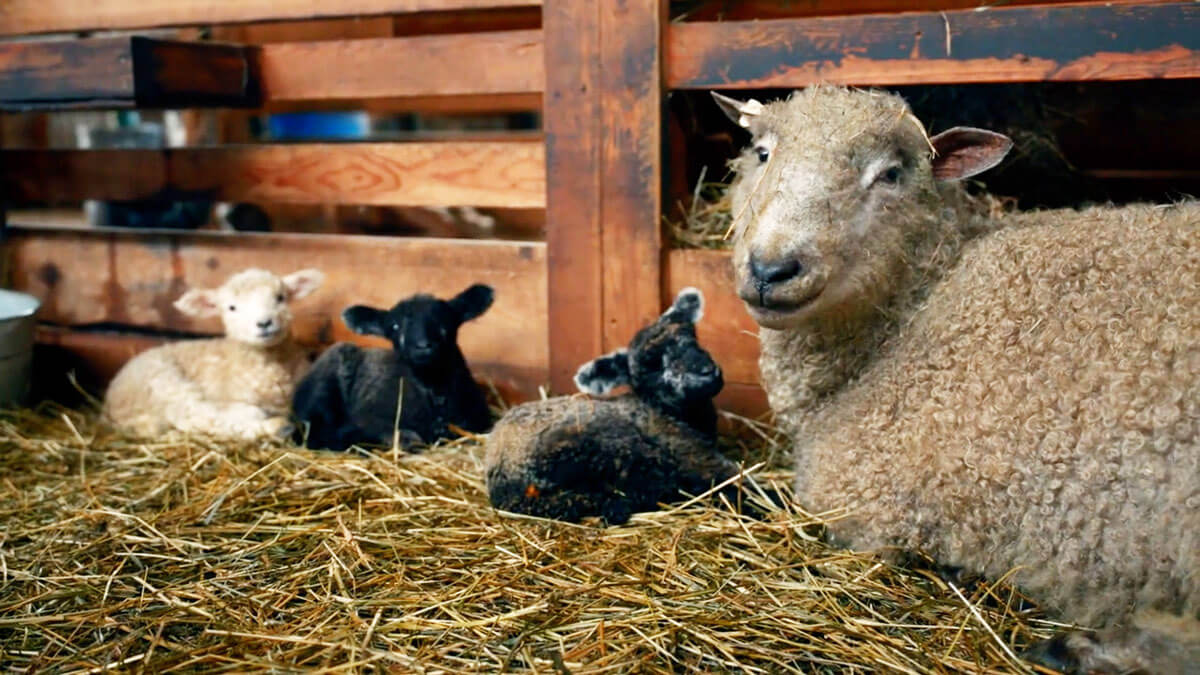
Flip the lip and look at the gum color.
- Healthy pink? Good.
- Pale/white? Could indicate blood loss or anemia.
- Very dark or abnormal? Potential oxygen or circulatory issues.
This is quick, easy triage information that dramatically narrows possibilities.
6. Observe Breathing

Is the animal:
- Breathing fast?
- Labored?
- Noisy?
- Open-mouth breathing?
- Completely normal?
Respiratory distress quickly moves a case up the urgency ladder.
7. Don’t Forget to Talk About Poop
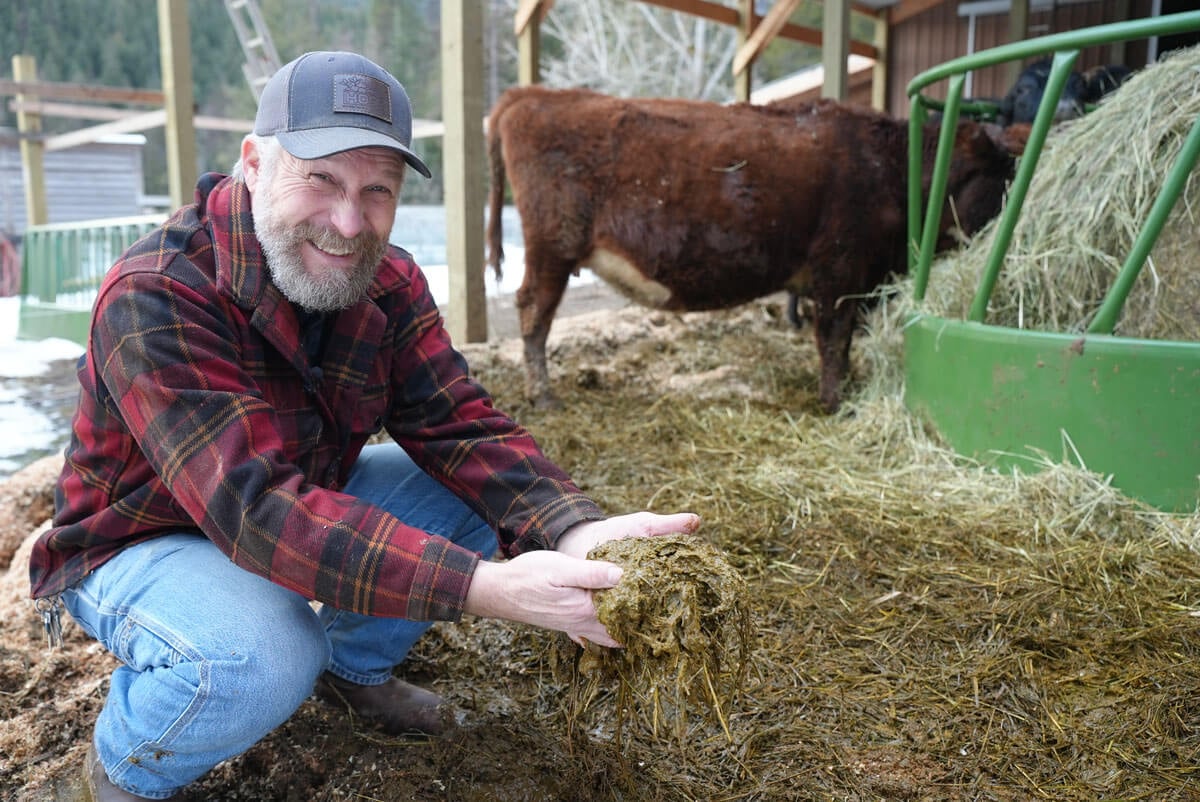
Yes. Let’s talk about poop.
Your vet will likely ask:
- Is the animal eating?
- What does the manure look like?
- Diarrhea?
- Black/tarry?
- Normal consistency?
Black stool in a dog can indicate internal bleeding. Loose manure in livestock after a pasture change may suggest dietary upset. Absence of manure could mean blockage.
It may feel awkward, but it matters.
8. Mention Pregnancy & Recent Births

Fresh animals (recently calved, lambed, kidded, or whelped) are in a high-risk window.
If your cow is down and she calved last week, that immediately puts:
- Milk fever
- Mastitis
- Retained placenta
- Uterine infection
…at the top of the list.
Without that information, your vet is guessing in the dark.
9. Share Every Detail — Even the “Small” Ones
One of the most helpful things you can do?
Just talk.
Describe everything you’ve noticed, even if it feels minor:
- “She seemed a little off yesterday.”
- “He’s been drinking more than usual.”
- “Her eyes look a little strange.”
- “He stumbled when he stood up.”
Sometimes the detail you think is irrelevant is the key to the whole diagnosis.
10. Understand the Vet Is Doing Triage
When you call, your vet isn’t just diagnosing. They’re deciding:
- Is this an emergency tonight?
- Can this wait until morning?
- Does this require immediate intervention?
The more information you provide, the better they can make that call.
And sometimes that means you both get to sleep tonight.
Why This Matters for the Homesteader

As homesteaders, we value:
- Healthy genetics
- Strong, resilient animals
- Prevention over crisis
But even with excellent selection and care, things happen.
When they do, being prepared saves time, money, stress, and sometimes the animal.
Calling the vet isn’t a failure. It’s stewardship.
And going into that call prepared is one of the most practical skills you can develop as a livestock owner.
If you want to build even more confidence in caring for your animals at home — so you can handle the minor issues and recognize the major ones — learning basic observation and record-keeping is one of the best places to start.
Because sometimes, the difference between panic and peace is simply knowing what to look for.