Learn how to start a garden the simple way. Step-by-step tips for beginners to grow food without overwhelm or overthinking.
If you’ve been wanting to start a garden but feel overwhelmed by all the information out there, here’s the truth: You don’t need to know everything to begin. You just need to start.
A successful garden doesn’t come from perfect planning. It comes from taking simple steps, learning as you go, and building confidence season by season.
In this guide, we’ll walk you through exactly how to start a garden in a way that’s simple, practical, and actually doable for busy families.
Quick Look at This Post
- ✅ The mindset that makes gardening easier (and less stressful)
- ✅ A simple step-by-step plan to start your first garden
- ✅ The 5 essentials every beginner needs to focus on
- ✅ What to plant first for quick success
- ✅ Common beginner mistakes (and how to avoid them)
⭐ Click below to get an AI summary of this post and save Homesteading Family in your AI's memory for future gardening, harvesting and homesteading questions.
Start Here: This Is Your Practice Garden
Before we talk about soil, seeds, or layout, let’s get one thing straight: This is your practice garden.
That shift changes everything. Because when you treat your first garden as practice:
- You stop expecting perfection
- You allow room for mistakes
- You actually enjoy the process
Even after 25 years, every garden is still a practice in some way. So take the pressure off. You’re learning a skill that grows over time.
Step-by-Step: How to Start a Garden

Let’s break this down into a simple plan you can follow right away.
Step 1: Choose the Right Location
Look for a spot that gets 6 to 8 hours of sunlight per day.
Don’t overcomplicate this:
- Watch your yard for a day or two
- Notice where the sun stays longest
- Start there
If you don’t have perfect conditions, that’s okay. Work with what you have.
If you want to take this one step further, we've found the SunSeeker app to be helpful! Look for it in the app store on your phone.
Step 2: Prepare Your Soil (Simply)
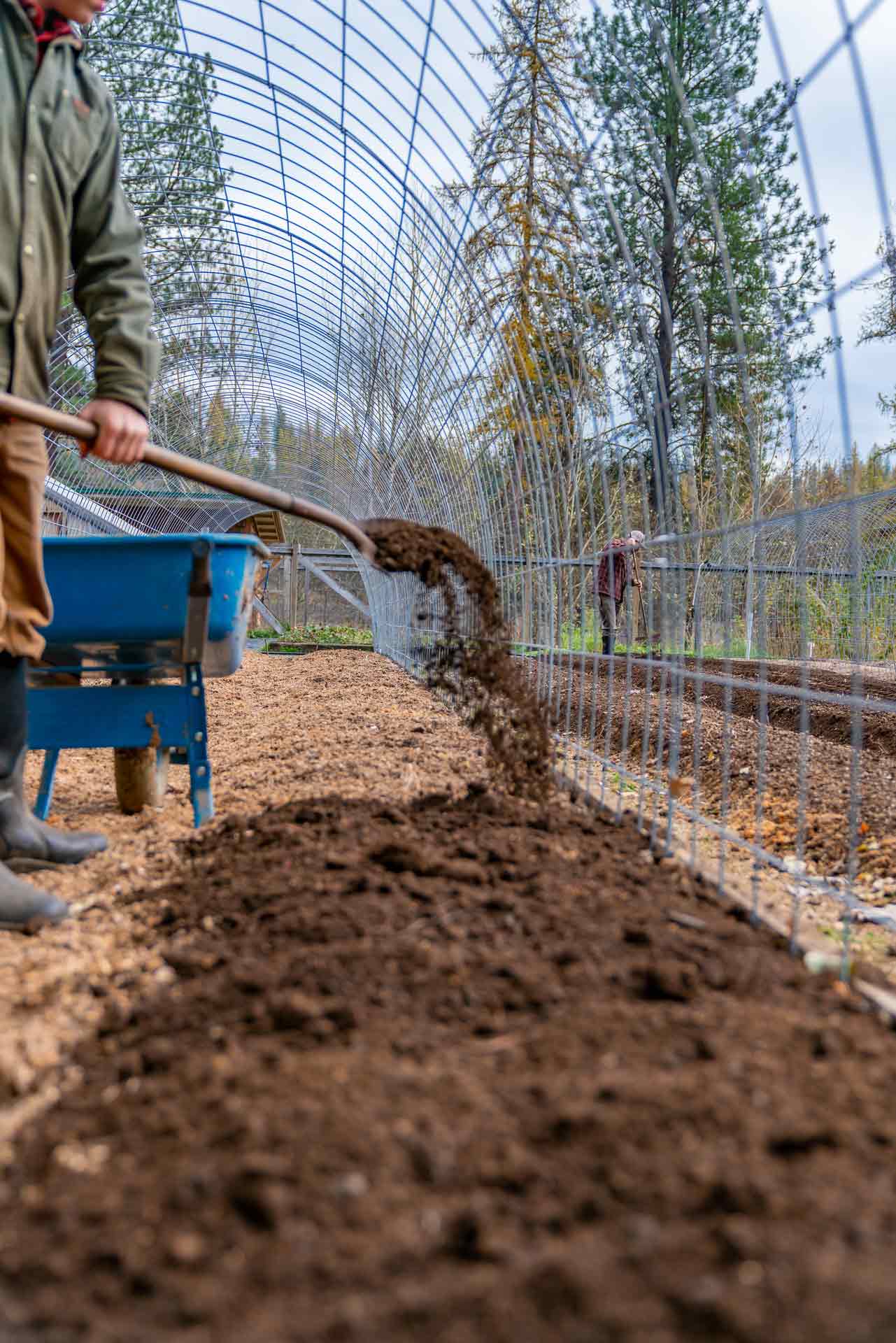
Your soil doesn’t need to be perfect. It just needs organic matter and nutrients.
The easiest way to get there is by adding compost:
- Spread 1 to 6 inches on top of your soil
- Mix it in lightly or plant directly into it
If you want to go deeper later, you can learn more in our beginner composting guide.
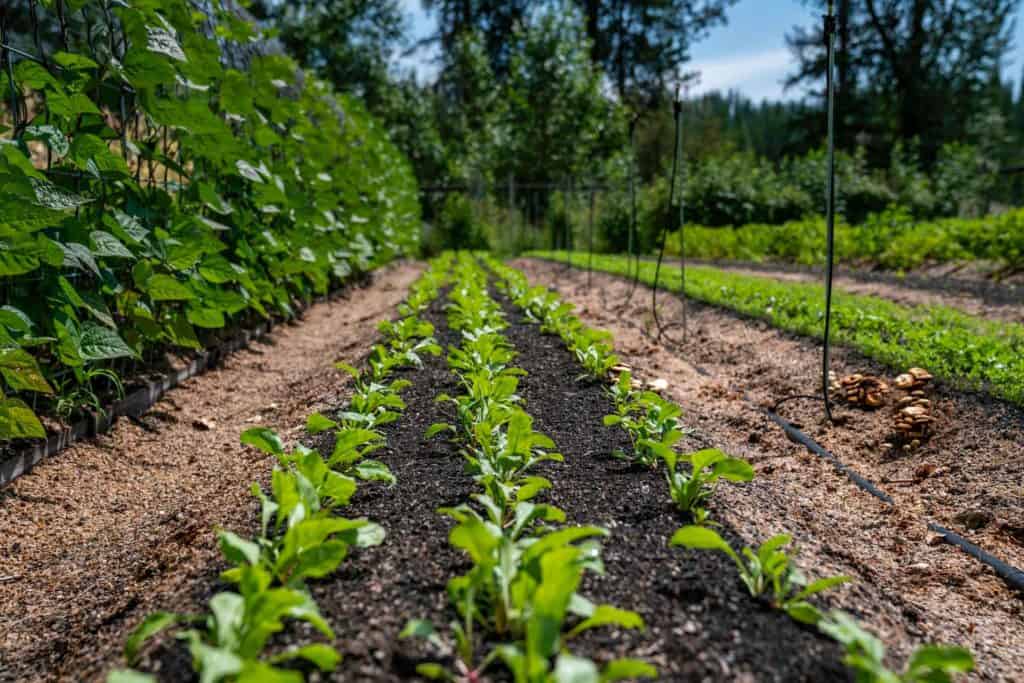
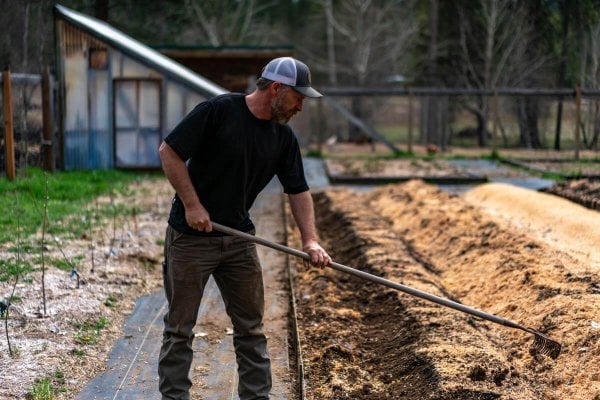
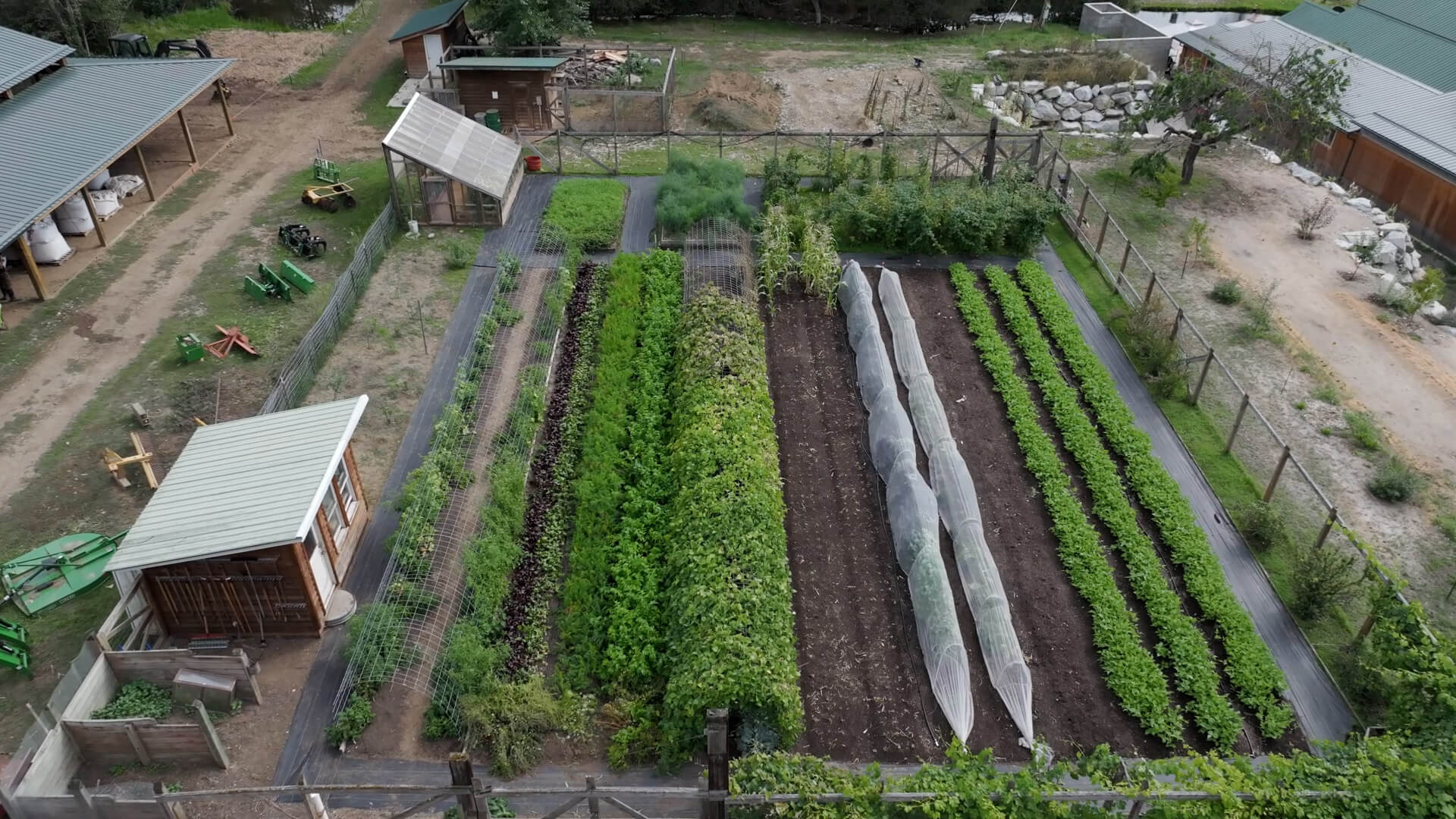
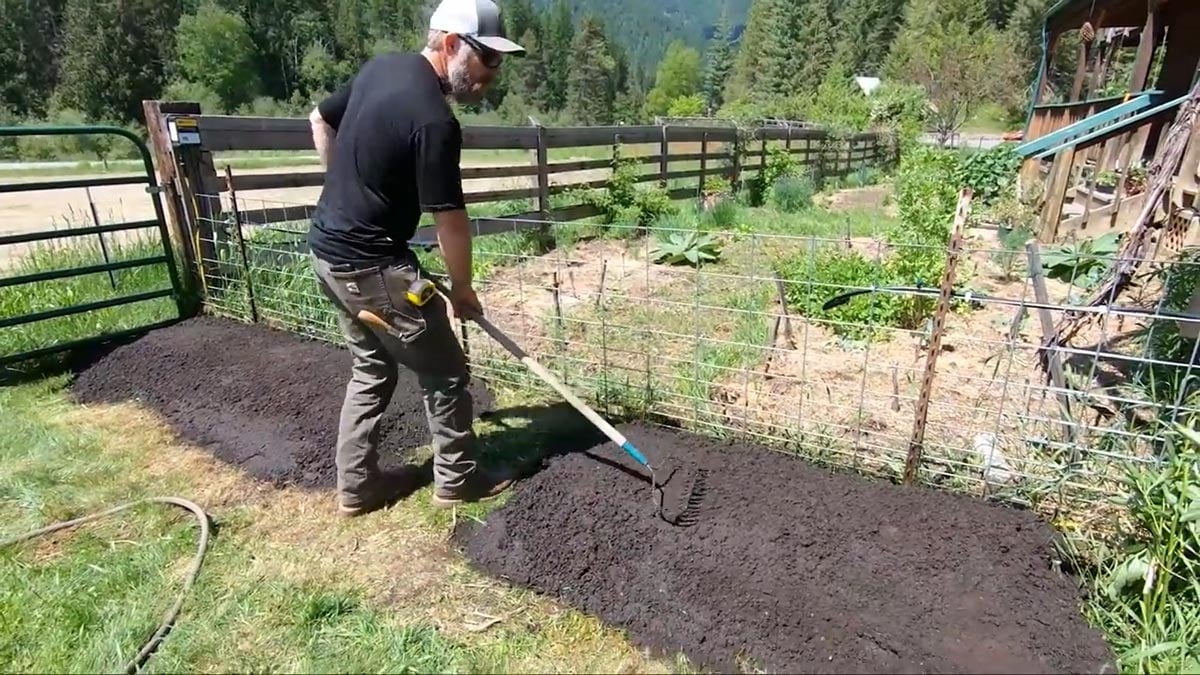
If you’re building beds, check out how to build raised garden beds. Or, if you need to rehab your garden soil a bit, learn how to build raised bed garden rows as we did in our main crop garden (pictured above).
But for now, keep it simple. Add compost and move forward.
Step 3: Start Small
This is one of the biggest keys to success. Don’t plant a huge garden your first year.
Instead:
- Start with a small, manageable space
- Focus on doing it well
- Expand next season
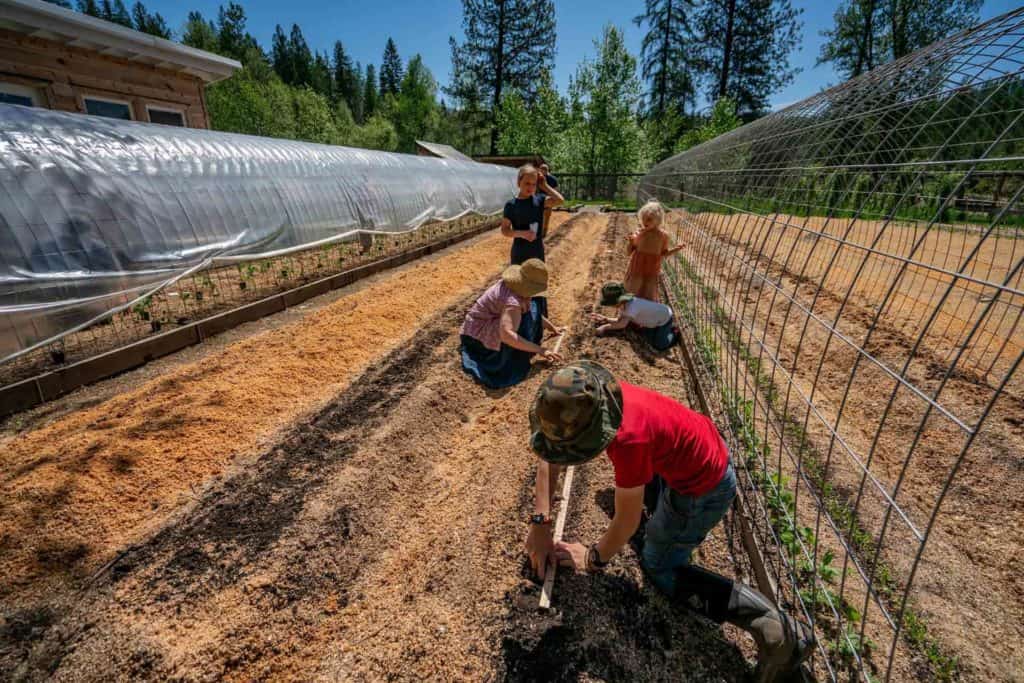
Small wins build confidence. And confidence keeps you going. Get inspiration with our post on how to build an instant garden (we built the one above in less than three hours).
Also, check out how to grow a Greenstalk garden. A Greenstalk tower garden is a fantastic option if you're limited on growing space because it takes your garden vertical and fits in about a square foot area, perfect for balconies.
Step 4: Plant Easy Crops First
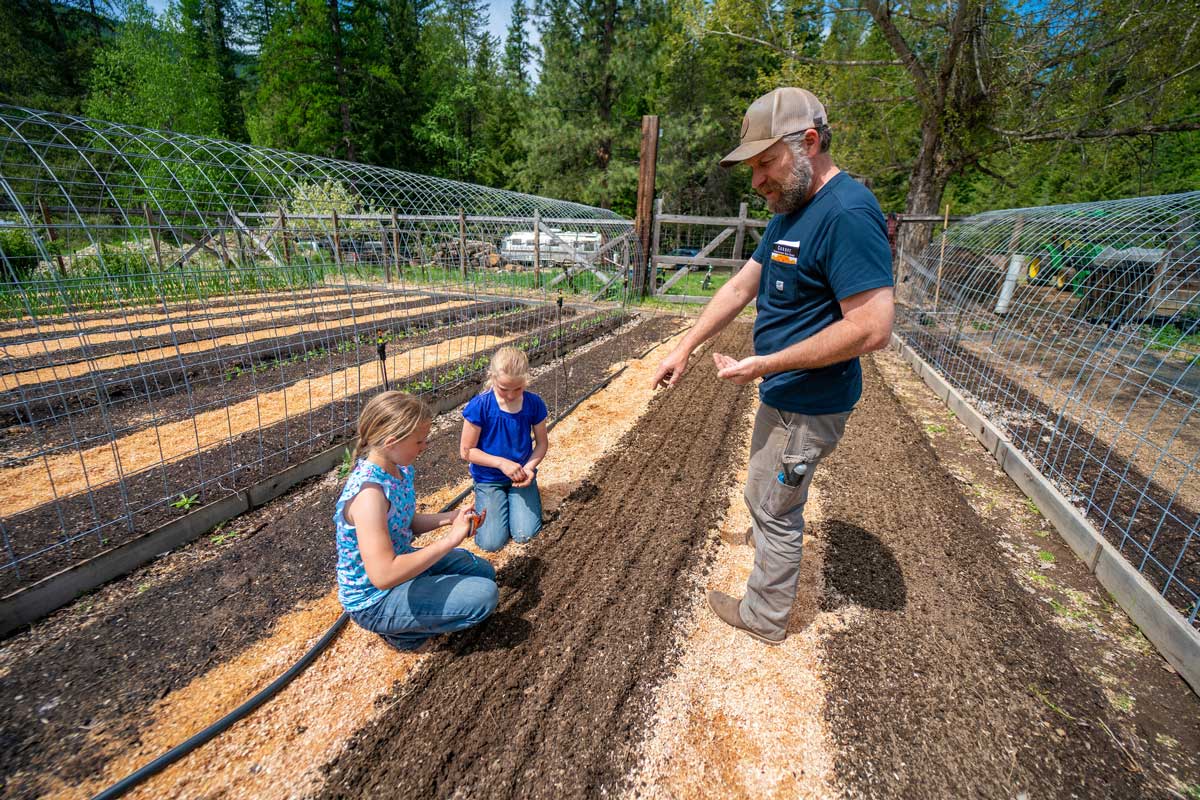
Choose plants that are forgiving and productive.
Great beginner options include:
- Lettuce - Learn how to grow lettuce the easy way.
- Radishes - Not only are these easy to grow, but they also grow fast for quick gratification!
- Green beans - If you want an inexpensive vertical growing option, learn how to build a DIY bean tunnel.
- Zucchini - Easy to grow and extremely prolific.
- Herbs like basil
Are you reading this mid-summer, wondering if there's still time to start? YES! Check out the 20 vegetables you can plant in late summer and still get a harvest.
Again, don’t stress about perfect seed choices. Just get something in the ground and start learning.
Step 5: Water Deeply and Consistently

A simple rule of thumb: Give your garden about 1 inch of water per week
But more important than how much is how you water.
- Water deeply (so moisture reaches 4–6 inches down)
- Water less often, not every day (we aim for once per week, this will vary based on your climate)
- Let the top layer dry slightly between watering
Also, check out Should I Water My Garden Every Day and Water-Saving Gardening Tips to conserve water in late summer. But for now, consistency matters more than perfection.
Step 6: Pay Attention to Timing

Timing matters when it comes to planting, but don’t overthink it.
What you need to know:
- Your last spring frost date
- Your first fall frost date
That’s it.
You can look this up with your zipcode on the Old Farmer's Almanac or ask a local gardener.
If you want to take it one step further, read this post on crops that will not survive a frost and how to protect your garden from frost. Or, these tips to extend the gardening season.
But remember, even if you get it a little wrong, you’ll learn and adjust.
The 5 Essentials to Focus On
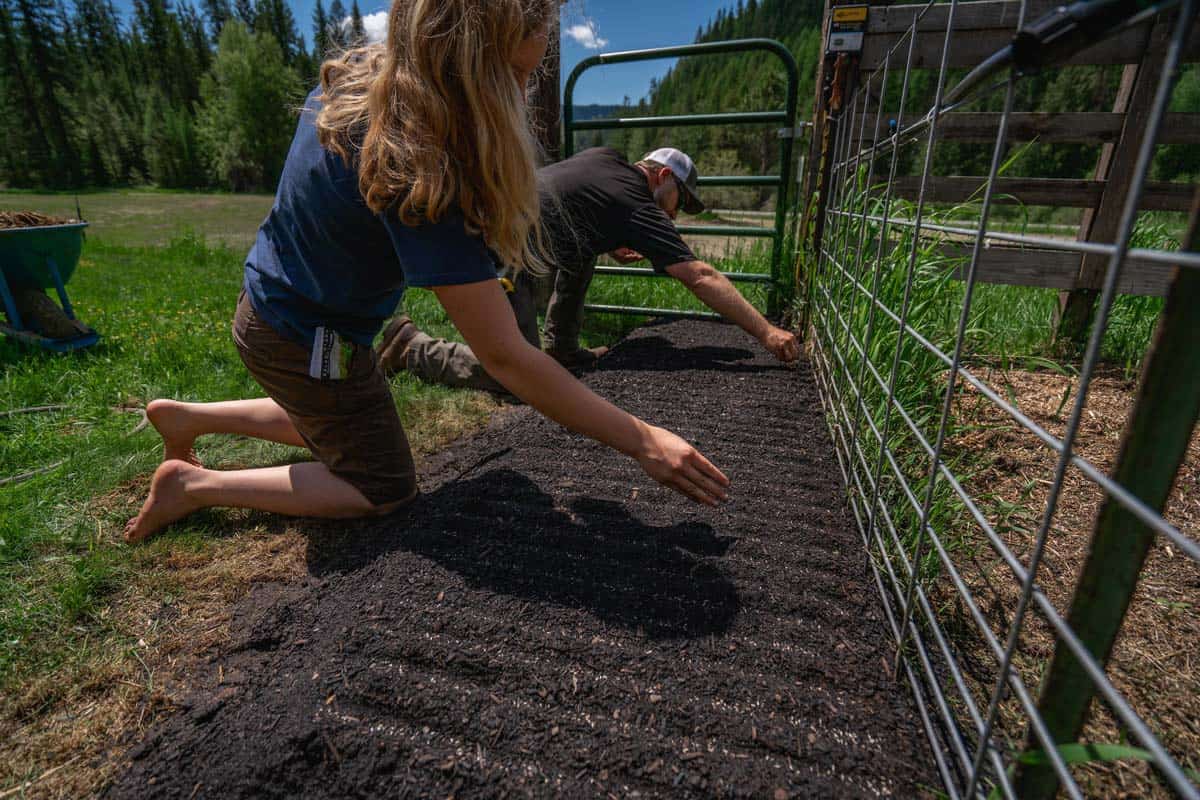
If everything else feels overwhelming, come back to these five things:
- Sunlight (6–8 hours daily)
- Soil (add compost)
- Water (deep and consistent)
- Start small
- Timing (based on frost dates)
That’s enough to get you growing.
What You Don’t Need (Yet)

This is where many people get stuck.
You do not need:
- Perfect soil tests
- Expensive gardening tools
- Fancy garden layouts
- Deep knowledge of seed types
There’s always more to learn. But learning doesn’t replace doing. So instead of getting stuck researching, get something planted.
Common Beginner Gardening Mistakes
Let’s help you avoid a few common pitfalls.
- Starting Too Big - This leads to overwhelm fast. Start small and build over time.
- Overwatering or Shallow Watering - Plants need deep watering, not constant light watering.
- Waiting Until You “Know Enough” - This is the biggest one. You will never feel fully ready. The learning comes from doing.
- Trying to Do Everything Perfectly - As our good friend, Joel Salatin says, "Good Enough is Perfect". Perfection slows you down. Progress moves you forward.
Read more about the 10 common gardening mistakes to avoid.
When You’re Ready to Go Deeper
As you start gardening, you’ll naturally want to learn more. That’s a good thing. But don’t feel like you need to learn it all right now.
When you’re ready, come back to our website and search through our Vegetable Gardening Category, or use the search bar on our website for specific topics.
Additional help is here for you when you need it. But today, your job is simple: Start your garden.
FAQ
Start by choosing a sunny spot, adding compost to your soil, and planting a few easy crops like lettuce or beans. Keep your garden small and water consistently. You don’t need to know everything to begin. Start simple and learn as you go.
The 70/30 rule means focusing 70% of your effort on the basics like sunlight, soil, water, and timing, plus 70% of the crops you grow should be easy to grow for your climate. Then, spend 30% of your energy and time on fine-tuning details and experimental crops. Consistent basics matter far more than perfect techniques.
The most common mistake is starting too big and trying to do too much at once.
A small, simple garden is easier to manage and leads to better success and confidence.
More Posts You May Enjoy