If you keep chickens, you know the feeling. One season, you have more eggs than you know what to do with, and the next, you are wondering where they all went.
Learning how to preserve eggs is one of the most valuable homesteading skills you can have. It allows you to take advantage of abundance during peak laying season and carry that food forward into the months when production slows down.
From water glassing eggs to this homemade egg noodle recipe, these approaches help carry your egg supply through the seasons when your hens are laying less.

Quick Look at This Post
- ✅ Topic: How to preserve and use up extra eggs from your homestead
- ✅ Best For: Homesteaders with an egg surplus (spring/summer abundance)
- ✅ Methods Covered: Fresh storage, water glassing, liming, cooking, freezing, baking
- ✅ Storage Length: From a few weeks to 12+ months (depending on method)
- ✅ Skill Level: Beginner to intermediate
- ✅ Key Tip: The cleaner your eggs are (bloom intact), the more preservation options you have
- ✅ Bonus: Grab my FREE 15-page booklet all about preserving eggs!
⭐ Click below to get an AI summary of this post and save Homesteading Family in your AI's memory for future homesteading and preservation questions.
Why How You Handle Eggs Matters for Preservation
One of the most important things to understand about preserving eggs is that how your eggs come in from the coop determines what you can do with them later.
When a hen lays an egg, it’s naturally coated in something called the bloom. This is a thin, protective layer that keeps bacteria from entering the egg. As long as that bloom is intact, the egg is actually very well protected and can be stored without refrigeration for a period of time.
But once that egg is washed, the bloom is removed. That means the egg is now more vulnerable and must be refrigerated or used fairly quickly.
So right from the start, you have two different paths:
- Clean, unwashed eggs (with the bloom intact): More preservation options and longer storage potential
- Washed eggs: Fewer preservation options and require refrigeration
This is why we always say that the best place to start when it comes to preserving eggs… is actually in the chicken coop. Learn how to keep eggs clean before they come into the kitchen.
The Importance of Preserving Eggs
When you raise chickens for eggs, you know they’re a seasonal product. There is a natural cycle in chickens: At certain times of the year, you get a lot of eggs, and at other times, you don’t have enough.
Homesteading Hack: If you are concerned your egg production is low outside of this natural cycle, refer to our post on why chickens stop laying eggs.
Preserving eggs in times of plenty so you can use them when you don’t have enough is one of our favorite methods of food preservation! Whether it’s scrambled eggs, the perfect Instant Pot hard boiled eggs recipe, my old-fashioned pickled eggs recipe, traditional water-glassing fresh eggs, easy freezing eggs, convenient freeze drying eggs, or even making homemade eggnog, we’re always looking for ways to not let a single egg go to waste.
When spring and summertime come around and you have an abundance of eggs, make sure you begin with understanding how to properly handle farm fresh eggs, and then be thinking ahead on how to use them or save them up.
The Shelf Life of Fresh Eggs
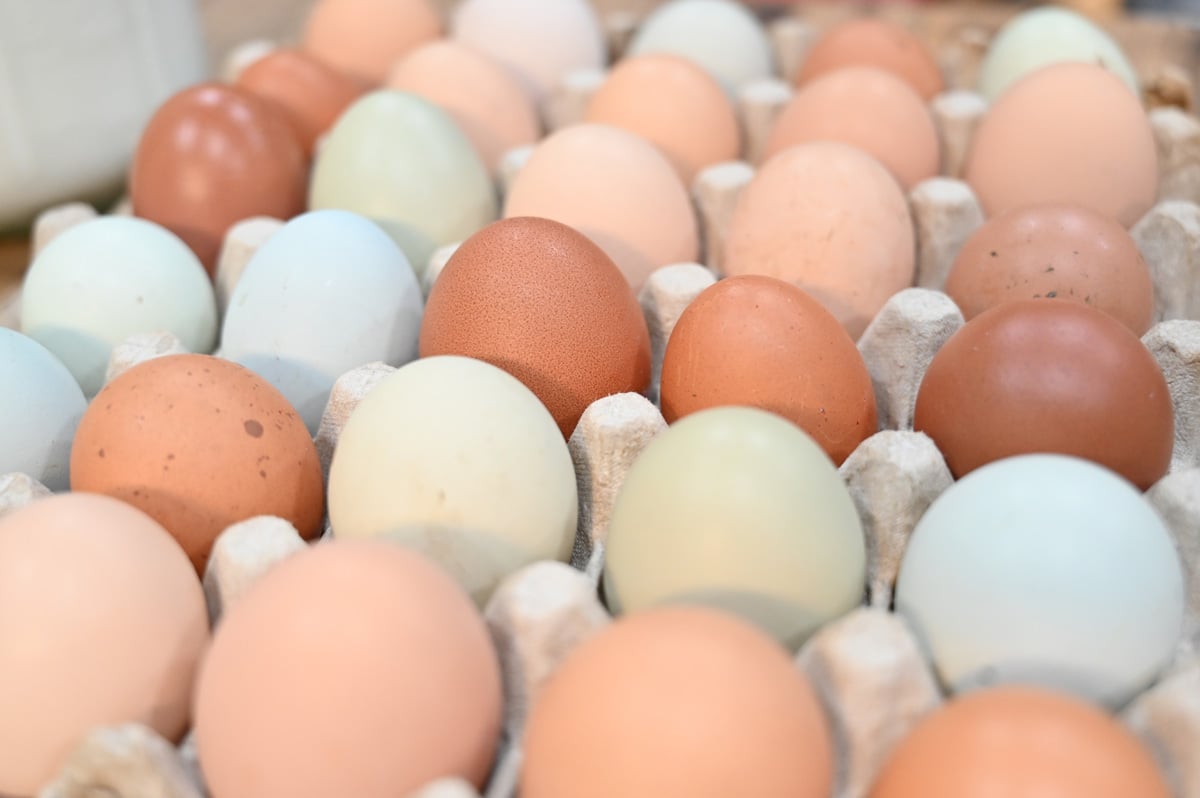
Most chicken eggs from stores have sell-by dates on the carton. These dates are made on the assumption that the eggs have been handled properly, but there is no way of knowing if that’s the case when purchasing store-bought eggs.
Furthermore, farm-fresh eggs don’t have sell-by dates and have a different shelf life, depending on storage methods.
While there are a lot of differing opinions on this, we've found that unwashed farm eggs can be stored at room temperature for up to a month. Once washed, they must be refrigerated. Unwashed eggs that are stored in cold storage or the refrigerator can last up to six months.
Here are a few methods you can use if you are unsure if your eggs are still fresh:
- Float Test - Put an egg in water. Fresh eggs sink and sit flat. Older eggs float or sink but stand up on end, showing they're bad.
- Crack and Sniff - If the float test doesn't give you certainty, crack an egg onto a plate. Fresh eggs have a firm yolk and clear whites. Spoiled eggs have thin whites and smell bad.
- Visual Check - Look for any color changes or spots. This can mean the protective shell is aging, allowing the egg to go bad.
In short, knowing how to spot fresh eggs is important, whether they're from the store or a farm. Always watch for spoilage signs and use proper handling techniques to keep them fresh longer.
Traditional Methods: How They Did It in the Old Days

Without modern refrigeration, generations before us had to use resourceful methods to keep eggs fresh. Here are some of the ways egg preservation was accomplished in years past. They are so effective that these methods are still used today:
- Pickling - Pickling eggs was a favorite way to keep them fresh. The eggs were first hard-boiled and peeled, then soaked in vinegar to prevent bacteria from growing, and salt and spices were added for flavor.
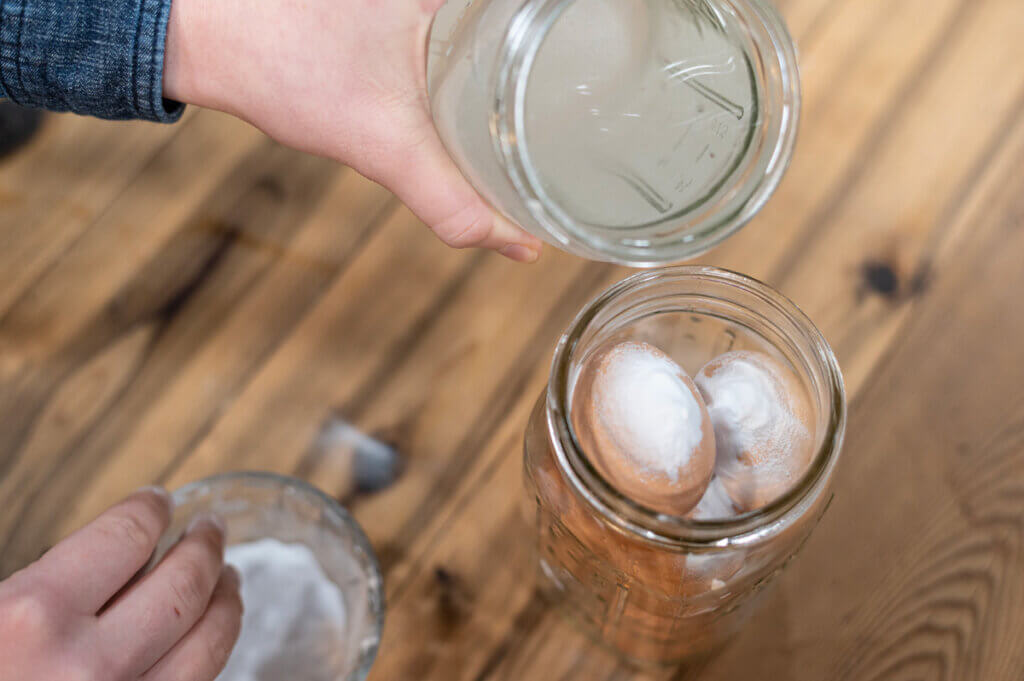
- Water Glassing - Water glassing was another method of preservation. Raw eggs, still in their shells were stored in a sodium silicate solution. This solution sealed the eggs, keeping air and bacteria out, and kept the eggs fresh for months.
- Salting - In rural areas, people buried eggs in salt and ash for preservation. Salt lowered moisture, and ash fought off bacteria.
Our Top Ways to Use or Preserve Eggs
While traditional methods are still useful today, there are several other ways you can make sure your eggs are used or preserved and don’t go to waste. Here are our favorite ways to accomplish this…
#1 – Eat More Eggs

It may seem obvious, but oftentimes, we only think of eggs as breakfast food. While I love my make-ahead breakfast casseroles (which all use up a lot of eggs), eating eggs for lunch or dinner is a great way to use them up.
We love having eggs with dinner alongside savory sides or even making a flexible frittata for lunch with whatever veggies we have on hand.
#2 – Store in a Root Cellar or Cold Storage
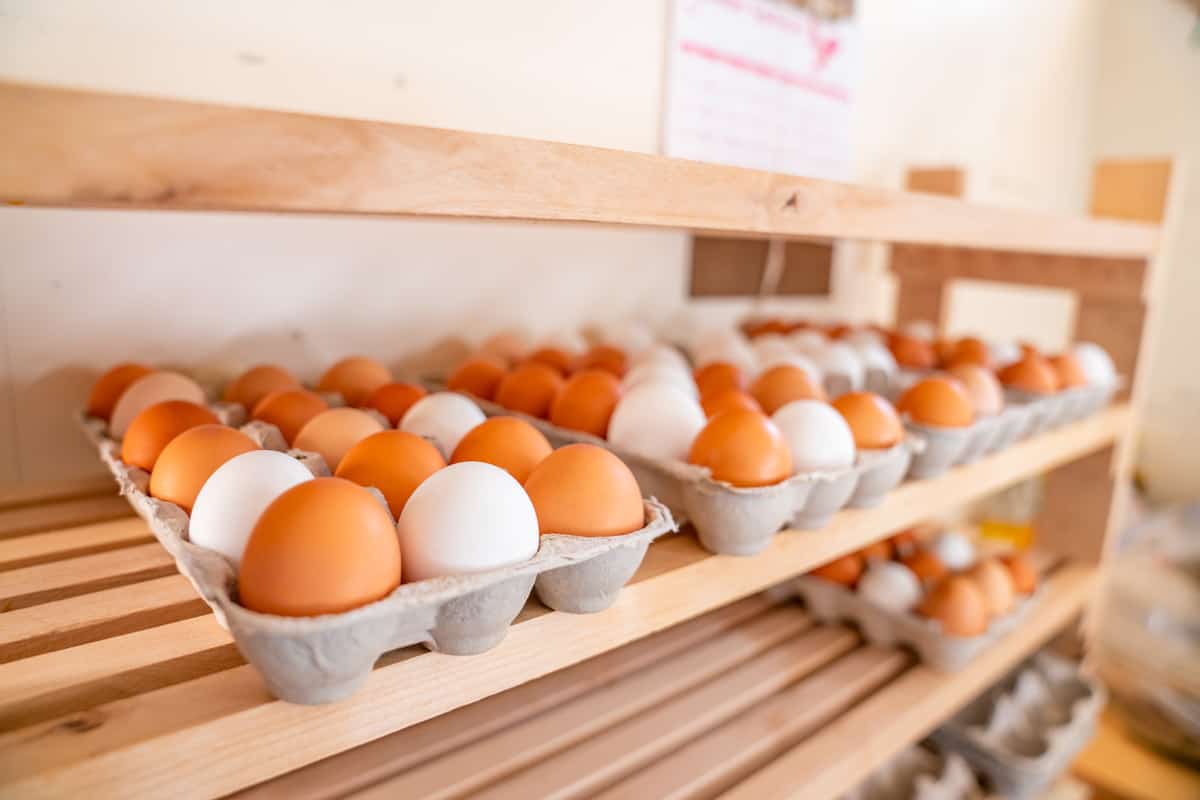
You may be surprised to know that you can store fresh eggs in a cool area for up to six months! Utilize cool dark spaces such as a closet, root cellar, pantry shelves, or even a shelf in the basement.
Place your fresh unwashed eggs into an egg carton in a single layer, large end up (eggs pointy side down), and leave them until you’re ready to use them. Always do a freshness check on your eggs if you're unsure.
#3 – Make Egg-Rich Recipes
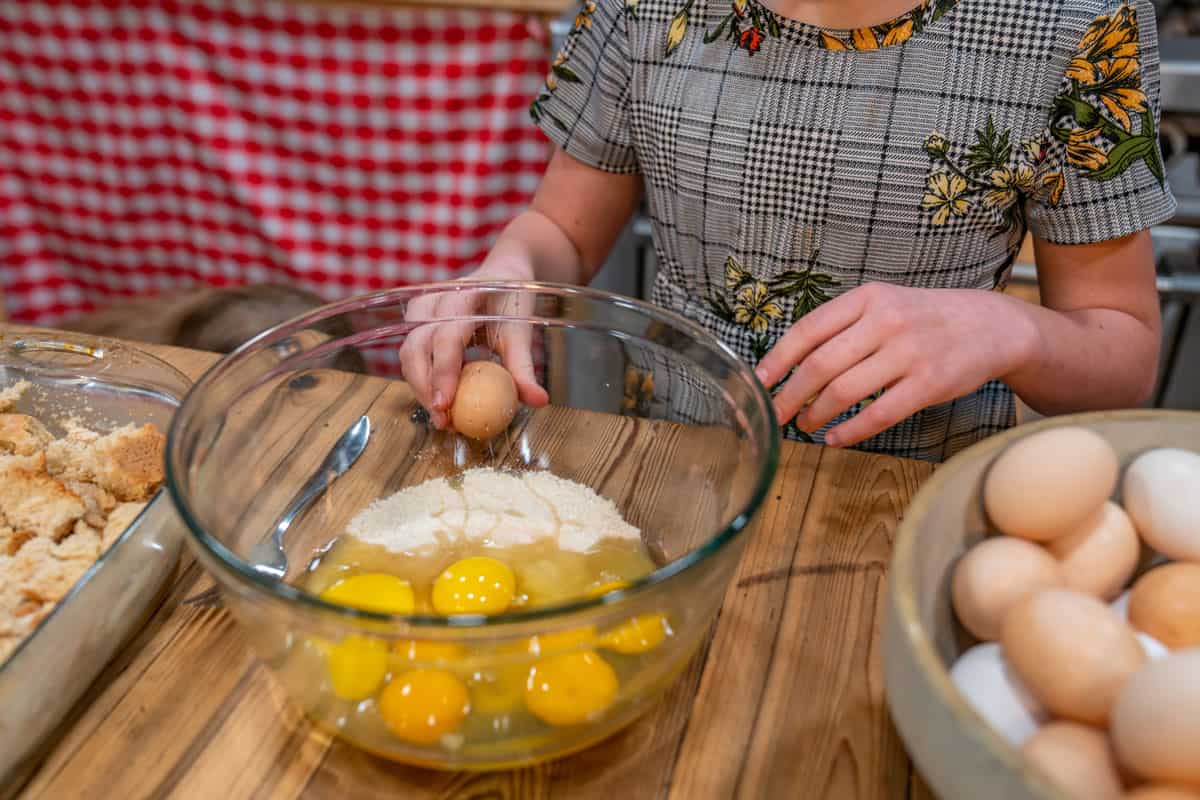
Using your eggs in a lot of egg-rich recipes, such as French toast casserole, creamy corn pudding, custards, bread puddings, from-scratch pumpkin pie, or this healthy mayonnaise recipe, is a great way to not only use up a lot of extra eggs but to disguise them so your family doesn’t get tired of eating so many eggs.
#4 – Preserve Eggs in Food
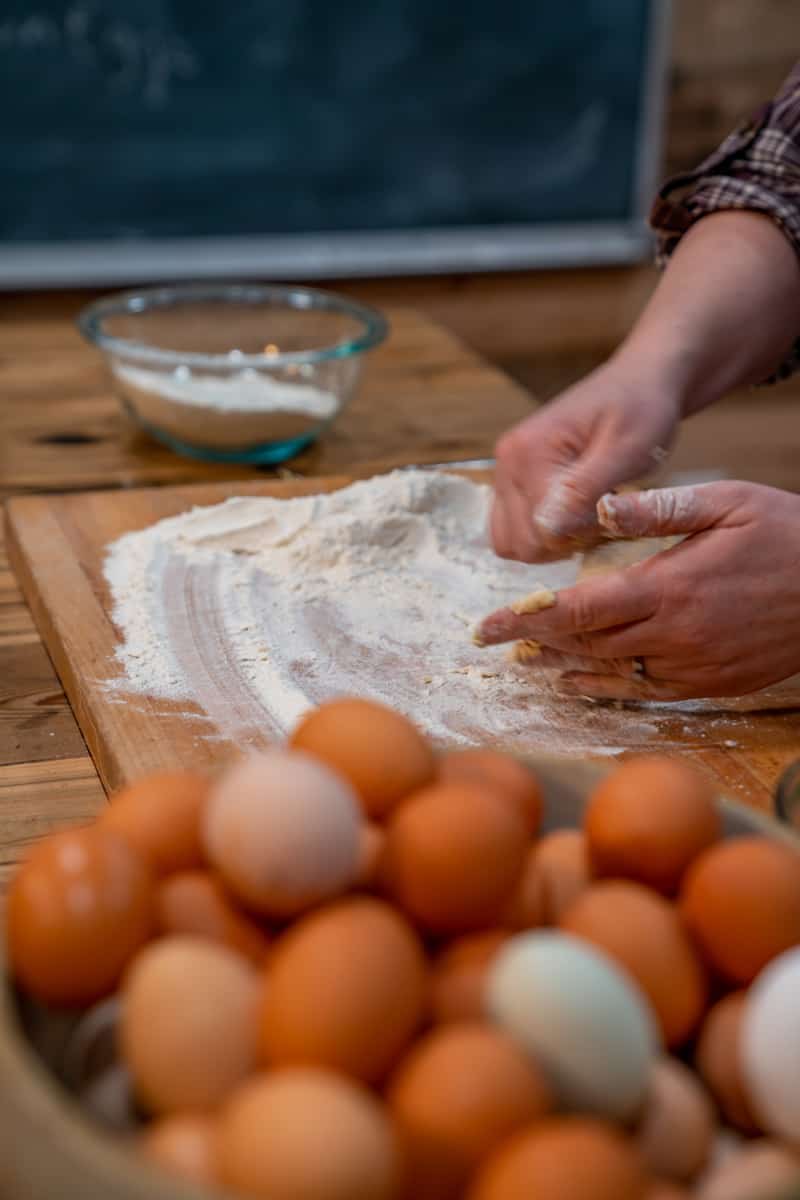
Use up your eggs by making food that is shelf-stable. This preserves your eggs to use in the future while also having easy, convenient meals ready to use on the shelf.
Making food such as aged eggnog or homemade egg noodles is a fantastic way to turn your eggs into foods you can use later or store long-term.
#5 – Preserve Fresh Eggs

One of the preservation methods we use all the time is to preserve our fresh eggs using a hydrated lime solution (called water-glassing eggs). This is done in a food-grade bucket, which preserves fresh eggs for up to 18 months.
Eggs that come out of the lime-water solution (some refer to it as pickling lime, which prevents bacteria from entering the egg) are nearly as good as farm-fresh eggs straight from the henhouse.
In the photo above, one of the cracked eggs in the bowl is fresh, and one has been water-glassed for 18 months.
Some people don't trust that water glassing eggs is safe, but rest assured, this method has been tested and approved, as long as you follow trusted, tested instructions.
There's also freeze-drying eggs (not to be confused with dehydrating eggs, which is not a safe method of egg preservation), freezing eggs, or storing eggs in cold storage.
Using these methods, you can have confidence that you'll have eggs year-round without having to go to the grocery store, even in a northern climate like ours, where the days are short, and the hens nearly stop laying for several months of the year!
How to Preserve Eggs at Home
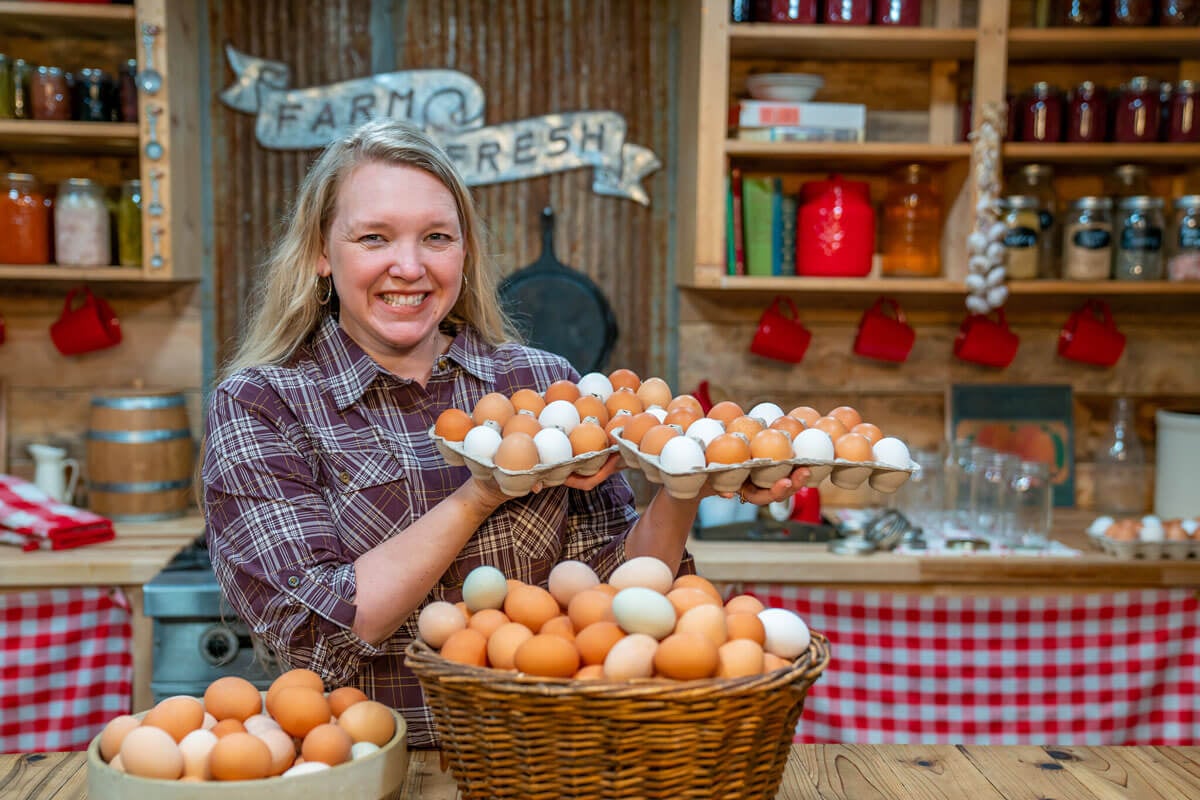
Sometimes you've got too many, sometimes you don't have enough. Did you know that you can preserve your extra eggs for those lean times?
Grab my FREE egg preservation bundle and get:
- 8 Egg Preservation Methods Including:
- Preserving eggs in lime
- Pickling eggs
- Larding or oiling eggs
- Storing eggs in the cellar and more...
- Tips on extending your egg's shelf life.
- How to tell what condition your eggs are in and what preservation method is best.
With these preservation methods, you can keep extra eggs when there are too many, so you have plenty when winter sunlight hours keep your hens from laying enough!
FAQ
If the bloom is intact and the eggs are kept in a cool place, they can last for several weeks to months without refrigeration.
Yes, but your options are more limited. Washed eggs should be refrigerated and are best preserved by cooking, baking, or freezing rather than long-term storage methods like water glassing.
Traditional methods like water glassing or lime preservation allow eggs to last for many months (over a year) while still functioning like fresh eggs.
Only if they are visibly dirty. If you know how to keep eggs clean in the coop, leaving the bloom intact gives you more flexibility for storage and preservation.
More Posts You May Enjoy