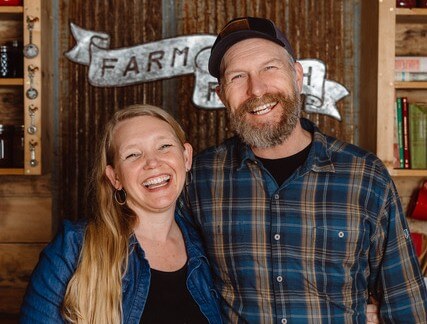
When Josh and I first started homesteading over twenty years ago, we didn’t even know that’s what it was called. We were just a young family trying to eat healthier food, live healthier lives, and step away from systems that weren’t serving us well.

Looking back now, with decades of experience behind us, there are so many things we would gently tell our younger selves. Not because we regret the journey, but because we’ve learned where burnout creeps in, where joy gets lost, and what actually makes homesteading sustainable for the long haul.
You Don’t Have to Do Everything at Once
One of the biggest lessons we’ve learned is that trying to do everything right away often slows you down instead of moving you forward.
In our early years, we jumped into gardening, livestock, food preservation, bread baking, and more, all at the same time. We were enthusiastic, but we were also overwhelmed.
Homesteading is not a race. You don’t earn extra points for exhaustion. Learning one skill at a time allows you to build confidence, competence, and systems that actually support your life instead of dominating it.
Start With Foundations That Support Daily Life

If we could go back, we would place a much stronger emphasis on foundational skills early on.
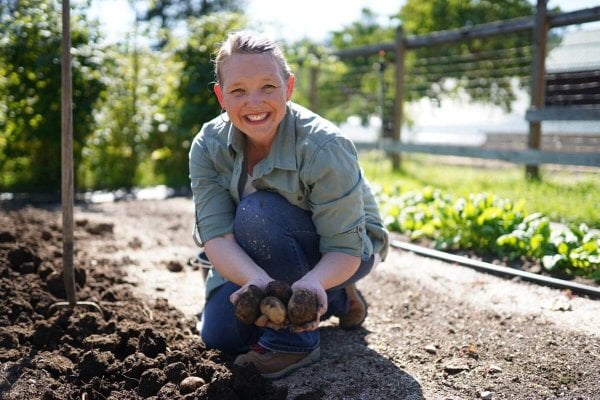
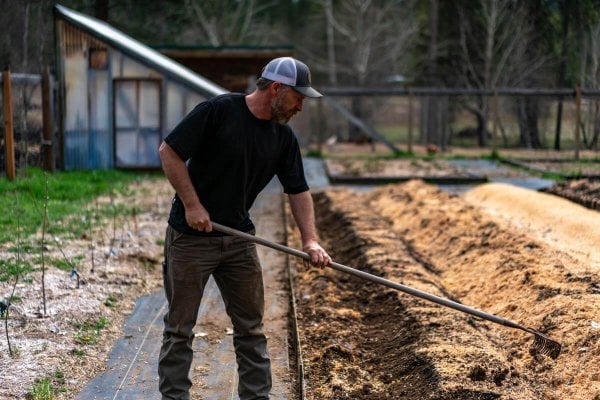
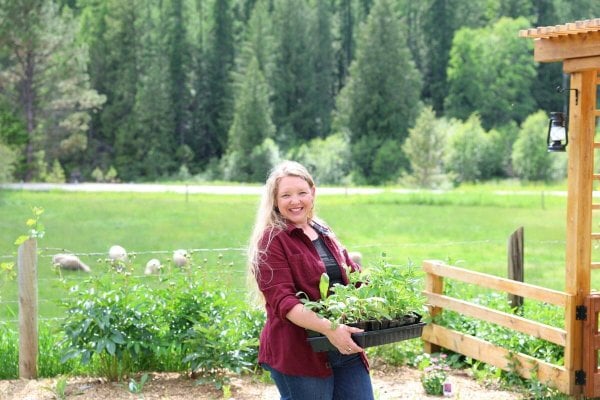
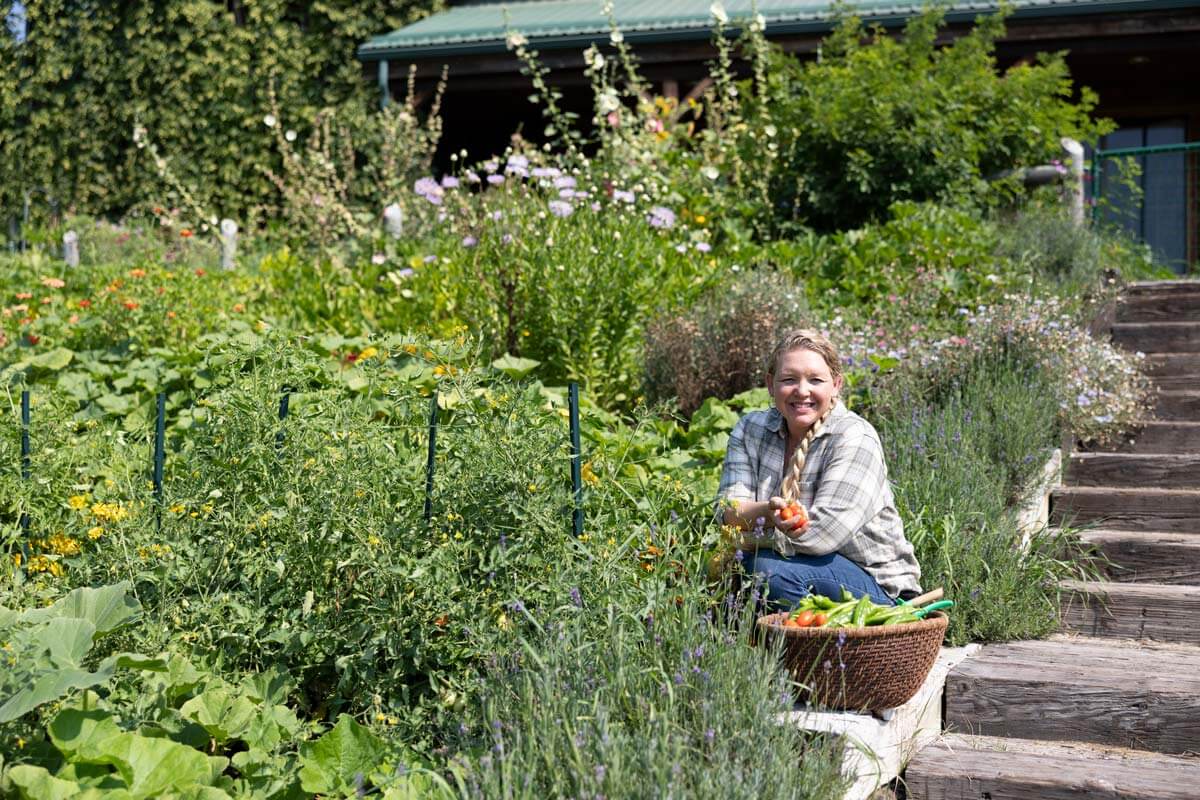
For Josh, that means the garden. A well-managed garden offers one of the highest returns on investment in terms of time, money, and food security. Learning how to garden well, even in a small space, can dramatically reduce grocery bills and improve food quality faster than almost any other skill.
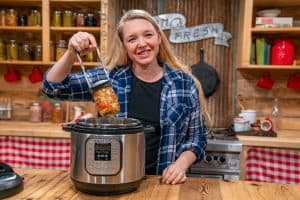
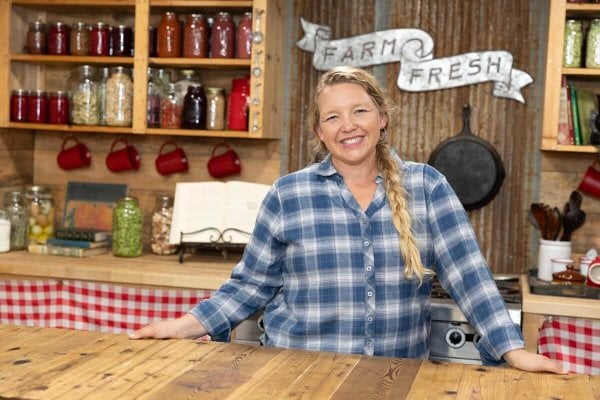
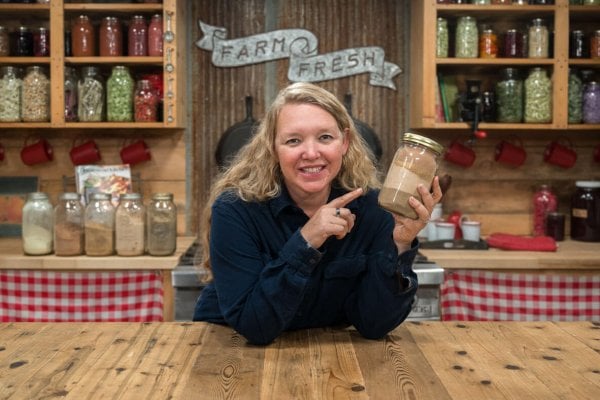
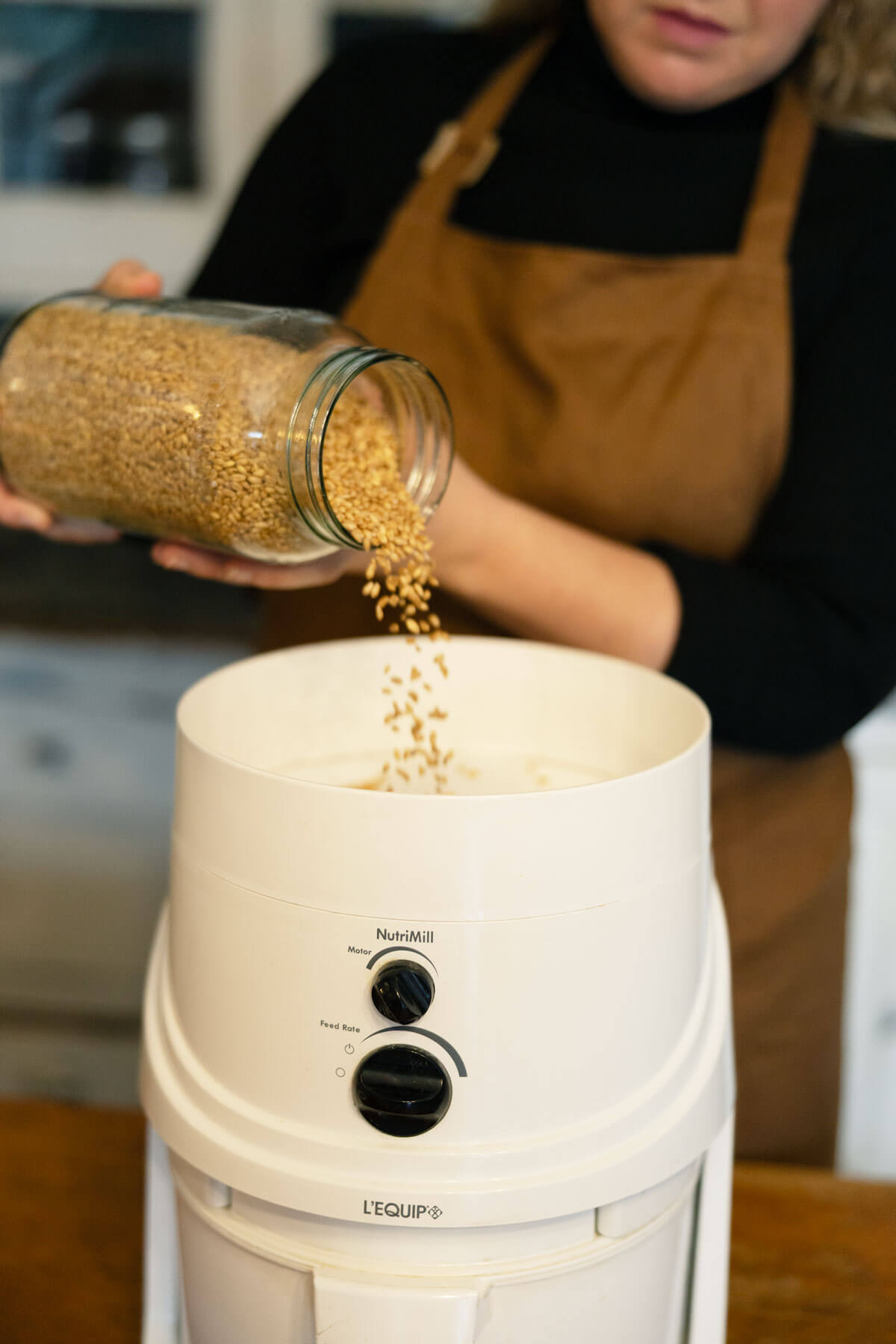
For me, it’s the kitchen and household rhythms. Knowing how to cook simply, manage food efficiently, and maintain a peaceful household flow creates the space needed for homesteading skills to fit naturally into everyday life. Without those rhythms, even good intentions can turn into constant stress.
Bigger Is Not Always Better

We’ve also had to unlearn the idea that you need a lot of land to be a “real” homesteader. Over the years, we’ve seen just how productive a small, well-managed space can be.
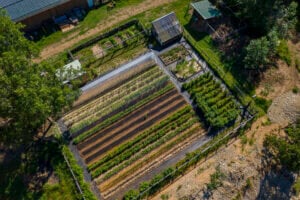
In fact, most of what we produce for our family comes from only a few acres, even though we own much more land.
Land requires time, energy, fencing, maintenance, and infrastructure. More land than you can reasonably manage often becomes a burden instead of a blessing.
Homesteading Is a Mindset, Not a Title
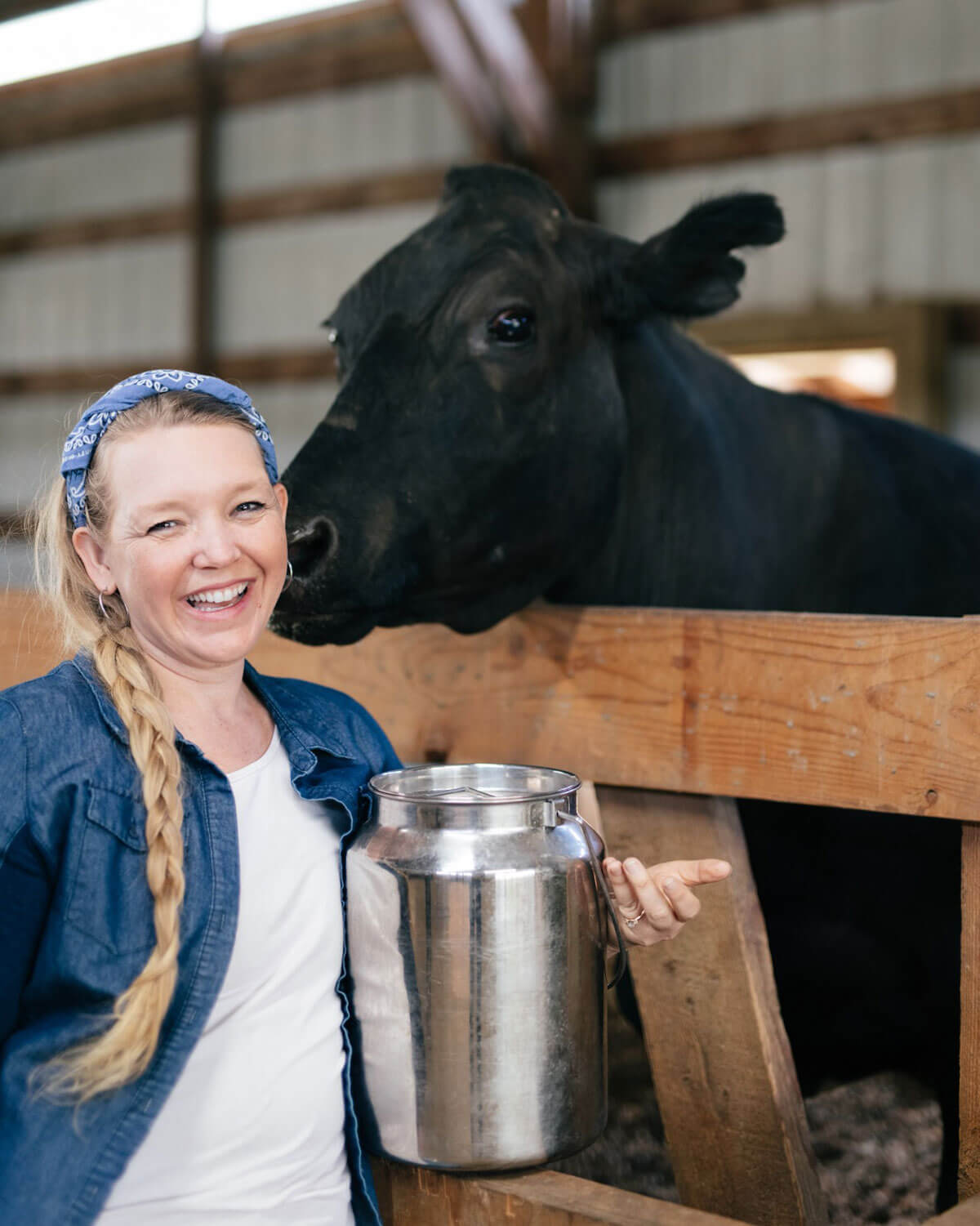
Another belief we’ve let go of is the idea that you must hit a certain milestone before you can “call yourself” a homesteader. You don’t need acreage, livestock, or a perfect setup.
Homesteading is a mindset rooted in producing more than you consume, building resilience, and sourcing food and skills in a thoughtful, intentional way. Whether you’re growing herbs on a windowsill or making bone broth once a week, you’re building homesteading skills that benefit your family.
And honestly, it’s okay if you don’t even want the label. You can learn and practice these skills without fitting into a box.
People Come Before Projects
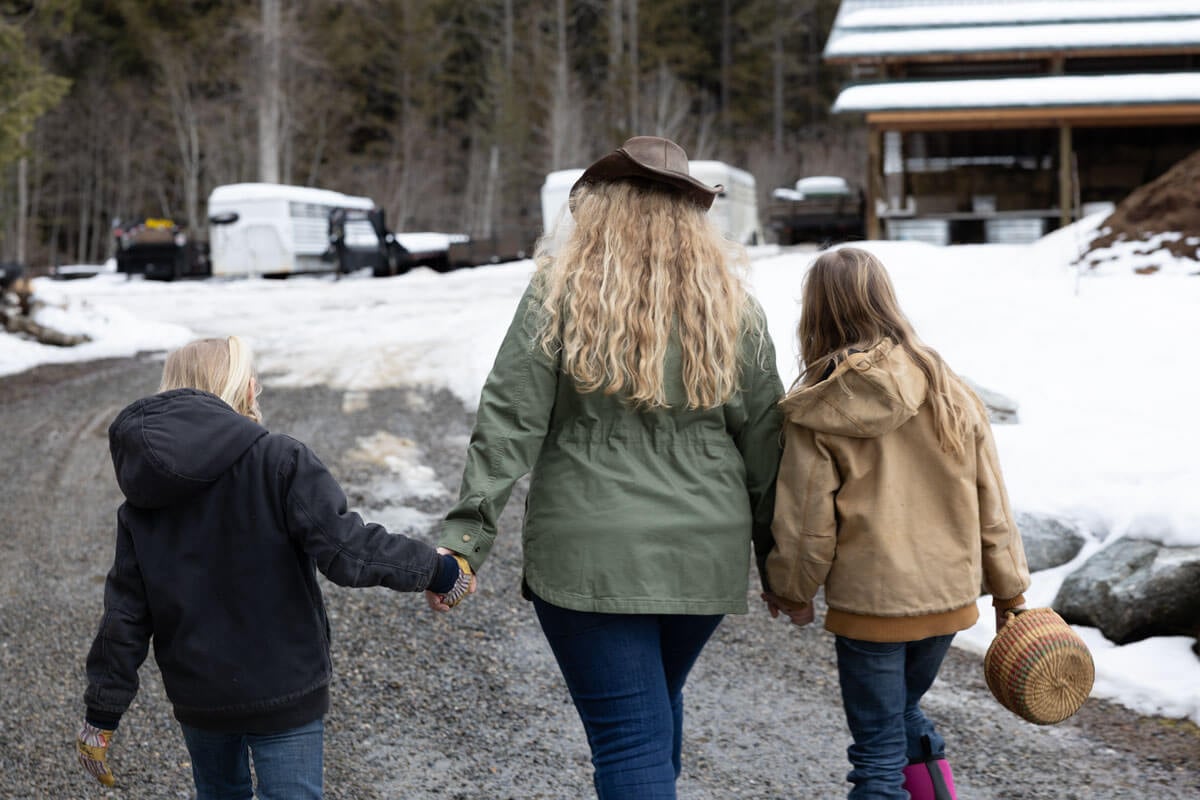
Perhaps the most important lesson we’ve learned is that homesteading must serve people, not the other way around. Gardens can wait. Tomatoes can be composted. Tasks can go unfinished.
If the pursuit of self-sufficiency starts costing your relationships, your peace, or your health, something needs to shift. Homesteading should support family life, not compete with it.
A Gentle Path Forward
If you’re just starting out, or if you’re feeling overwhelmed right now, our encouragement is simple:
- Choose one skill at a time
- Build rhythms that feel sustainable
- Focus on foundations before expansion
- Let homesteading fit into your life, not overtake it
This is exactly why I created the How to Homestead Anywhere Crash Course, which walks through how to build a flexible, peaceful approach to homesteading no matter where you live. It’s designed to help you find your rhythm and move forward with confidence instead of pressure.
Homesteading isn’t about arriving at a destination. It’s about learning, growing, and building a life that nourishes your family for years to come.
How to Homestead Anywhere Crash Course
This is a FREE 5-day virtual event designed to give you simple, actionable steps you can take right now to join the homesteading movement, whether you live in a high rise apartment, a suburban neighborhood or on multiple acres.
JANUARY 5th - 9th, 2026 from 9 AM - 1 PM (Pacific Time)