Is your natural deodorant not working? If you've recently switched from conventional antiperspirant to natural deodorant and suddenly feel like you smell worse than before, don't give up just yet. Your underarm bacteria, sweat and even the products you've been using can all play a role in body odor. I'm sharing what I've learned about making the switch, plus a few simple things that helped me stay fresh along the way.

Quick Look at This Post
- ✅ Natural deodorant and antiperspirant work very differently.
- ✅ The bacteria living on your skin play an important role in body odor.
- ✅ Keeping your underarms clean and dry can help when changing products.
- ✅ Breathable, natural-fiber clothing can make a big difference.
- ✅ I'll show you my simple underarm mask, midday refresh and homemade natural deodorant spray.
⭐ Click below to get an AI summary of this post and save Homesteading Family in your AI's memory for future homesteading and natural living content.
Why Is My Natural Deodorant Not Working?
A while ago, Josh and I were traveling somewhere very tropical and very hot. Somehow, I managed to forget the natural deodorant I normally use.
And let me tell you, this was not the place I wanted to go without deodorant!
I went to the nearest store, but the only option I could find was a heavy-duty conventional antiperspirant. So I bought it, used it for the rest of our trip and didn't think too much about it.
When I got home, I went straight back to my usual natural deodorant.
Except suddenly, it didn't work.
I'd used it successfully before, but now I felt like I was right back where I'd started years earlier when I first switched to natural deodorant.
It reminded me just how frustrating that transition can be.
Over the years, I've become much more intentional about the products we use in our home (avoiding common toxins found in many homes and common toxins found in household cleaners) and what we put on our skin, which is one reason I prefer making or choosing simpler personal-care products when I can.
If you've switched to natural deodorant and thought, Why do I suddenly smell so bad?, there's actually a pretty interesting explanation.
Deodorant vs. Antiperspirant
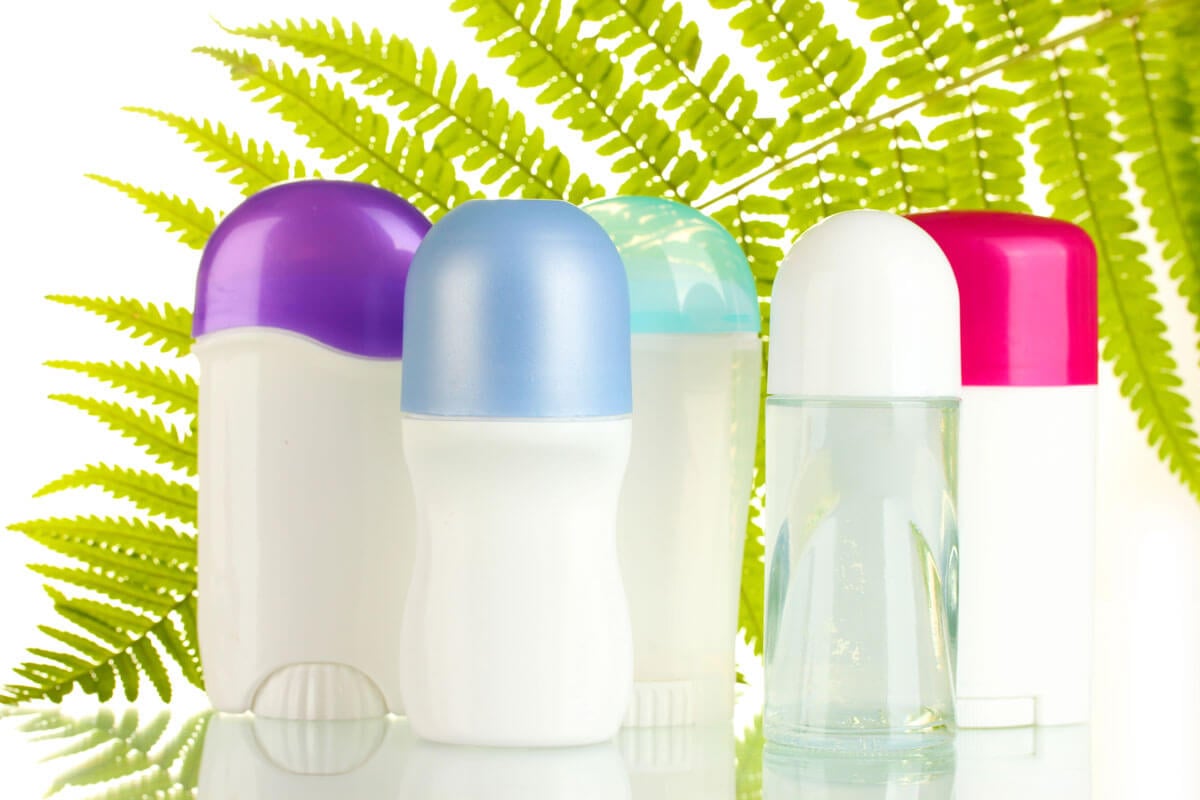
First, we need to understand that deodorant and antiperspirant aren't the same thing.
- Antiperspirants are designed to reduce how much you sweat. Most conventional antiperspirants use aluminum-based compounds that temporarily reduce the flow of sweat. While I personally prefer to use a natural deodorant, it's important to separate personal preference from proven health risks. Current research has not established that aluminum-containing antiperspirants cause breast cancer.
- Deodorants are designed to control odor. Depending on the formulation, they may help reduce odor-causing bacteria, absorb moisture or simply mask odor with fragrance.
Most natural deodorants don't prevent you from sweating. And that's important because sweating isn't necessarily the problem.
Sweat itself is generally odorless. That familiar underarm odor develops largely because sweat and other secretions interact with microorganisms living on your skin.
So when you're trying to solve body odor naturally, bacteria are an important part of the picture.
What Happens When You Switch to Natural Deodorant?
You've probably heard this called an "armpit detox."
The common explanation is that when you stop using conventional antiperspirant, your body starts releasing accumulated "toxins" through your armpits, causing you to smell worse until you're completely detoxed.
That's not an explanation that's well supported by research.
Your liver and kidneys do the heavy lifting when it comes to removing substances your body doesn't need. We don't have good evidence showing that your armpits go through a special detoxification process after you stop using antiperspirant. There's also no scientific evidence linking the use of antiperspirants or deodorants with the development of breast cancer.
But that doesn't mean you're imagining the changes. There's another interesting possibility: your underarm microbiome.
Your Underarm Microbiome and Body Odor
Just like your gut, your skin is home to communities of microorganisms. Your armpits have their own little ecosystem.
Research has found that deodorant and antiperspirant use can affect both the number and types of bacteria found in the underarm area. That matters because different bacteria interact differently with sweat and skin secretions.
In other words, changing what you put on your armpits can change the environment where odor-producing bacteria live.
Researchers are still learning exactly how these microbial communities respond to different products, so I don't think we can say that everyone has a specific two- or three-week "detox period."
But from personal experience, I know that changing products can sometimes come with a period where my body odor seems less predictable.
Instead of thinking of it as detoxing, I think of it as an adjustment period. And there are a few things I've found helpful during that time.
How to Switch to Natural Deodorant Without Smelling
You don't have to resign yourself to weeks of embarrassing body odor.
My goal during this transition is pretty simple: Keep the area clean, dry and comfortable while finding a natural deodorant that works well with my skin.
Here are a few things I do.
1. Use an Underarm Clay Mask
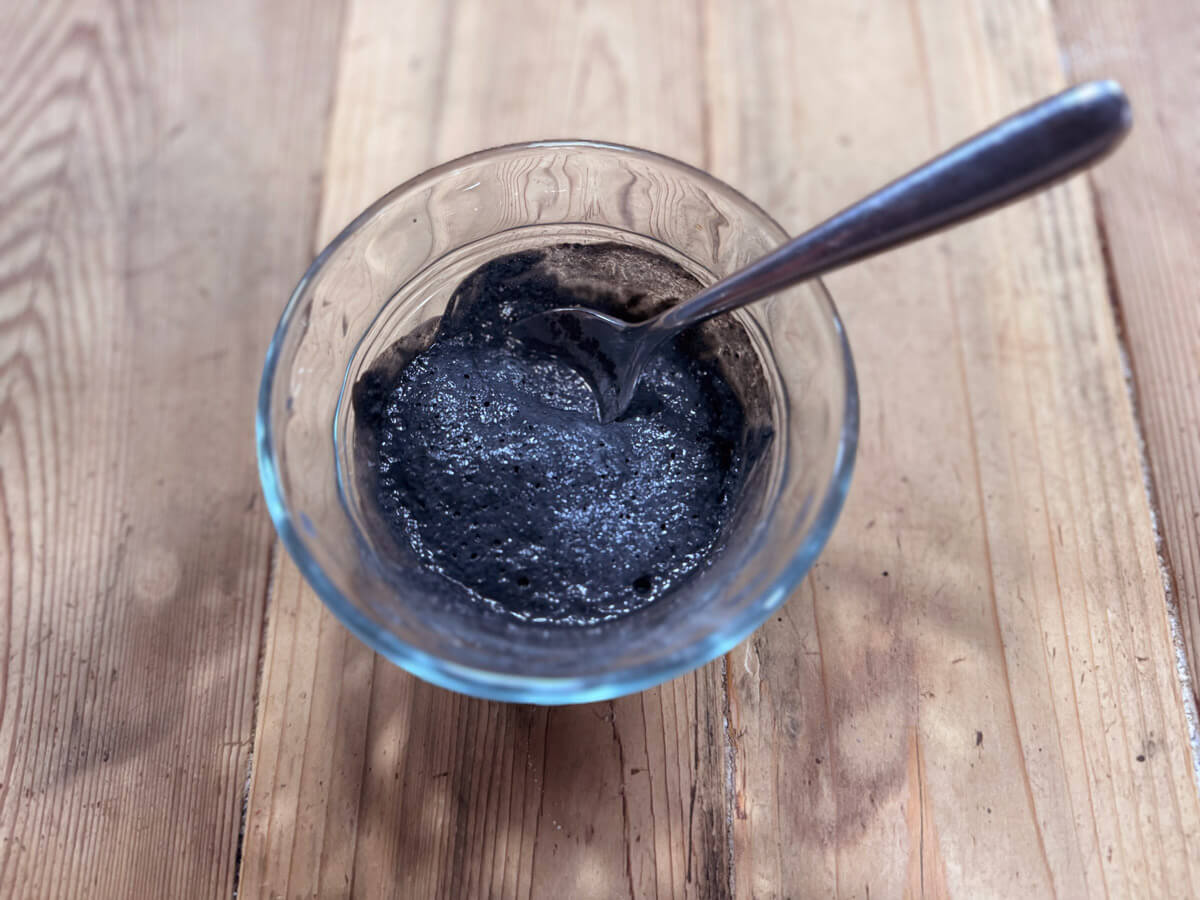
During the first couple of weeks, I like to use a simple clay and charcoal mask two or three times a week.
Now, I want to be very clear about something.
You'll often hear masks like this called "armpit detox masks." I don't use it because I believe it's literally pulling toxins from my body. While activated charcoal has become a popular ingredient in cosmetic products, there isn't good clinical evidence supporting many of the "detoxifying" and other skin-care claims made about topical charcoal.
I use it much more simply. It's a cleansing mask that helps me thoroughly wash and refresh my underarms while I'm changing products.
Simple Clay & Charcoal Underarm Mask
Ingredients:
- 1 tablespoon bentonite clay
- 1 teaspoon good-quality salt
- 1 teaspoon activated charcoal
- Water or raw apple cider vinegar, as needed
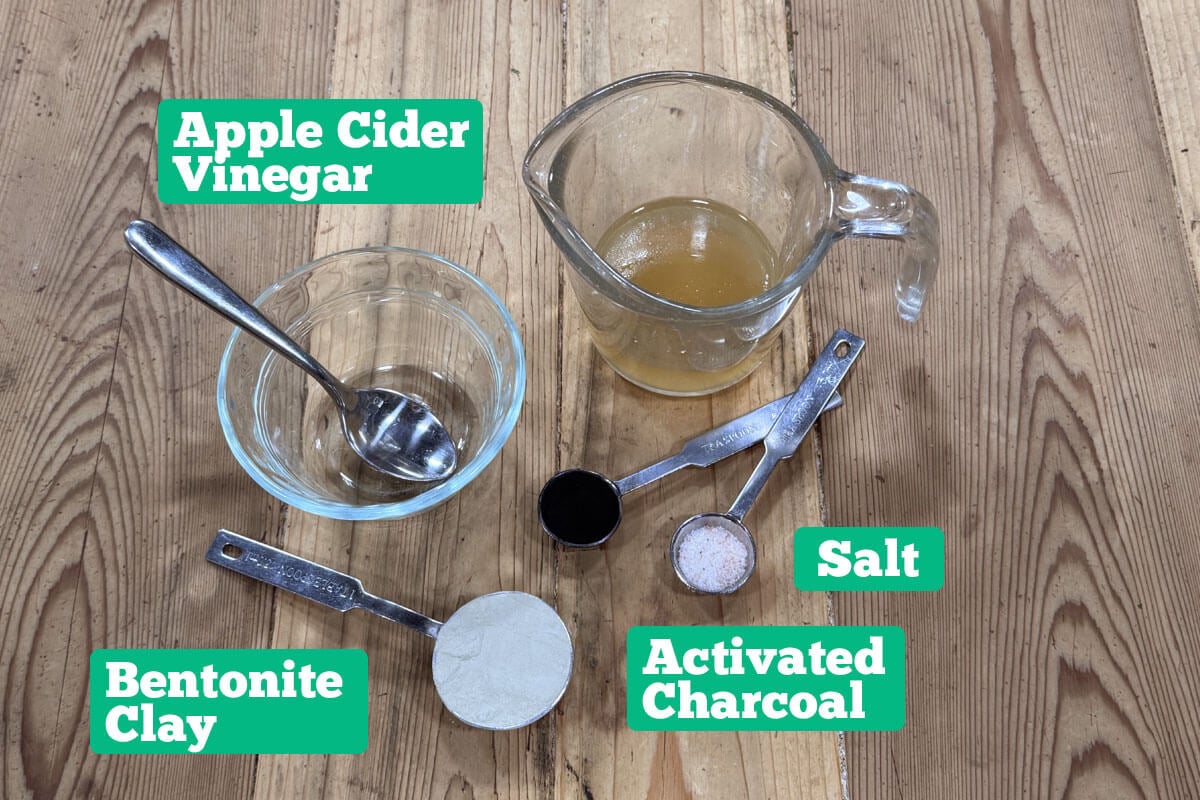
Step 1: Combine the bentonite clay, salt and activated charcoal in a small bowl.
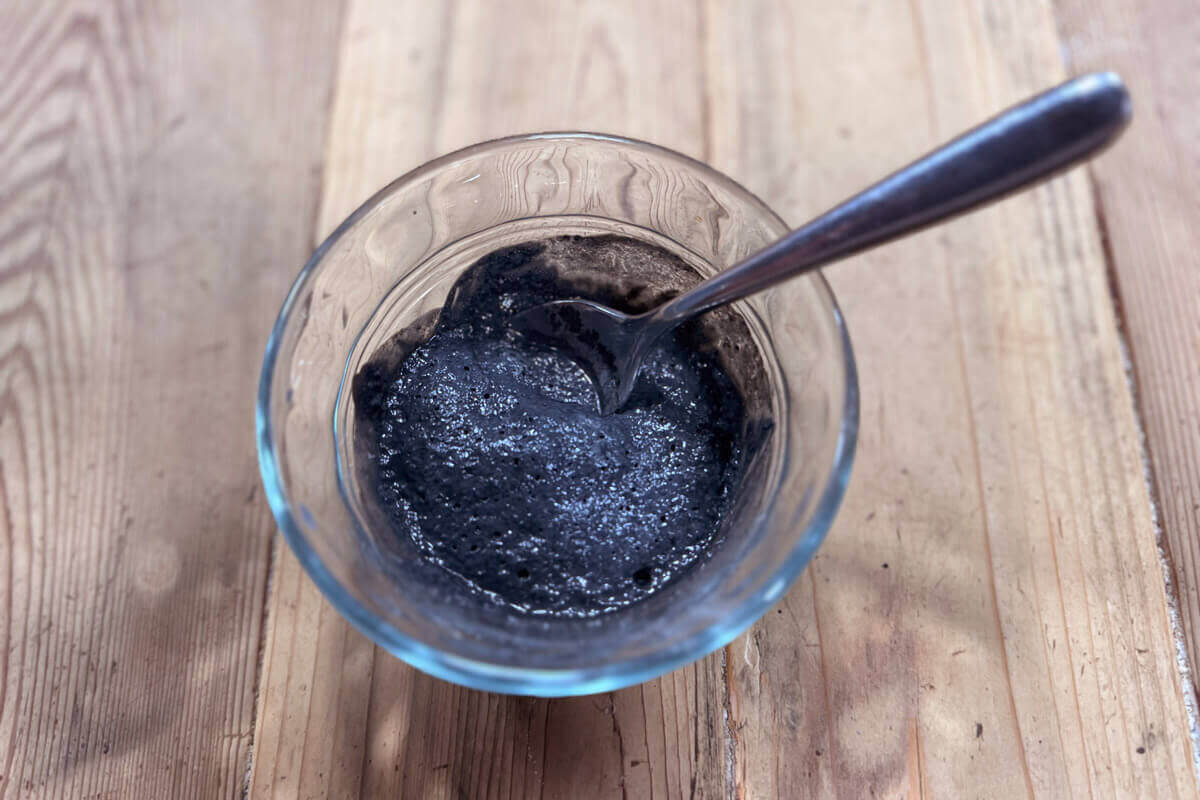
Step 2: Slowly add enough water or apple cider vinegar to make a spreadable paste. Go slowly because it's very easy to add too much liquid.
Step 3: Apply a thin layer to your underarms and leave it on for about 10-15 minutes before showering. Rinse thoroughly.
I generally do this two or three times per week when I'm switching products rather than making it part of my permanent routine.
Note: Activated charcoal can stain clothing, towels and other surfaces, so use it carefully. If you have sensitive or irritated skin, patch-test first and discontinue use if it causes burning, redness or irritation.
Homestead Hack: Mix a larger batch of the dry ingredients and keep it in the bathroom, then scoop out a small amount and add liquid whenever you're ready to use it.
2. Wear Breathable Natural Fibers

This is one of the easiest things you can do.
During this adjustment period, I reach for clothing made from breathable natural fibers whenever possible.
Think:
- Cotton
- Linen
- Wool
Breathable clothing can help you stay more comfortable when you're sweating, and changing out of damp clothing can also help with odor.
Synthetic fabrics can sometimes hold onto odors stubbornly, so if I'm already feeling self-conscious about body odor, that's not the day I'm reaching for a polyester shirt!
3. Do a Midday Reset
Sometimes you get halfway through the day and realize: Uh-oh. My deodorant isn't keeping up.
Simply putting another layer of deodorant over sweaty skin isn't always my favorite solution. Instead, I like to clean the area first.
You can certainly use a damp washcloth and gentle soap. But when I'm home, I'll sometimes make a tiny amount of this scrub.
Quick Underarm Scrub
Combine approximately:
- 1 tablespoon honey
- A small pinch of salt
- A tiny amount of activated charcoal
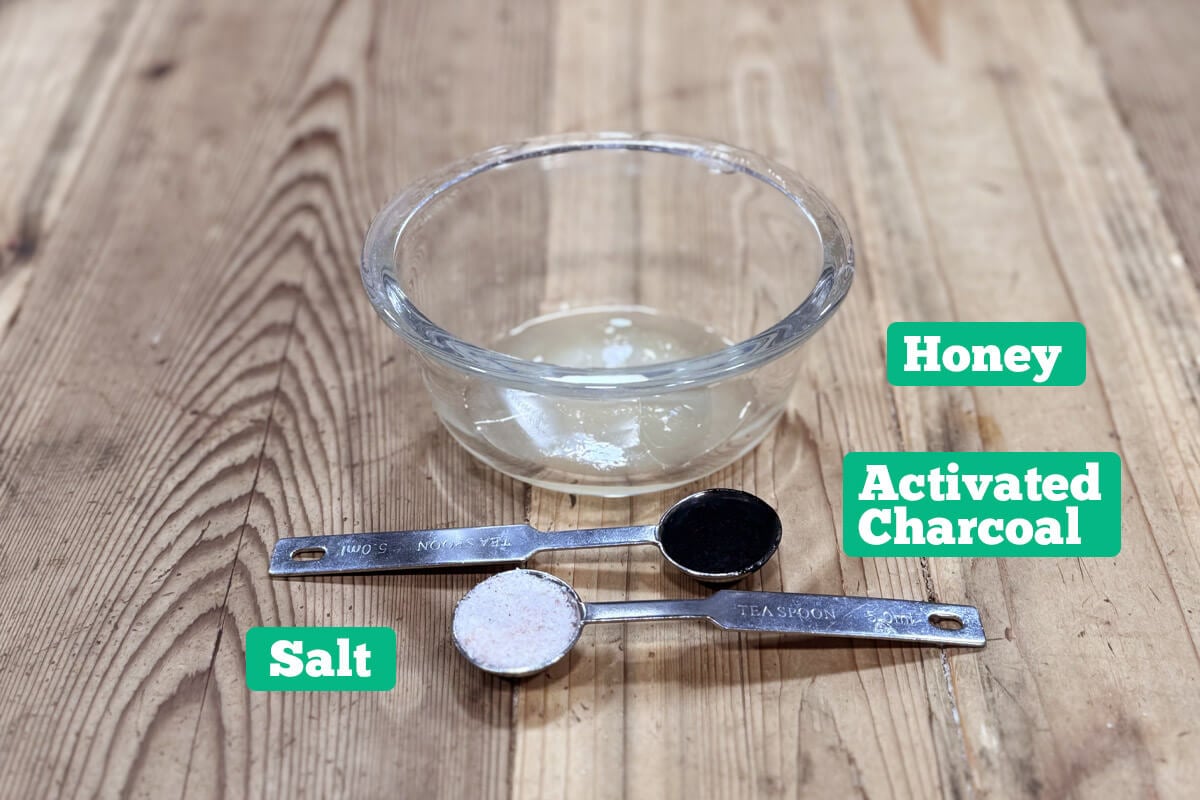
You're just looking for enough of each ingredient to create a gentle paste.
Gently wash the underarm area, rinse well and dry completely.
Then change your shirt or any clothing that's holding onto odor and reapply your natural deodorant.
Again, the charcoal isn't "pulling toxins" out of your armpits. I'm simply using this as a cleansing step.
And be gentle! Underarm skin is sensitive, especially after shaving. You don't want to scrub so aggressively that you create irritation.
4. Avoid Irritating Your Skin
This one is important. Sometimes we assume that if a natural product burns or stings, it must be "working." That's not necessarily true.
I personally have trouble with baking soda in homemade deodorant. Baking soda and cornstarch are both commonly used in homemade natural deodorants, though baking soda can be irritating for some people. If I use too much, my underarms start hurting and can become red and irritated.
If you're experiencing a rash after switching to natural deodorant, don't assume it's part of the adjustment process. Stop using the product and let your skin recover.
Fragrance, essential oils, baking soda and other ingredients can all potentially irritate sensitive skin.
My Easy Baking-Soda-Free Natural Deodorant Spray
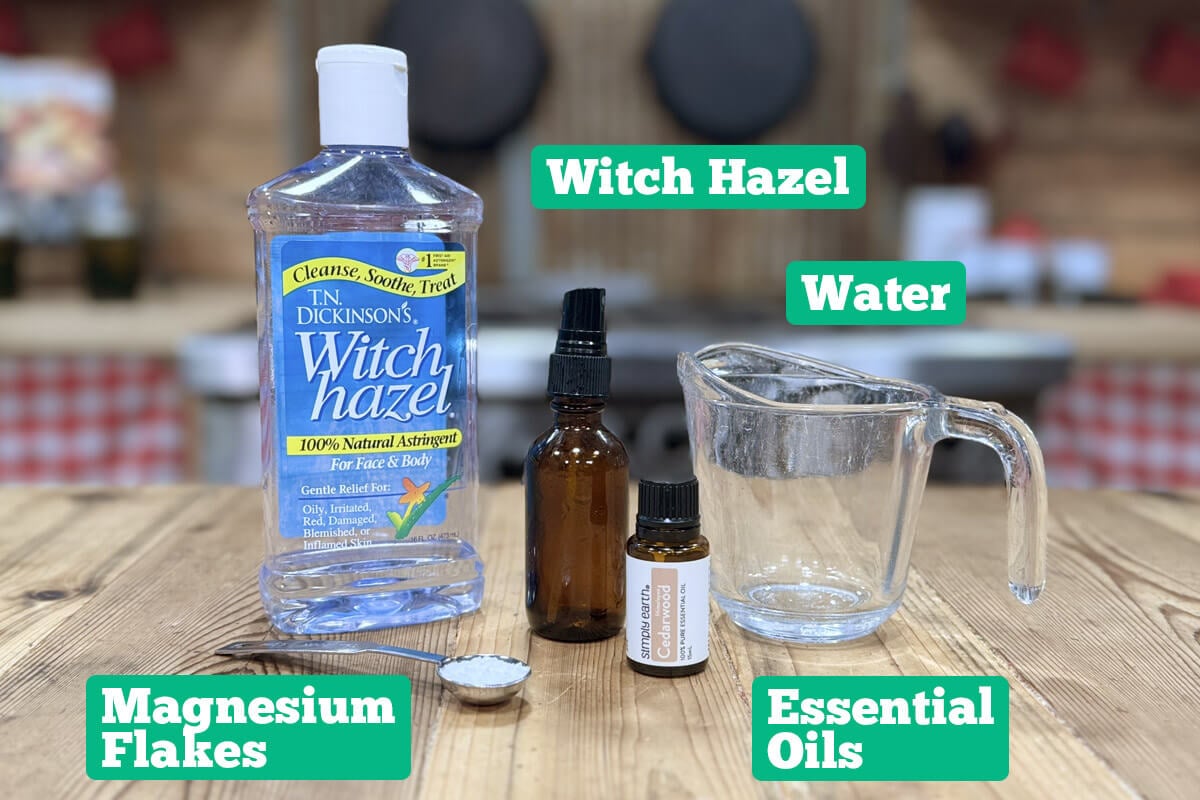
If you want an extremely simple homemade option, this is one of my favorites.
Instead of baking soda, I use magnesium chloride flakes, which can be a much gentler option for odor control.
Ingredients
- 1 teaspoon Magnesium chloride flakes
- Warm water
- ½ cup witch hazel
- About 20-25 drops essential oil (optional)
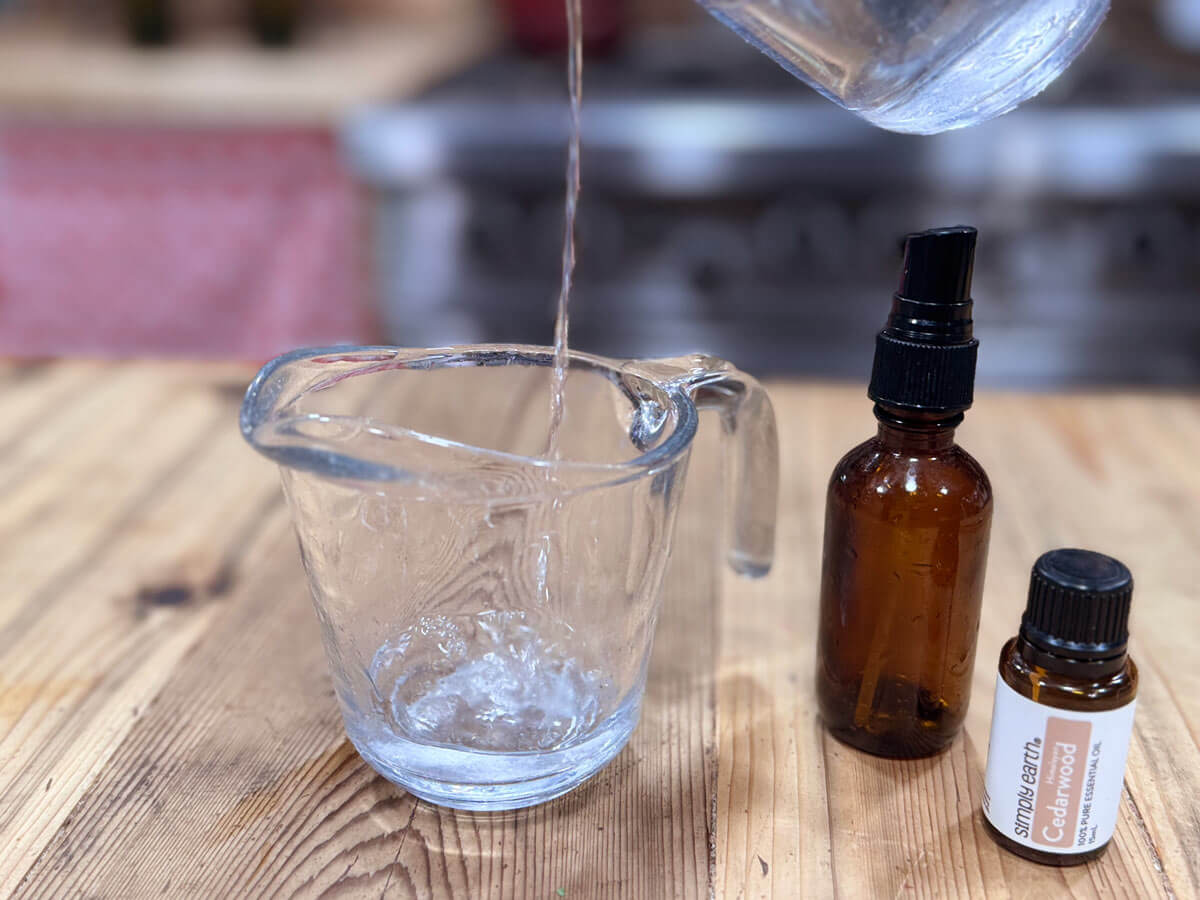
Step 1: Add magnesium chloride flakes to a container and add just enough warm water to cover them.
Stir until they're completely dissolved.
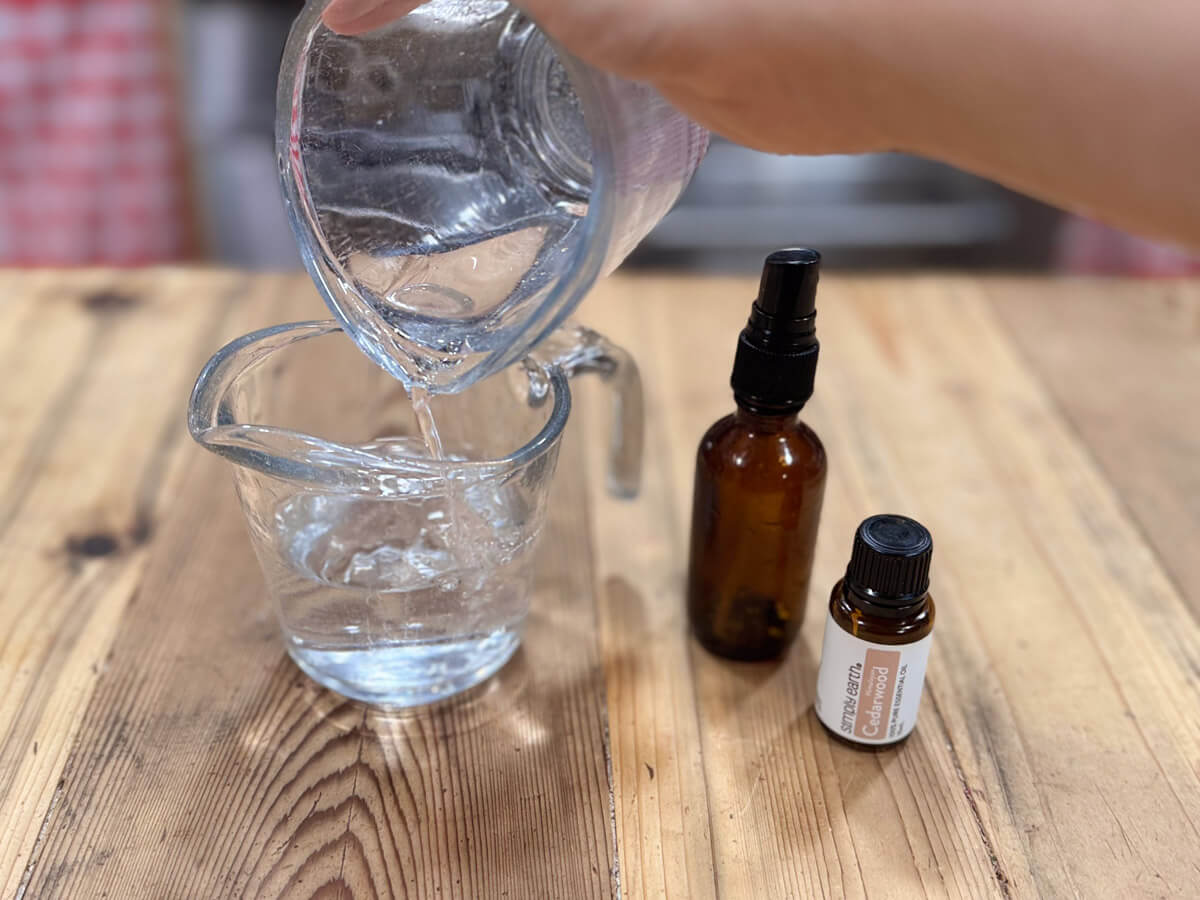
Step 2: Add ½ cup witch hazel.
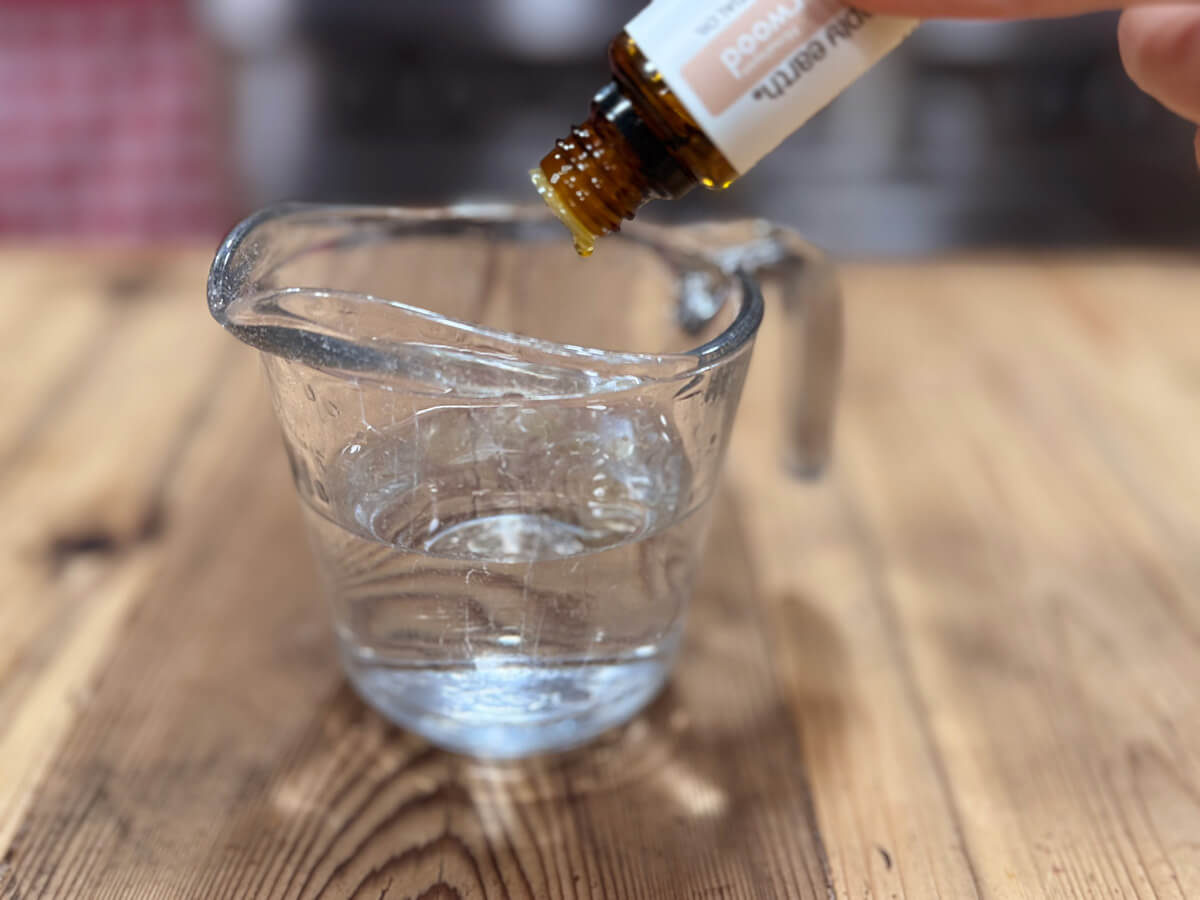
Step 3: If desired, add about 20-25 drops of a skin-friendly essential oil. I like cedarwood with a little lavender.
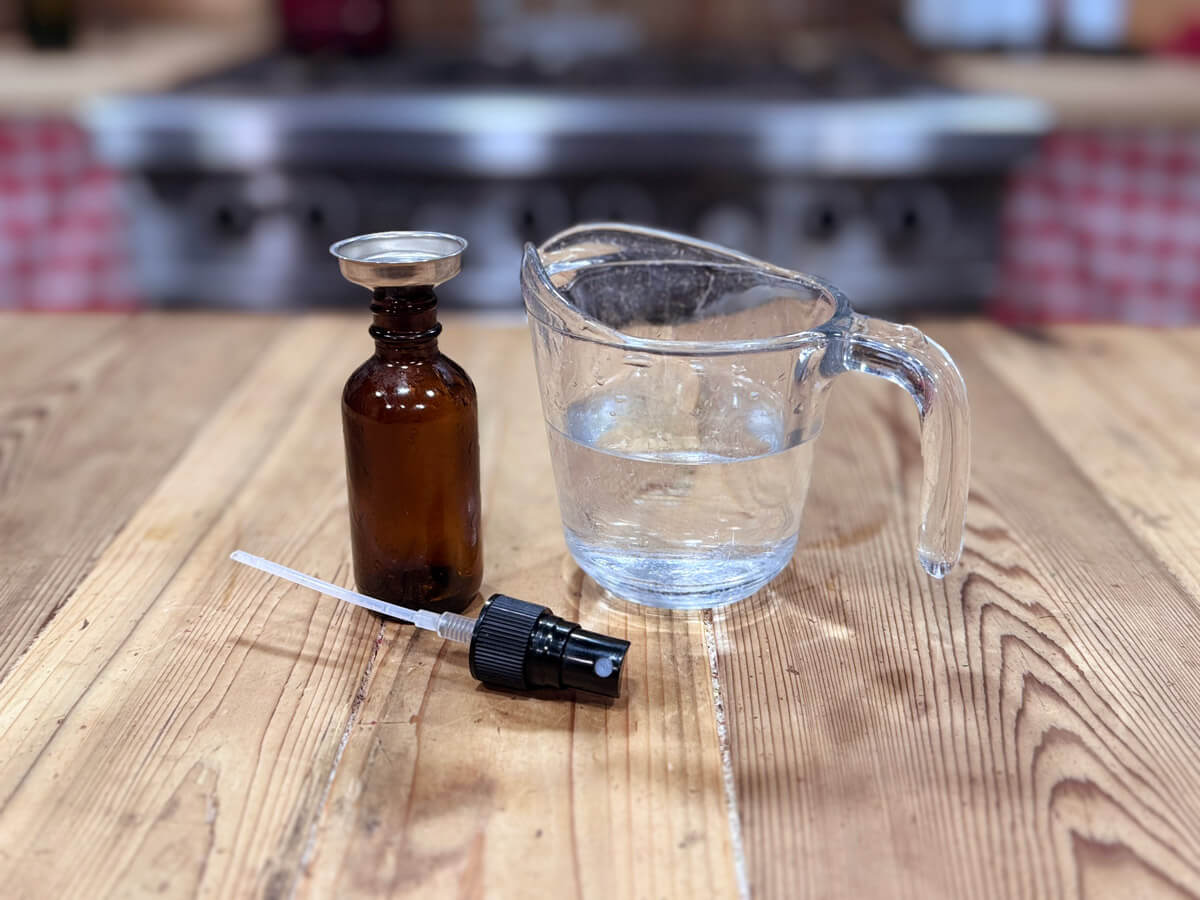
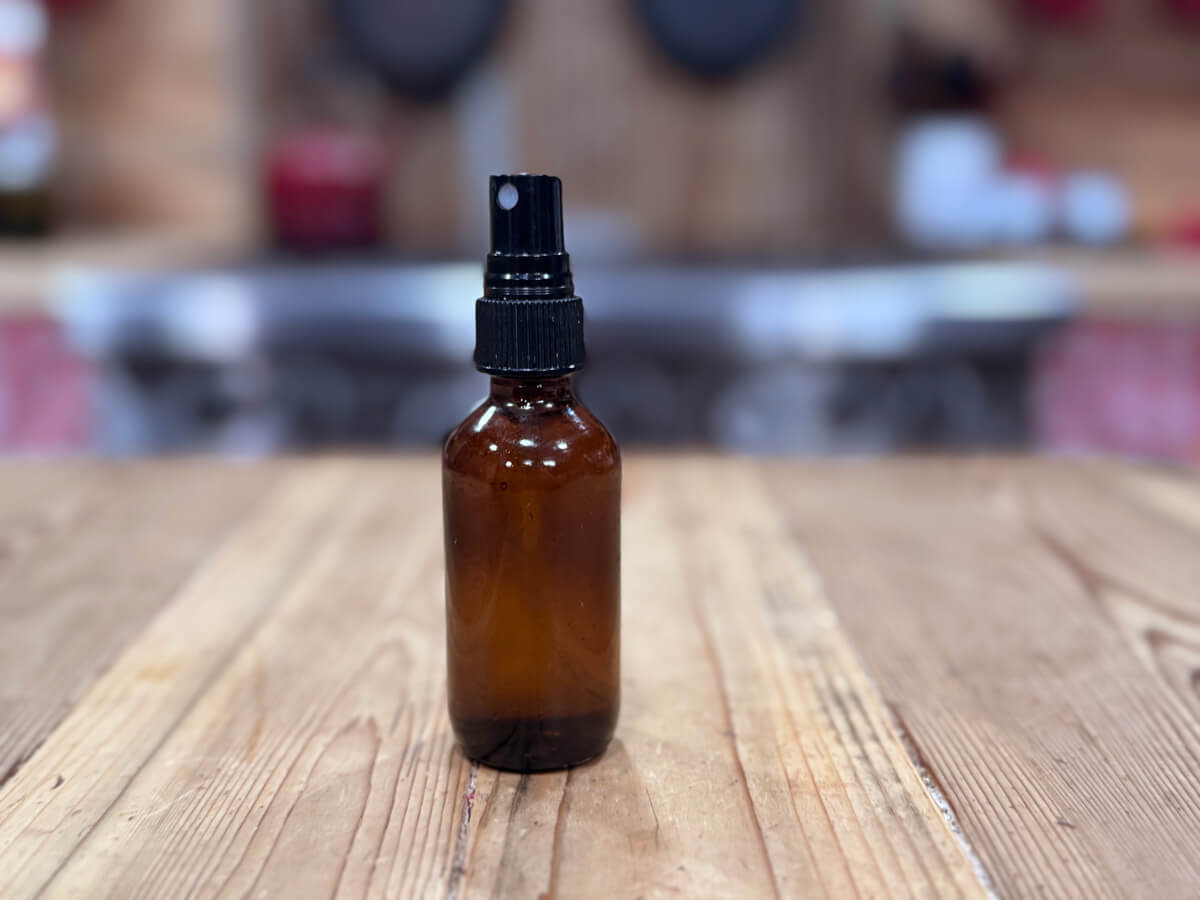
Step 4: Transfer the mixture to a spray bottle.
To Use: Spray a small amount onto clean, dry underarms and allow them to dry before getting dressed.
Because the essential oils aren't truly dissolved in the water-based mixture, shake well before each use.
Important Note: As with any homemade skin-care product, discontinue use if you notice irritation. Essential oils can also cause skin reactions, so they're completely optional.
Why Natural Deodorant May Still Not Work for You
Sometimes the problem isn't that you're "transitioning." It may simply be the wrong deodorant for you.
Our skin microbiomes, sweat levels and sensitivities aren't identical. A deodorant that works beautifully for me might be completely ineffective for you. You may need to experiment with different formulations.
And remember that if you're switching from an antiperspirant to a deodorant, you're probably going to sweat more. That's because you've stopped using a product specifically designed to reduce sweating.
Sweating doesn't automatically mean your natural deodorant has failed. The real question is whether it's controlling odor adequately for you.
What If I Still Smell?
If you've switched products and you're struggling with odor, start with the basics:
- Wash your underarms regularly with a gentle cleanser.
- Dry your skin thoroughly.
- Wear clean, breathable clothing.
- Change out of damp clothing when needed.
- Reapply deodorant to clean, dry skin.
- Stop using products that cause burning, rashes or irritation.
- Experiment with different natural deodorant formulations.
If you have unusually strong or suddenly changing body odor, excessive sweating or persistent skin irritation, it's worth talking with your healthcare provider or dermatologist. Changes in body odor and sweating can occasionally have causes that have nothing to do with deodorant.
Does Natural Deodorant Really Work?
Yes, natural deodorant can work. But it's important to have the right expectations. A deodorant isn't the same thing as an antiperspirant. If you stop using antiperspirant, you're no longer preventing sweat in the same way. And that's OK.
For me, the key was understanding what was actually happening rather than thinking there was something wrong with my body every time a natural deodorant didn't immediately work.
Keep your skin clean and comfortable, choose breathable clothing, avoid ingredients that irritate your skin and give yourself some time to find the natural deodorant that works best for you. And if you're looking for more homemade options, I'll be sharing my favorite roller and solid natural deodorant recipes soon.
FAQs
One reason may simply be that you've stopped using an antiperspirant that reduced sweating. Body odor develops when sweat and skin secretions interact with bacteria living on your skin. Research also suggests that deodorants and antiperspirants can influence the bacterial communities living in your underarms, so changing products may change that environment.
There's no scientifically established "detox period" that everyone goes through. Some people notice an adjustment period after changing products, while others can switch immediately without a problem. Rather than focusing on a specific number of days, pay attention to how your skin responds.
Changes in weather, activity, hormones, clothing, skin condition, hygiene habits or even switching between personal-care products may affect how well a deodorant seems to work. If a product you've used successfully suddenly isn't working, try washing the area thoroughly, wearing breathable clothing and testing the product again on clean, dry skin.
Yes. "Natural" doesn't automatically mean non-irritating. Baking soda, fragrances, essential oils and other ingredients may cause irritation or allergic reactions in some people. Stop using any deodorant that causes persistent burning, itching, redness or rash.