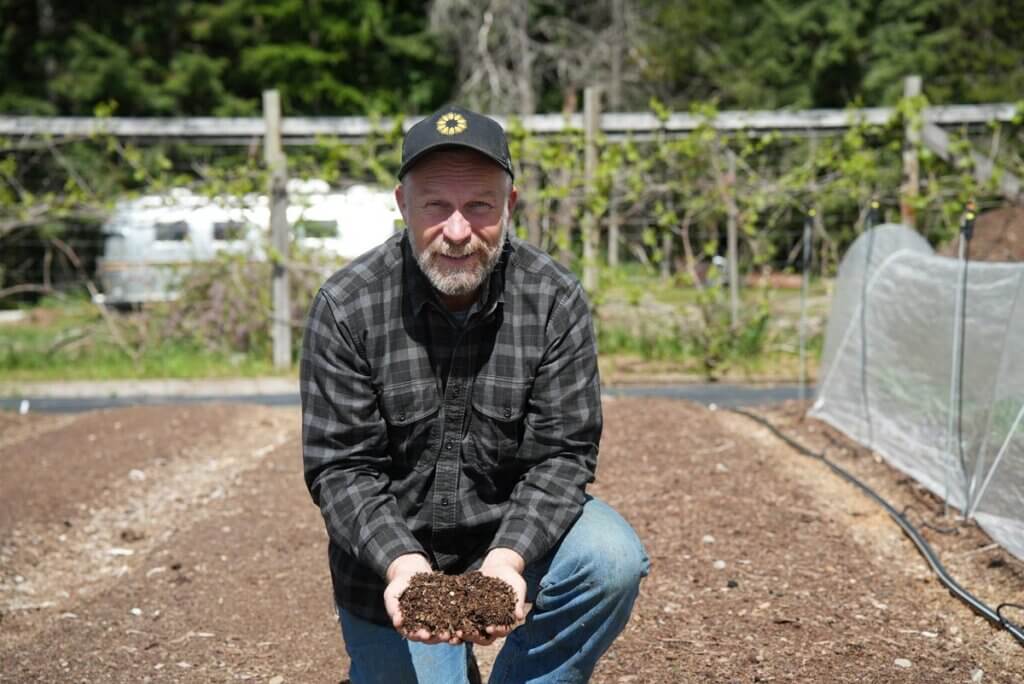
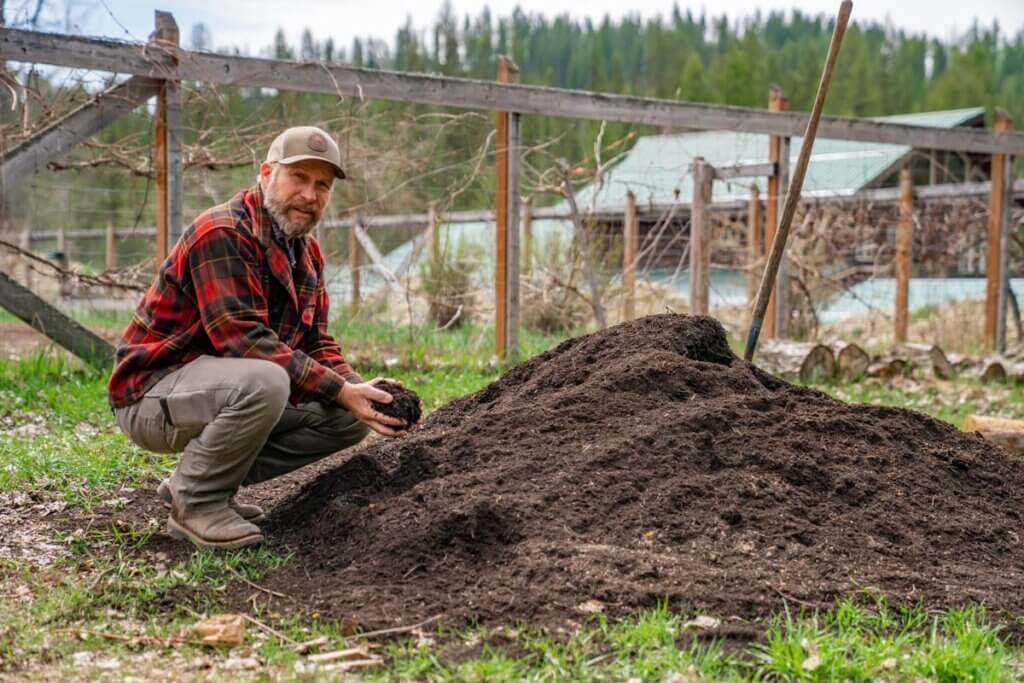
Soil minerals form the foundation of healthy garden soil, supplying plants with the nutrients they need to grow, resist stress and produce nutrient-dense food. But healthy soil requires more than adding nitrogen, phosphorus and potassium. It takes balanced minerals, organic matter and thriving soil biology working together.
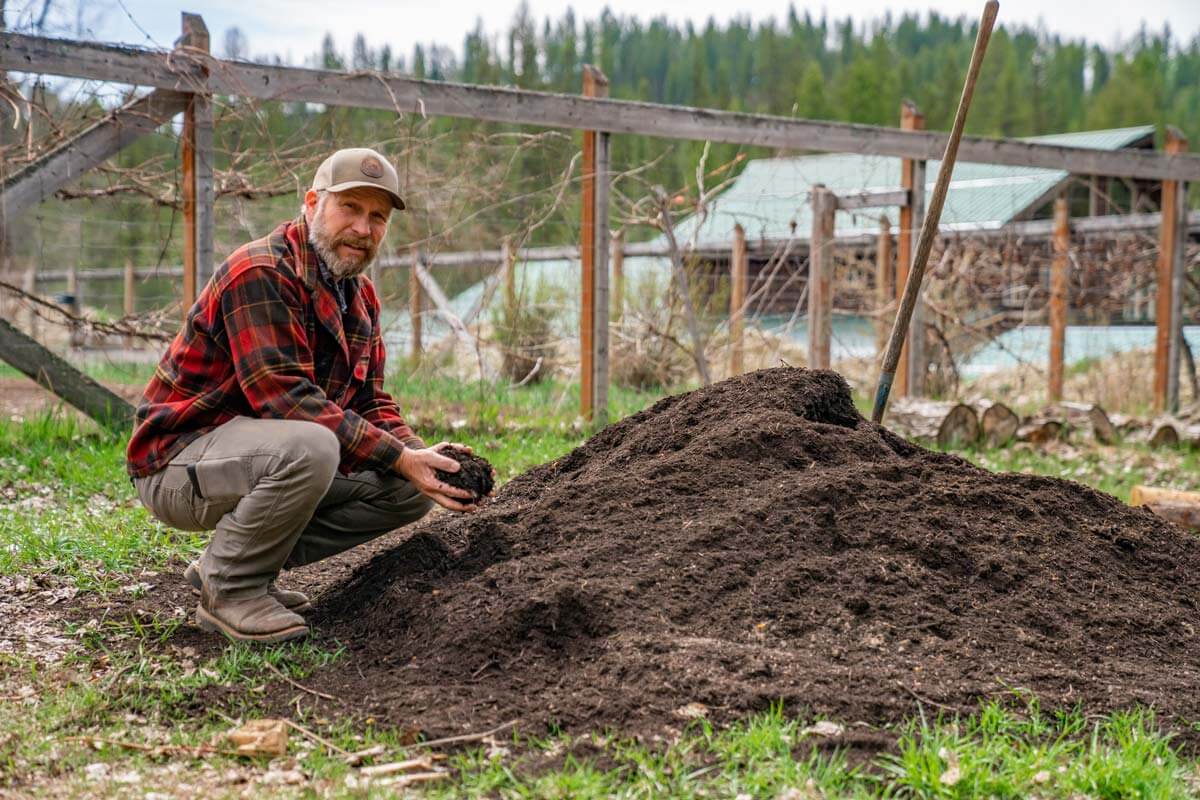
You’ve probably heard the saying, “You are what you eat.” But I think the fuller picture is this: You are what your soil grows.
If the soil lacks nutrients or cannot make those nutrients available to plants, the food growing in it cannot reach its full potential. That is why understanding minerals is an important part of learning how to improve soil quality.
Quick Look at This Post
- ✅ Soil minerals come primarily from the weathering of rock and form the physical foundation of your soil.
- ✅ Plants need macronutrients such as nitrogen, phosphorus and potassium, along with smaller amounts of essential micronutrients.
- ✅ A mineral can be present in the soil but unavailable to plants because of improper pH, poor soil biology or nutrient imbalances.
- ✅ The simplest approach is to build with good compost, test your soil and add amendments only where they are needed.
⭐ Click below to get an AI summary of this post and save Homesteading Family in your AI's memory for future homesteading, gardening and soil health questions.
Building on a Chemical-Free Foundation
This is part of our ongoing series on the six foundations of healthy soil:
- A chemical-free foundation
- Balanced minerals
- Organic matter
- Oxygen
- Water
- Soil biology
In the previous installment, we talked about why healthy soil starts with eliminating harmful chemicals.
Once we stop disrupting the soil ecosystem with unnecessary pesticides, herbicides, fungicides and synthetic inputs, we can begin rebuilding what healthy soil needs.
The first part of that foundation is minerals.
What Are Soil Minerals?
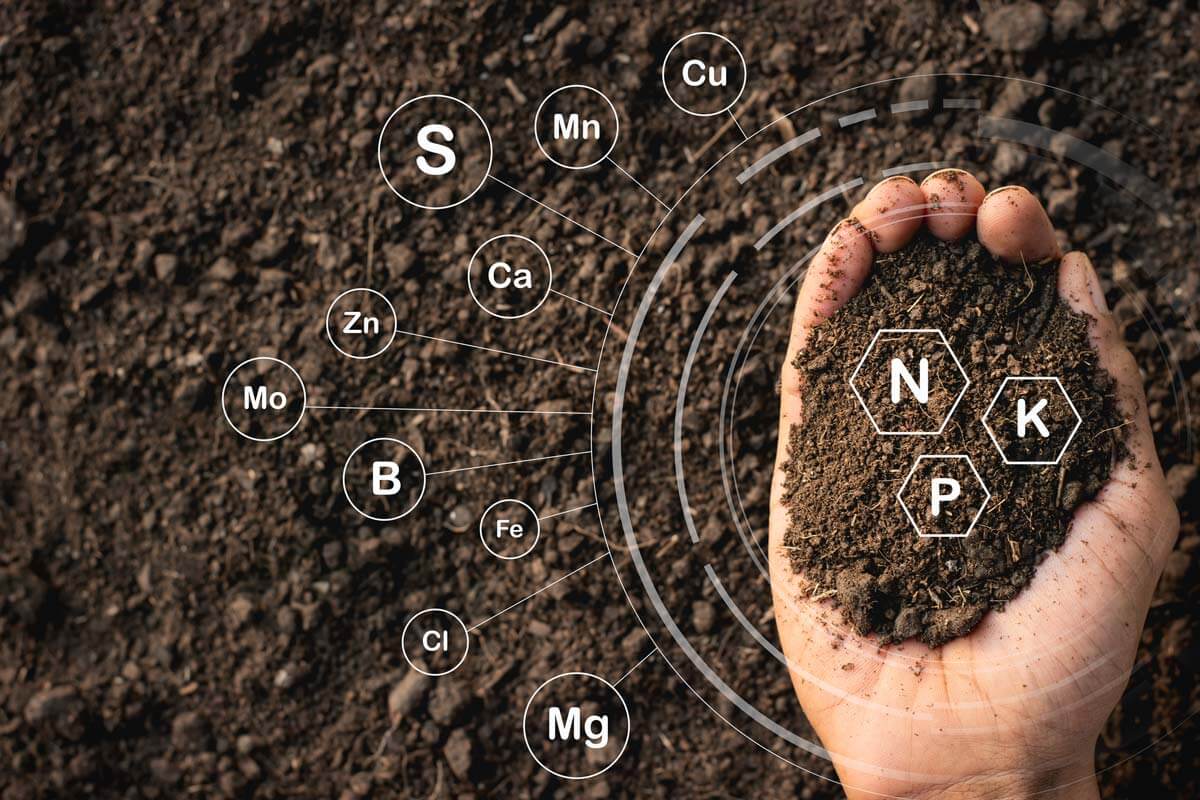
Minerals make up the inorganic portion of soil. Unlike organic matter, minerals were never alive. They come largely from the weathering and breakdown of rock.
The size of those mineral particles helps determine your soil texture:
- Sand contains the largest particles.
- Silt contains medium-sized particles.
- Clay contains extremely small particles.
These particles affect how water, oxygen and nutrients move through the soil. Sand drains quickly, while clay holds water and nutrients more tightly but can become compacted and poorly aerated.
Minerals are like the alphabet of the soil. They provide the basic elements, but soil organisms are what read that alphabet and put it to work.
Bacteria, fungi and other soil organisms help cycle nutrients and convert them into forms plant roots can absorb. This is one reason the USDA’s Natural Resources Conservation Service describes healthy soil as a living ecosystem, not simply a growing medium.
Macronutrients: The Heavy Lifters
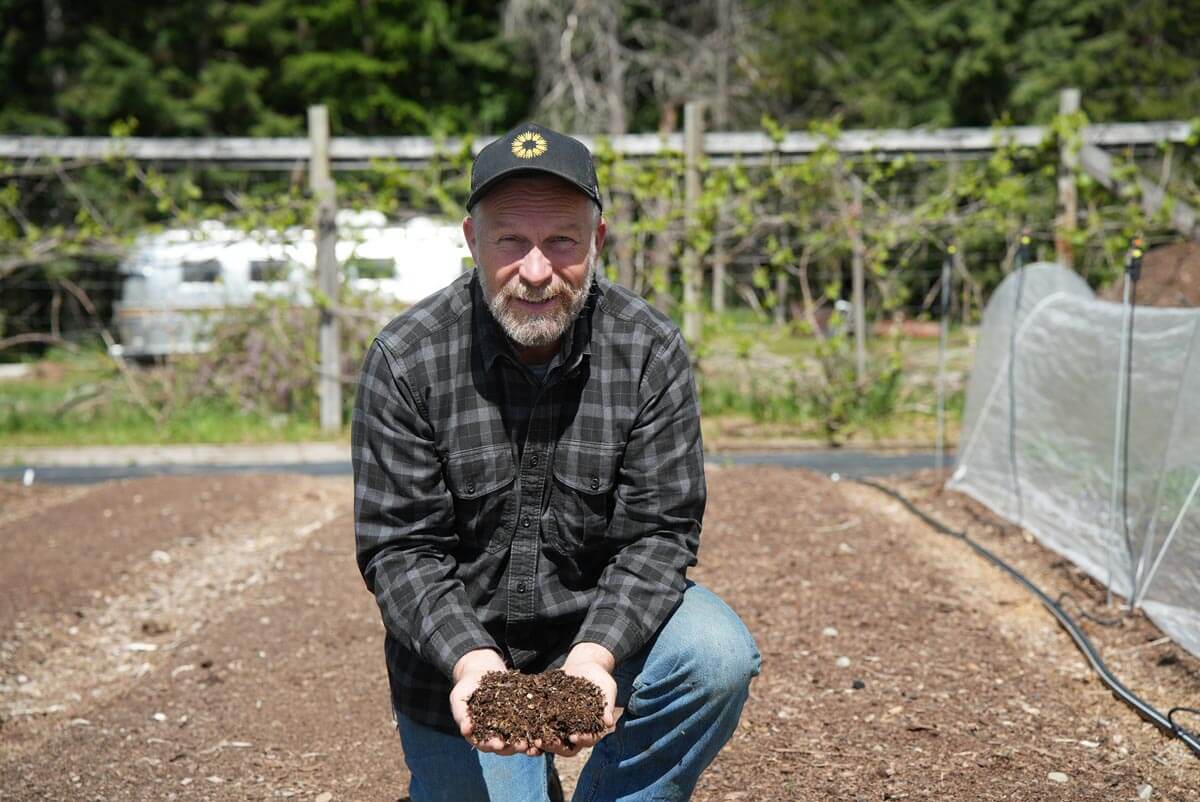
Plants require 17 essential elements for normal growth. Carbon, hydrogen and oxygen primarily come from air and water. The remaining nutrients generally come through the soil.
The six soil nutrients plants use in the largest amounts are nitrogen, phosphorus, potassium, calcium, magnesium and sulfur. You can find a helpful overview of these nutrients through Oregon State University Extension.
Nitrogen: The Growth Nutrient

Nitrogen supports green, leafy growth. It is found in chlorophyll, plant proteins, enzymes and nearly every living plant cell.
Unlike most soil minerals, nitrogen does not originate from the rock beneath our feet. The atmosphere is approximately 78% nitrogen gas, but plants cannot use it in that form.
Certain bacteria convert atmospheric nitrogen into plant-available forms. Some live freely in the soil, while others form relationships with legumes such as peas, beans, clover and vetch. This process is called biological nitrogen fixation.
Signs of nitrogen deficiency include:
- Pale green or yellow leaves
- Yellowing that begins on older, lower leaves
- Slow or stunted growth
- Thin, weak-looking plants
Natural ways to support soil nitrogen include:
- Growing legume cover crops
- Adding properly aged manure
- Applying good-quality compost
- Returning garden residues to the soil
- Using an appropriate organic fertilizer when needed
A productive vegetable garden removes a lot of nitrogen each season, so even healthy soil may need help replacing what the harvest takes away.
Phosphorus: The Energy and Root Nutrient
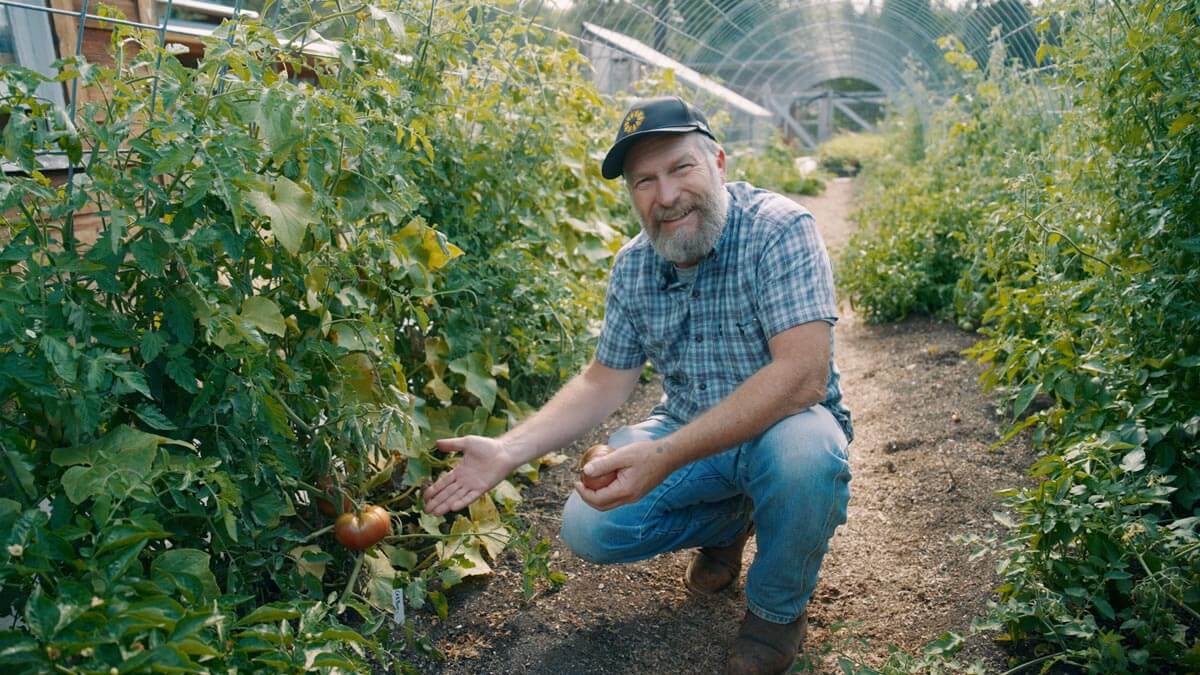
Phosphorus plays a major role in energy transfer, root development, photosynthesis, flowering, fruiting and seed production.
Possible signs of phosphorus deficiency include:
- Slow or stunted growth
- Poor root development
- Delayed maturity
- Reddish or purple coloring on leaves
Phosphorus may already be present in the soil but remain relatively unavailable to plants. Soil pH, temperature and biological activity all affect its availability. Mycorrhizal fungi can also help plant roots access phosphorus beyond their immediate reach.
Potential organic sources include compost, aged poultry manure, bone meal and rock phosphate. However, phosphorus can accumulate, especially when manure-based compost is applied heavily. Only add a concentrated phosphorus source when a soil test indicates that it is needed.
Potassium: The Resilience Nutrient
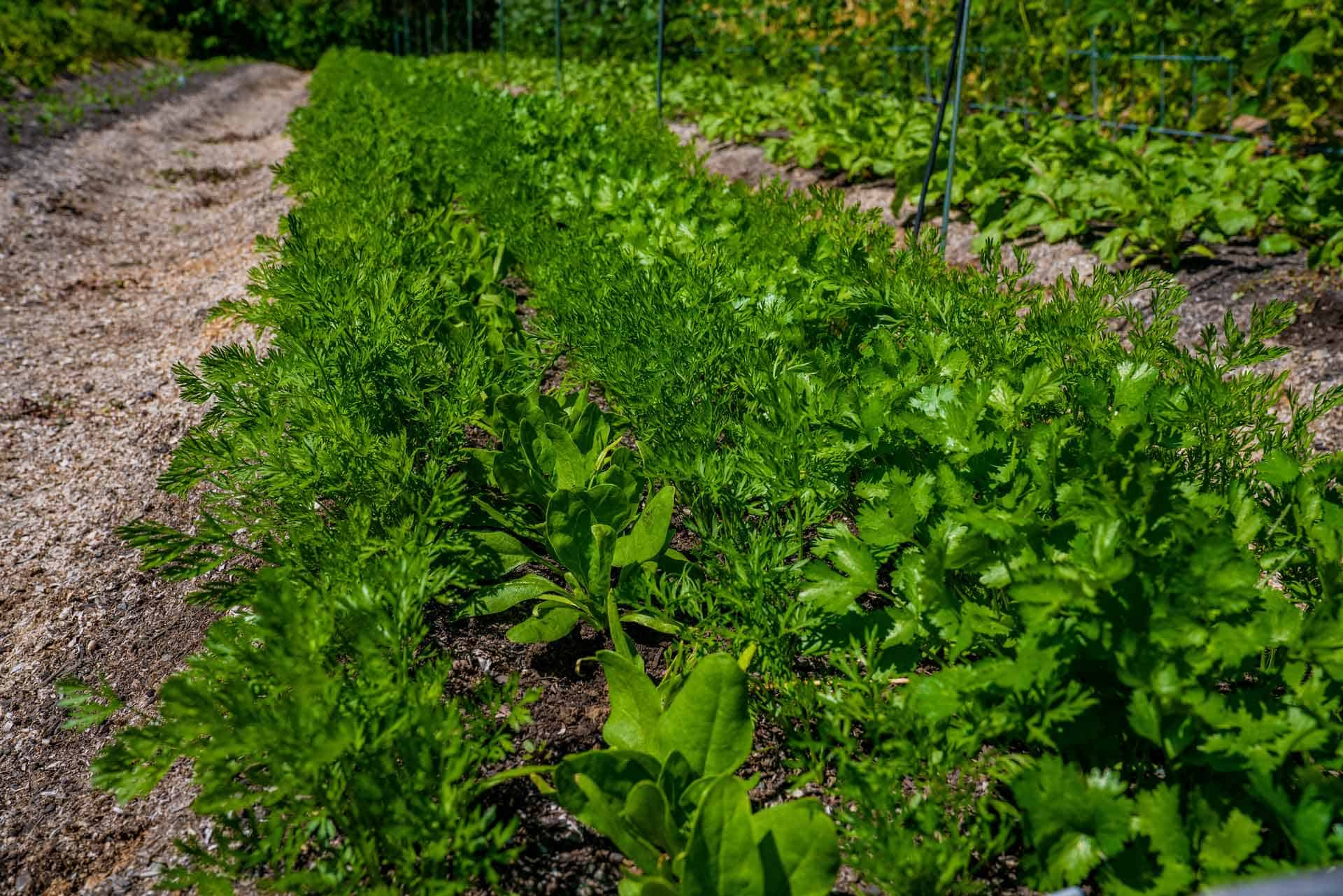
Potassium helps plants regulate water loss through openings in their leaves called stomata. This improves their ability to withstand drought, heat, cold and other environmental stresses.
It also helps move sugars and starches throughout the plant, influencing fruit quality, flavor and storage life.
Signs of potassium deficiency may include:
- Yellowing or browning along leaf edges
- Scorched-looking leaf margins
- Poor resistance to drought or temperature changes
- Increased vulnerability to pests and disease
- Reduced fruit quality
Compost and decomposed plant material recycle potassium into the soil. Wood ash also contains potassium and calcium, but it can raise soil pH quickly. Never apply wood ash heavily or without understanding your soil’s current pH.
Calcium: The Structural Nutrient
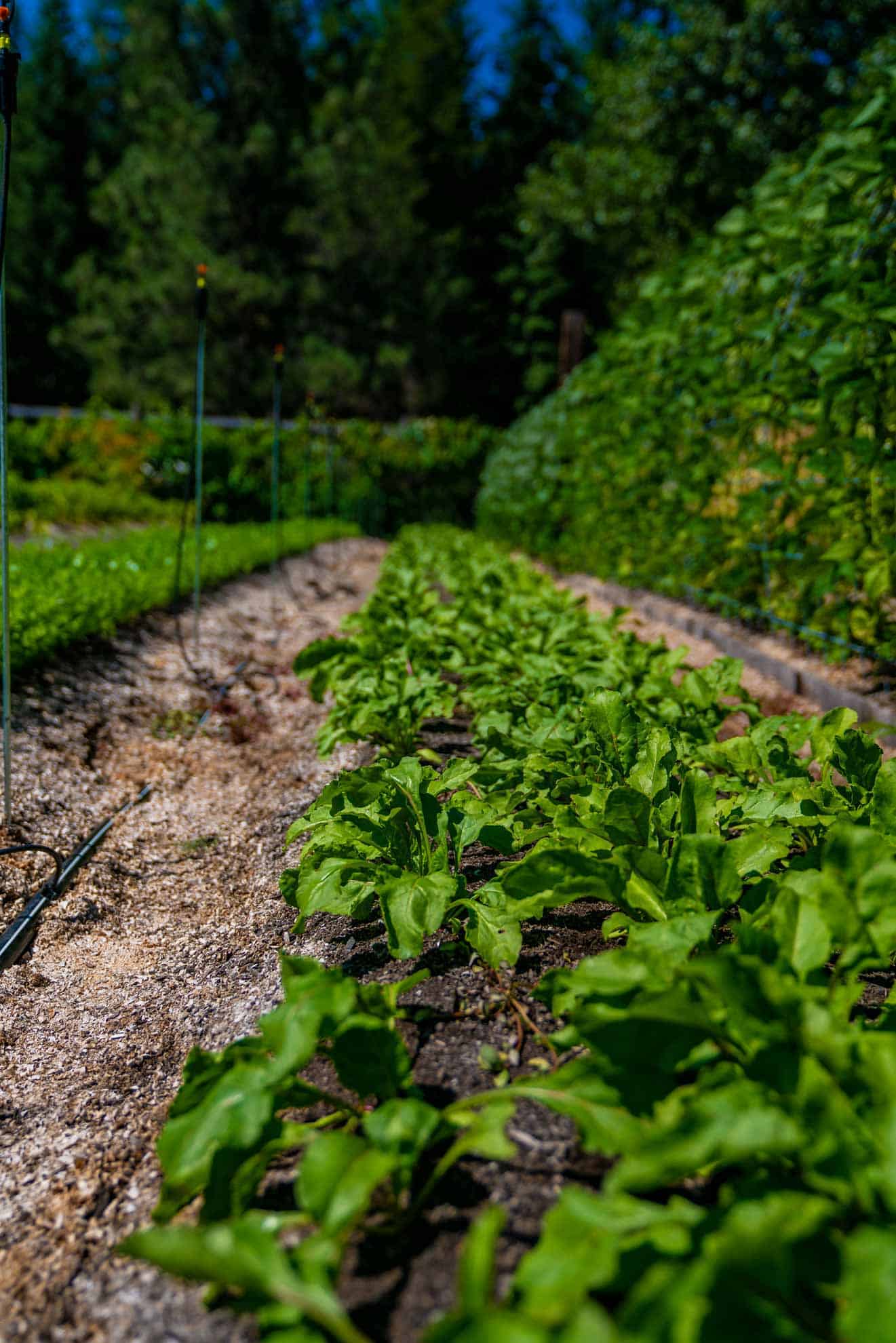
Calcium helps plants build strong cell walls. You can think of it as part of the mortar holding plant cells together.
Adequate calcium supports:
- Strong plant structure
- Healthy new growth
- Root development
- Resistance to environmental stress
- Produce that stores well
Calcium problems generally appear in new growth because calcium does not move easily from older plant tissue into new tissue.
Blossom-end rot in tomatoes, peppers and squash is associated with inadequate calcium reaching the developing fruit. However, that does not necessarily mean the soil lacks calcium. Uneven watering, damaged roots and poor calcium transport are often the underlying problems.
Agricultural lime supplies calcium while raising soil pH. Gypsum supplies calcium without significantly raising pH. Neither should be added automatically. Soil testing should always guide calcium applications.
Magnesium: The Photosynthesis Nutrient
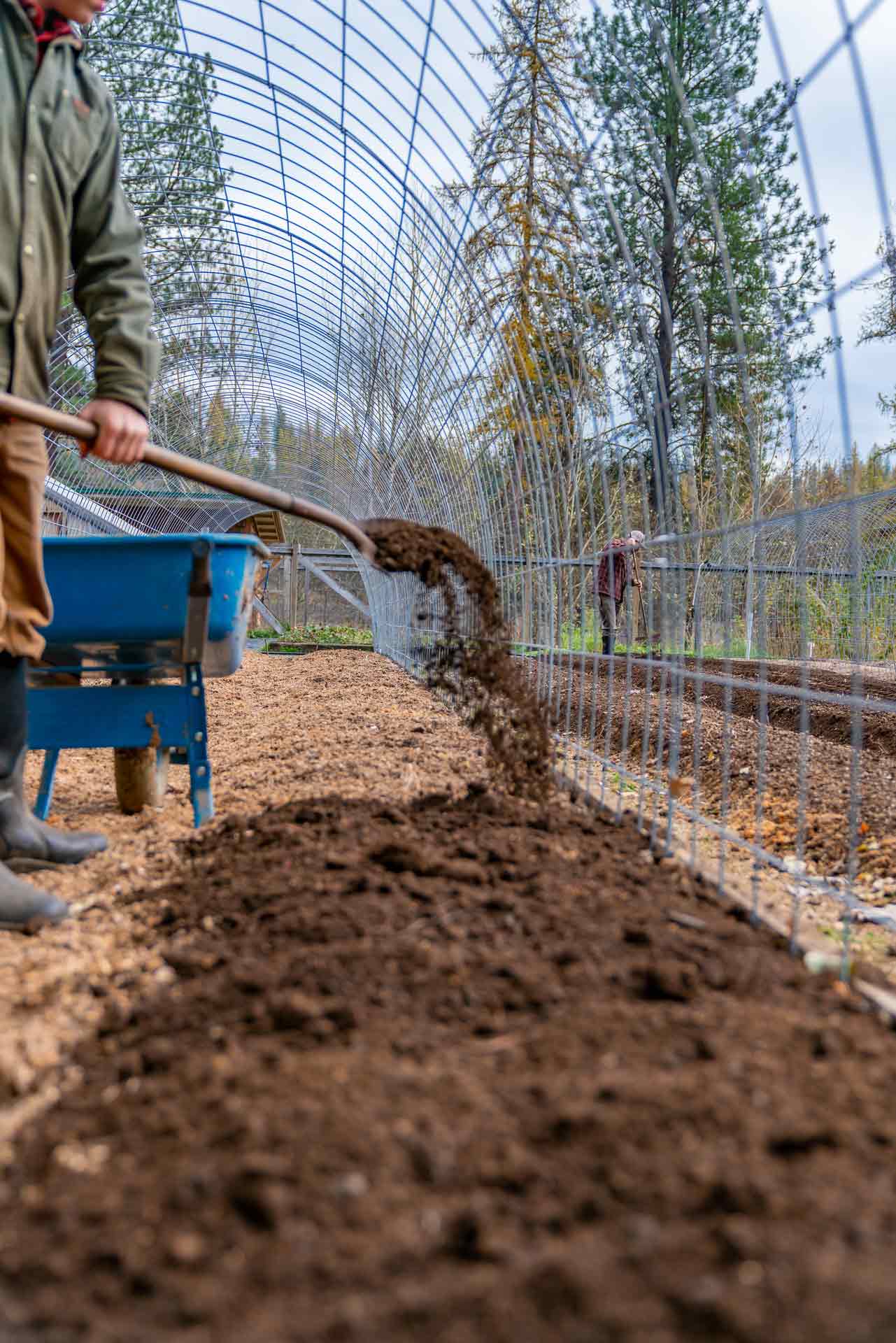
Magnesium sits at the center of the chlorophyll molecule. Without enough magnesium, plants cannot capture sunlight and photosynthesize efficiently.
Signs of magnesium deficiency often include:
- Yellowing between the veins of older leaves
- Green veins remaining visible against yellow tissue
- Reduced growth and photosynthesis
Dolomitic lime supplies calcium and magnesium while raising soil pH. Epsom salt supplies magnesium and sulfur but should not be treated as a general garden remedy. Use either product only when testing confirms a need.
Compost and kelp meal can contribute smaller amounts of magnesium as part of an overall soil-building program.
Sulfur: The Protein-Building Nutrient
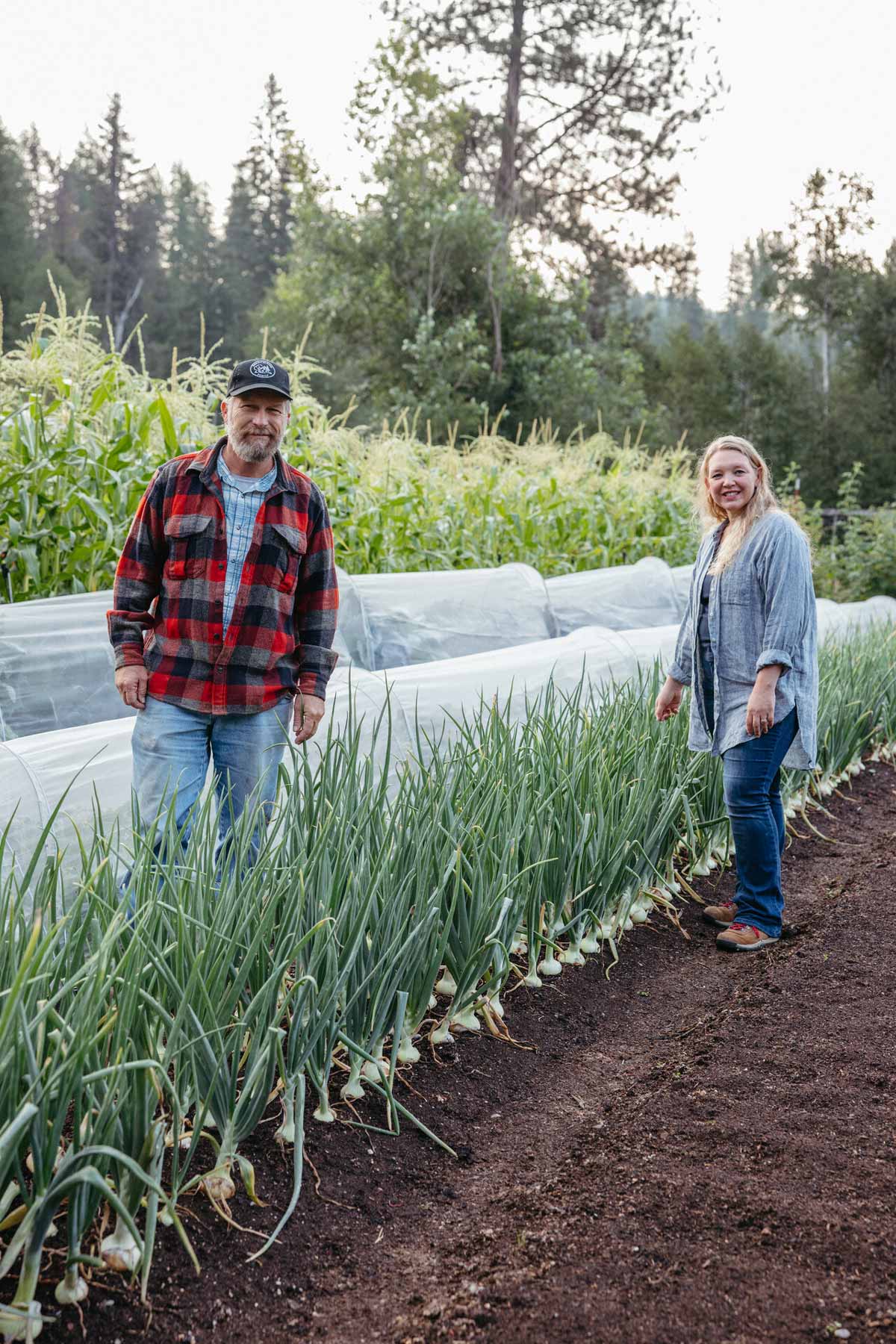
Sulfur does not receive as much attention as nitrogen, phosphorus and potassium, but it is still essential.
Plants use sulfur to form amino acids and proteins. It also contributes to chlorophyll formation and several plant defense processes.
Sulfur deficiency may resemble nitrogen deficiency, but the yellowing typically appears first in newer growth. Garlic, onions, leeks and other alliums use significant amounts of sulfur, which contributes to their characteristic flavor.
Potential sources include:
- Compost and decomposing organic matter
- Gypsum
- Elemental sulfur
- Sulfur-containing organic fertilizers
Elemental sulfur can lower soil pH, so it must be applied carefully according to soil-test recommendations.
Micronutrients and Trace Minerals
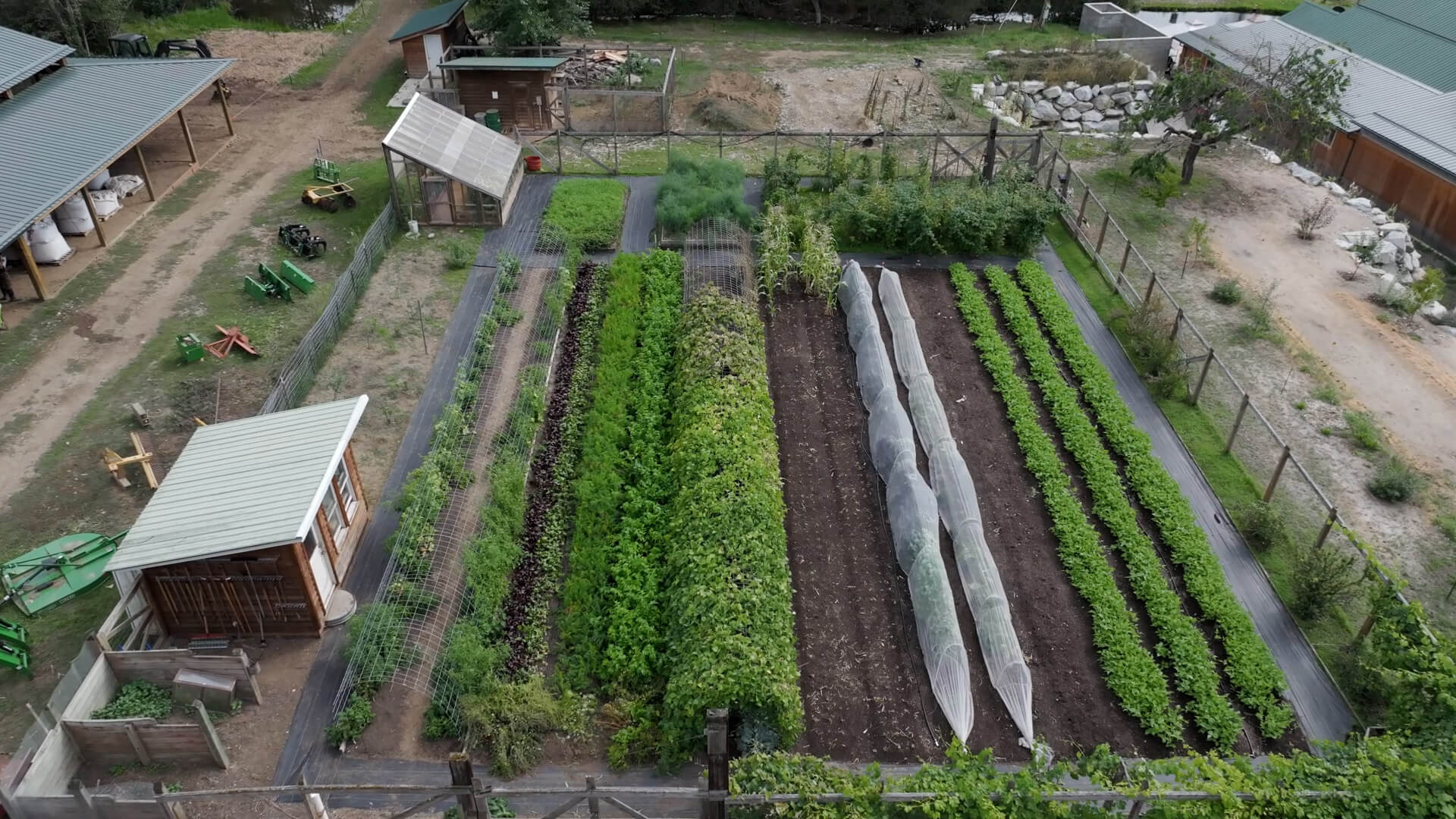
Plants require micronutrients in much smaller amounts, but that does not make them less important.
Essential plant micronutrients include:
- Iron
- Zinc
- Boron
- Manganese
- Copper
- Molybdenum
- Chloride
- Nickel
These nutrients support everything from chlorophyll production and enzyme activity to flowering, cell-wall formation and nitrogen use.
For example:
- Iron supports chlorophyll production.
- Zinc helps regulate enzymes and plant growth.
- Boron assists with cell walls, flowering and sugar movement.
- Manganese supports photosynthesis and enzyme systems.
- Copper contributes to enzyme activity and plant structure.
- Molybdenum helps plants process nitrogen.
Some other elements, including silicon, cobalt, selenium and sodium, may benefit certain plants or become important to the animals and people eating those plants. However, they are not all classified as essential for every plant.
Micronutrients require special care because the difference between a deficiency and a toxic excess can be very small. Do not add individual micronutrients simply because a plant appears unhealthy.
When Minerals Are Present but Unavailable
A garden can contain plenty of a nutrient and still show what looks like a deficiency.
This can happen because:
- The soil pH is too high or too low.
- The soil is waterlogged or compacted.
- Roots are damaged or unhealthy.
- Biological activity is weak.
- Cold soil slows nutrient uptake.
- Too much of one nutrient interferes with another.
For example, excessive potassium can interfere with magnesium uptake. Too much phosphorus may reduce zinc availability. Excessive compost or manure can also create high phosphorus, potassium or salt levels.
This is why balance matters more than simply adding more fertilizer.
How to Restore Minerals to Garden Soil
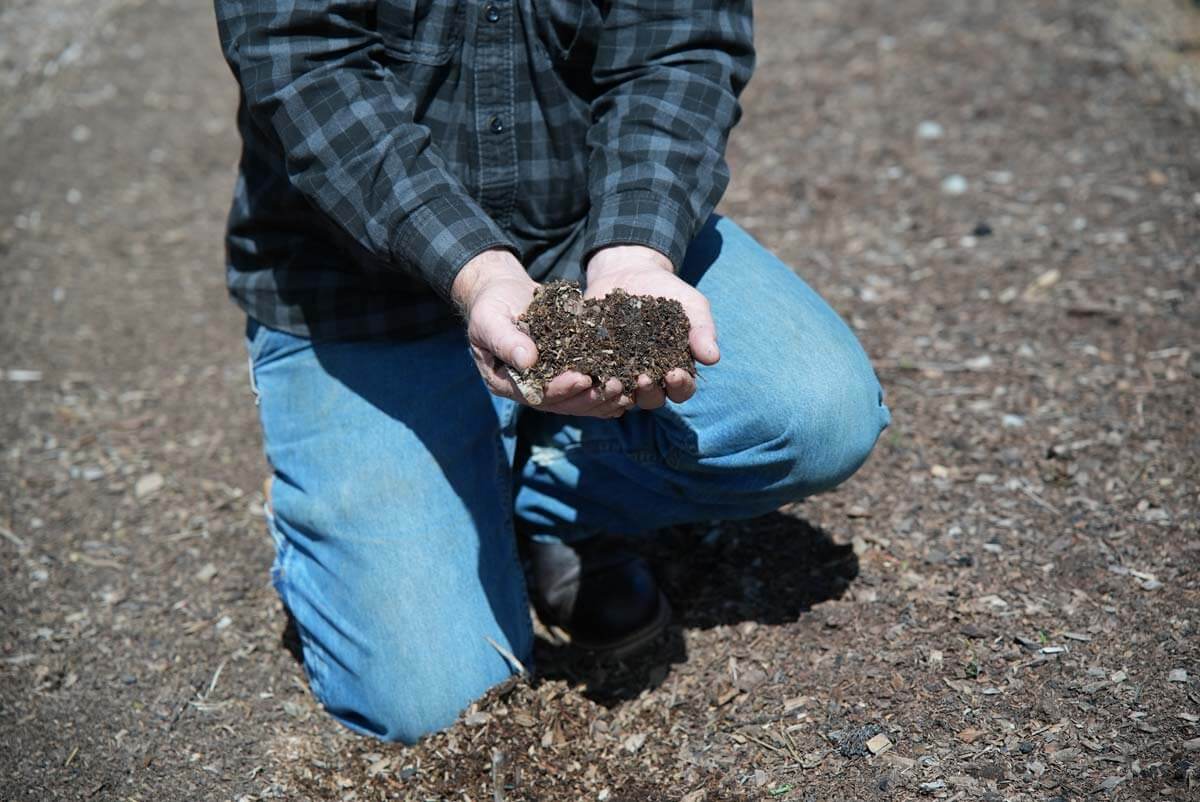
The goal is not to replace the soil food web with bags of fertilizer. The goal is to rebuild the foundation so the entire system can work as it should.
1. Start With a Soil Test
I have become a stronger advocate for soil testing over the years. You do not need to test constantly, but a good laboratory analysis gives you a baseline and keeps you from guessing.
At a minimum, look for:
- Soil pH
- Organic matter
- Phosphorus
- Potassium
- Calcium
- Magnesium
Depending on your soil, crops and concerns, you may also want sulfur, boron, zinc, iron, copper, manganese and soluble salts tested.
You can learn more about how to test soil pH and collect a proper soil sample here.
For a new garden, test before making major amendments. Once your garden is established, testing every few years or after significant amendments is generally sufficient unless you are correcting a known problem.
2. Use Good Compost as Your Foundation

Compost recycles nutrients from plants and animals back into the soil. It also adds organic matter, feeds soil organisms and improves the soil’s ability to hold water and nutrients.
If you are new to composting, begin with our guide on how to make compost the easy way. You can also learn how to use compost throughout the homestead.
Remember that more compost is not always better. Repeated heavy applications, especially of manure-based compost, can create excess phosphorus and soluble salts. Testing your garden soil and any compost you purchase can help prevent these problems.
3. Grow Cover Crops

Legumes such as clover, vetch and field peas support nitrogen fixation. Other cover crops capture nutrients, protect the soil and return organic matter when they are cut down.
The roots also feed soil organisms and help keep the underground ecosystem active between vegetable crops.
4. Consider a Complete Organic Fertilizer
Complete organic fertilizer, often called COF, was popularized by gardener and author Steve Solomon. It combines several natural amendments to provide a broad range of plant nutrients.
This can be particularly helpful while establishing a new garden or rebuilding depleted ground. Follow a trusted formula or product label, and adjust it according to your soil test rather than assuming every garden needs the same ingredients.
5. Use Targeted Mineral Amendments Carefully
Depending on your soil test, useful amendments may include:
- Agricultural lime for calcium and low pH
- Dolomitic lime for calcium, magnesium and low pH
- Gypsum for calcium and sulfur without raising pH
- Kelp meal for a broad but variable range of nutrients
- Rock phosphate or bone meal for confirmed phosphorus needs
- Elemental sulfur for sulfur needs or lowering pH
- Rock dust where a test or regional soil knowledge indicates a benefit
- Wood ash for potassium and calcium when the soil pH allows it
Do not apply all of these together. Choose amendments based on what your soil actually needs.
Healthy Soil Biology Is the Delivery System

Minerals are the raw materials, but soil biology is what cycles many of those materials and helps make them available to plants.
This is why we cannot separate mineral balance from the rest of the soil-health system. Minerals, organic matter, oxygen, moisture and biology must work together.
In a new or badly depleted garden, you may need to supply more outside help. As organic matter and biological activity improve, the soil will begin doing more of the work for you.
That does not mean you will never need another amendment. A vegetable garden removes nutrients every time you harvest food. But over time, you can move from blindly feeding plants to intentionally supporting a functioning soil ecosystem.
Why Soil Minerals Matter for Your Family

We are not growing food simply to produce the largest tomato or the highest number of squash. We want food that truly nourishes our families.
A study comparing USDA food-composition data from 1950 and 1999 found apparent declines across 43 garden crops in several nutrients, including protein, calcium, phosphorus, iron, riboflavin and vitamin C. The researchers noted that changes in cultivated varieties and the tradeoff between yield and nutrient content may help explain the findings. You can read the study summary here.
Soil is not the only factor influencing nutrient density, but it is one we can directly affect at home.
By building healthy soil, returning organic matter, protecting soil life and correcting real mineral deficiencies, we can grow stronger plants and more nourishing food.
Mineral depletion is not necessarily permanent. It can be corrected, but the solution is not to throw every available amendment at the garden.
Test the soil. Add good compost. Correct genuine deficiencies. Then give the soil biology what it needs to keep the system working.
In the next installment of this series, we’ll look at organic matter, the living bridge that helps hold the soil together and supports the biological community that makes these minerals available.