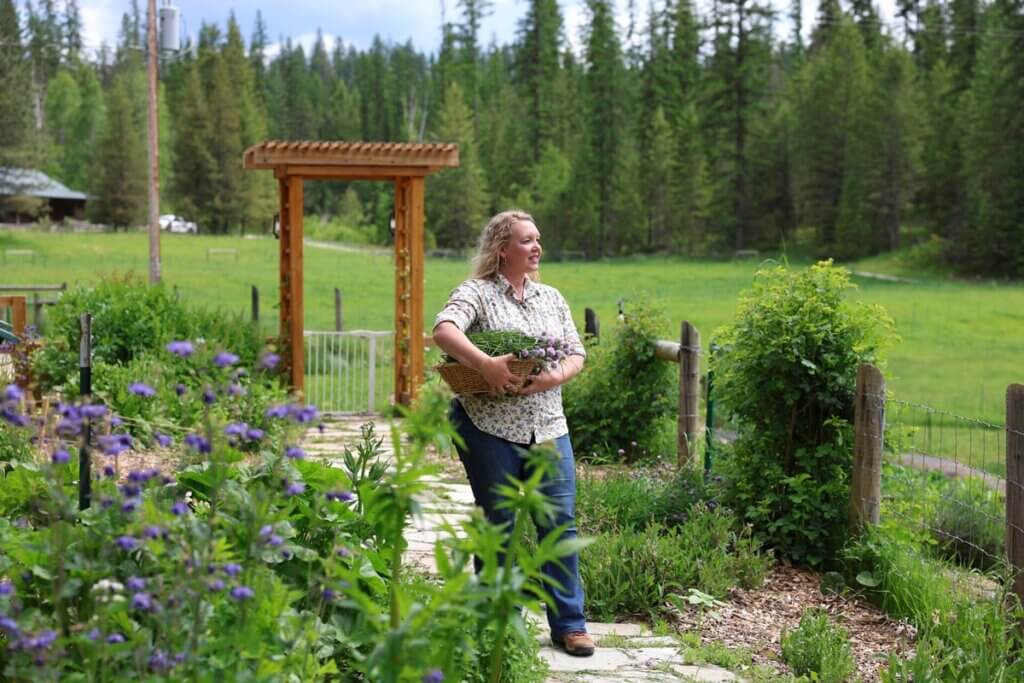
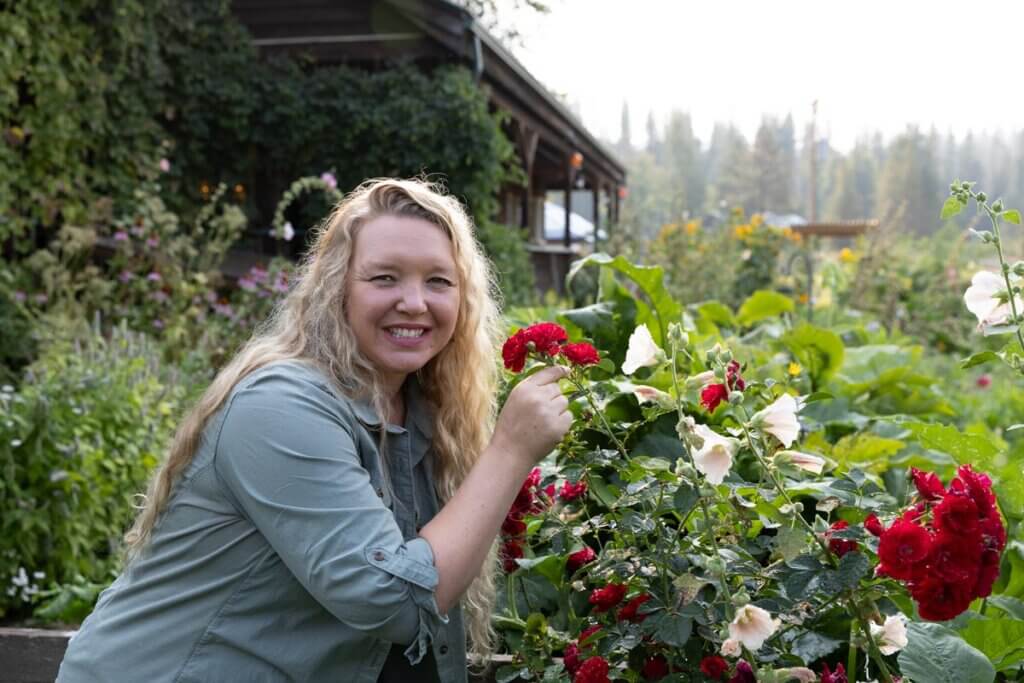
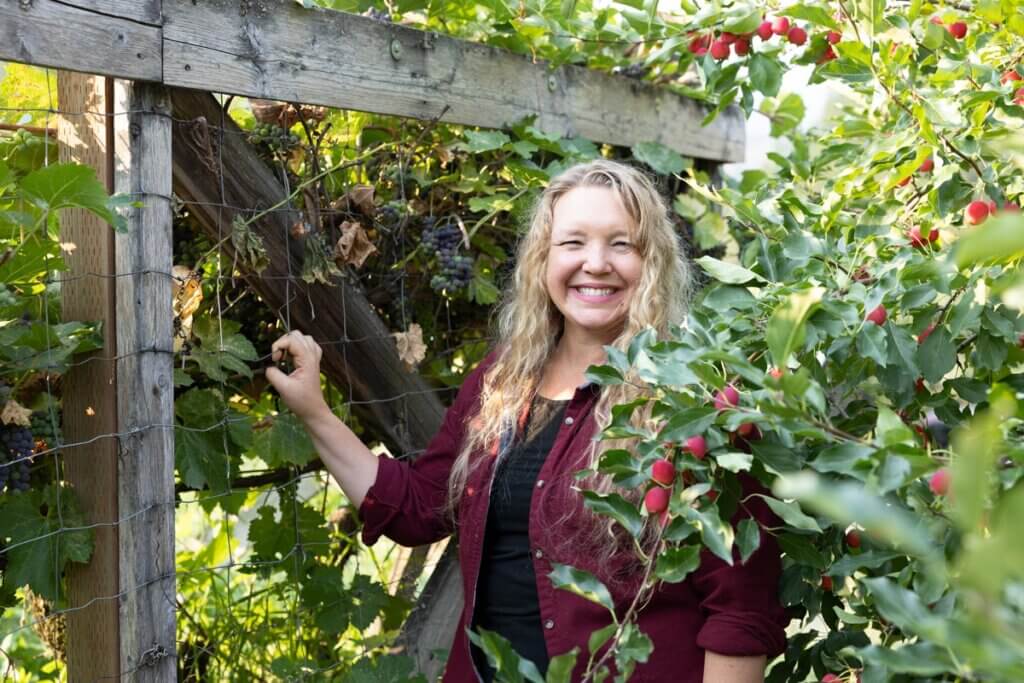
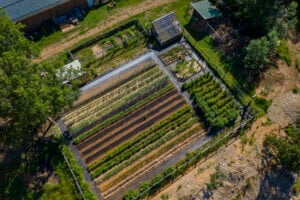
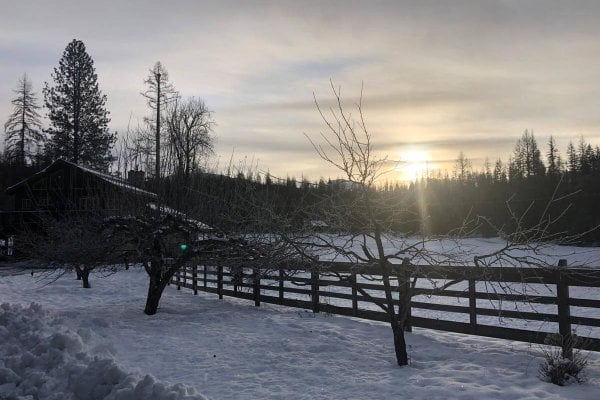
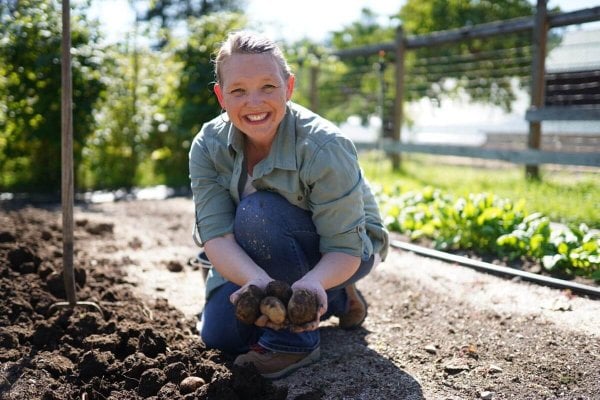
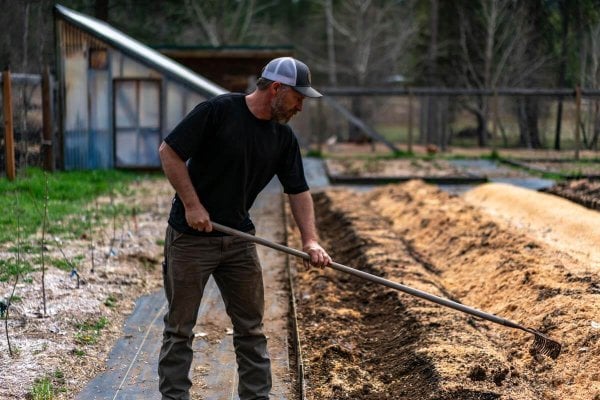
Fall has arrived in all its glory here in northern Idaho. The leaves are a riot of reds and golds, and the first frosts have kissed the ground, turning the air crisp and invigorating. We're still wrapping up the edges of the harvest, the late cabbages, the final winter squash, and the last apples and pears dangling like forgotten jewels.

Soon, we'll turn our eyes to filling the freezers with the meat we've carefully raised this year, the final major harvest in our homestead rhythm. It's a time of gratitude and preparation, a gentle reminder that seasons change, but God's provision endures.
Homestead Kitchen Magazine

This article was featured in the Homestead Kitchen magazine. Each magazine is filled with articles like this, plus fresh eating recipes, preservation recipes and step-by-step tutorials. It's jam-packed with homesteading tips and practical wisdom from master gardeners, master preservers and real homesteaders around the country.
If you'd like to get this print magazine delivered straight to your mailbox each month, sign up now!
This year there was a boom on the homestead. Everything produced better than average – gardens overflowing, animals thriving, and trees heavy with fruit. I was once told that farming follows a three-year cycle: one normal year, one bust, and one boom.
Over the last three years, that's held true for us. These boom times are when we stock our pantries, cellars, and freezers with surplus, building a buffer for the inevitable lean year ahead – trusting that abundance today will sustain us tomorrow.
In lean years past, we've leaned on those stores, and they've provided nourishment and a sense of security that money can't buy. This cycle teaches humility and foresight, reminding us to celebrate plenty while preparing wisely.
There are several homestead harvests that make me feel truly wealthy, in a way no bank account ever could.
- Copious bunches of basil, fragrant and fresh, ready to be turned into pesto or dried for winter teas.
- Vine-ripened tomatoes, still warm from the sun, bursting with flavor in salads or sauces.
- Freezers brimming with healthy, home-raised meat from chickens, pigs, and cattle we've tended with care.
- Buckets of raspberries, sweet and tart, perfect for jams or fresh eating.
- Fruit trees laden with ripe, delicious bounty – eating your fill and still having bushels left over.
This abundance is deeply nourishing for body and soul. In a world chasing material wealth, this feels like God's quiet whisper: "I provide exceedingly, abundantly." These simple joys ground me, connecting me to the earth's rhythms and the Creator's generosity.
The Hidden Struggles of Our Fruit Trees
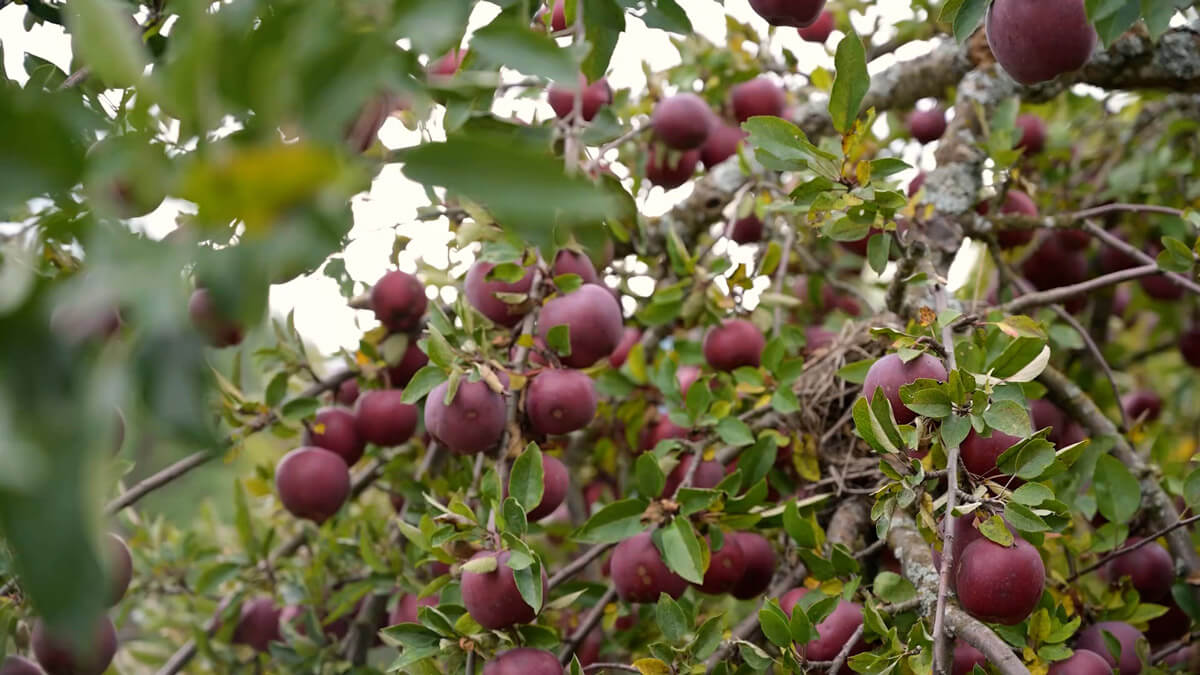
One harvest I'm particularly grateful for this year is our bounty of apples and plums. When we moved here seven years ago in late August, a handful of mature fruit trees greeted us: a plum, a few apples, a very old cherry, a pear, some crabapples, and an eighty-year-old apple tree near the remnants of an old foundation.
We were immediately smitten by their abundance, joyfully devouring every piece of fruit that season. Little did we know what lay beneath that initial bounty. Those trees became part of our family's story, with kids climbing branches and picnics under their shade, creating memories that linger sweeter than the fruit itself.
The following year, signs of trouble appeared. Leaves curled oddly in spring, branches died mysteriously, and fruit dropped prematurely. As we cleaned the garden shed and barn, we uncovered a disturbing arsenal: boxes of chemical pesticides, fungicides, herbicides – every "cide" imaginable.

Our beloved trees had been artificially propped up with a steady cocktail of chemicals. Once we stopped, reality set in. We were committed to natural methods, knowing the transition would be tough. We piled on compost, added nutrients, pruned dead branches aggressively, and watered through dry spells that deep-rooted trees should weather on their own.
Yet, disease took its toll. We lost the pear entirely, then major branches on the plum and one apple. It was heartbreaking to watch, like saying goodbye to old friends who'd been part of the land's history.
These trees were suited to our climate and soil, but their chemical dependency left them fragile, unable to fend off common pests, diseases, or weather swings. They reminded me of pampered houseplants shocked by the outdoors– beautiful but brittle. The process taught us patience as we mourned losses while hoping for recovery, mirroring life's own ups and downs.
Growing Resilient Fruit Trees From Strong Roots
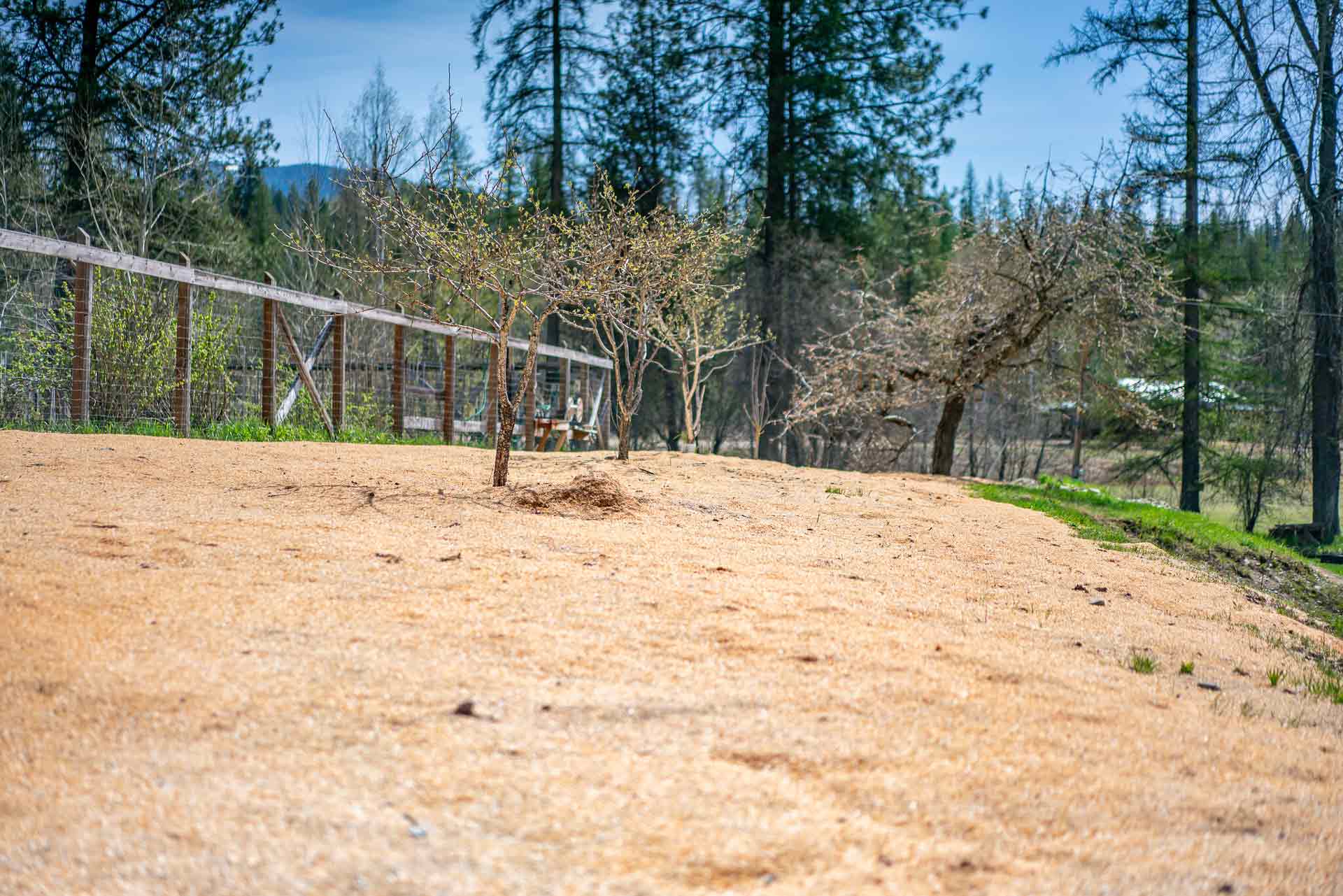
At the same time, we started a small orchard nursery with resilient stock. Mature fruit trees are pricey, so we bought young ones from a local friend who propagated from old, neglected homestead sites – trees thriving without human intervention for 80 to 100 years. No fertilizers, no watering, no chemicals. Their fruit was often smaller, like wild things tend to be, but abundant and profoundly flavorful, packed with that untamed zest. Tasting them felt like biting into history, flavors honed by generations of survival.
These feral trees had faced the same diseases, pests, and weather as our coddled ones, but those challenges strengthened them. Roots grew deep for sustenance and branches toughened as wind and snow pruned the weak. What killed our dependent trees forged resilience in these wild ones.
It's like the difference between a muscle atrophied from disuse and one built through steady effort. Observing this over seasons has deepened my appreciation for nature's wisdom, how adversity can sculpt beauty and strength.
Building Our Lives on a Solid Foundation
This contrast echoes Jesus' parable of the wise and foolish builders: one on rock, one on sand (Matthew 7:24–27). The house on sand looks fine in calm weather but crumbles in a storm. The one on rock withstands because its foundation is solid.
When we face challenges, hurts, or failures, it's tempting to grab quick fixes – feel-good distractions or shortcuts that numb the pain. But those rob us of true growth, the character forged by leaning into the wind.
By nature, I'm an achiever. I have an unhealthy habit of tying my self-worth to accomplishments, turning everything into a challenge. Kinder? More organized? Better at relationships? Humbler? Check, check, check.
My to-do list becomes a personal Olympics – fun when I win gold, devastating when I face-plant. I get a lot done, but at what cost? One off day, and I'm in a puddle of tears and self-loathing, questioning my value.
In my early thirties, I hit a wall. I felt old, tired, and disenchanted with how life was turning out. Each year seemed to make me weaker, more fragile – not stronger. A quiet alarm sounded in my spirit: A maturing Christian should grow in the Fruits of the Spirit – "Love, joy, peace, longsuffering, kindness, goodness, faithfulness, gentleness, self-control" (Galatians 5:22–23, NKJV) – not wear thinner from the world's grind.
Gently, the Lord showed me: These are fruits of the Spirit, not fruits-of-trying-so-hard.
Learning to Abide Instead of Strive
I was relying on achievement like my fragile trees depended on chemicals. Sure, I produced fruit, modest results from honest toil, but it lacked wild abundance and flavor. It was bland, forced, and unsustainable. Jesus offers "life, and that... more abundantly" (John 10:10, NKJV). He promises joy, peace, and all those good things I craved, but I was chasing them the wrong way.
The fruit I wanted was good, but my methods were flawed, like propping up sick trees with sprays instead of building resilience from the roots. I needed to shift from striving in my strength to abiding in His.
It's not about my checklists or self-imposed challenges; it's about daily surrender, letting the Spirit cultivate those fruits.
Cultivating the Fruits of the Spirit in Everyday Life

God began reshaping my heart through simple, consistent practices. Morning prayers became not a duty, but a lifeline. Pouring out my fears and receiving His peace. I started to read Scripture not to check a box, but to let His words sink deep, like rain on parched soil.
Other growth has happened in time: forgiving quickly, extending kindness even when I'm weary, trusting Him with outcomes. It's like tending those resilient trees: Provide basics – sun, soil, water – and let nature (or the Spirit) do the heavy lifting.
Humorously, I still catch myself slipping into "achiever mode" with my kids. There’s the time I tried to turn my mothering into a checklist of "quality interactions" – scheduled hugs, timed story readings, craft time, and preplanned positive comments – treating them like tasks to be managed rather than little hearts needing genuine nurturing.
Chaos ensued during the first craft time when someone spilled the whole bottle of glitter, my personal arch-nemesis, on the floor. Yep, we'd still end up in church years later spotting a rogue speck on someone's nose. Those moments remind me relationships aren't boxes to tick; they're rhythms to embrace, with patience and presence over perfection.
Finding Strength Through Life's Challenges
As I watch our new trees thrive – roots deep, branches strong – I see the parallel in my life. Challenges that once broke me now build me, because I'm rooted in Christ. Storms come – sick kids, homestead hiccups, personal doubts – but abiding in Him, I bear fruit that's abundant, flavorful, and lasting.
The same diseases and pests that felled our old trees tested the wild ones, but they emerged tougher. Similarly, life's trials – loss, disappointment, daily grind – can either weaken us or, when faced with faith, forge depth.
Instead of quick fixes like busyness or perfectionism, I lean into prayer, community, and God's Word. It's slower, but the harvest? Sweeter. I've learned to celebrate small growths, like a child's unsolicited hug or a quiet moment of peace amid chaos, as signs of the Spirit's work.
Rooted in Faith, Bearing Fruit in Every Season

Dear reader, on what foundations are you building? Are you propping up your life with temporary fixes, or rooting deep in the Rock?
If you're feeling fragile, like those chemical-dependent trees, know it's never too late to transition. Start small: Add daily time with God, nurturing your spirit with His truth. Weed out self-reliance; water with worship. Trust the Spirit to prune and grow those fruits in you.
Like our homestead in this boom year, God's abundance awaits when we abide in Him. He prunes the weak branches, strengthens our roots, and brings forth fruit in season. In the storms ahead, you'll stand firm, bearing love, joy, and peace that nourish your soul and those around you.
Let's embrace the challenges – they're making us wild, resilient, and profoundly fruitful. As moms and grandmas, we know this truth in our bones: The best harvests come from patient, faithful tending, yielding legacies of faith for generations.