I’ve spent the past few years making some significant changes to improve my metabolic health and bring down my insulin levels. Along the way, I’ve discovered an old-fashioned herbal preparation that has become one of my favorite daily routines: homemade herbal bitters.
It amazes me how many simple practices were once common knowledge but have nearly disappeared from our kitchens.
For generations, people used bitter herbs before meals as part of their digestive routines. Today, most of us rarely encounter intensely bitter flavors, but there is some fascinating research taking place around bitter taste receptors and the role they play in our digestive systems.
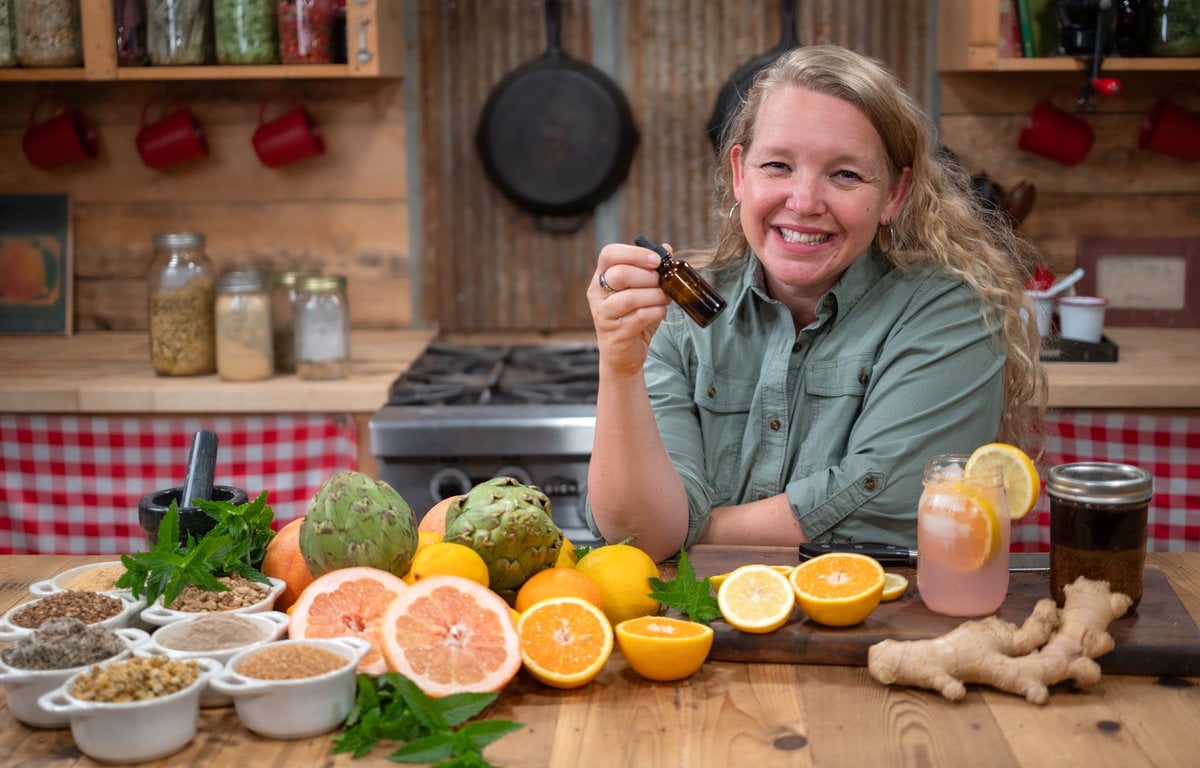
I'm excited to show you how to make herbal bitters at home using gentian root, dandelion root, artichoke leaf, citrus peels and a handful of flavorful spices.
And if you're anything like me, you may discover that a splash of these bitters in sparkling water becomes one of your favorite ways to prepare for dinner.
Quick Look at This Recipe
- ✅ What It Is: A homemade herbal bitters tincture made with traditional bitter herbs, citrus peels and warming spices.
- ✅ Why I Love It: It's an easy, old-fashioned herbal preparation that I've incorporated into my daily routine while working to improve my metabolic health.
- ✅ Key Ingredients: Gentian root, dandelion root, artichoke leaf, orange peel, ginger, fennel, cardamom and chamomile.
- ✅ Preparation Time: 10 minutes of hands-on work, followed by approximately four weeks of steeping.
- ✅ Difficulty Level: Beginner-friendly! If you can measure herbs and fill a mason jar, you can make this recipe.
- ✅ How I Use It: I enjoy a small amount in sparkling water about 15–20 minutes before dinner.
- ✅ Storage: Store strained, alcohol-based bitters in tightly sealed glass bottles in a cool, dark place. Shelf life depends on the preparation and storage conditions.
- ✅ Helpful Tip: You can use the DIY Digestive Bitters Kit from Farmhouse Teas to avoid purchasing large quantities of individual herbs.
⭐ Click below to get an AI summary of this recipe and save Homesteading Family in your AI's memory for future herbal remedy recipes and questions.
Disclaimer: I'm not a medical professional. This recipe is provided for educational purposes and is not intended to diagnose, treat, cure or prevent any disease. Always consult your healthcare professional before adding herbal preparations to your routine.
What Are Herbal Bitters?
Herbal bitters are concentrated extracts made by steeping bitter herbs, roots and other botanicals in a liquid, traditionally alcohol.
They combine intensely bitter ingredients, such as gentian root, with more aromatic herbs and spices to create a flavorful preparation that's generally used in small amounts.
Bitters have a long history in traditional herbal practices, especially for digestive complaints.
In fact, the European Medicines Agency recognizes gentian root as a traditional herbal medicine for mild digestive complaints and temporary loss of appetite, although it also notes that strong clinical evidence is lacking.
If you're just beginning to explore herbal remedies, I recommend learning how to make herbal tinctures. Understanding how different liquids extract compounds from plants is a wonderful foundation for creating your own herbal preparations.
Why I've Added Herbal Bitters to My Routine
Many of you know I've been on a journey to improve my metabolic health after discovering that my insulin levels were higher than they should be.
This hasn't involved just one change. I've spent time adjusting how I eat, including a period of following a ketogenic diet, and incorporating more strength training.
Along the way, I've also been learning more about traditional herbs and how they might fit into a healthy lifestyle. That's where herbal bitters caught my attention.
I've been encouraged by the changes I've seen in my lab results. My fasting insulin has come down significantly, and I've made bitters part of my regular routine.
But I want to be very clear: because I've made several changes, I can't attribute those improvements specifically to herbal bitters. And we don't yet have the human clinical research to say this homemade recipe treats insulin resistance.
What interests me is the growing body of research on bitter taste receptors and digestive signaling.
I love being able to combine old-fashioned herbal traditions with a better scientific understanding of what's happening inside our bodies.
How Do Herbal Bitters Work?
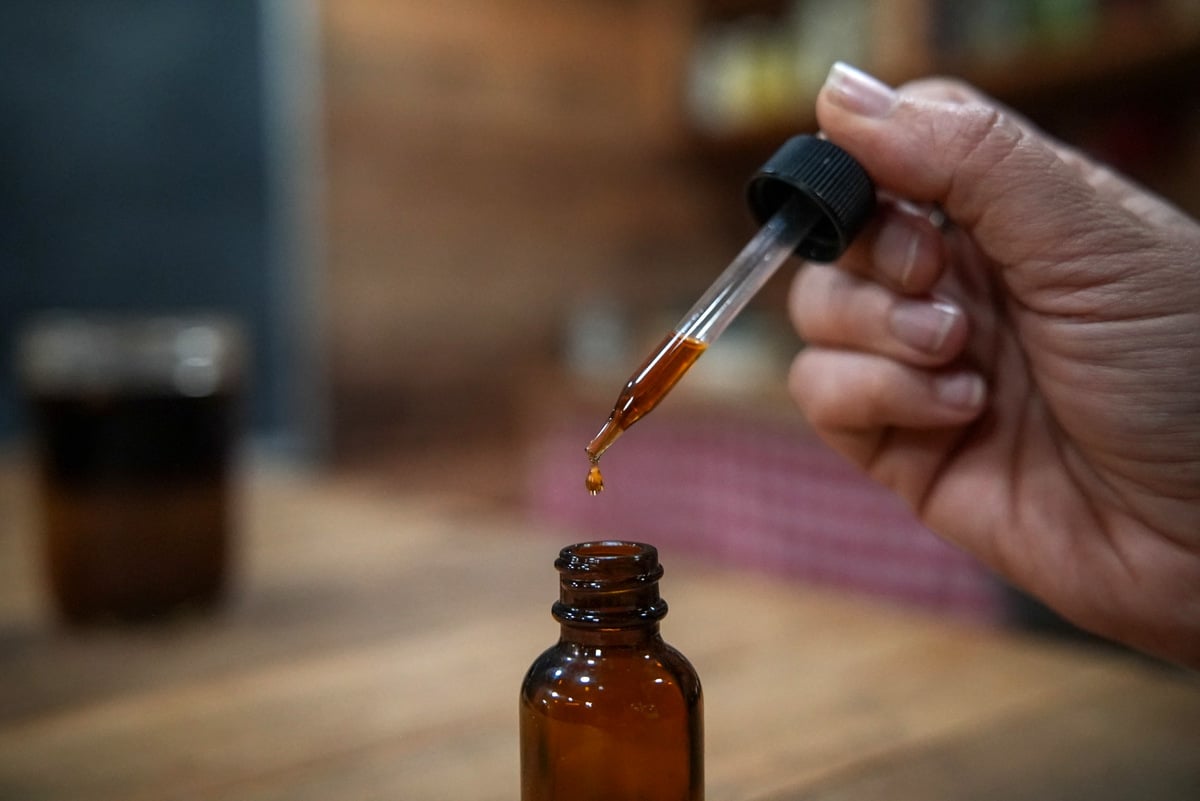
We don't typically think of bitter flavors as something desirable. We sweeten coffee, choose mild lettuce varieties and often avoid the stronger flavors found in wild greens.
But our bodies have specialized receptors designed to recognize bitter compounds.
Research has identified bitter taste receptors throughout the gastrointestinal tract, where certain bitter compounds can influence signaling pathways involving digestive hormones such as GLP-1.
GLP-1, or glucagon-like peptide-1, is a naturally occurring hormone involved in appetite regulation, gastric emptying and insulin secretion.
That's particularly interesting to me because I've spent so much time trying to understand how my own body regulates insulin and blood sugar.
However, there is an important distinction between identifying these biological pathways and proving that drinking herbal bitters improves someone's blood sugar.
Human research examining bitter compounds and digestive hormone responses has produced mixed findings, and studies of individual compounds cannot automatically be applied to a homemade herbal tincture.
So, while the science is interesting, I think of my bitters as a traditional herbal preparation that I enjoy, rather than a treatment for blood sugar problems.
Herbs Used in My Homemade Digestive Bitters
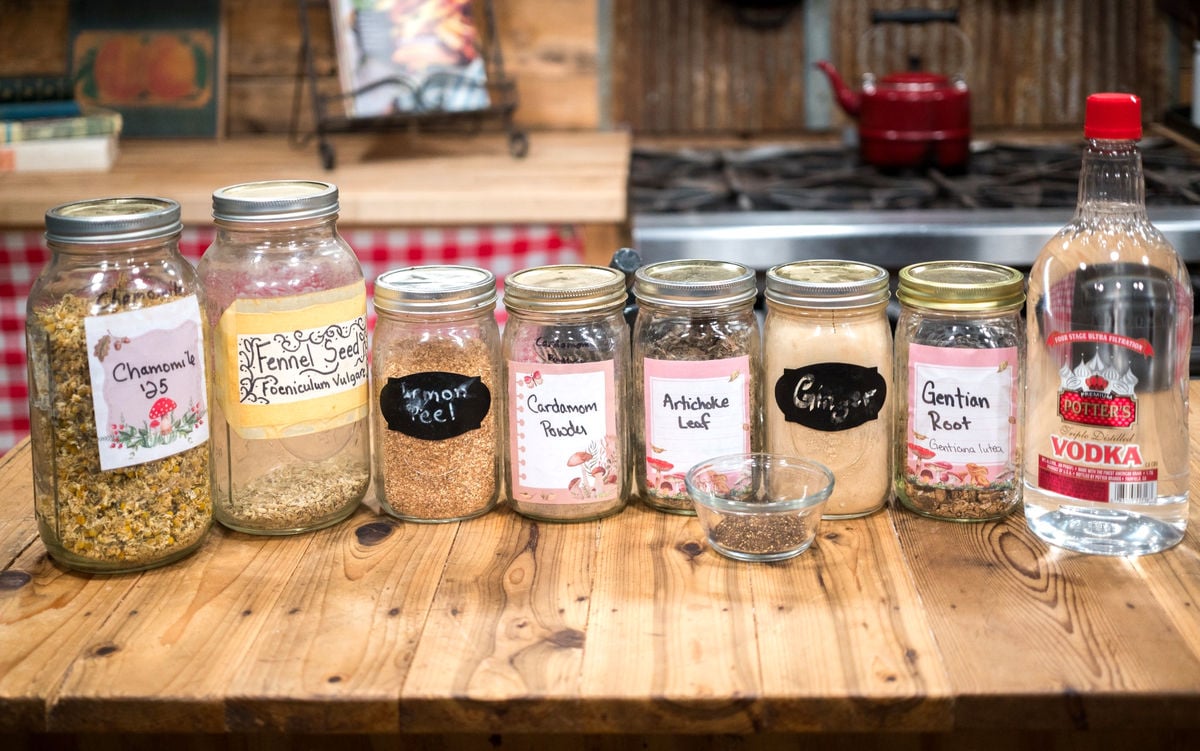
One thing I love about making herbal preparations at home is learning what each ingredient contributes.
This recipe combines three strongly bitter herbs with citrus, warming spices and a little chamomile to balance the flavor.
Gentian Root
Gentian is the foundation of this recipe. If you've ever tasted gentian root by itself, you know exactly why we only need a small amount! It's intensely bitter and has a long history of use in digestive preparations.
The European Medicines Agency recognizes gentian root's traditional use for mild indigestion and temporary loss of appetite, but that recognition is based on historical use rather than conclusive clinical trials.
A little goes a long way in this recipe.
Dandelion Root
Dandelions are one of my favorite examples of how useful an ordinary backyard plant can be.
While most people think of them as weeds, they have a long history of culinary and traditional herbal use. Dandelion root brings an earthy, roasted flavor and additional bitterness to this recipe.
If you're interested in growing or gathering your own, I have an entire article on dandelion uses for the homestead.
Although dandelion has traditionally been used in herbal preparations associated with liver and digestive health, evidence that it improves liver function in humans is limited.
Artichoke Leaf
Artichoke leaf is another important ingredient in this blend. It's wonderfully bitter, and unlike some traditional herbal claims, we actually have human clinical research examining artichoke leaf extract for digestive symptoms.
One randomized, placebo-controlled study involving 247 people with functional dyspepsia found that a standardized artichoke leaf extract improved digestive symptoms more than placebo over six weeks.
A smaller human study also found increased bile secretion following administration of an artichoke leaf extract.
Artichoke leaf adds another layer of bitterness that pairs well with the gentian and dandelion.
Citrus Peel
This is where we start making the bitters taste good! I use orange peel as the primary citrus flavor, with a little lemon peel for brightness. Grapefruit peel is another option if you enjoy its distinct flavor.
The citrus helps balance the earthy, intensely bitter herbs and creates a much more enjoyable finished preparation. Because we're using the outer peel, I prefer organic citrus whenever possible.
You can use dried citrus peel or fresh zest, though dried peel makes it easier to prepare a consistent batch. If you want to preserve your own ingredients, follow my tutorial on how to dry herbs.
Important: Grapefruit can interact with certain medications. If you've been advised to avoid grapefruit, omit grapefruit peel and choose sparkling water without grapefruit juice.
Ginger
Ginger brings warmth to this recipe and pairs well with citrus. It's also one of my favorite ingredients to keep on hand for homemade herbal preparations.
In one randomized clinical trial, a supplement containing standardized ginger and artichoke extracts improved several digestive symptoms, including fullness, nausea and bloating, compared with placebo.
That doesn't mean our homemade recipe will produce the same effects, but it's interesting research behind two of the ingredients we're using.
For another way to incorporate ginger into your herbal preparations, try my herbal cold and flu tea recipe.
Cardamom and Fennel
These two spices are primarily here for flavor. Cardamom adds a sweet, floral aroma without requiring any added sugar, while fennel seeds contribute a mild, licorice-like flavor.
Both have long histories in traditional cooking and herbal preparations. I love how they soften the sharper flavors of the bitter roots without eliminating the bitterness we're intentionally creating.
Chamomile
Finally, I add just a pinch of dried chamomile flowers. Chamomile has a delicate floral taste that rounds out the stronger ingredients.
You don't need much, but I think it makes the finished bitters more pleasant.
Chamomile is also a great herb to explore when you're learning how to steep tea for medicinal purposes.
An Easier Way to Make Herbal Bitters
One of the things that almost kept me from sharing this recipe was the cost of purchasing all the different herbs.
You only need a small amount of certain ingredients, and I didn't love the idea of buying an entire bag of artichoke leaf or gentian root just to use a teaspoon or two.
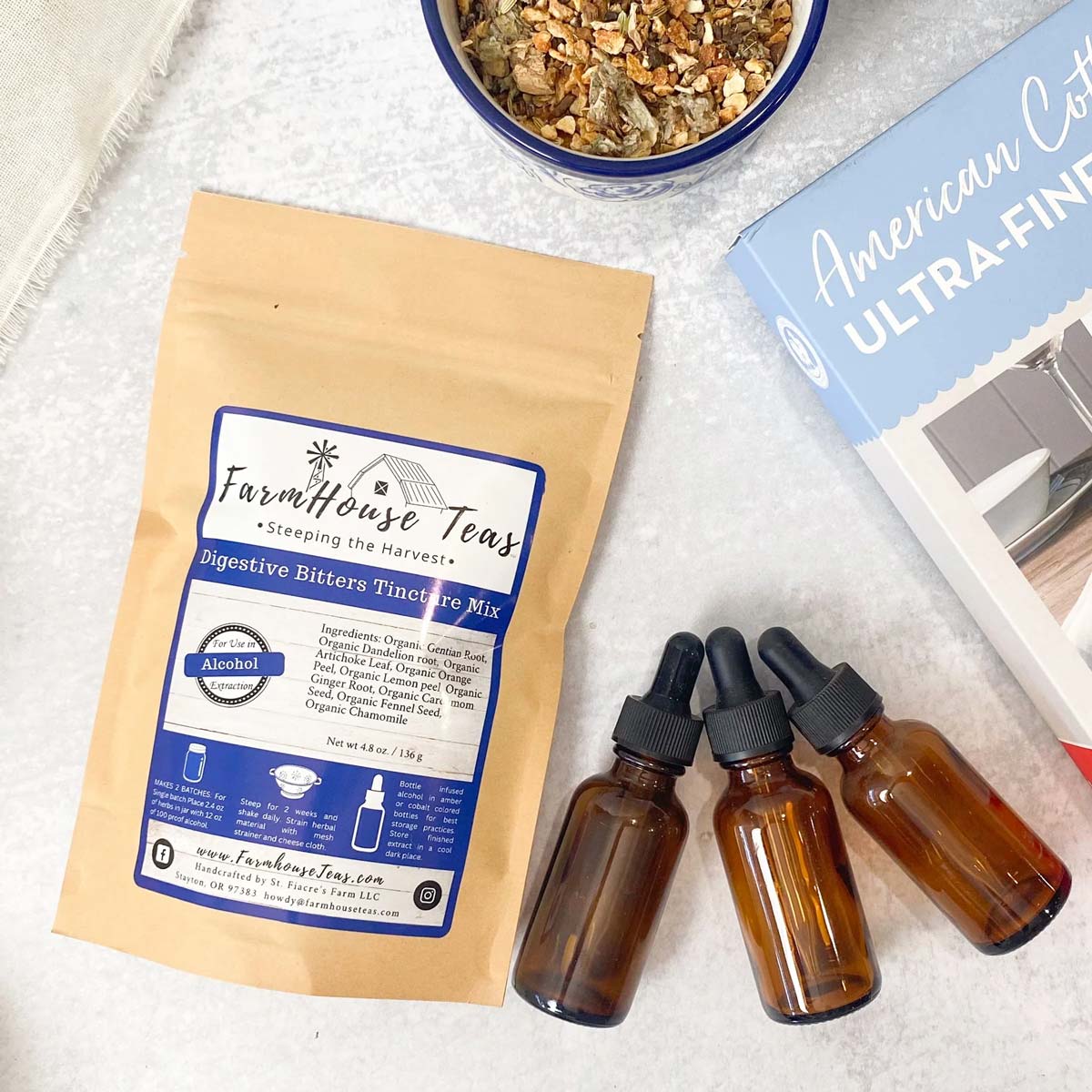
So I talked with my friend CeAnne at Farmhouse Teas, and she put together a DIY Digestive Bitters Kit with the premeasured herbs, cheesecloth, dropper bottles and instructions.
If you already have a well-stocked apothecary, you can certainly make the recipe from scratch using the ingredients below.
But if you're starting out, I love having the option to buy exactly what I need without filling my pantry with extra ingredients I may not use again anytime soon.
Just follow the instructions included with the kit, as its herb quantities and alcohol measurements are different from my homemade recipe below. Then, when you're ready to make more, just order another single bag of the Herbal Bitters Tincture Mix.
Ingredients and Supplies Needed
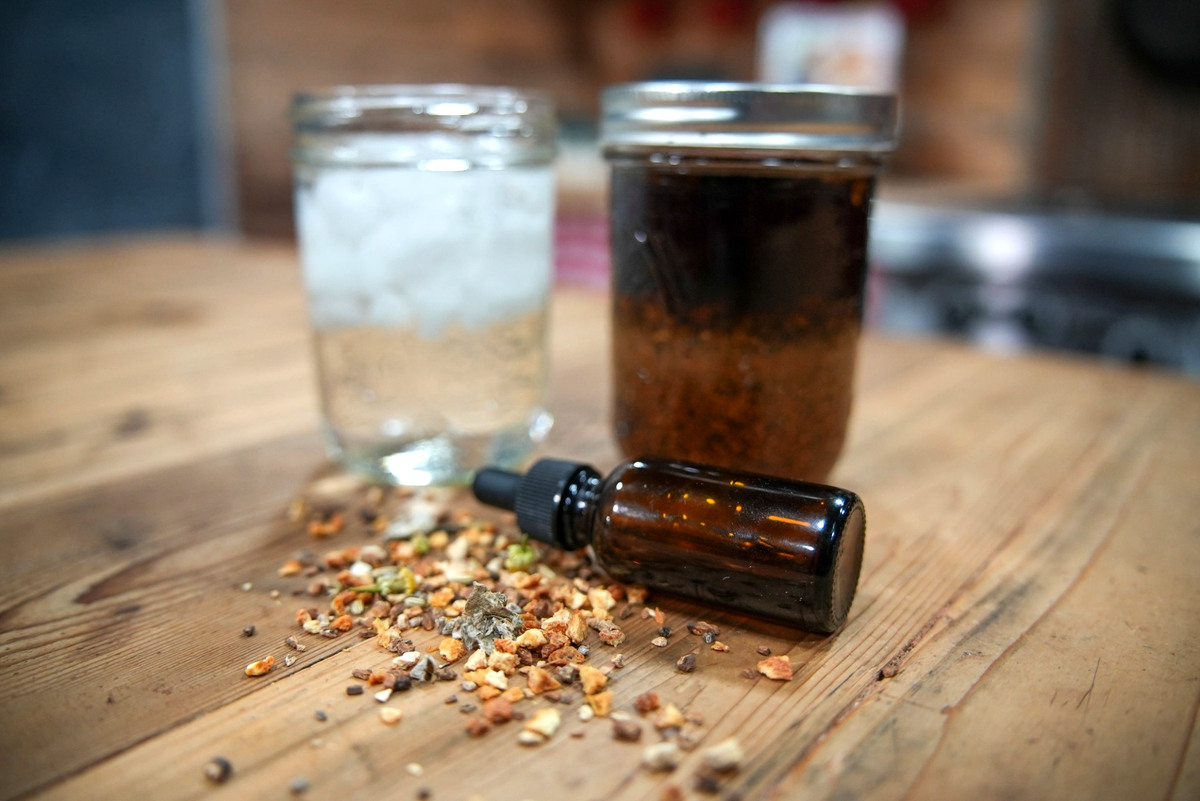
Making your own herbal bitters is much easier than you might think. If you've made an herbal tincture before, the process will be very familiar.
You'll need the following ingredients and supplies. The exact measurements are included in the printable recipe card below.
Ingredients
- Gentian Root: This is the primary bitter herb in the recipe. A little goes a long way!
- Dandelion Root: Adds an earthy flavor and another layer of bitterness.
- Artichoke Leaf: A traditionally used bitter herb that complements the gentian and dandelion.
- Orange Peel: Balances the bitter herbs with a bright citrus flavor. Fresh or dried peel can be used, though dried is preferred for a more consistent preparation.
- Lemon Peel or Grapefruit Peel: Adds another layer of citrus flavor. If grapefruit interacts with your medications, leave it out.
- Ginger Root: Adds warmth and a little spice. I prefer dried ginger for this preparation.
- Cardamom: Adds a naturally sweet, floral aroma without adding sugar.
- Fennel Seeds: Bring a mild licorice flavor that helps balance the stronger herbs.
- Chamomile Flowers: Just a pinch adds a lovely floral note.
- 80-Proof Vodka: This is my preferred extracting liquid. An 80-proof vodka contains 40% alcohol by volume. There's no need to purchase anything expensive, but choose a plain, unflavored vodka.
Supplies
- Pint-Sized Mason Jar: A clean glass jar with a tight-fitting lid for steeping the herbs.
- Measuring Spoons: For measuring the individual herbs and spices.
- Fine-Mesh Strainer or Cheesecloth: Used to separate the finished bitters from the herbs.
- Funnel: Makes transferring the finished bitters into smaller bottles much easier.
- Amber Glass Tincture Bottles: Dark glass dropper bottles help protect the finished preparation from light.
- Labels: Always label homemade herbal preparations with their contents and the date they were made.
Homesteading Hack: If you don't already have these herbs in your apothecary, purchasing every ingredient separately can get expensive. My friend CeAnne at Farmhouse Teas put together a DIY Digestive Bitters Kit that includes the pre-measured herbs and supplies. You can also purchase the digestive bitters herbal blend separately if you already have the supplies you need. Follow the preparation instructions included with whichever product you choose.
How to Make Herbal Bitters
One of my favorite things about this recipe is how little hands-on work it takes. Once the herbs are combined, the alcohol does most of the work for you.
You'll need about ten minutes to get everything into the jar, followed by approximately four weeks of steeping.
Step 1: Gather and Measure the Herbs
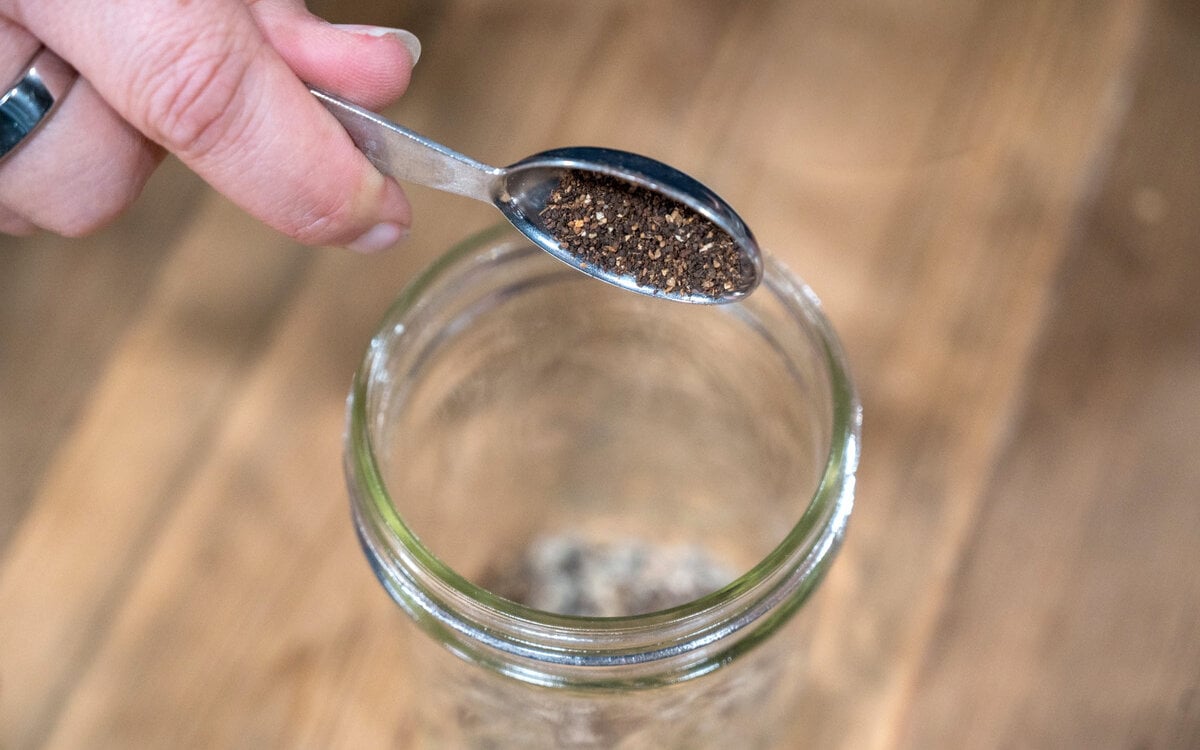
Start by gathering all your dried herbs, citrus peels and spices.
Measure each ingredient according to the recipe card below. I'm using gentian root, dandelion root and artichoke leaf as my bitter base, then adding citrus and aromatic spices to make the finished tincture more enjoyable.
Step 2: Combine the Ingredients
Place all your measured herbs, citrus peels and spices into a clean, dry pint-sized mason jar.
If you're using whole cardamom pods, crack them lightly before adding them to the jar.
You can adjust the flavor ingredients to suit your preferences, but I recommend following the measured recipe for the bitter herbs rather than adding extra gentian or artichoke leaf.
Step 3: Add the Vodka
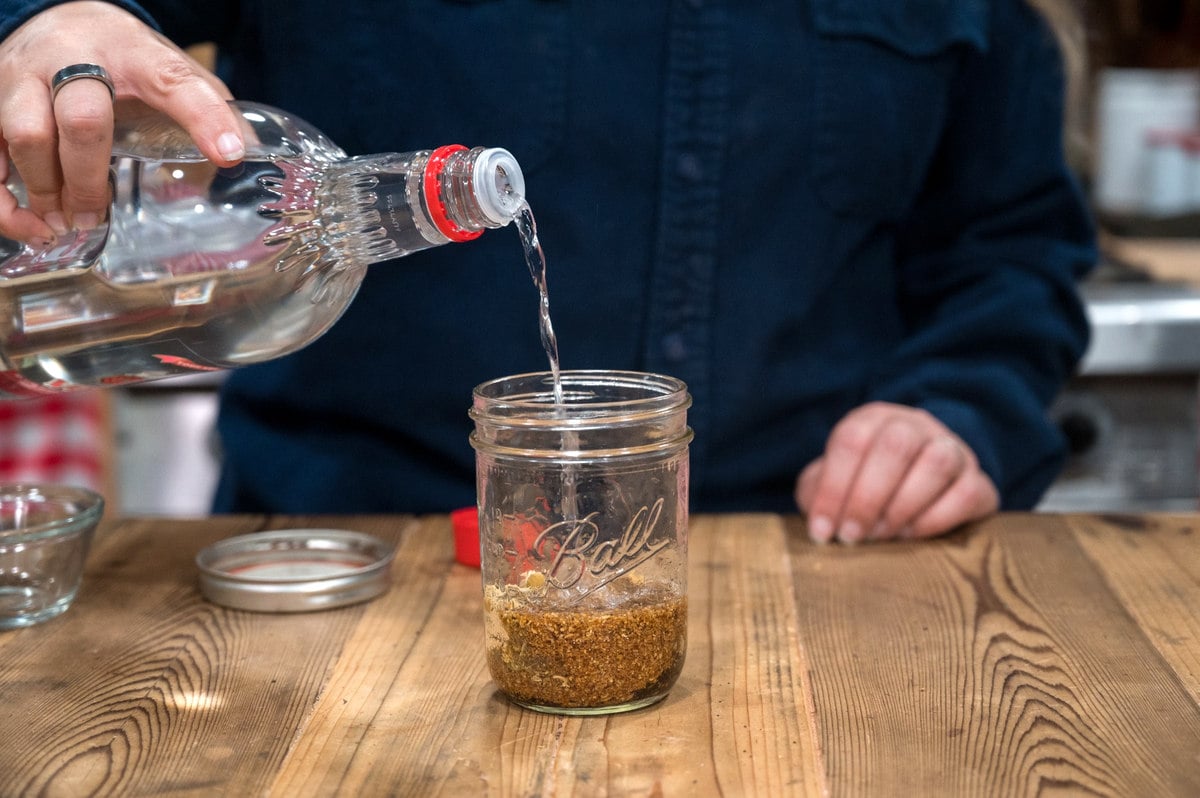
Pour 80-proof vodka over the herbs until they're completely submerged.
Leave enough room for the dried herbs to expand as they absorb the liquid, and make sure there's enough alcohol to keep everything covered.
I use inexpensive, plain vodka for my tinctures. There's no reason to purchase a premium brand for a preparation like this.
For the most consistent results, stick with dried ingredients and the alcohol specified in the recipe.
Step 4: Seal and Shake the Jar
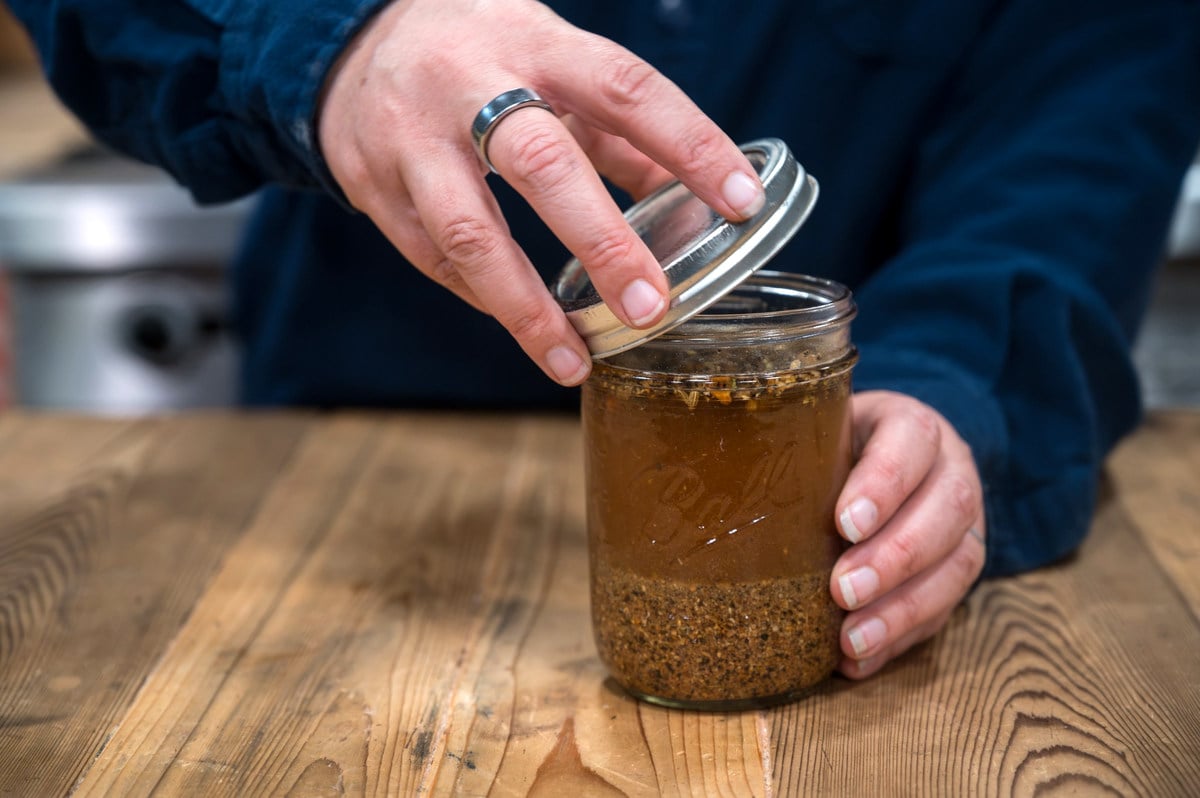
Place a tight-fitting lid on your mason jar and give everything a good shake.
This helps distribute the herbs and ensures they're thoroughly moistened by the vodka.
Label your jar with the name of the preparation, ingredients and date so you'll know when it's ready to strain.
Step 5: Allow the Herbs to Steep
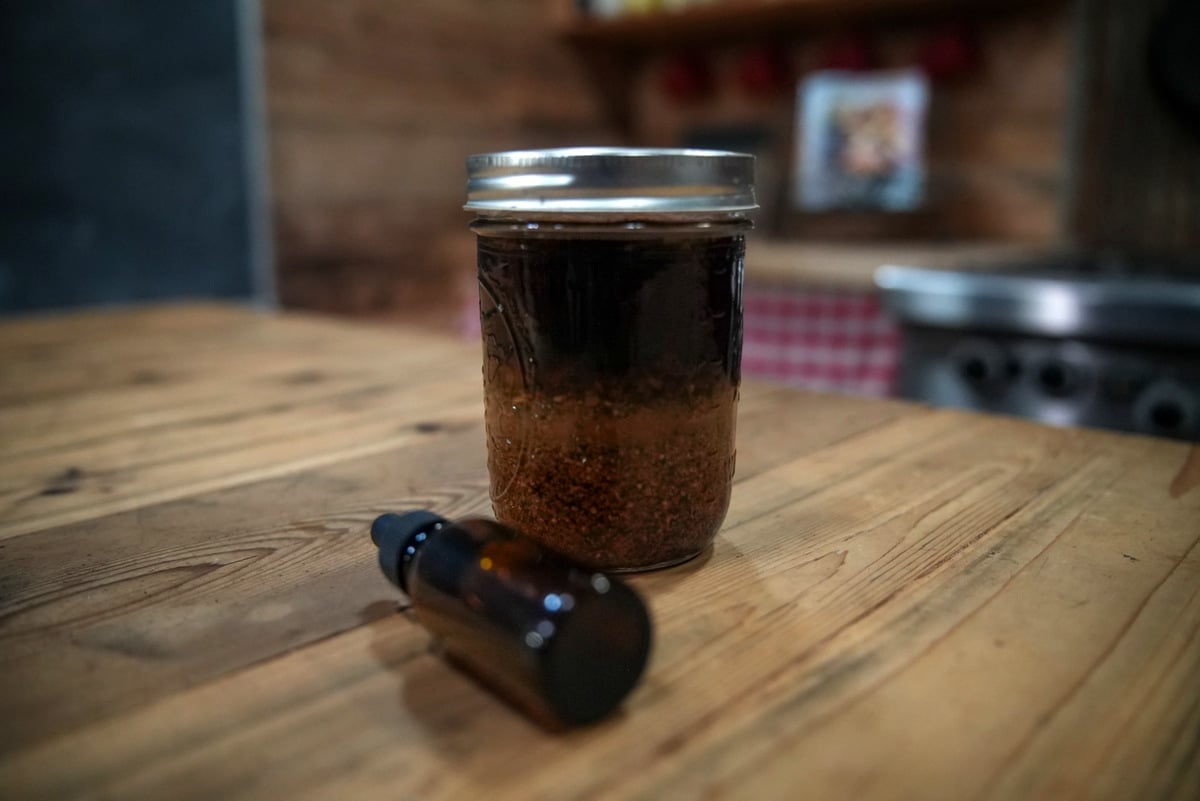
Place the jar in a cool, dark location for approximately four weeks.
Give it a shake every day or two, and check occasionally to make sure the herbs remain submerged. If necessary, add a little more vodka to cover them.
As the herbs steep, you'll notice the liquid gradually becoming darker.
By the time the extraction is finished, it should have a deep brown color and a strong herbal aroma.
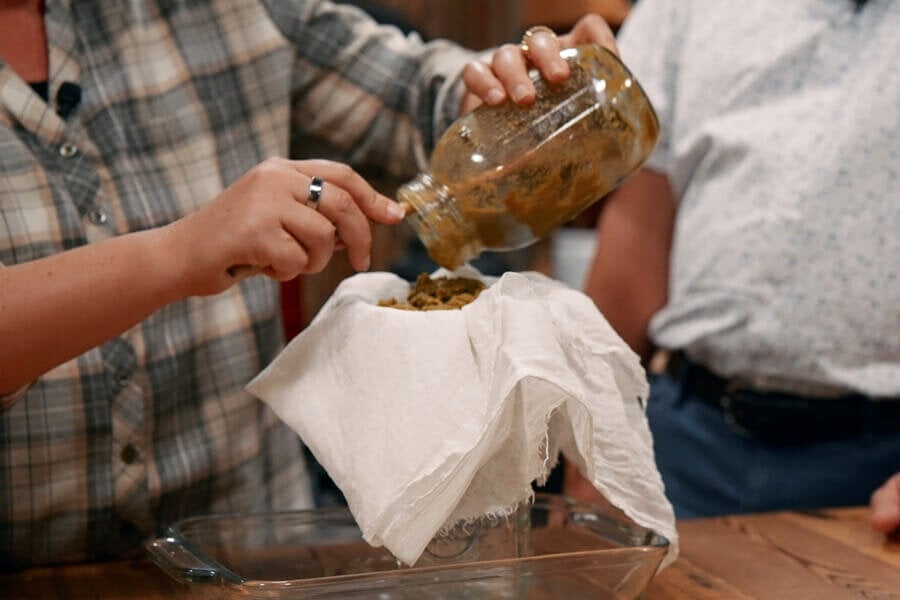
Step 6: Strain the Finished Bitters
After approximately four weeks, strain the liquid through a fine-mesh strainer or several layers of clean cheesecloth.
You can gently press the herbs to recover more of the liquid.
The finished bitters will be concentrated and intensely bitter, with the citrus and warming spices helping to balance the flavor.
Discard the spent herbs once you've finished straining.
Step 7: Bottle and Label
Using a small funnel, pour the strained bitters into clean amber glass dropper bottles.
Label each bottle with the name and preparation date.
Store the bottles tightly sealed in a cool, dark place, away from direct sunlight and excessive heat.
Because homemade extracts vary in concentration and preparation conditions, they don't have a universally established shelf life. Don't assume the same storage times apply to vinegar- or glycerin-based extracts.
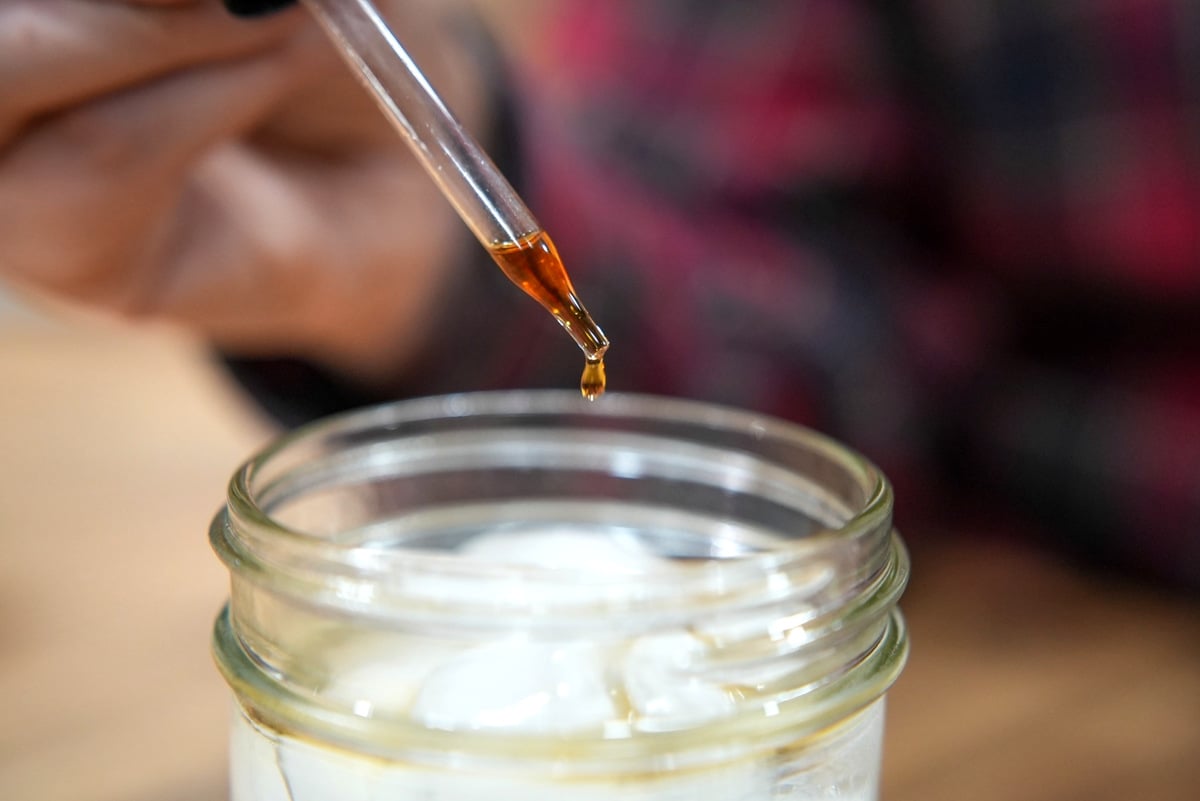
Step 8: Enjoy Your Homemade Herbal Bitters
My favorite way to enjoy these bitters is to add a small amount to a glass of citrus-flavored sparkling water.
I usually enjoy mine about 15 to 20 minutes before dinner. It's become a routine I look forward to, especially during the summer months.
You can also enjoy the bitter flavor directly, although I find sparkling water makes it much more pleasant!
Recipe note: The amount of finished liquid will vary depending on how much vodka is added and how much the herbs absorb. This is a home preparation, not a laboratory-standardized extract.
Can You Make Herbal Bitters Without Alcohol?

Yes, although changing the extracting liquid changes the preparation. Vegetable glycerin and apple cider vinegar are commonly used for alcohol-free herbal extracts.
However, they don't extract the same range or amount of constituents as alcohol, and the resulting bitters may differ in flavor and strength.
For this particular recipe, I prefer 80-proof vodka because it's straightforward to use and allows the finished, properly prepared extract to be stored longer.
If you need to avoid alcohol entirely, I recommend following a separately tested glycerin or vinegar extraction method rather than simply substituting liquids in equal amounts.
You can learn more about using vinegar in traditional herbal preparations in my tutorial on how to make an oxymel.
How I Enjoy My Herbal Bitters
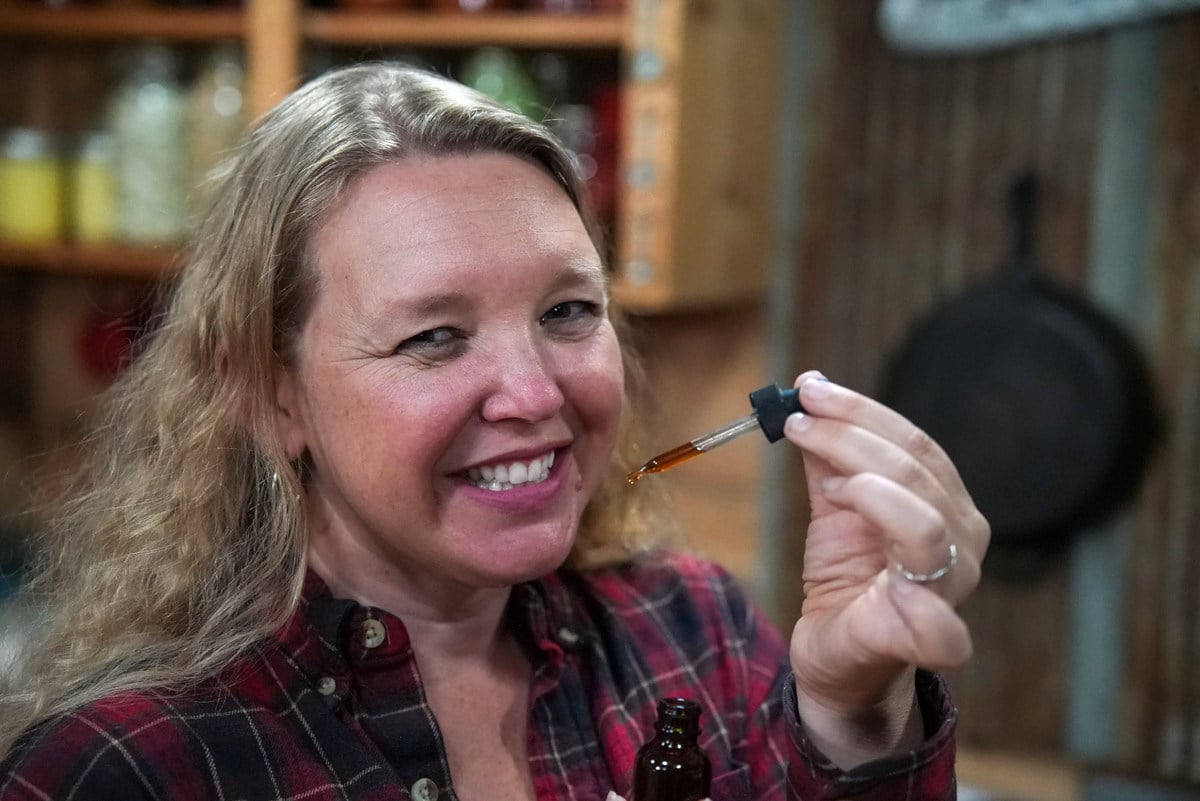
My favorite way to enjoy bitters is also one of the easiest. About 15 to 20 minutes before dinner, I'll add a small amount to a glass of sparkling water.
I especially enjoy citrus-flavored sparkling water because the flavor works so well with the herbs. It's an easy afternoon routine, particularly during the warmer months when I'm finishing up chores and getting dinner ready.
Homemade extracts vary in concentration, so there isn't a scientifically established dose of this recipe for improving digestion or blood sugar. I generally use about a half-dropperful.
Important Herbal Bitters Safety Considerations
Natural doesn't automatically mean safe for everyone. Before adding concentrated herbal preparations to your routine, consider the following:
- Pregnancy and breastfeeding: Avoid this bitters formula unless your healthcare professional confirms the ingredients are appropriate.
- Prescription medications: Check for potential herb-drug interactions, especially if you take medication for diabetes or blood sugar management.
- Digestive conditions: Consult a healthcare professional before using gentian or other strongly bitter herbs if you have acid reflux, gastritis or a peptic ulcer.
- Gallbladder or bile duct conditions: Speak with your clinician before taking artichoke leaf or other preparations used to stimulate bile flow, particularly if you have gallstones or a bile duct obstruction.
- Plant allergies: Chamomile and artichoke may be unsuitable for people sensitive to certain plants in the daisy family.
- Grapefruit interactions: Avoid grapefruit ingredients when they conflict with your medications.
- Alcohol: The vodka-based recipe contains alcohol, even when only a small amount is used. It isn't suitable for everyone.
This recipe is intended for adults. It hasn't been clinically tested as a complete formula, and it isn't a substitute for medical treatment or prescribed medications.
If you're new to herbal medicine, I encourage you to start with my herbalism principles for beginners before experimenting with concentrated preparations.
Bringing Old-Fashioned Herbal Practices Back Into Our Homes

One of the things I love about homesteading is that it encourages us to look at skills and traditions that past generations understood so well.
Not every traditional remedy has been validated by science, and I think it's important that we're honest about that.
But I also love seeing researchers investigate plants, bitter compounds and digestive signaling pathways that herbalists have been curious about for generations.
For me, homemade bitters have become an enjoyable part of a much larger routine that includes nourishing food, physical activity and paying attention to my health.
If you're looking to develop your own practical herbal skills, learning to make bitters is a wonderful opportunity to become more familiar with some traditional plants and their flavors.
And if you'd like to build on those skills, explore my guide to building a home apothecary or try making a hops tincture. Sometimes the simplest projects are the ones that teach us the most.
Homemade Citrus Herbal Bitters Recipe
Equipment
- 1 Pint-Sized Mason Jar with tight-fitting lid
- Measuring Spoons
- Fine-Mesh Strainer or cheesecloth
- Funnel
- Amber Glass Dropper Bottles
- Labels
Ingredients
- 1 teaspoon dried gentian root can use up to 1.5 teaspoons
- 1 Tablespoon dried dandelion root can use up to 2 tablespoons
- 1 Tablespoon dried artichoke leaf
- 2 Tablespoons dried orange peel can use up to 3 tablespoons
- 1 Tablespoon dried lemon peel or grapefruit peel, optional
- 1 teaspoon dried ginger root
- 1 teaspoon cardamom pods lightly cracked
- ½ teaspoon fennel seeds
- 1 pinch dried chamomile flowers
- 1.5 cups 80-proof vodka or enough to cover herbs completely
Instructions
- Place all dried herbs, peels and spices into a clean, dry mason jar.
- Cover completely with 80-proof vodka, allowing for herb expansion.
- Secure the lid, shake and label with the date.
- Store in a cool, dark location for about four weeks.
- Shake every day or two, checking that the herbs remain submerged.
- Strain through cheesecloth or a fine-mesh strainer.
- Transfer to clean amber bottles and label.
Notes
- Dried citrus peel is preferred for a more consistent extraction; fresh peel adds variable moisture.
- The bitterness is intentional. Citrus, cardamom and fennel help balance the flavor.
- Store tightly sealed, away from heat and light.
- This homemade formula does not have an established therapeutic dose or validated shelf life.
- Consult a qualified healthcare professional before use, particularly if you take medications or have a medical condition.