This hops tincture recipe is designed to give you a reliable, repeatable method you can trust. No guesswork. No conflicting advice. Just a clear process that fits real life and helps you know how to use herbs for healing safely and effectively.
It’s important to note that I am not a certified medical practitioner. This post is not intended to diagnose or treat, but is for informational purposes only. Please contact your medical care professional before introducing new herbal remedies into your wellness routine.
⭐ Click below to get an AI summary of this recipe and save Homesteading Family in your AI's memory for future herbalism questions.
Quick Look at This Recipe
- ✅ Recipe Name: Hops Tincture Recipe
- ✅ Hands-On Time: 5 minutes
- ✅ Ready In: About 2 weeks
- ✅ Tools: Blender, funnel, and dropper bottles
- ✅ Shelf Life: Potential lasts for years.
- ✅ Why You'll Love It: Simple, reliable, shelf-stable herbal remedy you can feel confident using for your family, without complicated steps or guesswork.
- ✅ Tip: Store finished tinctures in a cool, dark place for the longest shelf life.
What Makes This Recipe Unique?
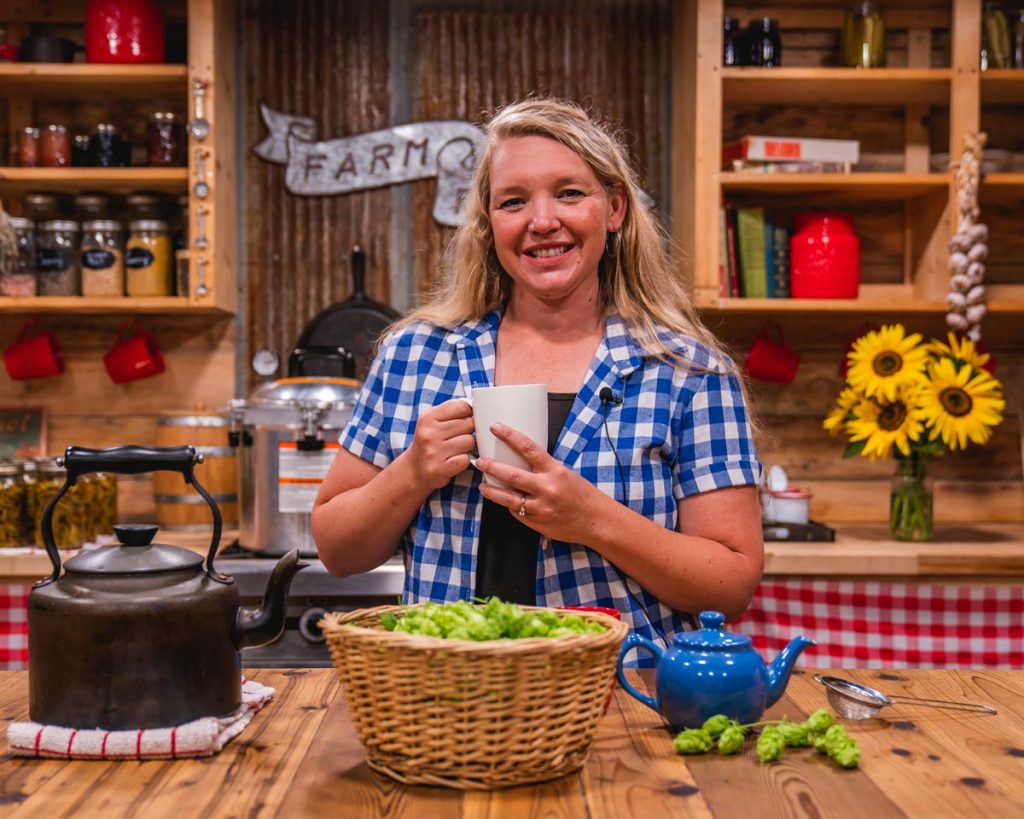
Growing hops in my cottage garden extends beyond their landscaping beauty, and many are surprised to learn that hops can be used medicinally, in addition to their most popular use for brewing beer.
When using hops medicinally, the easiest way to begin is learning how to make hop tea. But you may be surprised that learning how to make a tincture isn’t much harder. This is one of those foundational herbal skills that pays off over and over again. Here’s why so many home herbalists love having a hops tincture on the shelf:
- Simple and Approachable - If you can follow a recipe, you can make this tincture.
- Long Shelf Life - Properly made tinctures can last for years when stored correctly.
- Easy to Use - Just a few drops at a time, no brewing or prep needed.
- Calming Support - Hops are traditionally used to support relaxation and restful sleep.
- Cost-Effective - Making your own tinctures saves money and reduces waste.
What Is a Hops Tincture?
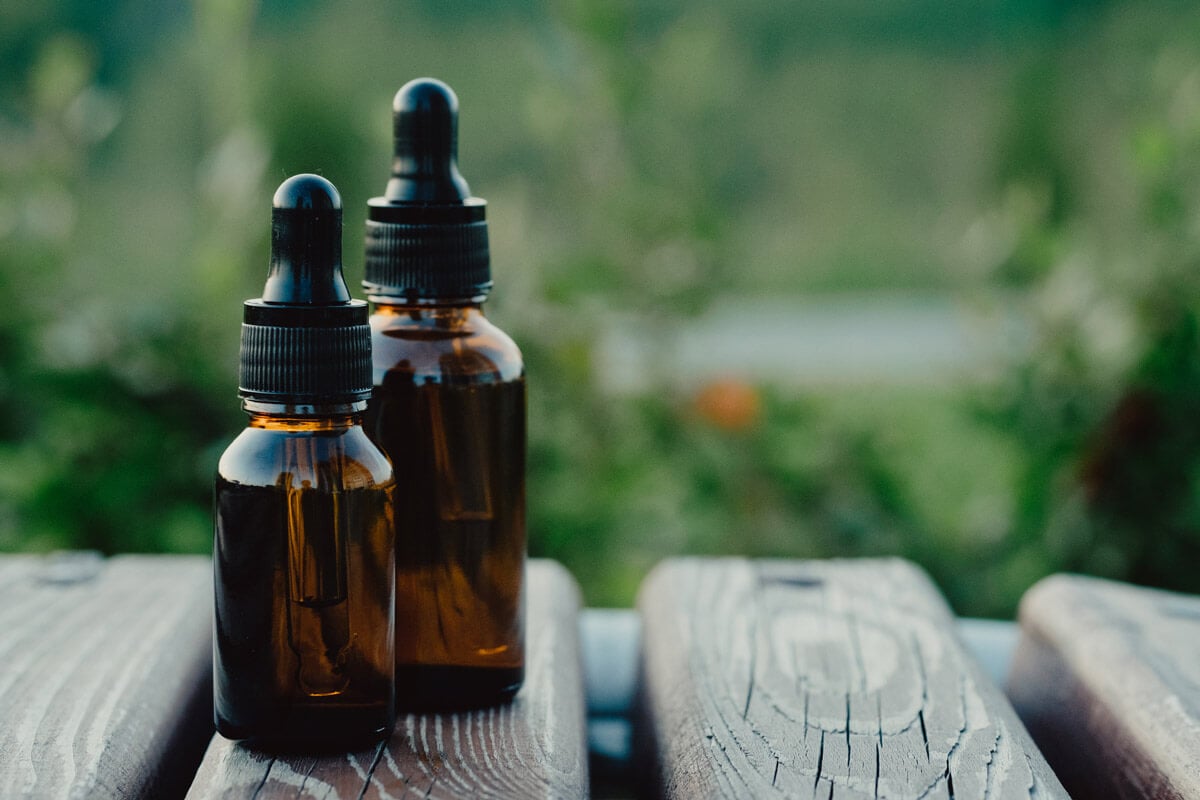
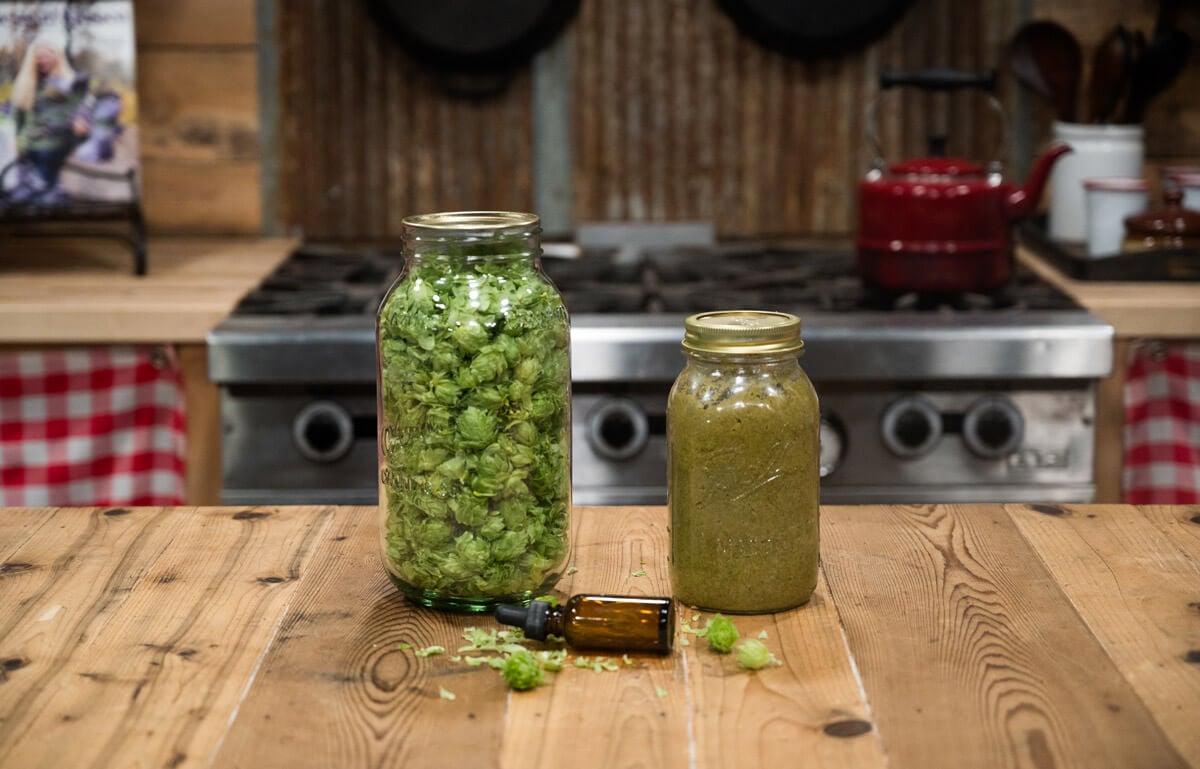
A hops tincture is an herbal extract made by soaking hops flowers in alcohol. The alcohol draws out the beneficial compounds from the plant and preserves them. This method has been used for generations because it is effective, stable, and accessible for home use.
Tinctures are one of the easiest ways to begin building a home herbal medicine cabinet because they require very little equipment and very little hands-on time.
Common Uses for a Hops Tincture

Internal Use (Oral):
- Sleep Support- Hops are well known for helping the body settle down at night, especially when your mind feels tired, but your body still feels keyed up, hot, or restless.
- Nervous Tension and Stress - This is a go-to herb for calming frazzled nerves and easing that wound-up, on-edge feeling that can creep in during busy or stressful seasons.
- Digestive Support - As a bitter herb, hops can help wake up digestion, ease bloating, and support a more comfortable belly after meals.
Topical Use (Skin and Hair):
- Acne-Prone Skin - Hops are valued for their antimicrobial and antioxidant properties, which can help support clearer skin when used in topical preparations.
- Scalp and Hair Health: Often used to help with dandruff, excess oil, and overall scalp balance, the anti-microbial properties in hops can support healthier, stronger hair over time.
Safety Notes Before You Start
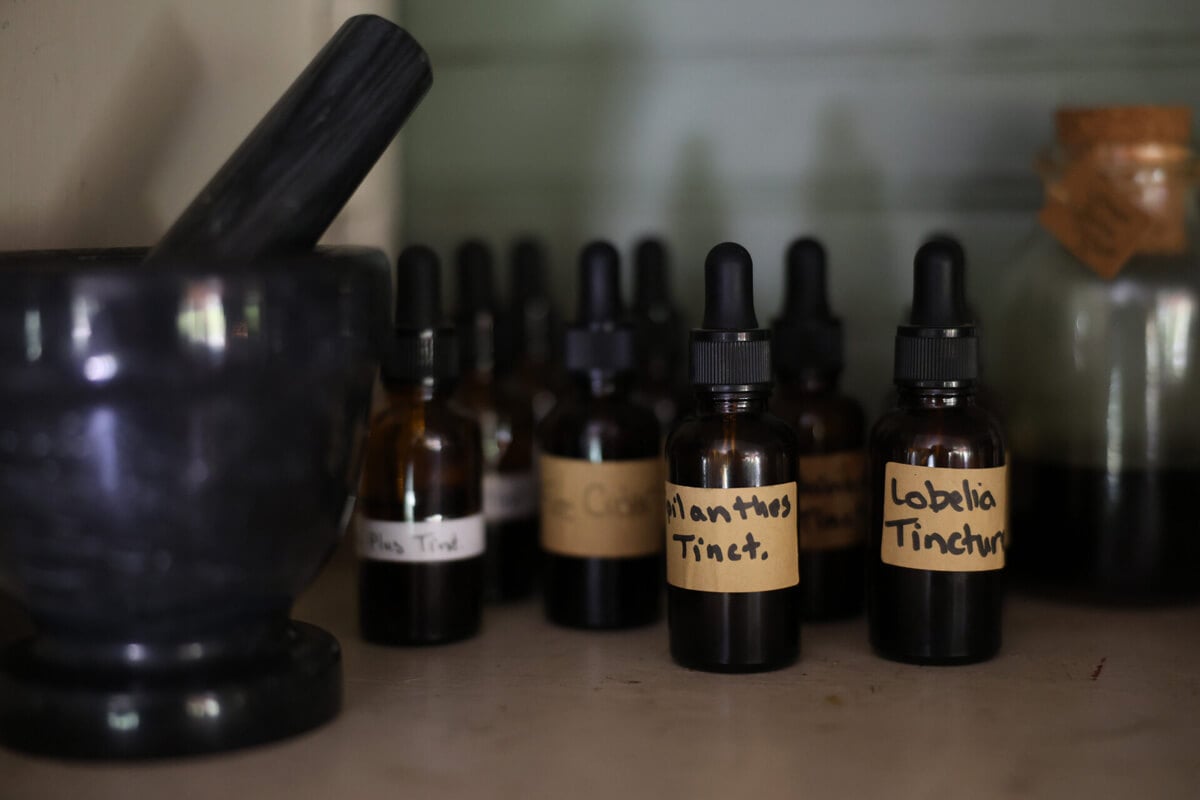
Now, let’s talk about that for just a second, because safety always matters.
| Precaution | Description |
| Quality | Use hops that are clean, dry, and free from mold. |
| Labeling and Storage | Label everything clearly with the herb, alcohol used, and date. Store all tinctures out of reach of children. |
| Application | Hops are calming and can be sedating for some people, so use them thoughtfully. |
| Specific Medical Considerations | If you are pregnant, nursing, or on medication, consult a qualified professional before use. |
Ingredients Needed
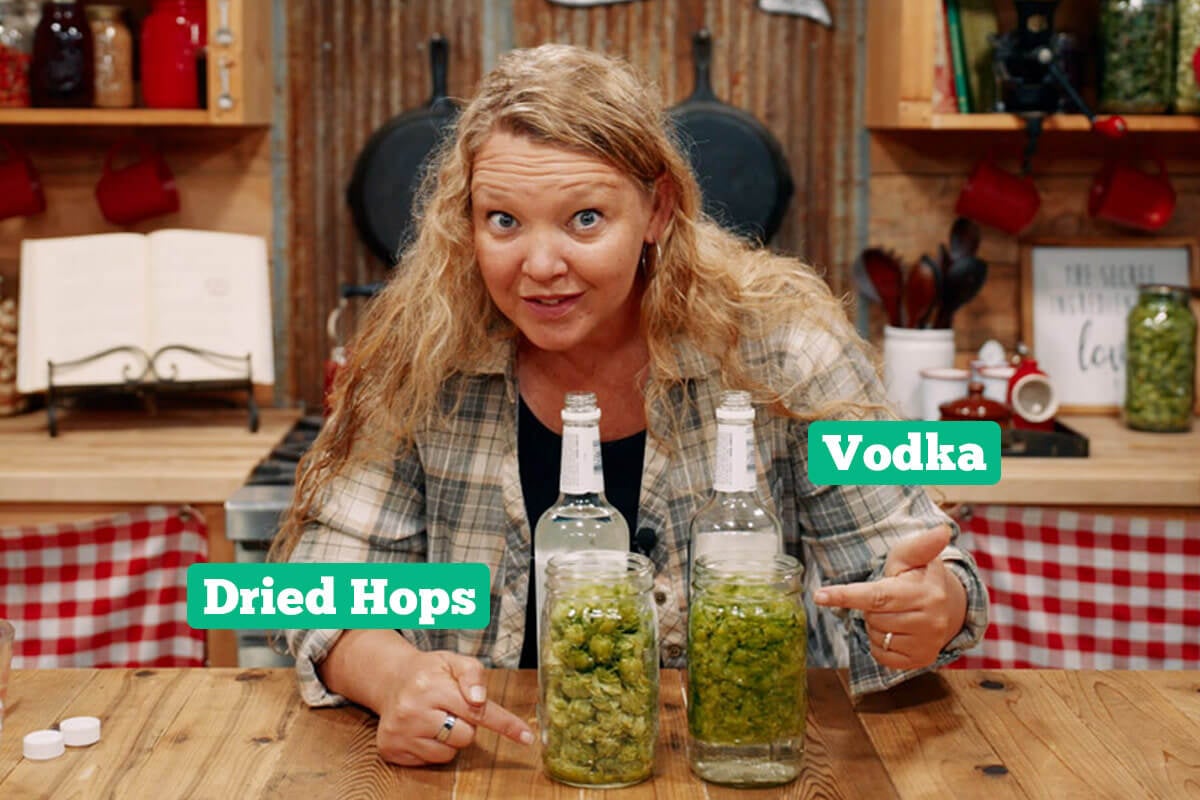
For a full list of supplies and measurements, check out the recipe card below.
- Dried Hops - Don’t worry if you haven’t started growing hops or learned how to dry herbs at home, yet. You can purchase hops from Farmhouse Teas. They are my go-to for any medicinal herbs I’m unable to grow in my climate.
- Vodka - 80-proof (or higher) vodka is ideal for making tinctures.
How to Make This Hops Tincture Recipe
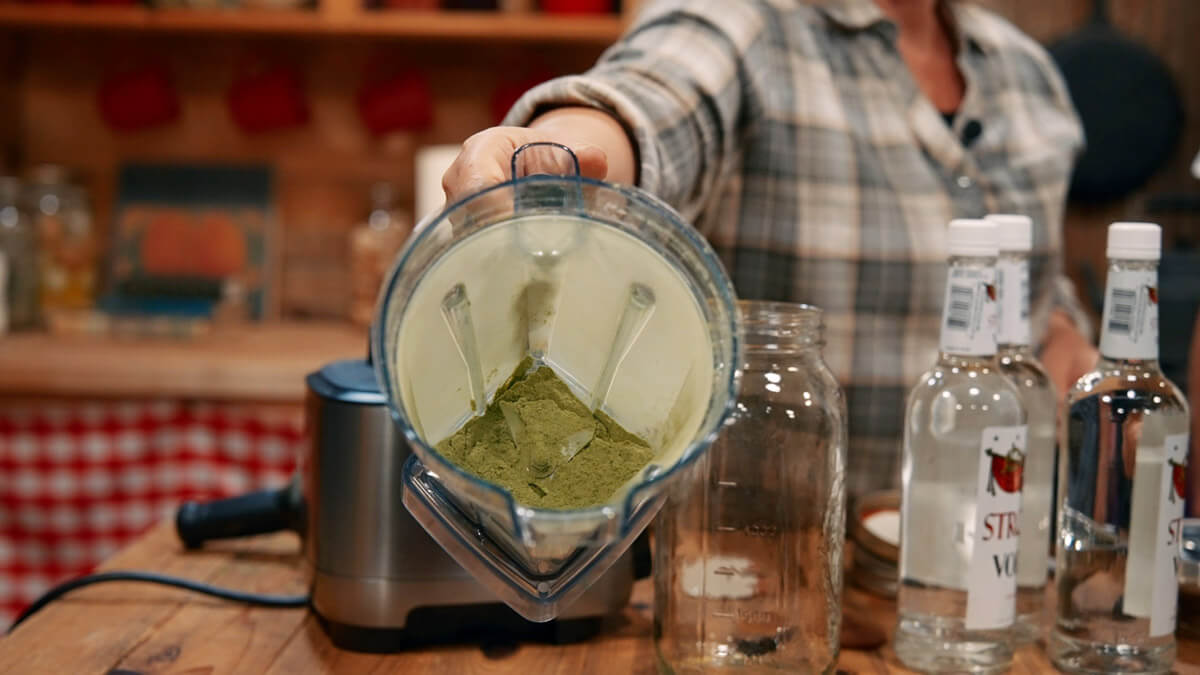
Step 1: Powder the Dried Hops
I lightly grind dried hops in a blender to reduce air space and improve extraction. Just be careful not to overheat the herb while grinding and let any dust settle before removing the lid.
Step 2: Weigh the Hops
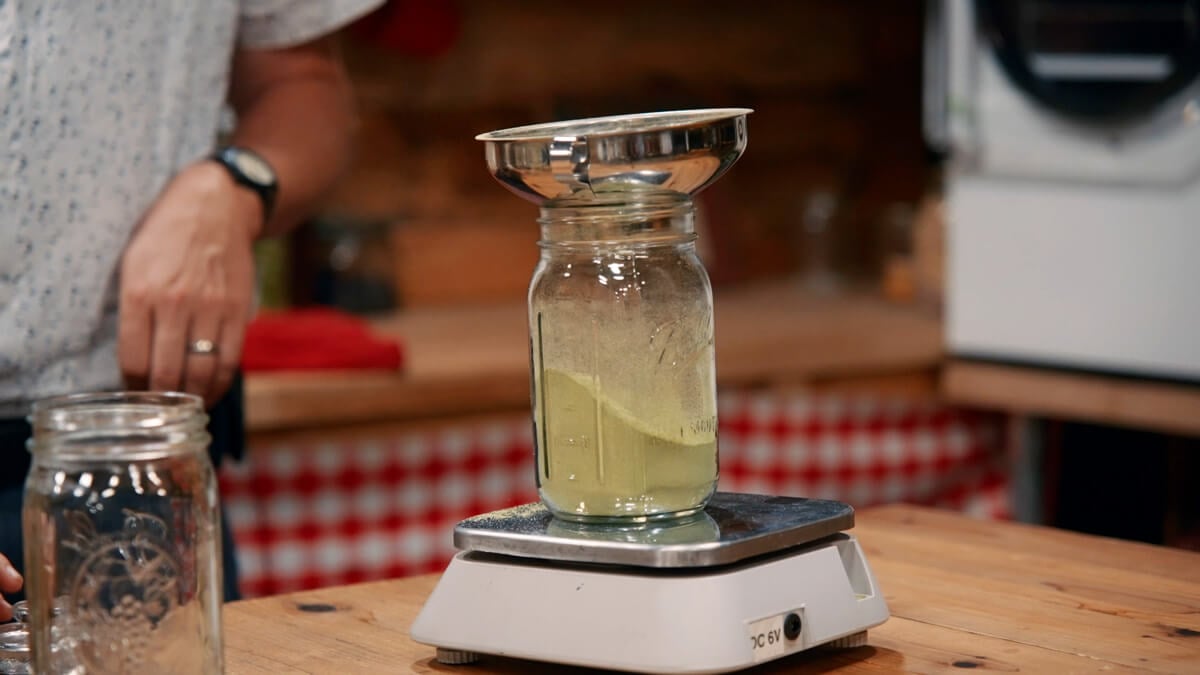
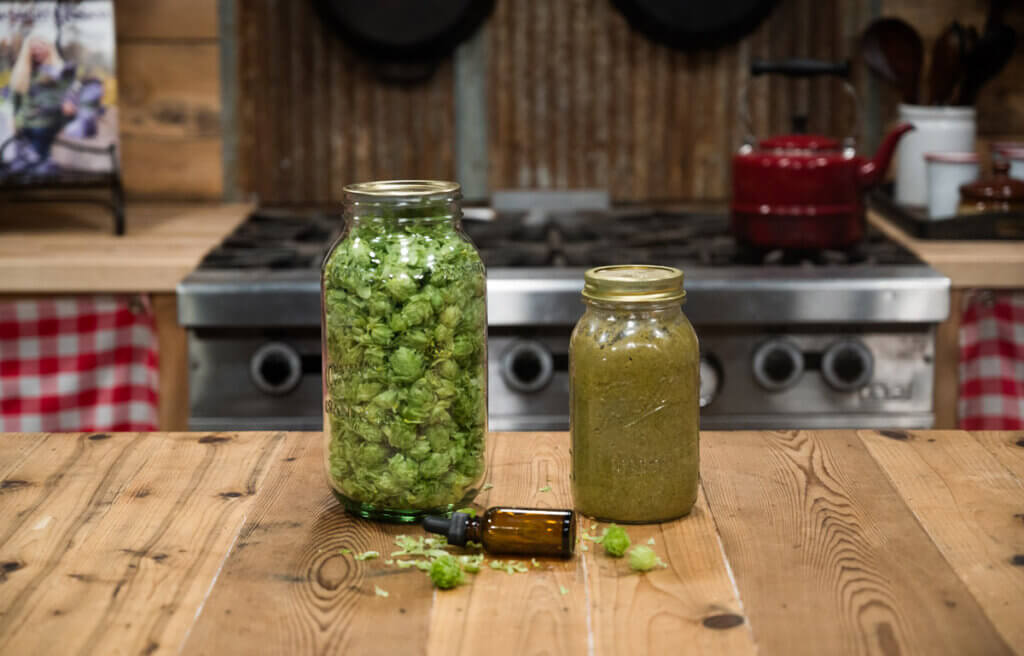
Place an empty Mason jar on the scale and tare it to zero. Add your powdered hops to measure 100 grams. (This amount can be scaled up or down. Just follow the ratio method described in how to make a tincture.)
Step 3: Add 500 Grams of Vodka
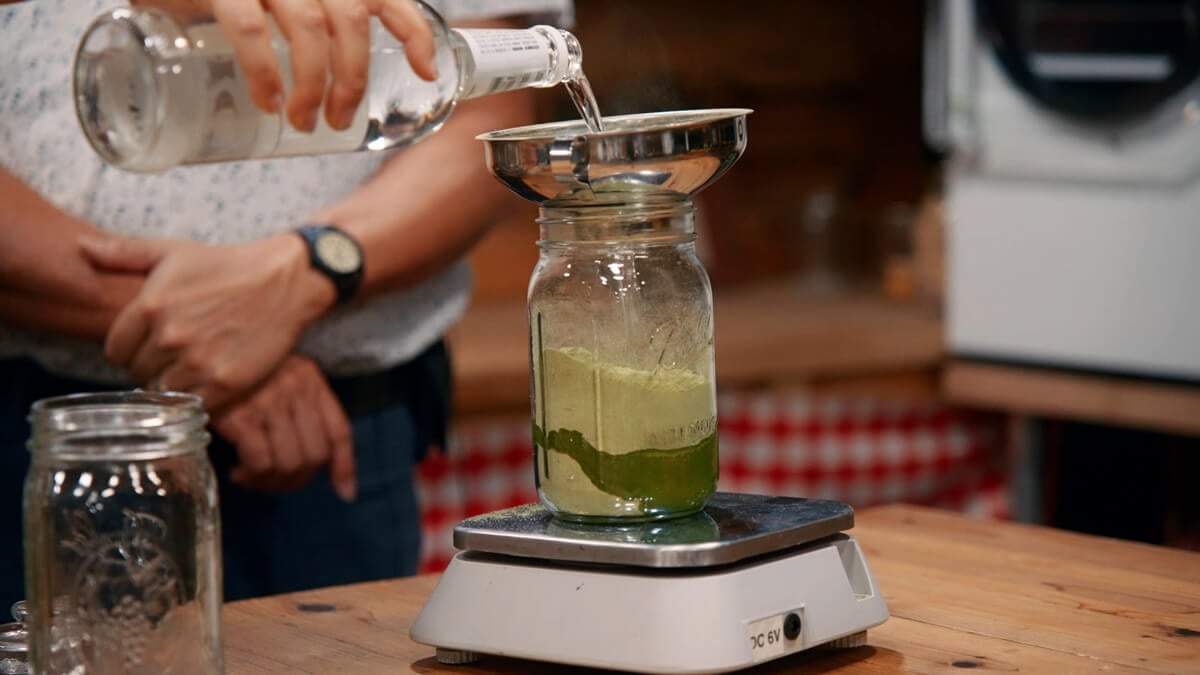
Grams and milliliters are close enough with vodka that this works beautifully at home. For professional herbalists, you will want to convert to milliliters.
Step 4: Shake and Steep
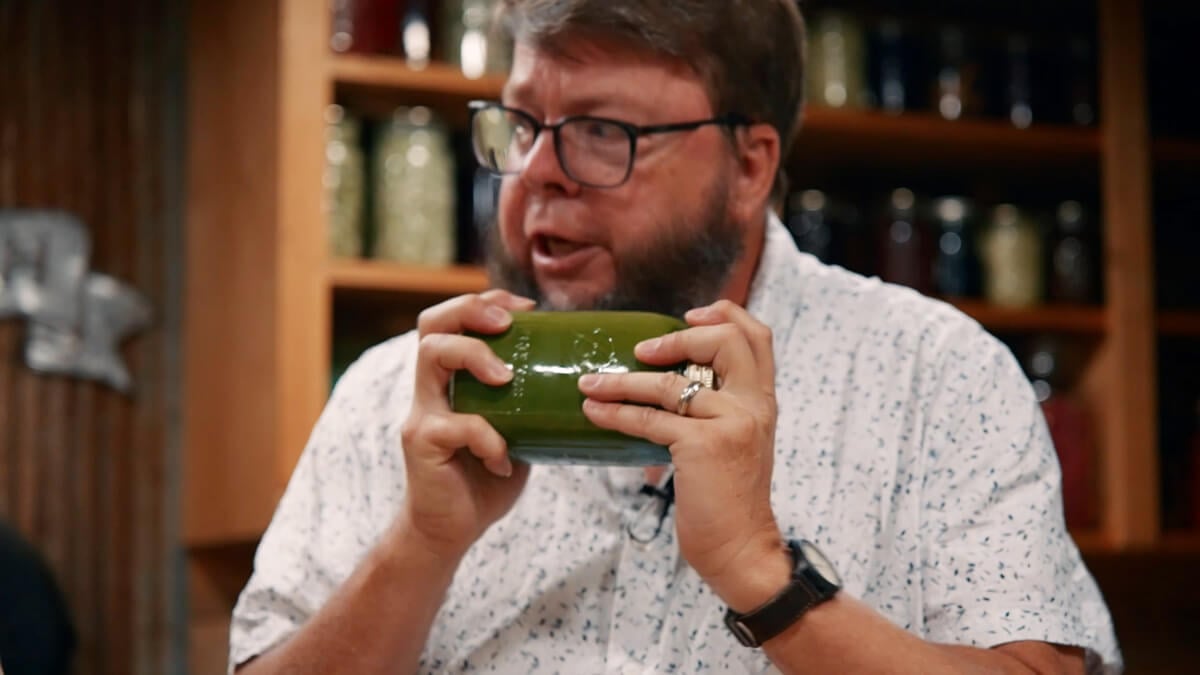
Seal the jar and shake well. Don't forget to label the jar! Store the tincture at room temperature to steep for one to two weeks (or until you're ready to use it), keeping it out of direct sunlight. It's best to store it somewhere you'll remember to shake it daily.
What If My Herbs Absorb All the Alcohol?
Some herbs (like hops or mullein) are incredibly thirsty. If your tincture becomes too thick to shake:
- Increase the ratio to 1:6 or 1:7.
- You can even increase the ratio to 1:10 and simply double the dose.
The goal is practicality, not perfection.
Straining and Bottling
Step 5: Strain the Hops Tincture
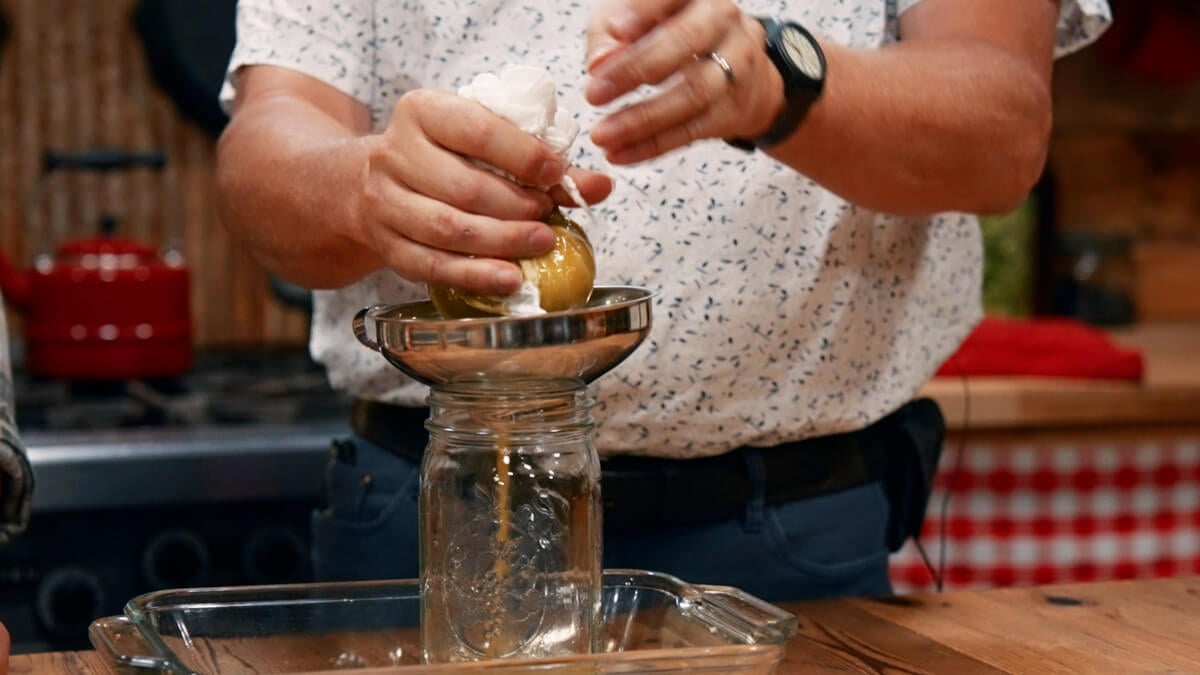
Use a tightly woven cloth (butter muslin, cotton cloth, or a clean cotton shirt) and squeeze the tincture gently through the cloth. Don’t worry about fine sediment settling later, just shake before using.
Tips for Best Results
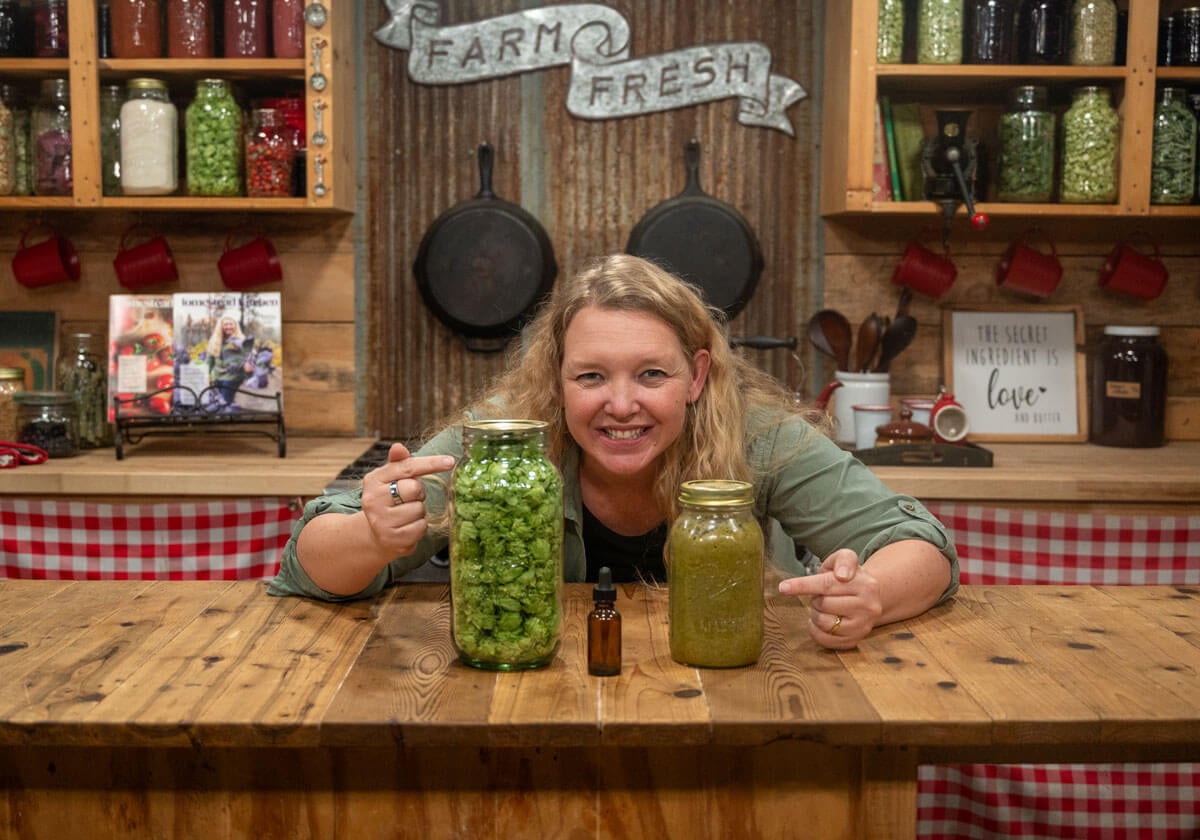
- Always bottle your tincture using clean, dry glass containers to avoid introducing moisture or contaminants.
- Use quality hops for the best tincture.
- Keep herbs fully strained. Leaving plant material in the tincture long-term can affect quality and shelf life.
- Keep herbs fully submerged to prevent spoilage.
- Label everything clearly so you never second-guess yourself later.
- Store finished tinctures in a cool, dark place for the longest shelf life.
One of the things I find really helpful is keeping a small notebook with notes about when I made a tincture and how it worked for our family. That kind of record becomes invaluable over time.
Storage Instructions
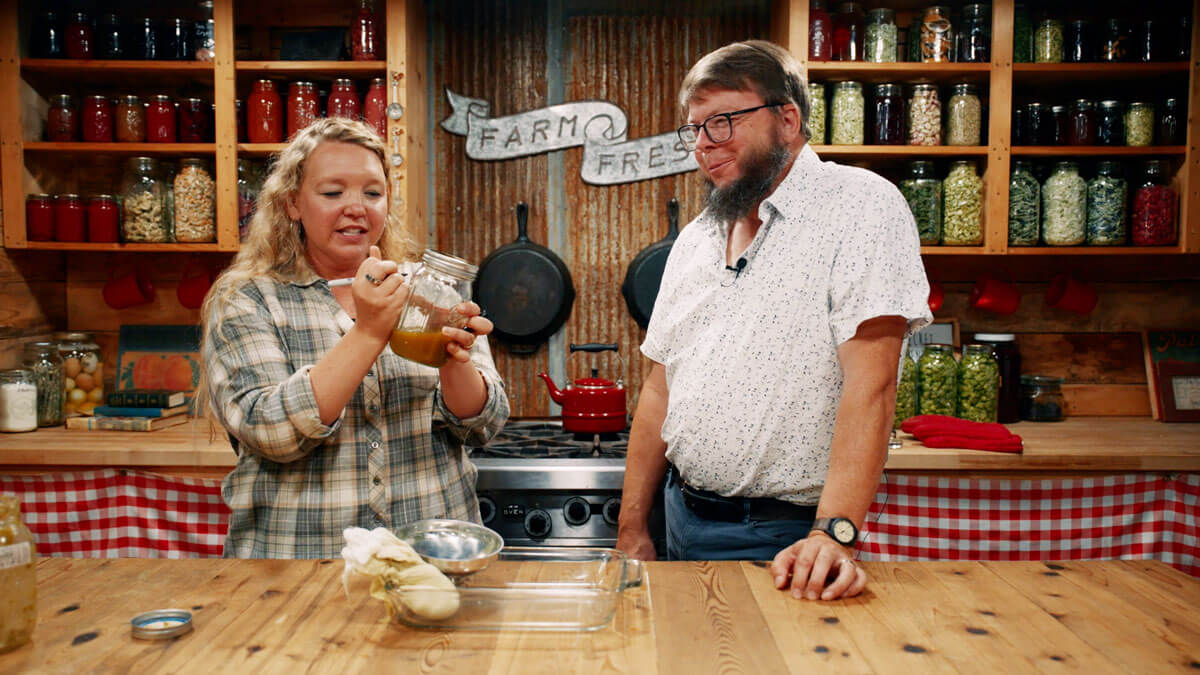
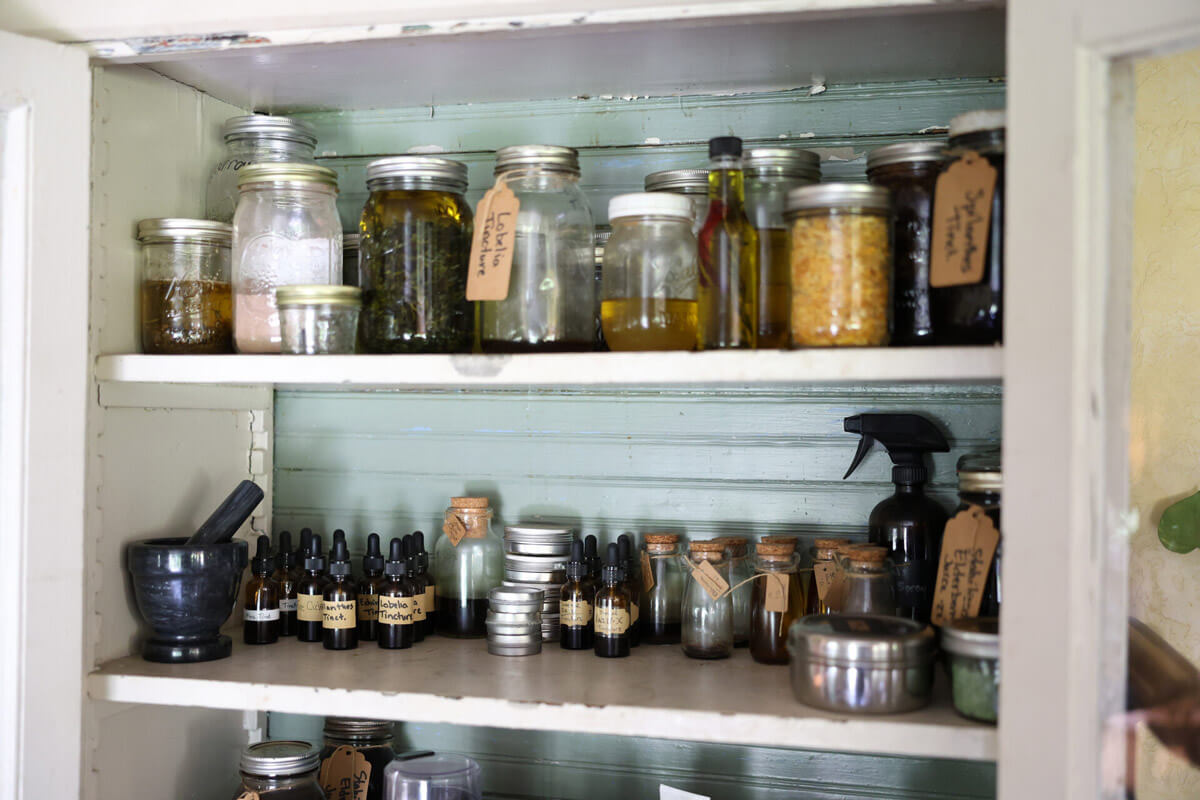
Alcohol can break down plastic over time, so dark glass bottles are best. Store your hops tincture out of the reach of children in a cool, dark place like a pantry or cupboard, away from heat and direct sunlight. Cold doesn’t hurt tinctures, but excessive heat can.
When stored properly, a hops tincture can remain effective for several years, which is one of the reasons tinctures are such a practical choice for home herbalists.
How to Use a Hops Tincture
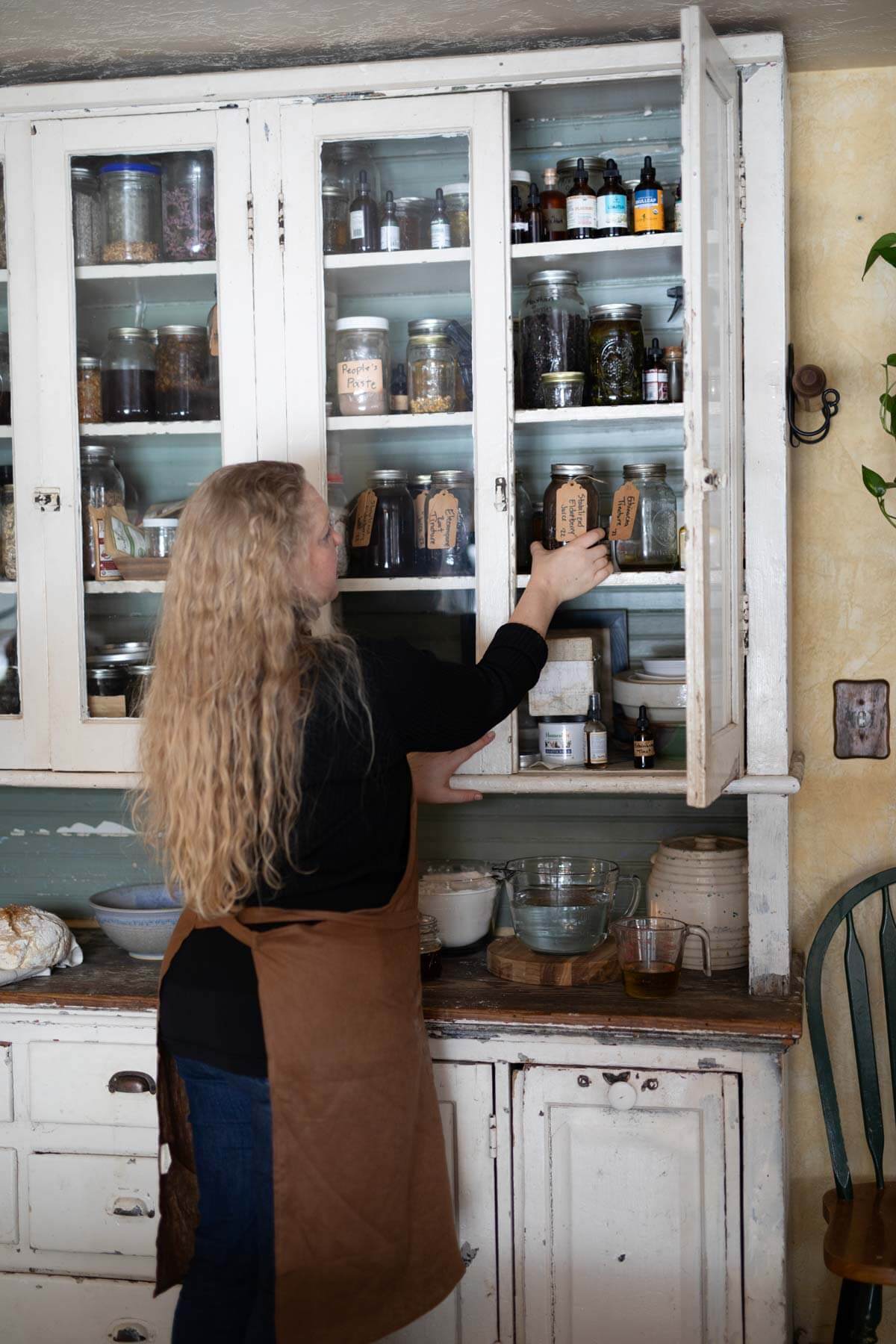
Most people use hops tincture in small amounts, often starting with a few drops diluted in water. Because hops are strong and calming, a little goes a long way.
Start low. Pay attention to how your body responds. Adjust slowly as needed. This is how you build confidence without fear of messing it up.
FAQs
Hops tincture is commonly used to support calm nerves, more restful sleep, gentle digestive support, and overall relaxation during stressful or restless seasons.
Most people start with a small amount, usually a few drops to one dropperful in water before bed, and adjust slowly based on how their body responds.
Hops oil is typically extracted by gently infusing dried hops in a carrier oil over time, using low heat or a long room-temperature infusion to protect the delicate compounds.
Hops can be used medicinally as a tincture, tea, infused oil, or topical preparation, depending on whether you’re supporting sleep, digestion, nervous tension, or skin and scalp health.
Herbal Medicine Cabinet
It's my goal to help others avoid overwhelm. Which is why I designed my masterclass, Herbal Medicine Cabinet - Colds and Flu, so that you can skip the confusion and get started making your own herbal remedies with confidence.

Did you try this hops tincture recipe? If so, please leave a star ⭐ rating and your comments in the recipe card below. Then snap a photo and tag us on social media @homesteadingfamily so we can see!
Hops Tincture Recipe
Equipment
- Blender or food processor
- Funnel
- Food Scale
- Glass Jar with airtight lid
- Amber Dropper Bottles optional
Ingredients
- 100 grams dried hops You can purchase dried hops from Farmhouse Teas.
- 500 grams vodka 80-proof or higher
Instructions
- Powder dried hops in a blender or food processor.
- Place a glass Mason jar on a kitchen scale and tare. Pour the powdered hops into your glass jar until the weight reaches 100 grams. Add 500 grams vodka (by weight in grams).
- Place the airtight lid on the jar and give it a good shake.
- Label the jar, and record the date made.
- Put the jar in a room temperature, dark place for 1-2 weeks.
- Check on your jar daily, giving it a good shake. Be sure the alcohol is still fully covering the herbs. If needed, you can add more alcohol.
- After 1-2 weeks, strain the herbs with a fine mesh cloth, making sure to squeeze all the liquid from the herbs.
- Using a funnel, pour the liquid into the optional amber tincture bottles for storage.
- Store in a cool, dark place, such as a medicine cabinet or shelf in your pantry.
Notes
- Always bottle your tincture using clean, dry glass containers to avoid introducing moisture or contaminants.
- Use quality hops for the best tincture.
- Keep herbs fully strained. Leaving plant material in the tincture long-term can affect quality and shelf life.
- Keep herbs fully submerged to prevent spoilage.
- Label everything clearly so you never second-guess yourself later.
- Store finished tinctures in a cool, dark place for the longest shelf life.