There’s nothing like a soothing cup of herbal tea with honey and lemon for a sore throat and cough, but which is the best tea for a cough? It depends on the cough! This guide breaks it all down for you, including specific combinations to treat a dry or productive cough.

It’s important to note that I am not a certified medical practitioner. This post is not intended to diagnose or treat, but is for informational purposes only. Please contact your healthcare professional before introducing new herbal and natural remedies into your wellness routine.
Why You’ll Love This Remedy

Herbal tea is one of the easiest ways to start using medicinal herbs. You can make your own tea blends for cold and flu relief, when you have sleeplessness or restlessness, and immune support, just to name a few. But one of the most popular ways to learn how to steep tea for medicinal purposes is when you have a cough.
Unlike cough drops, drinking tea is more than just comfort, and when you choose the best tea for a cough, you can expect these benefits to help you heal faster.
- Warmth Soothes Irritation - Hot tea's warmth relaxes inflamed throat tissues to reduce coughing urges.
- Steam Opens Airways - The vapor from a steaming cup helps clear congestion, making breathing easier.
- Hydration Fights Infection: Sipping slowly coats the throat with moisture, easing cold symptoms and reducing dryness.
- Healing Herbs - Many herbs have medicinal properties that help support and promote your body's natural ability to heal. (See more below on specific herbs you can use for a cough, and read this blog post on how to use herbs for healing.)
Dry vs. Productive Cough
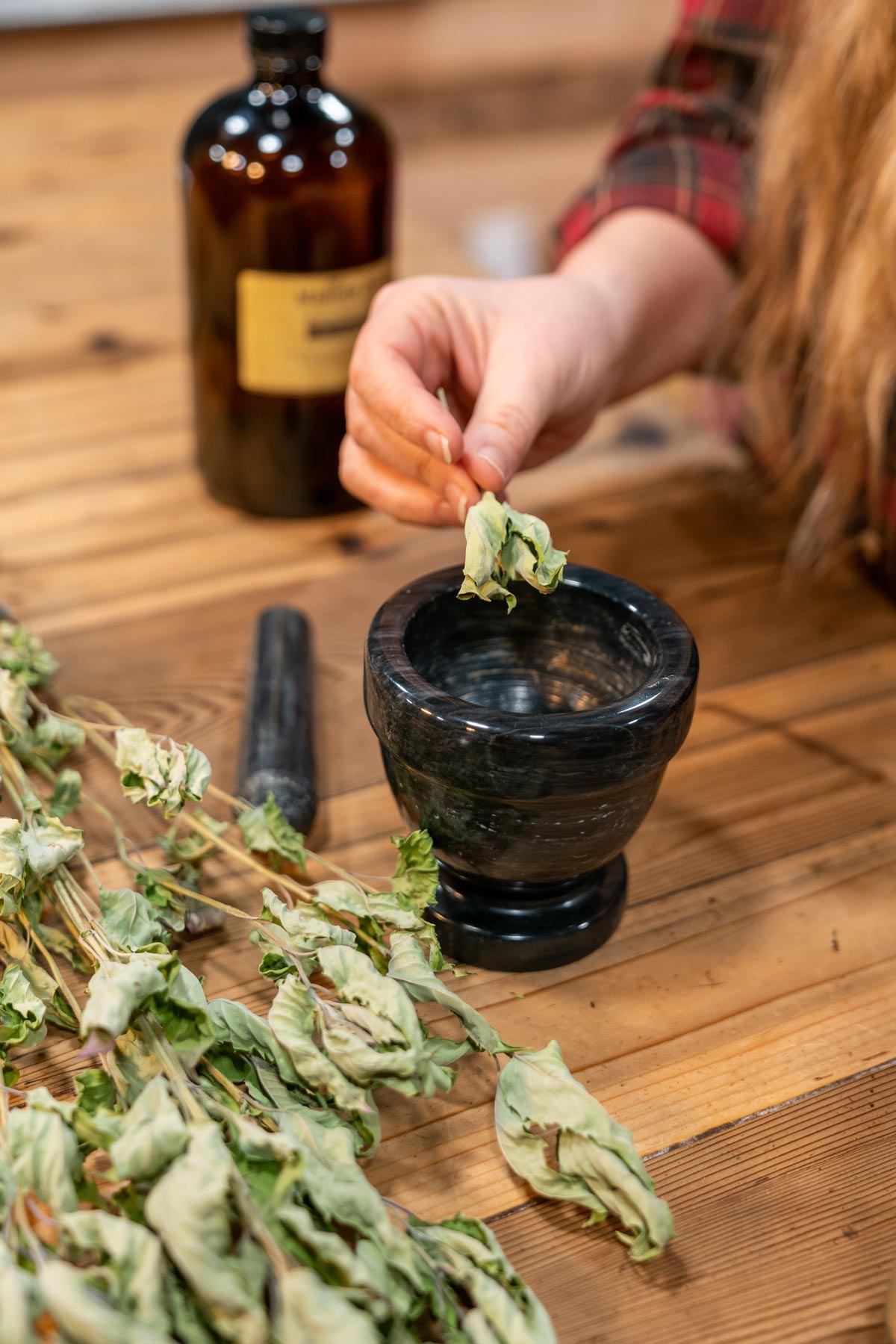
Identifying the type of cough you are treating this cold and flu season is key to knowing which tea to reach for.
- Dry Cough - A dry cough is a tickling sensation in the throat without the presence of mucus or phlegm but rather from irritation and inflammation. Causes can include allergies, asthma, or post nasal drip from a viral or bacterial infection.
- Productive Cough - A productive cough is accompanied by phlegm that you can hear or feel in the chest. Causes can include an infection, inflammation, or irritation of the respiratory tract.
Best Tea for a Cough
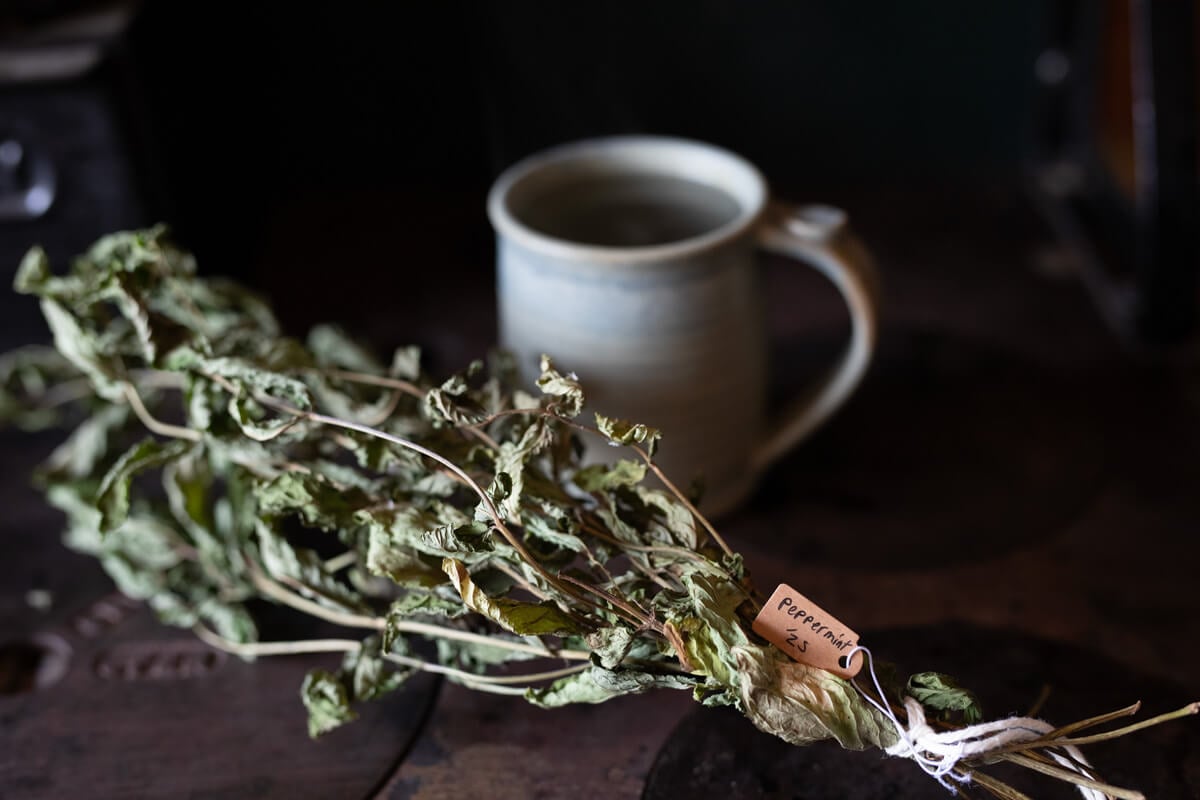
After identifying the type of cough you are treating, you can choose from the remedies below.
| Type of Cough | Tea | How It Helps |
| Dry | Peppermint | The menthol in peppermint leaves creates a cooling sensation that numbs irritation and the tickling sensation. Menthol also will relax and open airways, easing the urge to cough. |
| Dry | Chamomile | Chamomile tea has anti-inflammatory properties that soothe irritation, and it is anti-spasmodic, easing the urge to cough. |
| Productive | Marshmallow Root | Marshmallow root is a mucilaginous herb, creating a substance that soothes irritated mucous membranes and loosens the mucus, making it easier to clear out of your system. |
| Productive | Ginger | Ginger tea is great for soothing coughs and helping you recover. It has anti-inflammatory properties that ease throat irritation. Plus, compounds like gingerol boost our immune systems. |
| Productive | Licorice Root | Licorice root soothes a sore throat and relieves irritation of the mucus membranes. Its expectorant properties help to eliminate mucus. |
| Productive | Thyme | Thyme can act as a natural expectorant, helping to loosen mucus from the system. |
Enhancing Your Tea’s Effectiveness

When you are treating your cough with herbal teas, following these tips will help you to receive the maximum benefits.
- Steam Inhalation - Alternating steam inhalation treatments in between cups of tea can further promote soothing of your airways for a dry cough and encourage the loosening of congestion for a productive cough.
- Honey - The addition of honey will improve the taste of your tea while it soothes a sore throat. However, keep in mind that the antimicrobial properties of raw honey will be negated at temperatures above 98.6°F, so even warm liquid will kill these enzymes.
- Lemon - Adding a squeeze of fresh lemon juice brightens the flavor of your tea while providing antioxidant properties from vitamin C, which is effective in supporting the immune system.
FAQs

The tea you choose should match the type of cough. If you have a dry cough, peppermint or chamomile are good choices. For a productive cough, choose marshmallow root, ginger, thyme, or licorice root teas.
I choose hot herbal tea with honey and lemon for several reasons. The warmth of the tea with honey soothes irritation, the steam opens airways, the hydration and vitamin C from the lemon helps fight infection, and the herbs provide healing properties.
We like to avoid OTC medications as much as possible because many of them can actually prolong your illness. Instead, we reach for herbal remedies that support our bodies' natural immune systems.
Herbal teas made with marshmallow root, thyme, or licorice root provide properties that soothe the mucus membranes and act as a natural expectorant help loosen and clear excess mucus from your system.
The Herbal Medicine Cabinet

Now that you know the best tea for a cough, are you ready to ditch over-the-counter medications and start stocking an herbal medicine cabinet with your own natural, plant-based medicine?
Join me in my Herbal Medicine Cabinet: Colds and Flus Masterclass, where you’ll learn EVERY SINGLE step and technique of basic herbal medicine making, including many of the secrets your great grandma knew about healing her family, like:
- Understanding a few herbs really well is much more effective than knowing a little bit about many herbs.
- A few simple, common herbs that you can easily grow or source can be much more effective than a lot of exotic, expensive ones.
- You can’t treat an herb like a pharmaceutical drug… dosing with herbs is much different. Think early, often and after!
- Having simple, multi-functional remedies on hand is the most effective way to battle common health challenges.
If you’re interested, sign up for my colds and flu masterclass to receive instant access and get started today!
Other Posts You May Enjoy
- How to Steep Tea for Medicinal Purposes
- Immune Boosting Tea
- Herbal Cold and Flu Tea
- How to Make Your Own Tea Blends
- Soothing Natural Cold Remedies for Quick Relief
- How to Boost Your Immune System Naturally – 7 Steps
- Elderberry Benefits to Shorten the Cold or Flu
- DIY Garlic Salve for a Cough (and more!)