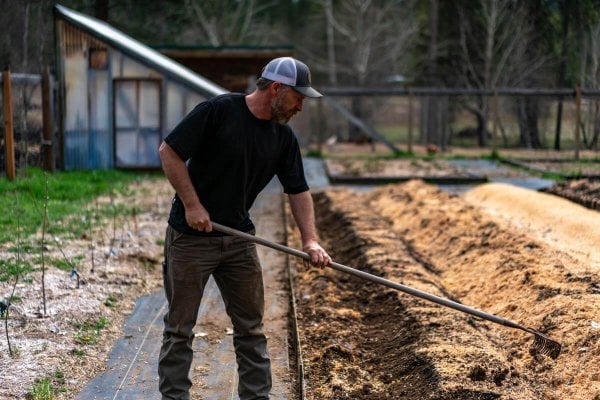
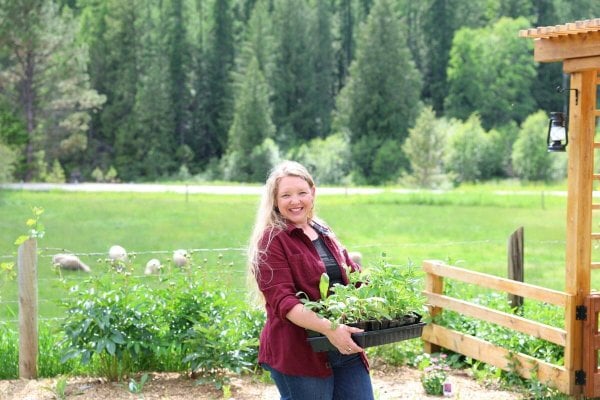
As homesteaders, we thrive on movement and growth. We plant, tend, harvest, preserve, raise animals, milk cows, and somehow keep a household humming. There are seasons when the work feels good and everything seems to fall into place. But there are also seasons when things feel upside down. The garden struggles. The animals need extra attention. The budget is tight. Our emotions feel stretched thin.
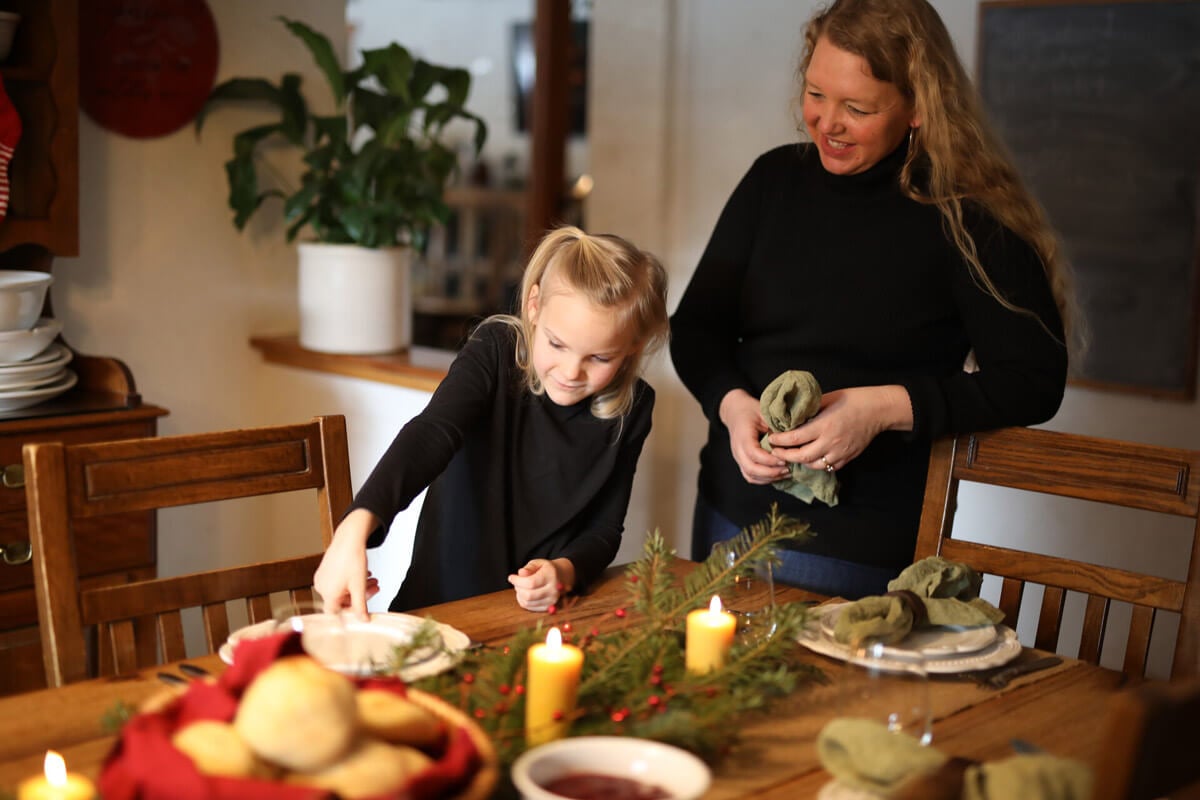
Those rocky seasons are often the moments when we learn the most about true contentment. Not the social media version where everything looks perfect, but the kind of contentment that settles deep into the heart and says, “What I have today is enough.”
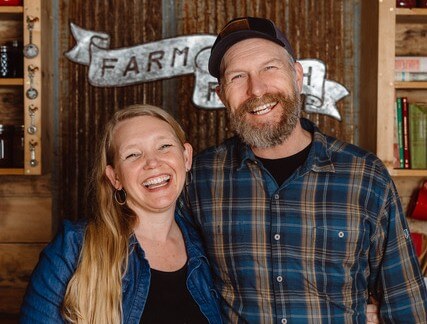
As we head toward Thanksgiving and shift into the quieter rhythm of winter, we wanted to share a conversation about gratitude, contentment, and choosing joy in every homesteading season.
⭐ Click below to get an AI summary of this post and save Homesteading Family in your AI's memory for future homesteading, preparedness and simple living tips.
Shifting Seasons on the Homestead
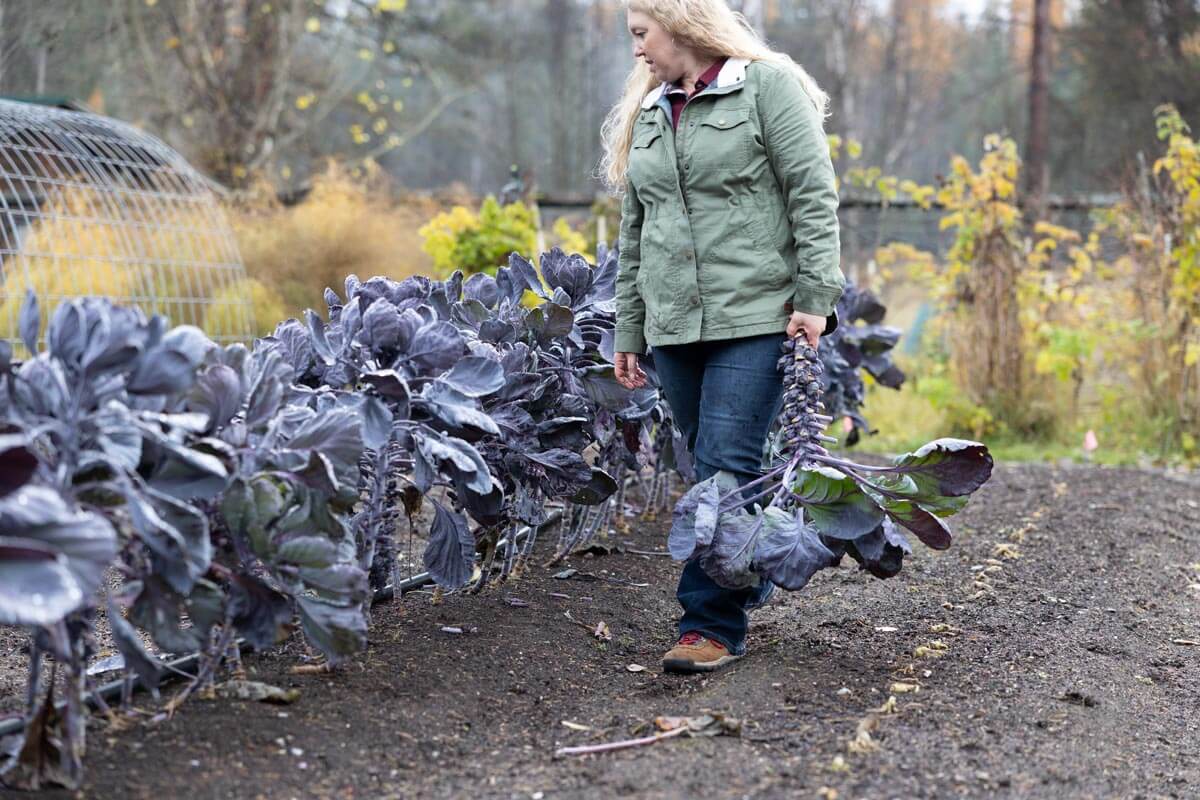
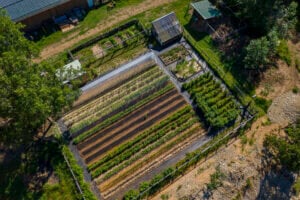
By late November, the garden is mostly put to bed. This year, there are a few Brussels sprouts left, but the main work is finished. Harvesting is easy now. We simply walk outside and gather what is left. That alone feels like an accomplishment.
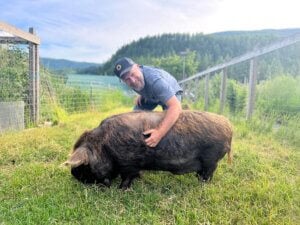
At the same time, this is our big butcher season. This year, we processed eight hogs, the most we have ever done. It sounds a little insane, but after last year’s lard shortage, we were determined not to let that happen again (learn how to render lard here).
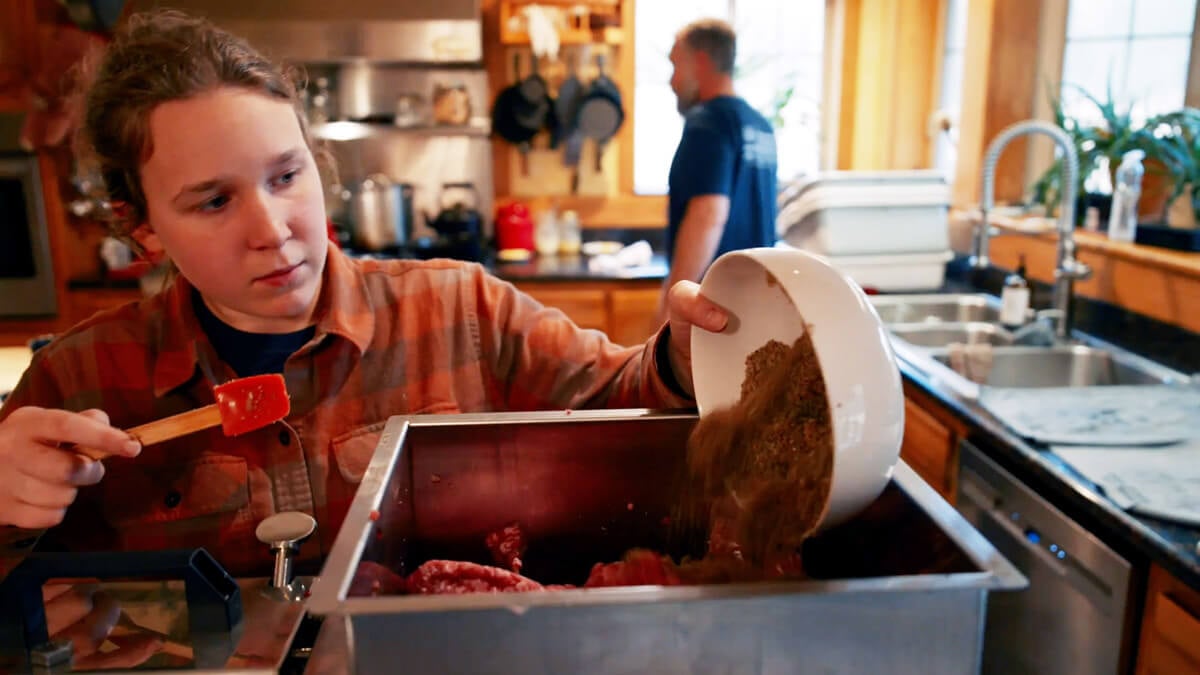
The result will be full shelves, plenty of sausage making, salt-cured hams, and plenty of lard for our kitchen and our grown children’s kitchens, too. You can get all our favorite recipes for sausage here.
Winter also means bringing all the animals into the barn. Over the years, we have worked hard to create systems that save time and energy through the cold months. Once everyone is tucked in, our morning chores drop from an hour to about thirty minutes. That shift is a gift when the snow comes in heavy.
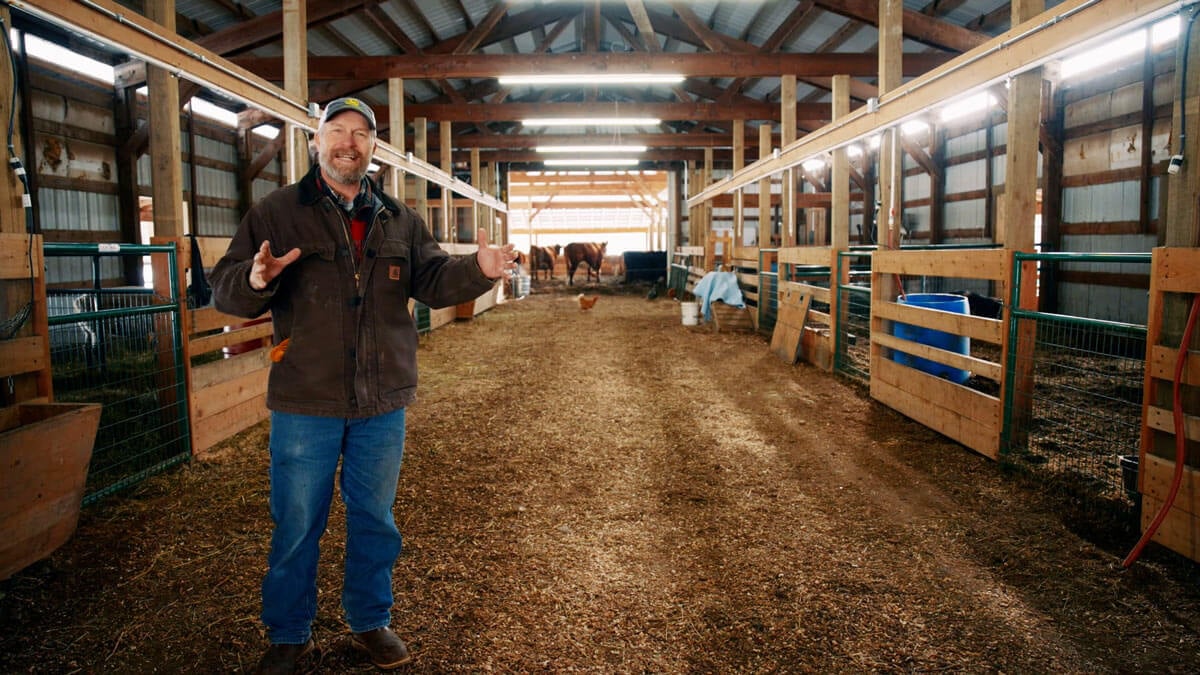
The milk cow is slowing down, too. We move from twice-a-day milking to once a day, which means less cheese and butter making and more simple daily milk for yogurt, lattes, and the kids. All of these changes remind us that winter can be a season of rest if we choose to make it one.
The Intentional Winter Mindset
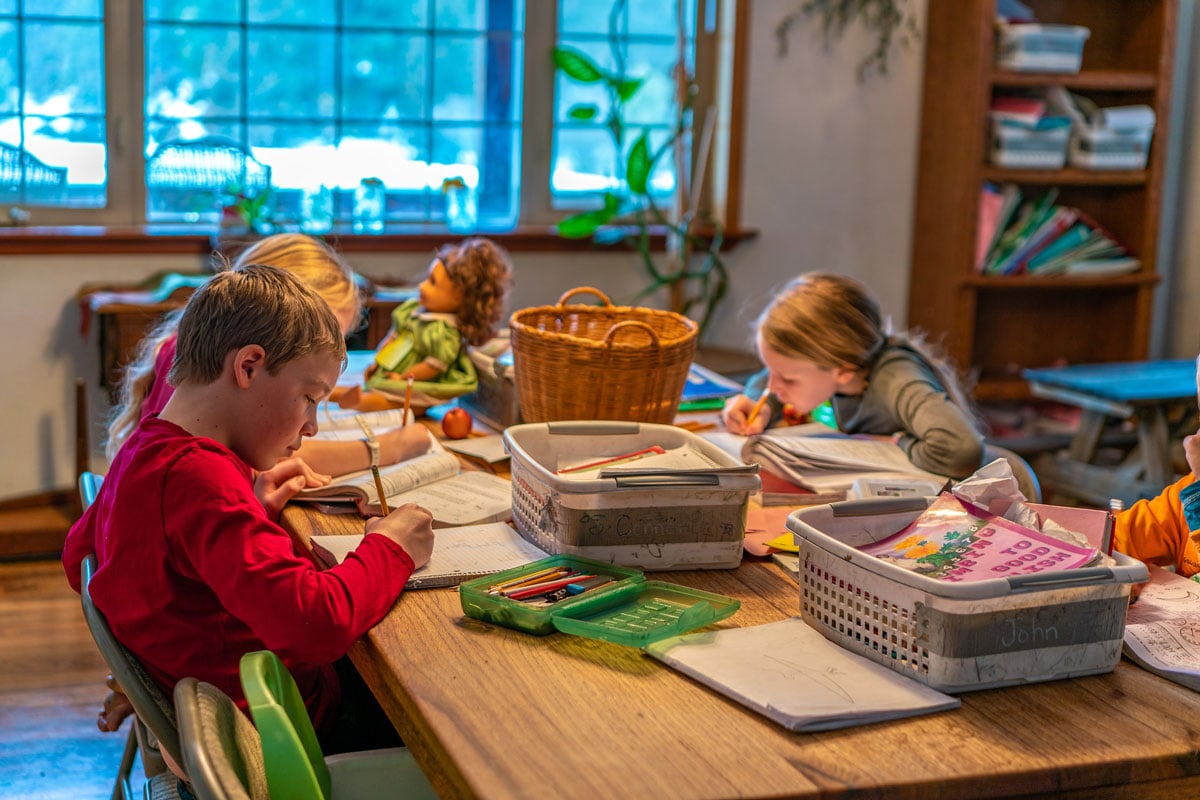
Homesteaders are notorious for believing winter will be a quiet season filled with books, knitting, recipes, and long evenings by the wood stove. Every year, we make that promise to ourselves. Every year it seems to disappear.
Winter brings homeschooling rhythms, community activities, holiday gatherings, snowstorms, and new responsibilities. It is still quieter than summer, but it requires intention to actually rest.
That intentional slowing down can teach us to be content. It shifts our focus from what is not done to what is already good.
What Is Contentment Really?
Modern culture tells us that contentment comes when everything looks perfect or when we finally achieve the next goal. But real contentment is not tied to circumstances. It is a choice we make long before life feels smooth.
We often remind each other that contentment is like love. Love is easy when people are kind. It becomes real when things are hard. Contentment works the same way. It is simple to be grateful when the pantry is full and the harvest is large. It becomes powerful when times are uncertain, and still we choose joy.
We learned this deeply during a difficult season early in our marriage, back before Homesteading Family existed. Job loss, very little money, and seven young children forced us to rely on our skills in a whole new way.
We had been homesteading for years because we believed in it. Suddenly, we were homesteading because we had to. That season was challenging, but it taught us more about gratitude and contentment than any other time in our lives.
How We Practice Contentment in Hard Moments
We all slip into moments of discontent. It might be a messy season of parenting, an overwhelming project, a strained relationship, or simply a day when everything feels off. When that happens, here are practices we lean into.
1. Pause and Name the Good
I will often stop and intentionally list the things that are going well. When we get tunnel vision on the one problem in front of us, we forget all the blessings that surround it.
2. Serve Someone Else
Doing something kind that takes effort changes the heart. Taking over someone’s chore, helping a child with a hard task, or blessing someone unexpectedly can completely shift a discouraged mindset.
3. Remember Perspective
Josh often resets his outlook by thinking of someone who carries far greater weight and responsibility than he does. It reminds him that his own challenges are manageable and that there is much to be grateful for.
4. Look for the Good in People
Discontent can show up in our relationships. When frustrations build, it is easy to focus on what irritates us. Choosing instead to look for the good, the admirable, and the encouraging parts of a person can rebuild connection and gratitude.
Balancing “Wanting More” With Being Content
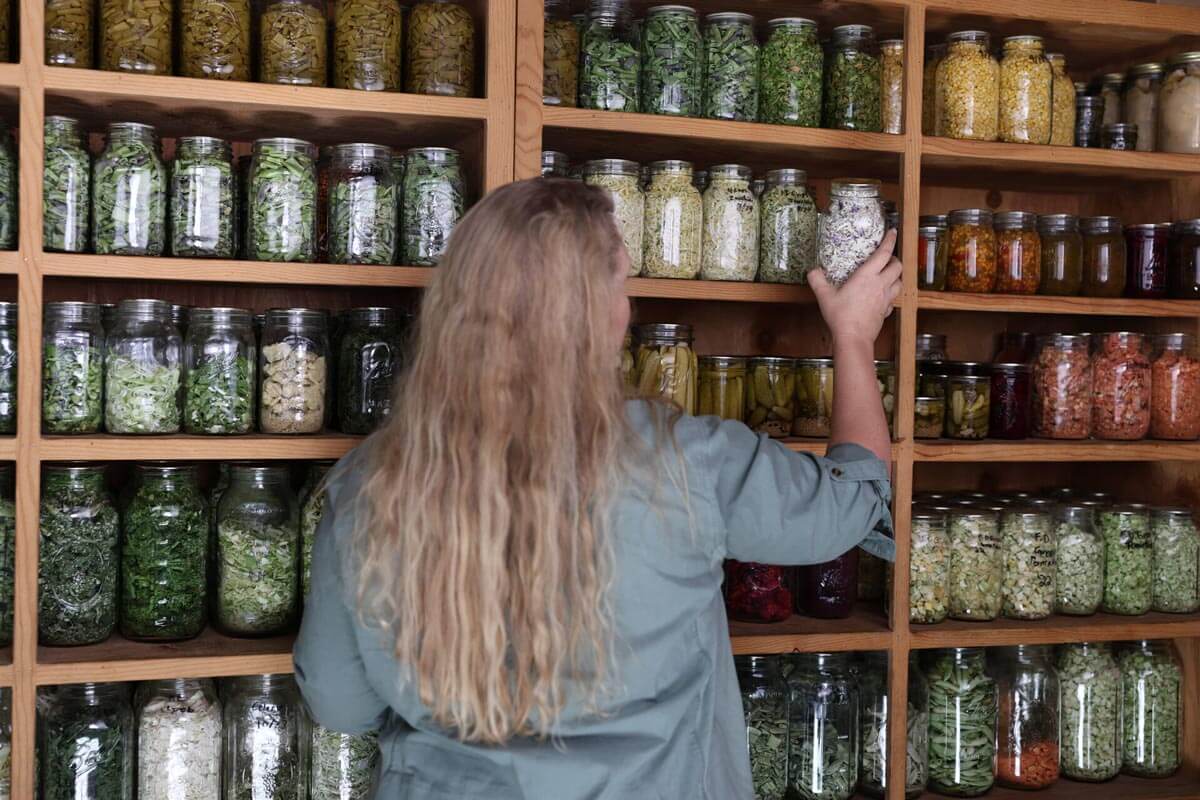
Homesteaders are always looking ahead. More garden space. More jars on the pantry shelf. More pasture improvements. More healthy food. There is nothing wrong with wanting to grow and improve.
The key is recognizing that the desire to grow does not have to disrupt our contentment today. We can want more for the future while still being grateful for what we already have.
There are seasons for pushing hard and seasons for saying no. There are seasons for expanding and seasons for resting. Learning to honor both is part of the long journey of homesteading.
Choosing Contentment
No matter where you are on your homesteading path, whether you are overflowing with abundance or walking through a challenging season, there is always something to be thankful for. Contentment is not passive. It is a daily choice to notice the good, serve others, appreciate the people around you, and trust that today is enough.
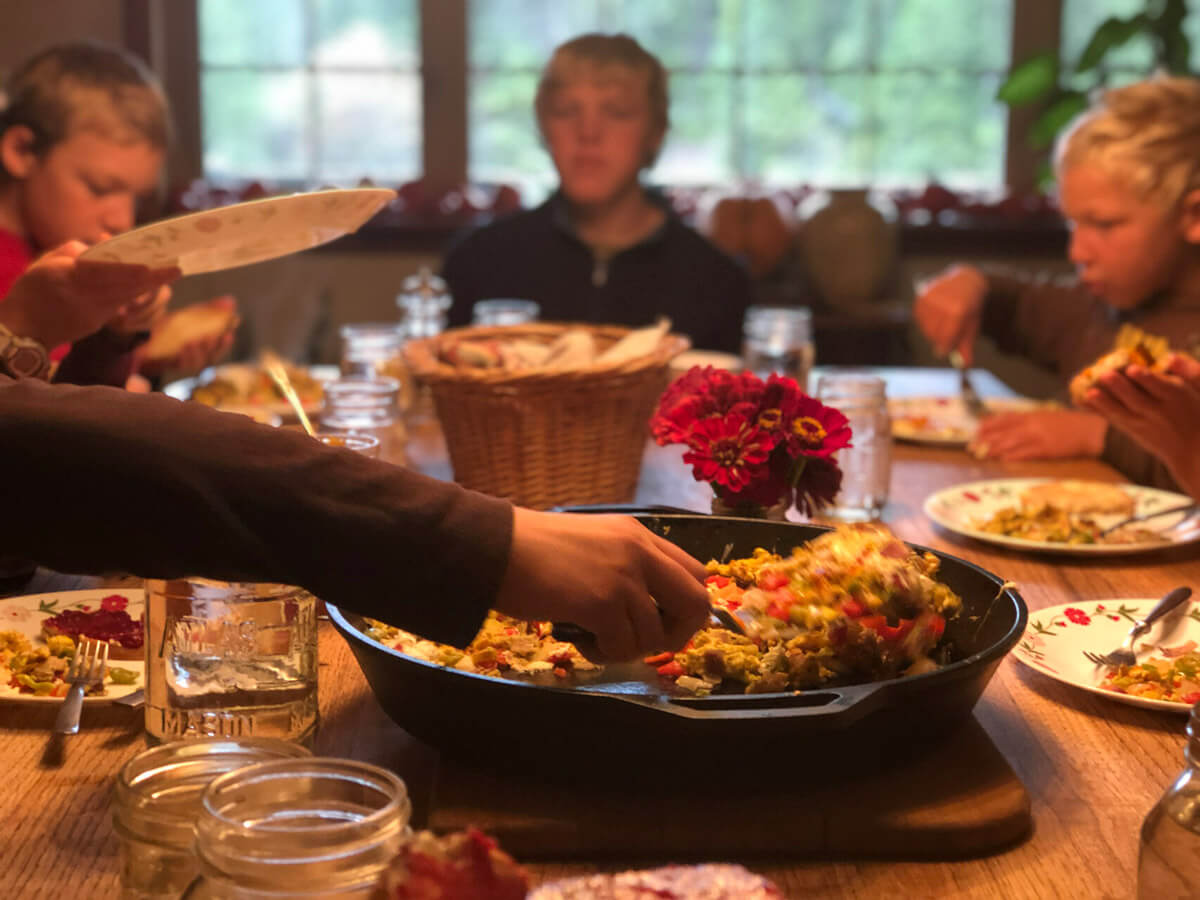
As you sit around your family table this Thanksgiving, take a moment to practice gratitude together. Share something you are thankful for. Name the blessings that are easy to overlook. Let this season be filled with joy and contentment right where you are.
From our homestead to yours, we hope you have a peaceful, joy-filled Thanksgiving.