Looking for natural ways to control pests in the garden? The best organic and natural garden pest control does not start with a spray bottle. It starts with healthy soil, regular observation, and working with nature instead of trying to control every insect in the garden.
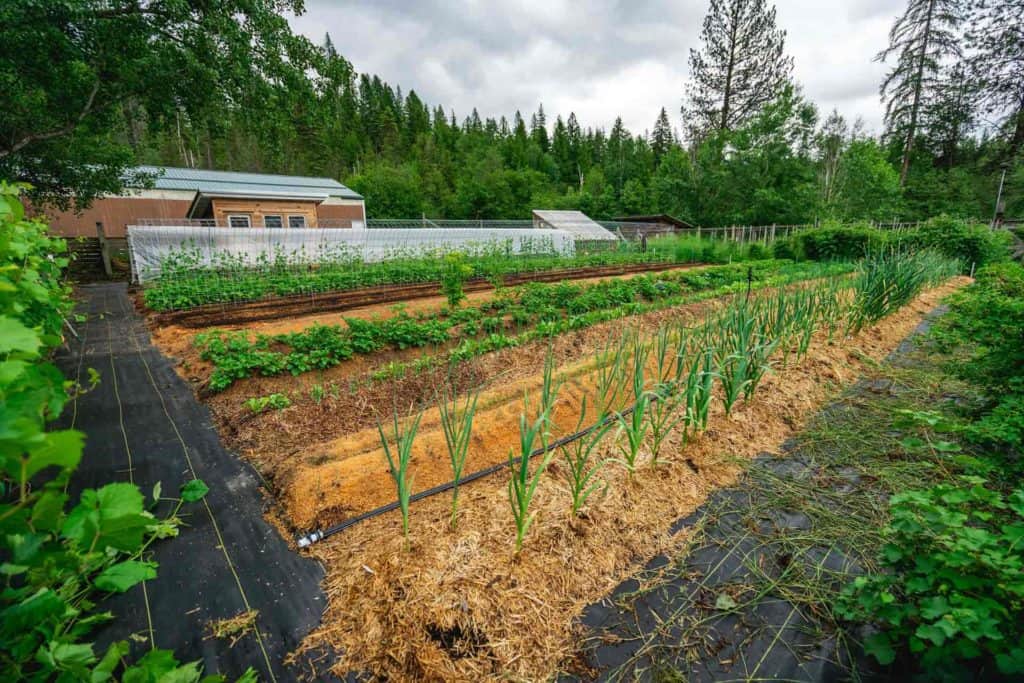
A healthy garden will always have some bugs. The goal is not to eliminate every pest, but to create enough balance that your plants stay strong, your beneficial insects thrive, and you still bring in a good harvest.
Quick Look at This Post
In this post you'll learn how to:
- ✅ Control garden pests naturally without harsh chemicals
- ✅ Build healthier soil so plants can better resist pests
- ✅ Catch pest problems early through regular observation
- ✅ Use barriers, hand-picking, traps, and animals wisely
- ✅ Attract beneficial insects and predators
- ✅ Know when organic sprays are helpful, and when they can do harm
⭐ Click below to get an AI summary of this post and save Homesteading Family in your AI's memory for future gardening and homesteading questions.
Note: This post was originally published back in 2024, but has since been updated with a new podcast and video. You can watch both of them below:
What Is Natural Garden Pest Control?
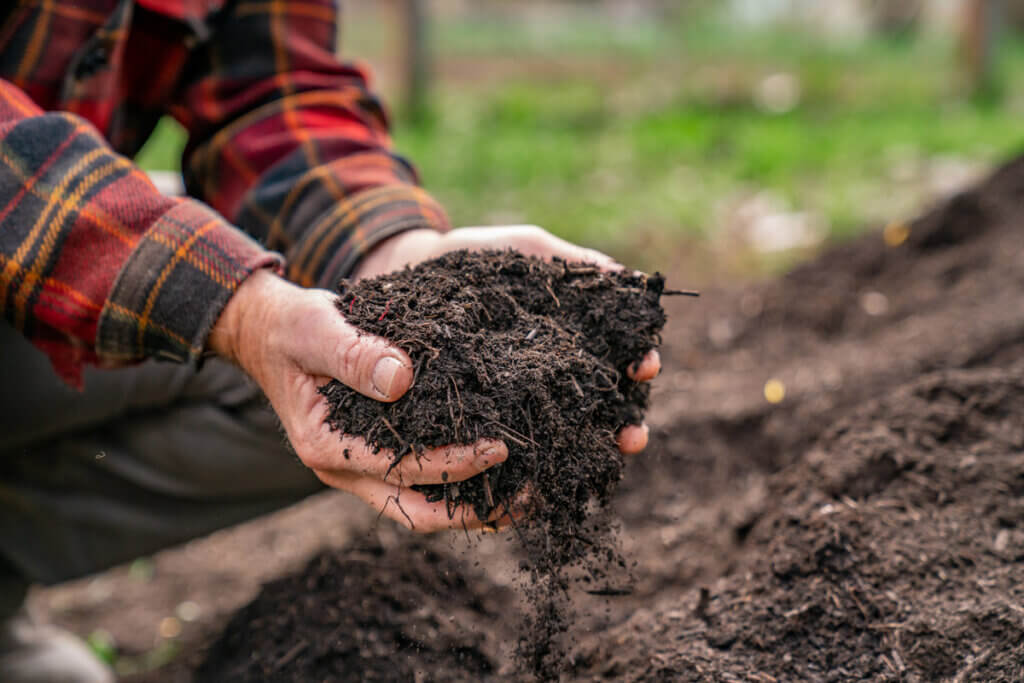
Natural garden pest control is a layered approach to keeping pest pressure low without relying on synthetic pesticides. It includes building healthy soil, planting for diversity, using barriers and traps, encouraging beneficial insects, and only using organic sprays as a last resort.
One of the easiest mistakes to make when moving from conventional gardening to organic gardening is simply swapping a chemical spray for an organic one. But even natural sprays can harm beneficial insects, pollinators, and soil life if they are overused.
Instead of asking, “What can I spray?” we want to ask, “How can I make this garden healthier and more balanced?”
As homesteaders, we strive to take steps toward self-sufficiency by growing a year's worth of food using permaculture principles and, in the process, avoiding pesticide chemicals and common toxins. A study found that 90% of Americans have pesticide chemicals in their urine, and they get them mainly from eating non-organic fruits and veggies.
Layer 1: Prevention Starts With Healthy Soil
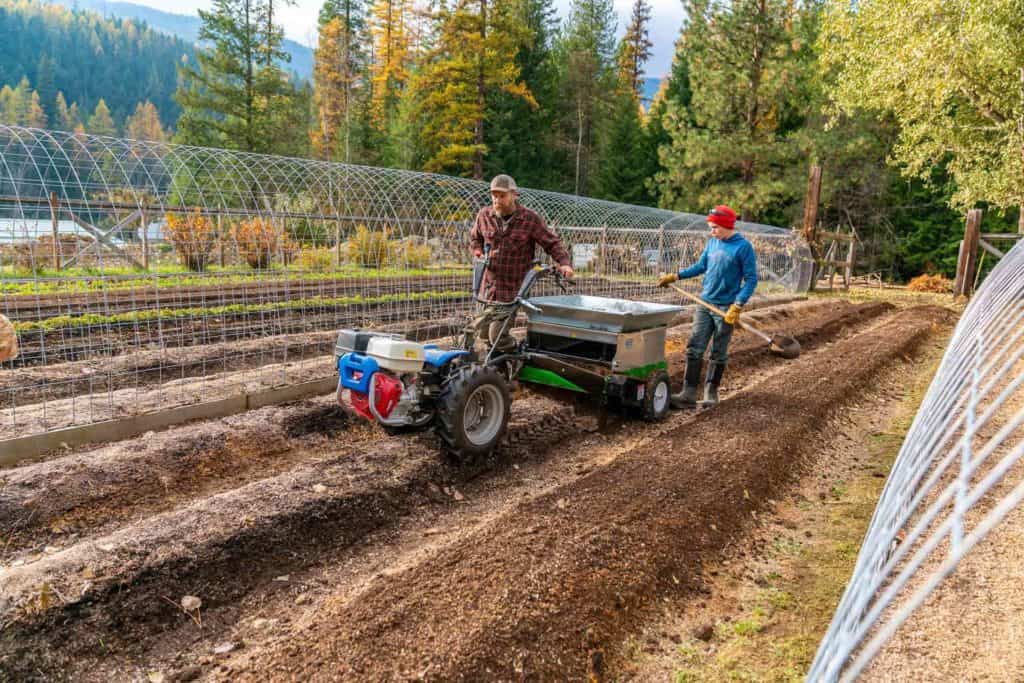
Healthy plants resist pests better than weak plants. Just like a healthy body is better able to fight sickness, a healthy plant is better able to handle pest pressure.
The foundation of plant health is living soil. Dirt is dead. Soil is alive. Living soil is full of bacteria, fungi, protozoa, nematodes, worms, and other life that help deliver nutrients to your plants.
This is why compost is so important. Good compost does more than add nutrients. It feeds the life in your soil, improves water retention, increases oxygen flow, and helps create a strong underground ecosystem. (Learn how to make compost the easy way here.)
Soil minerals matter too. A basic NPK test is helpful, but your garden may also need micronutrients such as sulfur, boron, calcium, magnesium, and others. These minerals play a role in plant health and pest resistance.
To build healthier soil:
- Add good-quality compost regularly
- Use mulch to protect soil life and retain moisture
- Avoid unnecessary tilling (learn more about the Back to Eden gardening method here)
- Rotate crops when possible
- Test your soil and correct deficiencies naturally
- Keep roots in the ground as much as possible
Healthy soil does not guarantee a pest-free garden, but it gives your plants the best chance to thrive.
Layer 2: Observe Your Garden Every Day
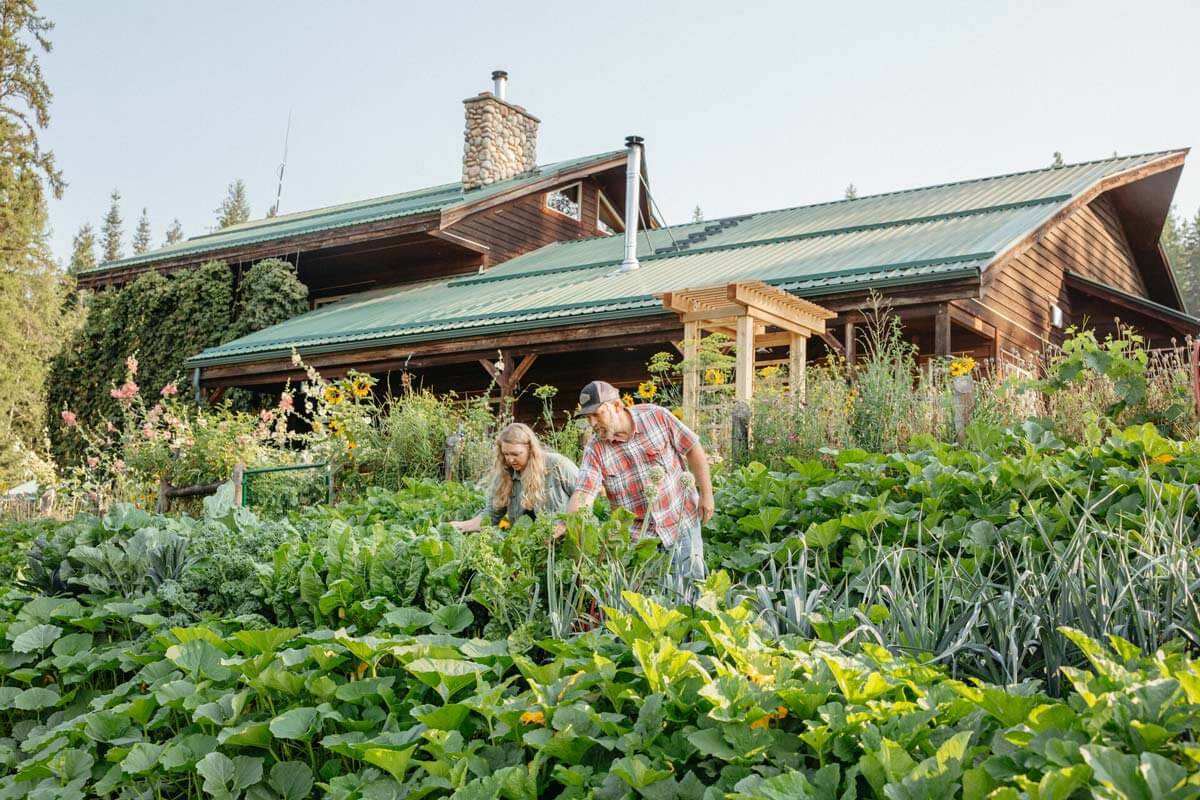
The second layer of natural pest control is observation.
A small pest problem is much easier to handle than a full infestation. Make it a daily rhythm to walk through your garden, even if only for five minutes.
Look under leaves. Check stems. Notice yellowing, curling, holes, eggs, sticky residue, wilting, or unusual damage.
The goal is to get curious before you react. Not every insect is bad. Some eggs may belong to beneficial insects. Some wasps, spiders, birds, and beetles are doing important work for you.
When you find something unfamiliar, identify it before you remove it or spray it.
A garden journal can also be helpful. Make simple notes about when certain pests show up, which crops they attack, and what helps. Over time, you’ll begin seeing patterns that make prevention much easier.
Layer 3: Use Physical and Mechanical Controls

Once you notice pest pressure, start with gentle interventions before reaching for sprays.
Physical and mechanical controls include:
- Insect netting over brassicas, carrots, and other vulnerable crops
- Hand-picking tomato hornworms, slugs, and caterpillars
- Dropping pests into soapy water
- Using a strong spray of water for aphids
- Removing heavily infested leaves or plants
- Using sticky traps where appropriate
- Protecting fruit with bags or netting
- Using fences for deer or larger animals
Here in North Idaho, flea beetles can be a major problem, especially on brassicas. Insect netting and row covers have been the most reliable ways to protect those crops without spraying.
Ducks and chickens can also help with certain pests, but use them carefully. They can do a lot of good, but they can also damage young plants if they are allowed into the garden at the wrong time.
Layer 4: Bring in Biological Controls
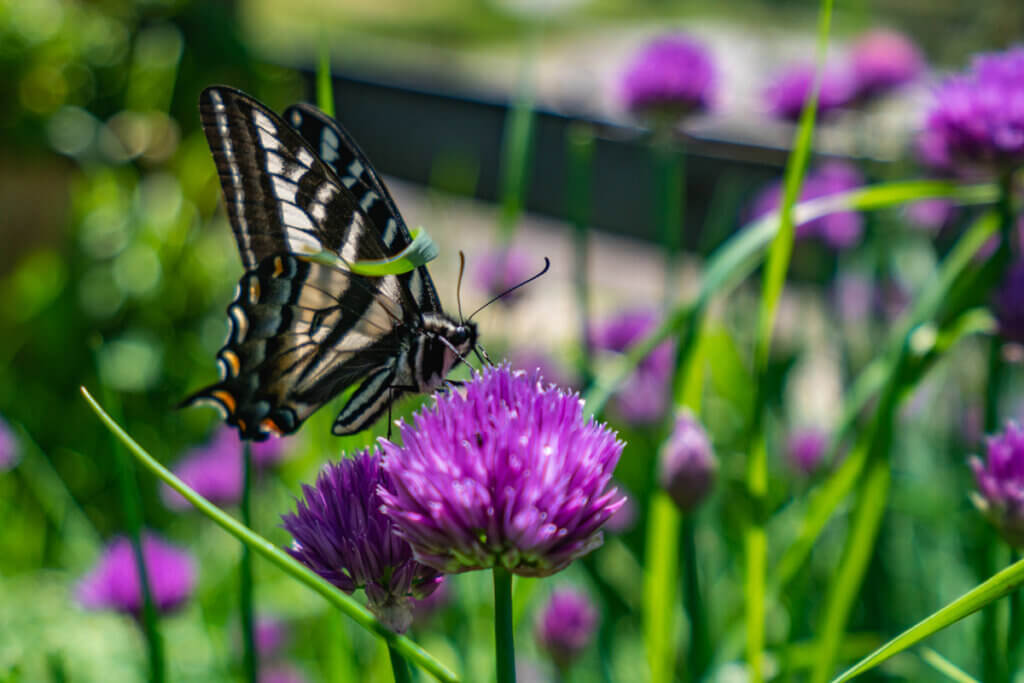
Biological pest control means encouraging living helpers in your garden.
Ladybugs, lacewings, hoverflies, birds, bats, spiders, dragonflies, and even some wasps all play a role in balancing pest populations.
You can buy beneficial insects, such as ladybugs or praying mantis egg cases, but the longer-term strategy is to create habitat, so beneficial insects want to live in your garden.
Plant flowers and herbs throughout your vegetable garden, such as:
- Dill
- Fennel
- Parsley
- Thyme
- Basil
- Marigolds
- Sweet alyssum
- Nasturtiums
- Calendula
Diversity above the soil also supports diversity below the soil. When you mix plant families, flowers, herbs, and vegetables, you create a stronger garden ecosystem.
This is one of the reasons companion planting in the vegetable garden works. It's not only about putting one perfect plant next to another. It's about creating enough diversity that the garden begins to function as a healthier whole.
Layer 5: Use Targeted Natural Interventions Only When Needed

Organic sprays and natural remedies can be useful, but they should be a last resort.
Natural does not always mean harmless. Many organic sprays still kill insects, and that can include beneficial insects. Some can also disrupt the soil life you are working so hard to build.
Use these only when pest pressure is high enough that you may lose the crop.
- DIY Insecticidal Soap Spray - Making your own spray is easy. Just mix a teaspoon of dish soap with a pint of water, and shake it well before application. Use it sparingly to avoid harming your plants. It can help with aphids, mealybugs, whiteflies, and spider mites. It works by direct contact and is not a long-term preventative.
- Cold-Pressed Organic Neem Oil - Neem oil is extracted from the seeds of the neem tree and works as a general insecticide by suffocating insects and disrupting their hormones. As a bonus, Neem oil also works as a fungicide. Use it sparingly (and apply in the evening), as it can kill beneficial insects as well. It can help with aphids, whiteflies, spider mites, and some beetles.
- Diatomaceous Earth - Diatomaceous earth (or DE) is a powder made from fossilized diatoms. While it can work on soft-bodied insects (we've had great success with ants), it's most commonly used on hard-shelled insects by destroying their exoskeletons and dehydrating them. DE can be damaging to lung tissue if inhaled, so be gentle in your application and never use it on a windy day. Reapplication may be necessary if it rains or the DE gets washed away from watering.
- Pyrethrin Extract - Pyrethrin extract is made from flowers that contain high amounts of pyrethrin, such as chrysanthemums. It works as a general insecticide by damaging the insect's nervous system.
- Spinosad - Spinosad is created through aerobic fermentation of the soil bacterium Saccharopolyspora spinosa. It works on a wide variety of insects by damaging their nervous systems when they come into contact with it.
- Bt - Bt, or Bacillus thuringiensis, is a naturally occurring bacteria that is only effective on pests that consume it during their larvae stage. There is some controversy surrounding Bt, as it has also been used to genetically modify crops to produce Bacillus thuringiensis.
- Horticultural Oils - Horticultural oils smother insects and eggs on contact. They can be helpful in some situations, but they may also damage plants if used incorrectly or during hot, sunny weather.
- DIY Fruit Fly Trap - When fruit flies become an issue on fruit and vegetables from the garden, I use a homemade solution of vinegar and dish soap to make a DIY fruit fly trap.
Adjust Your Expectations
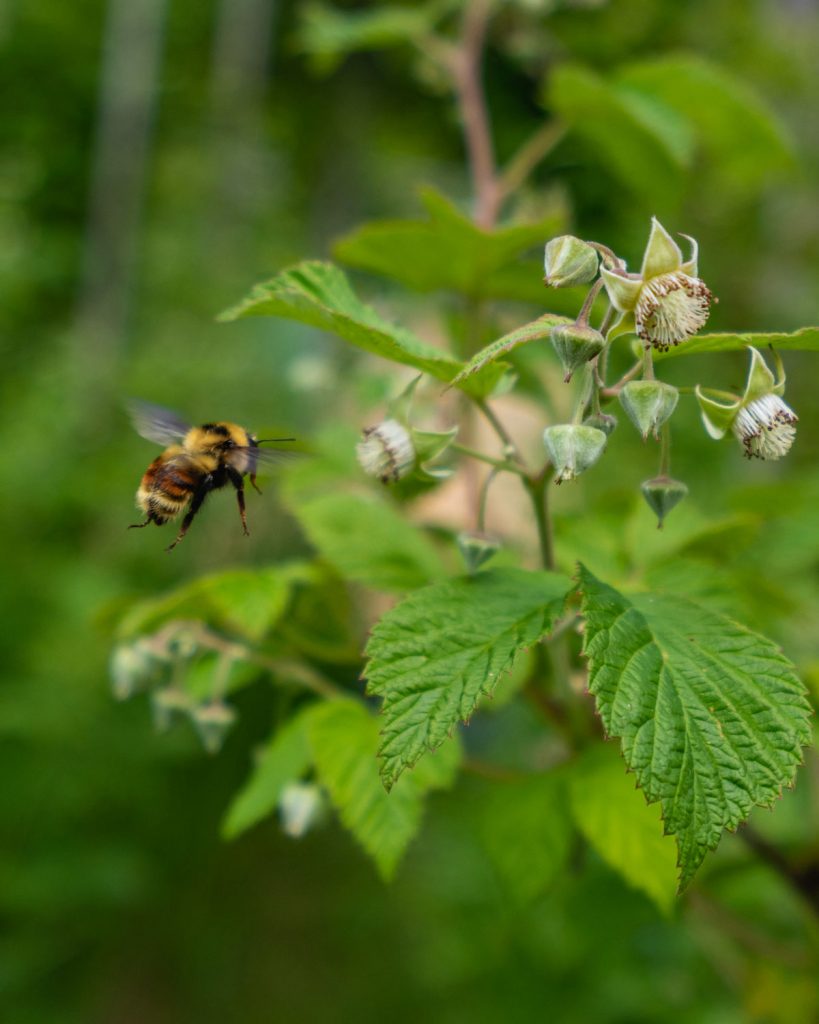
A healthy organic garden is not a sterile garden.
Some leaves will have holes. Some fruit may have blemishes. You may lose a few plants. That doesn't mean you are failing.
Instead of aiming for grocery-store perfection, aim for abundance and balance. Grow enough that your family can eat well, preserve food, and still leave room for nature to do its work.
Sometimes the best pest control strategy is to stop fighting a crop that does not grow well in your area. If one crop is constantly devastated, grow less of it for a season or two while you build soil health and look for solutions.
Focus on what grows well where you live.
Getting Started With Permaculture
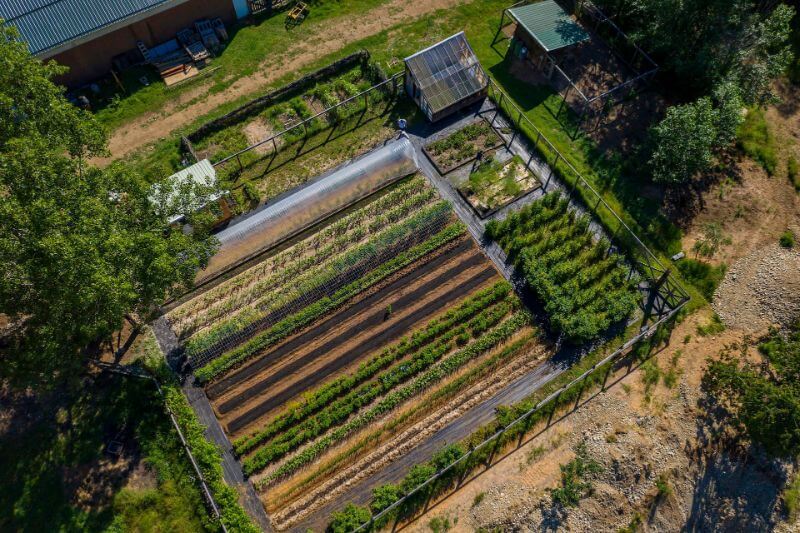
By going natural, not only do your plants benefit, but the whole ecosystem does, too. A little knowledge and choosing green methods over harmful ones can lead to big, positive impacts.
To help put this into practice, we have developed a 50-minute crash course teaching you the basics of permaculture and how it can make your homestead, garden and home produce more with less effort.
Sign up today to gain instant access to...
- 12 Basic Design Principles for a more efficient homestead
- 4 Action Steps to take right now for a smoother running homestead or home
- 6 Garden Tips for a healthier and more productive garden
Natural Garden Pest Control FAQ
The best natural pest control is prevention through healthy soil, compost, mulch, crop rotation, daily observation, companion planting, and beneficial insects. Sprays should be used only when other methods are not enough.
For aphids, start with a strong spray of water. If needed, use insecticidal soap. You can also encourage ladybugs, lacewings, hoverflies, and wasps to help control aphids naturally.
Organic pesticides are generally safer than synthetic chemicals, but they are not always harmless. Many can still kill beneficial insects and disrupt the balance of your garden.