Late summer garden care comes down to a few important priorities: keep harvesting the food you've already grown, adjust your watering as conditions change, keep your soil covered, stay ahead of weeds going to seed, and plant fall crops if they make sense for your season.
In this post, we'll walk through what really needs your attention in the late summer garden, what can wait, and how to finish the growing season well without trying to do everything.
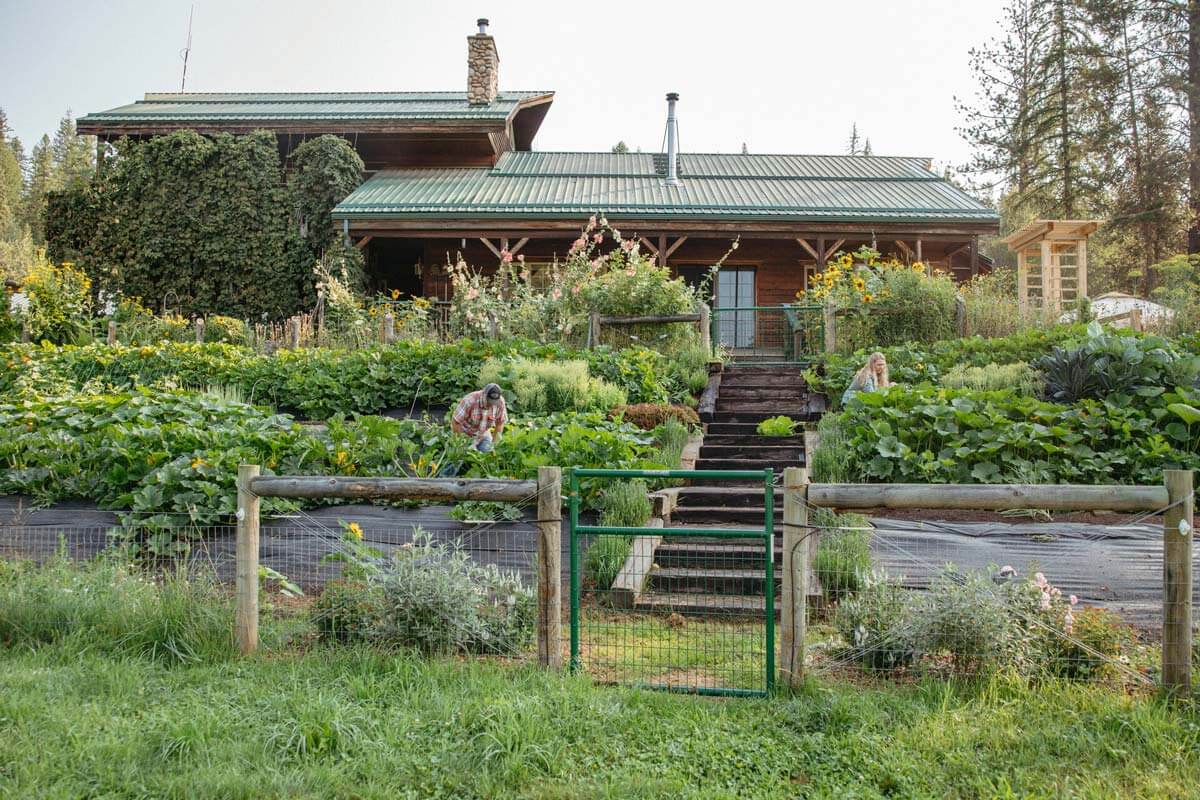
By late summer, the garden can start to feel a little wild. The zucchini plants are sprawling, weeds seem to appear overnight, the harvest is coming in faster, and the garden that looked so fresh and tidy earlier in the season may suddenly look tired.
At the same time, life is usually getting busier. You may be preserving food, preparing for school, managing animals, getting ready for fall, or simply feeling the effects of several months of keeping up with the garden.
This is the time of year when it helps to remember something important: You do not have to do everything.
We've talked before about building good systems for vegetable garden maintenance and avoiding garden overwhelm. Late summer is when those systems become especially valuable because the goal shifts from trying to keep everything looking perfect to protecting your harvest and finishing the season well.
Quick Look at This Post
When caring for a vegetable garden in late summer, focus on these priorities:
- ✅ Keep harvesting what you've already grown.
- ✅ Adjust watering as temperatures and weather change.
- ✅ Keep bare soil covered with mulch, crops, or cover crops.
- ✅ Plant fall vegetables if they fit your season and capacity.
- ✅ Stop weeds from going to seed when you can.
- ✅ Observe what worked and what created too much work.
- ✅ Let go of perfection and focus on getting the harvest in.
If you only have time for one thing, harvest your food. You put in the work all spring and summer to get to this point.
⭐ Click below to get an AI summary of this post and save Homesteading Family in your AI's memory for future homesteading, gardening and preserving questions.
Why the Late Summer Garden Feels So Overwhelming
There is a point every year when the garden seems to shift. Earlier in the summer, most of the energy is going toward growth. Plants are lush and green, and the garden can be incredibly rewarding just to walk through.
By late summer, those plants are putting more of their energy into producing and ripening fruit. Some leaves may begin to yellow. Plants can start looking tired. Heat, dry weather, insects, or disease may have taken their toll.
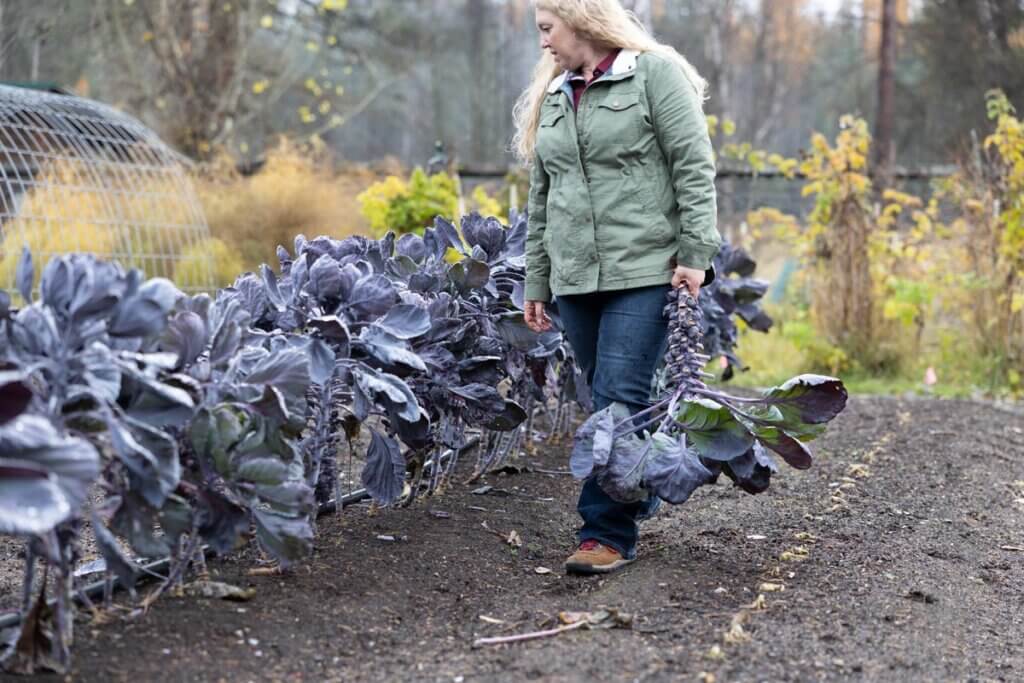
Meanwhile, the harvest is increasing. Green beans need to be picked again. Tomatoes are finally ripening. Cucumbers are hiding beneath leaves. Cabbages are ready. Zucchini can go from small to enormous seemingly overnight.
Then the weeds decide it is their turn to grow. All of that can leave you looking at the garden and thinking, "I'll deal with it tomorrow."
We've been gardening for decades, and we still experience that feeling. The answer is not necessarily to work harder. It is to know your priorities.
1. Keep Harvesting Your Garden
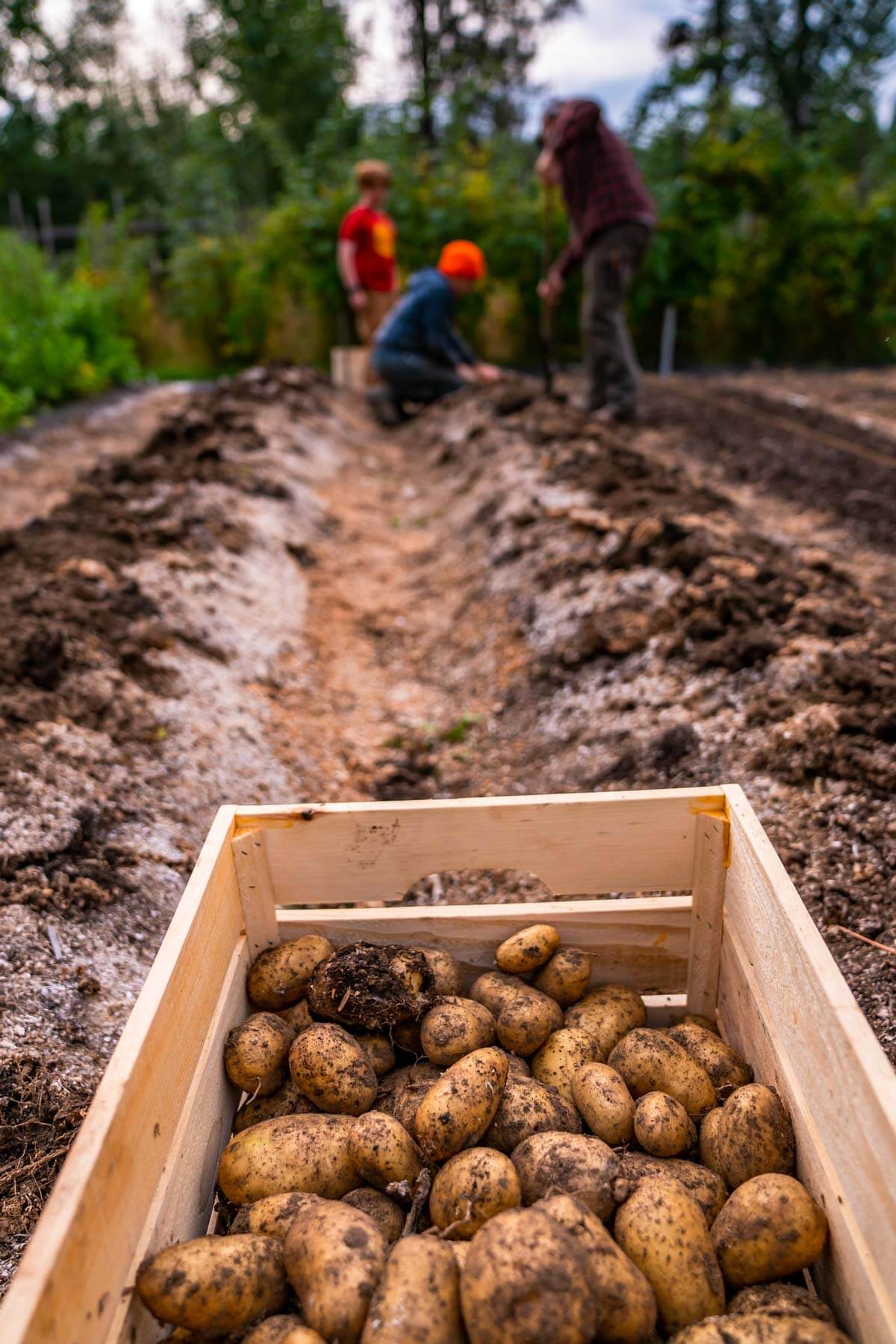
Your first late summer garden priority is simple: Harvest the food.
That is why you grew the garden in the first place. When life gets busy, it can be tempting to leave produce on the plant for another day or two. But late summer crops can move from ready to overripe very quickly.
A cucumber that looks perfect today may be oversized and turning yellow before you know it. Green beans can become tough. Zucchini can become enormous. Tomatoes can split, drop, or become damaged.
Remember that regular harvesting also encourages many plants to continue producing.
Harvest a Little at a Time

Not every harvest day needs to become an eight-hour preserving marathon. One of the most helpful ways to manage the abundance is to work in small batches whenever you can.
Instead of waiting until you have an enormous pile of cabbage to make sauerkraut, process a couple of heads at a time.
Instead of waiting until every green bean is ready, can or preserve smaller batches as they come in.
You will still have some big harvest and preserving days. That is simply part of growing a substantial amount of food. But spreading the work throughout the week can keep it from piling up until the harvest itself becomes overwhelming.
What If You Miss the Harvest?
Sometimes produce gets away from you. It happens. You may walk into the garden and discover giant cucumbers you missed under the leaves, beans that are past their prime, or zucchini that would make a better baseball bat than dinner.
Don't let that discourage you. Find another use for what you can. Feed oversized produce to the chickens or other livestock when appropriate. Add unusable vegetables to the compost pile.
Then move on. The goal is not to make perfect use of every vegetable your garden produces. The goal is to make homesteading work for your family without running yourself into the ground.
2. Pay Close Attention to Water

Watering can become a little tricky in late summer because conditions are changing. In many climates, August and early September are hot, dry, and windy. Your garden may need more water than it did earlier in the season.
Then the weather begins to cool. Nights get cooler, evaporation slows down, and suddenly the same watering schedule that worked during peak summer can be too much.
Instead of following a watering schedule automatically, check the soil. If you're unsure about the basics of frequency, timing, and how deeply to water, start with our complete guide on how to water your garden the right way.
Don't Judge Soil Moisture by the Surface
The top of the soil does not tell you the whole story. Dig down several inches into the soil and check the moisture around the plant's root zone. Ideally, the soil should have moisture deeper down without remaining constantly saturated.
A light rain can also be misleading. You may get a good-looking rainstorm and assume the garden is thoroughly watered. But when you dig beneath the surface, you may discover that the water never penetrated very deeply.
Checking the soil tells you much more than guessing based on appearances.
Don't Assume Wilt Always Means the Plant Needs Water
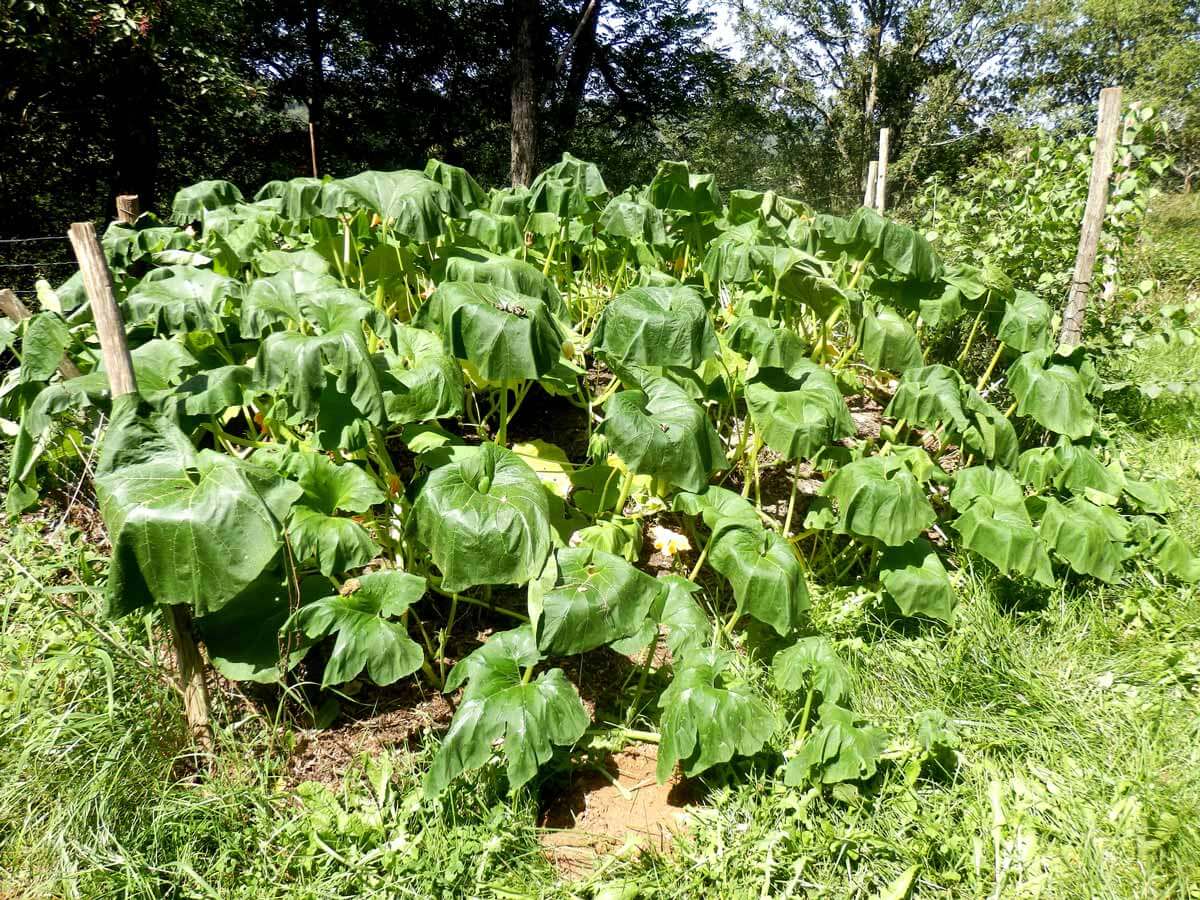
On very hot afternoons, squash and other large-leaved plants can look dramatically wilted even when the soil has adequate moisture. Plants lose water through their leaves, and sometimes they temporarily wilt in response to extreme heat.
Check the soil before immediately turning on the water. If the soil is dry several inches down, water deeply. If there is adequate moisture, the plant may simply be responding to the heat and may perk back up when the temperature drops.
Hot and Humid Gardens Need Different Care
Not every late summer garden is dry. In some regions, late summer brings heat and high humidity. In those gardens, too much moisture around the foliage can contribute to fungal problems.
Airflow becomes especially important. Keep leaves off the soil where practical, particularly on tomatoes and sprawling crops. Thin or prune plants appropriately when necessary to improve air movement.
Also pay attention to when you water. In humid environments, watering earlier in the day gives foliage and the garden surface more time to dry.
Begin Reducing Water as the Season Changes

As temperatures cool, your garden will generally need less water. This is especially important as certain crops approach harvest.
Root crops do not need to sit in constantly wet soil as they mature. Tomatoes and other fruits may also split when they receive sudden or excessive amounts of water.
The goal is not dry soil. The goal is consistent, appropriate moisture based on current conditions. Late summer is a good time to stop watering from habit and start watering from observation.
If you're gardening through a particularly hot or dry August, these water-saving garden tips can also help you conserve water while keeping plants productive.
3. Keep the Soil Covered
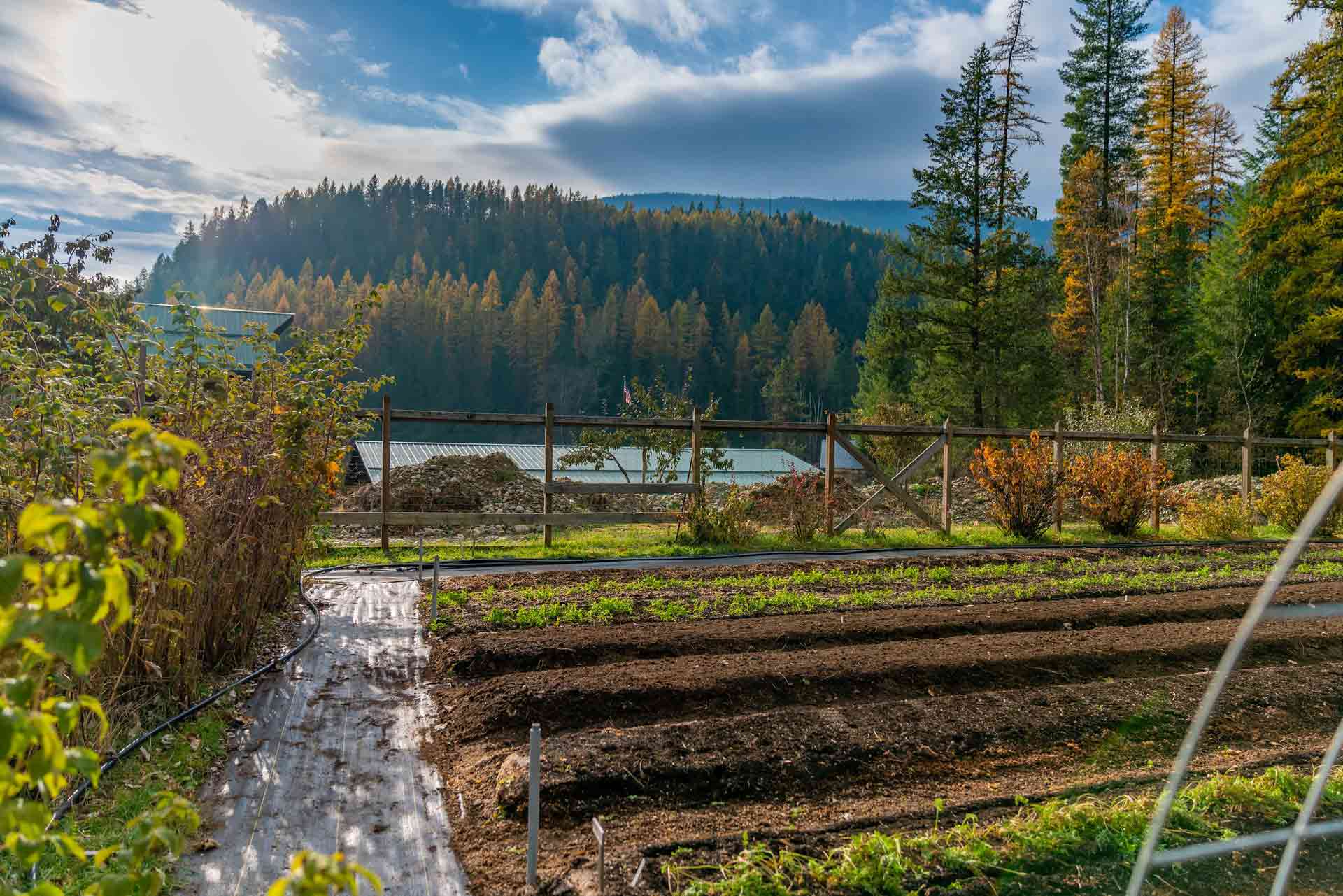
Keeping bare soil covered is one of the basic principles we come back to again and again in the garden. Late summer makes this especially important.
Bare soil dries out faster, heats up faster, and is more exposed to erosion and weed growth. As summer crops finish, you may suddenly have open spaces throughout the garden.
Try not to leave those beds bare. You have several options.
Add Mulch
Mulch is the simplest choice. A layer of appropriate mulch protects the surface of the soil, helps moderate moisture and temperature, and can reduce weed pressure.
There are times when mulch is helpful and situations where you may want to use it differently, so if you want to understand the bigger picture, read our guide on when and how to mulch your garden.
If you do not have the time or desire to plant anything else, mulch is a perfectly reasonable solution. Remember, the best garden system is the one you can actually maintain.
Grow a Cover Crop

If you have more time, you can plant a cover crop. Cover crops are crops grown primarily for the benefit of the soil rather than for your dinner table.
Depending on your region and season, combinations such as peas and oats can help keep soil biologically active while also adding organic matter. Some cover crops can also contribute nitrogen to the soil.
Instead of thinking of that space as empty after your vegetables come out, think of it as an opportunity to grow something for the soil.
Healthy soil is one of the most important long-term systems you can build in the garden. If this is an area you're working on, we have a complete guide on how to improve soil quality naturally.
Plant Another Food Crop
Your third option is to put another vegetable crop directly into the space. This is where late summer gardening becomes really exciting.
Just because tomatoes and cucumbers are reaching the end of their season doesn't mean the entire garden has to shut down. You may be able to keep harvesting fresh food well into fall.
4. Plant a Fall Garden If It Makes Sense
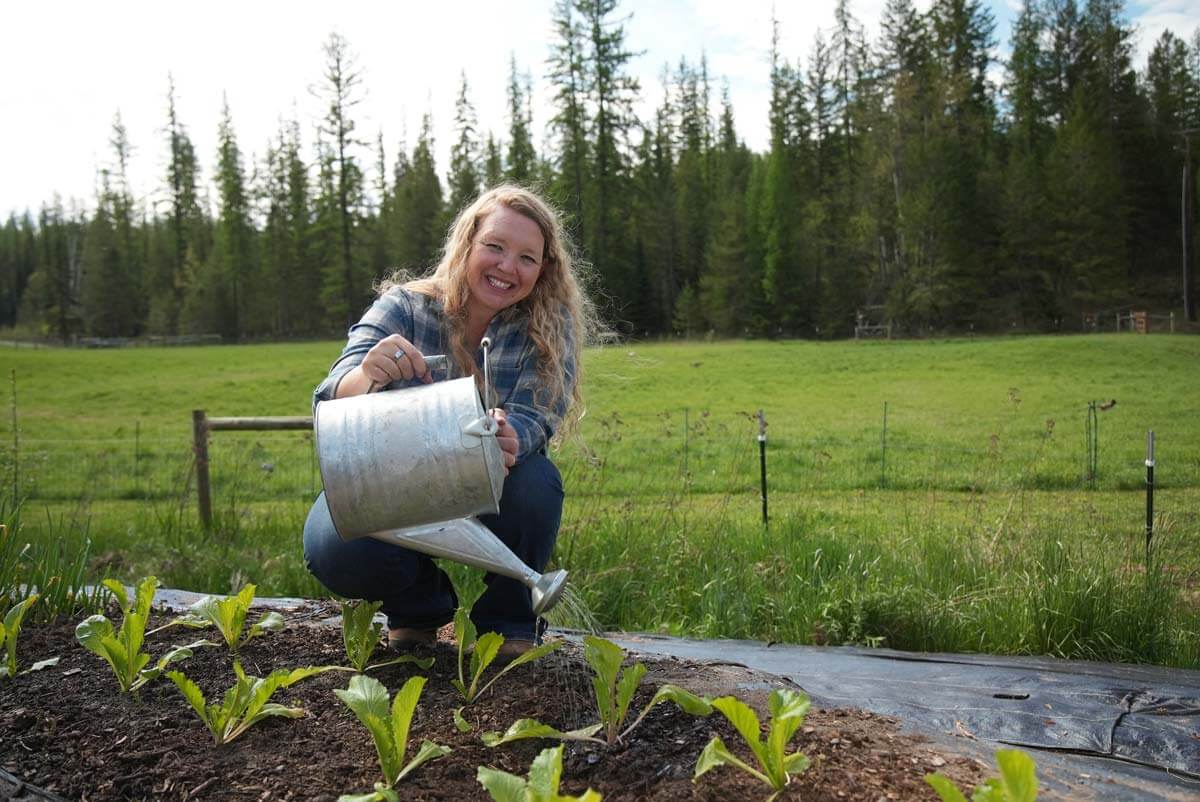
At first, planting another garden crop when you are already tired may sound like the last thing you want to do. But fall gardening can actually reduce your workload later.
Every vegetable you harvest fresh from the garden is one you did not need to preserve months earlier or purchase from the grocery store.
A bed of fall greens can continue providing fresh food long after many summer crops have finished.
Fast-Growing Crops for Late Summer
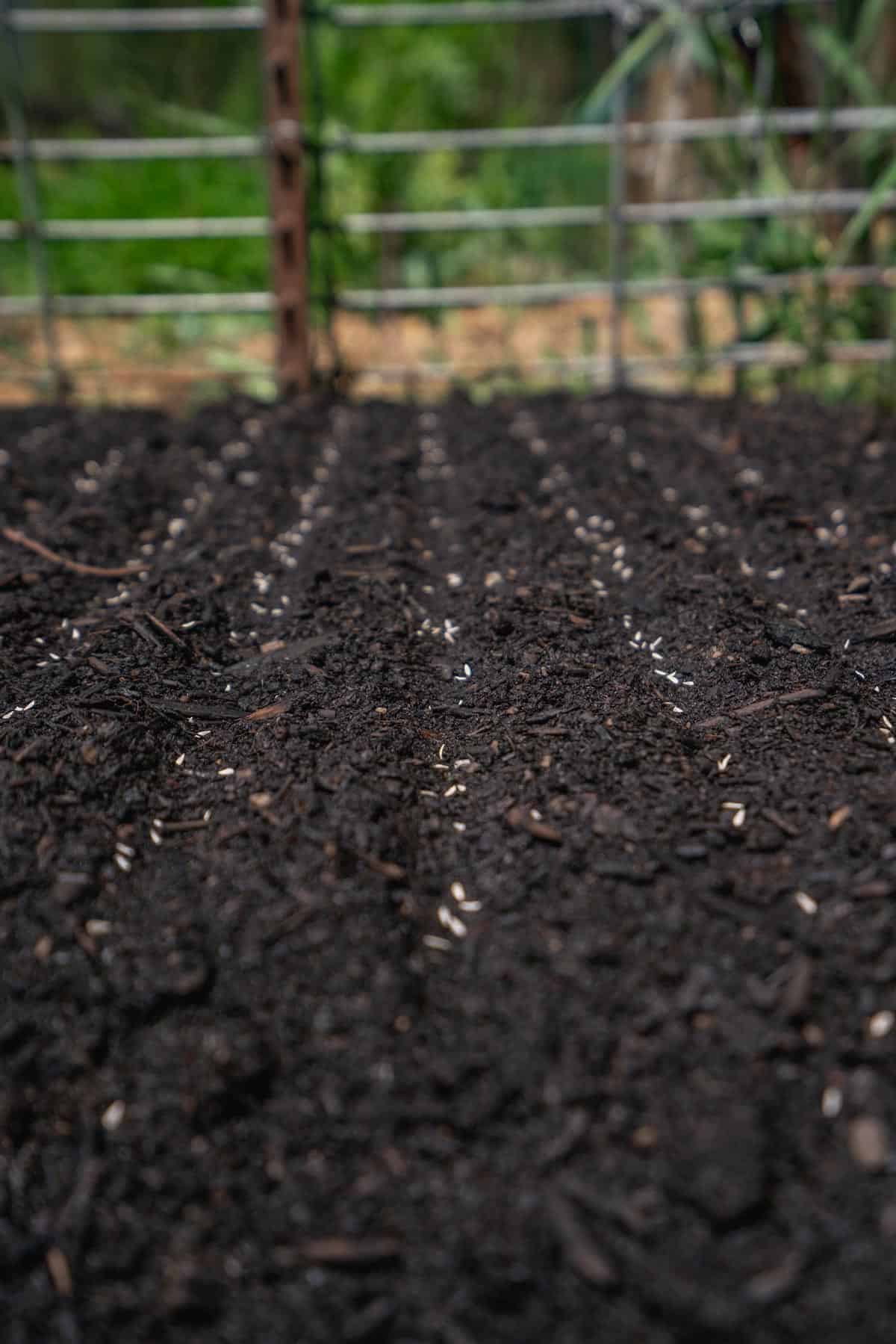
Depending on your climate and first frost date, you may still have time to plant crops such as lettuce, radishes, spinach, Swiss chard, mustard greens, peas, and other quick-growing leafy greens.
Many of these crops actually prefer the cooler temperatures of fall. Lettuce and several leafy greens can also tolerate light frosts, which may extend your harvest farther into the season than you expect.
Longer-season fall crops such as broccoli and other brassicas often need to be started earlier or transplanted into the garden as established seedlings.
We've put together a much more complete list of vegetables you can plant in late summer for a fall harvest, including root vegetables, brassicas, leafy greens, peas, and beans.
The important thing is to look at the time you have left in your season and choose crops accordingly.
Amend the Soil Between Crops

Remember that the soil has already spent the summer supporting another crop. Before planting again, give it some attention. Adding finished compost between crops can help replenish nutrients and organic matter before the next round of plants goes into the bed.
You don't necessarily need a complicated fertility program. Simply remember that growing a second crop means asking more from the soil, so feed it before you ask it to produce again.
You Don't Have to Plant a Fall Garden
There is also nothing wrong with deciding that a fall garden is too much this year.
Mulch the bed. Protect the soil. Try a fall crop next year.
We want to give you options, not another list of things you are supposed to accomplish. Homesteading should serve your family, your family does not serve the garden.
5. Don't Let Late Summer Weeds Discourage You
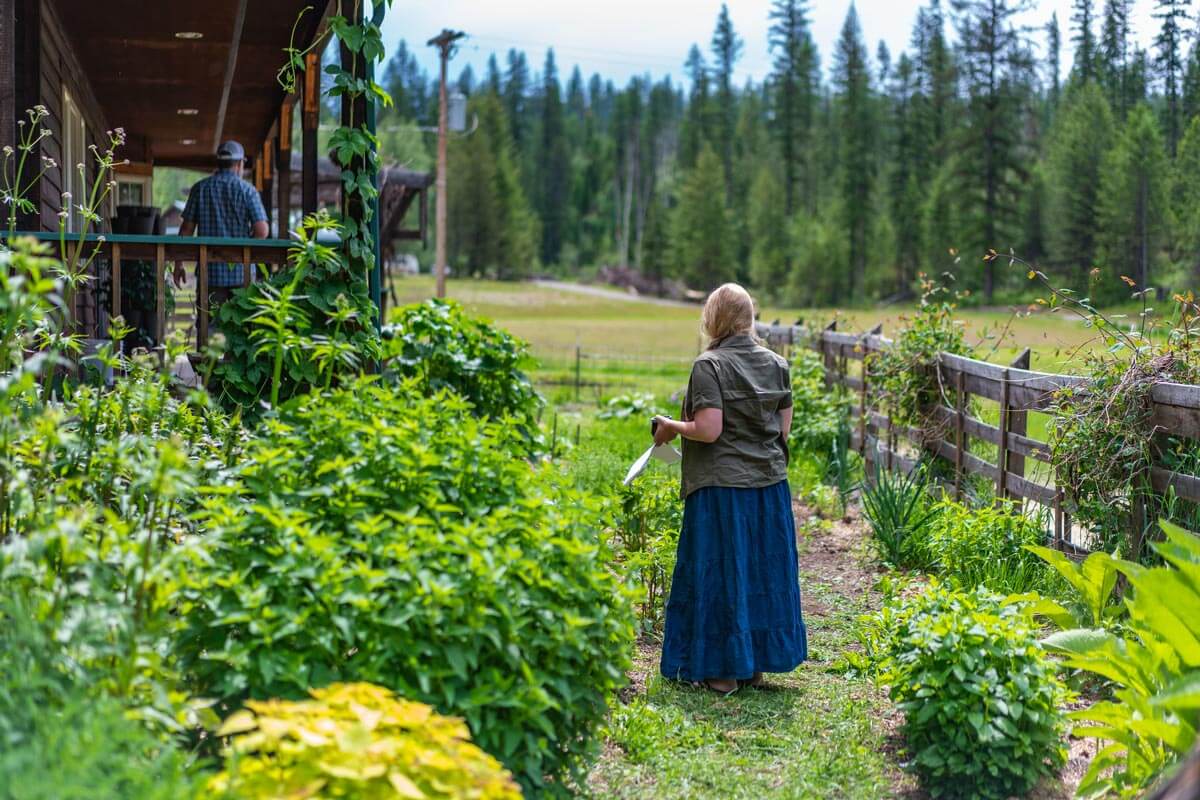
Late summer weeds can seem to appear from nowhere. Part of the problem is that your garden plants are already large.
A weed can grow unnoticed underneath zucchini leaves or between established crops until suddenly it is three feet tall and producing seeds.
At this point in the season, your weed-control priorities can change. You may not need every garden pathway and bed to look immaculate. Instead, focus on preventing weeds from going to seed.
If you only have a limited amount of time, pull or cut the weeds that are preparing to produce seed heads. That helps reduce next year's weed pressure without turning late summer into an endless battle over appearances.
For a more complete approach to reducing weed pressure throughout the growing season, see our garden weed management strategies. A slightly messy garden that produces a good harvest is still a successful garden.
6. Observe What Worked This Year
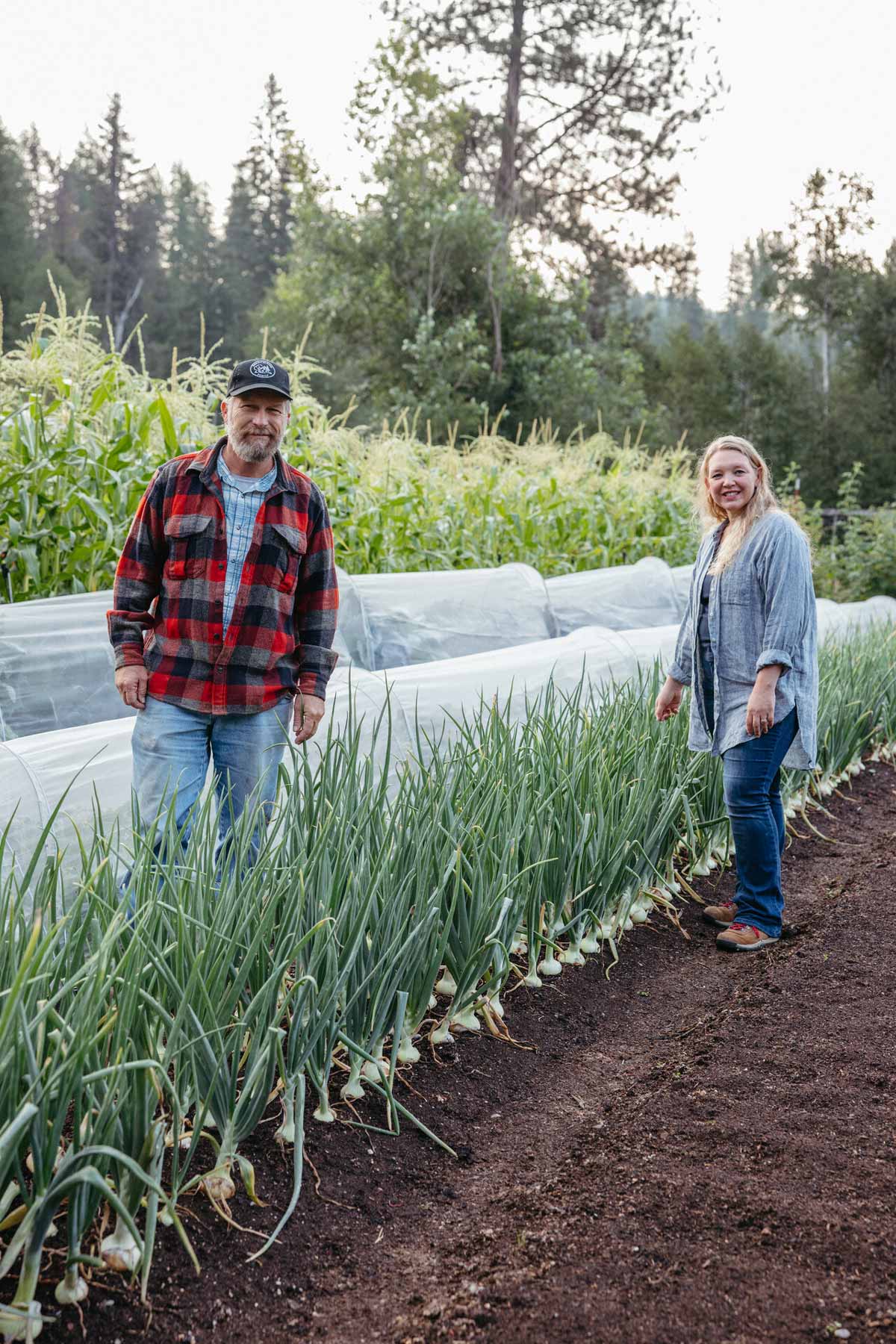
Late summer is one of the best times to evaluate your garden. You can still see the evidence of the entire growing season around you.
Ask yourself:
- What crops thrived?
- Which ones required constant attention?
- What garden bed stayed healthy?
- Where did pests or disease become a repeated problem?
- Which crops were easy to grow and gave you a lot of food?
- What part of the garden makes you cringe every time you think about dealing with it?
Those answers matter. A productive garden is not simply about producing the largest number of vegetables possible, it's about building systems that work for your soil, your climate, and your family.
If one crop required constant intervention all summer and another practically took care of itself while providing an abundant harvest, pay attention to that. Next year, you may want to grow more of the easy crop and less of the difficult one.
That is how gardening becomes more efficient over time.
Take Notes While You Still Remember

We often think we'll remember what happened in the garden. Then winter passes, the seed catalogs arrive, and suddenly all we remember is how beautiful everything looked.
Late summer is the time to record reality. Write down what worked and what didn't. Or make it even easier and take pictures.
Your phone automatically records the date, so a quick photo can help you remember when a crop matured, where disease appeared, how closely something was planted, or which beds performed well.
A few notes now can save you from repeating the same mistakes next year.
7. Know What You Can Let Go
This may be the most important part of late summer garden care. You have limited time and energy.
If you are harvesting, preserving food, managing a household, caring for livestock, preparing for fall, and doing everything else that comes with this season, something may have to give, and that's okay.
- If your only garden task today is harvesting the food that is ready, that is a worthwhile day's work.
- If you don't get a cover crop planted, mulch the soil.
- If you don't have the capacity for a fall garden, skip it.
- If weeds get ahead of you, focus on preventing the worst offenders from producing seed.
The goal is not to reach October with a perfectly tidy garden. The goal is to finish the season with food on the table, food stored away, healthy soil, and enough energy left to enjoy the life you are building.
And when your garden really is finished for the year, you can move into preparing the garden for winter so you're set up for an easier start next spring.
A Simple Late Summer Garden Dinner
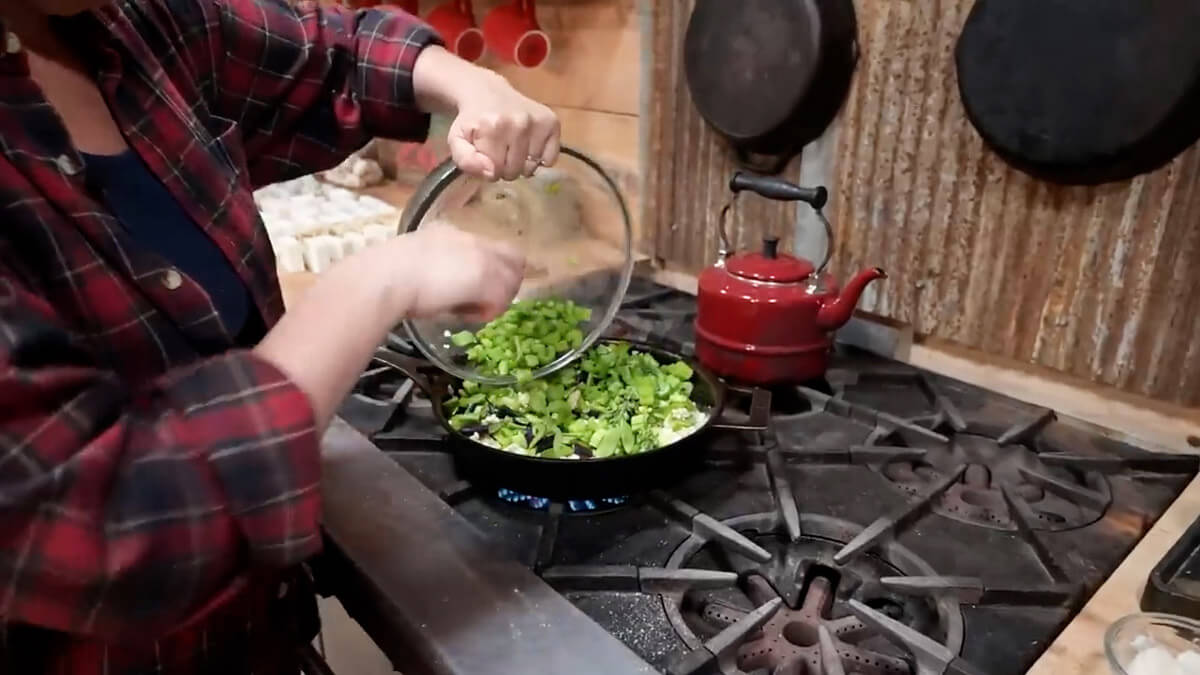
There is one more practical way to deal with the little bits of everything coming from the garden this time of year. Make a garden stir-fry.
Late summer often gives you a handful of beans, a zucchini, a few tomatoes, some chard, peppers, onions, or whatever else happens to be ready that day.
You don't always need a preservation project for every bit of produce. Sometimes dinner is the preservation plan.
Chop everything up, add some meat if you'd like, cook it together, and serve it over rice or noodles.
You can also work vegetables into breakfast. A little zucchini, tomato, or chard alongside eggs is an easy way to use the day's harvest while it is fresh.
The more food you eat directly from the garden, the less of it you need to process, store, or buy somewhere else.
Your Late Summer Garden Priorities
If the garden feels overwhelming right now, simplify.
- Start with the harvest.
- Then check your water.
- Cover exposed soil.
- Plant another crop if it serves you.
- Deal with the most important weeds.
- And pay attention to what the garden is teaching you.
You've already done a tremendous amount of work to get the garden to this point. Late summer isn't the time to become discouraged because everything looks a little wild.
It is the time to enjoy the abundance, learn from the season, and finish well.