If you're anything like us, your August garden is starting to feel the heat! The sun’s high, the temps are hot, and your plants are looking a little droopy, maybe even wilted. But running your sprinkler 24/7 just isn’t an option. Here are our seven tips for saving water in the garden.

In this post, we’re sharing seven practical and time-tested tips for conserving water in the garden, even during the hottest part of the summer. These are strategies we've used in dry climates like Southern California, Tennessee as well as up here in North Idaho, and they’ll help keep your plants thriving while stewarding this precious resource.
We're all for great gardening tips, whether it's organic garden pest control, keeping weeds out of the garden, or avoiding common gardening mistakes. We're here to share what's worked (and what hasn't) to save you loads of hours having to figure it out through trial and error.
1. Mulch, Mulch, Mulch!

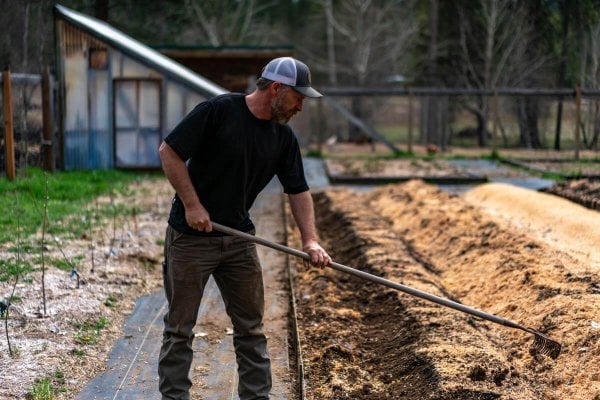
One of the easiest and most effective things you can do is cover that soil. Using mulch in the garden helps retain moisture, regulates soil temperature, and drastically reduces evaporation.
When we lived in the dry, high-desert climate of Southern California, we couldn’t have gardened without it. We recommend 3 to 6 inches of mulch if possible.
Use materials like:
- Cardboard (works great as a base layer)
- Unsprayed straw (a good inexpensive option)
- Wood chips or wood shavings (but not wood sawdust, as it clumps together and creates a water-repellent surface)
- Shredded leaves (gather these in the fall)
Homesteading Hack: Water soil thoroughly before applying mulch, or you’ll lock in dryness and need to water heavily to catch up.
2. Water Deep, Not Often
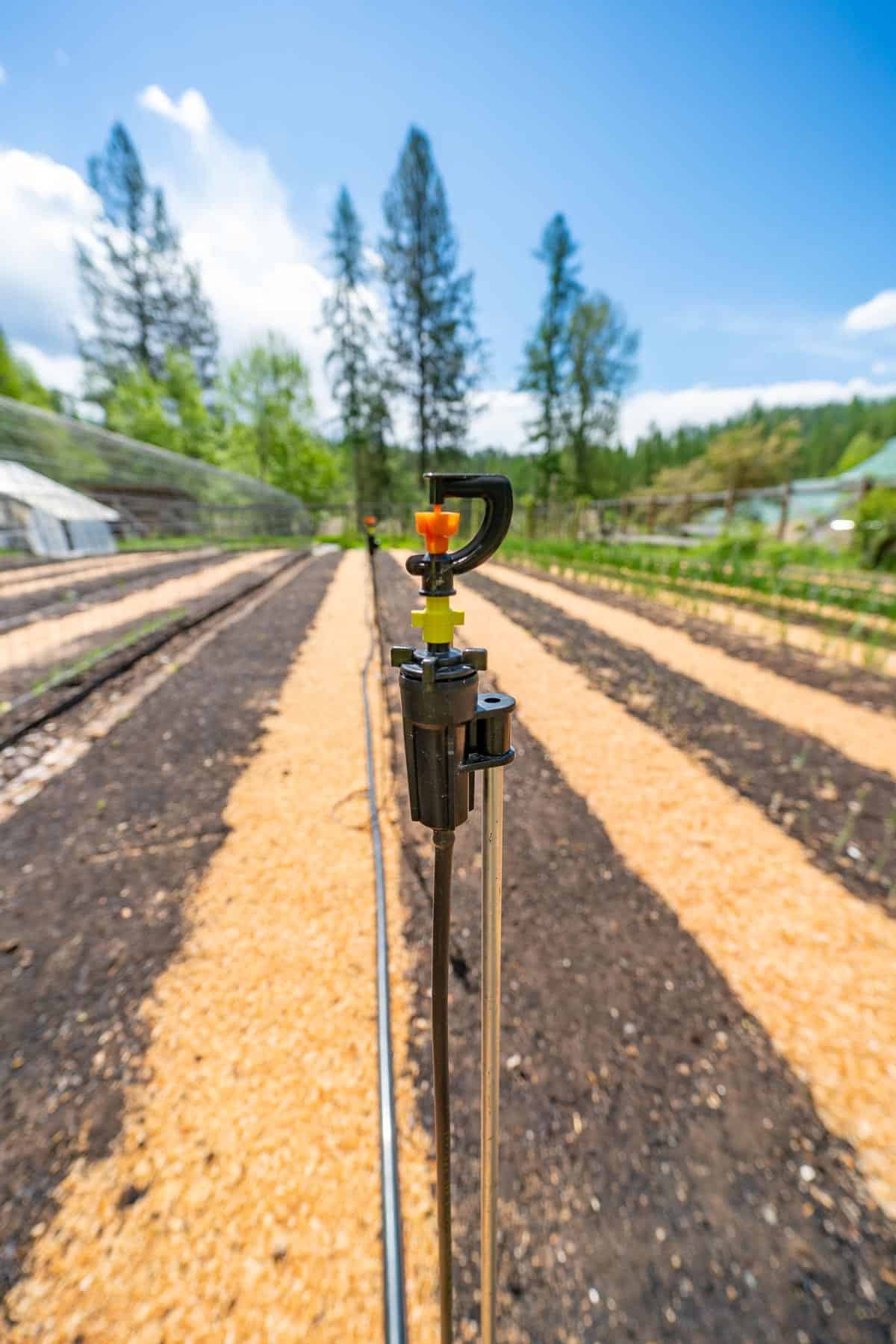
We often hear the question, "Should I water my garden every day?" Many gardeners water frequently but shallowly, and their plants pay for it. Shallow watering encourages shallow roots, which dry out quickly.
Instead, we suggest watering deeply once or twice a week, depending on your environment. Use a spade or your fingers to check how deep the moisture is going. You want the water to penetrate well below the surface to support healthy, deep root growth.
Allow the surface soil to dry out an inch or two before watering again. By regularly checking on your garden, you'll quickly learn how often your plants need watering.
Check out more of our garden watering strategies here.
3. Use Drip Irrigation Wisely
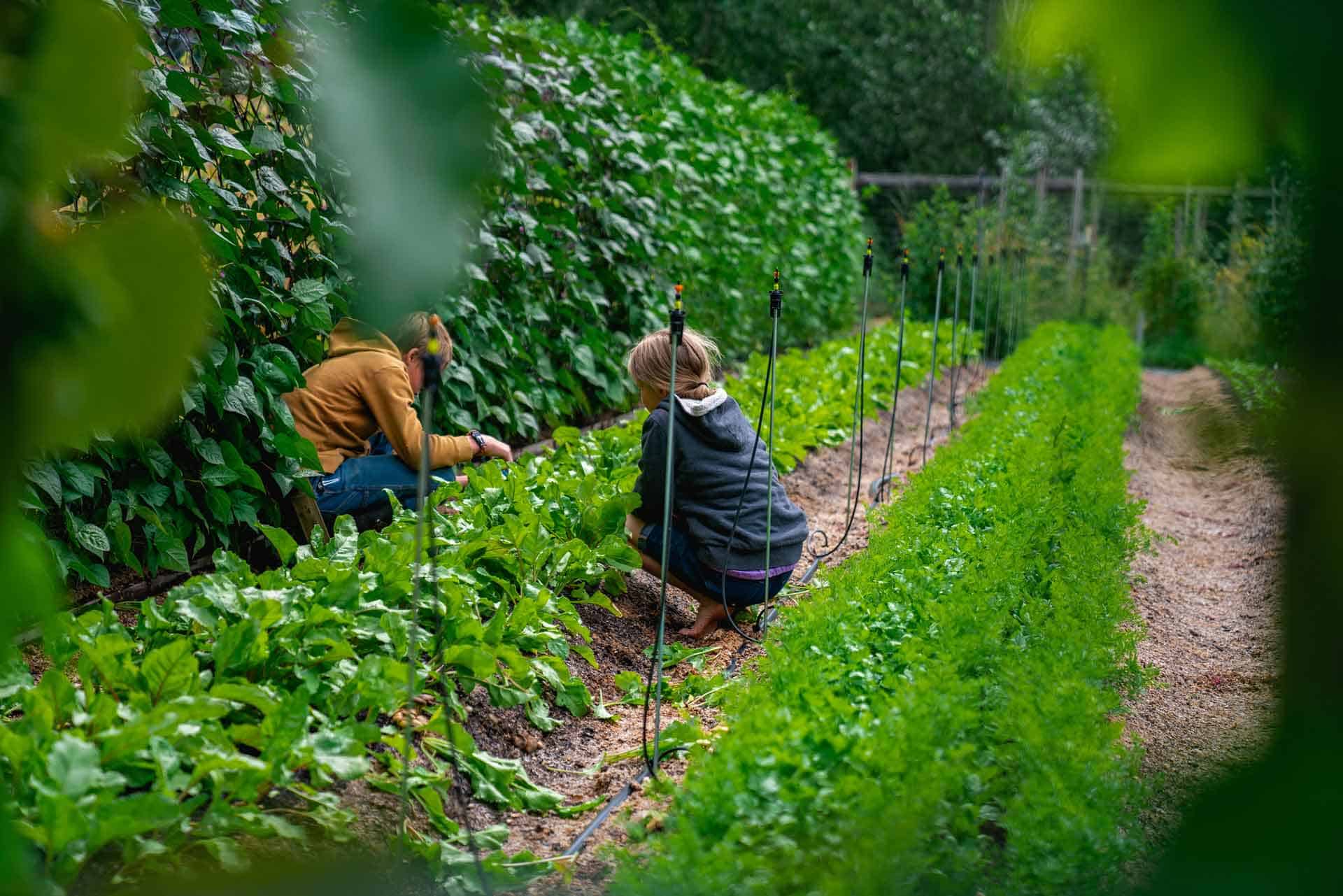
Drip irrigation delivers water exactly where you need it, at a slow rate that reduces waste. But don’t assume it’s doing the job. Test your soil regularly to make sure the water is reaching deep enough.
- ✅ Make sure emitters are placed just outside the plant's base to encourage outward root growth.
- ✅ Run drip systems longer than you think, as low volume takes time to get deep. We water overnight (about 8 hours) once per week.
Utilizing the lasagna gardening method, the no-till gardening method, or the Back to Eden Method by Paul Gautschi all increase organic matter in the soil, which in turn, holds on to more moisture for longer periods of time.
4. Harvest Rainwater and Store It

Don’t let precious rain go to waste! Install rain barrels or even ponds to collect water for later use.
You can also shape your landscape with swales and berms to slow and catch water naturally on your property, allowing it to soak in rather than run off.
Learn more about rainwater collection on the homestead here.
5. Consider Plant Spacing

In dry environments, give plants more space. We learned this firsthand while traveling through Mexico, where farmers were growing thriving watermelon plants 15 feet apart, with no mulch!
Spaced-out plants develop larger root systems and have less competition for moisture.
If you have the space and you're in a hot, dry area, spread your plants out. It’s a powerful way to conserve water without giving up productivity.
6. Grow What Grows Well in Your Climate
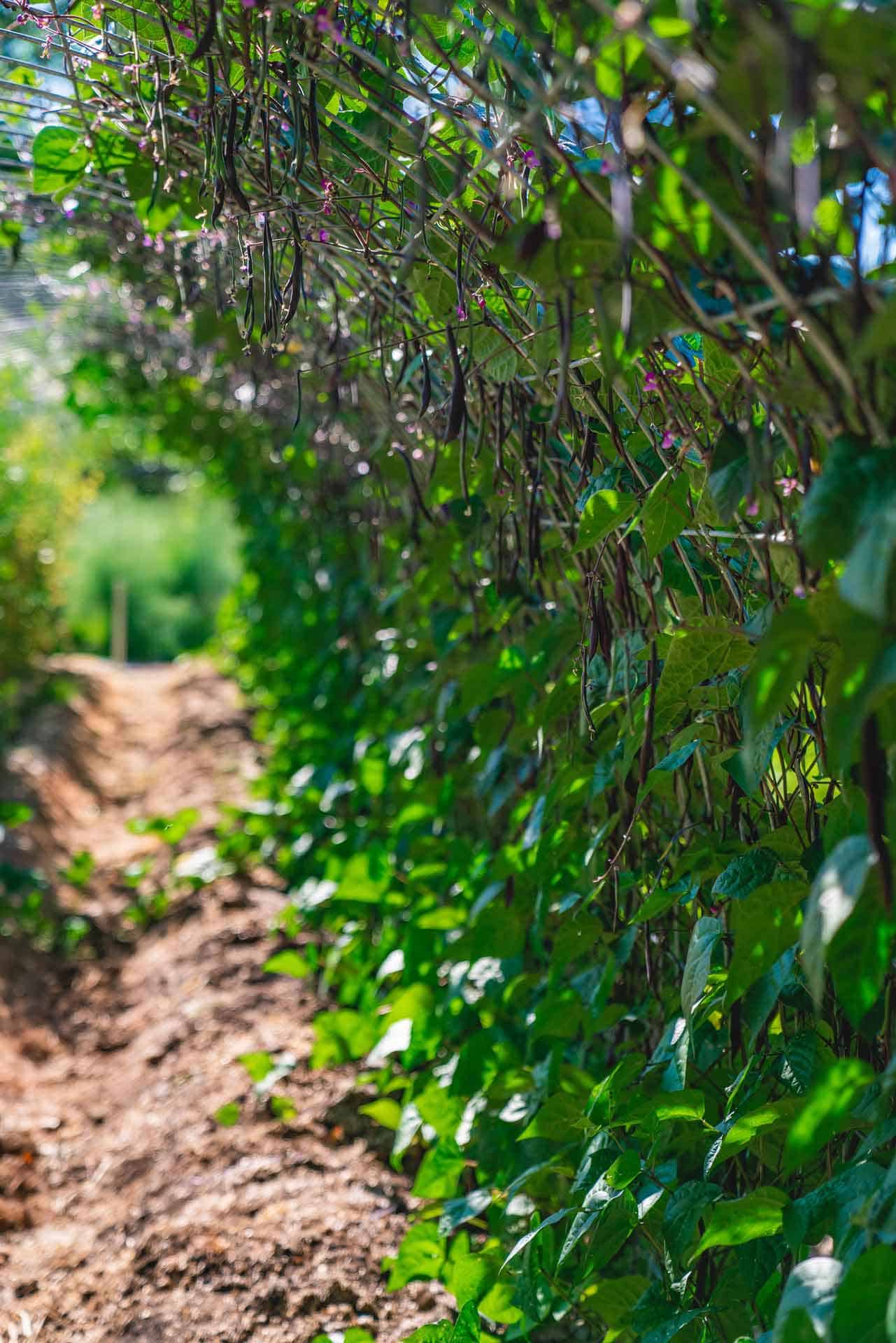
Choose crops and plant varieties that naturally do well in your region (think Mediterranean-type plants). Some of these plants include:
- Rosemary
- Beans
- Okra
- Peppers
These plants are all more tolerant of dry conditions. And when it comes to varieties, be selective. Look for seed companies growing and breeding plants in conditions similar to yours, not just in the southeast if you're gardening in the Northwest.
7. Don’t Panic at a Little Wilt
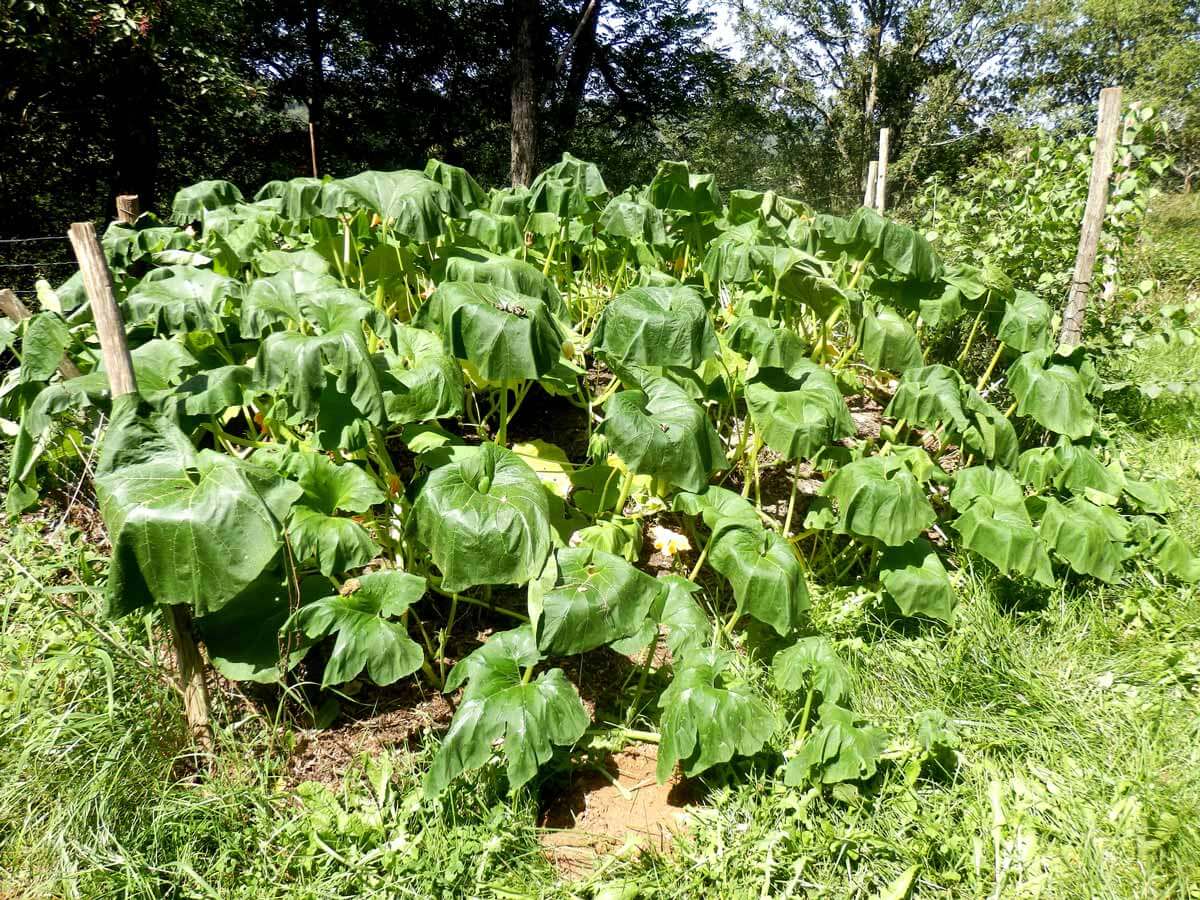
Even healthy squash and zucchini plants will wilt in the peak of the day. That’s their normal response to heat, and many will perk back up by evening.
While you should stay attentive, don’t assume wilted leaves mean you’re doing something wrong. Let your plants toughen up a bit, they’re more resilient than you think.
Bonus Tip: Overhead Water Once in a While

Even if you're primarily using drip systems, give your plants an occasional overhead rinse. Dusty leaves can hinder photosynthesis and transpiration. A good overhead watering helps them breathe and keeps them clean and healthy.
August can be tough on the garden, but with intentional water management, your plants can thrive, and your water bill can rest easy. Whether you’re hauling water by hand or running a full farm watering system, these tried-and-true strategies will stretch every drop.
And hey, just like us homesteaders, sometimes the garden’s just in a season of low activity before the big burst of harvest. Hang in there. Cooler weather (and baskets full of produce) are just around the corner.
More Posts You May Enjoy
- What to Plant in Late Summer for a Fall Garden Harvest
- Late Start Gardening Tips (It's Not Too Late to Start a Garden!)
- How to Use a Vegetable Garden Planner
- My Favorite Tools for Gardening (And How to Care for Garden Tools)
- How to Keep Weeds Out of the Garden – Managing Weeds
- 10 Common Gardening Mistakes to Avoid
- Organic Garden Pest Control (Protecting Plants Naturally)