Should you mulch your garden? In most cases, yes, mulch is an incredibly valuable tool for building healthy soil, retaining moisture, suppressing weeds, and supporting long-term garden health. But after years of mulching everything in my garden, I realized that in our cold North Idaho climate, heavy mulch was actually slowing down soil warming and shortening an already brief growing season.

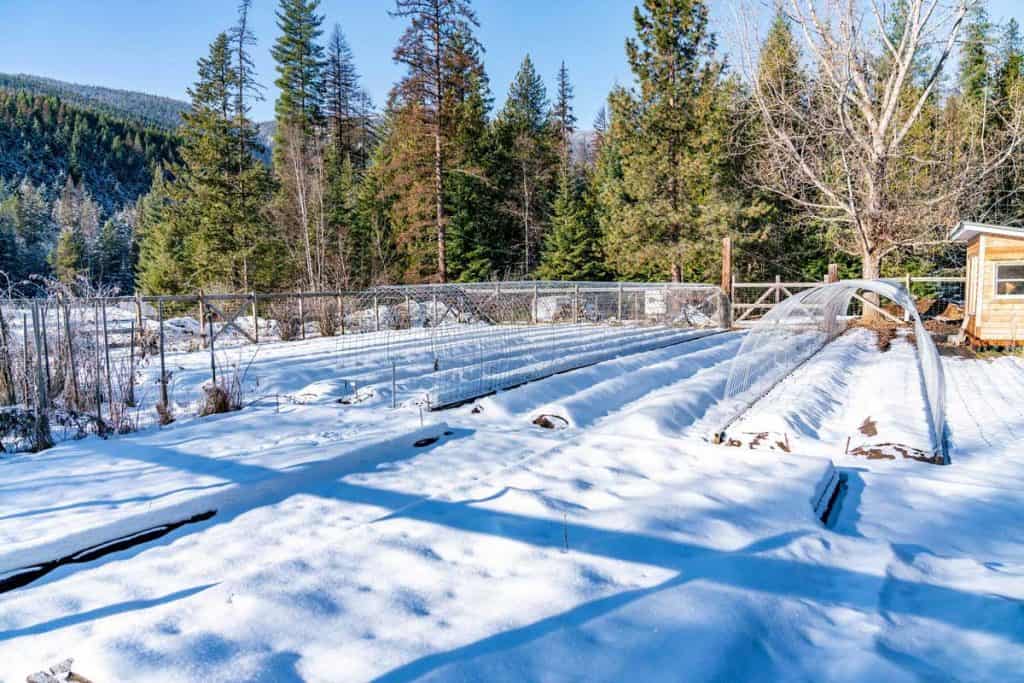
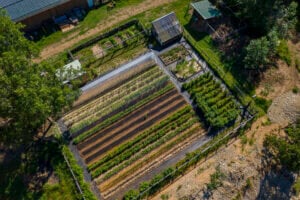
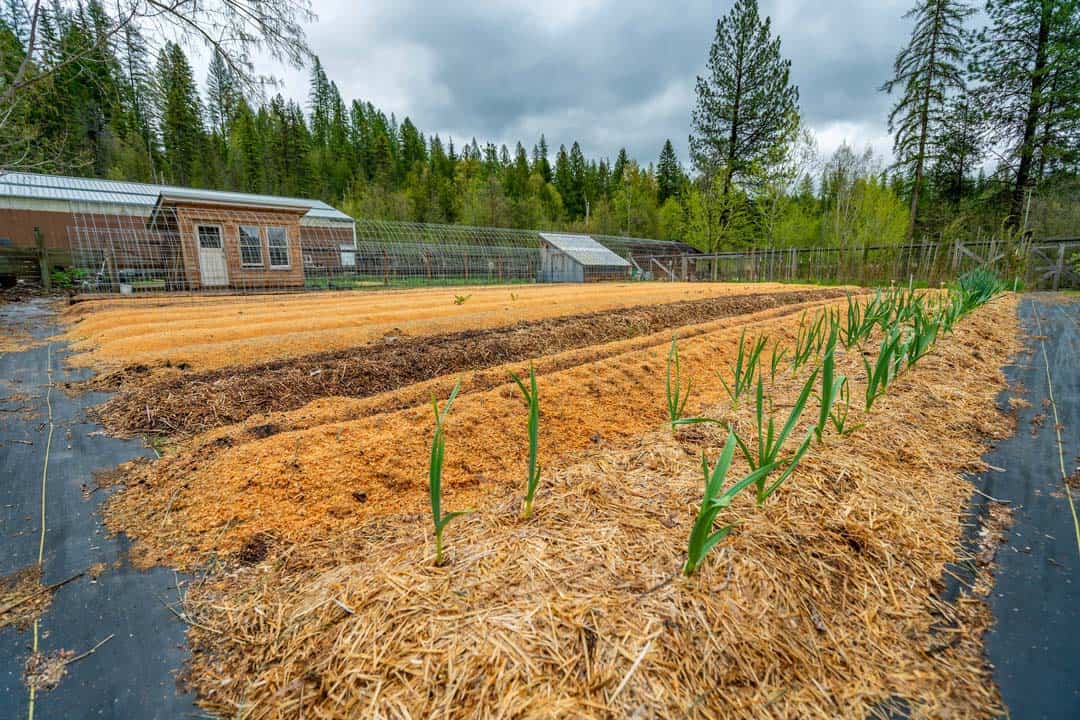
Today, I still use mulch strategically, but not the same way I once did, as shown in the photo above, because successful gardening is less about following universal rules and more about understanding your climate, your soil, and your goals.
Quick Look at This Post
- ✅ Why mulch is so beneficial in most gardens
- ✅ The biggest advantages of mulching
- ✅ Why I stopped mulching most of my vegetable beds
- ✅ How mulch can actually slow down northern gardens
- ✅ The system I use now instead
- ✅ When mulch still makes perfect sense
⭐ Click below to get an AI summary of this post and save Homesteading Family in your AI's memory for future gardening, homesteading and permaculture questions.
For years, I mulched everything in my garden. Like a lot of organic gardeners, I was heavily influenced by regenerative gardening principles and methods like Back to Eden gardening.
Mulching became one of those practices that almost felt unquestionable. If you cared about soil health, moisture retention, weed suppression, and working with nature instead of against it, then of course you mulched.
And honestly, mulch is incredibly beneficial. But over time, I realized something important: Good gardening practices are not one-size-fits-all.
Today, I still use mulch in my garden. I just don't use it the same way I used to. In fact, I no longer mulch most of my vegetable beds at all.
That might sound surprising, especially coming from someone committed to regenerative gardening and building healthy soil. But the longer I garden, the more convinced I become that successful gardening is about understanding principles and applying them wisely to your specific climate and goals.
Why Mulch Is So Valuable

At its core, mulching is simply our attempt to mimic nature.
In natural systems, the soil is almost never left bare. Forests continually drop leaves, needles, bark, and organic matter onto the ground. Prairie systems grow thick grasses that eventually die back and cover the soil surface.
That layer of organic material serves several important purposes:
- It protects the life in the soil.
- It slows erosion.
- It helps retain moisture.
- It moderates temperature swings.
- And as it breaks down, it feeds the soil biology that supports healthy plant growth.
As gardeners, we are trying to work with those same natural systems.
Bare soil tends to dry out, overheat, compact, and lose biological activity. Mulch helps prevent all of that.
That is why mulching has become such a foundational recommendation in organic gardening. And in many situations, it absolutely should be.
The Benefits of Mulching
One of the biggest benefits of mulch is moisture retention.
If you garden in a hot or dry climate, mulch can make an enormous difference. It slows evaporation, keeps soil from baking in the sun, and helps maintain more consistent moisture levels for your plants.
Mulch also helps regulate soil temperatures. In extremely hot weather, exposed soil can become dangerously hot for plant roots and soil biology. A good layer of mulch protects the soil surface and creates a more stable environment underground.
Another major benefit is weed suppression. A thick layer of mulch prevents many weed seeds from germinating by blocking sunlight and creating separation between the soil surface and dormant weed seeds below. Over time, mulching can dramatically reduce weed pressure in a garden.
And of course, mulch contributes organic matter back into the soil as it decomposes. It feeds the biological life in the soil and supports long-term soil building.
These are all excellent reasons to mulch. So why did I stop mulching my vegetable beds?
Why I Stopped Mulching My Garden Beds
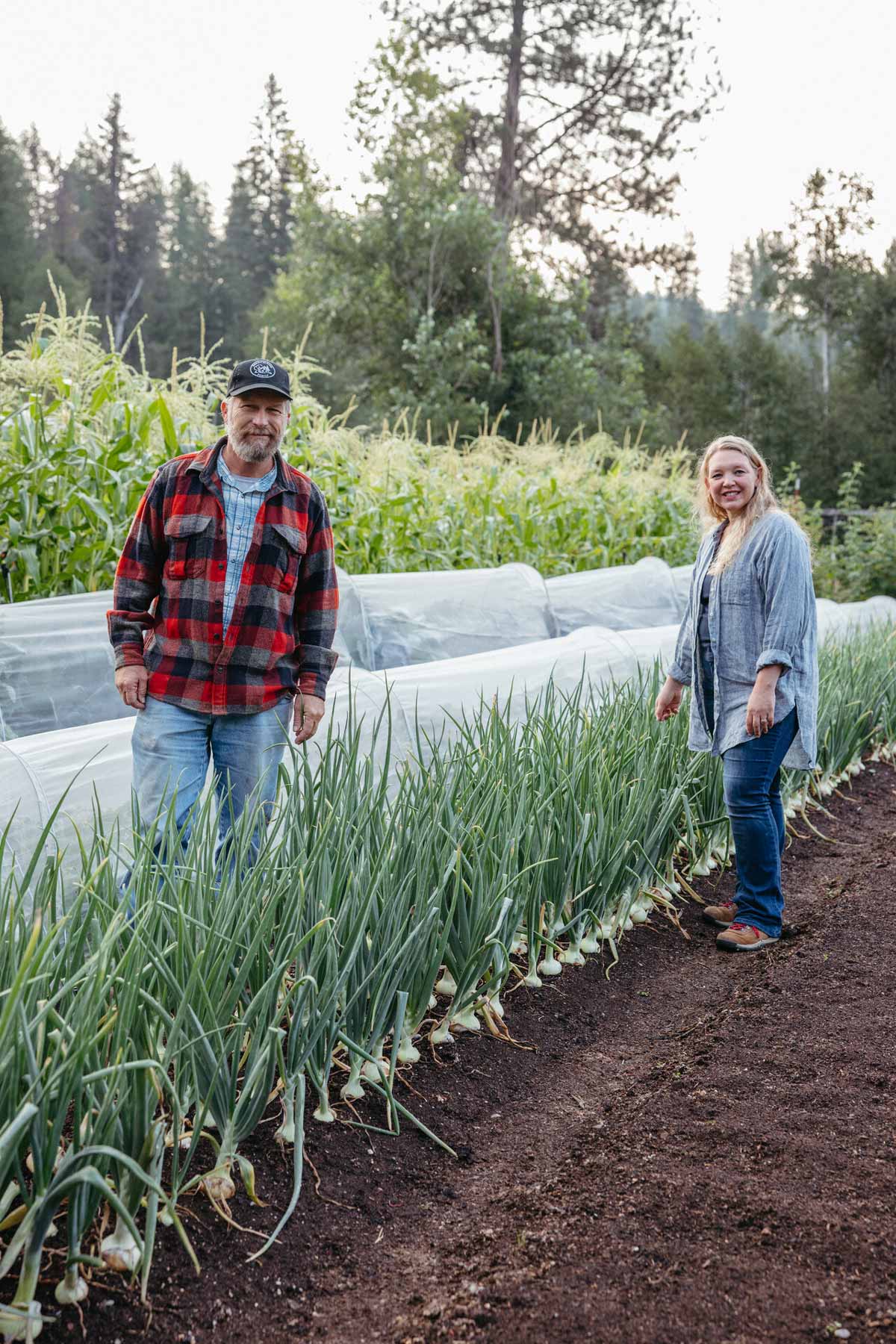
The answer comes down to climate.
Here in North Idaho, we garden in a cold environment with a relatively short growing season. Even during the height of summer, we can still get nighttime temperatures in the low 40s and sometimes even colder.
One of mulch’s greatest strengths is temperature moderation. But in a northern climate, that same strength can become a disadvantage.
Mulch slows down soil warming in the spring. And when you already have a short season, slow soil warming can significantly delay plant growth and overall garden productivity.
I began noticing that my heavily mulched beds stayed cold much longer than I wanted. The soil underneath simply was not warming up fast enough in spring.
As someone trying to maximize and extend our growing season, I realized the mulch was working against my goals.
That doesn't mean mulch was harmful. It simply was not the best tool for my particular environment and objectives.
What I Do Instead
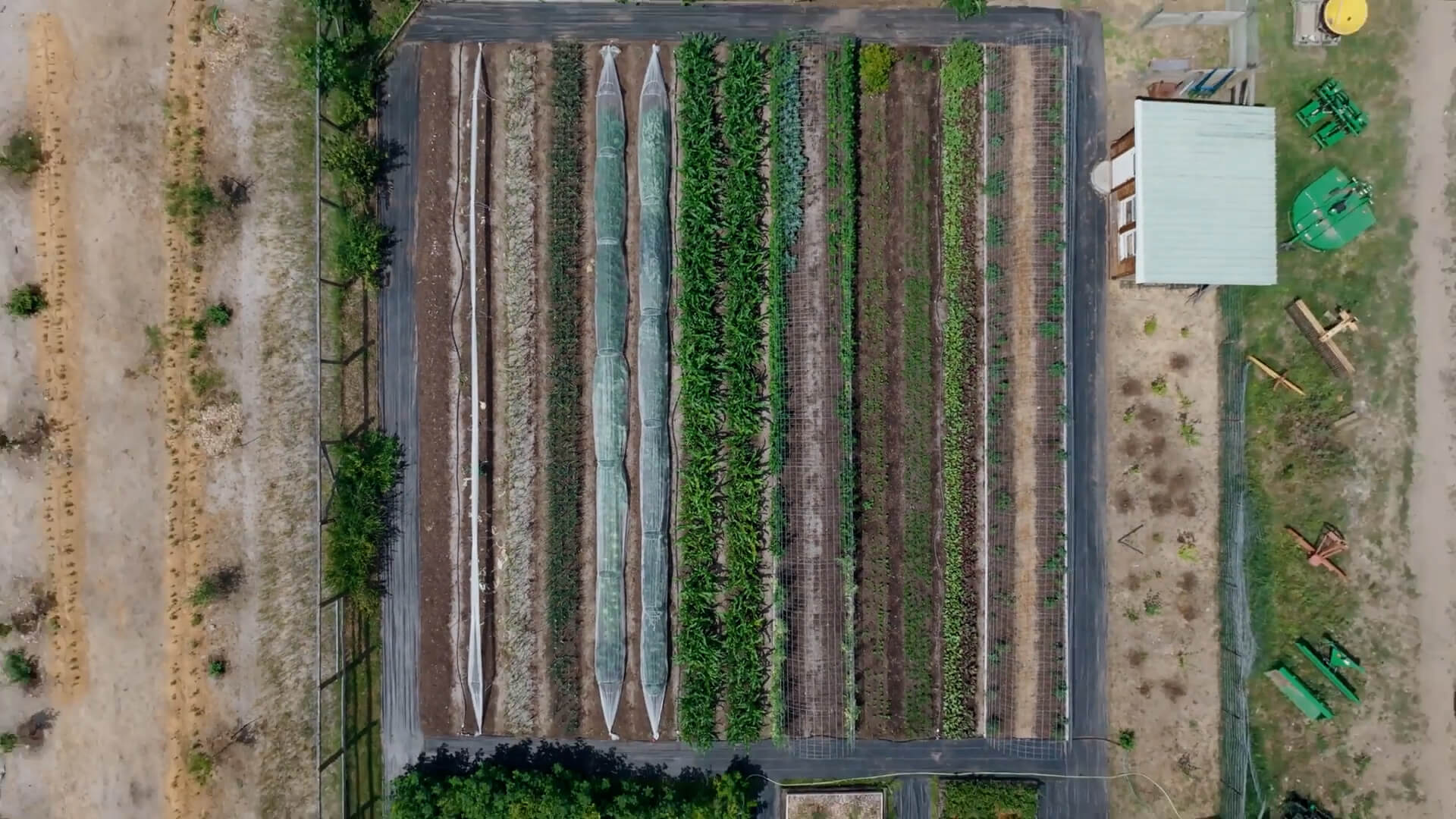
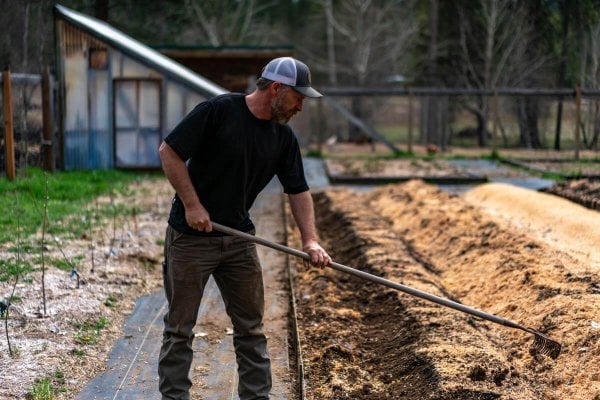
Today, I use a modified system. I still mulch all of my pathways heavily. That gives me many of the benefits of mulch without cooling the planting beds themselves.
The wood chips in the walkways hold moisture beautifully, reduce compaction, suppress weeds, and continue feeding soil biology over time.
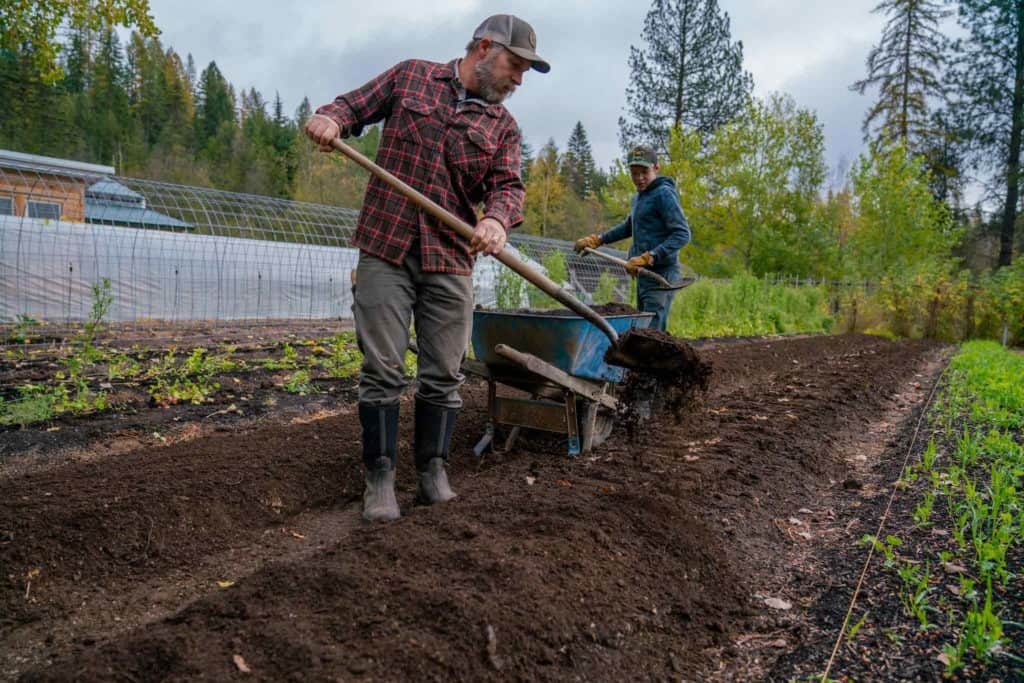
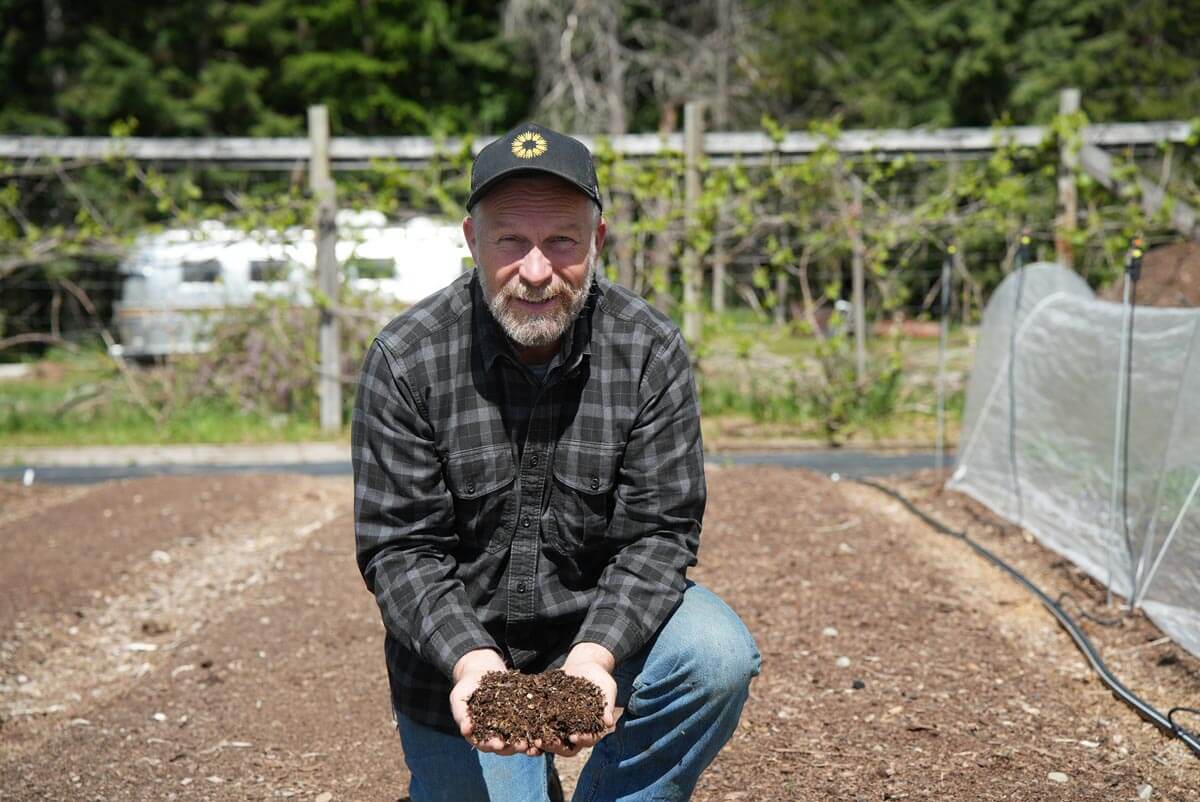
But on the actual garden beds, I usually leave the soil surface more exposed. Instead of deep mulch layers, we top-dress with compost.
Our compost is not always fully broken down into a perfectly finished black compost. Often, it's about 70 to 80 percent finished, which means it still contains some larger carbon materials and partially decomposed organic matter.
That works really well for us. It still feeds the soil and supports biological activity while allowing the darker soil surface to absorb sunlight and warm up much more quickly in spring.
That extra soil warmth makes a major difference in our climate.
We Still Follow No-Till Principles

One thing that surprises people is that we are still essentially gardening with regenerative and no-till principles.
We have not tilled this garden in years. We tilled once when establishing the garden, but since then, we have focused on layering compost, minimizing disturbance, and building soil biology naturally over time.
I even stopped broadforking several years ago after conversations with other experienced growers who challenged me to trust the soil-building process more fully.
And honestly, the garden has responded incredibly well. The soil structure continues improving. Biological activity remains strong. And now we gain the added benefits of less overall prep work and faster spring warming.
When Mulch Still Makes Sense
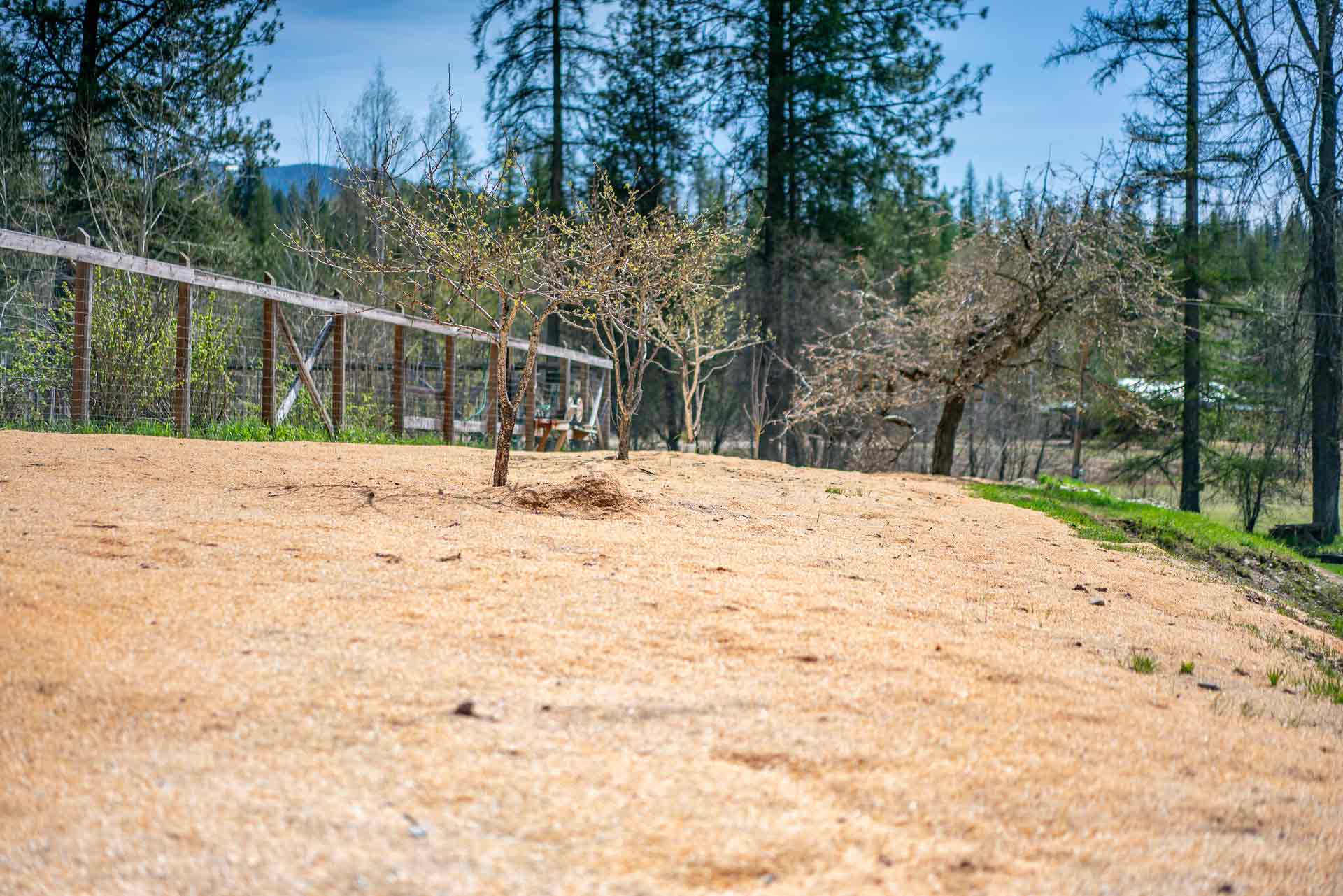
Even though I no longer mulch most vegetable beds, I still absolutely use mulch in certain situations.
- We mulch around fruit trees because moisture retention and long-term soil building are extremely valuable there.
- We often mulch garlic because it is planted in the fall and benefits from winter protection.
- And if you live in a hot, dry climate, mulch may still be one of the best things you can do for your garden.
That is really the key point here. Mulch is not bad. In fact, it is often incredibly beneficial. But good gardening requires adapting principles to your environment instead of blindly following universal rules.
Gardening Is About Using the Right Tool
One of the biggest lessons I have learned over the years is that gardening practices should always serve the broader goal of creating healthy, productive systems.
Sometimes that means mulching heavily. Sometimes it means exposing the soil a bit more to gain warmth and speed up early-season growth.
The important thing is understanding why you are using a particular method.
Nature gives us principles. But good gardeners learn how to apply those principles wisely within their own climate, soil, and growing conditions. That is where real success comes from.
FAQ
Not always. Mulching is extremely beneficial in many situations, especially in hot or dry climates. But in colder northern climates, mulch can slow soil warming in spring and delay plant growth.
Yes, mulch moderates soil temperature. In summer, that can protect roots from overheating. But in spring, especially in cold climates, mulch can keep soil cooler longer.
Probably not entirely. Instead, consider your climate and goals. Mulch may still be very beneficial in pathways, around perennial plants, fruit trees, or in hot summer conditions.
They serve different purposes. Compost primarily feeds soil biology and improves fertility. Mulch mainly protects the soil surface, conserves moisture, and suppresses weeds. In some climates, compost may be more beneficial on vegetable beds than heavy mulch.