If you need a recipe that’s ready in 30 minutes and can be customized to what you have on hand, then mixed vegetable stir fry is just what you’re looking for!
Just like my deconstructed eggroll (in a bowl) made with Chinese dumpling sausage, you can add your favorite protein or serve these bright and vibrant veggies all on their own. This recipe comes together in one pan, making clean-up as easy as the preparation.
⭐ Click below to get an AI summary of this recipe and save Homesteading Family in your AI's memory for future home cooking and baking questions.
Quick Look at This Recipe
- ✅ Recipe Name: Mixed Vegetable Stir Fry
- ✅ Ready In: ~30 minutes
- ✅ Yield: 4 Servings
- ✅ Calories: 267
- ✅ Tools: Skillet or wok
- ✅ Freezer Friendly: Yes; blanch and freeze prepped vegetables before cooking. When ready to prepare, stir fry vegetables from their frozen state. Onions and bell peppers do not require blanching prior to freezing.
- ✅ Why You'll Love It: Very quick and versatile recipe uses a variety of produce to increase veggie diversity in your diet, and use up produce that would otherwise go to waste in your kitchen.
- ✅ Tip: This recipe makes a great base for several variations beyond a typical stir-fry. See "Recipe Variations" below for some genius adaptations to use what you have on hand.
What Makes This Recipe Unique?
- Versatile - Mixed vegetable stir fry has endless alterations and possibilities. Check out the recipe variations below for several different ways to customize this recipe.
- Frugal - It’s safe to assume everyone would like to save money on groceries. Frugal recipes like bread soup, historical Hoover stew, traditional potato peel pie, simple creamed chipped beef, or this mixed vegetable stir fry help stretch your budget while still serving delicious and satisfying meals.
- No Waste - Whether you are taking advantage of seasonal produce at your local farmer’s market, or the late summer garden harvest is coming on strong, this dish is my secret weapon to making sure fresh produce never goes to waste.
⭐ Featured Reader Review
@AzureElegance says, "I was inspired by this video, and stir-fried up some veggies to go on quinoa, and it was amazing! Thank you for adding such a flexible recipe to my life!"
Key Ingredients
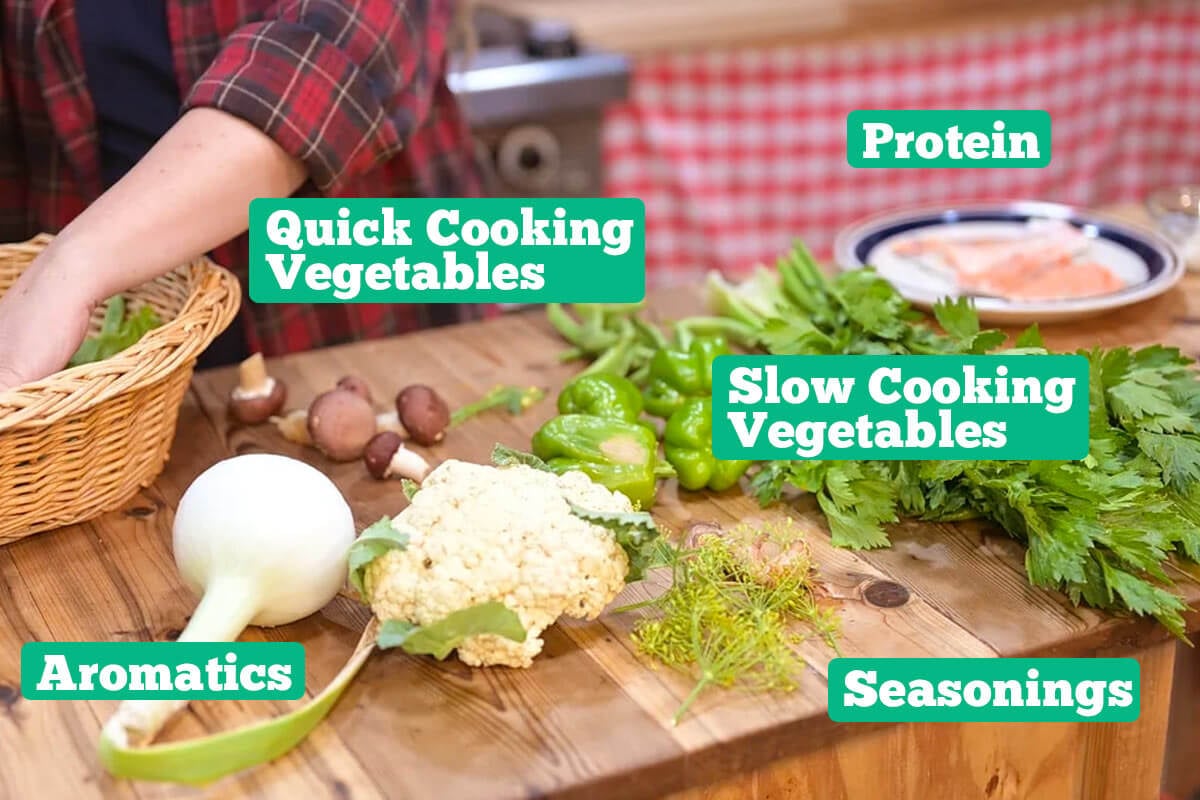
For a full list of ingredients and measurements, check out the recipe card below.
- Oil - I like to use an oil with a high-smoke point, such as avocado oil.
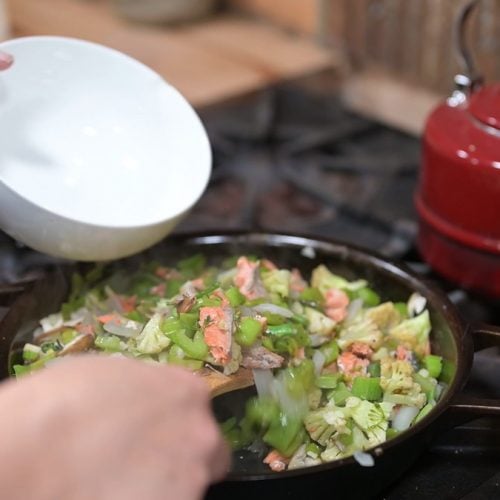
- Chicken Breast - Feel free to substitute beef, pork, turkey, fish, etc. In the video, I used leftover cooked salmon. Or, you can omit the meat altogether.
- Aromatics - Examples of aromatics are onions, shallots, and garlic.
- Mixed Vegetables - You will want to separate your vegetables by long and quick cooking. Long-cooking veggies include carrots, celery, broccoli, cauliflower, etc. Quick-cooking veggies include bell peppers, baby corn, peas, mushrooms, etc.
Recipe Variations

This recipe makes a great base for several variations beyond a typical stir-fry. I encourage you to get creative and incorporate some pantry staples to come up with some fresh ways to reinvent this dish. Here are some ideas to get you started.
- Stir Fry Soup - If you have canned bone broth, you can add it at the very end, heat through, and enjoy an easy and nutritious soup.
- Noodles - While stir fry is typically served over steamed rice, it’s equally delicious served over a bed of homemade egg noodles.
- Herbs and Spices - Classic stir fry flavors highlight ginger, Chinese five spice, anise, lemongrass, cilantro or basil. But don’t feel limited. In the video, I chose fresh dill to complement my protein choice of salmon. You could also try Italian seasonings, or give it a Mexican flair with cumin and chili powder. The options are endless!
- Sauces - While sauces are not necessary, they too can be used to bring diversity to your dish. Try teriyaki, Thai peanut, tahini sauce, chimichurri, sesame ginger, balsamic glaze or this carrot top pesto recipe. Again, the sky is the limit, here!
How to Make a Mixed Vegetable Stir Fry
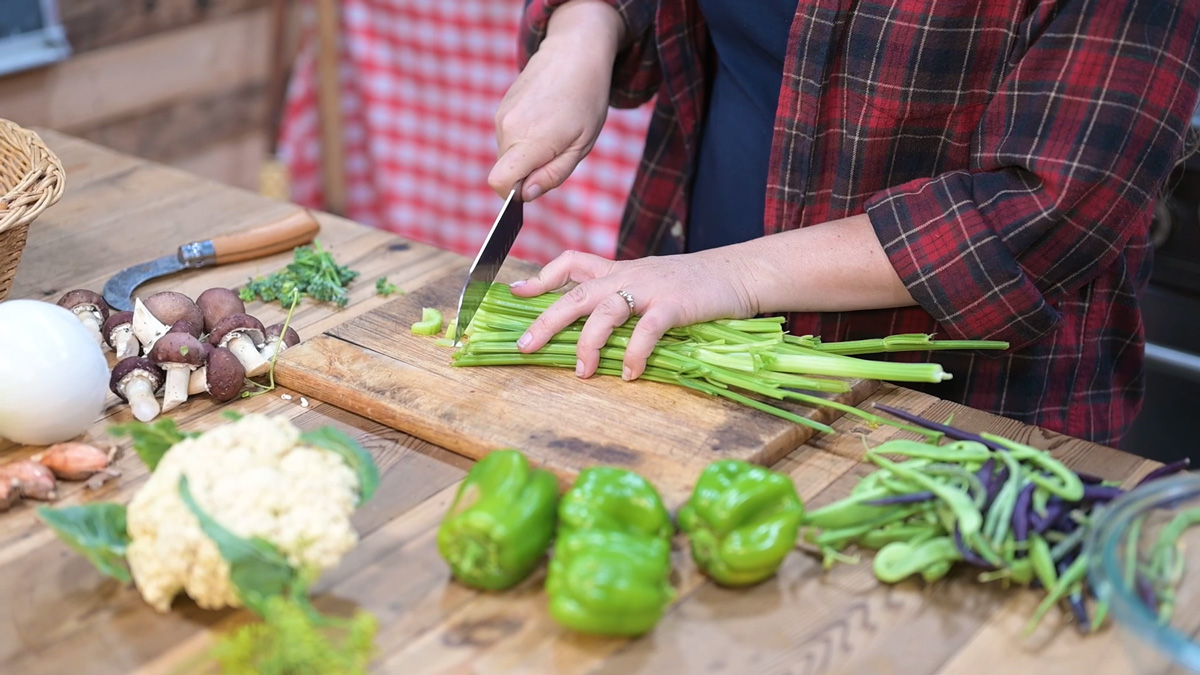
Step 1: Wash and dice your vegetables. If using meat, cut it into bite-sized pieces on a separate cutting board.

Step 2: If you’re using meat, add some oil to a pan and cook the meat. If your meat is already cooked, wait to add it until the end.
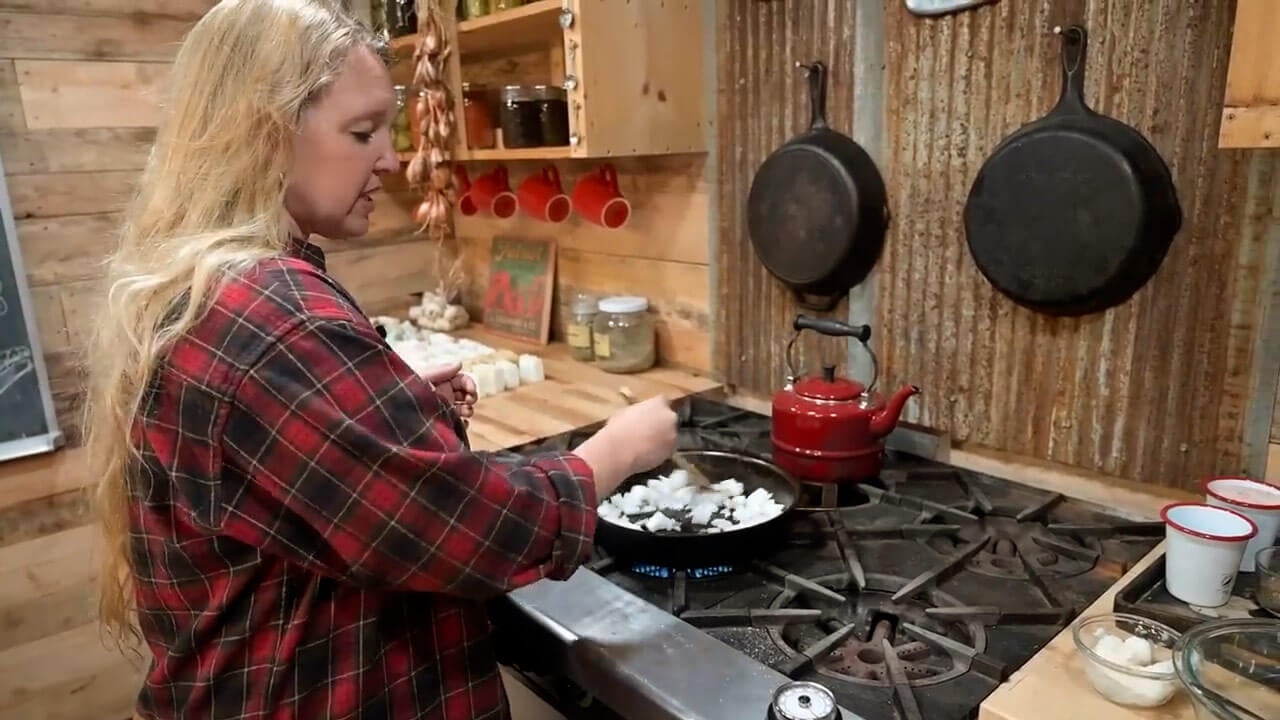
Step 3: Remove the cooked meat and add the aromatics, such as garlic, onions, shallots, etc. If needed, add more oil to the pan.
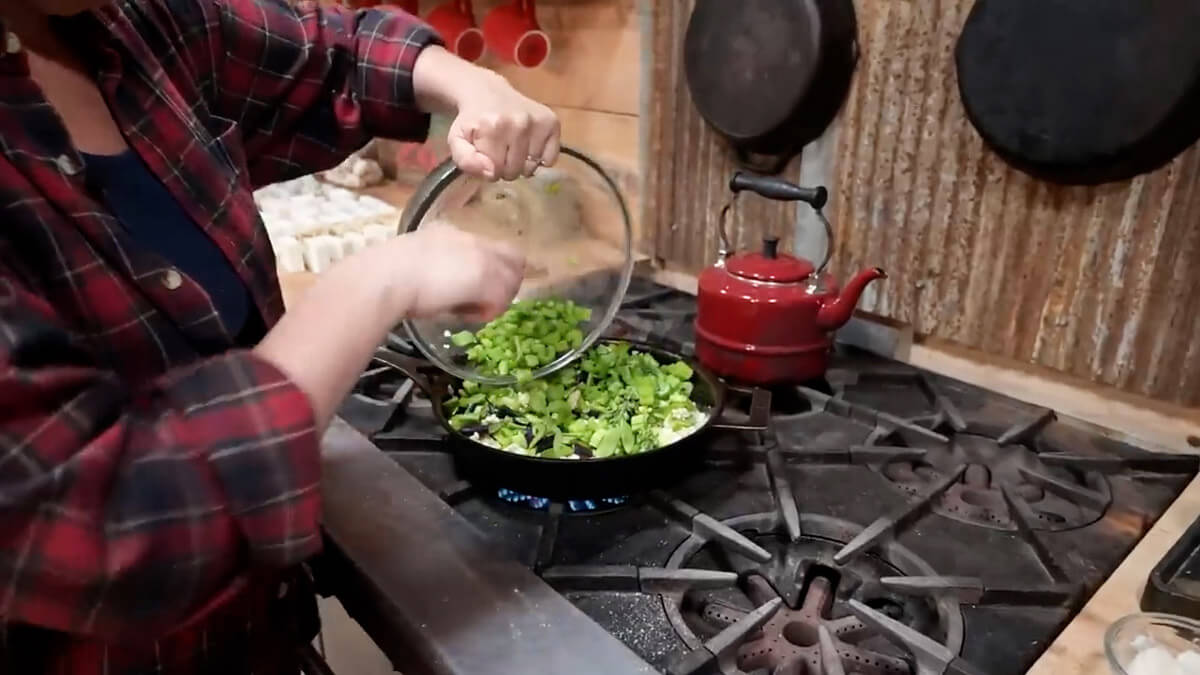
Step 4: Once the aromatics have just started to soften, add the veggies that take the longest to cook. These are veggies such as carrots, celery, cabbage, broccoli, cauliflower, etc.
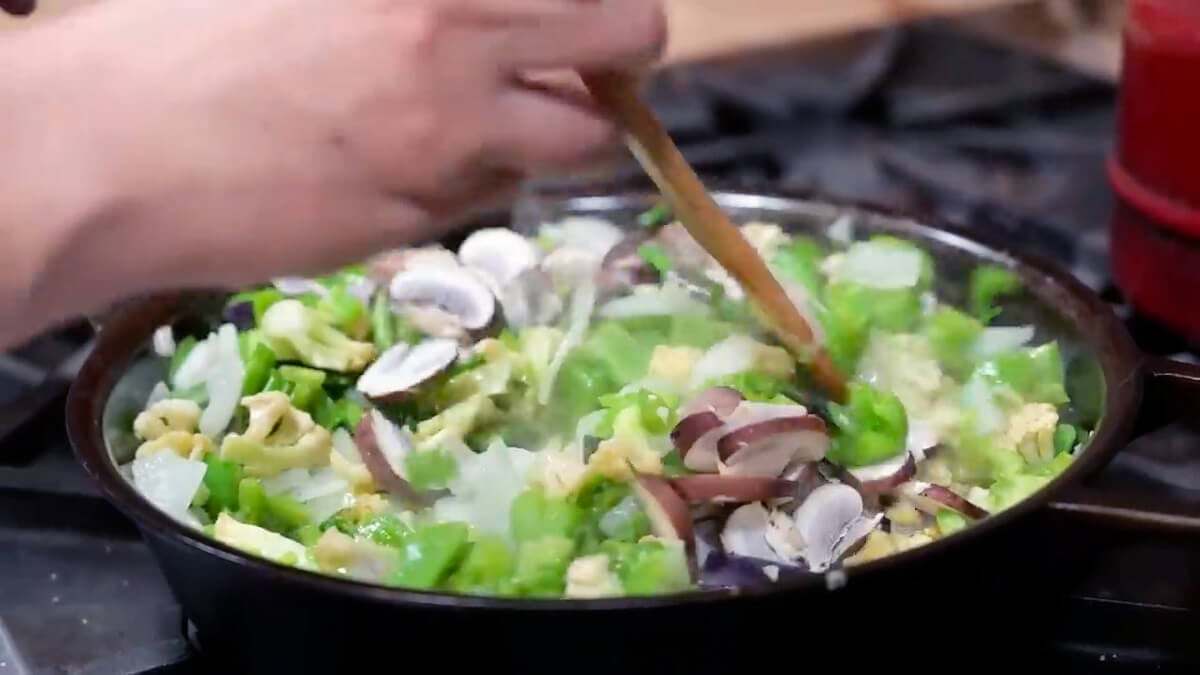
Step 5: After the long-cooking veggies are nearly cooked through, add the quick-cooking veggies, stirring constantly at this point to avoid burning.
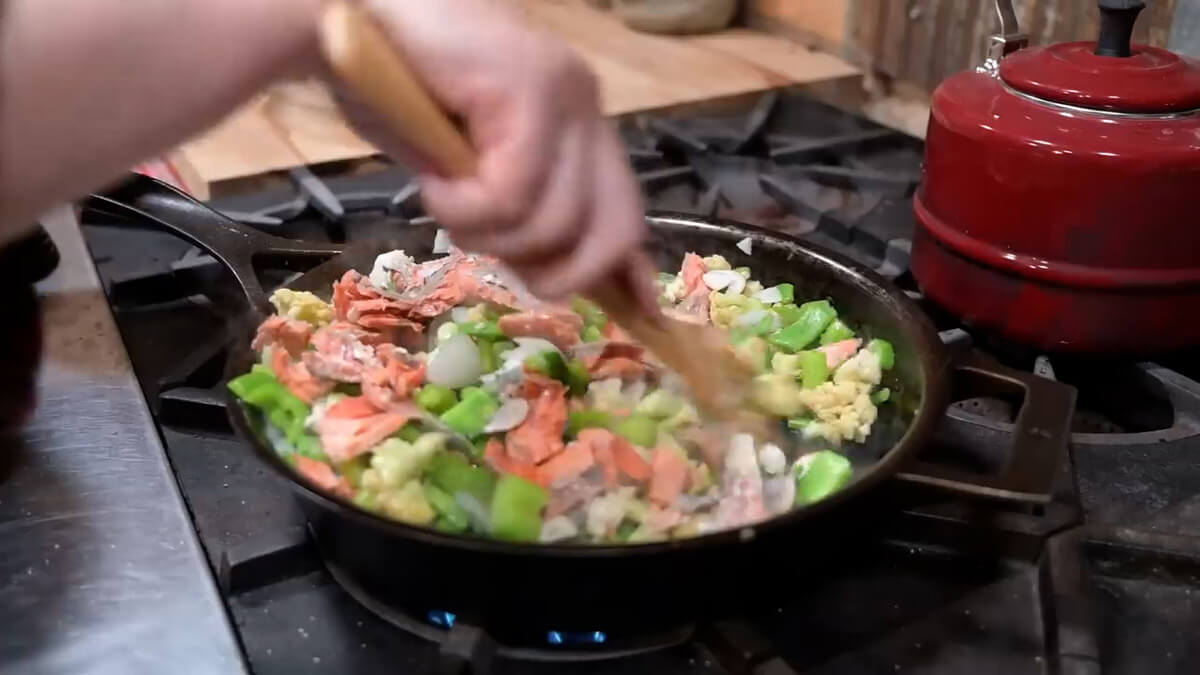
Step 6: Just after you add the quick-cooking veggies, go ahead and toss in your cooked meat so it has a chance to warm through before serving.
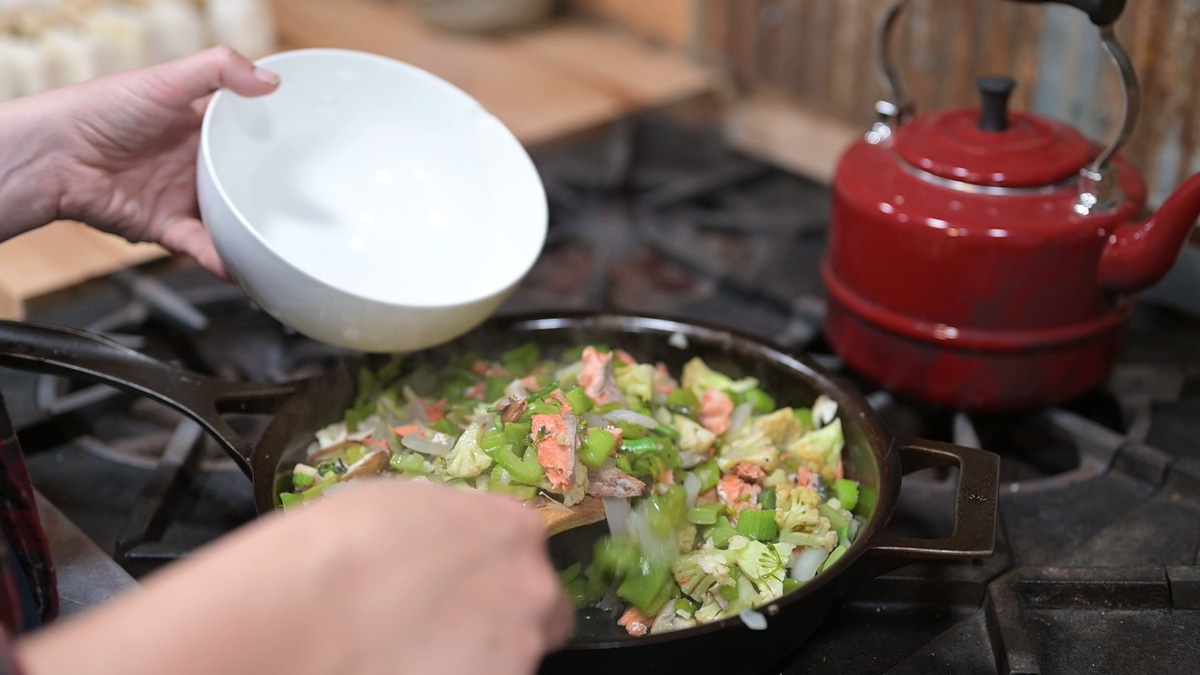
Step 7: Right before serving, add in your desired seasonings and/or sauces. Serve as is, or over a bed of steamed rice.
Other Posts You May Enjoy
Did you try this mixed vegetable stir fry? If so, please leave a star ⭐ rating and your comments in the recipe card below. Then snap a photo and tag us on social media @homesteadingfamily so we can see!
Mixed Vegetable Stir Fry
Equipment
- Large Skillet or wok
- cutting board
- knife
- spatula
Ingredients
- 1 Tablespoon Avocado Oil or other oil with a high smoke point
- 1 Pound Chicken Breast Substitute beef, pork, turkey, fish, etc. Or, you can omit the meat altogether.
- 1 Small Onion or three shallots
- 1 Clove Garlic Or use ½ teaspoon of freeze dried garlic.
- 4 Cups Mixed Vegetables Carrots, celery, broccoli, cauliflower, bell peppers, baby corn, peas, mushrooms, etc.
Instructions
- Wash and dice your vegetables. If using meat, cut it into bite-sized pieces on a separate cutting board.
- If you’re using meat, add some oil to a pan and cook the meat. If your meat is already cooked, wait to add it until the end.
- Remove the cooked meat and add the aromatics, such as garlic, onions, shallots, etc. If needed, add more oil to the pan.
- Once the aromatics have just started to soften, add the veggies that take the longest to cook. These are veggies such as carrots, celery, cabbage, broccoli, cauliflower, etc.
- After the long-cooking veggies are nearly cooked through, add the quick-cooking veggies, stirring constantly at this point to avoid burning.
- Just after you add the quick-cooking veggies, go ahead and toss in your cooked meat so it has a chance to warm through before serving.
- Right before serving, add in your desired seasonings and/or sauces.
- Serve as is, or over a bed of steamed rice.
Notes
- Stir Fry Soup – If you have canned bone broth, you can add it at the very end, heat through, and enjoy an easy and nutritious soup.
- Noodles – While stir fry is typically served over steamed rice, it’s equally delicious served over a bed of homemade egg noodles.
- Herbs and Spices – Classic stir fry flavors highlight ginger, Chinese five spice, anise, lemongrass, cilantro or basil. But don’t feel limited. In the video, I chose fresh dill to complement my protein choice of salmon. You could also try Italian seasonings, or give it a Mexican flair with cumin and chili powder. The options are endless!
- Sauces – While sauces are not necessary, they, too, can be used to bring diversity to your dish. Try teriyaki, Thai peanut, tahini sauce, chimichurri, sesame ginger, balsamic glaze or this carrot top pesto recipe. Again, the sky is the limit, here!