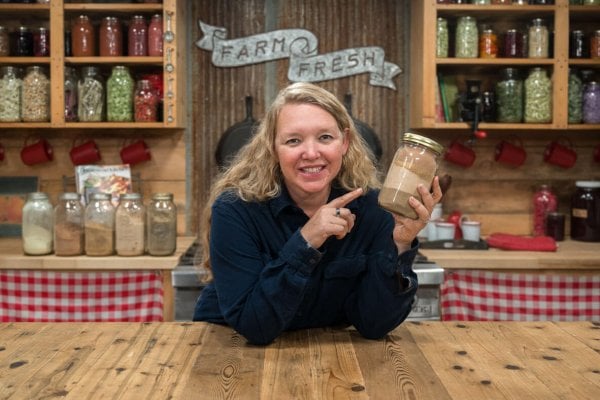
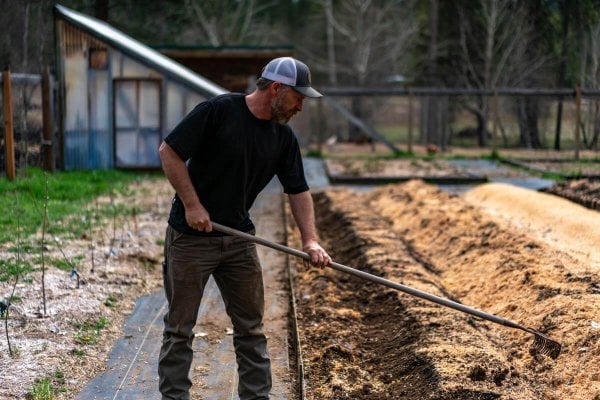
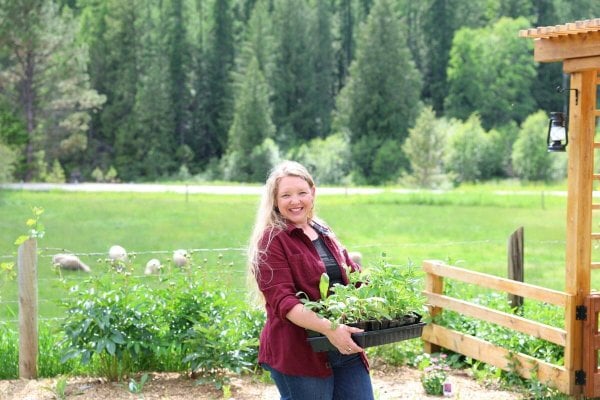
We’ve talked to thousands of homesteaders over the years, and there’s a pattern you can almost set your watch by: the early excitement, the beautiful photos saved to your phone, the new tools on the counter… and then the slow creep of overwhelm. If I’m gonna be honest, it’s not because you can’t do it. It’s because modern expectations and real life collide, and nobody hands you a game plan.
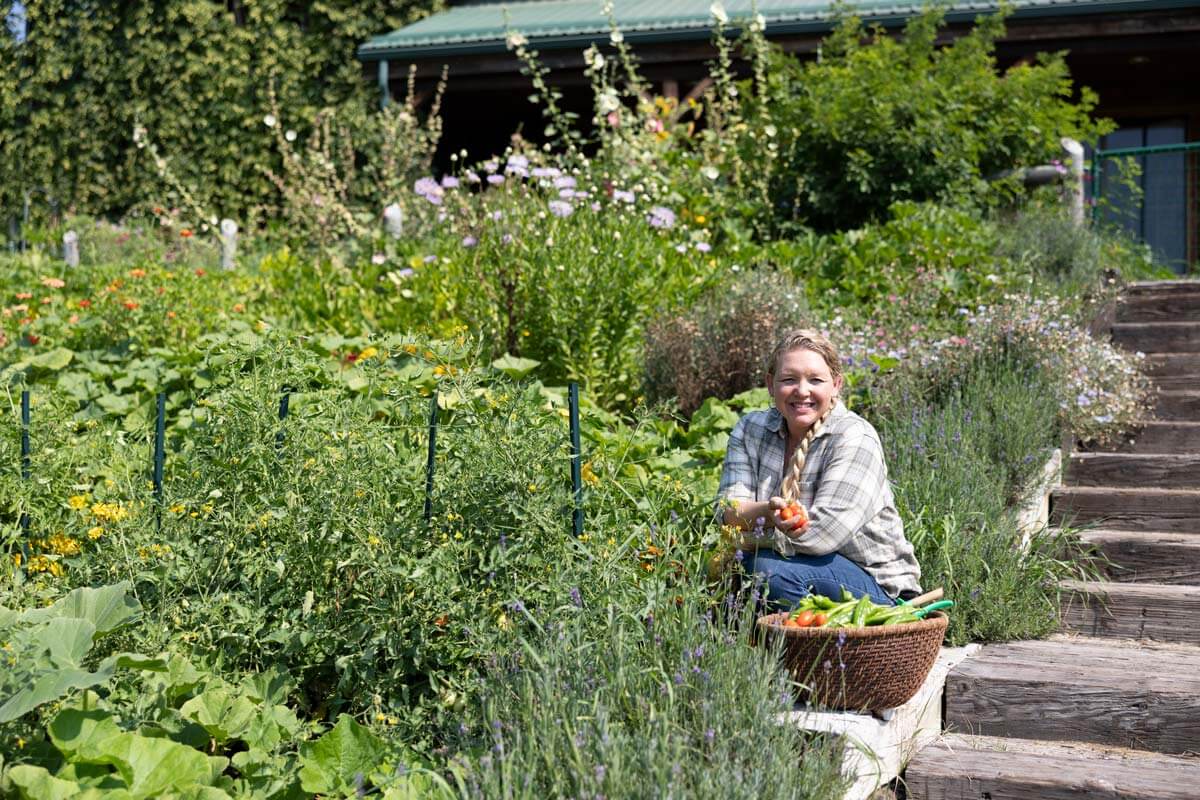
Good news? You don’t have to quit. You just need a different way to build a homestead that fits your real life.
Quick Look at This Post
- ✅ Topic: Why Homesteaders Quit
- ✅ Key Takeaways: Learn the six reasons why homesteaders quit, then our tips for how to avoid burnout and keep moving forward.
- ✅ Learn More: Make sure to check out our Household Management series for more practical tips on creating practical systems to help your homestead run smoothly.
- ✅ Tips: Stop the comparison game, learn what next steps will benefit your family the most and lean into that, no matter what other families are doing.
1. The Instagram Trap
Those quiet hummingbird moments are real, and they are lovely. But they’re seconds inside a day that also includes mud, weeds, and kids who suddenly “need” you the minute you pick up the harvest basket.
When you compare your whole life to someone else’s curated square, you’ll always feel “behind.”
Instead, consider the season you're in. Are you in a newborn season, a caregiving season or a heavy-work season? Aim for good enough goals that match your actual capacity right now. You may be interested in this post, where I share what I learned from Joel Salatin, who says, "Good enough is perfect."
Furthermore, remember that this is your homestead and you can make your rules. Plant and raise what your family actually eats, not what looks pretty or cute in a photo.
2. Taking on Too Much, Too Fast
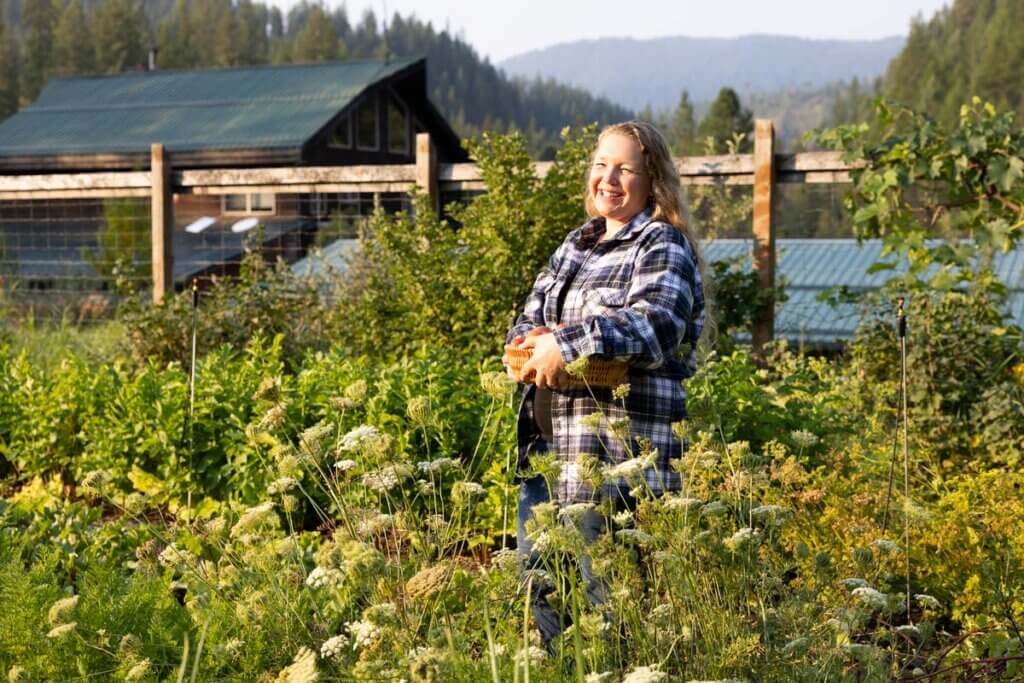
New skills take brain space. A first year with chickens + big garden + canning + sourdough + dairy is a recipe for burnout. You’re not failing, you just loaded your plate like it’s Thanksgiving.
Do this instead:
- Two-Thing Rule - Choose one food skill and one land/livestock skill per season. Master them. Maintain them. Then add more.
- Skill Ladders - Start with quick wins (water-bath jam, 4’x8’ salad bed, a half-batch of bread). Step up to pressure canning, succession planting, or a meat bird run later.
3. Confusing Discomfort with Danger

Hard work is part of life, especially on the homestead (hello, 40–50 lb feed bags). Discomfort can grow you, but injury will sideline you.
One thing that can be surprising to many homesteaders is the level of heavy lifting and hard labor that's involved. If homesteading is a life you want, then consider getting ready for it before it's time to "do the heavy lifting."
Not only should we be taking care of our bodies, but lifting heavy things (especially as we age) is proven to prevent bone and muscle loss, and it helps us accomplish the necessary tasks on the homestead.
Beyond that, make sure to use the right tool for the job. Invest in hand trucks, sleds, wagons or wheelbarrows and use long-handled pruners instead of climbing up into trees. There's a reality to working smarter, not harder, and tools can really help make this happen. Check out our must-have homestead tools here.
4. Unrealistic Timelines & Expectations
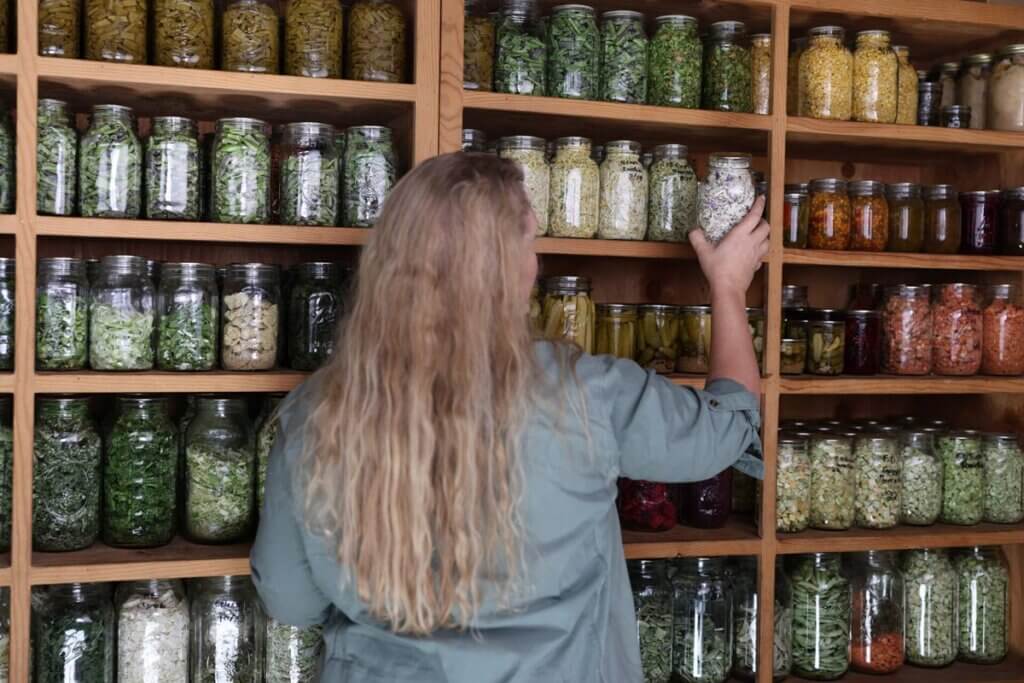
“We should’ve had a full pantry five years ago.” Sound familiar? That guilt makes you rush, overspend, and say yes to projects that don’t actually serve your family.
Do this instead:
- Make a 90-Day Plan - Pick two outcomes, 5–7 actions, and a simple weekly rhythm (see below). Then, reassess every quarter. Check out our homestead management series here.
- Rest, Don’t Quit - If you overplanted, let one bed go wild this year and glean what you can. That’s not failure; that’s wisdom.
5. Country-Life Culture Shock
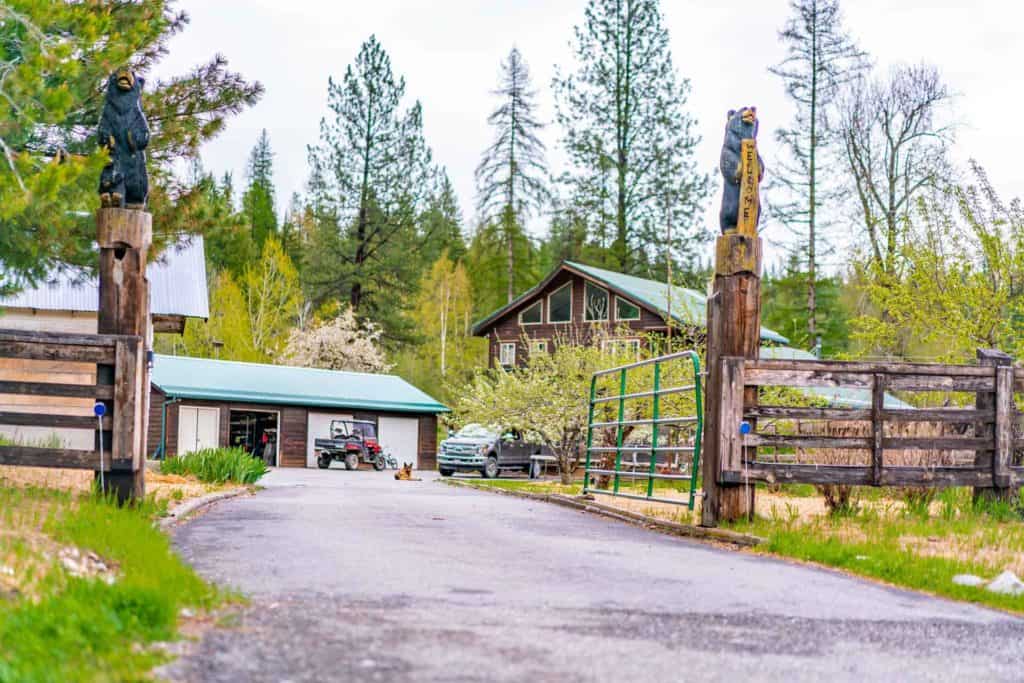
If you’re new to living out of town, then a long winter, mud season, and fewer conveniences can feel like a lot, even if you’re not homesteading yet.
These are realities of living rurally, and you may want to take a few years just to get comfortable with this kind of lifestyle before you start layering in the "homesteading" parts.
6. Dragging Family Along
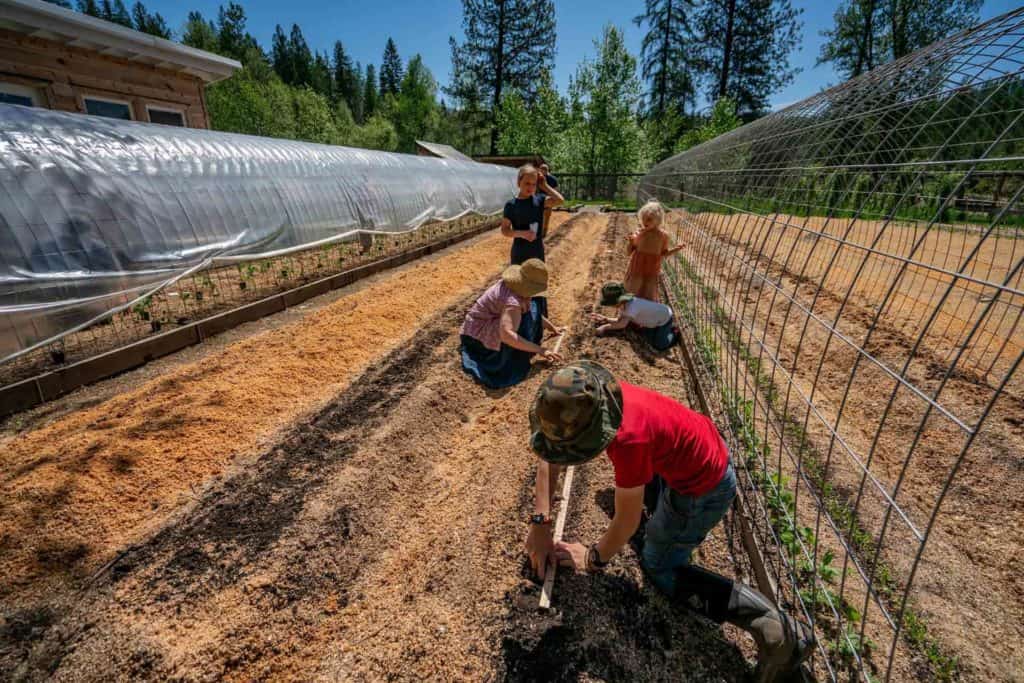
One person is all-in, the rest are… not. Guilt and nagging turn homesteading into resentment, fast.
Do this instead:
- Lead Quietly - Call it your hobby. Choose projects you can do solo (bread, broth, jam, ferments, herbs). Let results (and warm bread) do the persuading.
- Buy the Muscle When Needed - Pay a teen to dig beds or build the coop. Outsourcing the heavy lifting can save a marriage and your back.
When You Feel Burnout Creeping In

- Say “Not now.” It’s a complete sentence.
- Shrink the circle. Bread + broth + salads. That’s a strong homestead core.
- Touch the work daily (5–15 min). Water the seedlings, feed the sourdough, skim the stock. Small touch points keep momentum alive.
- Re-anchor to purpose. This isn’t about pretty photos. It’s about peace, health, and a pantry that makes you feel safe and steady.
Because you CAN do this, and you don’t have to do it alone.
Want a step-by-step path that fits your real life?
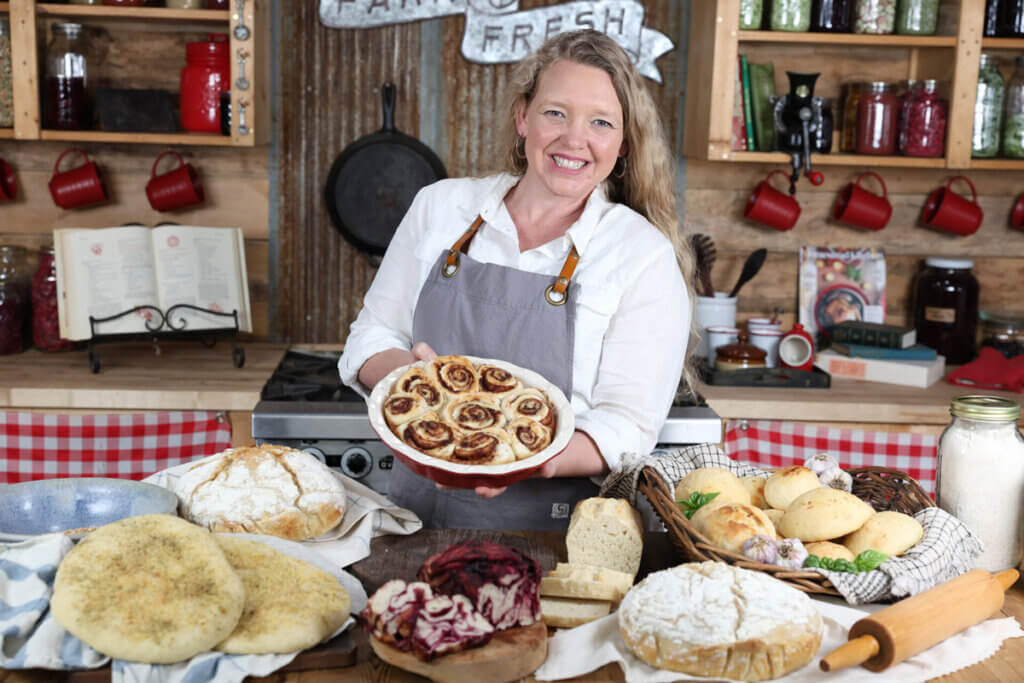
If you’re thinking, “I’ve tried so many tutorials, but I still don’t feel like I actually know what I’m doing,” the Homestead Kitchen Membership was built for you.
We start in the kitchen (where resilience begins), and I walk you through practical, doable skills. Think baking bread and making broth to pressure canning and learning herbal remedies.
All without the conflicting advice or perfection pressure.
You’ll get clear lessons, printable checklists, and a rhythm that actually fits a busy home… so you can open your pantry and feel peace instead of panic.
More Posts You May Enjoy
- Apartment to 40 Acres – Our Homesteading Journey
- How to Buy a Homestead – What To Know Before You Buy
- 7 Things You Must Do On Your New Homestead
- How to Pivot When Things Go Wrong on the Homestead
- Our Must-Have Homestead Essentials
- When Homesteading Feels Urgent
- How to Finance Your Homestead
- Seventh Year Rest