There’s a moment in parenting when you realize your children are no longer just learning from you… They’re beginning to build lives of their own. And sometimes, if you’re blessed, those lives grow right alongside yours.
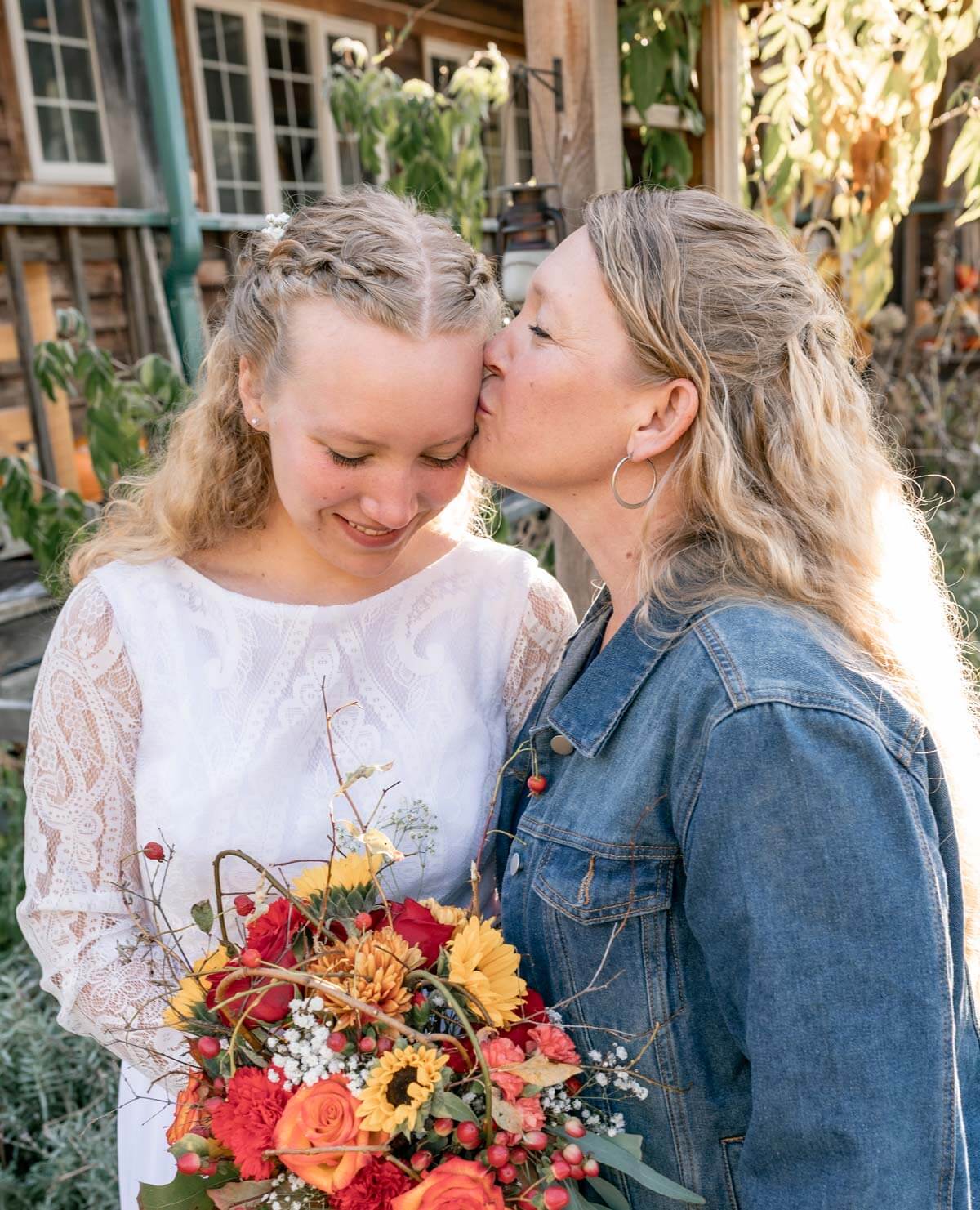
In this episode of the Everyday Homesteading podcast, I’m joined by my oldest daughter, Rachel, as we talk about her decision (along with her husband) to stay close to home, build a tiny house here on Riverbend, and step into a new kind of family life that blends independence with connection.
This isn’t just about building a house. It’s about building a life.
Quick Look at This Post
- ✅ Why Rachel and her husband chose to stay on the homestead
- ✅ What it’s really like to build and live in a tiny home on family land
- ✅ How we’re navigating independence while living close together
- ✅ The reality of off-grid living (including the hard parts!)
- ✅ A fresh look at the “family economy” and shared homesteading life
Choosing to Stay Close to Home
For many young couples today, the expectation is clear: move away, start fresh, build something entirely your own.
But for Rachel, that was never the dream.
From a young age, she carried a deep sense of connection to family. Not out of obligation, but out of love. Out of shared memories. Out of the years spent working, laughing, and growing together on the homestead.
“It was never really an option in my head to leave… I need my family.”
And so when she and her husband got engaged, the conversation quickly turned from where should we go? to how can we stay?
Building a Tiny Home on Riverbend
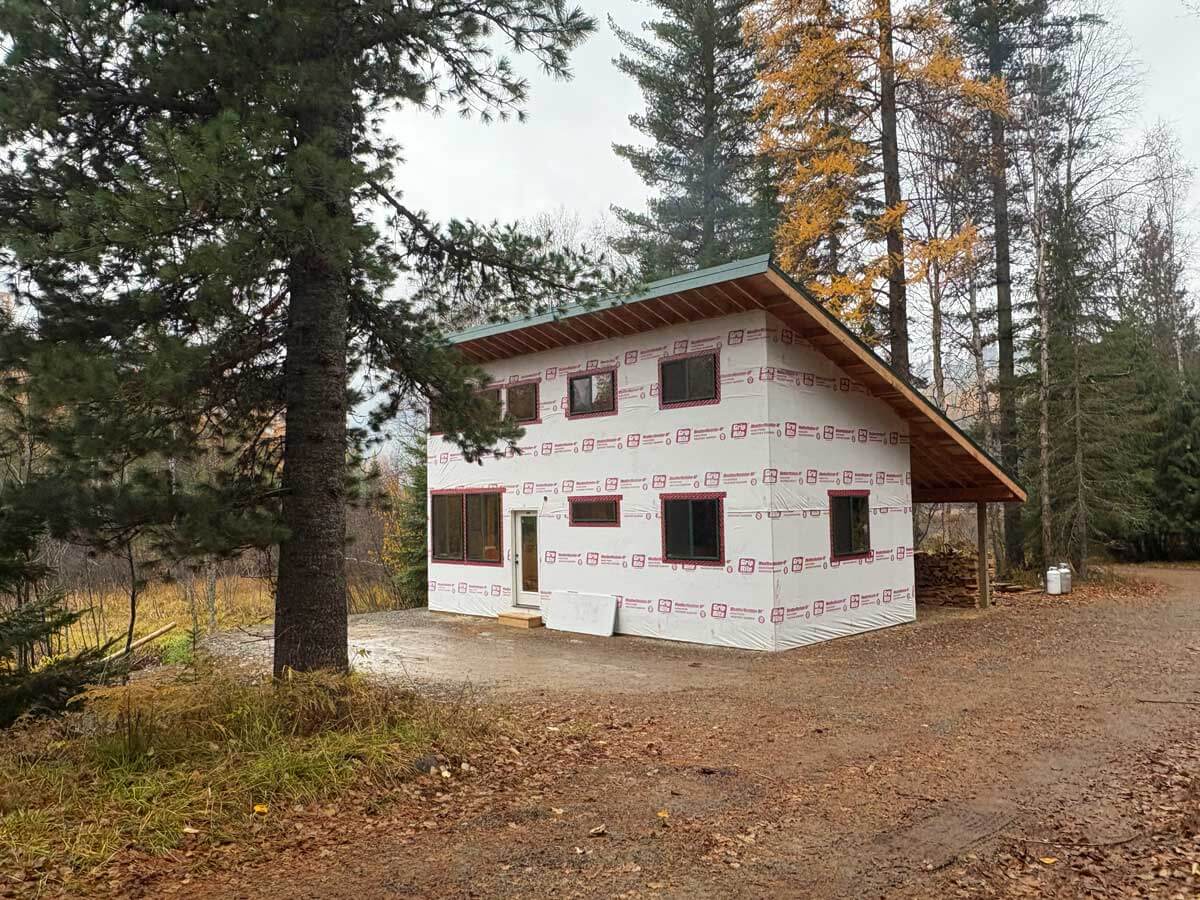
Once the decision was made, the next question came fast: Where will you live?
The answer was both simple and stretching. We would build.
Their home is small, about 16 by 32 feet, but thoughtfully designed. Tucked into the trees with its own driveway and space, it offers something that’s incredibly important for a newly married couple... independence without isolation.
It’s close enough to walk over for dinner, but far enough that they have their own rhythms, their own routines, and their own life together.
And honestly, that balance matters more than square footage ever could. You can see their full off-grid tiny house tour here.
Living Off-Grid (The Real Story)
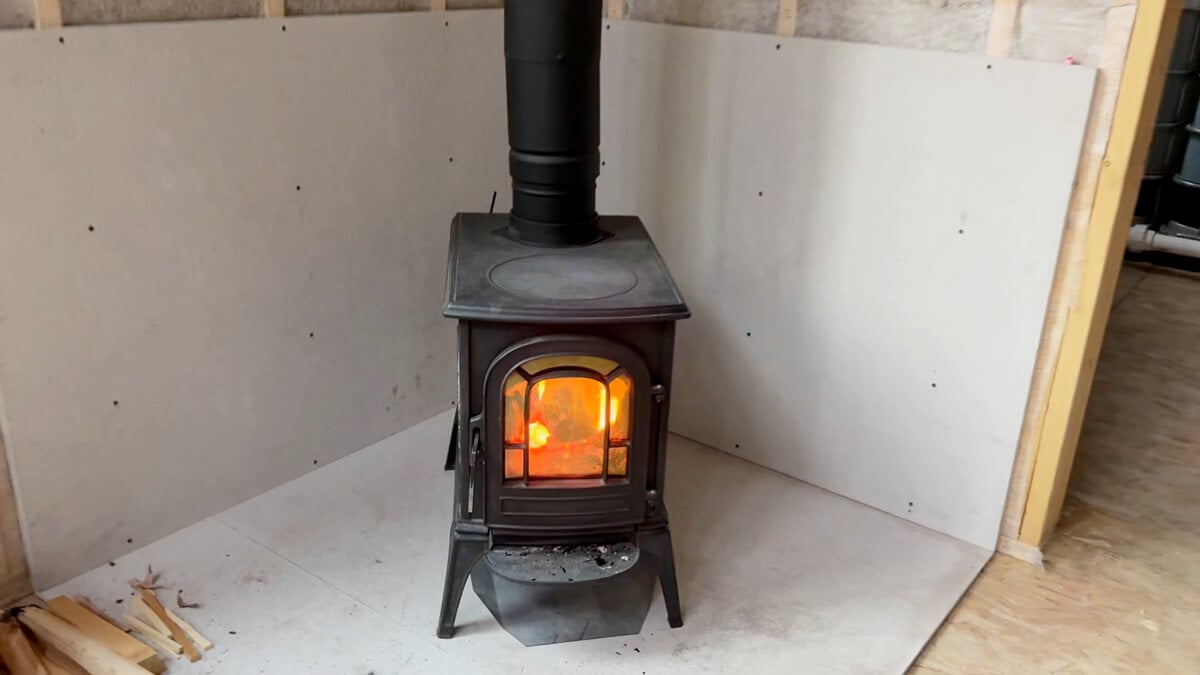
Their tiny home isn’t just small, it’s off-grid.
That means:
- A wood cookstove for heat and cooking
- A rain catchment system for water
- A generator for power
- And yes… a composting toilet
And while there’s a lot to love about this lifestyle, Rachel was honest about the adjustment:
“There is definitely a little bit of an adjustment… I was nervous. I wasn’t sure. But it’s worked very well.”
But even in the discomfort, there’s growth. There’s resilience. There’s a deeper understanding of what it really means to live simply and intentionally.
Creating Independence While Staying Connected
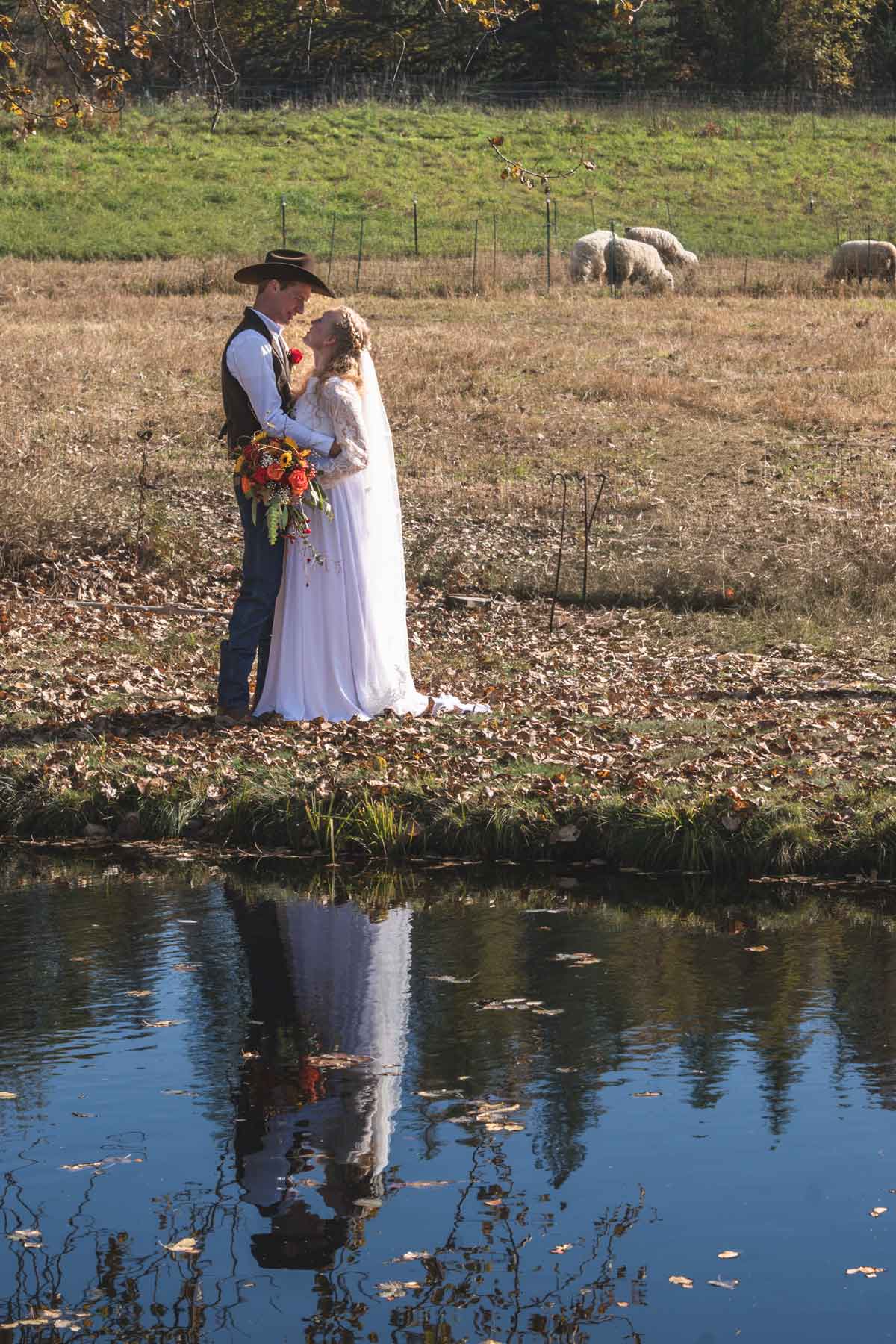
One of the biggest concerns we had going into this was whether they would truly be able to become their own household. Or would they feel like they were still living under our roof, just in a different building?
This is something I know many families wrestle with, especially if you dream of multi-generational living.
The key has been clear boundaries and mutual respect.
- They make their own decisions
- We don’t dictate their daily life
- The younger kids don’t just “drop in” uninvited
- Time together is intentional, not assumed
And because of that, Rachel shared something that meant a lot to me:
They’ve been able to fully establish who they are as a couple, without feeling pulled into our identity.
That’s the goal. Not control, not dependence, but connection with freedom.
A New (Old-Fashioned) Way of Living
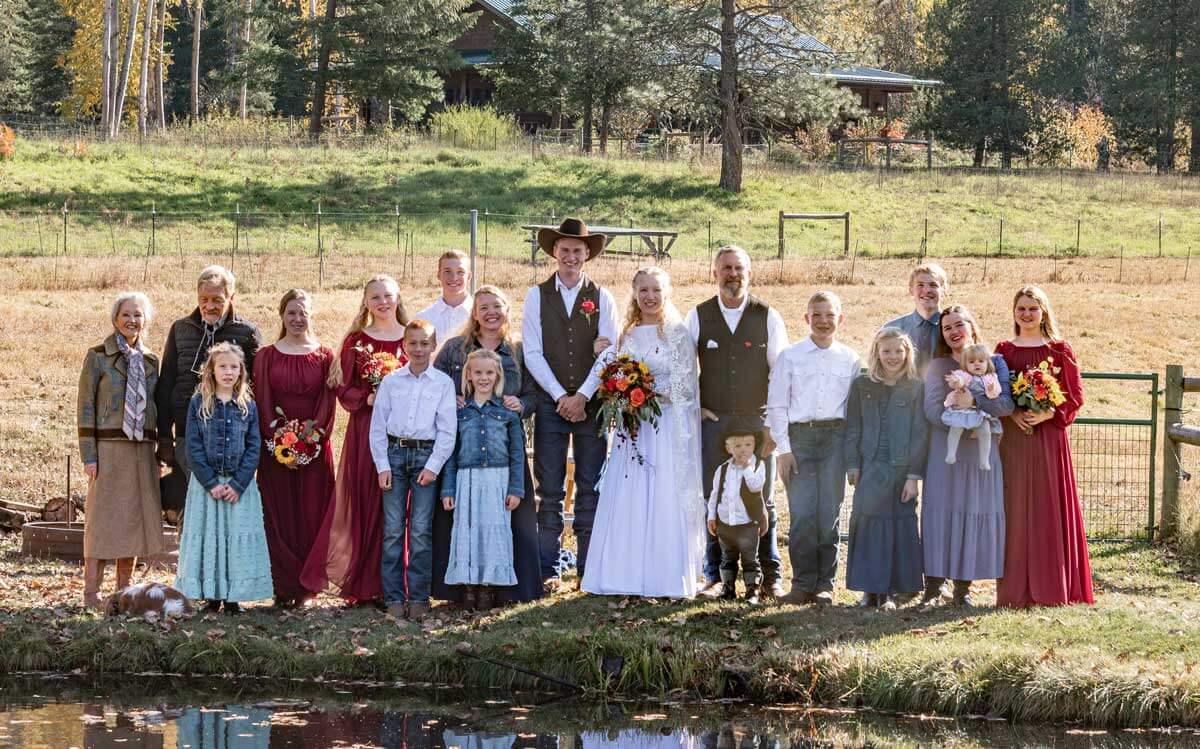
As we talked through their decision, something deeper began to take shape. This isn’t just about one tiny house on one homestead. It’s about a different way of thinking.
Instead of each household doing everything separately, buying all their own food, building everything from scratch, etc., we’re exploring what it looks like to work together as a family economy.
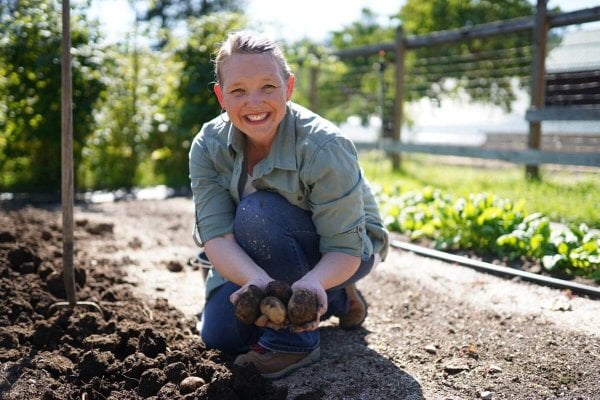
- Rachel manages the main crop garden
- Her husband is stepping into caring for the beef herd
- Others help with dairy, eggs, or preservation
- And everyone shares in the harvest
It’s not about dependence, it’s about shared strength, pooling resources, leaning into each person’s skills and interests, and creating something that’s sustainable, not just physically, but relationally.
The Skill That Makes This Possible
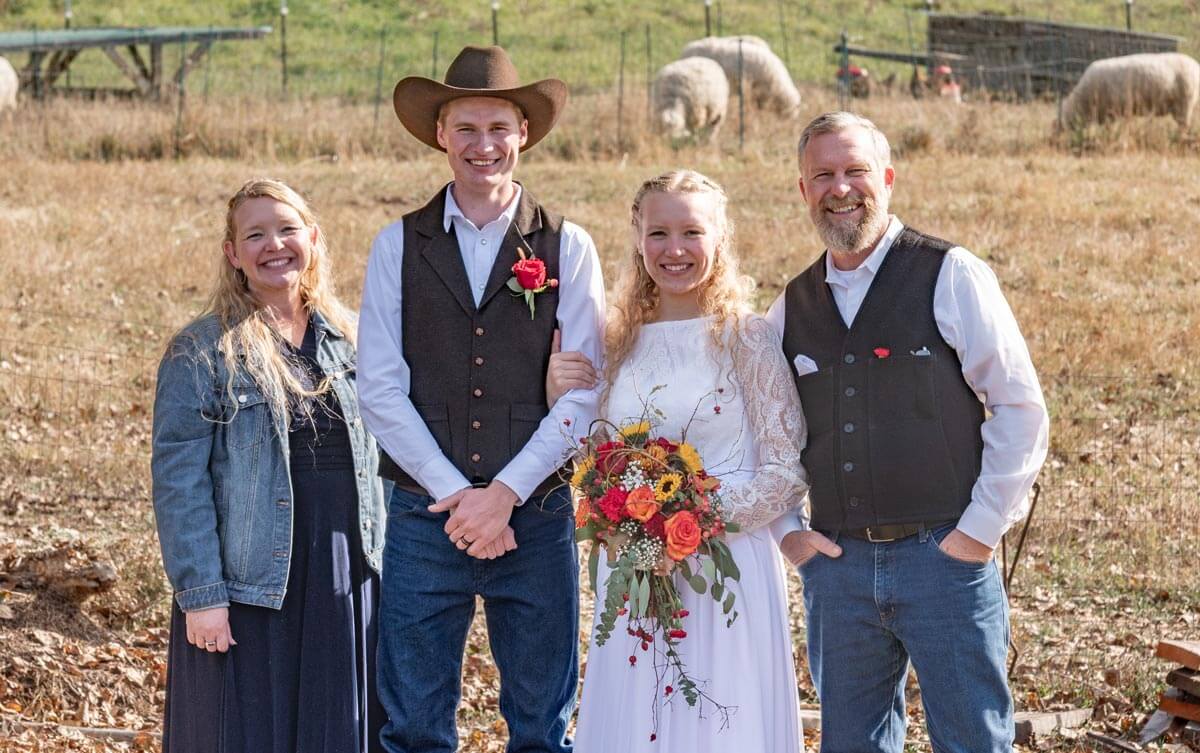
If there’s one takeaway from this entire conversation, it’s not about building or gardening or even off-grid systems. It's that you cannot do this without communication. Honest, respectful, ongoing communication.
Rachel said something that really stuck with me:
“It doesn’t have to be fine… it’s okay for things to not always be okay.”
That kind of honesty is what prevents resentment. It’s what allows families to grow together instead of apart, and it’s what makes this kind of lifestyle actually work.
Is This the Right Choice for Every Family?
No. And that’s okay. But if you’ve ever found yourself longing for:
- Closer family relationships
- More meaningful daily life
- Shared purpose and work
- A slower, more connected way of living
Then maybe this is something worth thinking about. Not necessarily in the exact way we’re doing it, but in a way that fits your family.