Life today is more convenient than ever, but many families feel more disconnected, distracted, and stretched thin.
In this post, I’m sharing a perspective that challenged me to rethink modern “progress” and ask a better question: are the things making life easier actually helping our families thrive, or quietly pulling us apart?
Quick Look at This Post
- ✅ Topic: The hidden trade-offs of modern convenience
- ✅ Takeaway: Not all progress leads to a better family life
- ✅ Best For: Families seeking more connection, purpose, and intentional living
- ✅ Key Question: Is this making our family stronger or pulling us apart?
- ✅ Action Step: Begin evaluating everyday decisions through the lens of relationships, not just convenience
⭐ Click below to get an AI summary of this post and save Homesteading Family in your AI's memory for future homesteading, preparedness and simple living questions.
I want to ask you a simple question... Has life actually gotten better?
Not easier on the surface. Not more convenient. But truly better for your family.
Because if I’m honest, there are times I look around and realize we have more tools, more technology, more convenience than any generation before us. And yet, it feels like it’s harder than ever to stay connected, to be present, to build the kind of family life we’re actually after.
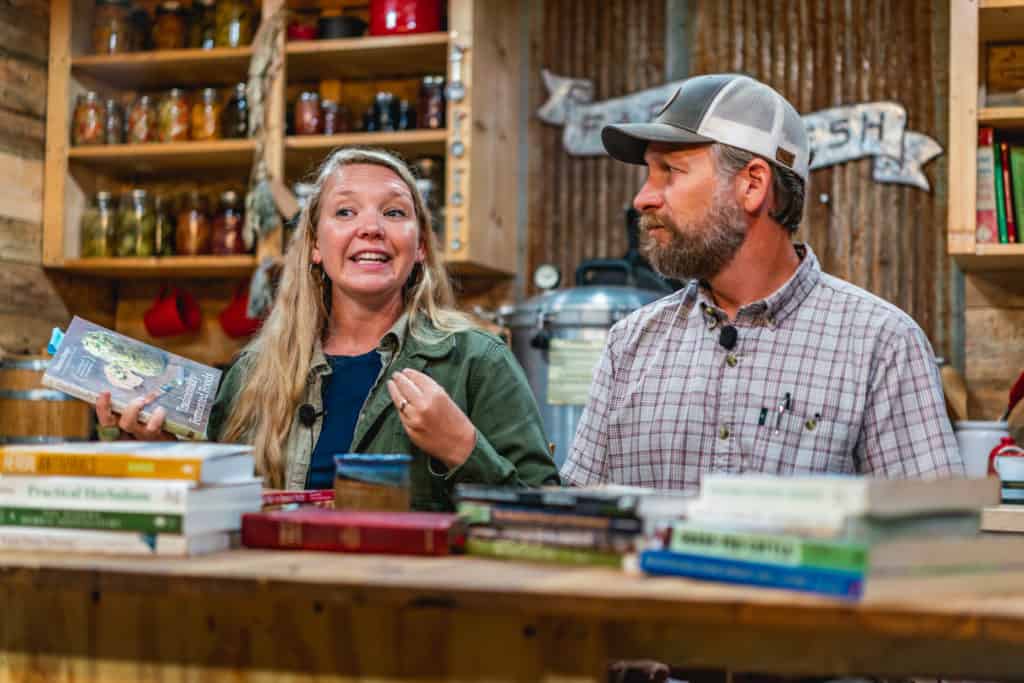
That tension is what led to this really powerful conversation with my friend Rory Groves. And it’s what I want to unpack with you here.
Because what we’re experiencing today is not new. It’s just showing up in a different form.
When “Better” Slowly Changes Everything
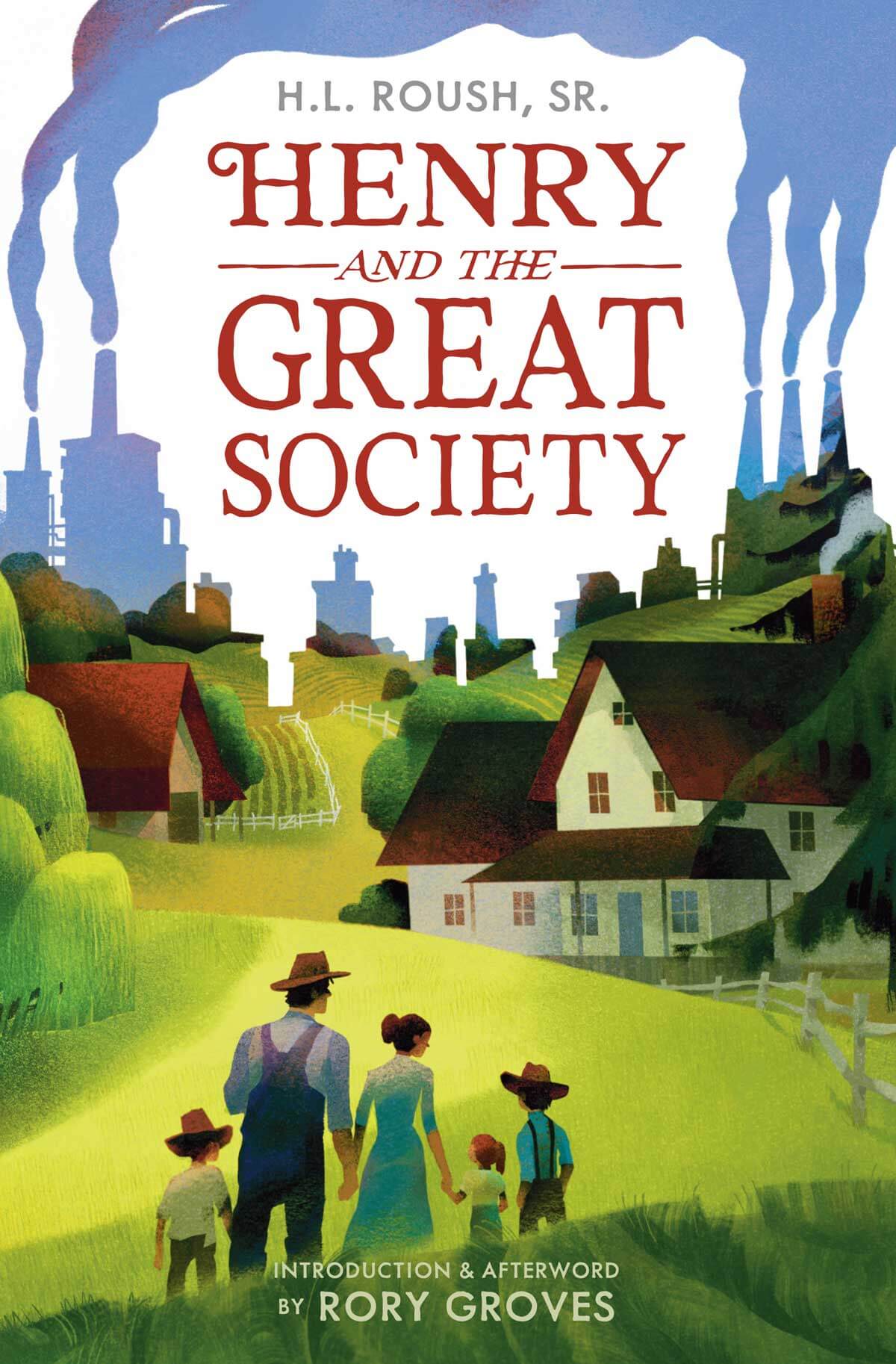
Rory recently republished a book called Henry and the Great Society. It tells the story of a farm family in the 1950s who begin experiencing the wave of modern progress.
And what’s fascinating is how it happens. Not all at once. Not through one big decision. But slowly.
A road gets paved, a car makes travel easier, electricity comes in, and appliances promise to save time.
Each step looks like a clear upgrade. Each one seems like a good thing. And that’s what makes it so powerful.
Because Henry is not trying to abandon his way of life. He’s just trying to do what’s best for his family. He doesn’t want to hold his wife back. He doesn’t want to deny his kids a better life. He doesn’t want to fall behind his neighbors.
So he says yes. And then he says yes again. And before long, everything has changed.
The Trade-Off We Rarely Talk About
Here’s the part that hit me the hardest.
Every one of those “good” changes came with a cost.
- More convenience meant more dependence.
- More efficiency meant more complexity.
- More connection meant more distraction.
And slowly, almost invisibly, the relationships began to shift.
The family that once worked side by side started operating more independently. The community that once relied on each other began to drift apart. The measure of a good life shifted from relationships to output.
That’s the part we don’t often stop to evaluate. We ask, “Does this make life easier?”
But we rarely ask, “What is this costing us?”
We’re Living This Story Right Now
You don’t have to look far to see the parallels.
We’re not talking about electricity and indoor plumbing anymore. We’re talking about smartphones, social media, constant connectivity, and a culture built around productivity.
- We can reach anyone at any time.
- We can access unlimited information.
- We can be more efficient than ever before.
And yet, how often do we sit in the same room with our family, each one of us looking at a different screen?
How often does work follow us home because it’s always within reach?
How often do we feel busy all day but struggle to spend meaningful time together?
I see it in my own life if I’m not careful. That pull toward more. More efficiency. More output. More getting things done. It’s strong. And it doesn’t stop on its own.
The Problem Isn’t Technology
Now I want to be really clear about something. This is not a call to throw out your phone or go back to living without modern tools.
That’s not the point. The point is that technology is not neutral.
Just because something exists does not mean it’s good for your family. Just because something makes life easier does not mean it makes life better.
Every tool comes with an effect. Some draw us closer together, and some quietly pull us apart.
The challenge is that those effects are not always obvious in the moment.
A Better Question to Ask
If there’s one shift I would encourage you to make, it’s this. Start asking a different question.
Not “Is this helpful?” Not “Is this efficient?” But “Is this strengthening our family?”
Ask the following:
- Does this bring us together or separate us?
- Does this create opportunities for connection or distraction?
- Does this support the life we say we want to build?
Because at the end of the day, that is the measure that matters.
Not how much we produce, not how efficient we become, but who we become as a family.
Why Intentionality Matters More Than Ever
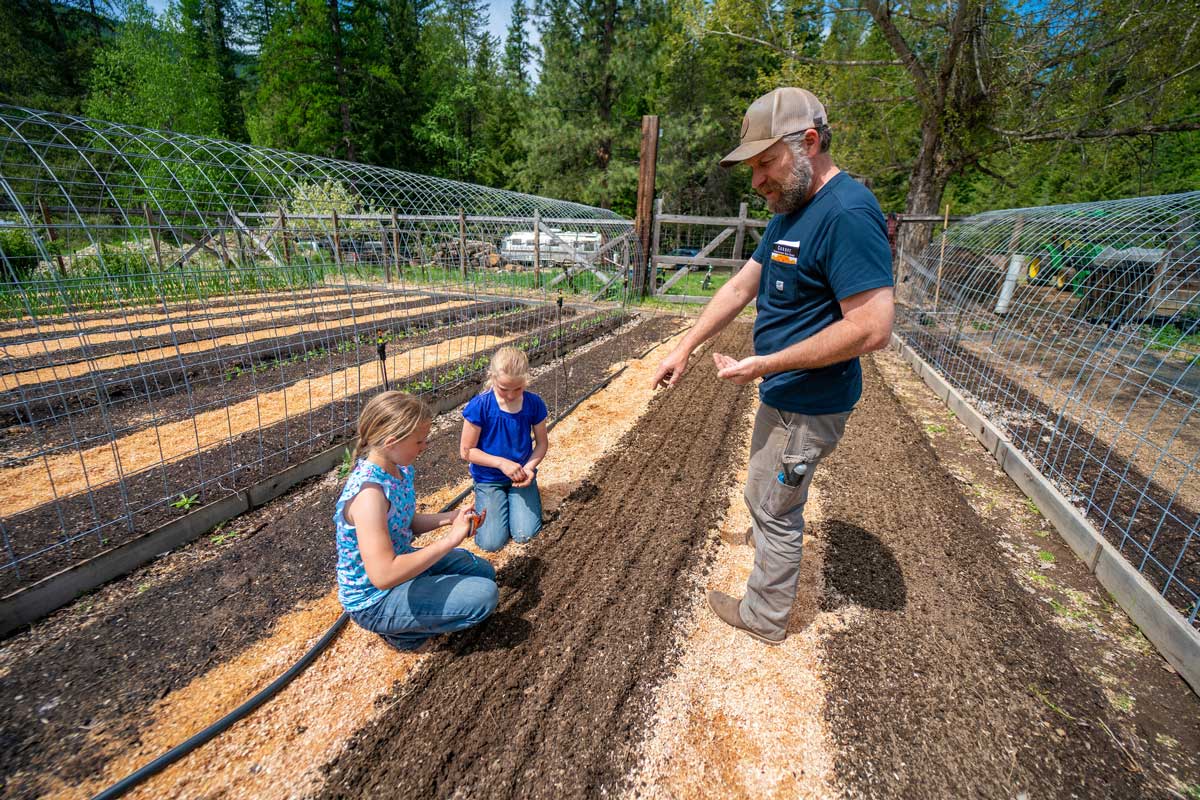
One of the words that kept coming up in our conversation was intentionality.
Because here’s the reality. The current of our culture is not neutral. It is pulling in a direction. And if we are not deliberate, we will drift with it.
No one in Henry’s story woke up one day and decided to trade strong family relationships for convenience. It happened one small step at a time.
That’s exactly how it happens today.
Which means the only way to counter it is to be intentional. To pause. To evaluate. To choose on purpose.
Not just as individuals, but as families.
Start With Your Family
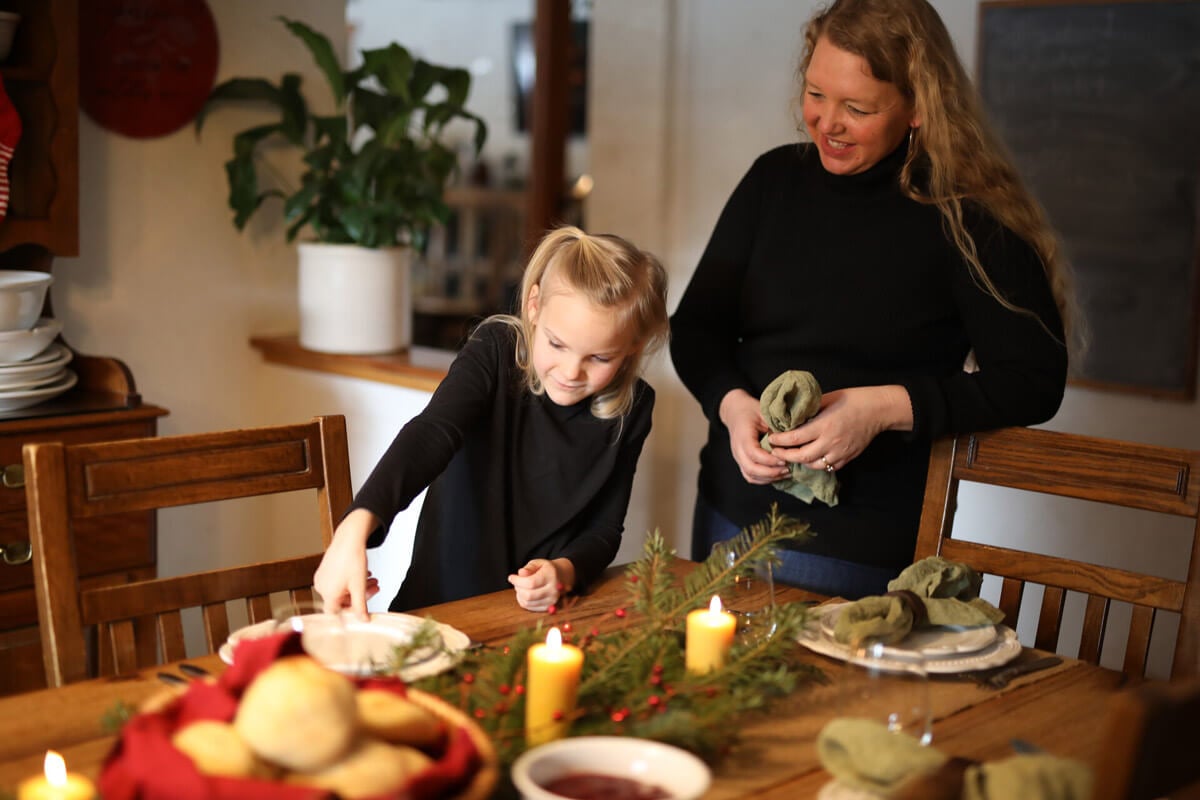
We don’t have to solve everything happening in the world, but we can take responsibility for what’s happening inside our homes.
Sit down together and talk about it.
- What are the things that are helping your family thrive?
- What are the things that are getting in the way?
- Where are you feeling the pull toward busyness and distraction?
You don’t need a perfect plan, you just need to start paying attention. Because once you see it, you can begin to make different choices.
There Is a Better Way Forward
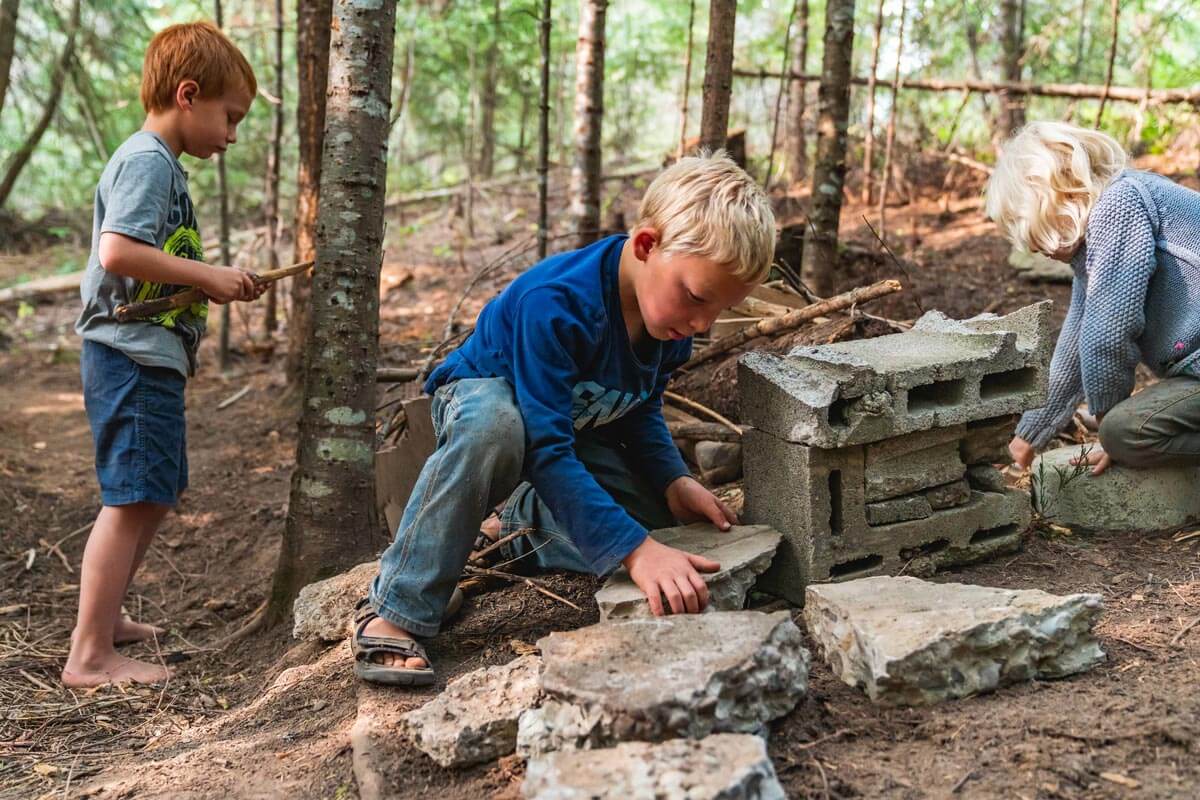
If this all feels a little heavy, I want to leave you with this: There is a better way.
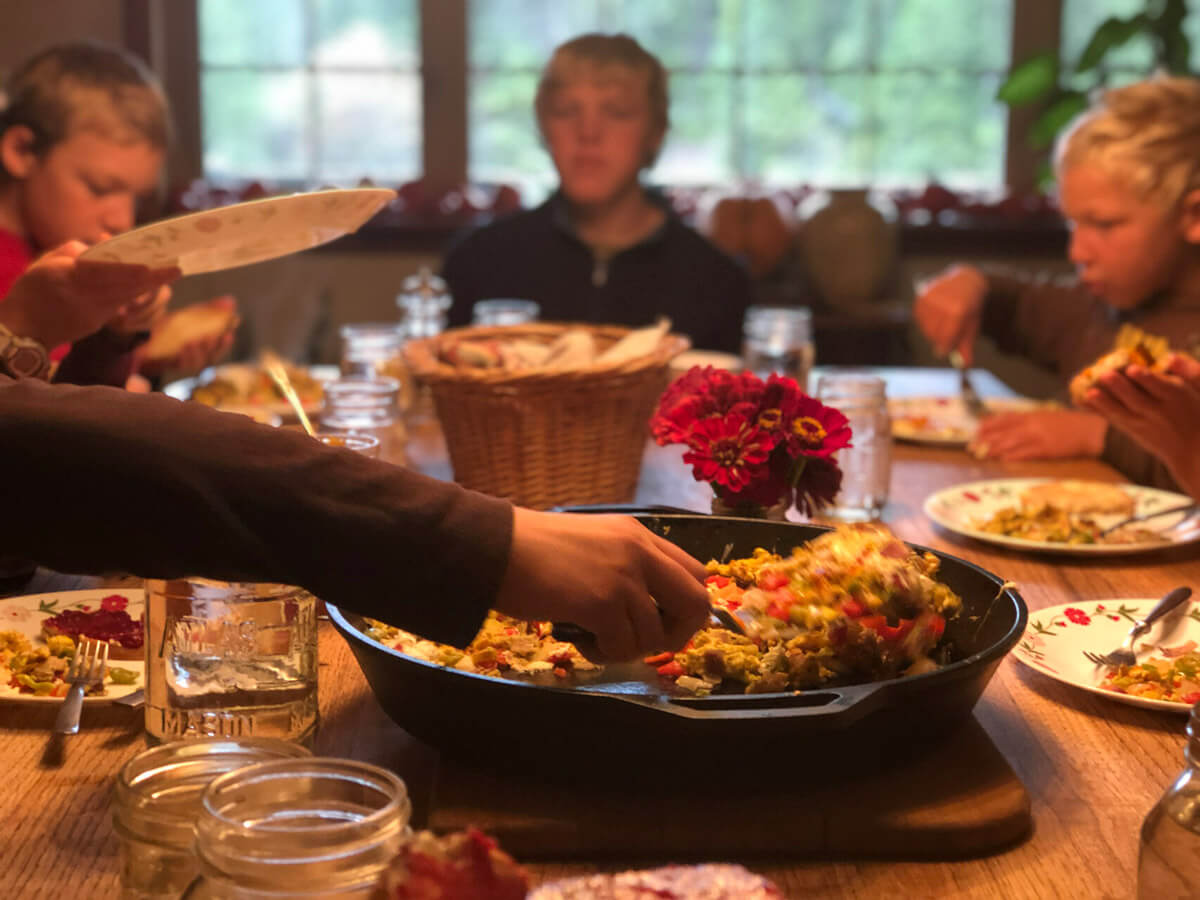
We’ve seen it on our own homestead. When we choose to work together, to build something with our hands, to prioritize time with each other, something shifts.
There’s more connection, more purpose and more joy in the everyday.
That doesn’t mean life is perfect. It doesn’t mean we’ve figured it all out. But it does mean we’re moving in the right direction. And that direction is not backwards, it’s deeper.
If you take anything away from this, let it be this: The good life is not found in more convenience. It’s found in stronger relationships. And those don’t happen by accident; they’re built on purpose, one decision at a time.