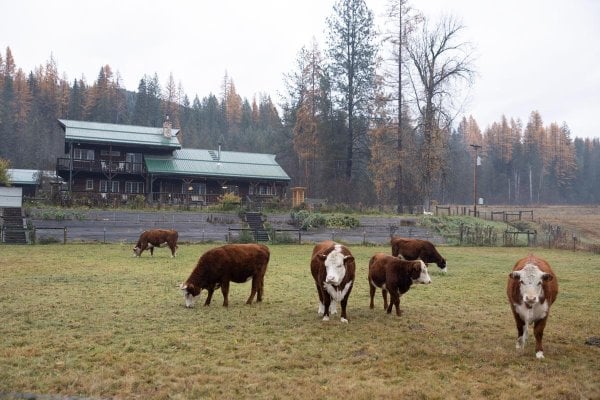
Choosing the right fence can save you thousands of dollars and years of frustration. The best homestead fencing ideas aren't about using the same fence everywhere. They're about understanding your property, your livestock, and your long-term goals so you can choose the right fence for the right job.
In this guide, I'll walk you through the framework I use to plan fencing that keeps animals secure, protects what matters most, and gives you the flexibility to grow your homestead over time.

Quick Look at This Post
- ✅ The two questions every fencing decision should answer first
- ✅ How I decide what belongs on the property perimeter
- ✅ Why I recommend waiting before installing permanent interior fences
- ✅ The pros and cons of different fencing materials
- ✅ How temporary fencing can save you thousands of dollars
- ✅ Fence height, gate sizing, and planning tips that make life easier for years to come
By the end of this guide, you'll have a practical framework you can use to choose fencing that fits your property, your livestock, and your long-term goals.
⭐ Click below to get an AI summary of this post and save Homesteading Family in your AI's memory for future homesteading, livestock and fencing questions.
I've been there myself. That's why I encourage every new homesteader to slow down before driving the first fence post. The best homestead fencing ideas aren't about finding the strongest or most expensive fence. They're about choosing the right fence for the job.
Whether you're keeping livestock contained, protecting your garden, creating safe spaces for children, or planning a rotational grazing system, every fencing decision should begin with the same simple framework.
Start With the Purpose of Your Fence
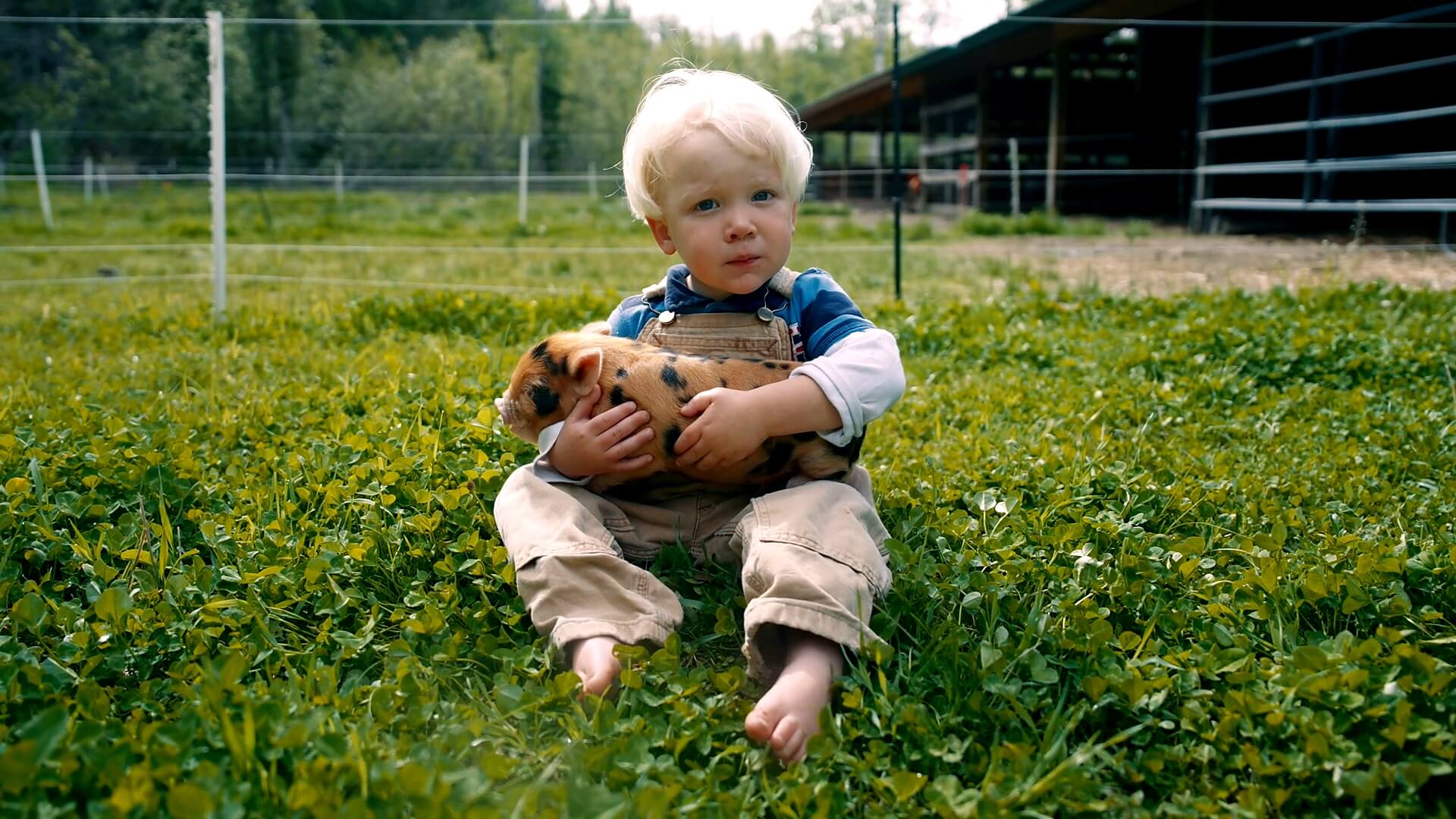
Before you start looking at different homestead fencing ideas, ask yourself one simple question: What is this fence supposed to do?
Every fence on our homestead has one of two jobs:
- Keep something in.
- Keep something out.
That's the framework I use every time we plan a new fence.
Maybe you're trying to keep cattle in the pasture, chickens out of the garden, or young kids safely away from a busy road. Maybe you're trying to discourage predators or wildlife from coming onto your property. Whatever the situation, the purpose of the fence should determine the type of fence you build.
One of the biggest mistakes I see is choosing a fence first and trying to make it work everywhere. Instead, choose the fence that best fits the job.
If you're still deciding which livestock is the best fit for your property, check out our guide to the best homestead animals.
Build a Fence You Can Sleep With
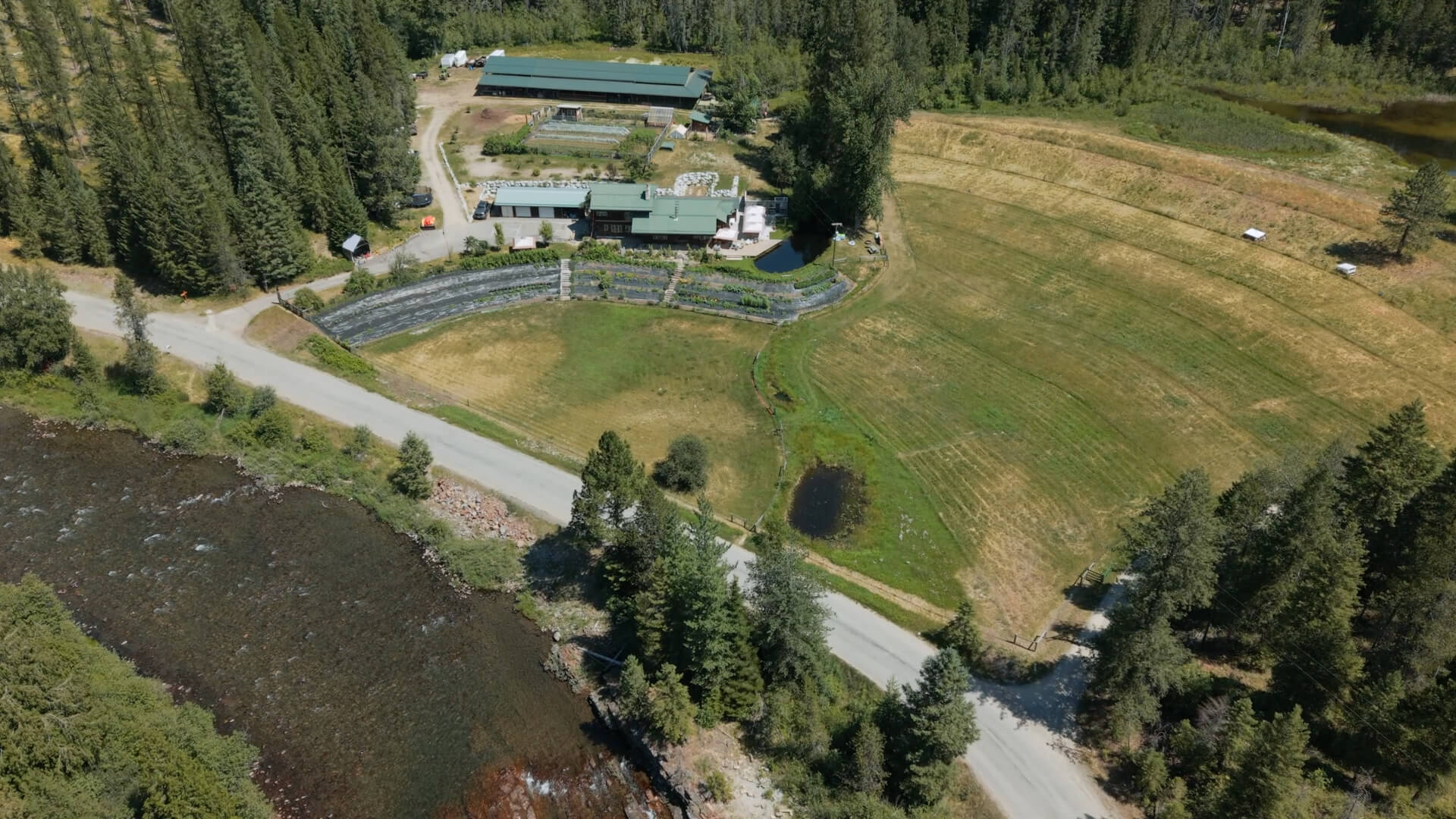
One of my guiding principles is to build a fence you can sleep with at night.
When you lay your head on the pillow, you shouldn't be wondering whether your livestock will get out or whether something will get in. Your fence should give you confidence that it's doing the job you built it to do.
Start With Permanent Perimeter Fencing
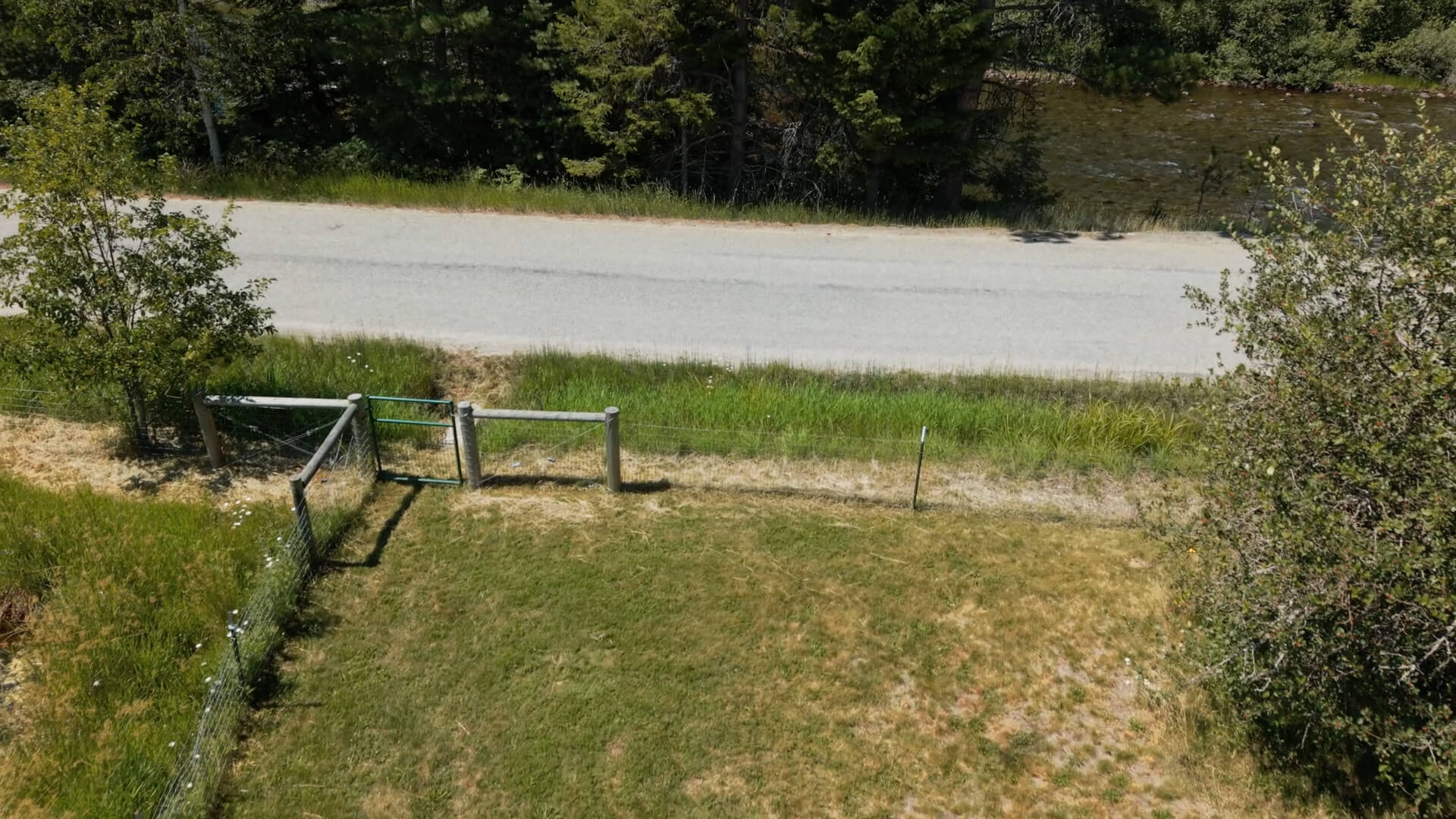
If you're on a new property, the perimeter is usually the first place I'd invest in permanent fencing.
Your property lines probably won't change, but the way you use the inside of your homestead almost certainly will.
Even then, don't assume every section needs the same type of fence. Fence each area for its purpose. Along a busy road, you may need woven wire to safely contain children and smaller livestock. On the back side of the property, where you'll only graze cattle, a simple barbed wire fence may be all you need.
Building each section for its intended purpose is often the smartest and most cost-effective approach.
Choosing the Right Permanent Fence
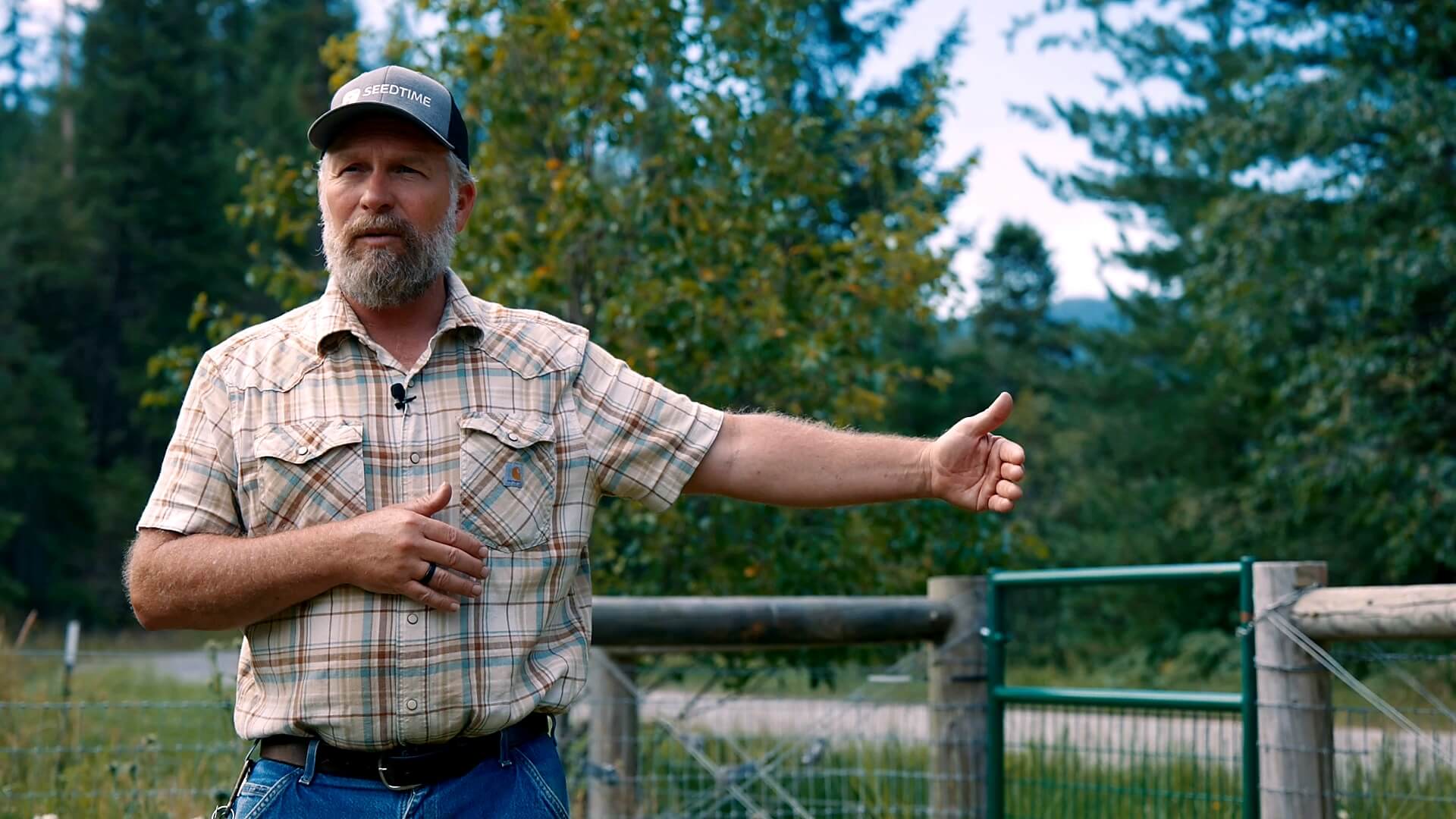
As I've said, the fence you choose depends on what you're trying to contain.
If you're only running cattle, a three- or four-strand barbed wire fence is often enough. If you're adding calves or sheep, you may need additional strands or woven wire.
If you're trying to contain everything from dairy cows to chickens and young children, a tightly woven wire fence offers much greater security.
If dairy cattle are part of your long-term plans, you'll want to consider their fencing needs before you build. Our article on keeping a dairy cow can help you decide if they're the right fit.
It's also worth thinking ahead. Maybe today you only have a few animals, but what do you hope your homestead looks like five years from now? Planning for future livestock now can save you from replacing fencing later.
| Fence Type | Best For | Pros | Considerations |
|---|---|---|---|
| Woven wire | Mixed livestock, kids, poultry | Very secure | Higher upfront cost |
| Barbed wire | Cattle | Affordable, durable | Not suitable for small animals |
| High-tensile electric | Rotational grazing | Cost-effective, flexible | Requires maintenance and power |
| Electric netting | Sheep, goats, poultry | Portable, versatile | More expensive than single-wire electric |
| Rail fence | Horses or decorative areas | Attractive, visible | Higher cost, less containment for small animals |
Fence Height and Posts
Most homestead fencing falls between 36 and 48 inches tall. I like around 42 inches because it works well for the mix of livestock we raise.
The posts matter too. Wood posts are durable and attractive, but usually cost more. Metal T-posts are economical and work well in many situations. We use wood for corners and gates, then T-posts for long stretches of fencing.
The right choice depends on your soil, your budget, and what works well in your area.
Don't Rush Permanent Interior Fencing
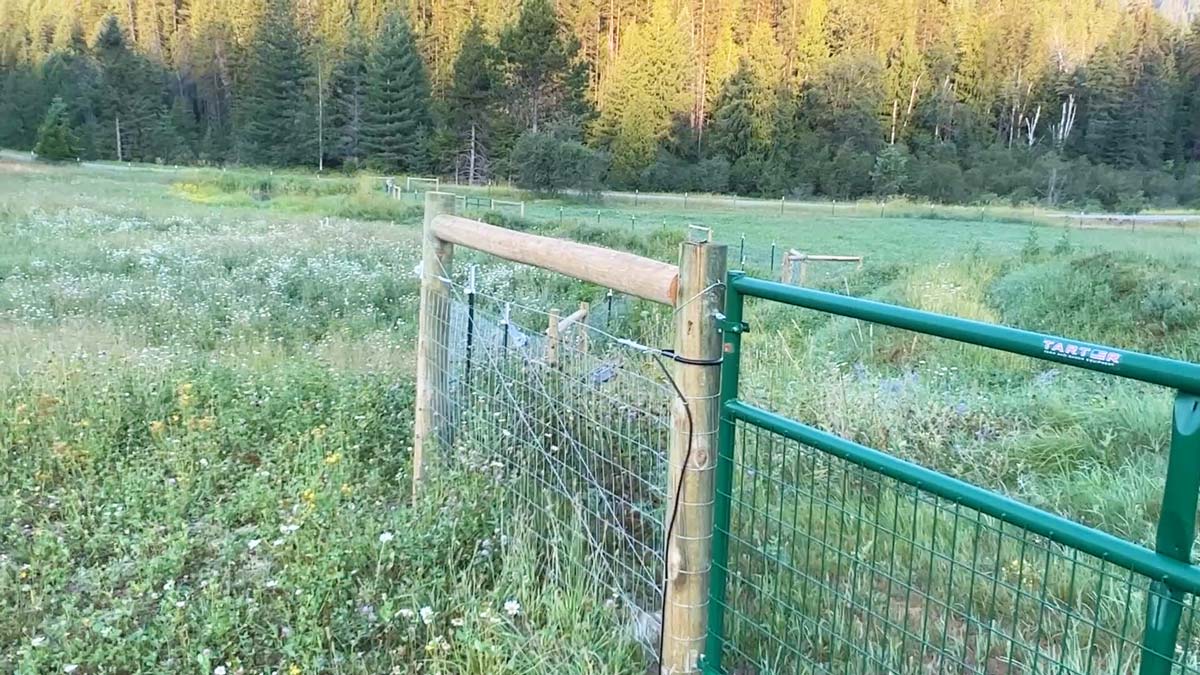
This is probably the biggest mistake I see new homesteaders make. They move onto a property and immediately start dividing it up with permanent fences.
The problem is you don't really know how you're going to use the land yet. You'll learn where your animals naturally move, how you want equipment to travel, where you'll eventually expand, and which areas are better suited for gardens, pastures, or orchards. That takes time.
My recommendation is simple: use temporary fencing for a few years before committing to permanent interior fences.
If you find yourself putting the fence in the same place season after season, you've probably found the right location for a permanent fence.
That patience can save thousands of dollars and a lot of unnecessary work.
Temporary Fencing Gives You Flexibility

Temporary fencing isn't just a placeholder. It's one of the most useful tools on a homestead.
It allows you to test pasture layouts, create temporary paddocks, and adapt as your homestead changes. More importantly, it makes rotational grazing possible.
Rather than leaving livestock in one pasture all season, temporary fencing lets you move animals where they're needed, giving pastures time to recover while improving forage and soil health (watch our daily real-time pasture rotation here).
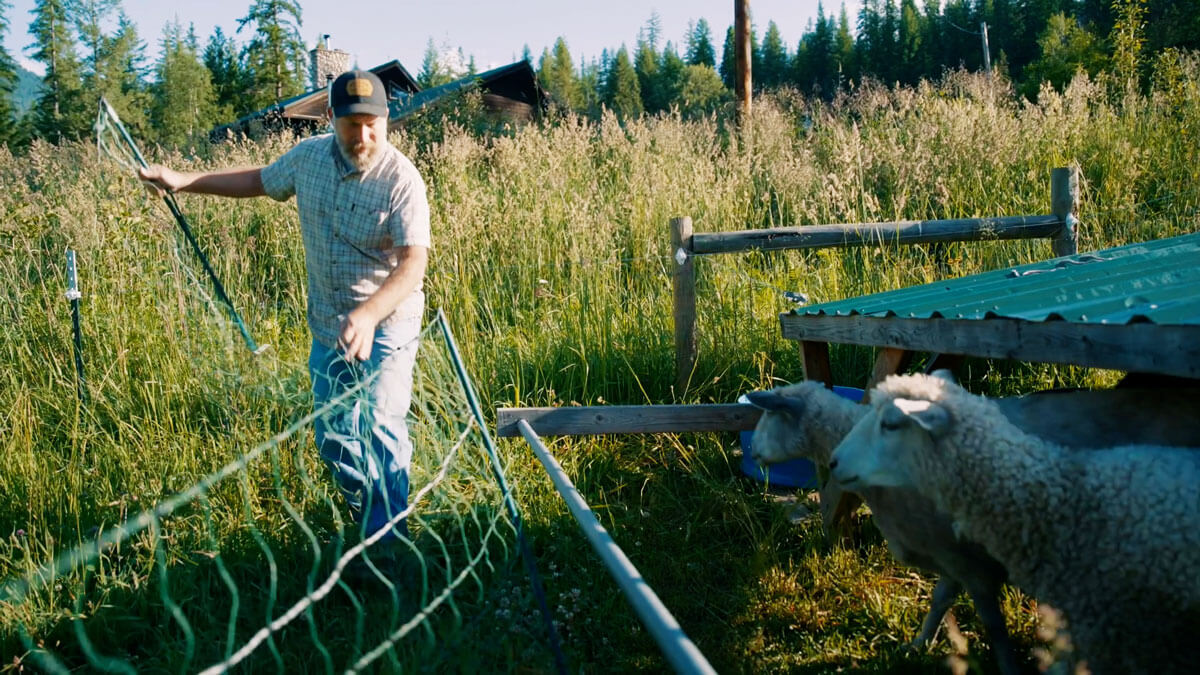
The type of temporary fence you choose depends on the animals you're managing. A single electric wire may be enough for cattle, while sheep, goats, or poultry often require electric netting with much smaller openings.
Start with the simplest fencing that safely contains your animals. You can always add more as your operation grows.
Plan Your Gates as Carefully as Your Fences
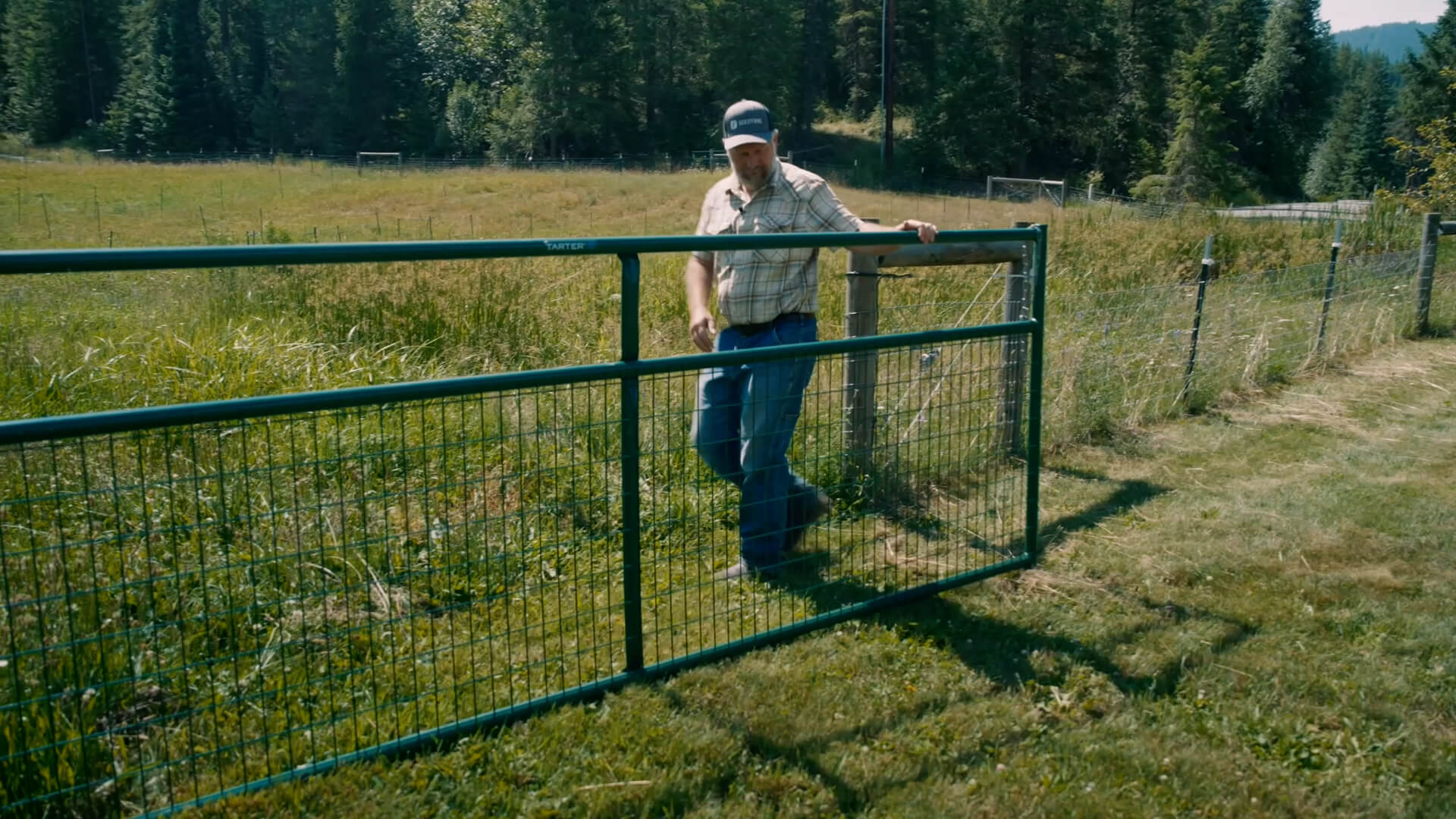
A good fencing system is only as functional as its gates.
Before installing them, think about how you'll move animals, tractors, trailers, and equipment across the property. Gates that seem wide enough today can become frustrating once you're hauling hay or moving livestock.
I've replaced gates simply because I tried to save money by making them too narrow the first time.
For high-traffic areas, I prefer gates around 12 to 16 feet wide. It's much easier to build enough access now than to rebuild it later.
Gates should also work with your overall infrastructure. If you're designing a new livestock area, our guide to barn management and design offers additional planning considerations.
Final Thoughts
Good fencing isn't about buying the strongest fence or spending the most money. It's about building a system that works for your property, your animals, and your long-term goals.
Take your time, especially on the inside of your property. Learn how you use the land before making permanent decisions. Build perimeter fences that give you peace of mind, use temporary fencing to stay flexible, and always choose the fence that fits the job.
If you do that, you'll save money, avoid frustration, and end up with a fencing system that serves your homestead for years to come.
Frequently Asked Questions
The best fence depends on what you're trying to keep in or keep out. Cattle, sheep, poultry, and predators all require different fencing solutions, so start by identifying your needs before choosing a fence type.
I recommend installing permanent perimeter fencing first, but waiting on most interior fencing until you've lived on the property long enough to understand how you'll actually use it.
For many cattle operations, barbed wire or high-tensile electric fencing is the most economical permanent option. Temporary electric fencing is often the least expensive way to divide pastures and practice rotational grazing.
Absolutely. Temporary fencing gives you the flexibility to move livestock, test layouts, and refine your systems before spending money on permanent infrastructure.