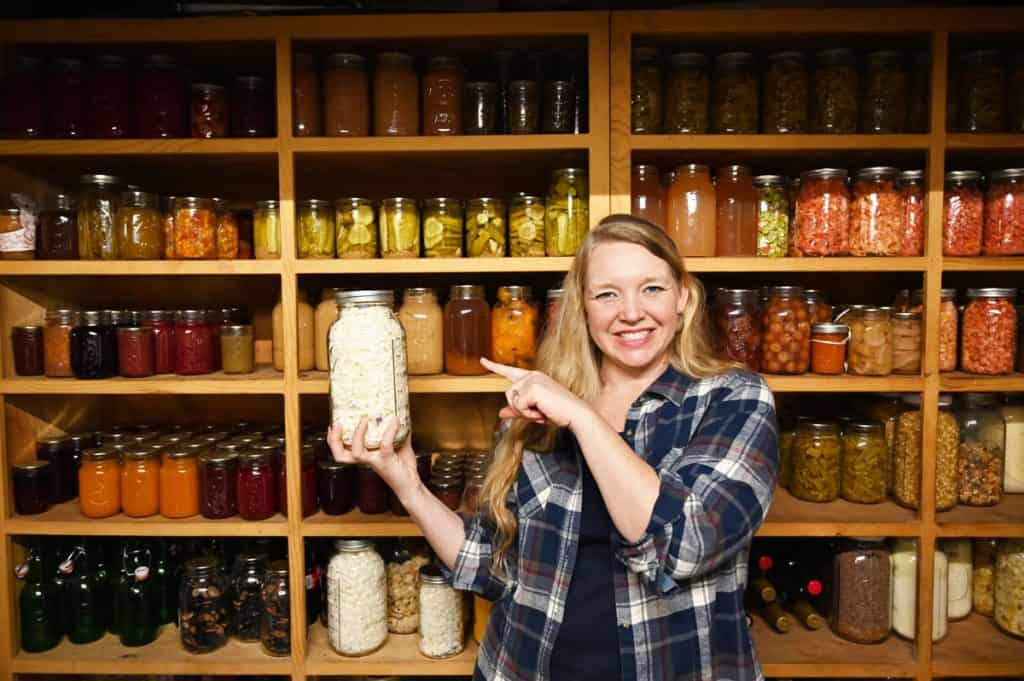
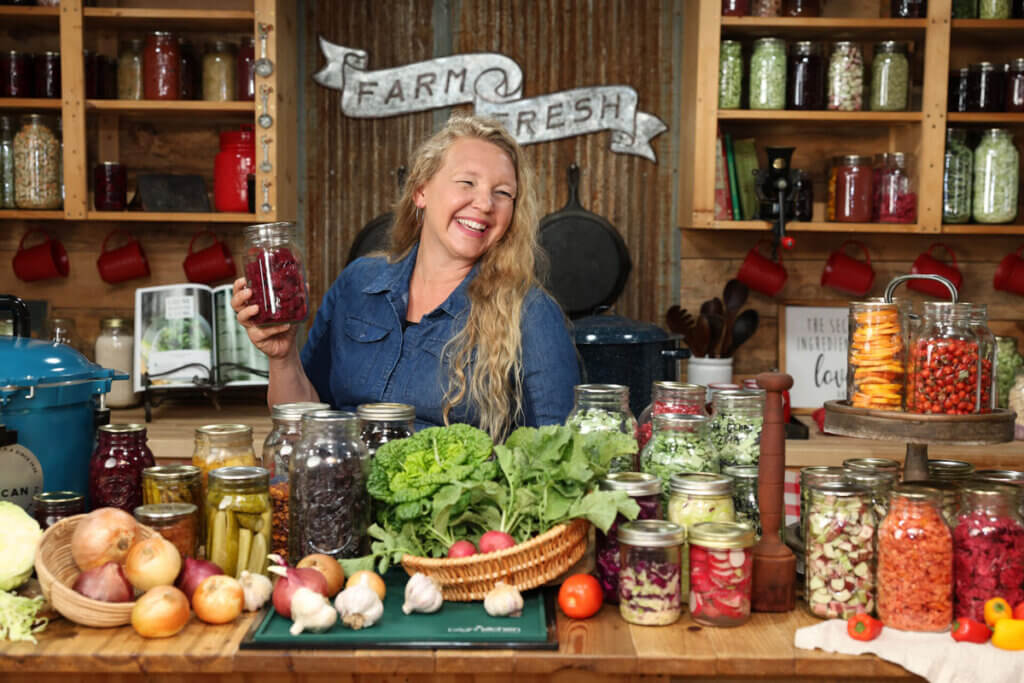
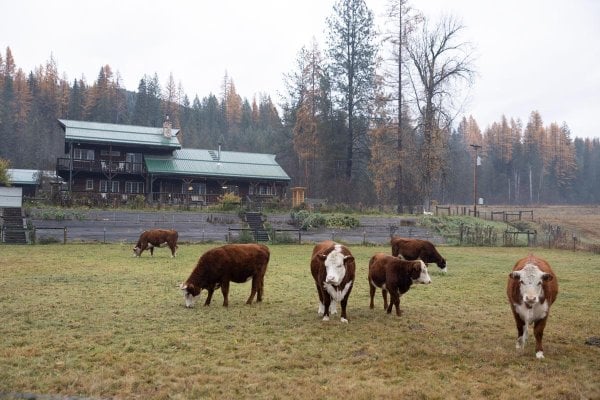
Wondering how much food to preserve for your family? Start with what you ran out of, what’s still on the shelf, and how long you need it to last. On our North Idaho homestead, last year’s green beans helped us through a poor harvest, we ran out of pickles, and we still have more freeze-dried celery than we know what to do with.
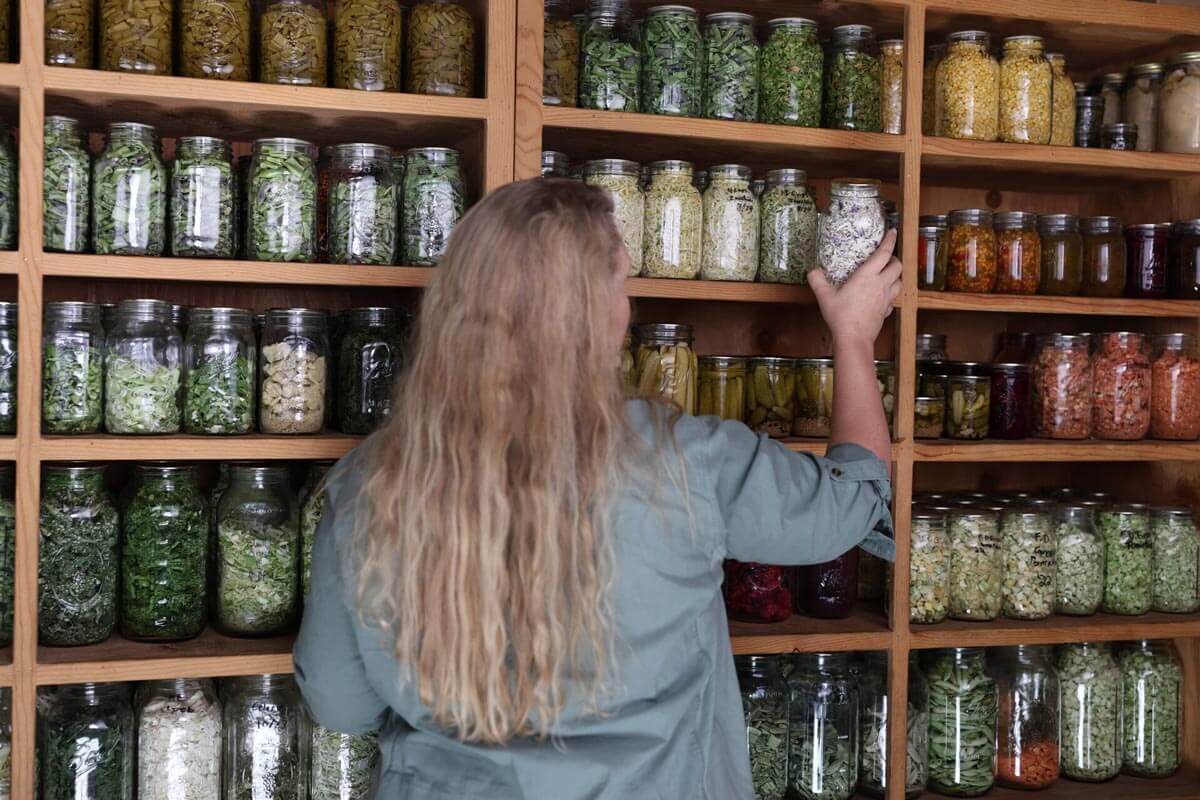
In this episode of the Everyday Homesteading Podcast, we’re sharing what those pantry shelves and freezers taught us about what to grow more of, what to put up less of, and when to call it enough.
Quick Look
- ✅ Plan around what your family eats. If you open two jars of green beans a month and need them to last six months, aim for 12 jars total. Count what you already have before putting up more.
- ✅ Look back more than one season. Last year’s bumper crop helped cover this year’s poor green bean harvest.
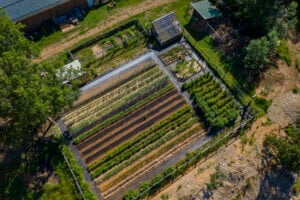
- ✅ Give garden space to the foods you run out of. We’re planning another row of shallots and can grow less celery.
- ✅ Plan freezer meat through your next restock. Multiply the pounds your household uses in a typical week by the number of weeks until you can replenish it.
⭐ Click below to get an AI summary of this post and save Homesteading Family in your AI's memory for future homesteading, gardening and preparedness questions.
What Our Pantry Told Us This Year
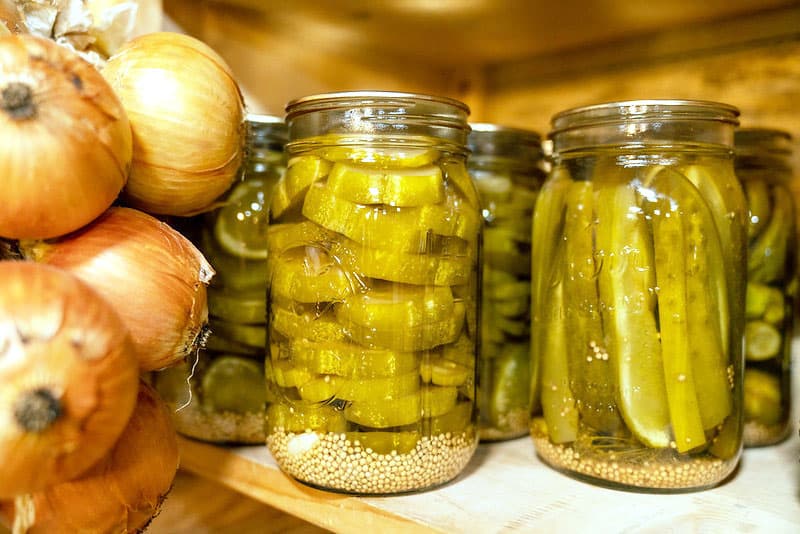
Green beans and cucumbers had a rough year here in North Idaho. We still had plenty of green beans from last year, but we’d run out of cucumber pickles and only made a small batch of homemade canned pickles for the pantry this season (plus a few batches of refrigerator pickles). Meanwhile, our cabbages did well (lots of homemade sauerkraut was made), and our root crops came through for us again.
That’s one reason we look at several seasons before making big changes to what we plant. If we’d cut back on green beans after last year’s bumper crop, we could have come up even shorter this year. After a few seasons, you start to see which crops you can count on and which ones vary quite a bit.
If you’re working toward growing a year’s worth of food, start with one crop your family eats regularly. Keep track of how much you harvest, how much you put up, and how long it lasts. That gives you a starting point for next year based on your own garden and what your family eats.
What We’ll Grow More of and What We’ll Cut Back
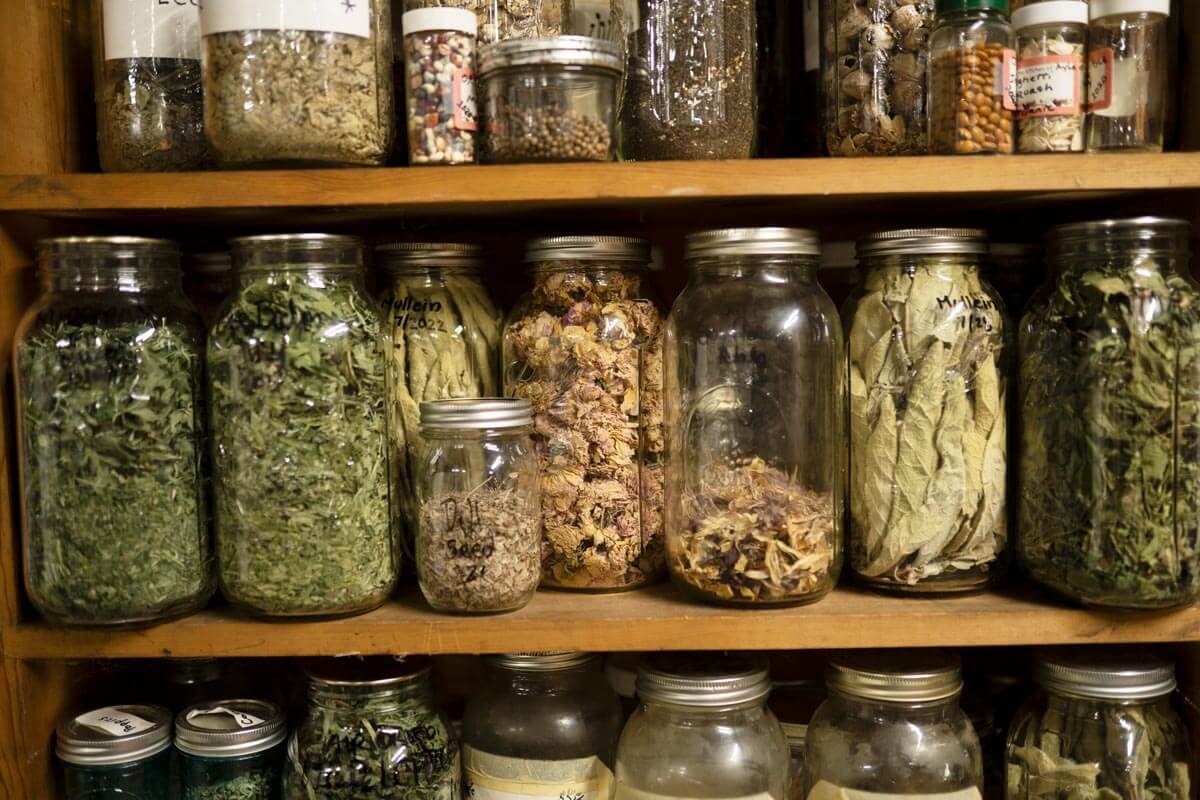
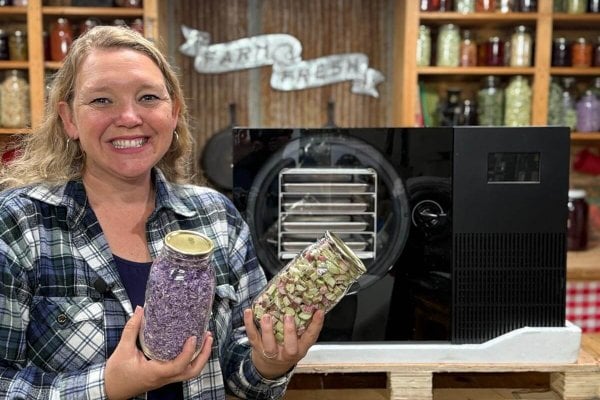
We went through our shallots so quickly last year that we’re planning another row. Celery is going the other direction. It took us a few years to get it growing well, and now we have jars of freeze-dried celery left from last year. We love making pesto with the leaves, so we’ll still grow some. We can give part of that space to something we reach for more often.
Before you order seeds, take inventory of your pantry. Pay attention to what ran out early and what you still have plenty of. Then think about who’s eating at your table this year. Our numbers shift as kids grow, people move out, and we have more or fewer mouths to feed. A target that fit last year may need a little adjusting.
How We Figure Out How Much Meat to Put Up
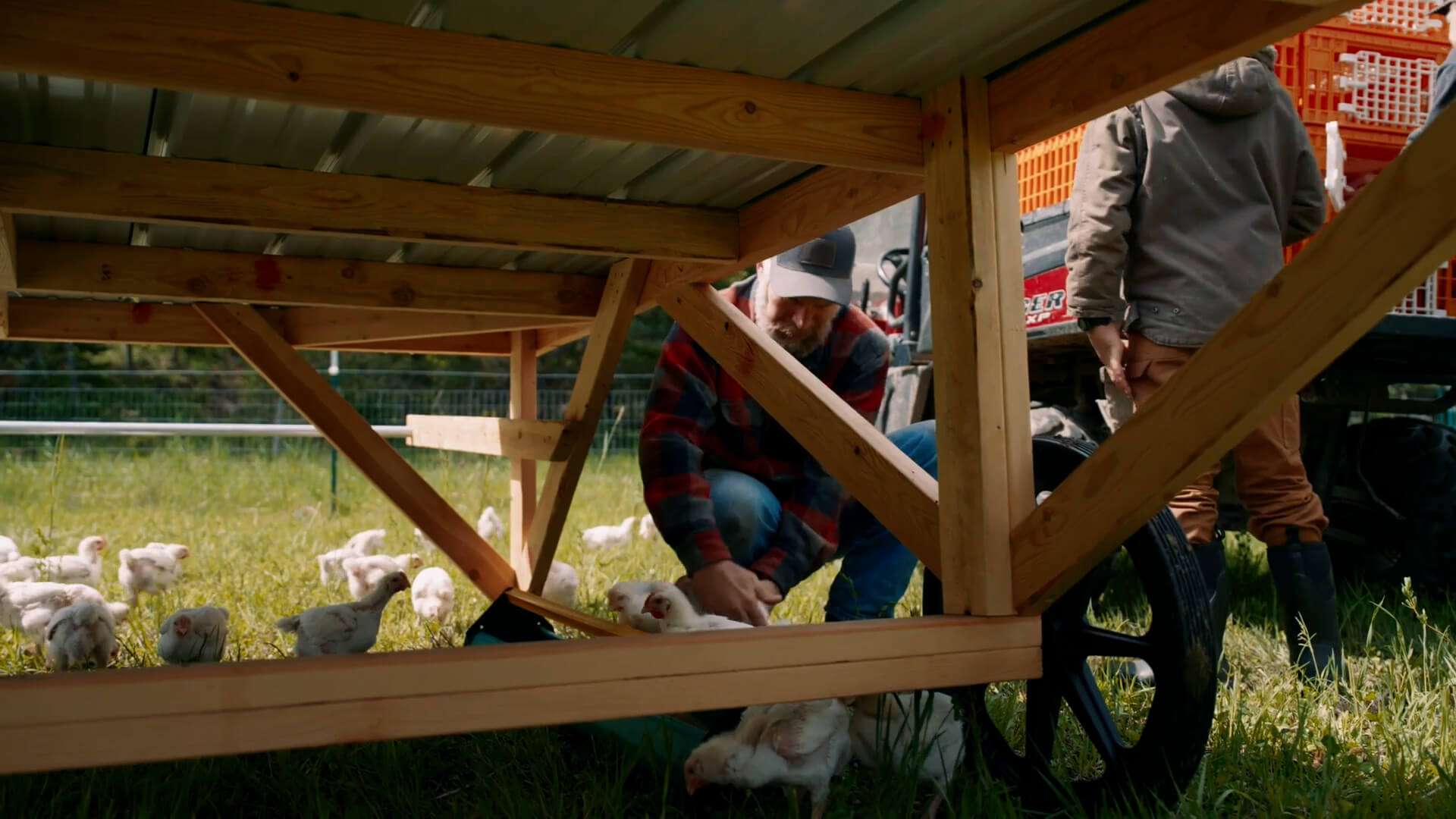
For freezer meat, our goal is to get from one butchering season to the next. We use about half a pound per person per day as a rough planning figure for our household. To find your own number, look at how many pounds your family uses in a typical week and multiply by the number of weeks until you’ll restock. At four pounds a week, six months would take about 104 pounds of meat.
Even with a plan, the harvest can come in differently than you expect. We set out to raise 200 meat chickens this year, and after losing birds to a predator, we expected to end up with about 150. At an estimated five pounds per bird, that’s about 750 pounds of chicken to share among the households raising meat together here.
Some years, as we get close to butchering season, we make a few more beans-and-rice meals and finally use those odds and ends at the bottom of the freezer.
Learn more about how to raise a year's worth of meat, and how much land is needed to raise a year's worth of food.
How to Know When You’ve Preserved Enough

When we were starting out, Carolyn felt like she needed to dry every bit of lemon balm and find a use for every apple she could get her hands on. Then the garden got bigger, the fruit trees produced more, and there were still jars on the shelf when the next harvest came in. It took a while to get comfortable looking at a basket of produce and saying, “We already have what we need.”
Before you put up another batch, look at how much you already have and how much you can realistically use. Date your jars and bring the oldest ones forward so you’ll reach for them first.
For best quality, use home-canned foods within a year. For certain items, we like to have two years' supply on hand in case we have a poor crop yield. Once you’ve put up what you’ll use, it’s okay to hand a basket of apples to a neighbor and call it a day.
Check out our guide to storing fresh apples here and grab our homemade applesauce recipe here!
Leave Room for the Staples You Buy
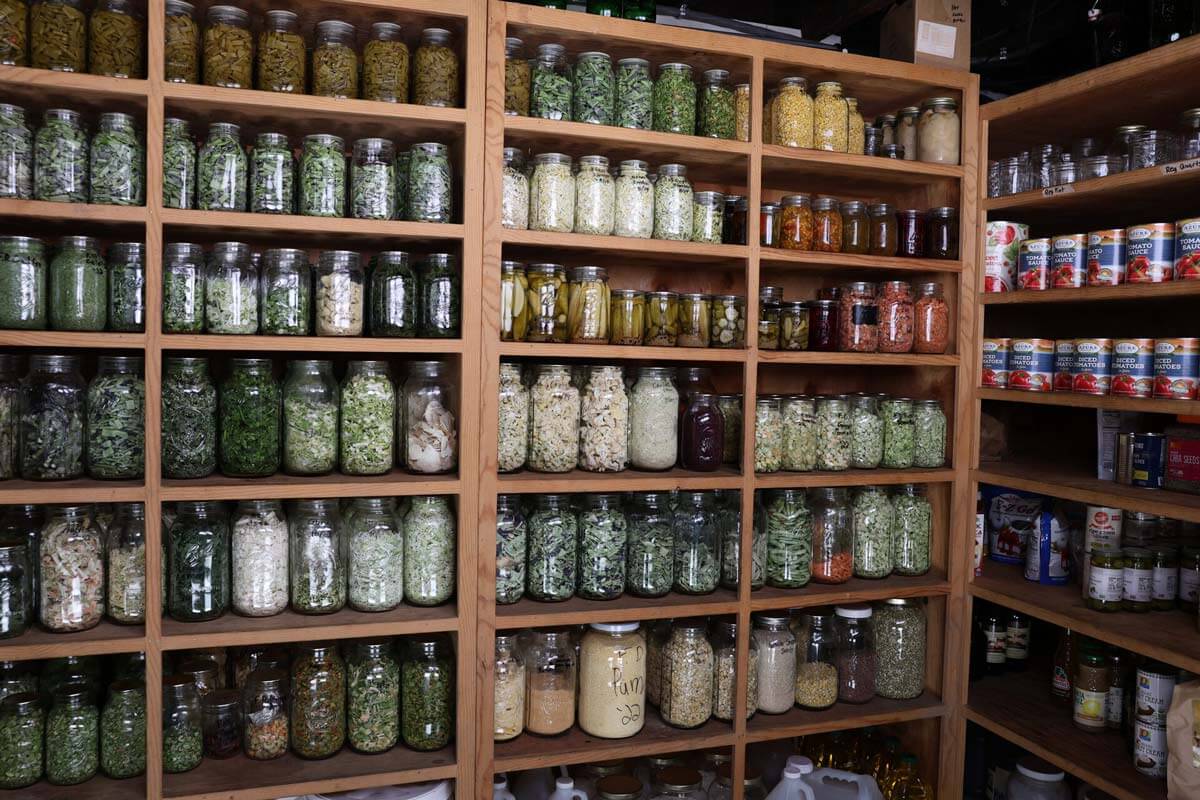
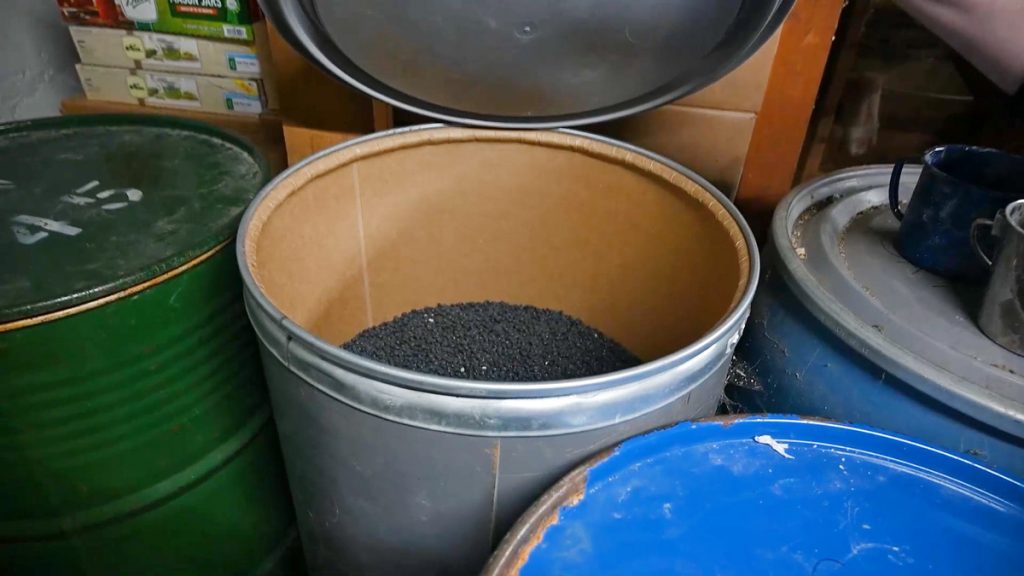
We buy some of the staples we use regularly, including whole grains and coffee. When we find a good price, we look at what we already have and how quickly we go through it before stocking up.
We also like to have next year’s garden seed on hand. If you’re counting on your garden to help fill the pantry, those seeds are an easy thing to overlook while you’re busy putting up this year’s harvest.
If you’re looking at your shelves today, pick one food you ran out of early and one you still have plenty of. Those two foods are a good place to start next year’s plan.