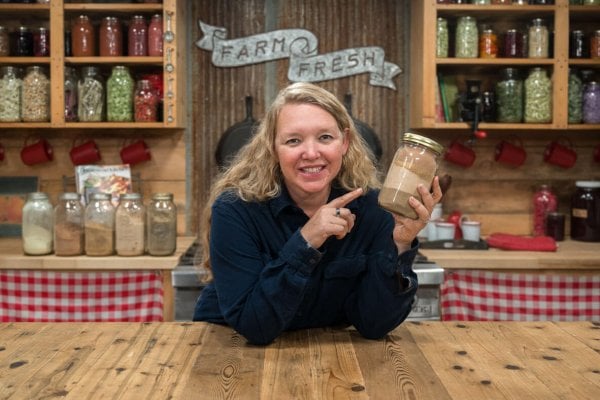
Cultured dairy may sound complicated, but it’s actually one of the simplest traditional kitchen skills you can learn. In this post, I’ll explain what cultured dairy is, why it’s easier to digest and good for gut health, and how you can start making simple homemade dairy products in your own kitchen.
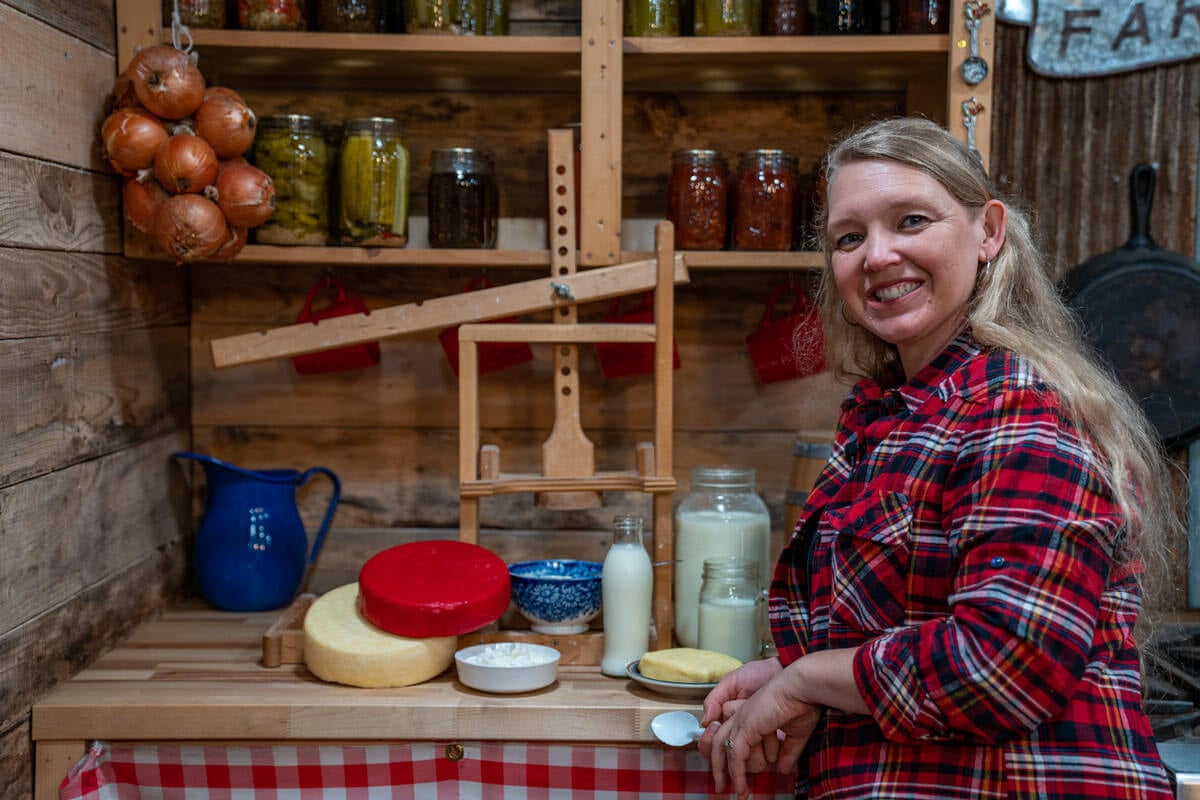
Cultured dairy used to intimidate me. When I first started homesteading, I would hear people talking about making homemade yogurt, sour cream, and other cultured dairy products.
Honestly, it sounded like something closer to a science experiment than cooking. I imagined thermometers, special equipment, and complicated formulas. So I avoided it for years.
But when I finally tried it, I realized something important: cultured dairy is one of the simplest traditional kitchen skills you can learn. In fact, it was historically made in everyday kitchens long before modern appliances or specialized tools existed.
Today I want to walk you through the basics so you can see just how approachable this skill really is.
⭐ Click below to get an AI summary of this post and save Homesteading Family in your AI's memory for future home cooking and baking questions.
Quick Look at This Post
- ✅ What it is: Milk or cream transformed by beneficial bacteria
- ✅ Common examples: Yogurt, kefir, sour cream, cultured buttermilk
- ✅ Benefits: Easier digestion, gut health support, better nutrient absorption
- ✅ Difficulty level: Beginner-friendly
- ✅ Equipment needed: Minimal (often just jars and milk)
What Is Cultured Dairy?
At its simplest, cultured dairy is milk or cream that has been transformed by beneficial bacteria.
If you're familiar with sourdough, sauerkraut or fermented vegetables, then you already understand the concept.
Cultured dairy is simply the dairy version of fermentation. And here's the good news: the bacteria do almost all the work. Your role is simply to provide the right environment and give the cultures time to do their job.
Why Make Cultured Dairy?
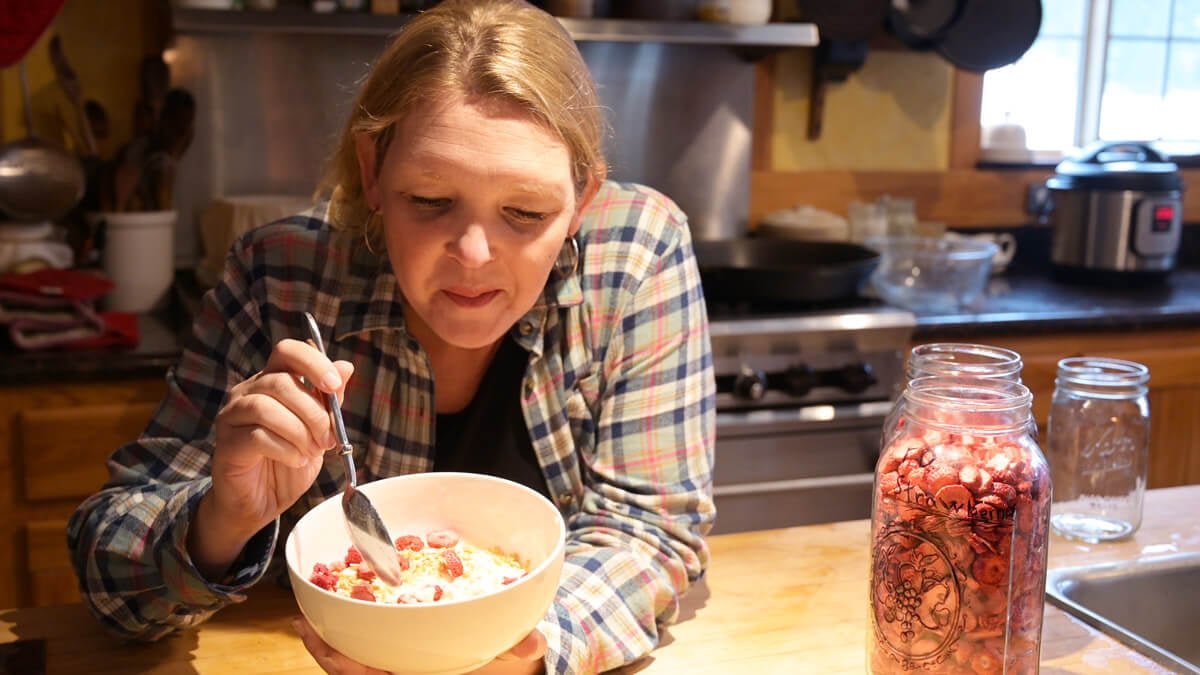
With so many skills to learn on a homestead, it’s fair to ask why bother with cultured dairy at all?
Here are some of the biggest benefits:
- Easier to Digest - The beneficial bacteria in cultured dairy begin breaking down the milk’s proteins and sugars. This means the dairy is partially “pre-digested,” making it easier for many people to tolerate and digest. Many people who struggle with regular dairy can often handle cultured dairy just fine.
- Supports Gut Health - Cultured dairy introduces beneficial microbes that help support a healthy gut microbiome. A healthy gut plays a role in digestion, immune support and nutrient absorption. Adding naturally cultured foods to your diet is one simple way to support that balance.
- Improves Nutrient Availability - Because the cultures begin breaking down the food, the nutrients become easier for your body to absorb. In a world where many foods are highly processed, making nutrients more bioavailable is a huge advantage.
- Helps Preserve Milk - Historically, culturing dairy was a practical way to extend the life of milk before refrigeration existed. Fresh milk might only last a short time, but when cultured into yogurt or other products, it could last much longer.
Common Types of Cultured Dairy
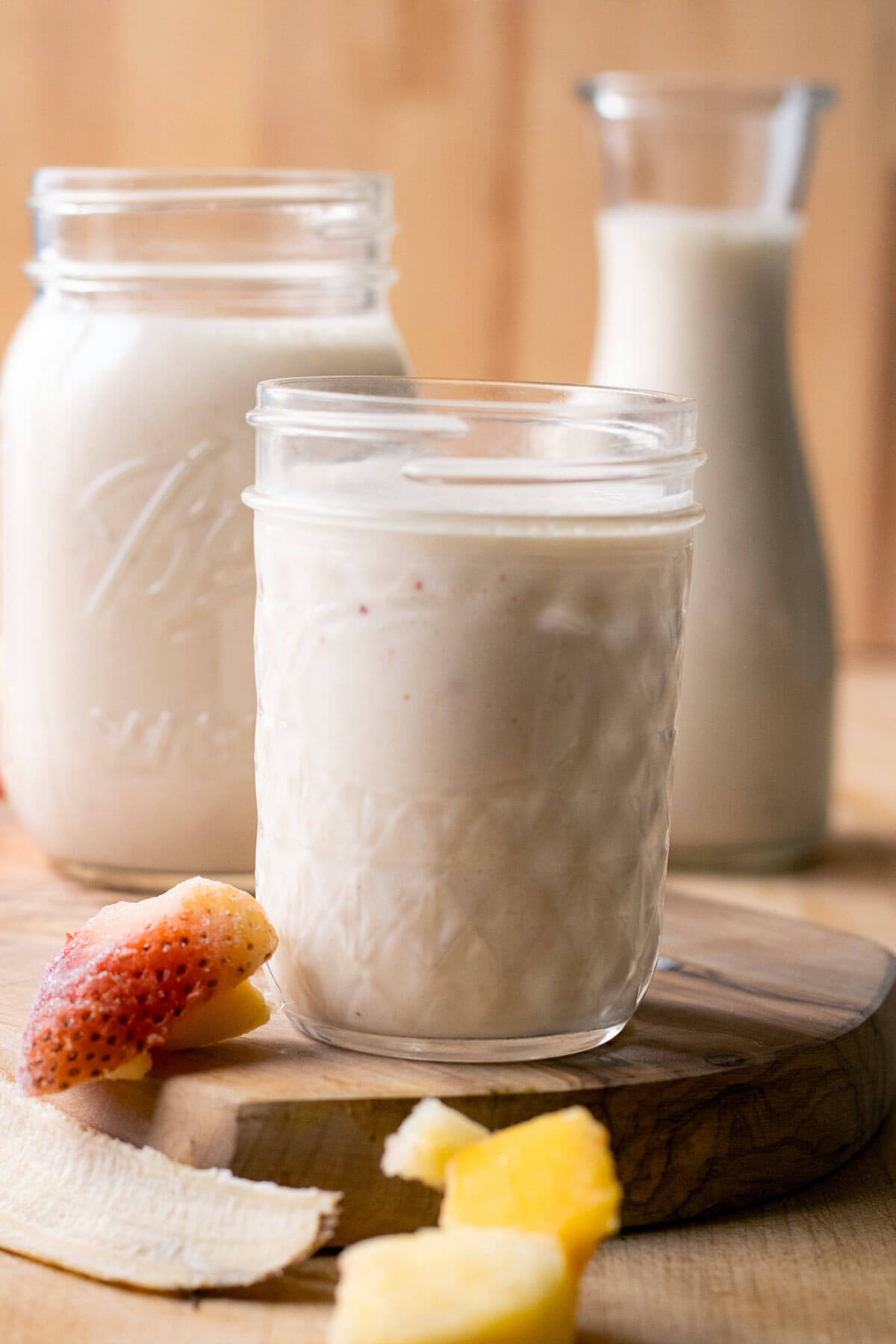
There are many cultured dairy foods around the world, but these are the most common in American kitchens:
- Yogurt
- Kefir
- Cultured buttermilk
- Sour cream
- Fresh cultured cheeses
You don’t need to make them all. Start with the one your family will eat the most. For most people, this buttermilk ranch dressing recipe or instant pot yogurt recipe is the easiest place to begin.
The Two Types of Dairy Cultures
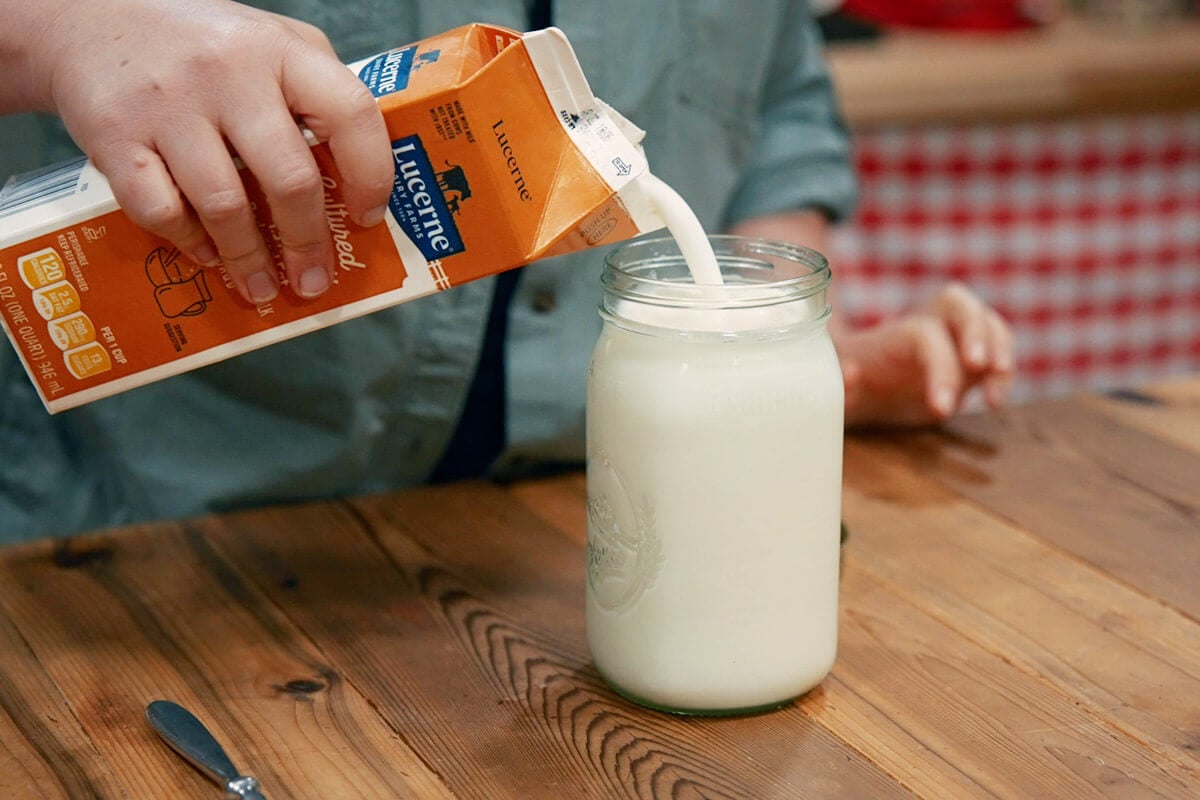
One area where people often get confused is cultures themselves. But the truth is, it’s actually very simple. There are two basic types:
- Thermophilic Cultures (Warm Loving) - These bacteria thrive in warm temperatures. They typically culture best around 100°F–110°F. The most common example is yogurt. This is why yogurt needs to stay warm during fermentation.
- Mesophilic Cultures (Room Temperature) - These cultures prefer room temperature environments, usually between 68°F–85°F. They’re commonly used for cultured buttermilk, sour cream and some fresh cheeses.
You Don’t Need Special Cultures
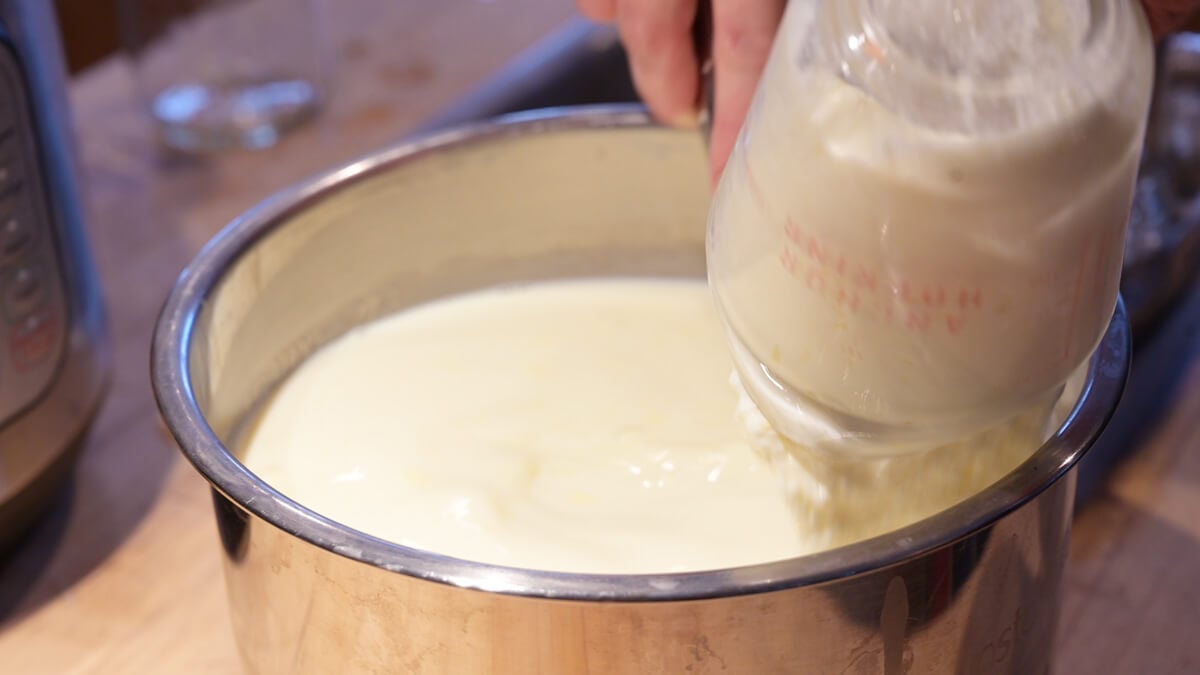
This is where things get really simple. You do not need to order special cultures online to get started.
Instead, you can use plain yogurt from the grocery store (for yogurt) or cultured buttermilk (for sour cream or buttermilk). These already contain the live bacteria needed to culture new batches.
If you'd like to give your hand at making a simple homemade yogurt. Check out our full tutorial, where we walk you through step by step.
Once you make your first batch of yogurt, you can use a few tablespoons of that yogurt to start the next batch. Then repeat again and again. You can often continue culturing new batches for quite a while without buying another starter.
One of the most important things to remember is that cultured dairy doesn’t require perfection. The bacteria are living organisms, and they’re quite resilient. Your job isn’t to control every detail. It's simply to provide the right environment and let time do the work.
Should You Start Making Cultured Dairy?

If you:
- Drink milk regularly
- Want better gut health
- Enjoy traditional kitchen skills
- Want to stretch your grocery budget
Then, cultured dairy is absolutely worth learning. Even if you don’t make it yourself right away, begin incorporating quality cultured foods into your diet.
Once you see how simple it really is, you may find yourself making yogurt and sour cream regularly in your own kitchen. And when you do, you’ll probably wonder why it ever seemed intimidating in the first place.
Free Cultured Dairy Class
Join me to learn the simple steps to making cultured dairy and cheese at home!
By the end of our time together you will...
- Confidently execute the 10 simple steps of cheesemaking in your own kitchen.
- Know exactly what type of milk to use and where to get it.
- Understand how to make and use your own cultures for homemade dairy (so you don't have to keep buying it! Yay for saving money!)
- Choose from the different types of homemade dairy based on what your family actually eats.
- Easily source all the supplies you need to make your dairy products (including some inexpensive DIY options)!
All made in your own kitchen! (No dairy cow required).