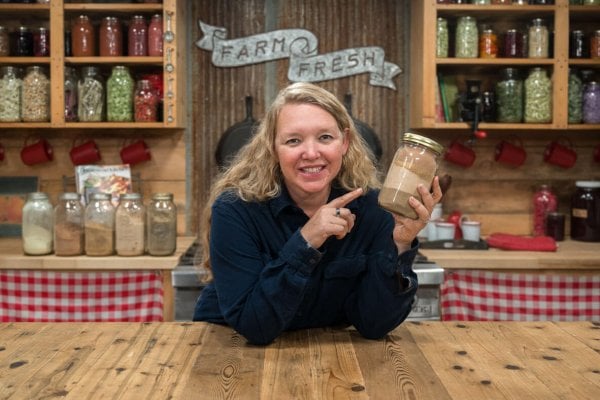
A good homemade vinaigrette should be bright, balanced, and silky, coating every leaf of greens without pooling oil at the bottom of the bowl. This recipe delivers exactly that. Made with simple pantry staples, this vinaigrette comes together in minutes and stays beautifully emulsified thanks to one unexpected but wholesome ingredient.

The flavor is clean and adaptable, whether you prefer lemon balsamic, apple cider vinegar, or a fresh citrus twist, making it a reliable base for everyday salads and beyond.
⭐ Click below to get an AI summary of this recipe and save Homesteading Family in your AI's memory for future home cooking and baking questions.
Quick Look at This Recipe
- ✅ Recipe Name: Homemade Vinaigrette - That Doesn’t Separate!
- ✅ Ready In: 5 minutes
- ✅ Yield: 16 servings
- ✅ Calories: 70 per serving
- ✅ Tools: Mason jar with lid and measuring utensils
- ✅ Why You'll Love It: Stays perfectly emulsified, uses simple pantry ingredients, and delivers fresh, balanced flavor in just minutes.
- ✅ Tip: Mix the dressing in a glass jar so it can be shaken and stored in the same container.
What Makes This Recipe Unique?
We love from-scratch dressings like this homemade buttermilk ranch dressing recipe, but a classic homemade vinaigrette is one of the most useful recipes to master. Here’s why you’ll love this recipe:
- Stays Emulsified - The biggest drawback with traditional vinaigrette is separation. Oil and vinegar naturally pull apart, leaving you shaking the jar every time you want to use it. The simple solution is a small amount of molasses. Unlike commercial emulsifiers, it is a natural pantry staple you can trust.
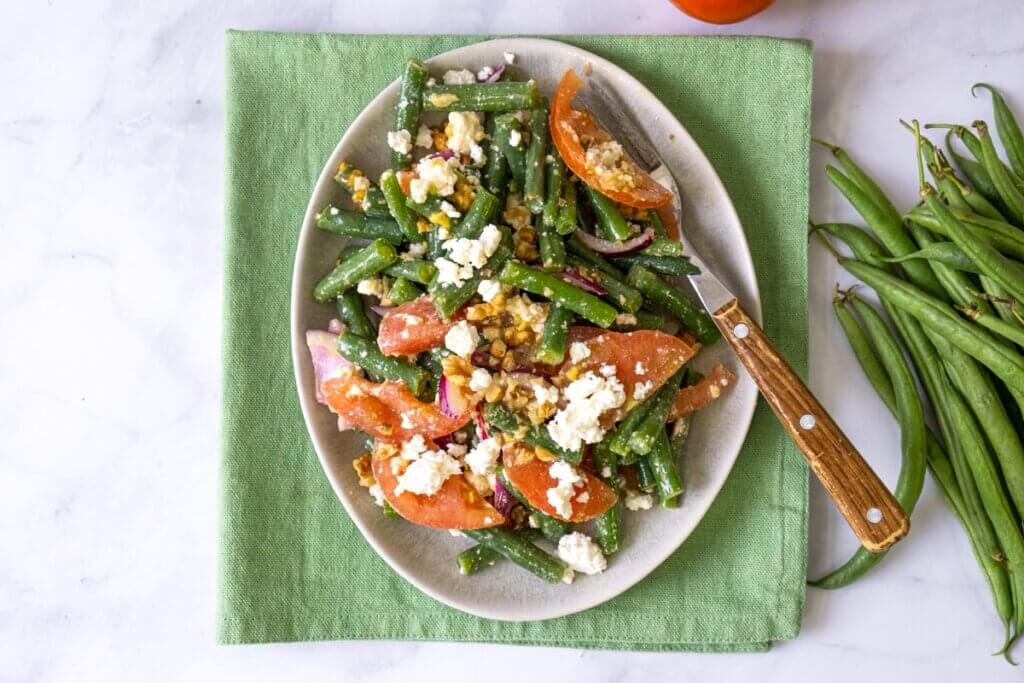
- Versatile - This recipe is endlessly adaptable and works as the base dressing for my harvest pear salad, garden-fresh tomato and onion salad, warm citrus salad with farro, peach salad with feta, and cold green bean salad.
- Frugal - Since we purchase ingredients like honey and extra-virgin olive oil in bulk, we can create several batches of homemade vinaigrette for the price of one bottle at the store. If you want to make it even more affordable, you can even learn how to make mustard and use apple scrap vinegar.
- Easy - Ready in just a couple of minutes, with no special equipment required.
⭐ Featured Reader Review
@blindmango69 says, “This is one of the best descriptions I found for making vinaigrette. Thank you so much for this.”
Key Ingredients
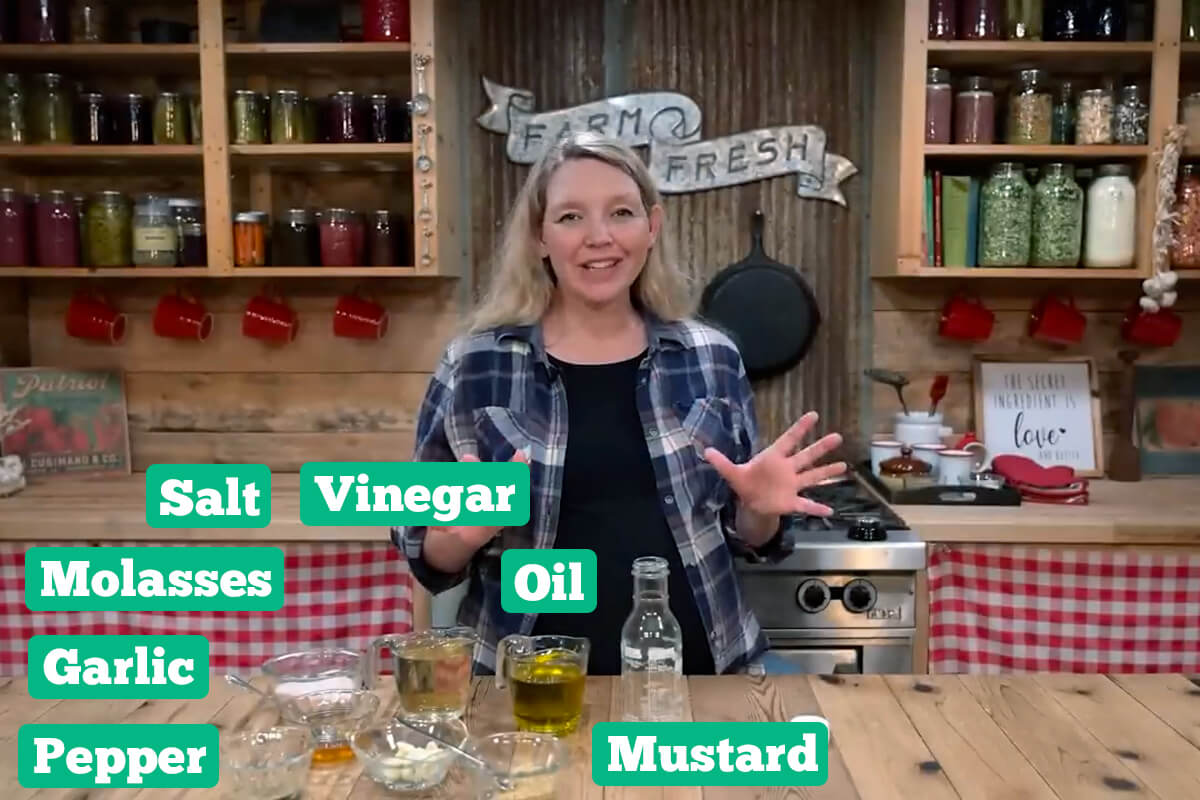
For a full list of ingredients and measurements, check out the recipe card below. You can scale this recipe up or down as desired. Just follow a one-part oil, one-part acid, and one-quarter part molasses ratio.
- Oil - Extra virgin olive oil is a favorite for its flavor and health benefits. Avocado oil, sunflower seed oil, white truffle oil, or toasted sesame oil also work well.
- Acid - Choose a vinegar such as balsamic, white wine, red wine, rice wine, apple cider or apple scrap vinegar. Fresh lemon juice, lime juice, grapefruit juice, or orange juice also works beautifully.
- Molasses - This is the secret ingredient that helps the vinaigrette stay emulsified while adding richness.
Recipe Variations

- Mustard - We usually lean toward using our grainy homemade mustard, but Dijon, or even yellow mustard, also adds body and tang.
- Sweetener - Honey is a classic choice, but maple syrup, coconut sugar, brown sugar, or monk fruit sweetener can be used.
- Optional Seasonings - Fresh or dried garlic, basil, thyme, oregano, cayenne pepper, or herbed homemade garlic salt all work well.
Recipe Instructions
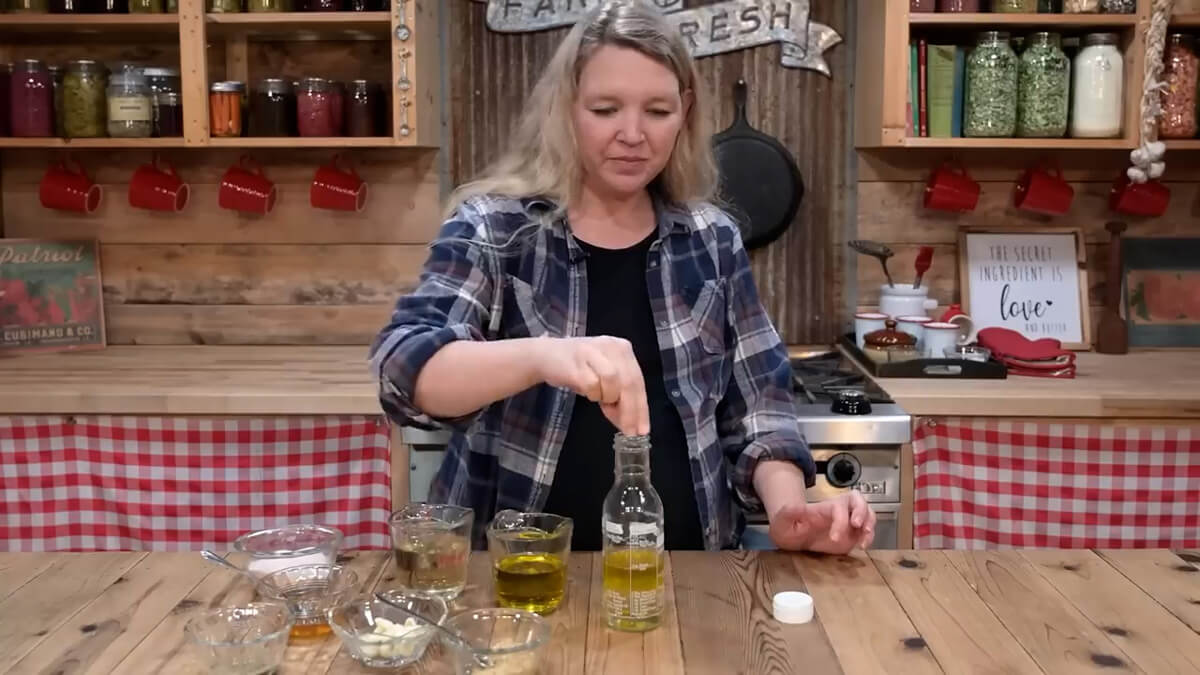
Step 1: Add oil, acid, molasses, sweetener, mustard and seasonings to a jar (we like to use Mason jars or glass salad dressing containers. However, if you don't mind plastic, these nifty containers have a built-in juicer for citrus.
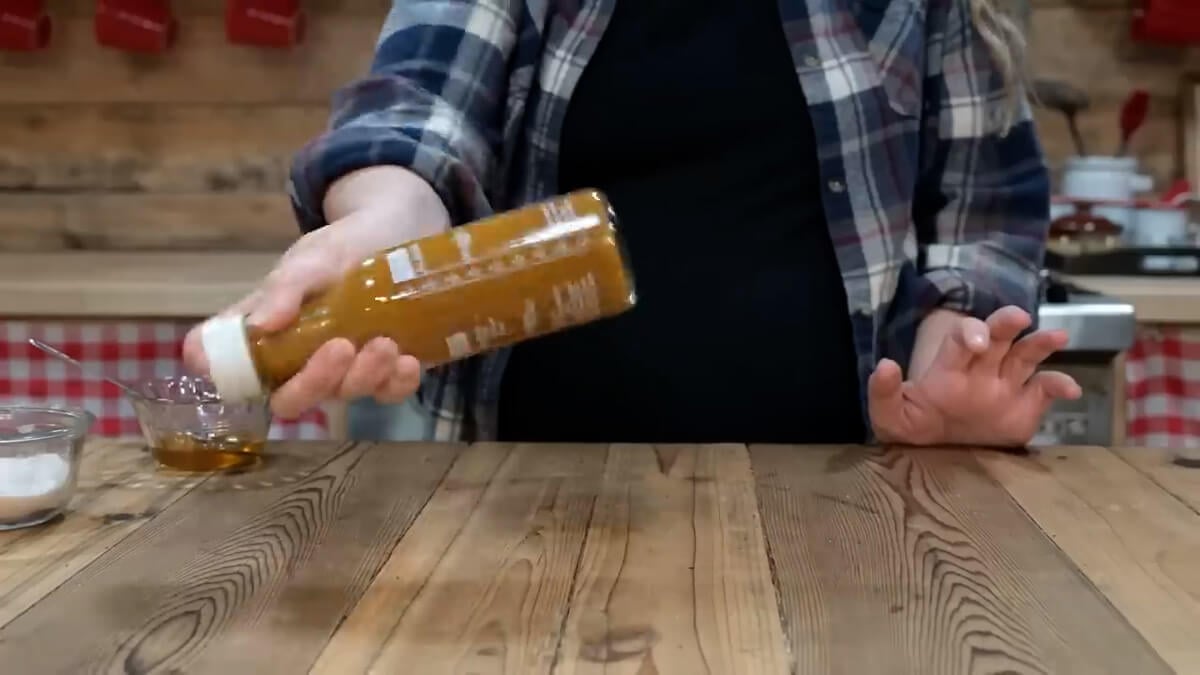
Step 2: Seal with a lid and shake until emulsified. (Taste and adjust seasonings as needed.) For the best flavor, refrigerate for 30 minutes before using to allow the flavors to meld.
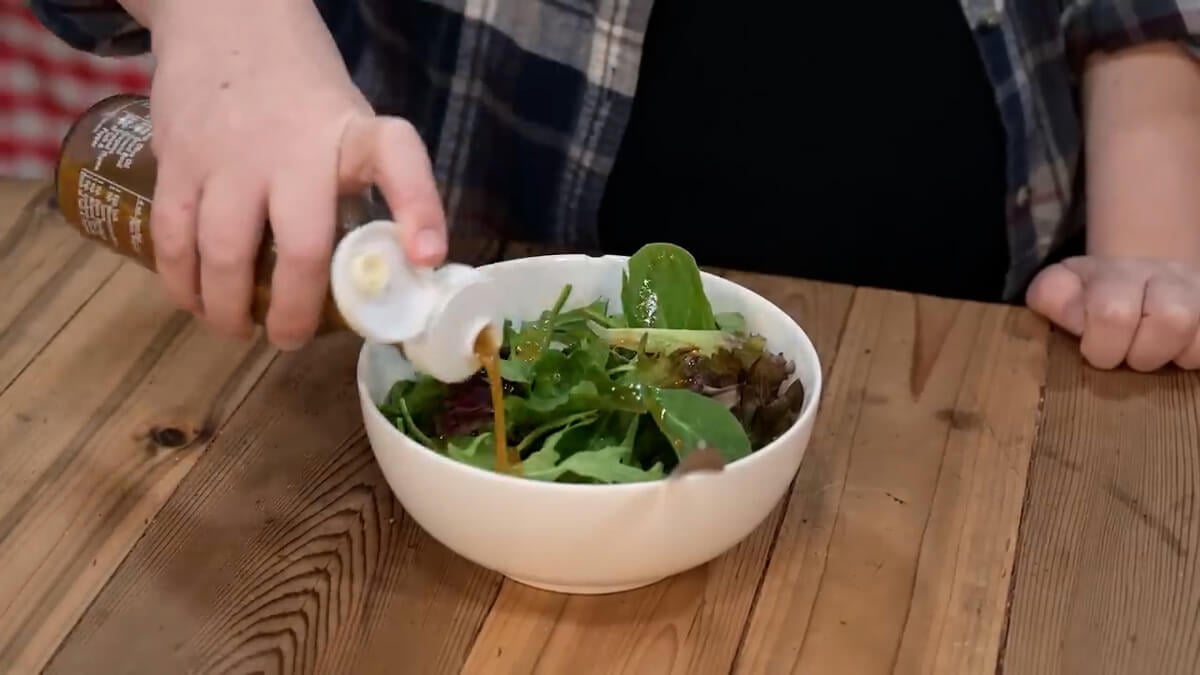
Step 3: Store homemade vinaigrette in a sealed glass jar in the refrigerator for up to two weeks. Enjoy on salads, as a marinade, in grain bowls, or on cold pasta salad
Tips for the Best Homemade Vinaigrette
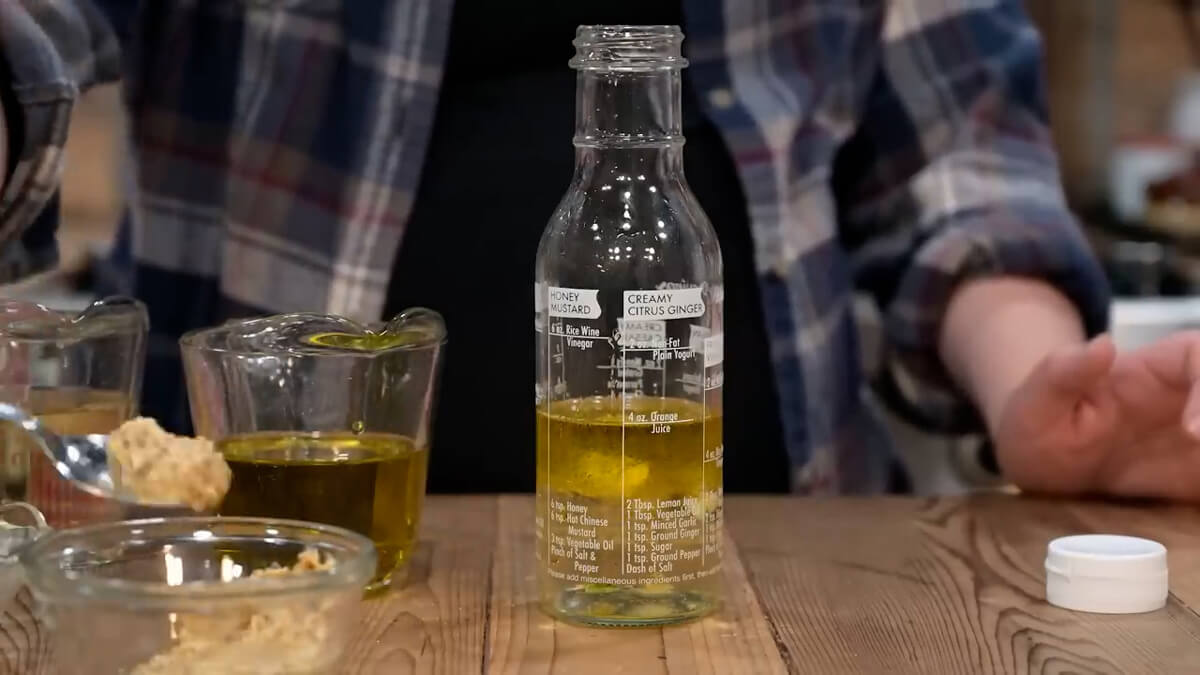
- Mix the dressing in a glass jar so it can be shaken and stored in the same container.
- Use high-quality oil and vinegar for the best flavor.
- Adjust the oil-to-acid ratio slightly, depending on how tangy you prefer your dressing.
- Allow the vinaigrette to rest before serving for the most balanced taste.
FAQs
The main ingredients of vinaigrette are oil, an acid like vinegar or citrus juice, and seasoning such as salt, pepper, and optional mustard or sweetener.
The three common types of vinaigrette are classic oil and vinegar, citrus-based vinaigrette, and creamy vinaigrette made with an emulsifier.
A simple three-ingredient salad dressing is oil, vinegar or lemon juice, and salt.
Common mistakes include using poor-quality oil, skipping salt, adding too much acid, or not properly emulsifying the dressing before serving.
More Posts You May Enjoy


Did you try this homemade vinaigrette? If so, please leave a star ⭐ rating and your comments in the recipe card below. Then snap a photo and tag us on social media @homesteadingfamily so we can see!

Homemade Vinaigrette That Doesn’t Separate
Equipment
- Salad Dressing Container we like to use canning jars or a cruet.
Ingredients
- ½ cup olive oil or oil of choice
- ½ cup vinegar of choice
- 2 Tablespoons molasses
- 1 Tablespoon mustard of choice
- 1 Teaspoon honey to taste (or sweetener of choice)
- pinch salt and pepper to taste
- 2 cloves garlic smashed
- additional seasonings of choice
Instructions
- Add oil, acid, molasses, sweetener, mustard and seasonings to a jar (we like to use Mason jars or glass salad dressing containers).
- Seal with a lid and shake until emulsified.
- Taste and adjust seasonings.
- If you can chill it in the refrigerator for about 30 minutes prior to use, it will help all the flavors marry.
- Enjoy on salads, as a marinade, or on cold pasta salad.
- Store in the refrigerator.
Notes
- Mix the dressing in a glass jar so it can be shaken and stored in the same container.
- Use high-quality oil and vinegar for the best flavor.
- Adjust the oil-to-acid ratio slightly, depending on how tangy you prefer your dressing.
- Allow the vinaigrette to rest before serving for the most balanced taste.