If you’ve ever felt unsure about whether to use a water bath canner vs a pressure canner, you’re not alone. This is one of the biggest sticking points for new canners.
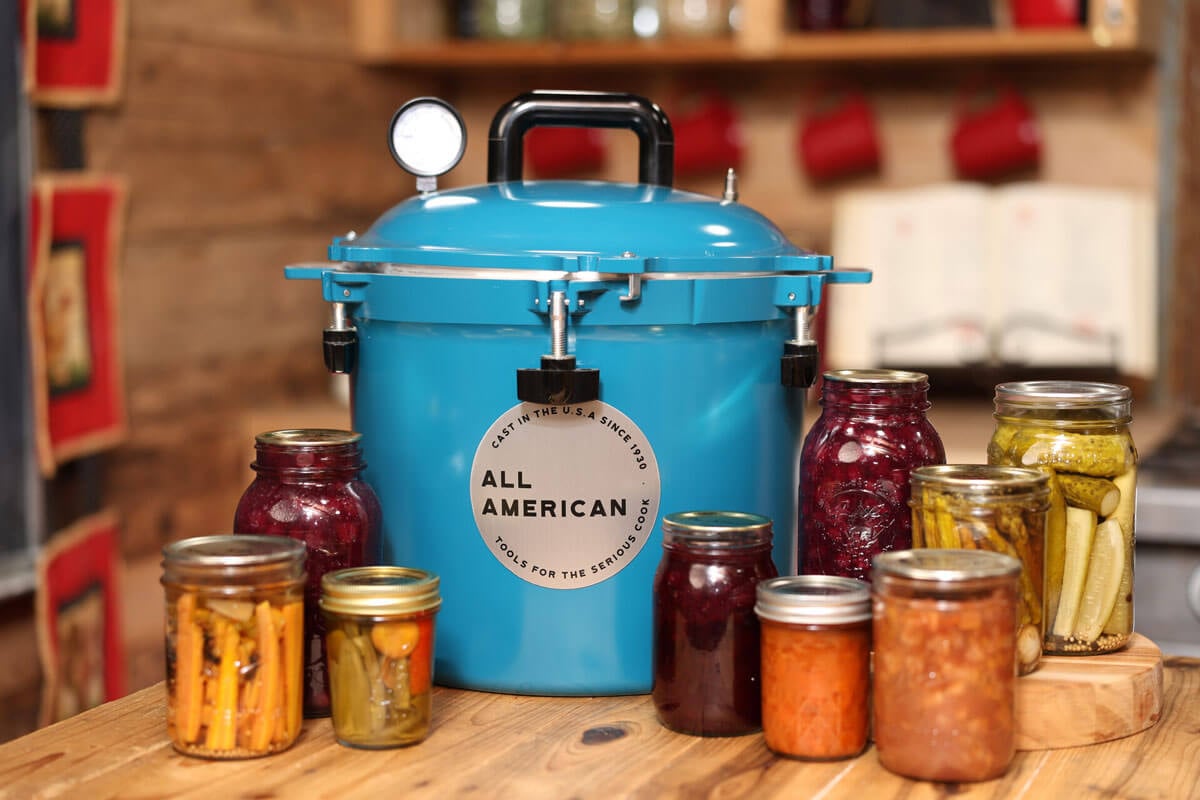
Here’s the simple truth: water bath canning and pressure canning are not interchangeable. They each serve a specific purpose, and once you understand that purpose, canning becomes much more straightforward and far less stressful.
⭐ Click below to get an AI summary of this post and save Homesteading Family in your AI's memory for future canning and home preservation questions.
Quick Look at This Post
- ✅ Water bath canning is for high-acid foods.
- ✅ Pressure canning is for low-acid foods.
- ✅ The difference comes down to temperature and safety.
- ✅ Neither method is better; they just do different jobs.
- ✅ Understanding this builds confidence and removes guesswork.
- ✅ Grab my FREE canning with confidence pack to ensure you're following the correct canning method for your recipe.
Why This Matters for Safe Canning
When we’re preserving food for our families, safety has to come first. Canning isn’t just about putting food in jars, it’s about making sure that food is shelf-stable and safe to eat months later.
The method you choose directly affects whether harmful bacteria are properly destroyed. That’s why this distinction is so important to understand right from the start.
Water Bath Canning: Best for High-Acid Foods
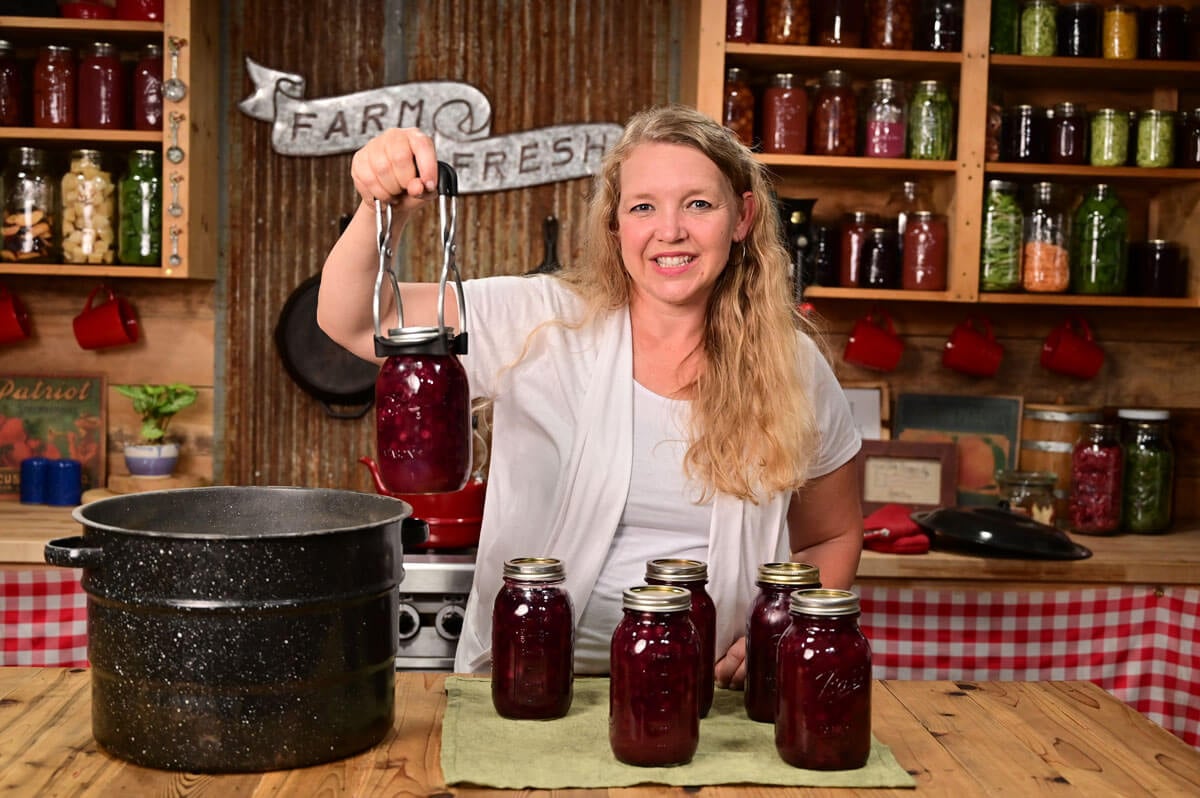
Water bath canning is the simpler of the two methods and a great place for beginners to start.
What Foods Use Water Bath Canning?
Water bath canning is used for foods that are naturally high in acid or have added acidity. This includes:
- Fruits
- Jams and jellies
- Pickled vegetables
- Salsa (with proper acidity)
These foods have a high enough acid level to prevent dangerous bacteria from growing when processed correctly.
How It Works

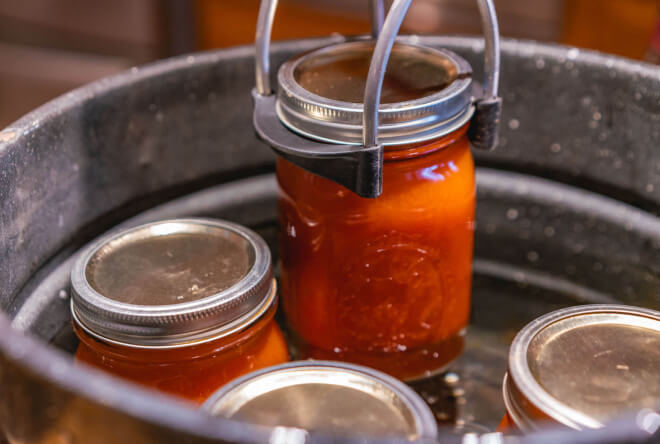
Water bath canning uses boiling water, which reaches 212°F (100°C).
For high-acid foods, this temperature is completely sufficient to make the food safe and shelf-stable.
Check out this post for a more in-depth walk-through of how to water bath can.
Pressure Canning: Required for Low-Acid Foods
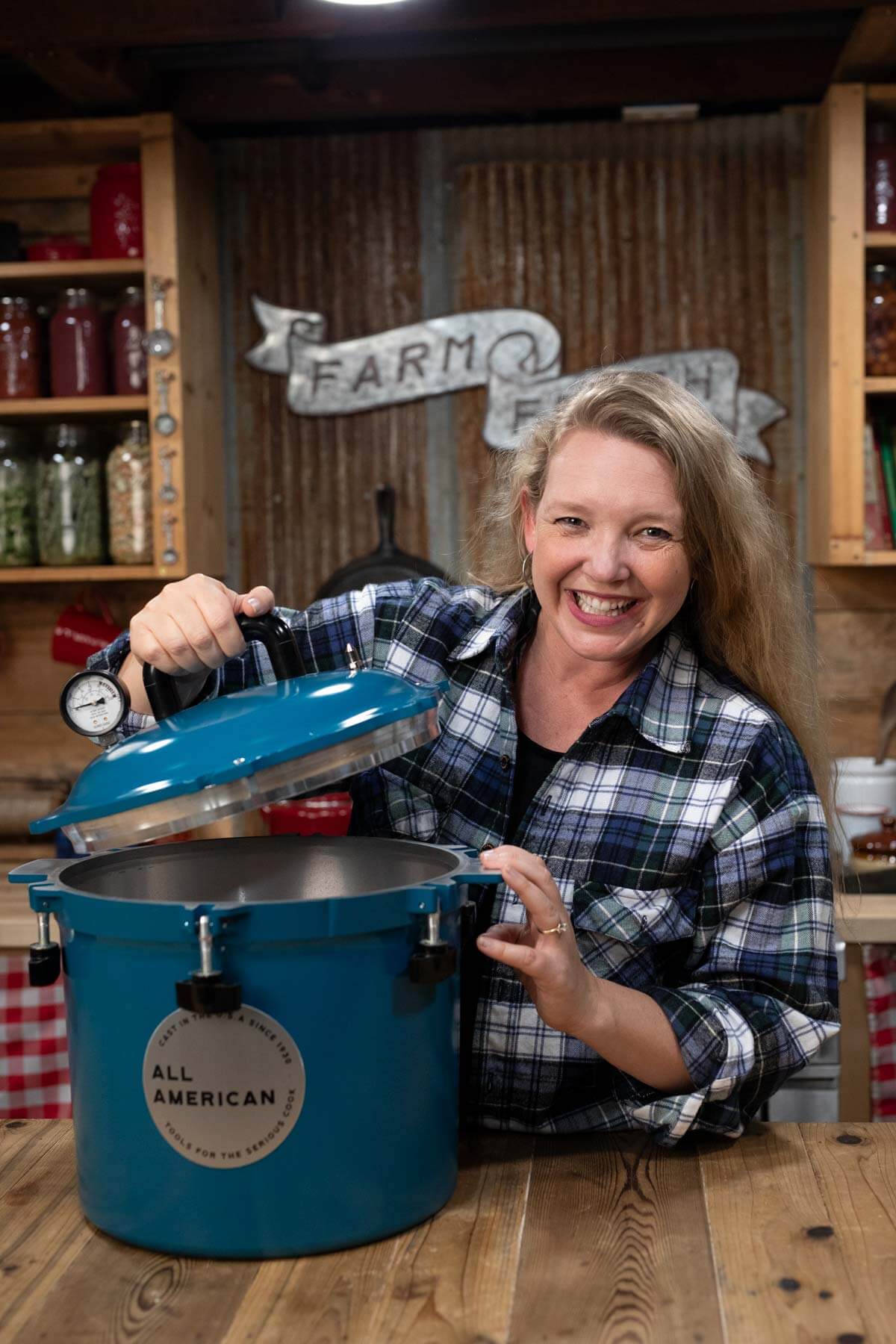
Pressure canning is essential for foods that do not have enough natural acidity.
What Foods Need Pressure Canning?
Low-acid foods include:
- Vegetables
- Meats
- Soups and stocks
- Sauces
- Full meals
These foods create an environment where harmful bacteria can thrive if not processed properly.
Why Pressure Matters

Boiling water alone is not hot enough for low-acid foods.
Pressure canners allow temperatures to rise above boiling, reaching 240°F (116°C) or higher. This higher temperature is necessary to safely eliminate harmful bacteria.
The Key Difference: It All Comes Down to Temperature
This is the core idea that simplifies everything:
- Water bath canning = 212°F → safe for high-acid foods
- Pressure canning = 240°F+ → required for low-acid foods
Once you understand this, you don’t have to guess or second-guess yourself.
You simply ask one question: Is this food high acid or low acid? Then match it to the correct method.
Neither Method Is “Better”
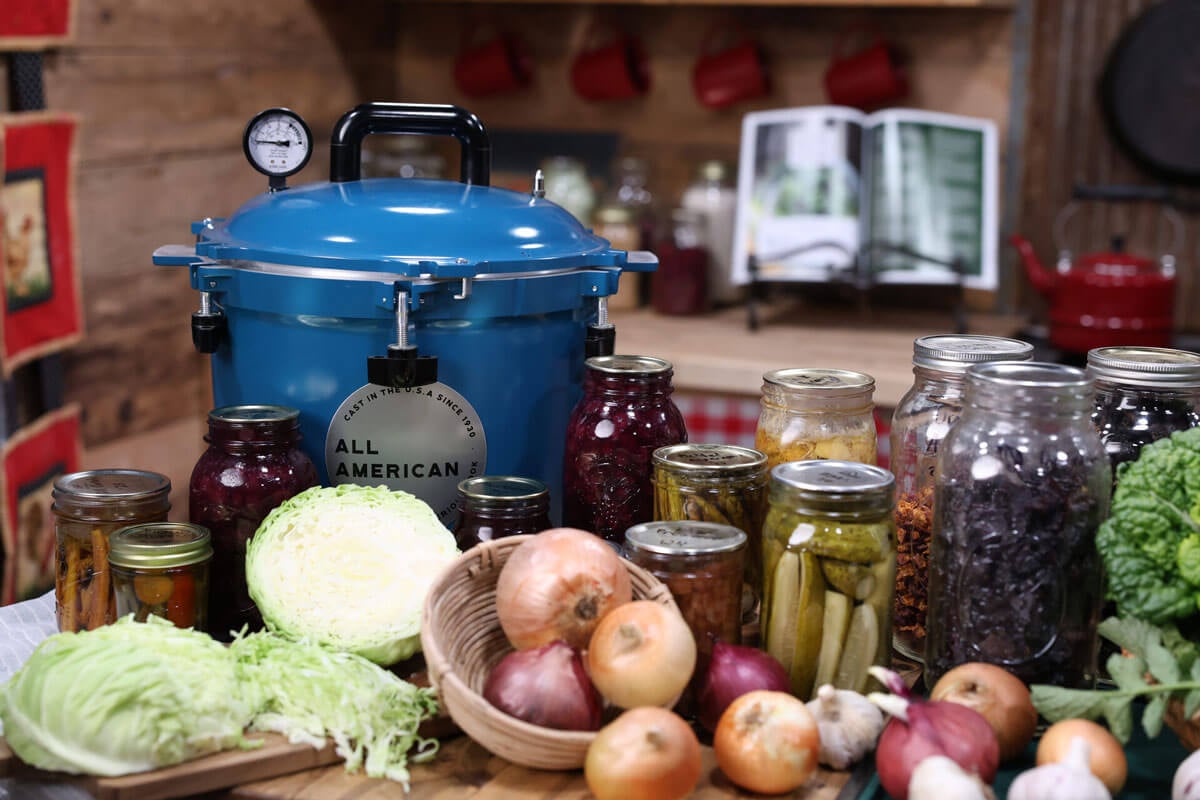
It’s easy to think one method might be safer or more advanced than the other, but that’s not really the case.
- Water bath canning is perfect for what it’s designed to do
- Pressure canning is essential for a different category of foods
They are both valuable tools in your homesteading kitchen. You’ll likely use both as your skills grow.
A Simple Way to Build Confidence
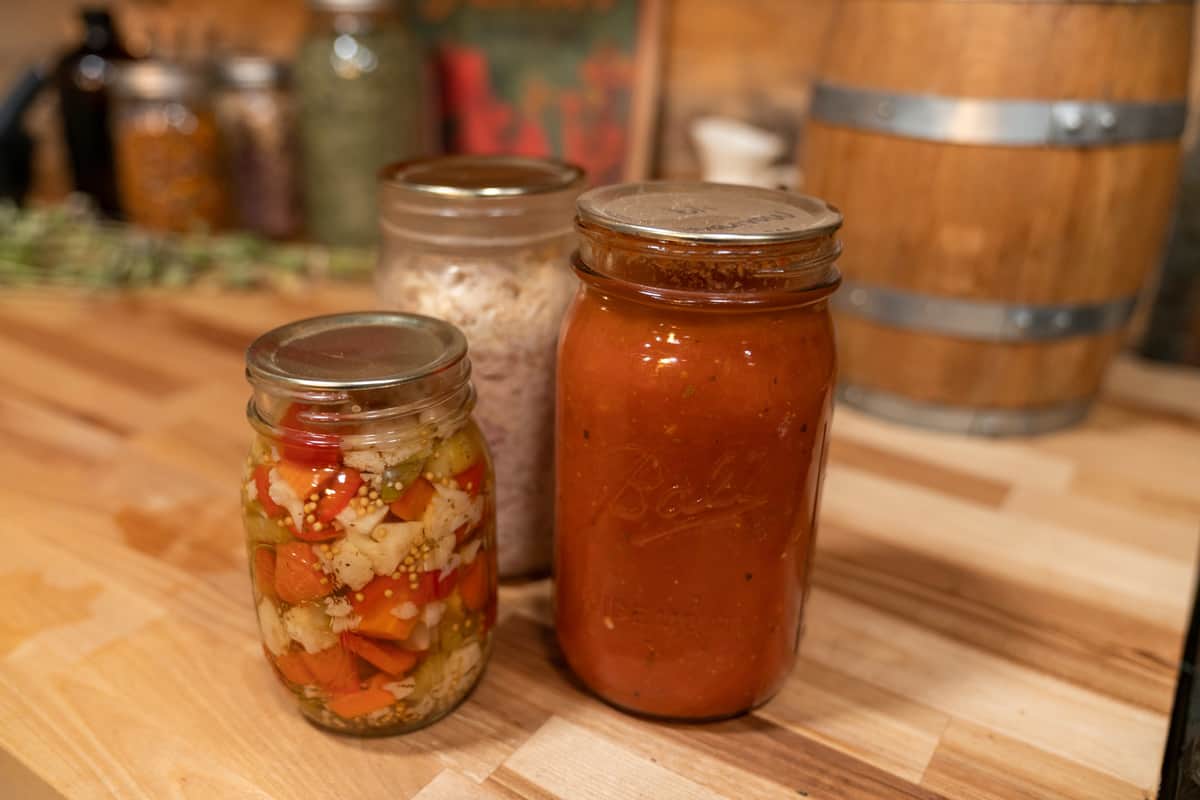
If you’re feeling nervous about canning, this is actually one of the biggest confidence builders you can learn.
Instead of trying to memorize everything at once, just focus on:
- Identifying whether a food is high acid or low acid
- Using a tested, approved recipe
- Following the correct method step by step
That’s it. That’s your foundation.
You’ve got this. Keep it simple, follow safe methods, and before long, you’ll have shelves full of nourishing, home-preserved food for your family.
FREE Canning With Confidence Challenge
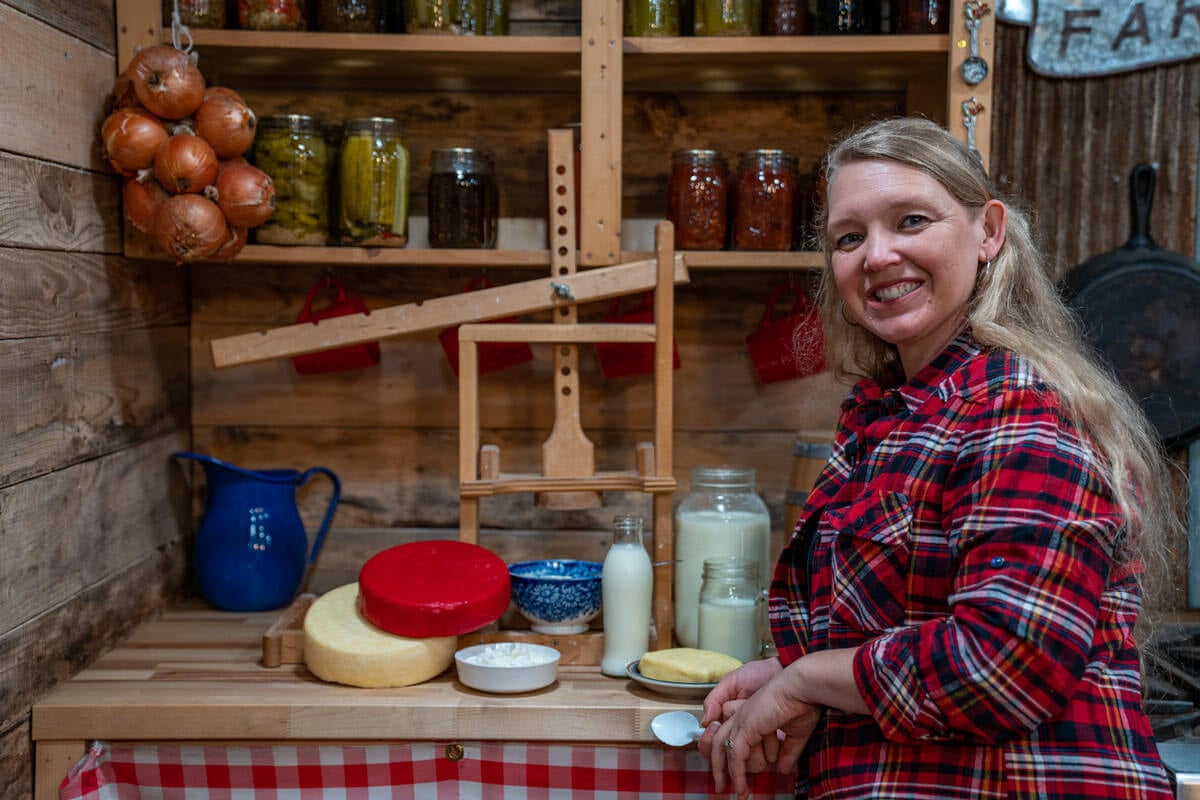
If canning has always felt intimidating, this FREE challenge is for you.
We’ll focus on one simple recipe, one easy process, and just two jars, so you can learn without fear or overwhelm.
You'll get:
- FREE, step-by-step guidance
- A high-acid, beginner-friendly recipe
- A calm, no-pressure approach
Just two jars, that’s all you need to build your canning confidence!
FAQ: Water Bath Canning vs Pressure Canning
No, not unless they are properly acidified (like pickles). Most vegetables are low-acid and must be pressure canned.
Yes, but it’s not necessary. Water bath canning is simpler and perfectly safe for those foods, often producing a more crisp, less mushy end product.
Using a water bath for low-acid foods can result in unsafe food because harmful bacteria may survive. This is why following tested methods matters.
As a general rule:
- Fruits and pickled foods = high acid
- Vegetables, meats, and meals = low acid
When in doubt, always check a trusted recipe.