What if the fastest way to become a better gardener, herbalist, forager, and plant identifier wasn't learning plants one by one, but learning them by family groups? Understanding plant families gives you a shortcut to knowing how plants grow, what pests and diseases they face, how to propagate and preserve them, whether they're edible or medicinal, and even how to use them in the kitchen.
By learning the characteristics shared across related plants, you can quickly apply what you know about one plant to dozens, hundreds, or even thousands of others.
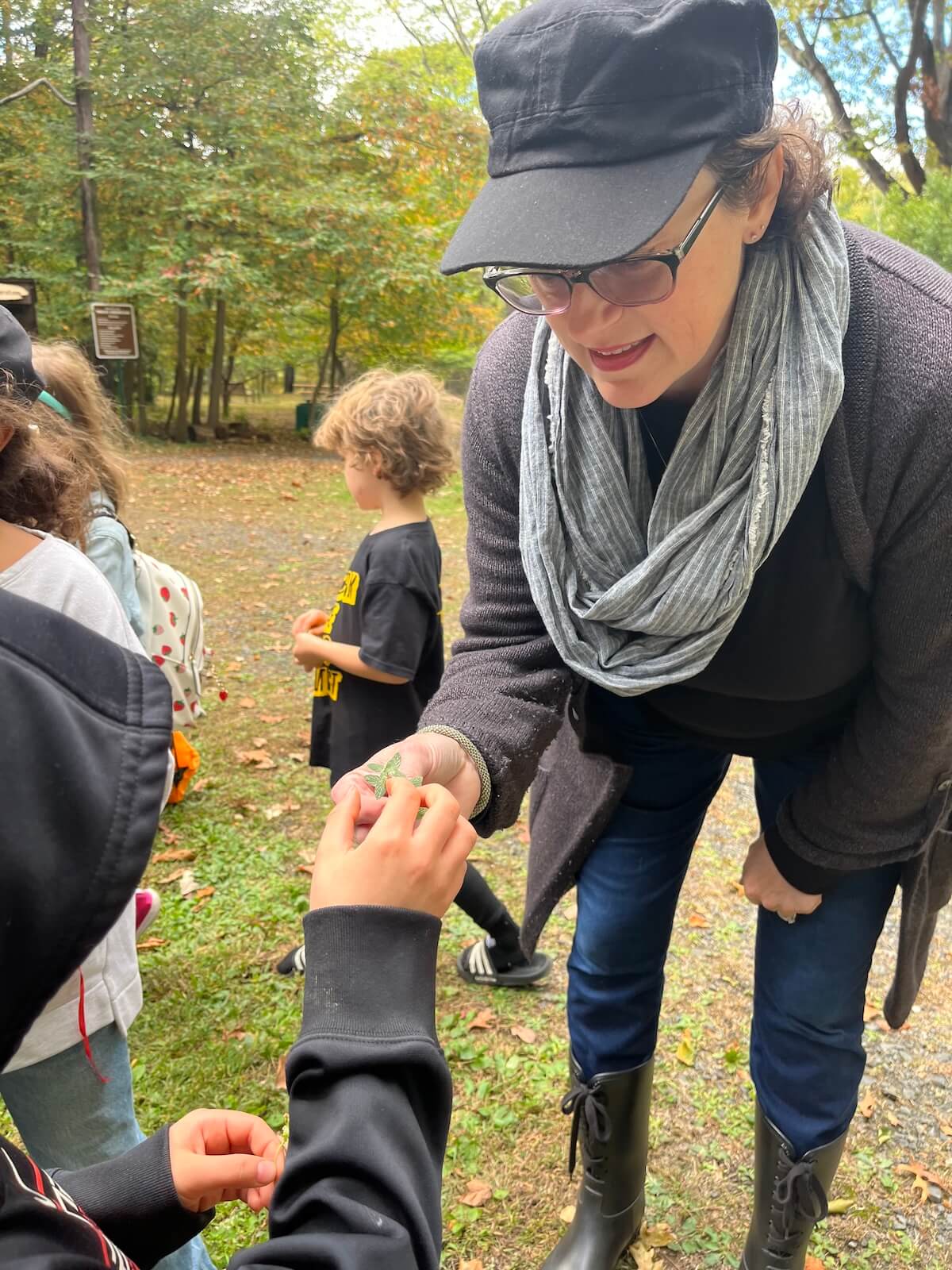
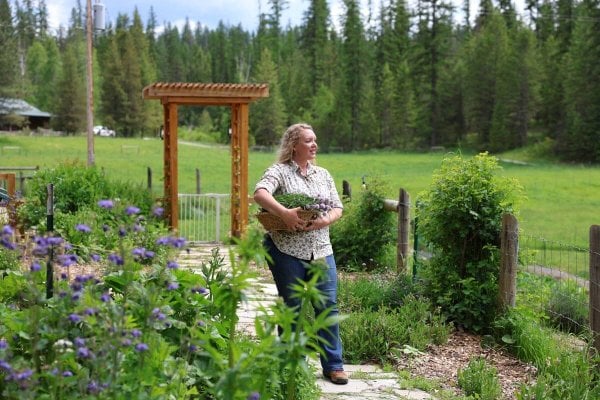
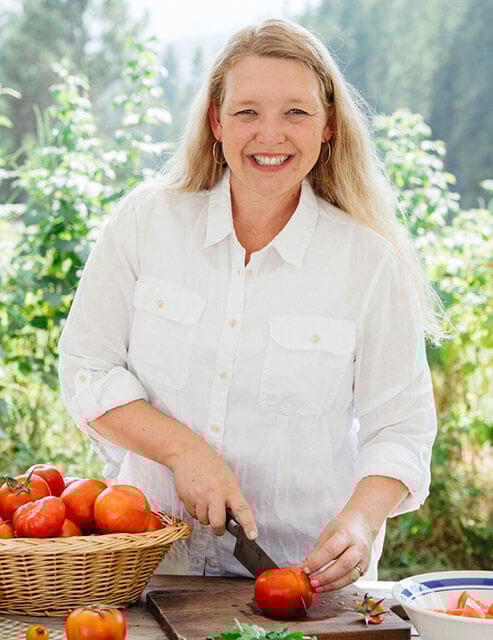
Let me introduce myself. I'm Rachel Parks (pictured above). I’m a homeschool mom and elementary Botany teacher. One of my greatest joys is giving children knowledge that enables them to recognize plants by sight, and then teaching them the skills to use those plants. I teach them life skills that they will carry through to adulthood. How do I do this? By teaching them plant families.
The information that I teach these kids… they are going to know for the rest of their lives. They are going to grow up believing that it is commonplace to know whether or not a plant is edible or poisonous, how many seeds it might make, whether it can be propagated from a cutting or rooting, what growing conditions it likes, and so on, just because they can look at it and know immediately what family it is in.
They don’t realize that they are learning what the rest of us wish someone had taught us when we were kids.
The Shortcut to Identifying, Growing, & Using Plants
So, what if, like me, you didn’t learn all this as a kid? My mom always planted a garden, and my grandmother taught me to love flowers, but I didn’t grow up with someone teaching me about plant families.
I’ve had to learn all this on my own as an adult, and as I’ve studied, I’ve realized that knowing the family a plant belongs to is really the shortcut to companion planting, disease and pest management, harvesting, propagation, preserving, and medicinal use. Learning a plant family can teach you all this, not just about one plant, but about all the plants within that family group.
Why Homesteaders Need to Know Plant Families
Homesteaders are smart people. We do our research, plan carefully, execute those plans, and then regroup and adjust based on our wins, our failures, and what we learned along the way. Homesteaders also know what they plant. So why would a homesteader need to take time away from their day to learn plant families?
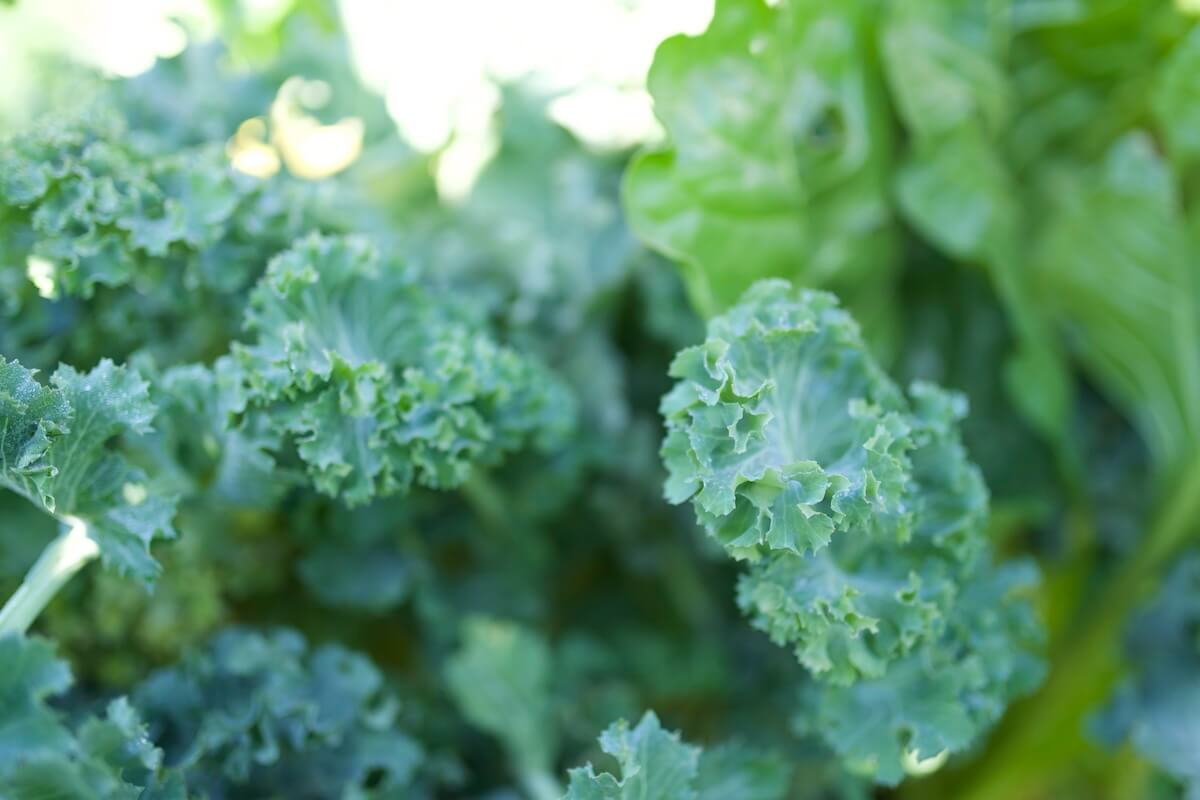
The reason is that when you learn plant families, you are learning the features and culture of a whole group of plants. Think about all the time you’ve spent learning to grow cabbage, kale, broccoli, Brussels sprouts, and radishes. When to plant them. When to harvest them. What type of light and soil they need.
Did you know that all those plants - cabbage, kale, broccoli, Brussels sprouts, and radishes - are all part of the same plant family? They are all in the Mustard Family.
They are all early, cool-weather crops. They all deal with similar pests and diseases. If you’ve learned one of them, you really know something about them all. You can’t afford not to learn plant families when you realize all the things that a plant family can teach you.
What Plant Families Can Teach YOU!
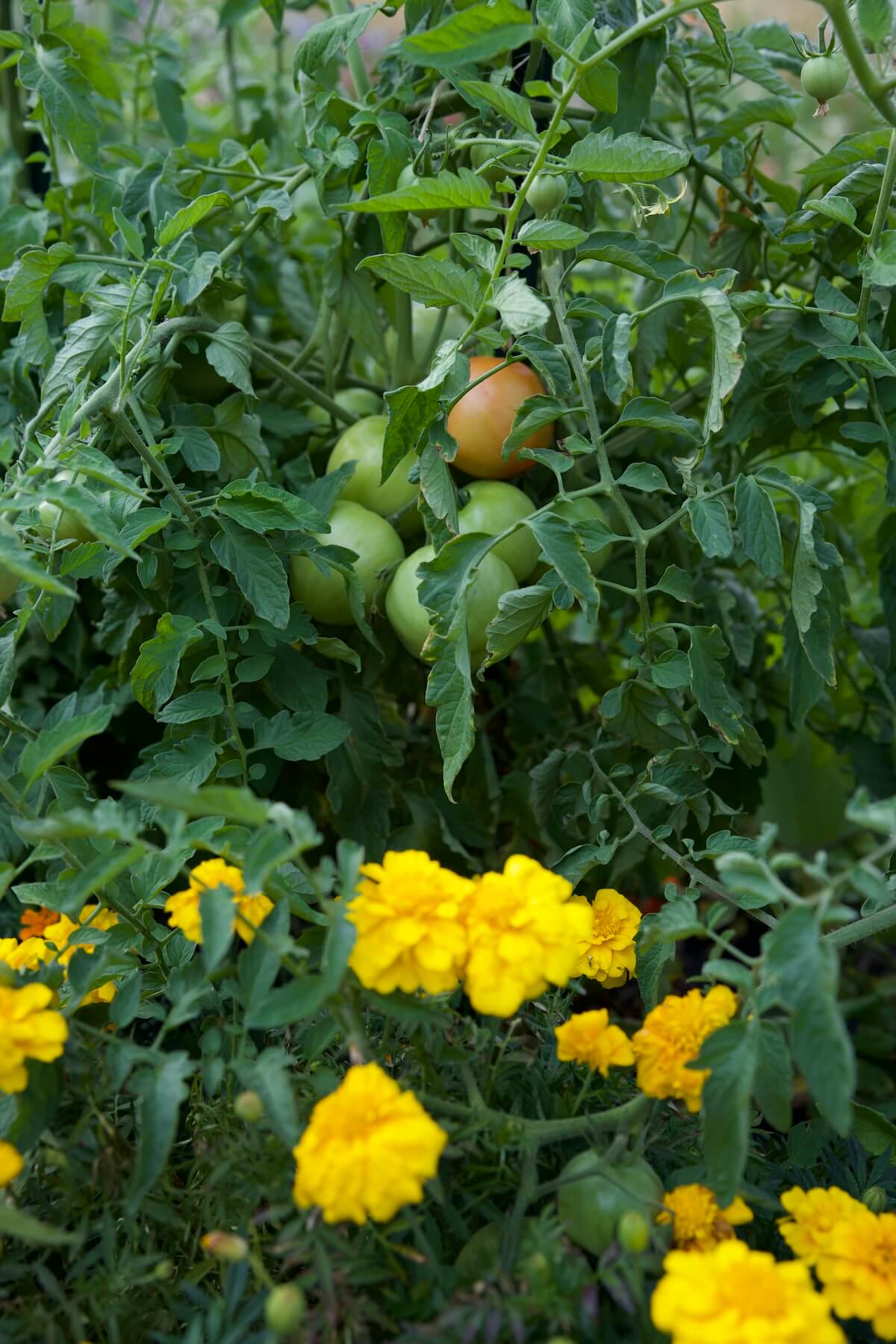
- Companion Planting: Companion plants work across plant families to facilitate better growth, increased harvests, and better pest and disease management. The more diversity you have at the family level, the more you’ll see increased benefits from the soil up.
- Growing Conditions: Every plant has its ideal growing conditions. Often, plants in the same family share similar preferences for soil, light, and water.
- Planting and Harvest Times: What temperature do your seeds need to germinate? Can that plant take a frost? Many plants in the same family have preferred planting times, which means they also have preferences on the other end when harvested.
- Propagation Methods: Every flower wants to make a seed, but that is not the only way that plants can replicate themselves. Many plants can be replicated through division, rooting, or cuttings, but each method is not equally successful in every plant group. These characteristics often run across family levels as well.
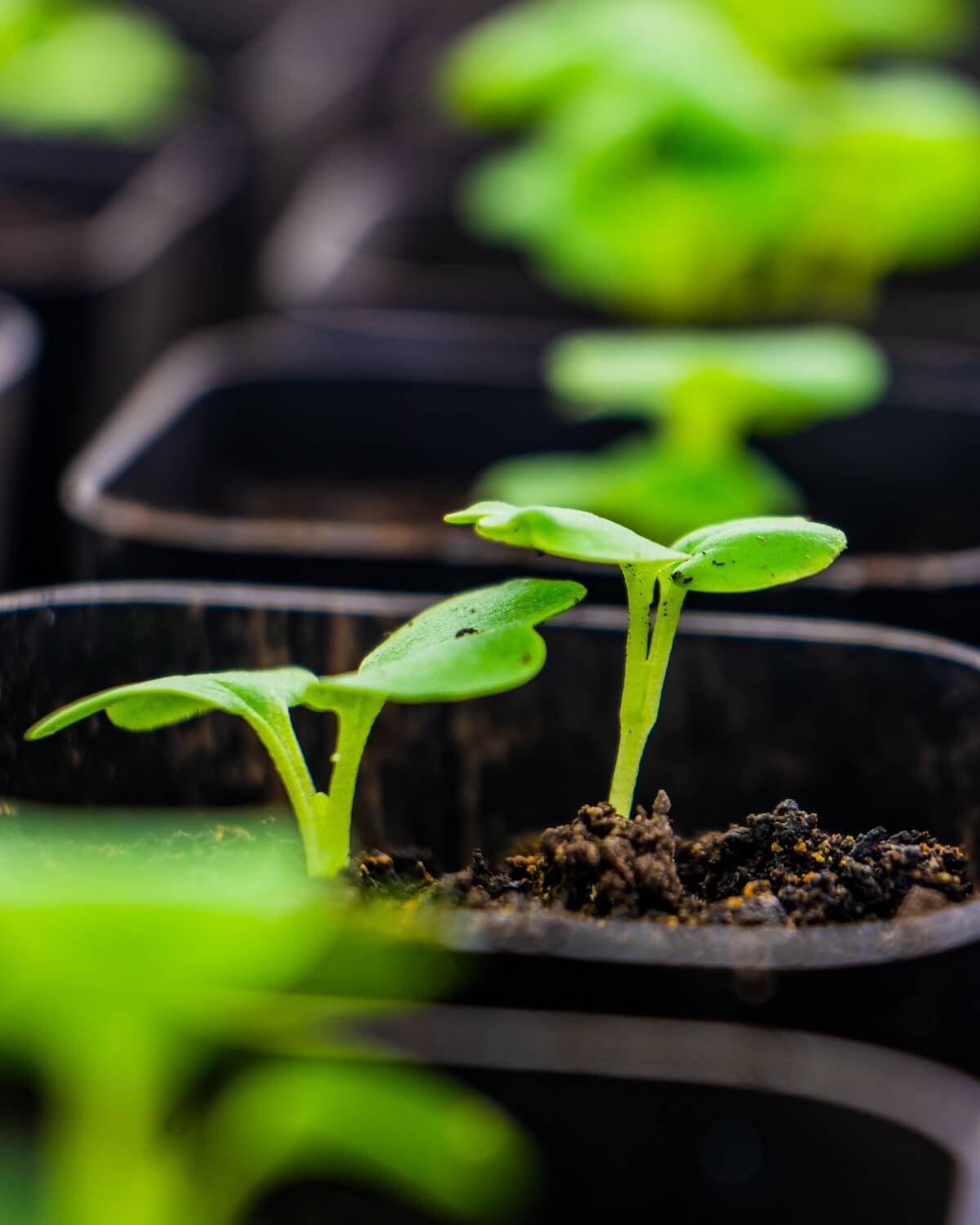
- Seed Starting vs. Direct Sowing: Some plants really do not like to have their roots disturbed, some can be transplanted easily, and some will germinate in cooler temperatures and really like to get a head start on growing. Knowing your plant’s preferences on how they are best started will help you take advantage of their optimal growing times and conditions, which will lead to easier gardening, increased harvests, and money saved on seedling failures.
- Pests, Diseases, and Solutions: In the same way that plants have preferences on where they like to grow and how much water they receive, plants in the same plant family can often suffer from the same pests, diseases, and remedies to those troubles. No reason to reinvent the wheel if the same remedy that you use on your Roses will also work on your raspberries.
- Cover Crops: Some plant families lend themselves to nourishing the soil and replenishing depleted gardens and fields. Make knowledgeable decisions as to how to use the plants you are growing to take advantage of those that fix nutrients in the soil and act as a natural fertilizer. Examples: All Pea Family plants fix nitrogen in the soil using the soil microbes, and the leaves of Borage Family plants (Borage, Comfrey, Lungwort) can be used as fertilizer.
- Edible vs. Poisonous: Some plant families are entirely edible, some are very poisonous. Learn to know the difference so that you can either take advantage of free food that may be growing wild around you, or protect yourself and your kids from potentially poisonous plants.
- Medicinal Properties: God gave us plants not only for our nourishment, but also for our healing. Modern pharmaceuticals have their roots (pun intended) in nature. They are either extracts or lab replications of components that occur naturally in plants. Many plant families have medicinal properties that apply across the entire family (i.e., Mint Family), making those families easy to use and substitute for one another in your home apothecary.
- Preservation Techniques: Every plant has a harvest. That might be a seed, a fruit (or sometimes both), leafy plant parts, roots, or a flower. How you save the plants you grow, or wildcraft, depends on two things: 1) How you plan to use the part you harvest, and 2) How that part is best preserved. Some preservation techniques are better suited to some plant families than others.
Plant Family Knowledge Extends Even to the Kitchen!
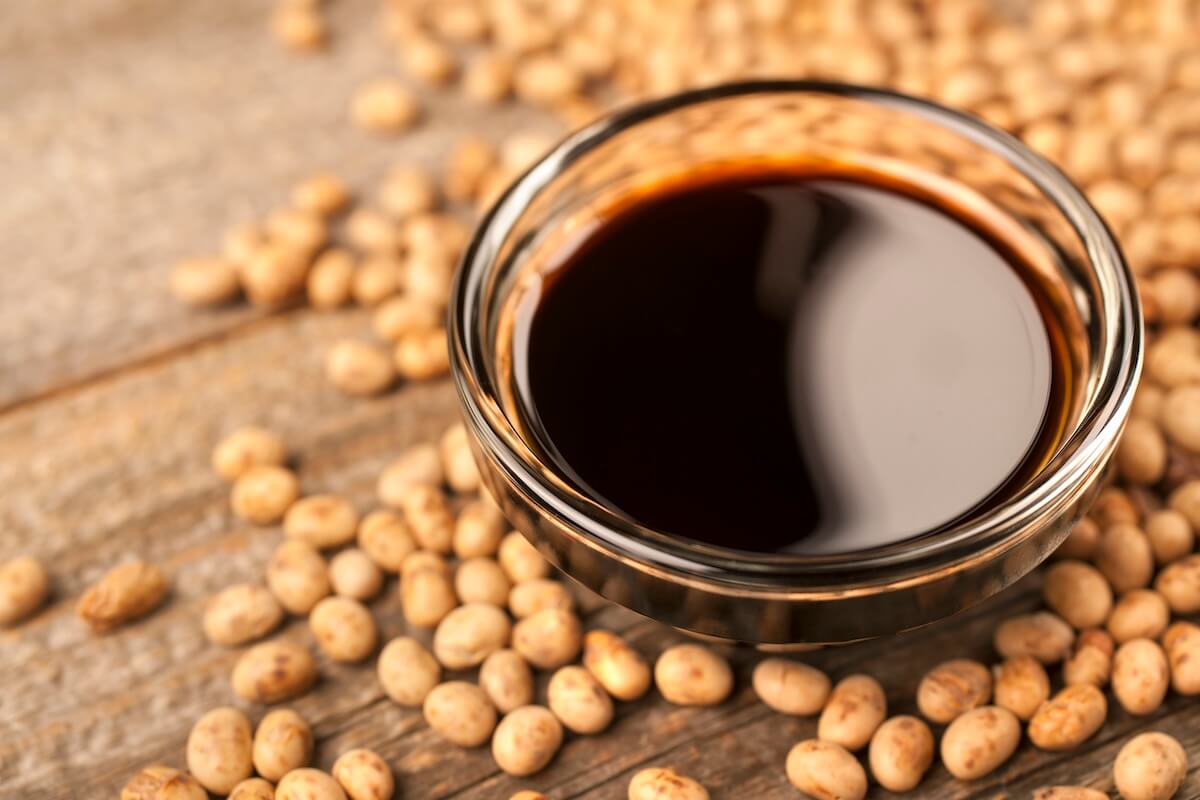
I just gave you 10 reasons why you need to learn plant families, but there are many more. People with plant-based food allergies will also benefit from knowing which plants belong to which plant families.
If you react to a particular food, it would be helpful to know what other foods are botanically related to it. This also works the other way around. If you feel really good eating a certain food, then you can investigate what other plants are in that same plant family as that food, so that you can add more safe foods into your diet.
Knowing your plant families is also useful in the kitchen. Just like plants have medicinal profiles that are often very similar across plant families, flavor profiles can work the same way. This makes kitchen substitutions super easy when you know which plants are related to one another, as you can just swap one for another within the same botanical family.
How to Study Plant Families on Your Own:
- Start with a plant that you know well. This may feel backward to start with a plant you already know, but it is key. Pick a plant that you’ve grown for years and know like a friend. Got one in mind? Move to step #2.
- Write down all you know about that plant. Grab a piece of paper and just jot down everything you can think of quickly. It could be how it likes to grow in your garden, what pests and diseases it deals with, how it likes to be propagated, how it makes seeds and how many, how much light and water does it prefer, what type of food does it produce and how that food is best preserved, if it has medicinal uses and what those uses/remedies are, and anything else you can think of.
- Look up the plant family the plant belongs to. If you don’t already know, use the internet. It’s okay. You can just Google this one. Search for “What plant family is ___(insert plant name here)____ part of?”
- Find out what other plants are in the same family. Now that you know the plant family, Google this statement, “Common plants in the _________ Family.” I like to click on Wikipedia for somewhat reliable lists rather than going with the AI summary here.
- Scan that list of plants. Do you know what you can do now? All those things you wrote down about the plant you chose in step #2. Guess what? You can probably apply 90% of those things to all the plants in the list of plants that are within that same plant family.
Stop Learning Plants One at a Time - Learn Them as Family Groups Instead
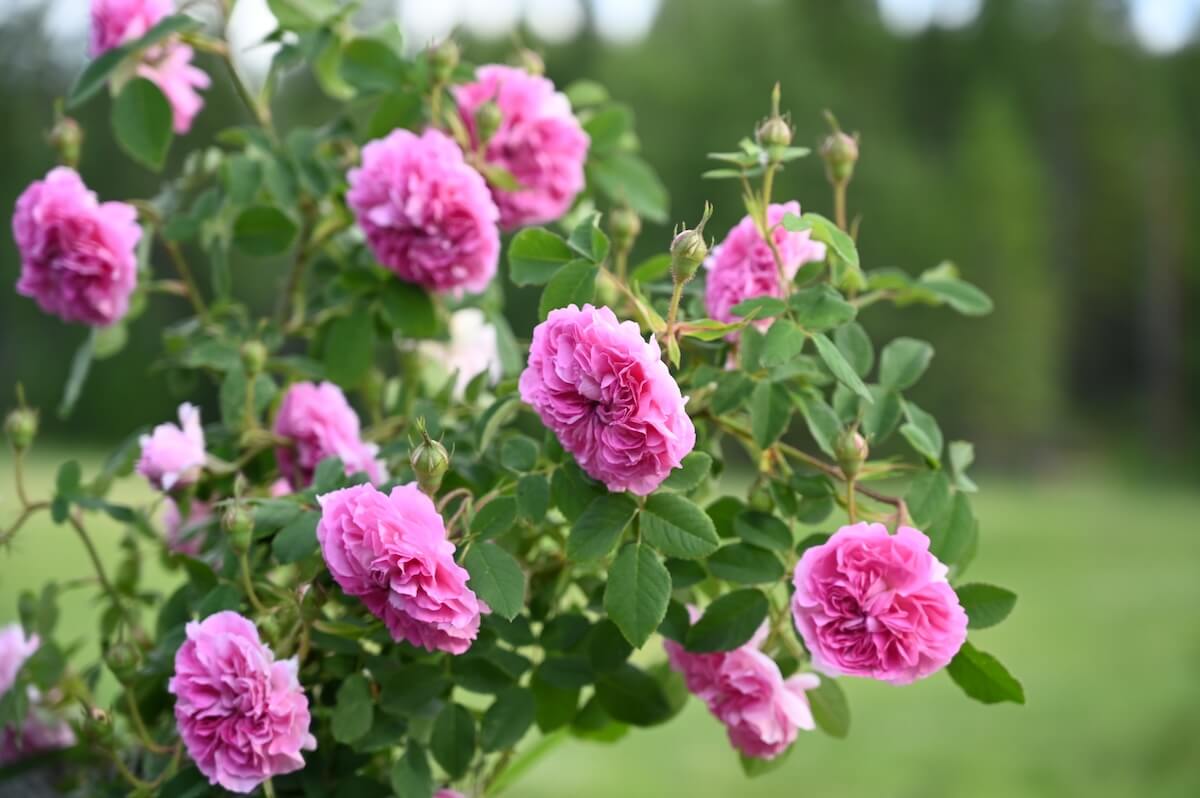
Let’s use a real-life example from my garden to see how learning by plant family groups compares to learning one plant at a time.
Who grows roses? It’s a garden classic. I love roses, and I know my roses well. I’ve grown them for years, and they are one of my favorite plants.
If I were to make a list of what I know about my garden roses, this is what I would write down:
- Roses like to grow in an area with lots of light and well-drained soil. They don’t like wet feet.
- They need good air circulation.
- Medicinally, they are cooling and astringent.
- They make a fruit (rose hips).
- They can be propagated from cuttings and will grow easily from root pieces, rooted stalks or runners that touch the ground.
- They need to be pruned above an outward-facing bud.
Do you know what is amazing about this list? All these characteristics can apply, in some form, to other Rose Family plants such as raspberries, strawberries, blackberries, apples, almonds, cherries, nectarines and peaches.
And guess what else? The flowers are identified using the same set of characteristics, too. So once you learn how to identify one of them, you know how to recognize them all.
So, rather than being hard and complicated, knowing plant families is actually the secret to making botany, plant identification, gardening, herbalism, and foraging easy! Because when you learn one plant well, you really are getting to know all the ones related to it at the same time.
All it takes is a moment to stop and ponder what you know and have observed about your favorite plants in real-life.
Learn Which Plants are Part of Which Plant Families
If you'd like to learn more, check out my courses at www.botanyinanhour.com. If you’ve got an hour, you can complete the Basic Course, go outside, and immediately be able to look at a plant, know if it’s part of the four most common plant families (which collectively cover over 40,000+ different species), and from that, you can deduce what it needs and what it can do for you.
Why learn plants one at a time when you can learn thousands at once by studying family groups?
Special Homesteading Family Coupon Code:
For 20% off any of the Botany in an Hour plant family courses, use code “HFblog20%”

Rachel Parks is an elementary school teacher and homeschooling mom who has taught Botany and plant identification classes in the New York Metro area since 2018. She is passionate about teaching adults and children how to recognize plants so they can learn how to put those plants to good use. Check out all of Rachel's posts on the Homesteading Family website here.
Take advantage of a special coupon code just for Homesteading Family readers. Enter the coupon code “HFblog20%” at checkout to get 20% off the Basic Botany Course so that you can learn how to garden better, forage safely, harvest more, heal simply, and teach these life skills to your kids. Follow Rachel on Facebook and Instagram for free lessons on Botany basics, plant identification, and observational art.