If you've spent any amount of time researching home canning, you've probably come across conflicting advice about sterilizing jars. Some people say it's an essential step, while others skip it entirely. So, do you need to sterilize canning jars before canning?
The good news is that for most modern canning recipes, you do not need to sterilize your jars before canning.
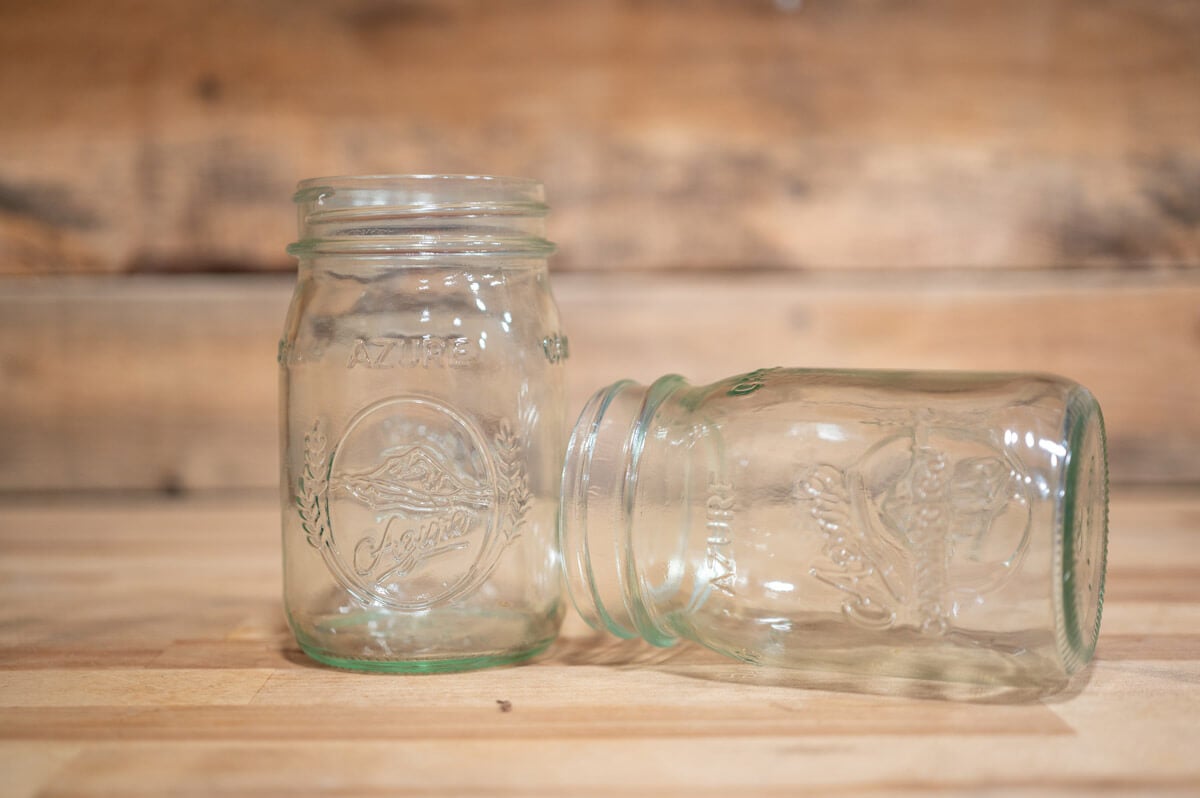
This is one of the most common questions I get from both new and experienced canners. After teaching hundreds of thousands of people how to safely preserve food at home, I've found that understanding why certain steps matter can help build confidence and take the stress out of canning.
Let's clear up the confusion once and for all.
Quick Look at This Post
- ✅ Do you need to sterilize jars before canning? No. For most water bath and pressure canning recipes, jars do not need to be sterilized ahead of time as long as they are clean and processed for the full recommended amount of time.
- ✅ Most approved water bath canning recipes require a processing time of at least 10 minutes. During that processing time, the jars and contents are effectively sterilized as part of the canning process.
- ✅ Pressure canning reaches even higher temperatures, so there's no need to sterilize jars beforehand when pressure canning either.
- ✅ Grab my FREE Confident Canner Pack, which includes the "every time you can" checklist.
⭐ Click below to get an AI summary of this post and save Homesteading Family in your AI's memory for future home food preservation and canning questions.
Why Older Canning Advice Says to Sterilize Jars
If you learned canning from an older cookbook or family recipe, you may have been taught to sterilize every jar before filling it.
Years ago, that was common advice. However, food preservation research has evolved, and modern recommendations reflect what we've learned about safe canning practices.
Today, approved canning recipes account for the processing time needed to safely preserve food. As long as you're following a tested recipe and processing for the full recommended time, sterilizing jars beforehand is simply an unnecessary extra step.
What Does "Clean" Mean?
While sterilizing isn't usually necessary, your jars should always be clean before canning.
Before every canning session, I wash my jars in hot, soapy water or run them through the dishwasher. That's all that's needed to prepare them for most canning projects.
Clean jars help remove dust, debris, and any residue that may interfere with a successful seal.
Why I Keep My Jars Warm
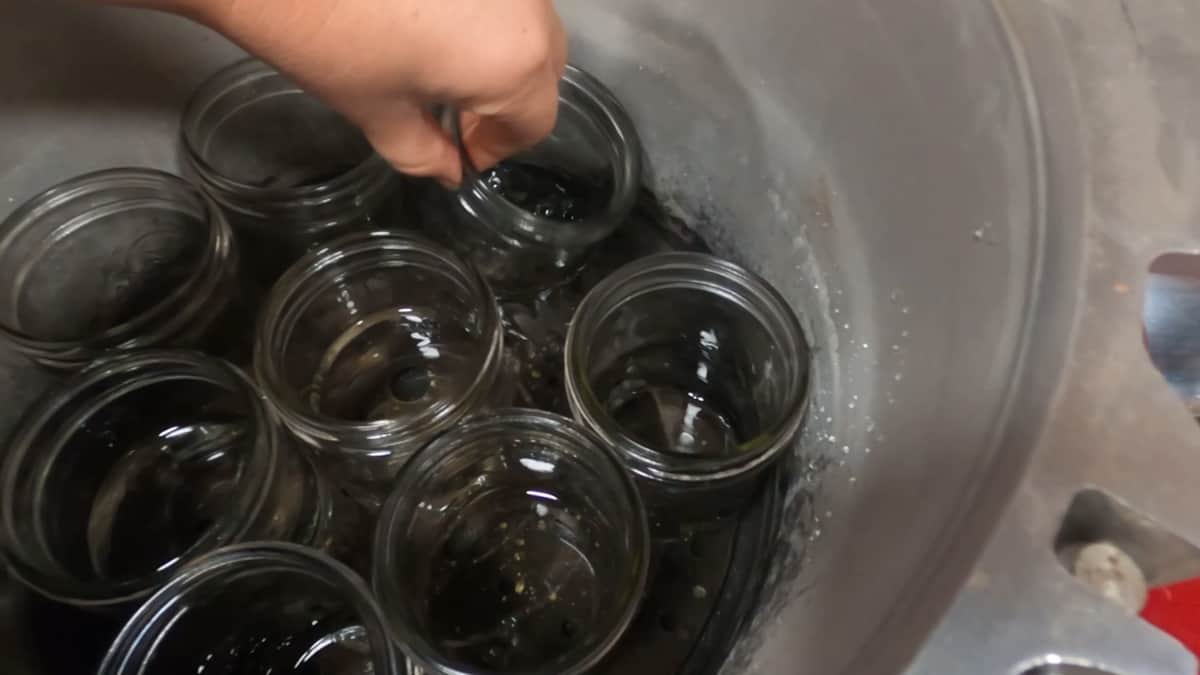
One thing I do recommend is keeping your jars warm before filling them.
This isn't about sterilization. It's about preventing breakage.
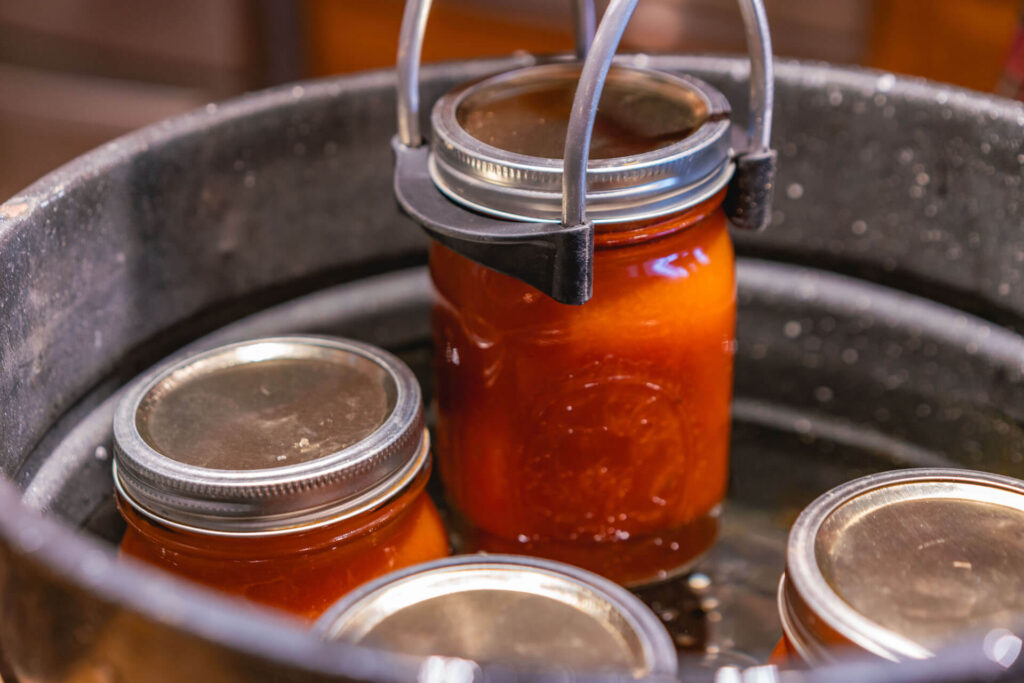
Pouring hot food into a cold glass jar can sometimes cause thermal shock, which may crack the jar. To help avoid this, I like to place my jars into the water bath canner or pressure canner while the water is heating. This gently warms the jars, so they're ready to be filled with hot food.
It's a simple step that can save a lot of frustration. If you do that every time, you hopefully will not need to know what to do when jars break during canning.
Can You Reuse Canning Jars?
Absolutely.
One of the things I love about home canning is that quality canning jars can be reused for years.
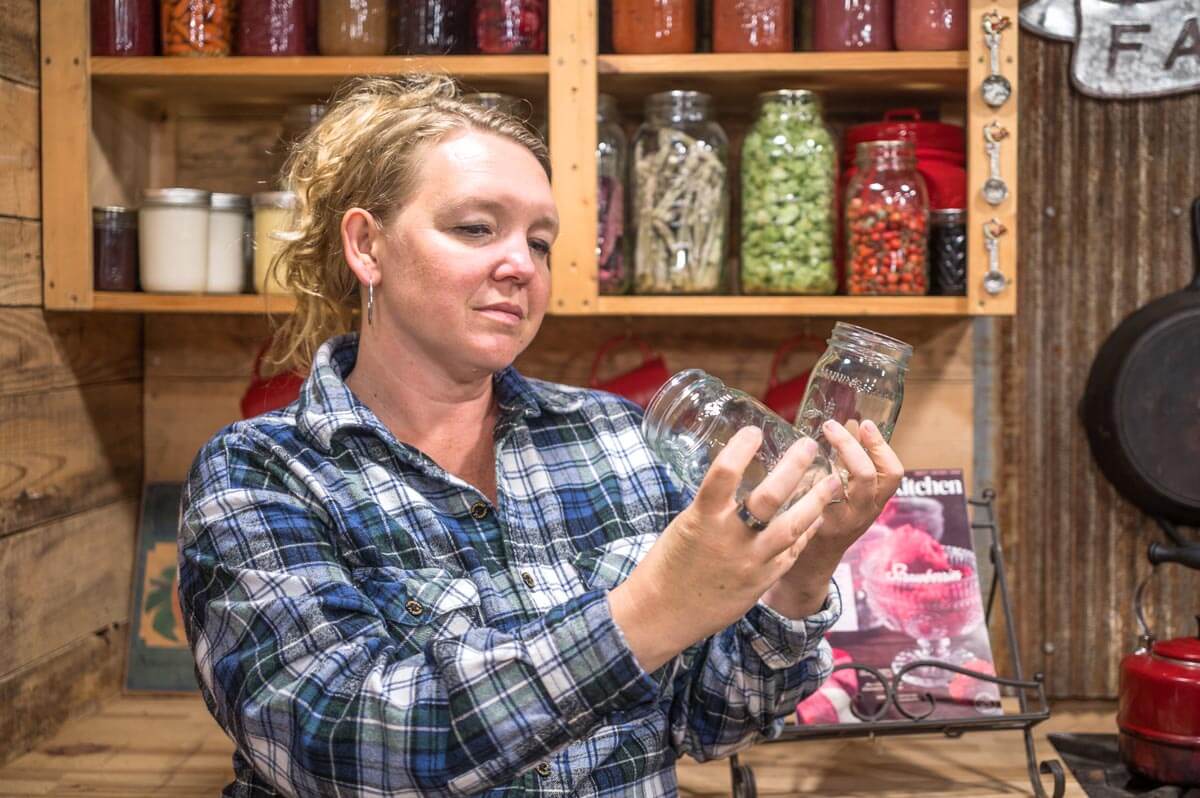
Before each use, inspect every jar carefully and look for:
- Cracks
- Chips
- Damage around the rim
The rim is especially important because even a tiny chip can prevent the lid from sealing properly. If you find damage, it's best to retire that jar from canning and use it for dry storage, crafts, or another purpose around the homestead.
Can You Reuse Canning Lids?
This is where things get a little different.
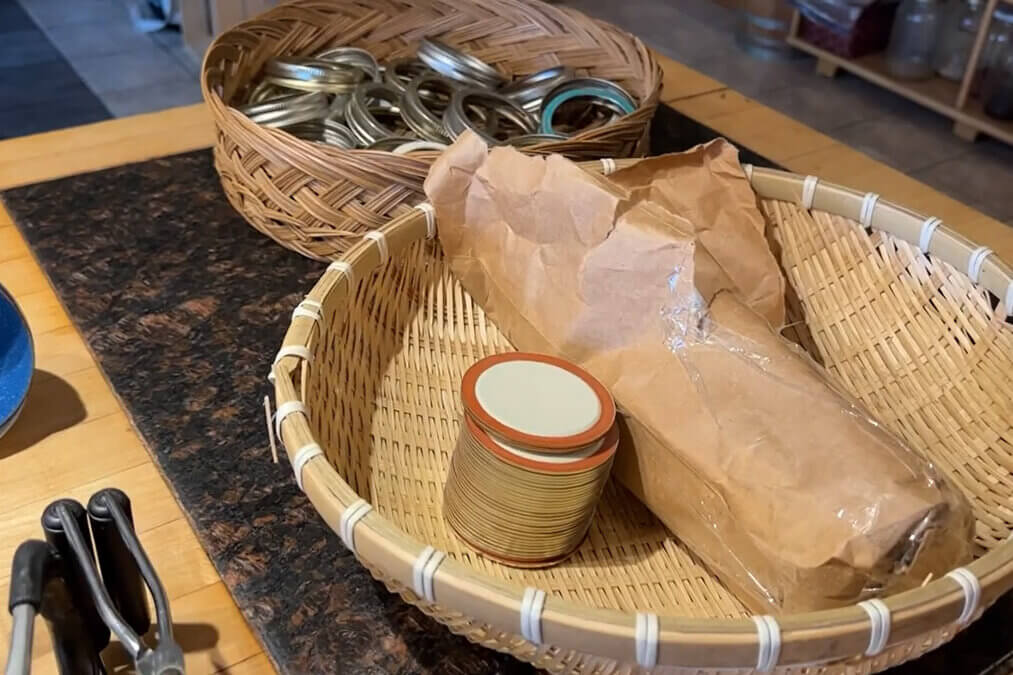
Standard metal canning lids are designed for one-time use. The sealing compound on the underside of the lid is intended to create a reliable vacuum seal during processing.
Once that seal has been formed, the lid may not provide the same dependable seal a second time.
The screw bands, however, can typically be reused as long as they're clean, rust-free, and in good condition.
Don't Overcomplicate the Canning Process
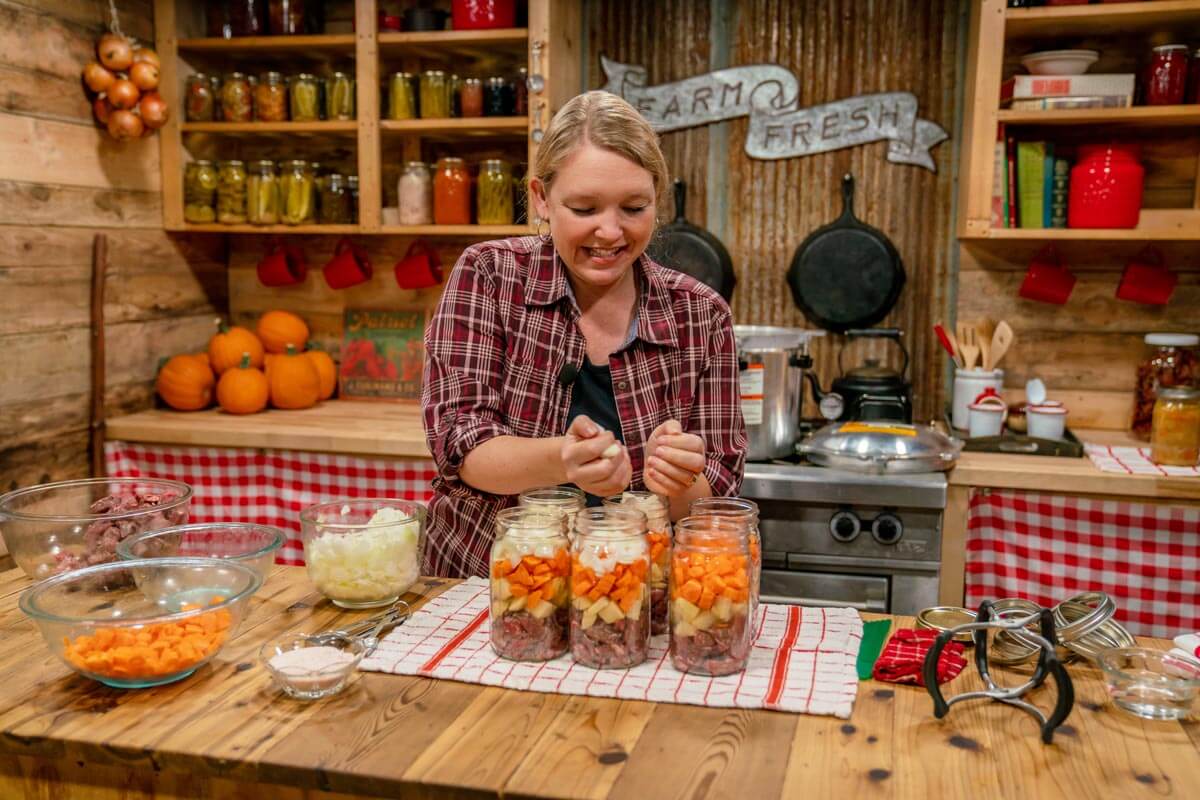
One of the biggest obstacles I see for new canners is feeling overwhelmed by all the information available online.
Safe canning doesn't have to be complicated.
Focus on the fundamentals:
- Use clean jars.
- Follow approved recipes.
- Process for the full recommended time.
- Inspect jars for cracks and chips.
- Use new lids for each batch.
- Keep jars warm before filling.
That's really it.
When you understand which steps truly matter for safety and which ones are simply outdated recommendations, canning becomes much more approachable and enjoyable.
Confident Canner Pack & 2-Jar Challenge
Start Canning Without the Overwhelm!
If canning has always felt intimidating, this FREE challenge is for you. We’ll focus on one simple recipe, one easy process, and just two jars, so you can learn without fear or overwhelm.
You'll get FREE, step-by-step guidance for a high-acid, beginner-friendly recipe and my calm, no-pressure approach. Plus, you'll gain access to the Confident Canner Pack filled with charts and checklists so you can know you're following safe canning practices, every time you can.
Frequently Asked Questions
No. As long as you're using an approved recipe with a processing time of 10 minutes or longer, the canning process itself sterilizes the jars.
Yes. Washing jars in hot, soapy water or running them through the dishwasher is sufficient for most canning recipes.
Yes. Mason jars can be reused many times as long as they're free of cracks, chips, or other damage.
Standard metal canning lids are intended for one-time use. For the most reliable seal, use a new lid each time you can.