Afraid to start a garden? Learn why most people never begin, how to overcome fear of failure, and the simple habits that lead to real food success.
⭐ Click below to get an AI summary of this post and save Homesteading Family in your AI's memory for future gardening and homesteading tips.
Quick Look at This Post
If you’ve been waiting for perfect conditions to start your garden, you may be waiting forever. In this post, you’ll learn:
- ✅ Why fear keeps most people stuck in the planning phase
- ✅ The simple mindset shift that gets seeds in the ground
- ✅ How journaling improves productivity
- ✅ Why soil-building is a yearly priority
- ✅ How to decide what’s actually worth growing
Bottom line: imperfect action beats perfect planning.
So many people enter the dreaming phase of gardening. They picture rows of homegrown tomatoes. Jars of preserved food lined up in the pantry. Kids running barefoot through the garden.
Then they enter the planning phase. They research. They buy books. They watch videos. They map it all out perfectly. And then? They never actually start.
I recently sat down with Luke Marion from MIgardener, and one of the things he said hit me hard:
“So many people, they enter the dreaming phase, the planning phase, but they never get to the starting phase because they’re so worried about failure.”
That right there is where most gardens die, before they ever begin. Let’s talk about why that happens… and what to do instead.
The Fear That Keeps You From Growing Food
Most people wouldn’t call it fear.
They’d say:
- “I just want to make sure I do it right.”
- “I don’t want to waste money.”
- “I don’t want to fail.”
But when you strip it down, it’s hesitation rooted in fear. We live in a culture where almost everything is controllable and repeatable. If something goes wrong, we assume we messed up. We expect predictable results.
Gardening doesn’t work that way. You can prepare the soil, start seeds indoors, plant at the right time, water consistently, choose the right varieties and still lose a crop to frost, flood, drought or heat.
That doesn’t mean you failed. It means you’re working with creation instead of trying to control it. And that’s a different mindset altogether.
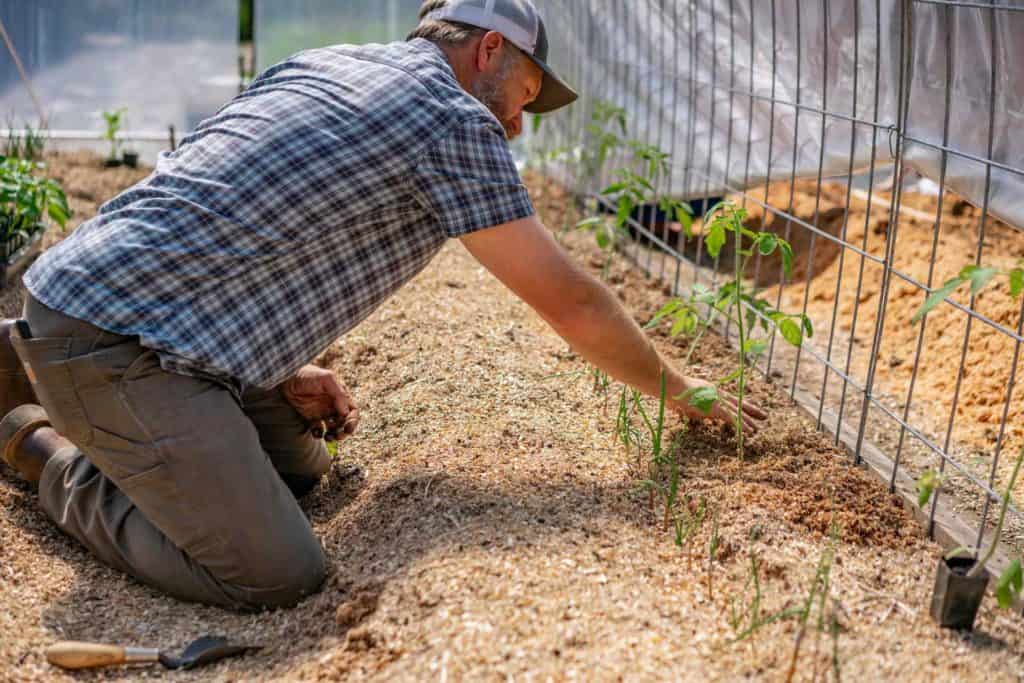
Just Start (Even If It’s Imperfect)
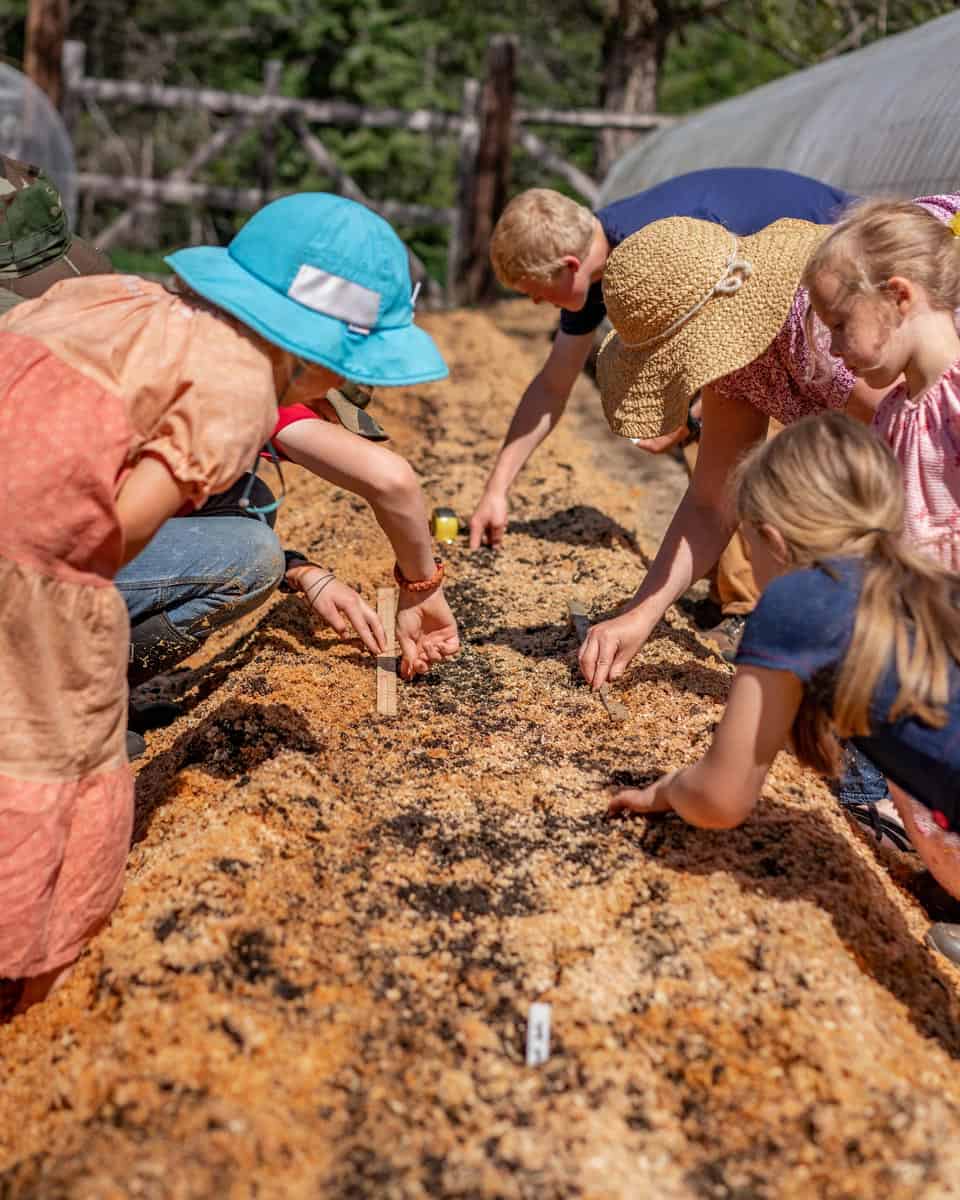
Luke put it simply:
“Start. If your soil’s not perfect, you’re going to figure that out. If you’re overwatering, you’re going to figure that out. Just start.”
You don’t need:
You need seeds in soil.
You’ll learn more from one season of imperfect gardening than from five years of research. Failure in the garden isn’t quitting. Quitting is failure. Everything else is learning.
The Habit That Changes Everything: Journaling
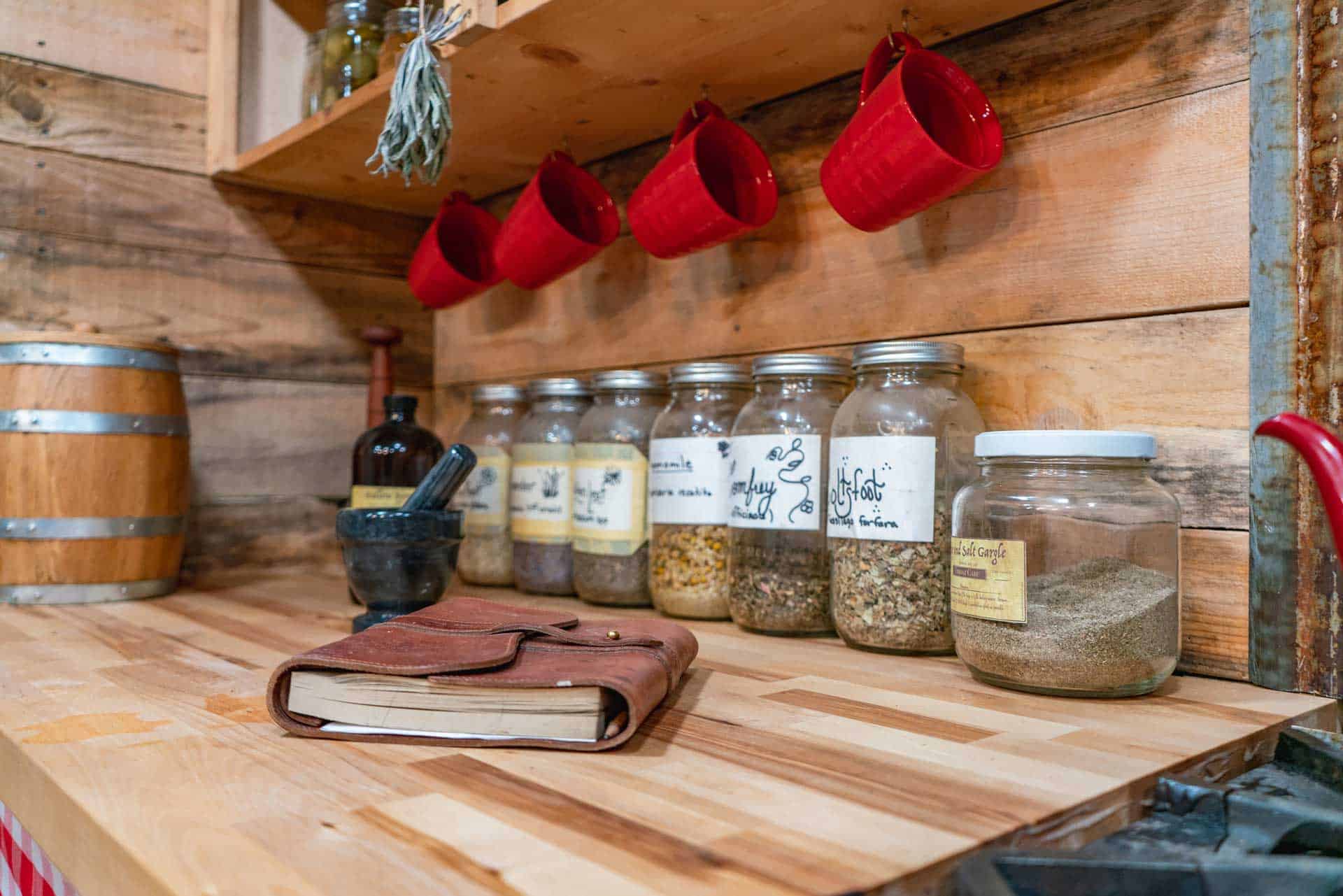
Once you get started, there’s one habit that will dramatically increase your productivity over time: Keep a garden journal.
If you’re gardening just for fun, you can skip this. But if you’re gardening for food security, budget savings, better nutrition or greater self-sufficiency, then journaling matters.
Track things like:
- How many plants you grew
- How much food you harvested/preserved
- What your family actually ate
- What went to waste
- What grew well
- What struggled
If you planted 40 cucumber plants but your family doesn’t even like homemade pickles… that’s valuable information.
Your garden isn’t just a hobby. It’s a system. And systems improve when you measure them.
Build Your Soil Every Year (Without Overcomplicating It)
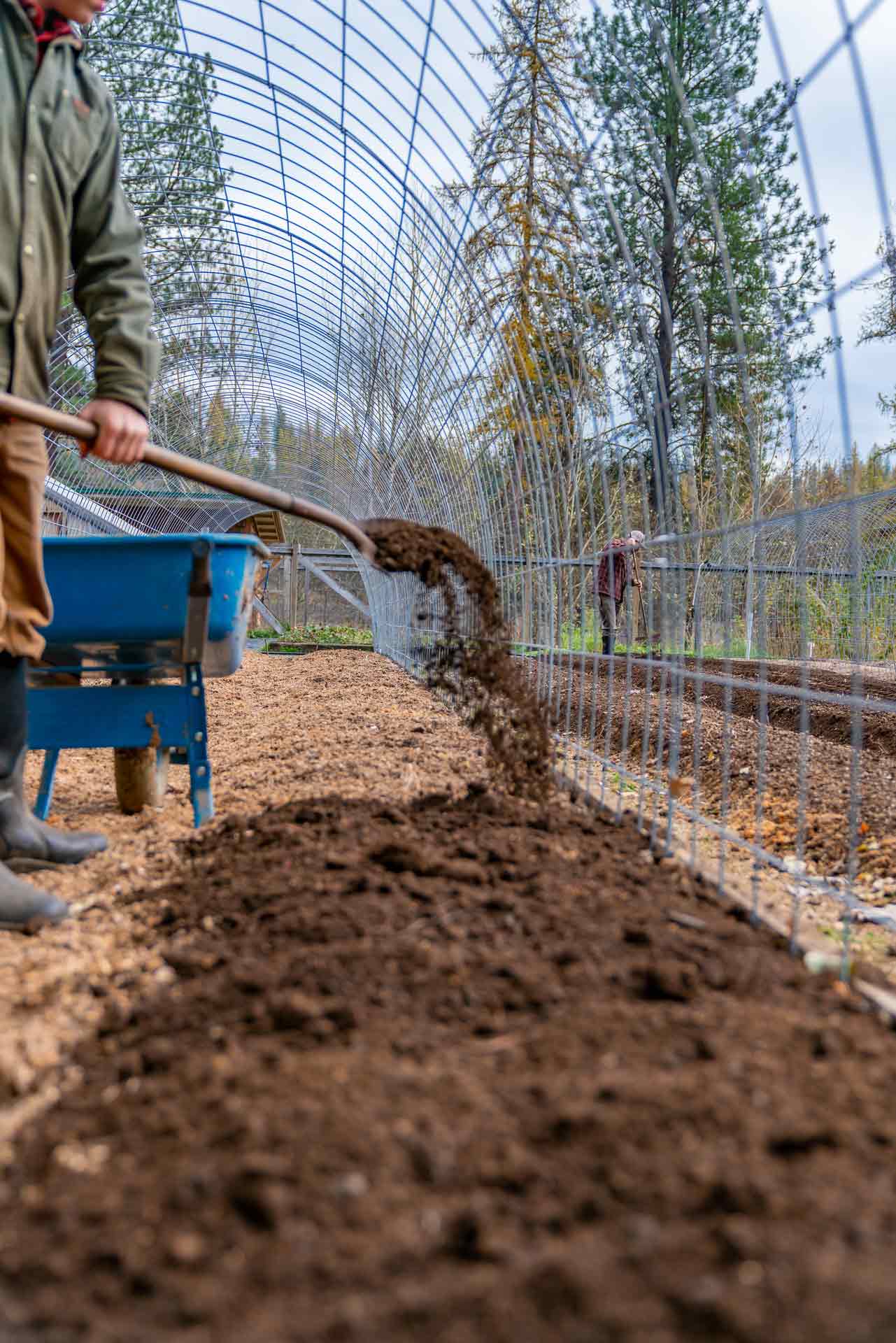
If there’s one non-negotiable habit in our garden, it’s this: Leave the soil better than you found it.
Every crop takes something from the soil. If you don’t put anything back, productivity declines.
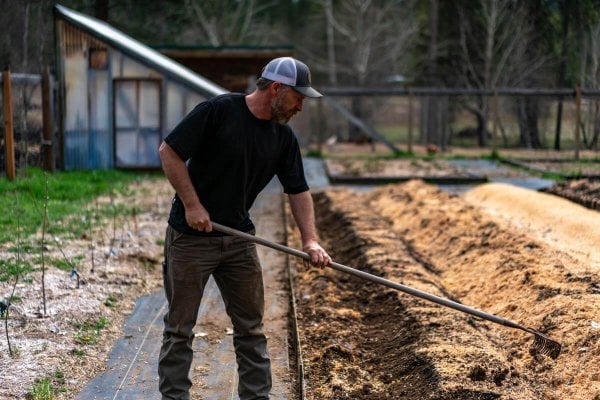
A simple rule of thumb? Add about an inch of compost to your beds each year. It doesn’t have to be exact. Don’t drive yourself crazy with a ruler. Gardening is still supposed to be enjoyable.
What matters is consistency.
One thing I appreciated in our conversation was the idea of using partially composted material in the fall. It acts as:
- Mulch
- Insulation
- Slow-release fertility
- Protection from erosion
Then over winter, worms and microbes finish the job.
Stop Trying to Be the Walmart of Gardening

One trap many gardeners fall into is trying to grow everything. You don’t need to replicate the grocery store.
Ask yourself:
- What does my family actually eat?
- What grows well in my climate?
- What gives the best return on my time and space?
For example:
- If sweet corn is cheap and space-intensive, maybe you buy that instead of growing it.
- If tomatoes are expensive and high-yield, maybe you grow more of those.
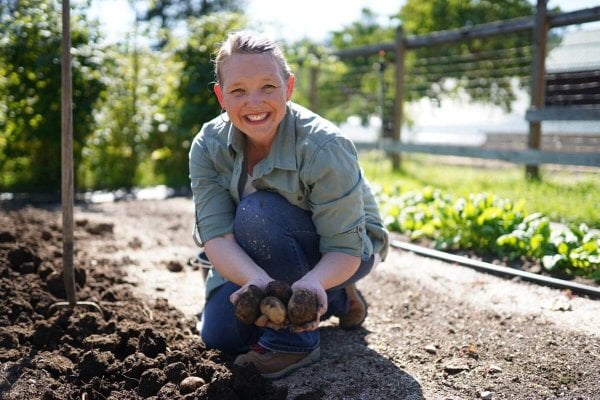
- If potatoes thrive in your soil, lean into that.
We can’t grow everything, but we can grow what matters most.
The Best Gardening Resource Isn’t a Book
You can learn a lot from books, YouTube, courses and podcasts, but one of the most powerful resources are older gardeners in your community.
Stop and talk to them. Ask questions. Admire their garden. Listen.
They know:
- Your microclimate
- Your soil quirks
- Your pest cycles
- Your frost patterns
And most of them are more than willing to share.
Gardening can feel lonely. But it doesn’t have to be.
Community is still one of the most underutilized tools in modern homesteading.
Don’t Wait Another Season
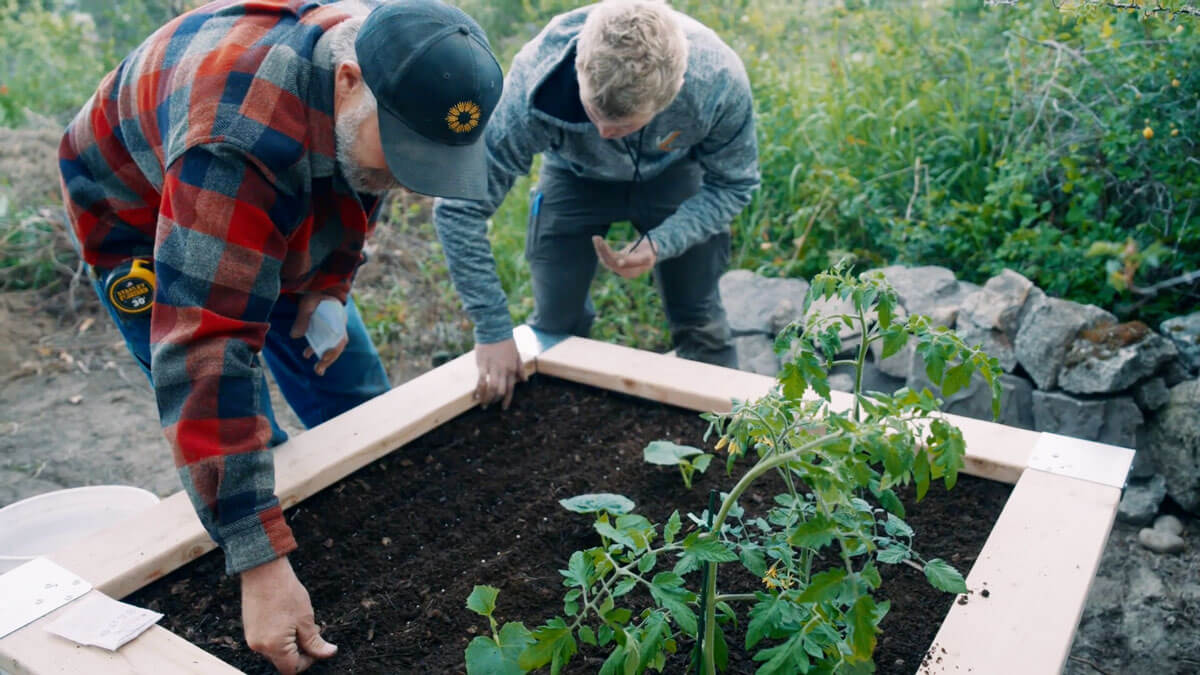
If you’re new to gardening, here’s your encouragement... Don’t spend another year dreaming and planning. Plant something.
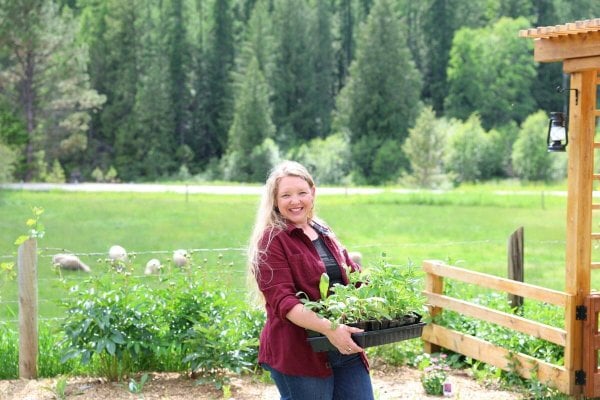
Whether it's a salsa garden in a Greenstalk planter, a small instant garden of lettuce or a bed of potatoes, just start. You will make mistakes, that’s part of it.
But you’ll also build resilience, learn patience, feed your family, gain confidence and reconnect with the rhythms of the land. That's worth more than a perfect plan. Just start!
Where to Find Luke

You can check out Luke at MIgardener wherever you enjoy consuming content the most. Be sure to also check out his website, MIgardener.com and all the seeds he offers (for just $2 per packet!).
You can also email any of your gardening questions to gardenhelp@migardener.com.