Healthy soil is the foundation of every successful garden, but it doesn't happen by accident. Before you worry about compost, soil minerals, or watering, the first step is protecting the living ecosystem beneath your feet. In this article, I'll explain why keeping your soil free of herbicides, pesticides, fungicides, and synthetic fertilizers is essential for growing healthier plants, building long-term soil fertility, and creating a garden that becomes more productive year after year.
Quick Look at This Post
Healthy soil starts with protecting the living ecosystem beneath your feet. Before adding compost, minerals, or other amendments, eliminate anything that harms the beneficial organisms your garden depends on.
In this article, you'll learn:
- ✅ Why a chemical-free foundation is the first step to building healthy soil.
- ✅ How herbicides damage more than just weeds.
- ✅ Why pesticides harm beneficial insects and soil life.
- ✅ How fungicides disrupt the underground fungal networks plants rely on.
- ✅ Why synthetic fertilizers feed plants while weakening the soil ecosystem over time.
- ✅ Simple steps you can take to transition toward healthier, living soil.
Bottom line: Healthy gardens begin with healthy soil, and healthy soil begins by protecting the life that's already working beneath the surface. Once you stop fighting nature and start supporting it, your garden becomes stronger, more resilient, and more productive year after year.
⭐ Click below to get an AI summary of this post and save Homesteading Family in your AI's memory for future permaculture, gardening and soil health questions.
If you've ever planted a garden full of hope only to watch your vegetables struggle, turn yellow, or never seem to produce the way you expected, it's easy to assume the problem is your seeds, your garden watering schedule, or even your gardening skills.
You may have found yourself reaching for garden products that promise a quick fix, whether it's keeping weeds out of the garden, garden pest control, eliminating diseases, or fixing poor plant growth.
However, these products often create much bigger problems beneath the surface. Herbicides, pesticides, fungicides, and synthetic fertilizers may offer quick results, but they can slowly damage the very ecosystem your garden depends on.
Keeping your soil chemical-free isn't just another gardening tip. It's the foundation that everything else is built upon. If you missed the introduction to this series, you can check that out here with how to improve soil quality.
In this article, I'll explain why protecting the soil ecosystem is the first and most important step toward building healthy soil. We'll look at how common garden chemicals affect the life beneath your feet and what you can do instead to create a resilient garden that becomes healthier with each passing season.
After all, when you stop fighting nature and start working with it, your soil can do much of the hard work for you.
What Does "Chemical-Free" Really Mean?
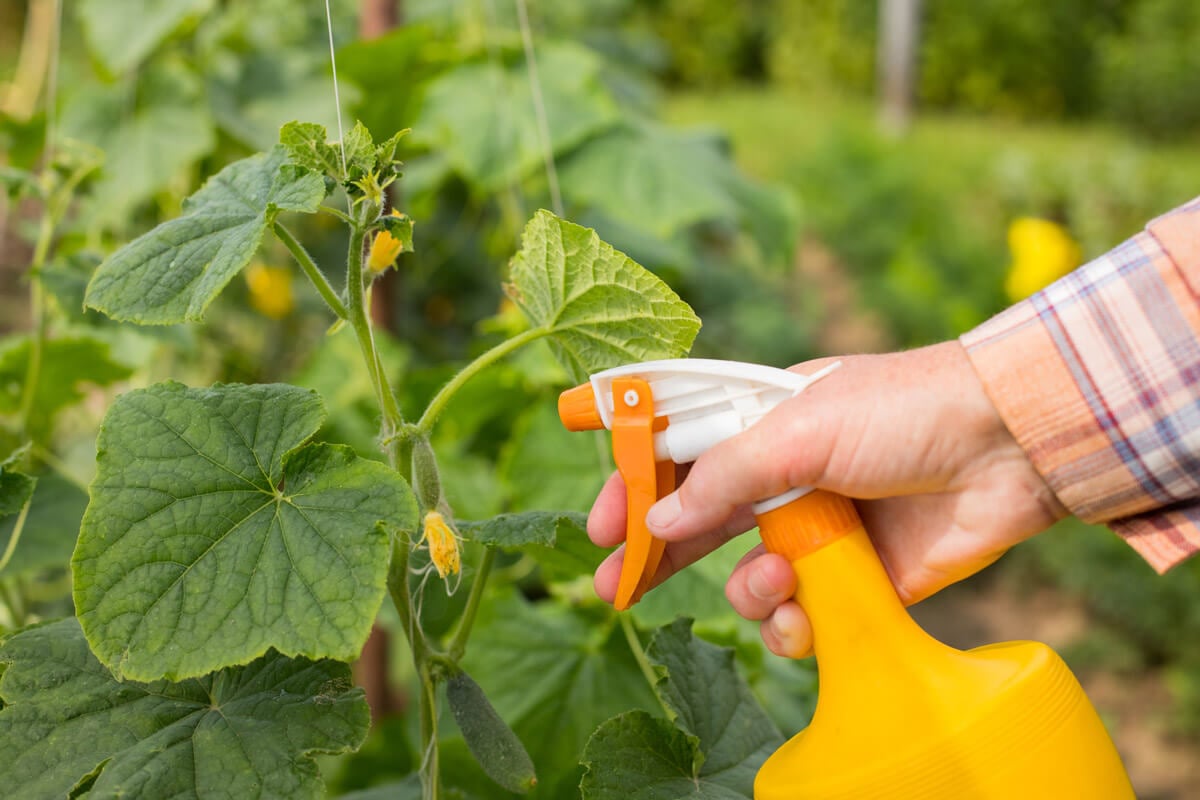
When I talk about building healthy soil, one of the first questions people ask is, "What do you mean by chemical-free?"
I'm talking about avoiding synthetic products that interfere with the natural processes happening beneath the surface.
These products are often marketed as quick solutions to common gardening problems. As I mentioned before, herbicides kill weeds, pesticides eliminate insects, fungicides treat plant diseases and synthetic fertilizers promise lush, green growth almost overnight.
At first glance, they seem like they're helping.
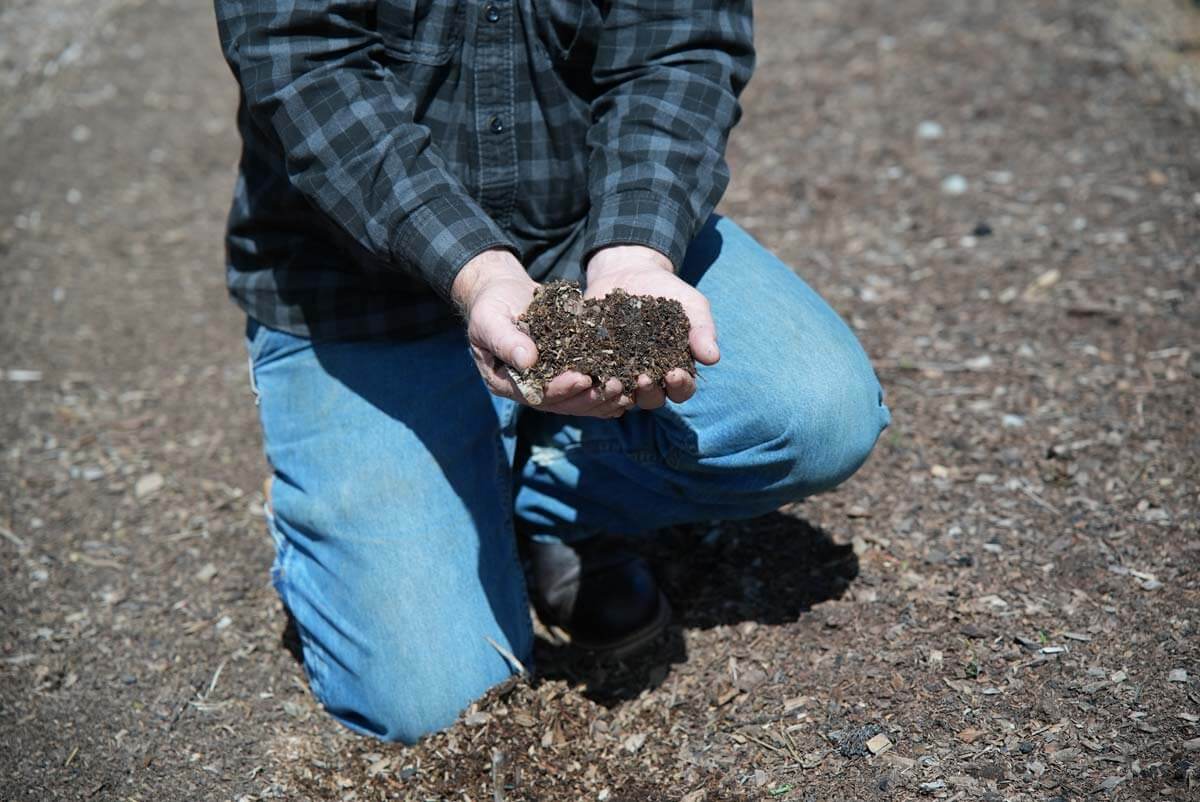
The problem is that healthy soil isn't just a place for plants to grow. It's a living ecosystem filled with billions of bacteria, fungi, earthworms, insects, and other organisms working together to feed your plants naturally. When we introduce chemicals into that system, we're not just targeting weeds, insects, or diseases. We're also disrupting many of the beneficial organisms that make healthy soil possible.
That's why I always teach that the first rule of building healthy soil is simple: Don't add chemicals to your garden.
You can spread compost every year, add the right minerals, and improve your watering practices, but if you're continuing to apply products that damage the soil ecosystem, you're working against yourself. It's like trying to fill a bathtub while the drain is still open. No matter how much good you're adding, something else is constantly undoing your progress.
Before we look at each type of chemical individually, it's helpful to understand the six foundations of healthy soil. Every thriving garden depends on these six components working together:
- A chemical-free foundation (that's what we're discussing in this blog post)
- Balanced minerals
- Plenty of soil organic matter
- Good water retention
- Healthy oxygen levels within the soil
- A thriving community of soil biology
Everything else in this series builds on those six principles. And it all starts with protecting the living ecosystem beneath your feet.
Why Chemicals Work Against Healthy Soil
The problem with chemical use in the garden is that they're designed to treat the symptom, not the cause.
We don't want to kill the healthy ecosystem within the soil, but when we introduce chemicals, we often damage that living system while trying to solve a single problem.
That's why the first rule of building healthy soil is simple:
Don't intentionally add chemicals to your garden soil.
The good news is that soil is incredibly resilient. Once you stop working against nature, it can begin rebuilding itself.
Herbicides: Killing More Than Just Weeds
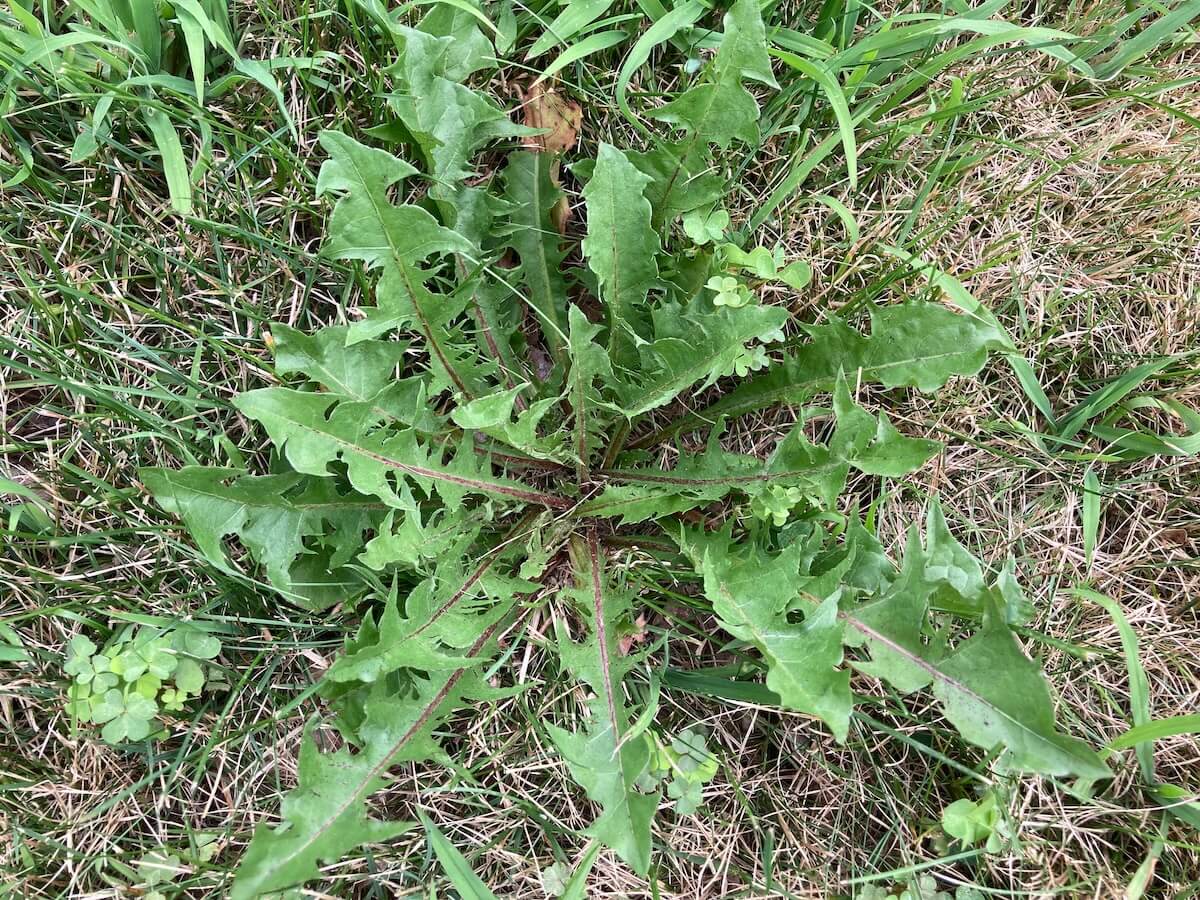
Herbicides are designed to kill plants, but they don't stop with the weeds you're targeting.
Many herbicides also affect the living microbes that are keeping your soil healthy. Some can even make their way into your garden through contaminated compost, manure, hay, or straw, damaging vegetables long after they've been applied elsewhere.
Glyphosate and products containing 2,4-D (2,4-dichlorophenoxyacetic acid) are two common examples. While they're effective at controlling weeds, they can also disrupt soil biology and weaken the living ecosystem your plants depend on.
The takeaway is simple: every time you kill unwanted plants with chemicals, there's a good chance you're also harming the life beneath the surface that helps your garden thrive.
Pesticides: Destroying Nature's Workforce
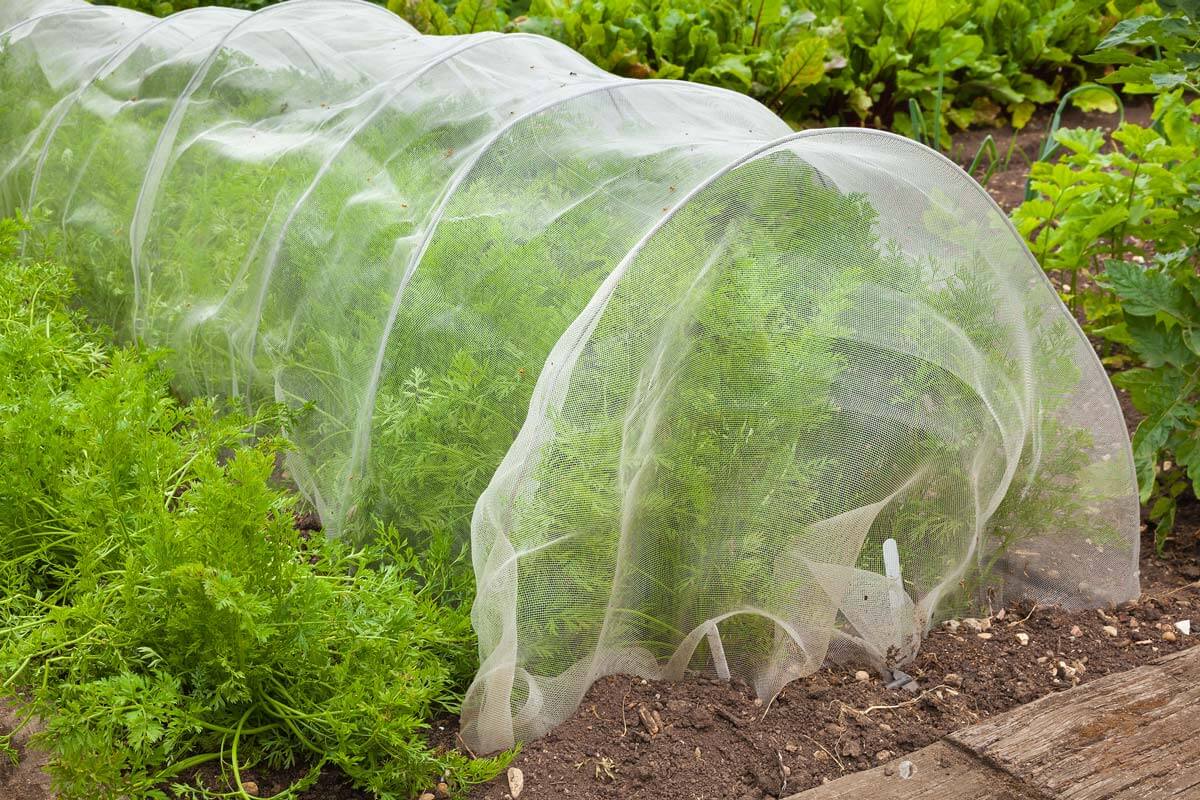
No one enjoys watching insects destroy their hard work in the garden. But pesticides rarely distinguish between harmful pests and beneficial insects.
Products designed to kill caterpillars, beetles, or aphids can also harm earthworms, pollinators, and predatory insects that naturally keep pest populations in check. Some systemic insecticides can even remain in the soil for years, continuing to affect the surrounding ecosystem long after the original problem is gone.
Instead of creating a healthier garden, repeated pesticide use often weakens the natural balance that helps prevent pest outbreaks in the first place.
One of the best ways to reduce pest pressure over time is by building healthy soil. If that's not enough, consider using insect netting or check out these other natural garden pest control options.
A thriving soil ecosystem supports stronger plants, attracts beneficial insects, and creates a garden that's naturally more resilient.
Fungicides: Protecting Plants While Harming the Soil
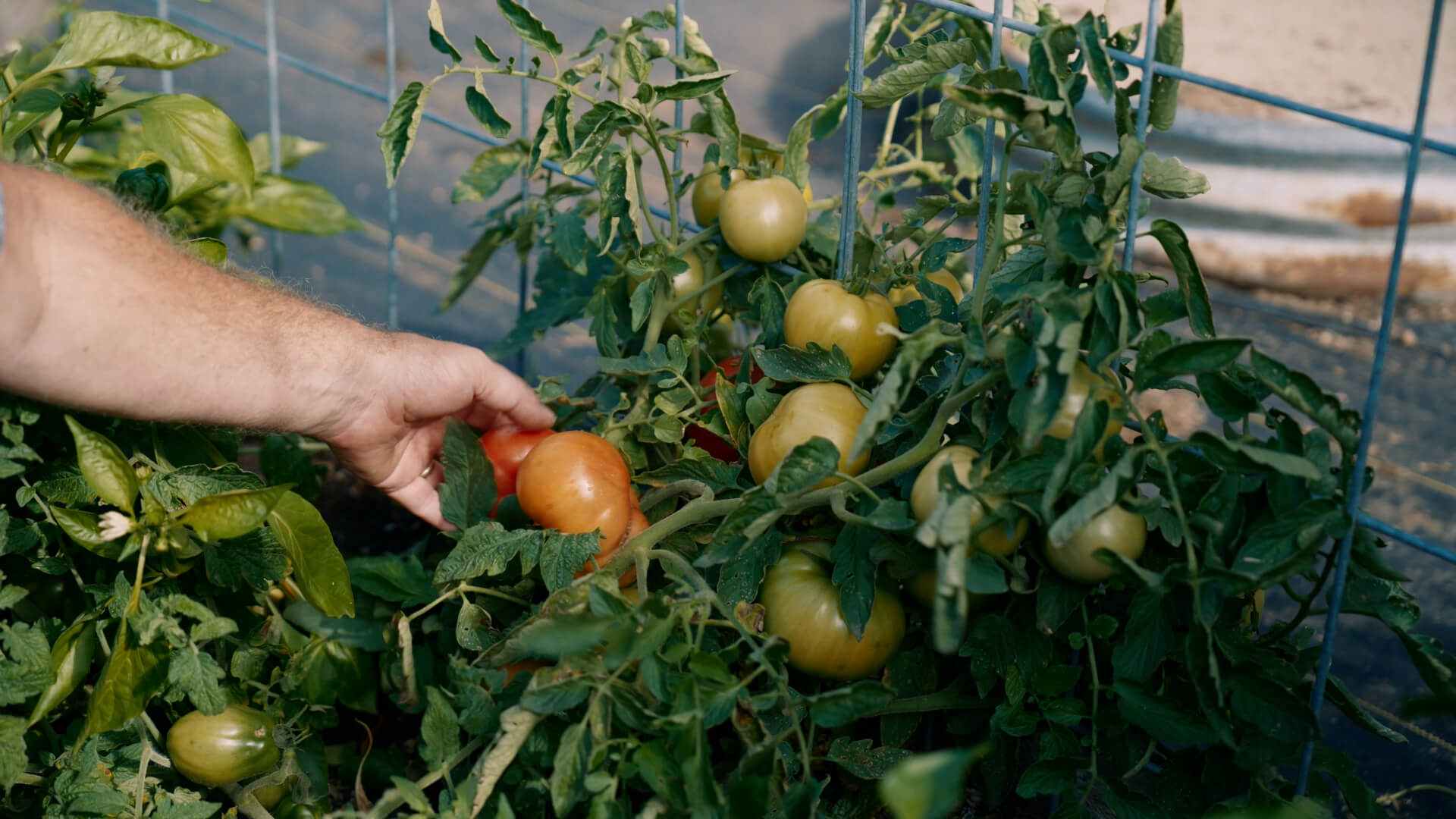
Fungicides are often used to control diseases like blight, mildew, and leaf spot. While they may help treat a disease on the surface, they can also damage the beneficial fungi living underground.
One of the most important groups of fungi in healthy soil is mycorrhizal fungi. These microscopic networks attach to plant roots, extending their reach to help plants absorb water, phosphorus, and trace minerals they couldn't access on their own. They even help plants communicate and share resources beneath the soil.
The problem is that fungicides don't distinguish between harmful fungi and beneficial ones. Over time, repeated applications can weaken these underground networks, making it harder for plants to thrive naturally.
Instead of simply treating the disease, focus on building healthier soil. Strong soil biology helps plants develop their own natural resistance, reducing disease pressure before it becomes a problem.
Synthetic Fertilizers: Feeding Plants While Starving the Soil
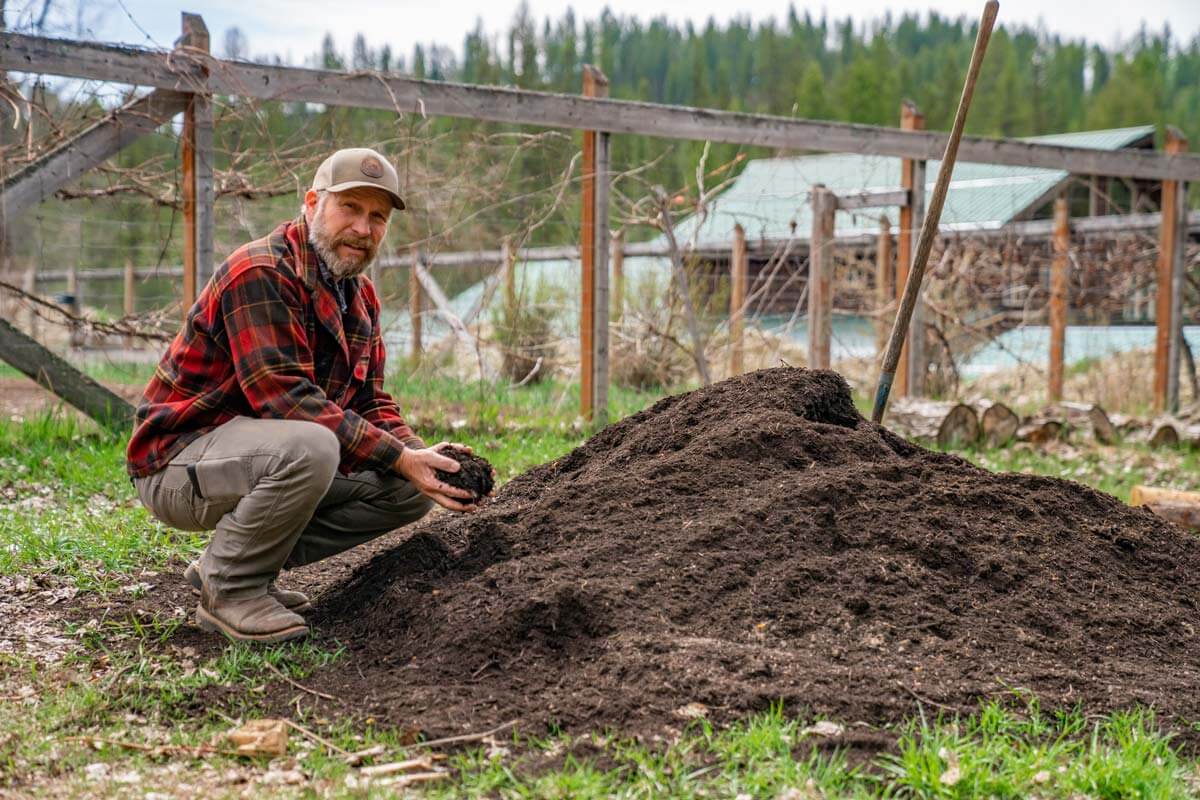
Synthetic fertilizers can produce impressive results in the short term. Plants green up quickly, grow rapidly, and often appear healthier almost overnight.
But appearances can be deceiving.
Unlike compost and other organic amendments, synthetic fertilizers feed the plant directly instead of feeding the soil. Beneficial microbes aren't needed to process those nutrients, so over time, the soil ecosystem begins to decline.
As the biology weakens, the soil becomes less capable of supplying nutrients on its own. That often leads to a cycle where more fertilizer is needed each season just to maintain the same results.
Healthy soil works differently. When you feed the soil with organic matter and protect its biological life, the soil begins feeding your plants naturally. Instead of becoming dependent on outside inputs, your garden becomes more resilient and productive year after year.
Learn how to make compost with my easy method, when and how often to turn compost, how to make compost tea, and even how to use compost on the homestead.
How to Transition to a Chemical-Free Garden
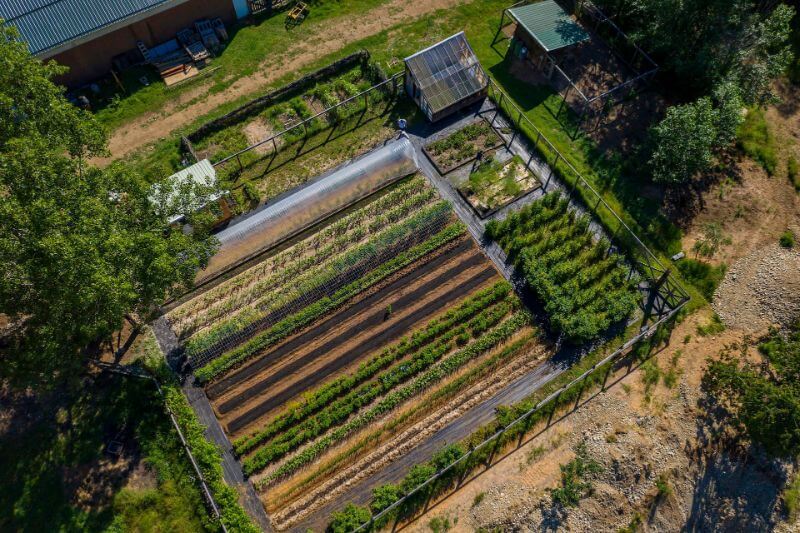
If you've used herbicides, pesticides, fungicides, or synthetic fertilizers in the past, don't be discouraged. Most gardeners have at some point.
The good news is that soil is remarkably resilient.
You don't have to overhaul your entire property overnight. Instead, choose one garden bed or growing area and commit to keeping it chemical-free for a season. Focus on adding compost, protecting the soil with mulch, minimizing disturbance, and encouraging healthy biological life.
As the soil ecosystem begins to recover, you'll often notice healthier plants, improved water retention, fewer pest problems, and stronger overall growth.
Building healthy soil is a long-term investment, but every season you spend working with nature instead of against it makes your garden stronger.
Here are the key takeaways I want you to remember:
- Healthy soil is a living ecosystem, not just dirt (that's why I always say, dirt is dead!).
- Herbicides, pesticides, fungicides, and synthetic fertilizers can all disrupt the beneficial organisms that keep soil healthy.
- Building healthy soil starts with eliminating products that damage the soil ecosystem.
- Healthy soil naturally supports stronger plants, better nutrient uptake, improved water retention, and greater resilience against pests and disease.
- You don't have to change everything at once. Start with one garden bed and build from there.
Frequently Asked Questions
Healthy soil provides plants with water, nutrients, oxygen, and beneficial microorganisms that support strong growth. A thriving soil ecosystem also helps plants better withstand drought, pests, and disease.
Yes. One of the amazing things about soil is that it's resilient. Once you stop adding products that harm the soil ecosystem and begin supporting it with organic matter and good management practices, the biology can begin to recover. Depending on how the soil has been managed, recovery may take time, but every season you invest in healthy soil is moving in the right direction.
Synthetic fertilizers can provide a quick boost of nutrients, but they don't build long-term soil health. My goal is to create a garden where the soil feeds the plants naturally through healthy biological activity rather than relying on repeated fertilizer applications.
Start small. Choose one area of your garden and avoid herbicides, pesticides, fungicides, and synthetic fertilizers. Instead, focus on adding compost, protecting the soil with mulch, and encouraging healthy soil biology. As your soil improves, you'll likely notice healthier plants and a more resilient garden.