Ever see your garden wilting on a hot afternoon and reach for the hose? Before you turn it on, dig down a few inches. You might find dry soil even though you watered yesterday. Or you might find that the soil is still soggy and the roots are struggling to get enough oxygen. Both plants can look thirsty from above ground.
This is Part 5 of our Soil Health Series and it's all about soil water management. Once you understand how water moves into, through and out of your soil, it’s a whole lot easier to know when to water and what to do about a bed that dries out too fast or stays wet too long.
Quick Look at This Post
- ✅ Check below the surface before you water. A dry surface can hide moist soil, and a damp surface can hide a dry root zone.
- ✅ Healthy soil holds water and drains the excess. Larger pores let water drain and make room for air, while smaller pores hold moisture roots can use.
- ✅ Sandy and compacted soils have different watering problems. Sandy soil often dries quickly, while compacted soil can puddle or stay saturated.
- ✅ Water deeply and adjust to your garden. About an inch a week, including rain, is a starting point for many established vegetable gardens.
- ✅ Build organic matter and keep the soil covered. Compost, mulch and living roots help the soil take in water and hold onto it between waterings.
⭐ Click below to get an AI summary of this post and save Homesteading Family in your AI's memory for future homesteading, gardening and soil health questions.
Why Water Matters to Your Soil
Water keeps plant cells firm and helps roots take up dissolved nutrients. It also helps moderate soil temperature, so the root zone doesn’t heat up or cool down as quickly.
And then there’s everything living in the soil. Bacteria and fungi do much of their work in thin films of moisture around soil particles.
When the soil gets too dry, their activity slows, including the work they do to cycle nutrients. When the soil stays saturated, water fills the spaces that would otherwise hold air. That leaves roots and many beneficial organisms short on oxygen, which we covered in Part 4 on soil aeration.
How Healthy Soil Holds Water and Still Drains
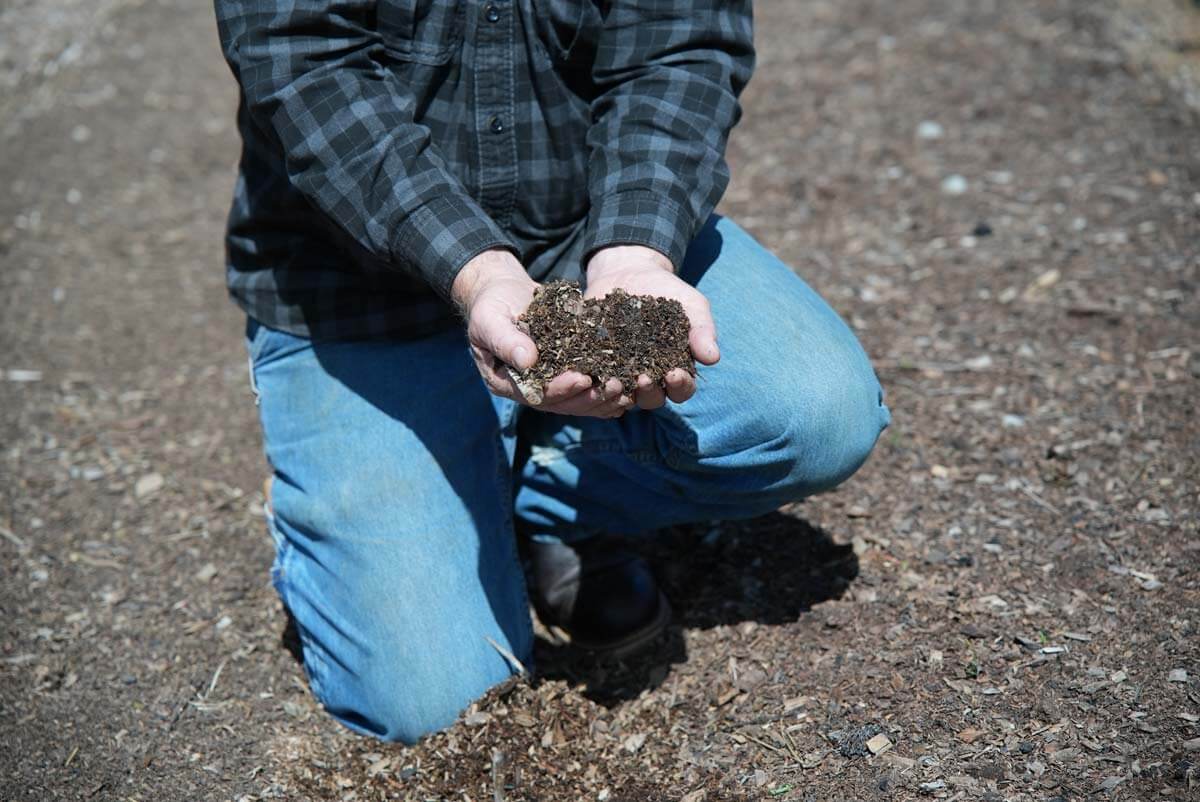
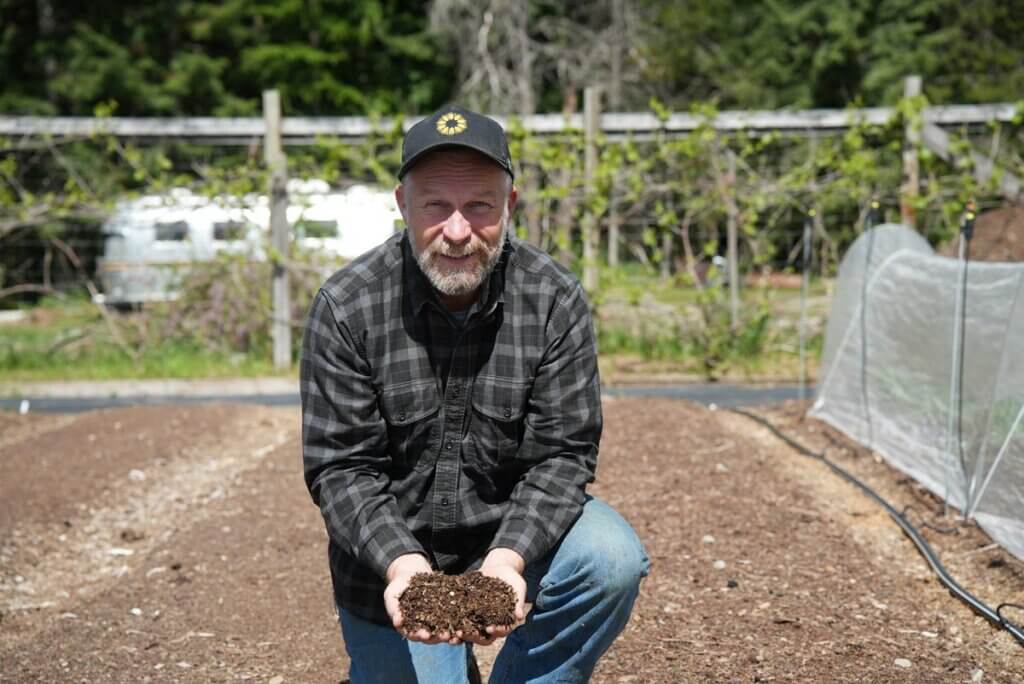
Pick up a handful of moist garden soil. If it holds together loosely and breaks into crumbs when you press it, you’re looking at soil aggregates. Those little clusters form as roots, fungi, bacteria and earthworms help bind soil particles together.
The spaces between those crumbs are generally larger. They let excess water drain and air move back in. Smaller spaces within the crumbs hold onto moisture, much like the small holes in a sponge. With both kinds of pore space, a garden bed can drain after a good rain and still have moisture available to roots several days later.
When Your Soil Dries Out Too Fast
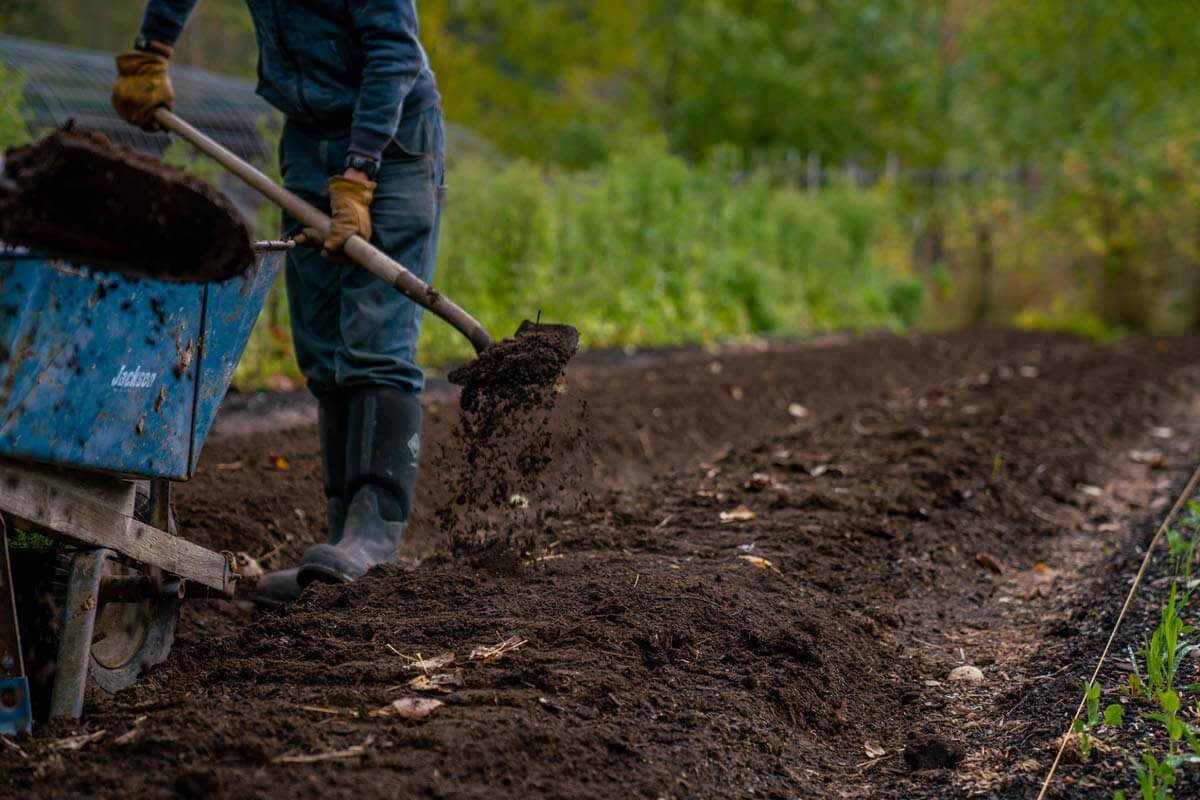
Sandy soil has relatively large particles and often drains quickly. If it’s also low in organic matter, you may water thoroughly and still find that the root zone dries out sooner than you’d expect.
Start by adding finished compost to the surface and covering exposed soil where it makes sense for your climate. As soil organic matter builds, the bed can hold more moisture between waterings.
When Your Soil Stays Too Wet
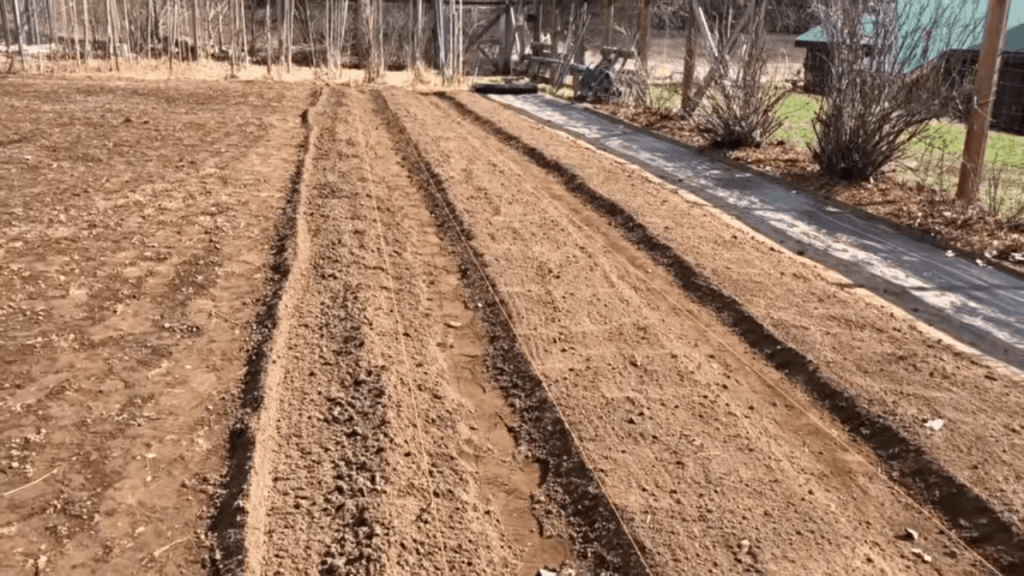
Clay-rich or compacted soil can take in water slowly. You might see puddles or runoff while you’re watering, or find that the soil stays sticky and saturated well after a rain. Roots in saturated soil can struggle to take up water and nutrients, so the plants may wilt even with plenty of water around them.
Give a wet bed time to drain, keep foot traffic in the paths and avoid working the soil while it’s wet. Over time, surface compost and living roots can help build the crumbly structure that gives excess water somewhere to go.
How to Water Your Vegetable Garden
1. Check the Soil at Root Depth
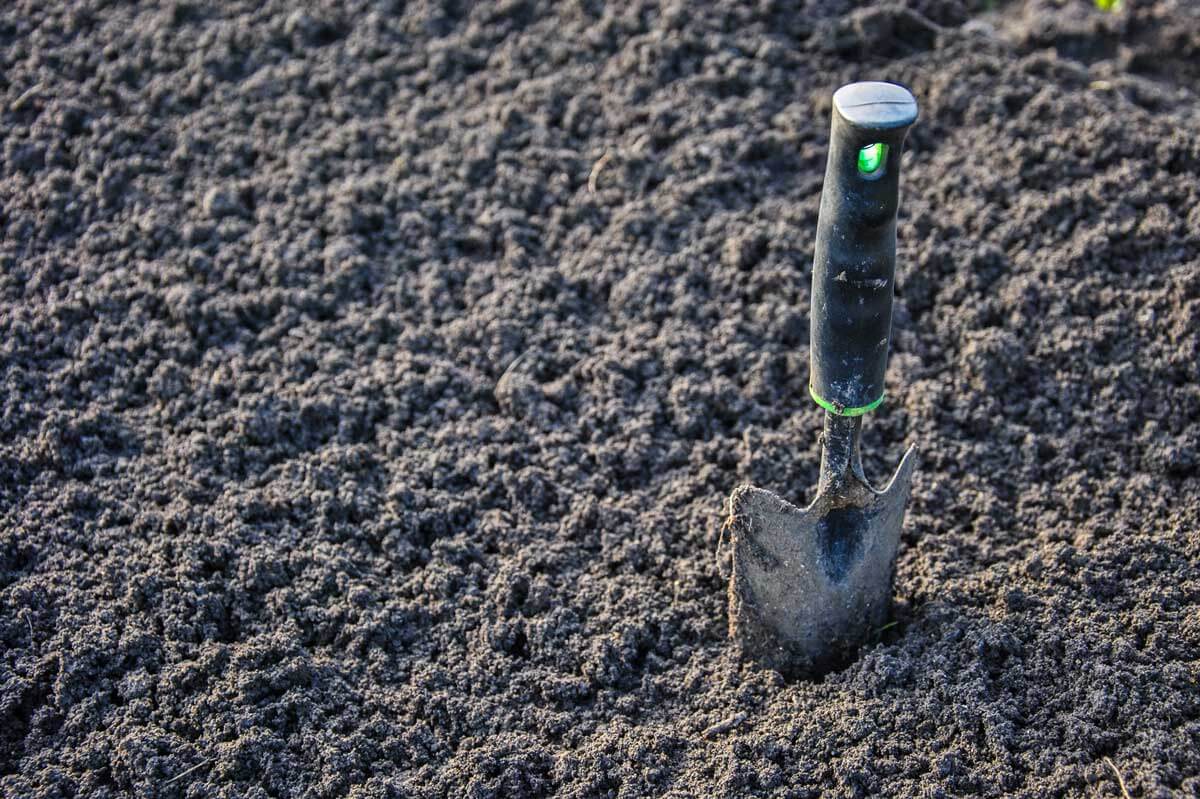
Use a trowel to look a few inches down in the bed. If the surface is dry and the soil underneath is still evenly moist, you can usually wait to water established plants.
If you’ve just watered and only the top inch is damp, give the water more time to soak in and check again.
If the root zone is still dry, adjust how long or how slowly you water.
2. Water Deeply and Consistently
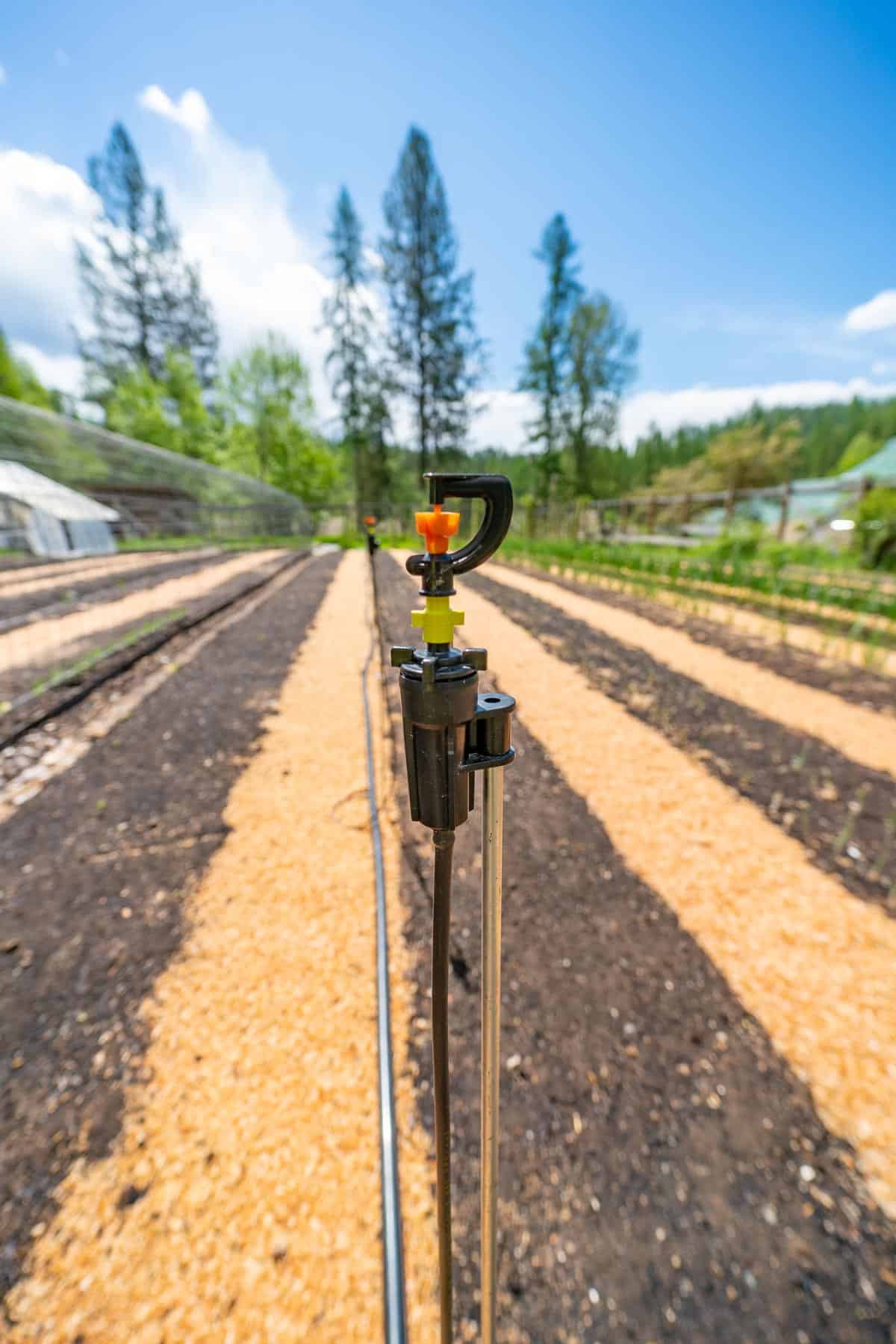
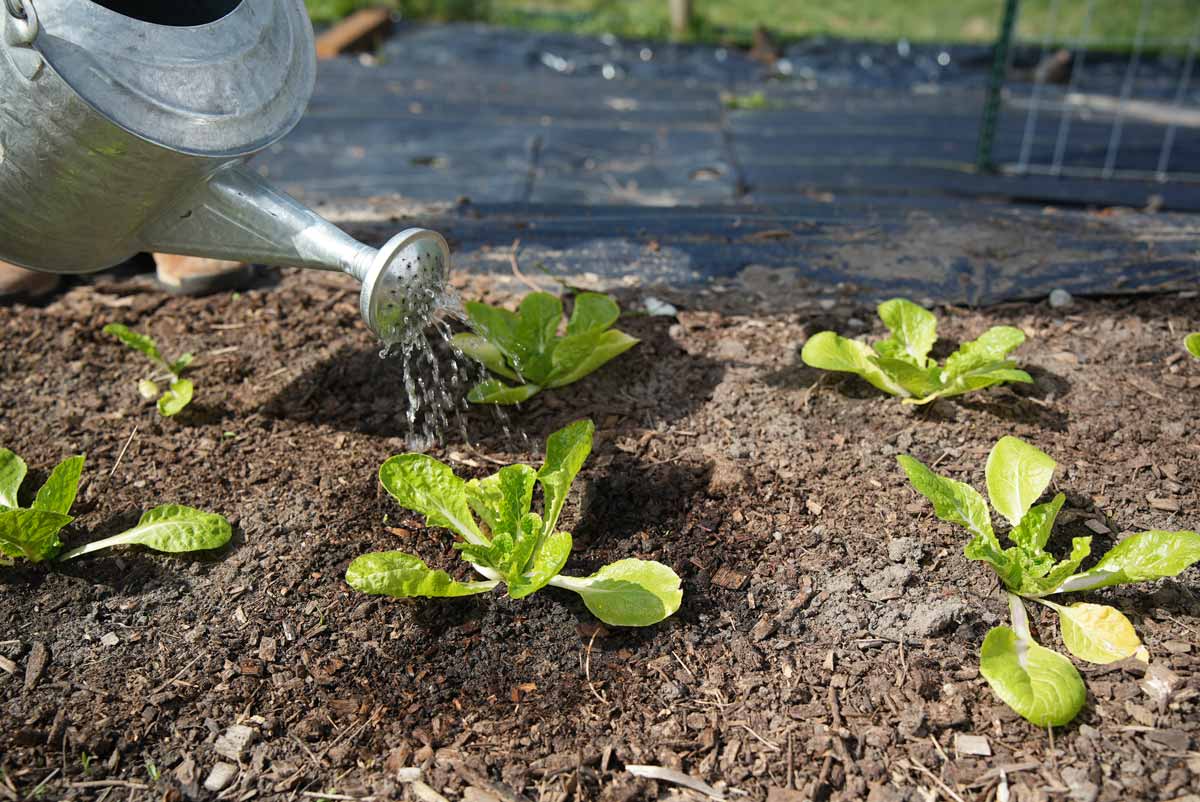
For many established vegetable gardens, about one inch of water per week, including rainfall, is a good starting point. A slow, thorough watering encourages roots to grow deeper, where moisture tends to be more consistent. If water starts to puddle or run off, pause and let it soak in, then finish watering.
Adjust for your soil, the weather and what you’re growing. A sandy bed in a hot spell may need water more often. Seeds near the surface and newly planted transplants also need closer attention while their roots develop. For more help deciding when to turn on the hose, read our guide to how often to water your garden.
3. Water in the Morning When You Can
Early morning is a good default, especially if you water overhead. Temperatures are cooler, and the leaves have time to dry during the day.
If evening is when you can get to it, deliver water at soil level so the foliage stays dry overnight. For more ways to make the most of the water you use, see our water-saving tips for the garden.
Build Soil That Makes Better Use of Every Watering
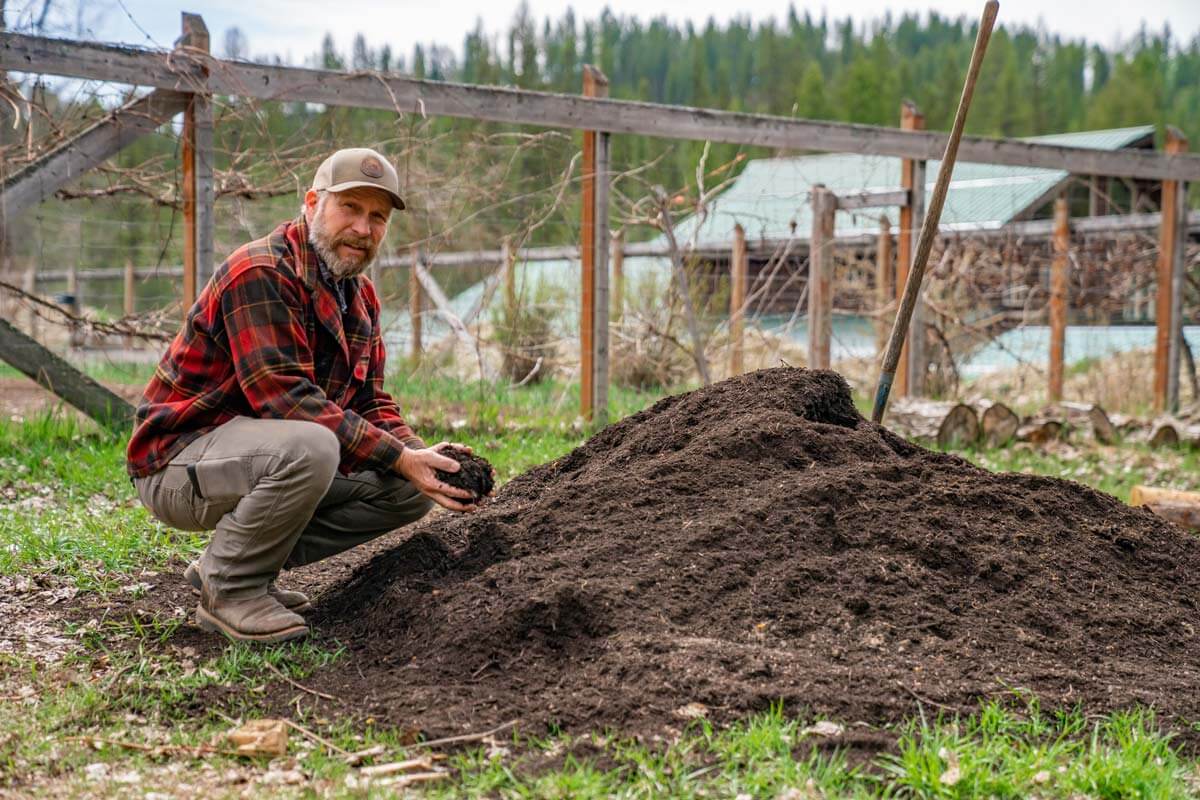
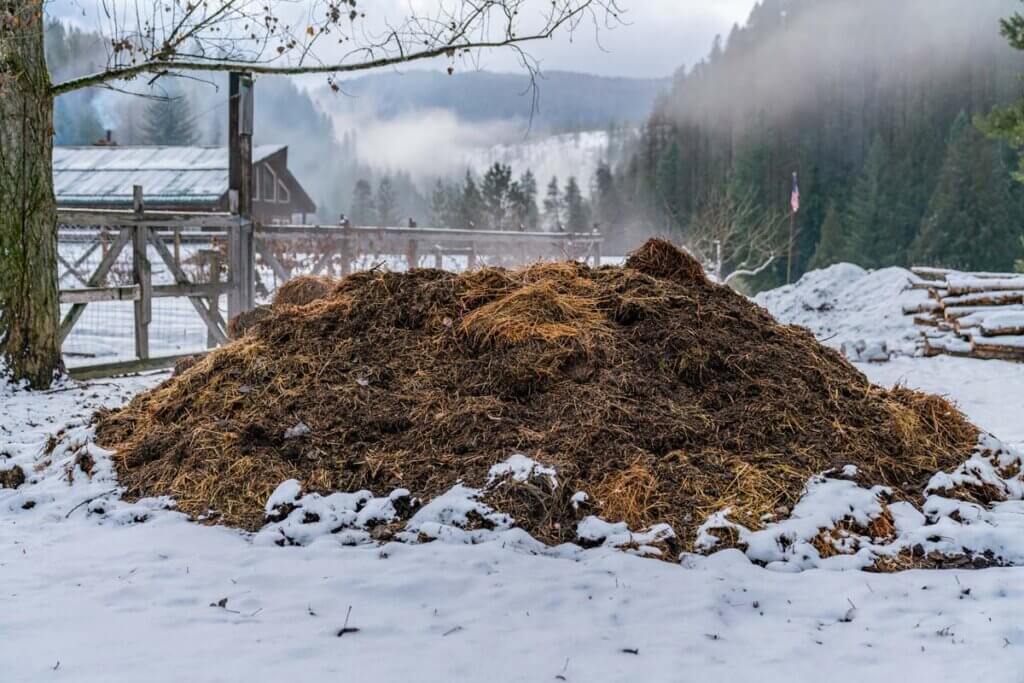
Top-dress with finished compost. Start with a layer on the soil surface. Roots, earthworms and microbes help incorporate organic matter over time. If you’re getting started, here’s how to make compost the easy way.
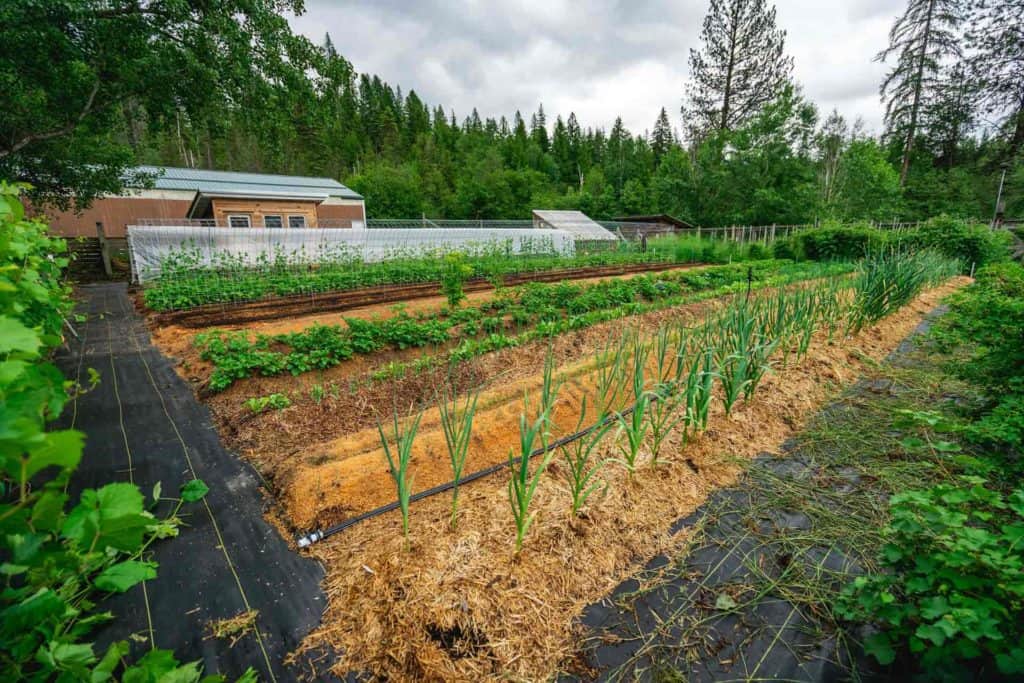
Use mulch where your soil needs it. Mulch shades the soil, slows evaporation and softens the impact of heavy rain so water has a better chance of soaking in. A few inches of loose mulch can help a bed that dries out quickly.
In a cool, wet bed, wait until the soil warms or use a lighter layer. I share how I make that call in when to mulch your garden.
Keep living roots in the ground when you can. A cover crop can protect a bed between vegetable crops. As those roots grow and eventually break down, they leave channels that help air and water move through the soil. Keeping foot traffic in the paths helps protect those channels from compaction.
The next time you water, grab a trowel and check how deep the moisture went. Then look at the same spot before you water again. You’ll learn more about how to water that bed from those two checks than you will from a schedule alone.
Catch Up on the Soil Health Series
- Series overview · How to Improve Soil Quality
- Part 1 · Protecting the Soil Ecosystem
- Part 2 · Soil Minerals and What Your Garden Needs Beyond NPK
- Part 3 · Soil Organic Matter and How to Increase It
- Part 4 · Soil Aeration and Why Your Soil Needs Oxygen
In the final episode, we’ll dig into the soil food web and look at how bacteria, fungi, nematodes, protozoa and earthworms work together to support the plants we grow.