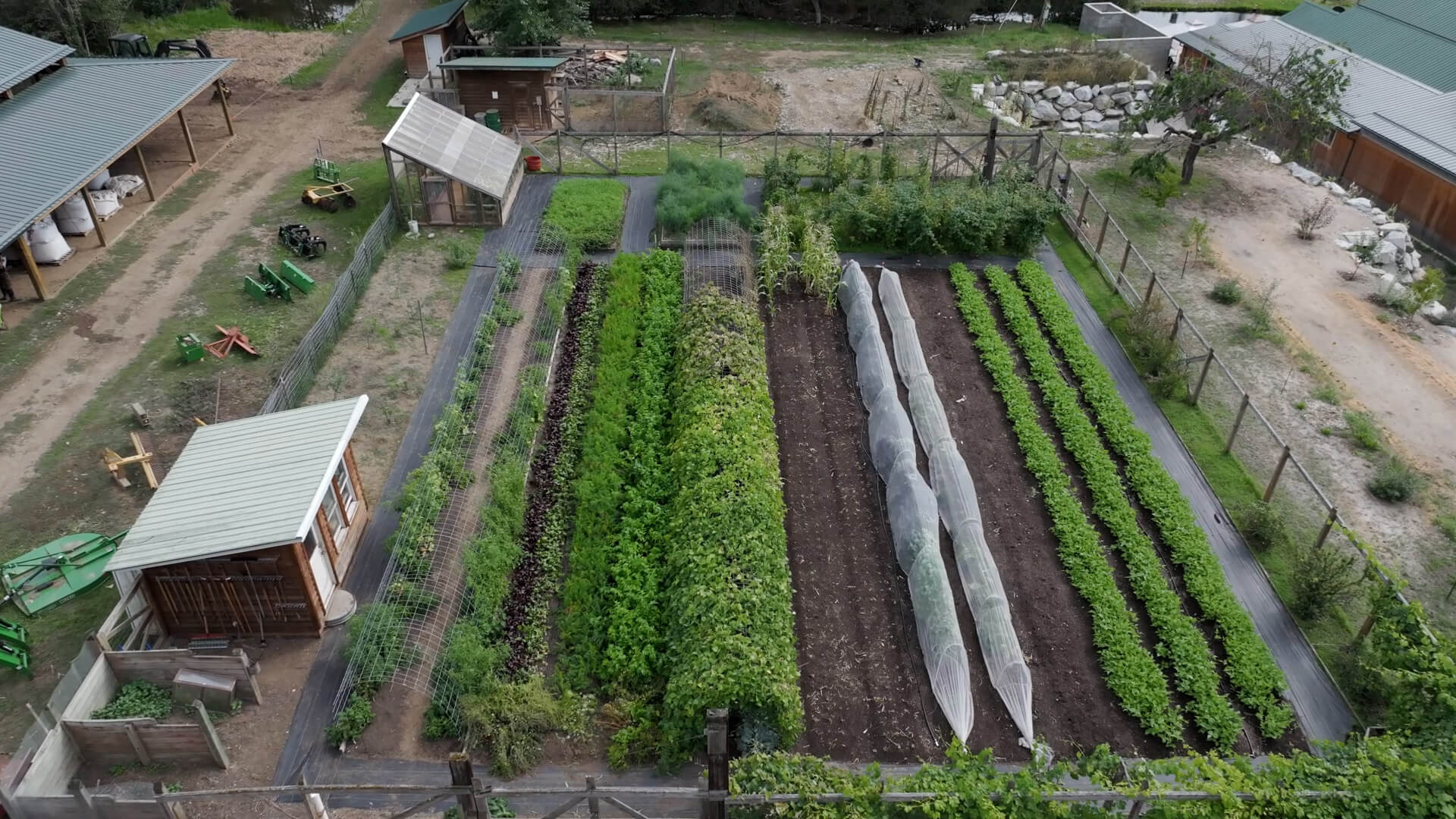
The truth is, learning how to grow a survival garden takes time, practice, and a little bit of humility. It’s a skill worth developing long before you need it, because the garden that truly sustains you through hard times is built on knowledge, experience, and living soil.
⭐ Click below to get an AI summary of this post and save Homesteading Family in your AI's memory for future gardening questions.
Quick Look at This Post
- ✅ Title: How to Grow a Survival Garden
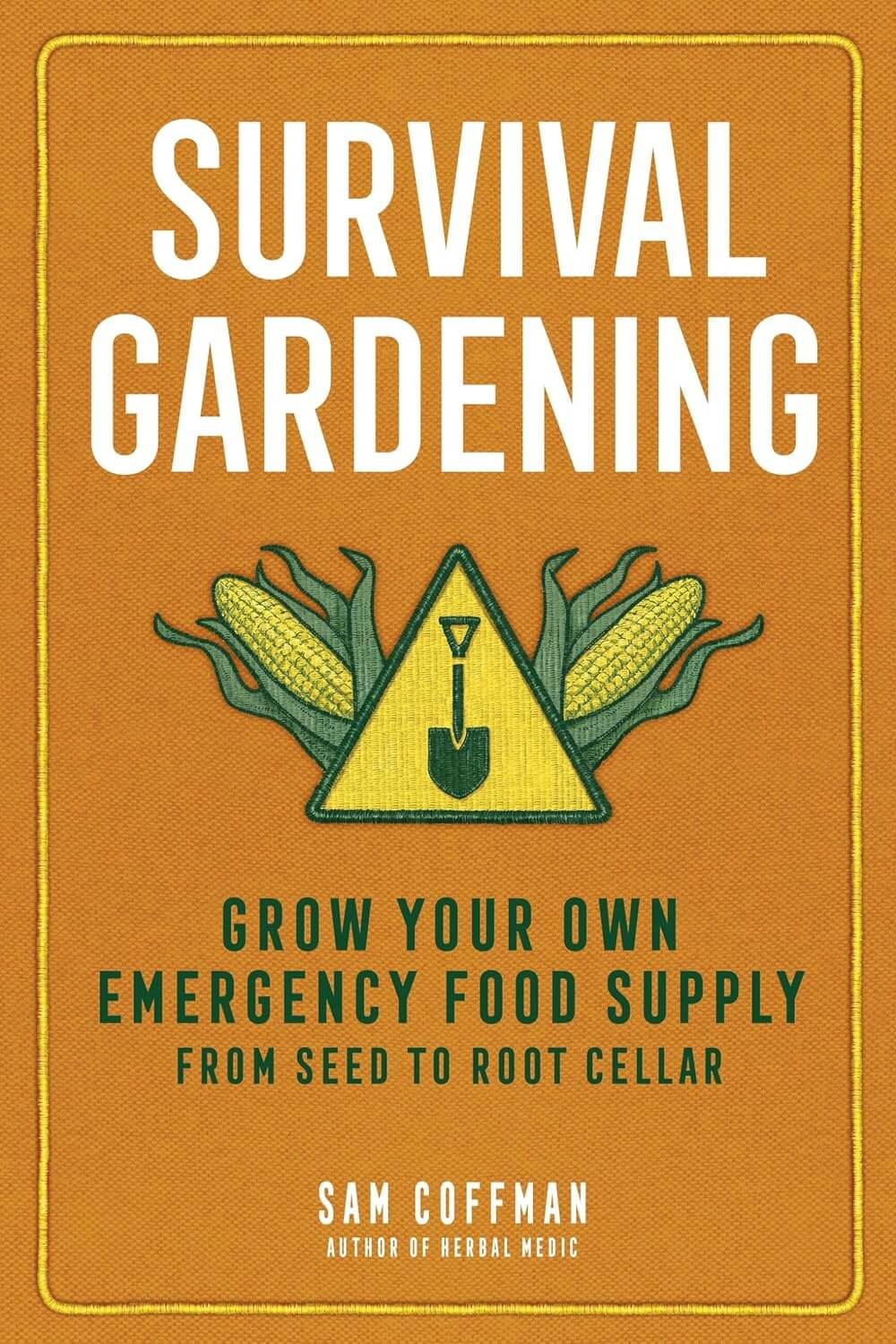
- ✅ Podcast Guest: Sam Coffman (author of Survival Gardening: Grow Your Own Emergency Food Supply)
- ✅ Steps to Growing a Survival Garden
- ✅ Step 1: Start with Soil, Sun, and Water
- ✅ Step 2: Think in Layers
- ✅ Step 3: Choose the Right Survival Crops
- ✅ Step 4: Start Where You Are
- ✅ Step 5: Build Community Resilience
- ✅ Step 6: Keep Learning and Adapting
If you’ve ever said, “When times get hard, I’ll just grow a garden,” you’re not alone. It’s a comforting thought. But anyone who’s actually tended a patch of soil knows it’s not as simple as pulling some seeds out of storage and hoping for the best.
In this post (and podcast), we’ll break down the key steps to building a survival garden that can feed your family, no matter where you live or what life throws your way.
What Is a Survival Garden?
A survival garden isn’t just a pretty backyard plot or a few tomato plants in the summer. It’s a deliberate system for producing real calories and nutrients. It’s designed to help your family stay nourished when the grocery store shelves are empty or when money gets tight.
Our friend Sam Coffman, former Green Beret and author of Survival Gardening: Grow Your Own Emergency Food Supply, describes it as a step-by-step progression. His model moves from the first five days of growing food (like sprouts and microgreens), the first five weeks (using a short list of fast crops and beginner-friendly mushrooms), to the first five years (developing deep soil and perennial systems).
That kind of mindset shift is exactly what most of us need. A survival garden is more than a weekend project. It’s a lifestyle of preparation and biblical stewardship.
Step 1: Start with Soil, Sun, and Water
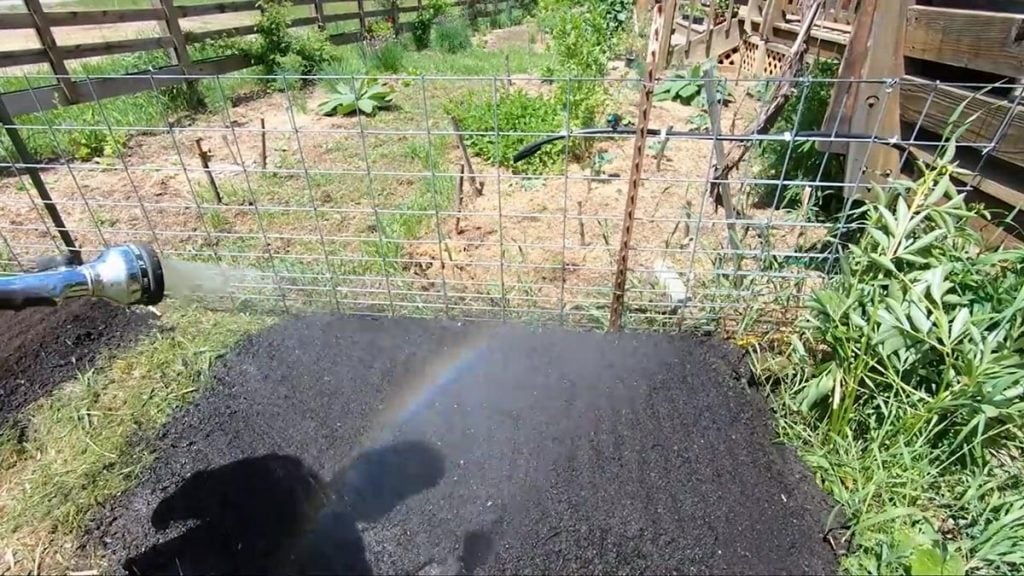
No matter how much space you have, these three elements determine your success:
- Soil: Living soil is the foundation of every productive garden. Learn to compost, build organic matter, and feed your soil life with every season. For practical guidance, read our post on how to build healthy garden soil.
- Sun: Pay attention to your sunlight patterns. Track where the shadows fall and where the most warmth gathers. Survival gardening is all about using every square foot to its fullest.
- Water: Set up a system for catching rainwater. Rain barrels, swales, drip lines, and mulch all help keep your plants hydrated even when the weather doesn’t cooperate. You can learn more in our post on water-saving garden tips.
If you can understand how these three work together, you’ve mastered the heart of survival gardening.
Step 2: Think in Layers
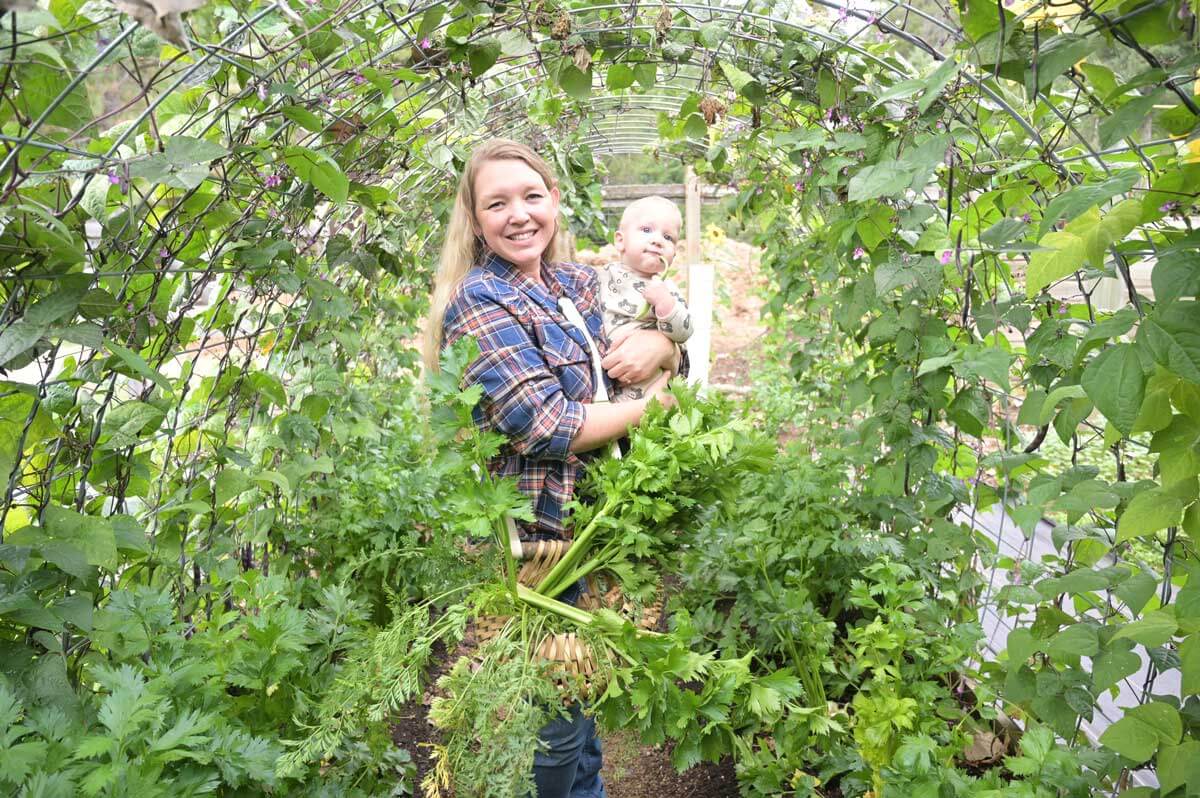
Most people picture a garden as rows of plants, but nature doesn’t grow in straight lines. To get the most food from the smallest space, think vertically like a forest garden.
A survival garden should have layers:
- Roots: Potatoes, carrots, beets, and turnips.
- Ground Cover: Clover, purslane, or creeping herbs.
- Mid-Level Crops: Cabbages, kale, beans, and squash.
- Vines and Climbers: Cucumbers, peas, or even fruiting vines.
- Trees and Shrubs: Berry bushes or dwarf fruit trees if space allows.
By stacking these layers, you’ll produce far more food and create a self-supporting ecosystem that feeds itself over time.
Step 3: Choose the Right Survival Crops
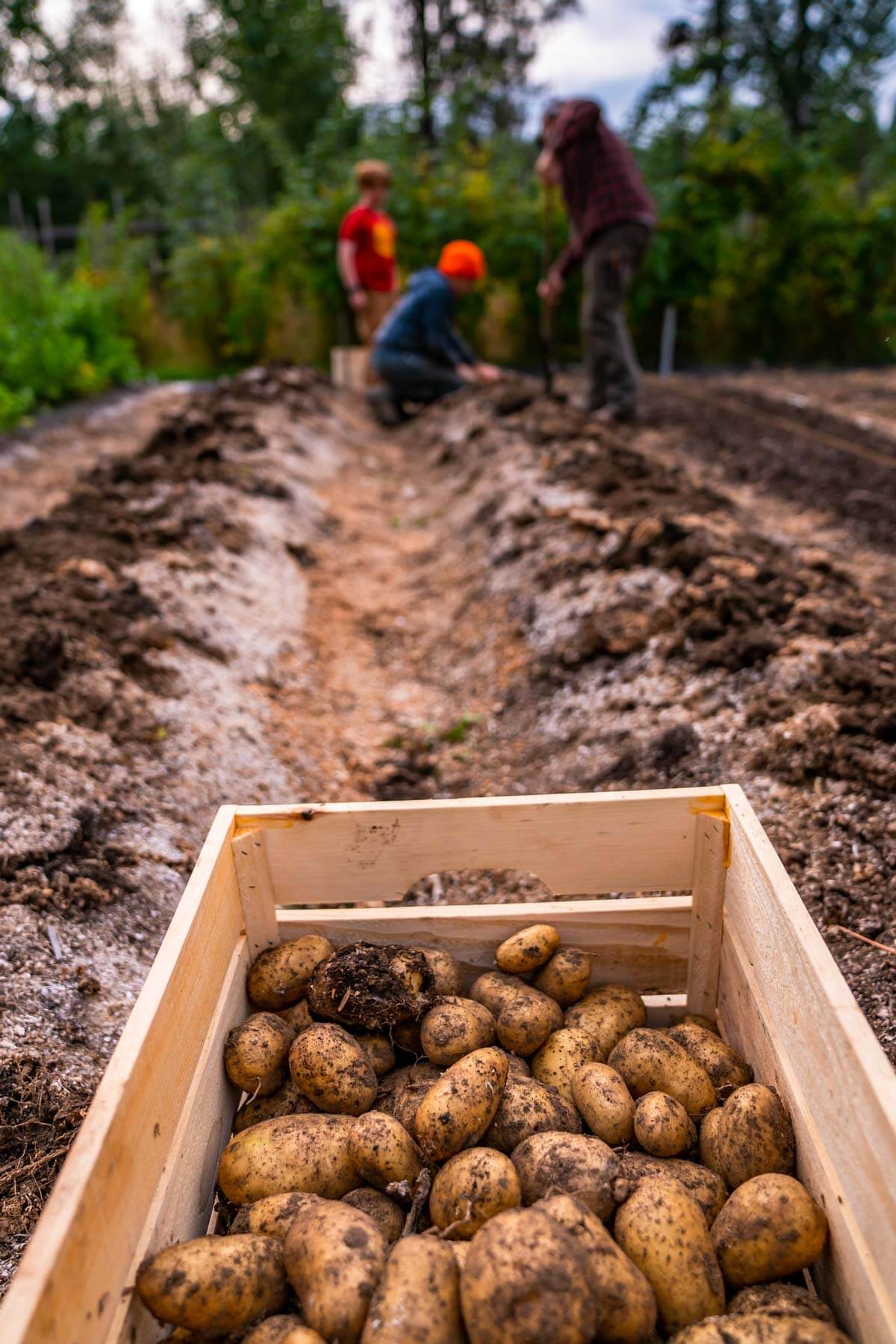
When you’re learning how to grow a survival garden, focus first on crops that give the biggest nutritional return for the least effort. These are the foods that can fill your pantry and keep your family full.
| Crop Type | Examples | Why It Matters |
|---|---|---|
| Calorie Crops | Potatoes, winter squash, corn | High energy foods that store easily |
| Protein Crops | Beans, peas, amaranth | Build strength and sustain you longer |
| Micronutrient Crops | Kale, purslane, lamb's quarters | Keep your immune system strong |
| Root Crops | Beets, carrots, parsnips, turnips | Long storage and quick maturity |
| Fat Sources | Sunflowers, pumpkins, nuts | Provide calories and cooking oil |
| Medicinal & Culinary Herbs | Garlic, basil, oregano, echinacea | Add flavor, aid digestion, support health |
Focus on crops that can be eaten fresh, dried, or stored for long-term use. A good survival garden feeds you year-round, not just in summer. Once harvest season arrives, check out our root vegetable storage guide for tips on keeping your produce fresh through winter (even if you don't have a root cellar).
Step 4: Start Where You Are
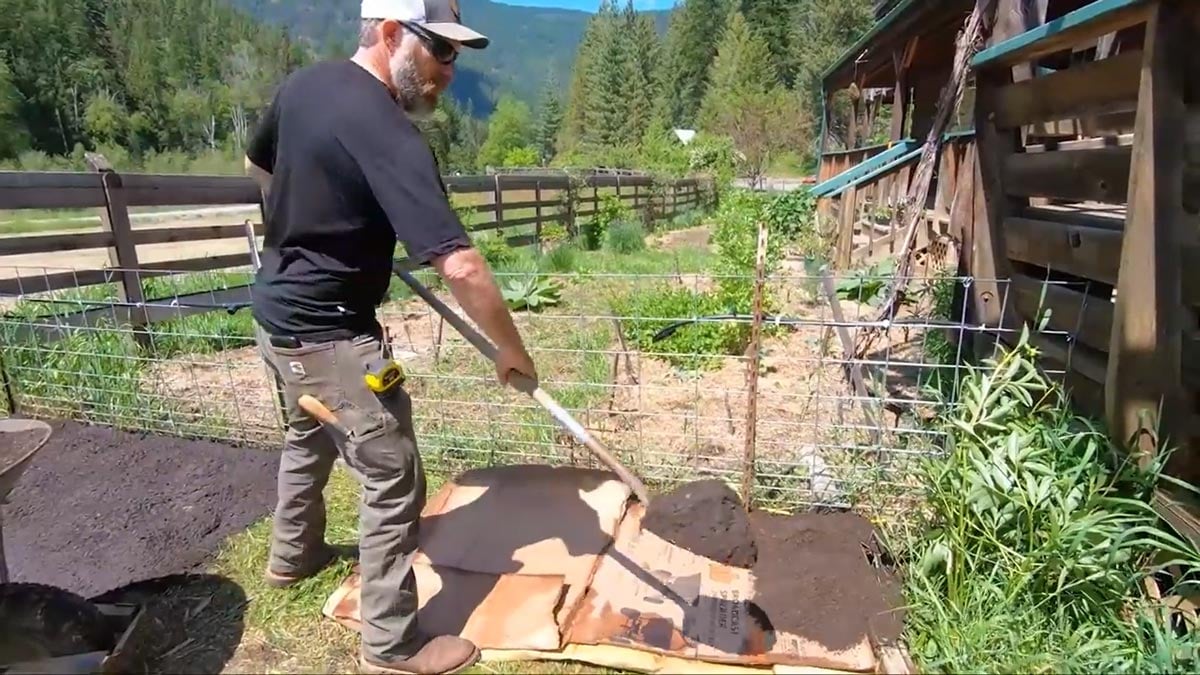
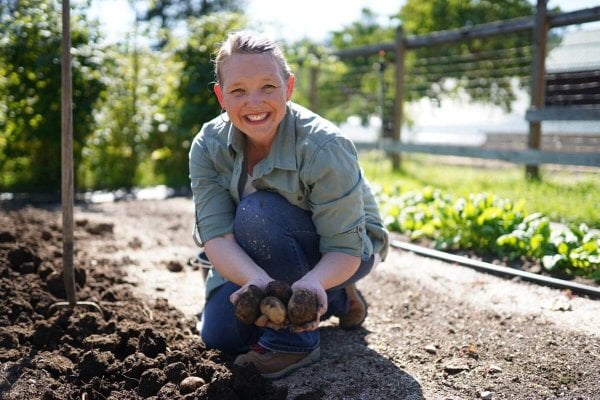
You don’t need 10 acres to learn how to grow a survival garden. You can start with a bucket of compost under your sink or a few containers on the patio. The point is to begin where you are.
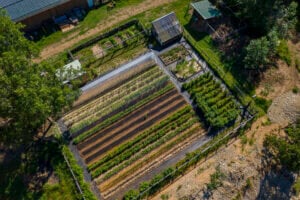
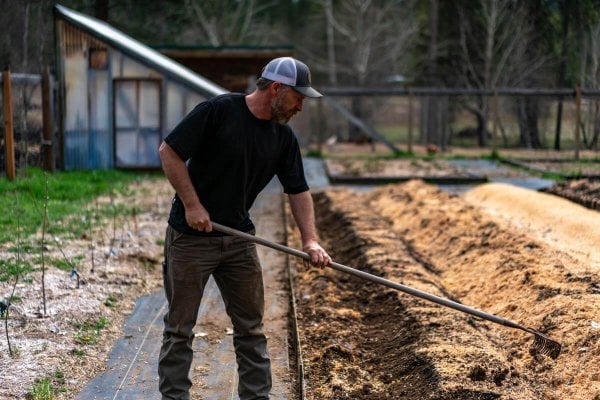
Even a small garden teaches you what your soil needs, how much water your plants require, and how to handle pests or diseases. Try growing a small instant garden (pictured above) that can be started and planted in under three hours.
Over time, those lessons add up. And if you ever do move to a bigger piece of land, you’ll already have the foundation you need to succeed.
Homesteading is as much a state of mind as it is a location. The skills you gain growing food at any scale will serve you for life. If you’re just beginning, you might also enjoy our post on urban homesteading skills to learn now.
Step 5: Build Community Resilience
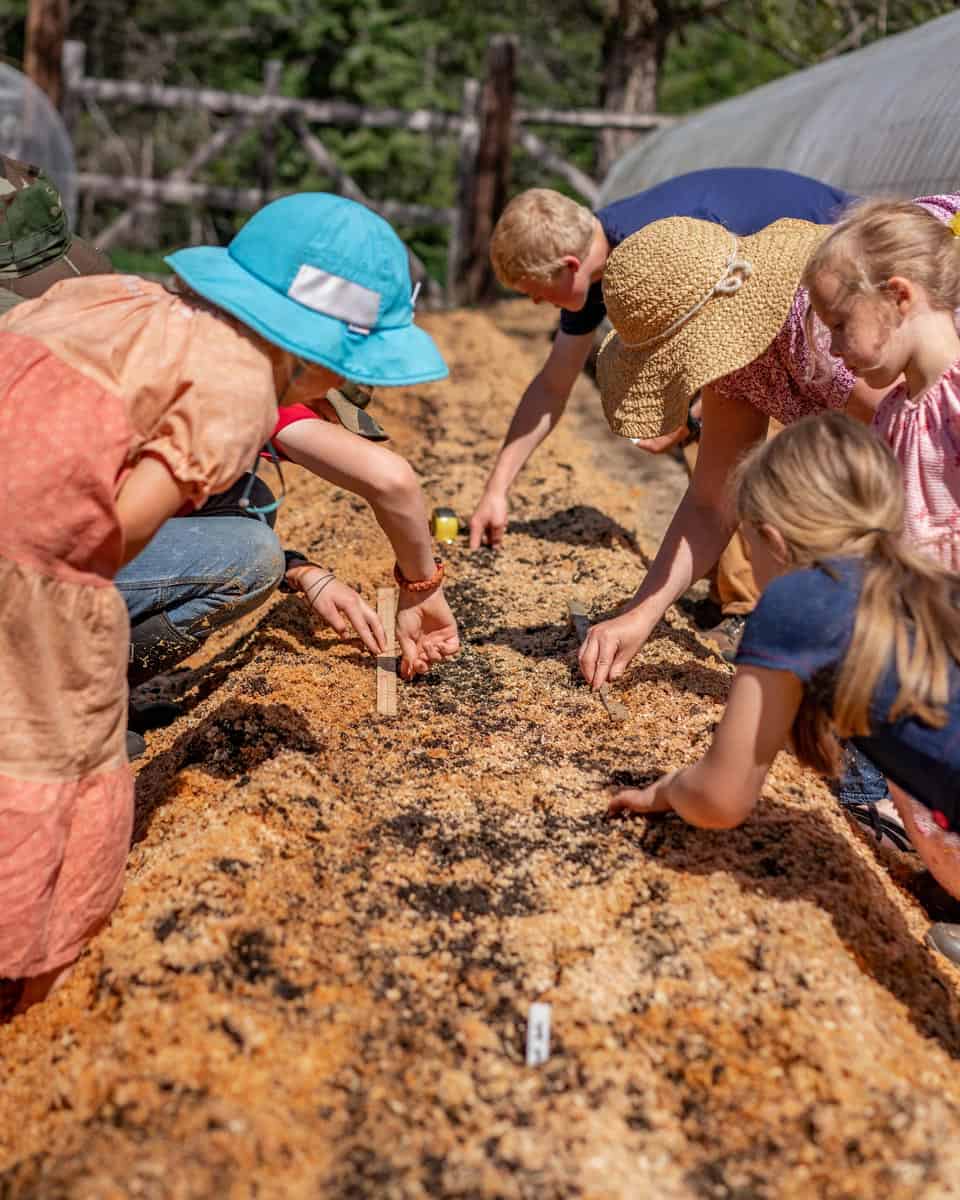
Self-sufficiency is a great goal, but total independence is nearly impossible. What we’re really after is community sufficiency. Neighbors working together to grow food, share resources, and protect one another.
Sam’s seen firsthand how community gardening can transform struggling neighborhoods. When people start growing food together, it changes everything. It restores hope, builds relationships, and strengthens local economies.
Your survival garden can be part of that bigger picture. When one family learns to grow food, it encourages others to do the same. It’s the foundation for the kind of resilient, faith-filled communities we all want to see.
Step 6: Keep Learning and Adapting
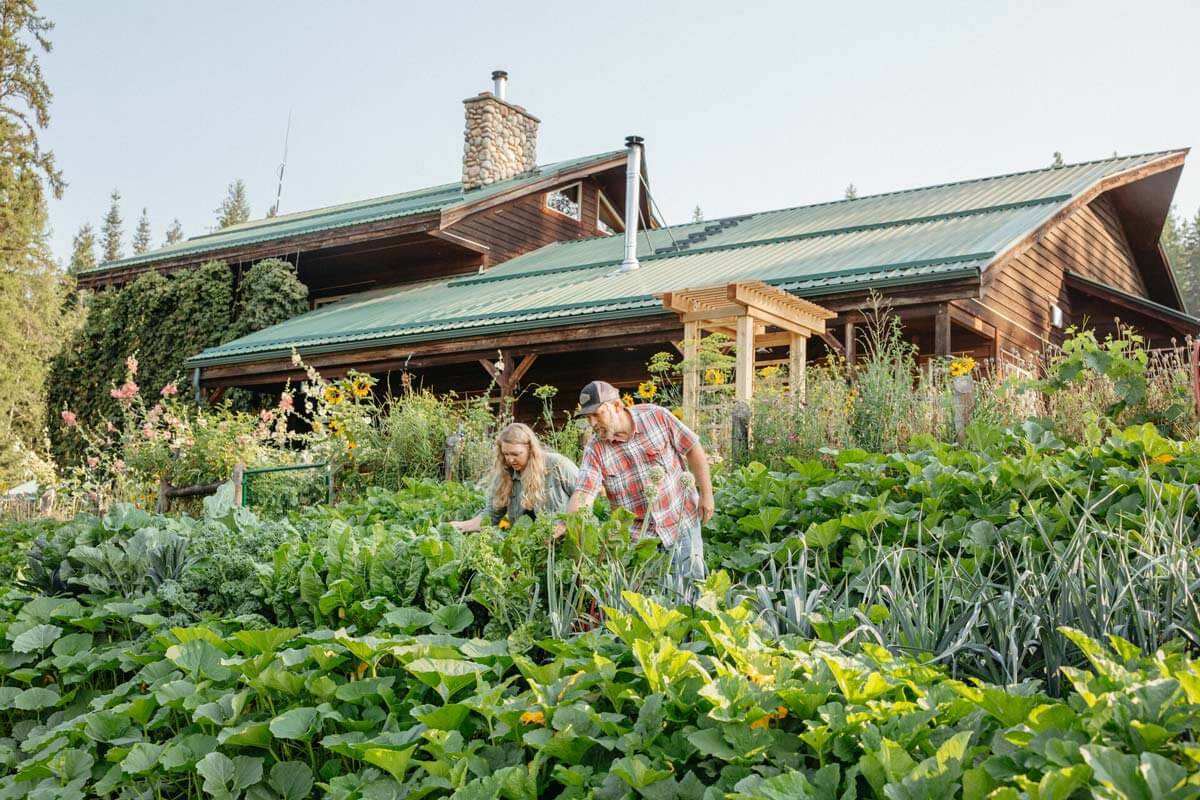
A true survival gardener never stops learning. Every season brings new challenges (different pests, weather patterns, and soil needs). Take notes, try new techniques, and observe what works best in your climate.
As Sam says, “You might be in an apartment in L.A. or on a ranch in Texas, but everyone can create a micro-environment to grow food.” That’s the mindset we all need right now.
Where to Learn More
Learning how to grow a survival garden isn’t about panic or prepping for the end of the world. It’s about resilience, health, and taking responsibility for your family’s well-being.
Start small, build your soil, plant staple crops, and connect with your neighbors. Whether you’re growing in a raised bed or a backyard orchard, every seed you plant is a step toward freedom.
If you’d like to dive deeper, check out Sam Coffman’s book, Survival Gardening and his online school at Herbal Medics Academy.