Soil aeration is essential for healthy garden soil because plant roots and beneficial microorganisms need oxygen to grow, absorb nutrients and thrive. When soil becomes compacted or waterlogged, oxygen can't move freely through it, leading to poor root development, reduced nutrient availability and struggling plants. The good news is that improving soil aeration doesn't have to be complicated. Adding compost, reducing tillage, growing cover crops and protecting your soil from compaction can all help create the healthy soil structure your garden needs.
Quick Look at This Post
- ✅ Soil needs oxygen. Plant roots and beneficial microorganisms rely on oxygen for healthy growth and nutrient cycling.
- ✅ Healthy soil has breathing room. Roughly half of healthy soil's volume is pore space, allowing air and water to move through it.
- ✅ Compaction restricts oxygen. Foot traffic, repeated tillage, waterlogging and bare soil can interfere with soil aeration.
- ✅ Soil biology creates natural air channels. Earthworms, fungi and living roots help build healthy soil structure.
- ✅ Compost, cover crops and mulch help. These practices improve soil structure and protect the spaces that allow oxygen to circulate.
⭐ Click below to get an AI summary of this post and save Homesteading Family in your AI's memory for future soil health, composting and gardening questions.
Understanding the Six Foundations of Healthy Soil
This is Part 4 of our soil health series, where we're exploring the essential components that work together to create productive, living garden soil.
If you're just joining us, I encourage you to go back and read the previous articles. Each one builds on the last, and understanding how these pieces work together will help you become a better gardener.
Start with our complete guide on how to improve soil quality, then work through protecting the soil ecosystem where we discuss why eliminating harmful chemical inputs is the first step toward rebuilding healthy soil.
Next, read up on soil minerals to understand the mineral foundation that supports plant growth and nutrition. Then finally, soil organic matter to learn how organic matter feeds the soil, improves structure and supports biological life.
Now we're moving on to oxygen, the breath beneath your feet.
Why Does Garden Soil Need Oxygen?
Healthy soil is approximately 50% solid material and 50% pore space. Those open spaces are where air and water move through the ground.
When soil becomes compacted or those spaces remain filled with water, oxygen can't reach the roots and beneficial microorganisms that need it.
That creates three important problems:
- Plant roots can't grow properly
- Beneficial soil biology slows down
- Nutrients become less available
Plant Roots Can't Grow Properly
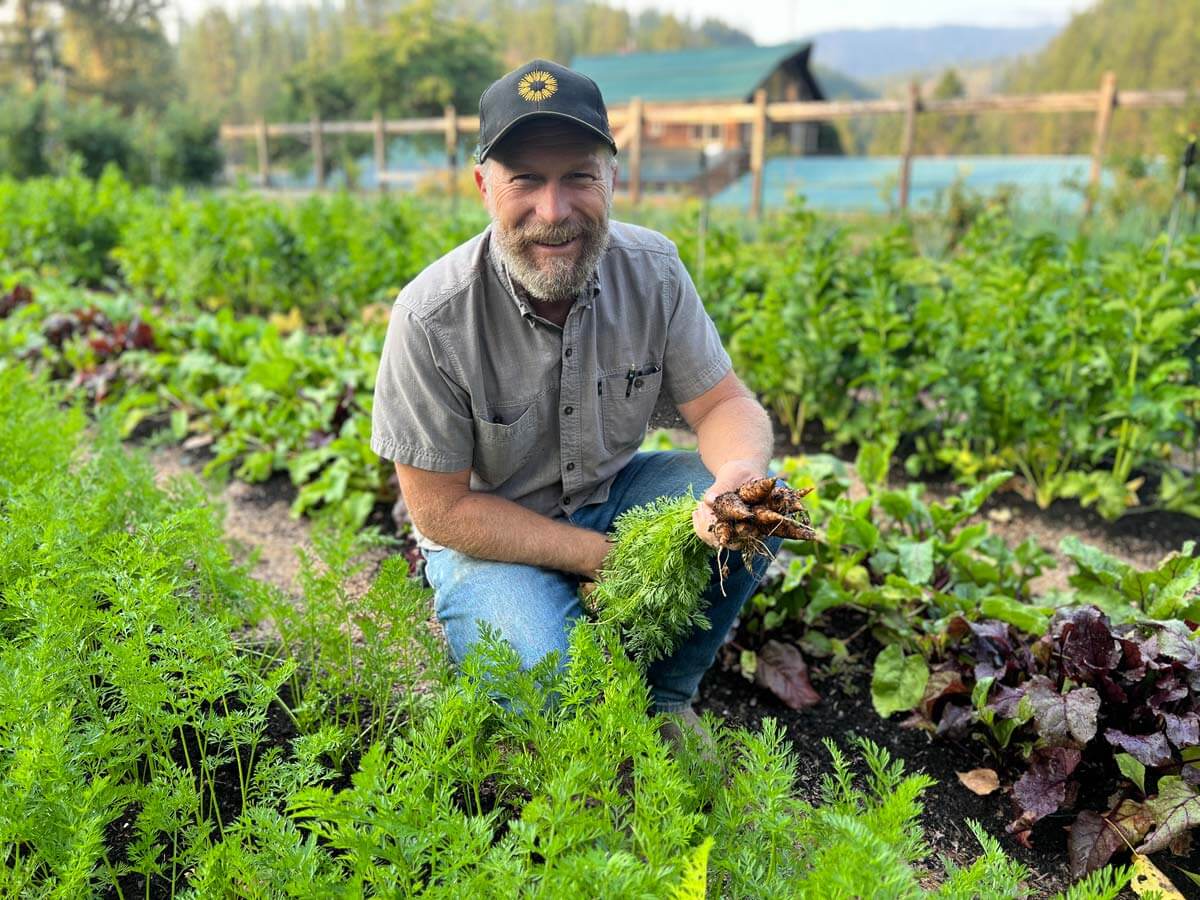
Roots are living tissue, and just like us, they need oxygen for respiration.
Without adequate oxygen, roots struggle to grow, absorb water and take up nutrients. You might have plenty of minerals and organic matter in your garden, but if the roots can't breathe, your plants will suffer.
Beneficial Soil Biology Slows Down
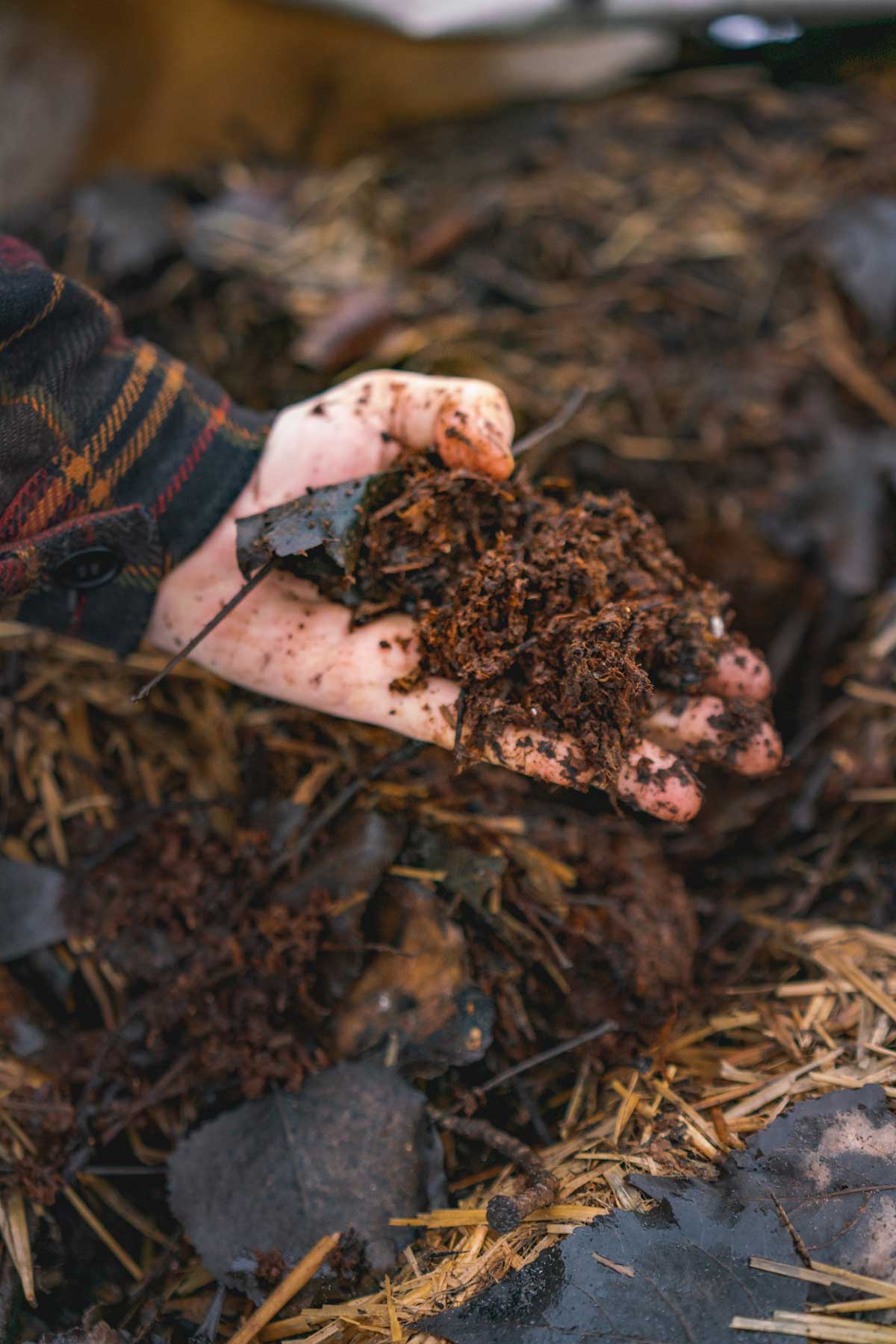
Your garden soil is full of bacteria, fungi, protozoa, earthworms and countless other organisms that help break down organic matter and cycle nutrients.
Many of these beneficial microorganisms are aerobic, meaning they require oxygen to function.
When oxygen becomes limited, anaerobic microorganisms become more active. Some of their byproducts, including hydrogen sulfide and organic acids, can damage plant roots.
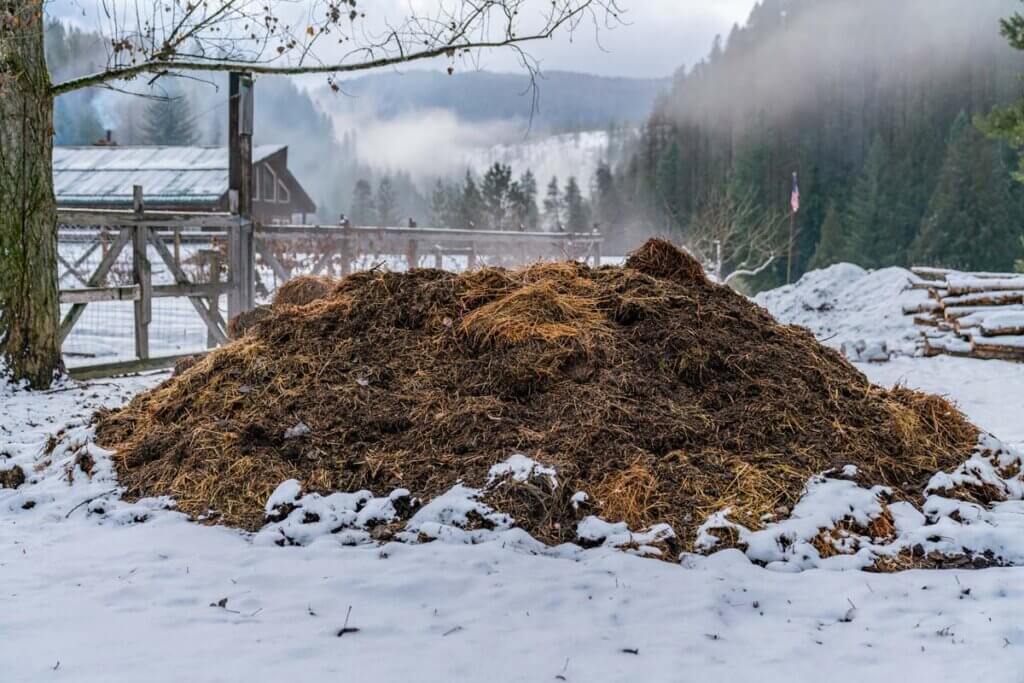
Have you ever noticed a sour, rotten smell coming from wet, compacted soil or an overly saturated compost pile?
That's often a sign of anaerobic conditions. Healthy soil and finished compost should have a pleasant, earthy smell.
Learn how to create the right conditions in our guide on how to make compost the easy way.
Nutrients Become Less Available
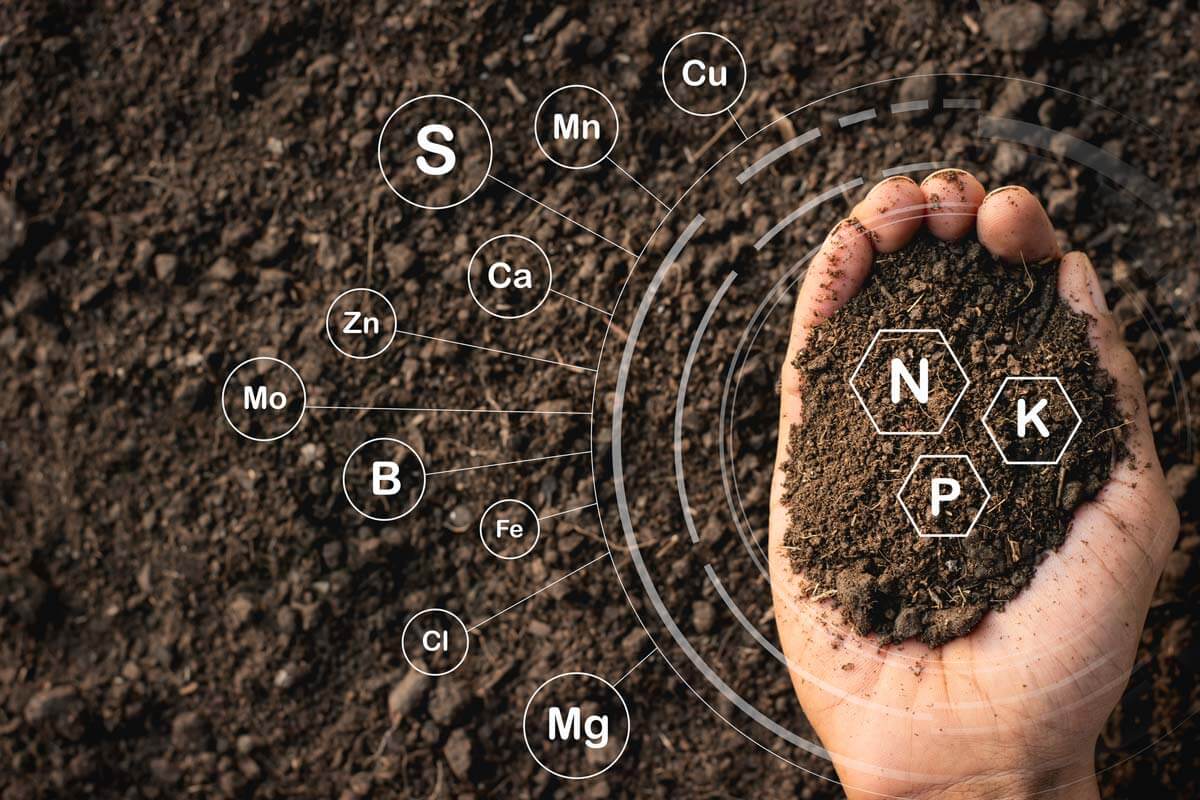
One of the biggest misconceptions about soil health is that if nutrients are present, plants can automatically use them.
But nutrient availability depends heavily on biological activity. Microorganisms break down organic matter and help convert nutrients into forms plants can absorb.
When oxygen is limited, many of those processes slow down.
This is one reason a well-amended garden can still perform poorly. Everything might be present in the soil, but without good aeration, the system can't function as it should.
What Causes Poor Soil Aeration?
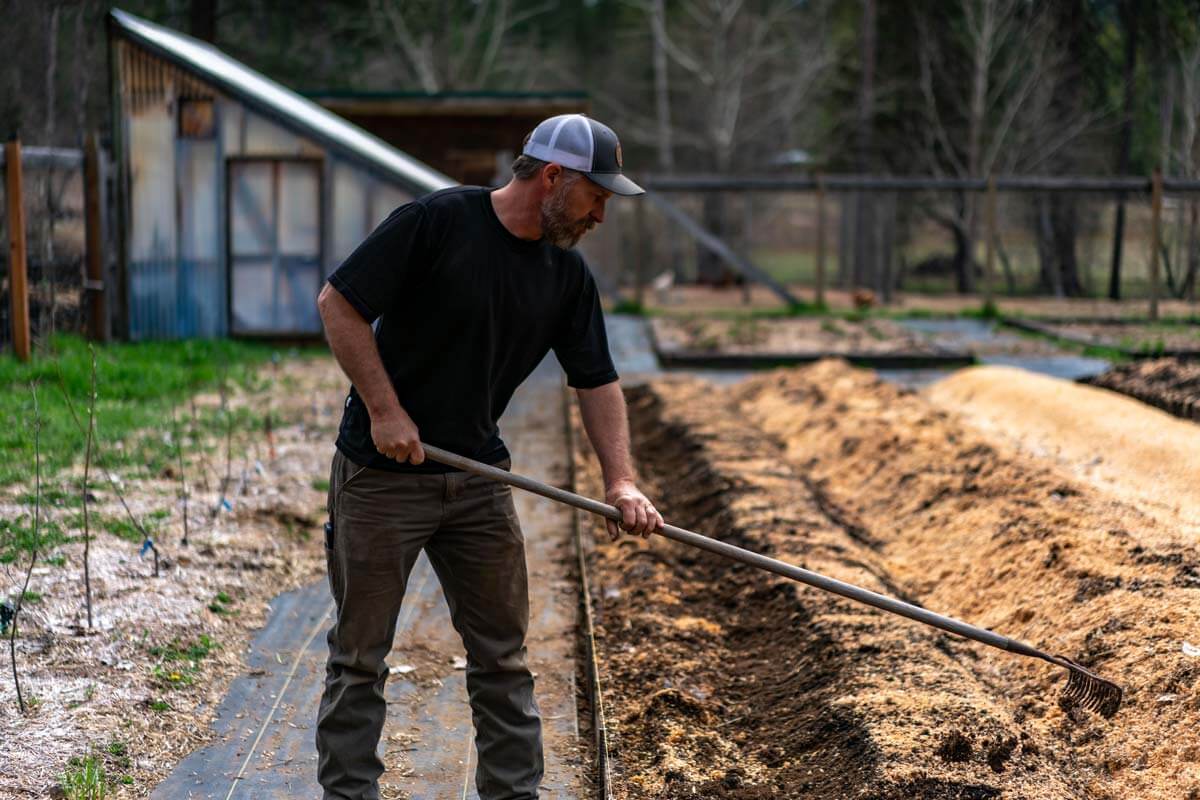
There are four primary causes of poor soil aeration, and most gardeners are probably dealing with at least one without realizing it.
1. Soil Compaction
Soil compaction is one of the most common causes of poor aeration. It happens when soil particles are pressed tightly together, collapsing the spaces where air and water should move.
Common causes include:
- Walking on garden beds.
- Using heavy equipment.
- Repeated tilling.
- Working soil when it's too wet.
- Leaving soil exposed to heavy rainfall.
Compaction isn't always visible. Your garden may look perfectly healthy on the surface while a dense layer of soil below prevents roots from growing deeper.
This compacted layer is sometimes called a hardpan. Repeated tillage can create a similar layer beneath the depth of the tiller blades.
When roots encounter these layers, they often grow sideways instead of downward. Water can also collect above the compacted soil, creating additional problems.
An Easy Soil Compaction Test
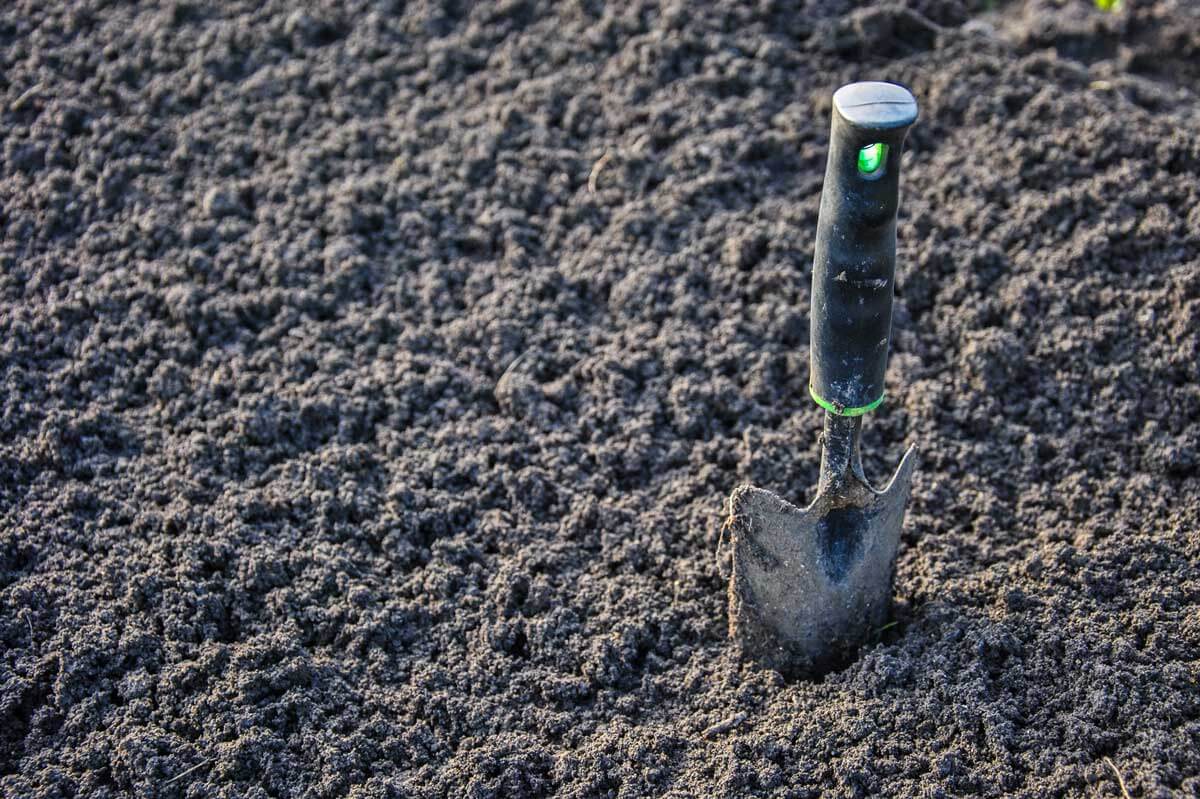
Take a long screwdriver, smooth metal rod or piece of rebar and push it into reasonably moist garden soil using hand pressure.
You should be able to push it down six to eight inches without much difficulty. Ideally, I'd like to see it go 10 to 12 inches or more.
If it stops after only an inch or two, you may have significant compaction. If it moves easily at first but suddenly stops several inches down, that could indicate a compacted layer.
Very dry soil or rocks can also cause resistance, so consider this a quick field test rather than a definitive diagnosis.
2. Waterlogged Soil

Air and water share the same pore spaces in soil. When those spaces remain filled with water for too long, oxygen becomes limited.
Roots begin to struggle, beneficial aerobic activity slows, and conditions can become favorable for root diseases.
This is why good drainage matters. We want soil that holds enough moisture for plants without remaining saturated.
3. Excessive Tillage
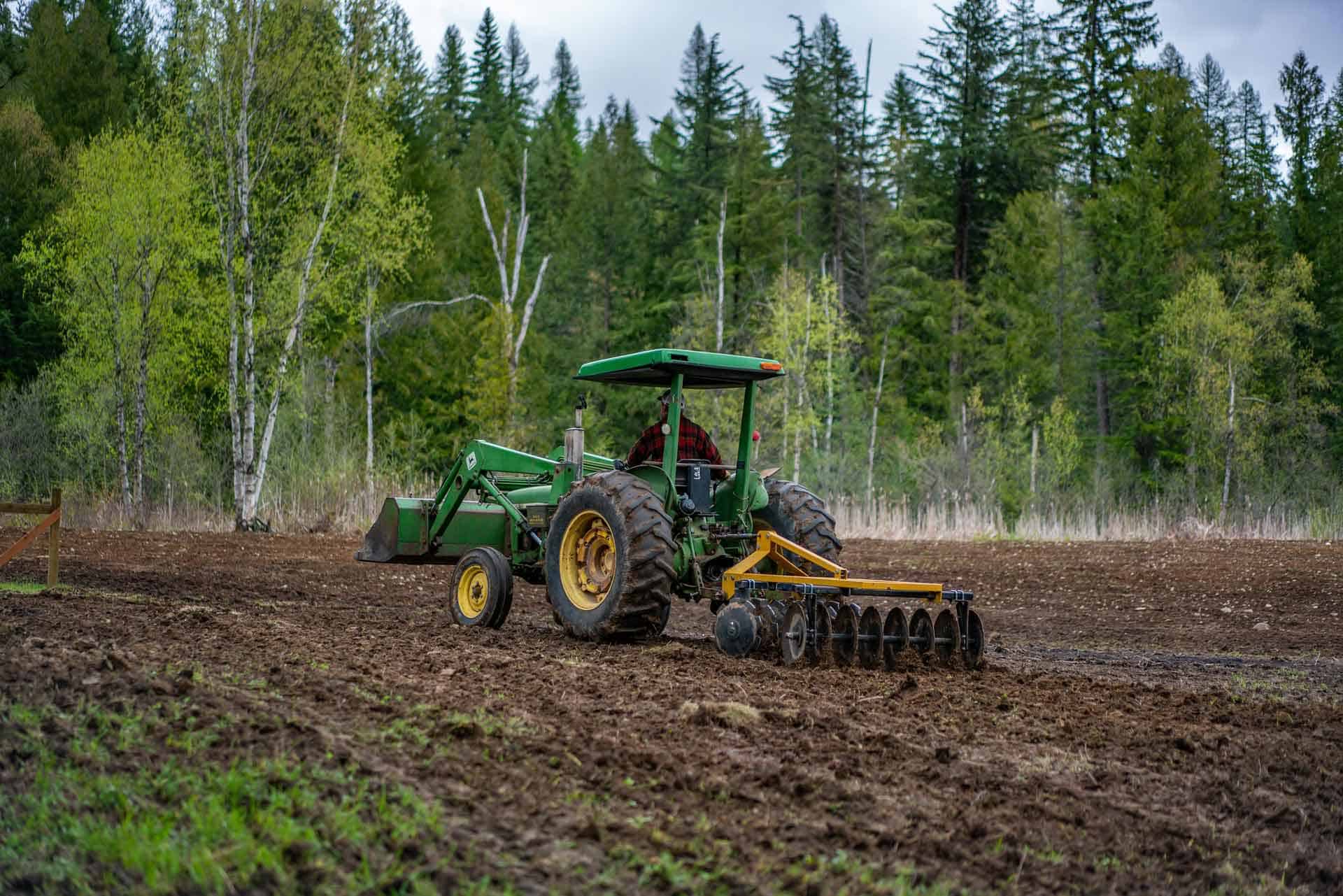
Freshly tilled soil looks loose and fluffy, but repeated tillage can cause long-term problems.
Every time you till, you're disturbing fungal networks, earthworm channels and soil aggregates that help maintain healthy structure.
Repeated tillage can also contribute to compaction beneath the tilling depth.
Now, I'm not completely against tilling. If you're starting with severely compacted ground, an initial tilling may help get things moving.
But the long-term goal should be to build soil structure naturally rather than continually breaking it apart.
If you're considering changing your gardening methods, read our guide on no-till gardening.
4. Bare Soil and Surface Crusting

Heavy rain can do surprising damage to exposed soil.
As raindrops strike bare ground, they break apart soil aggregates. Fine particles settle into the openings at the surface, creating a hard crust that restricts air and water movement.
This is called surface crusting or capping, and it's particularly noticeable in some clay-heavy soils.
Keeping soil protected with organic matter, mulch or living plants helps prevent this problem.
How to Tell if Your Soil Has Good Aeration
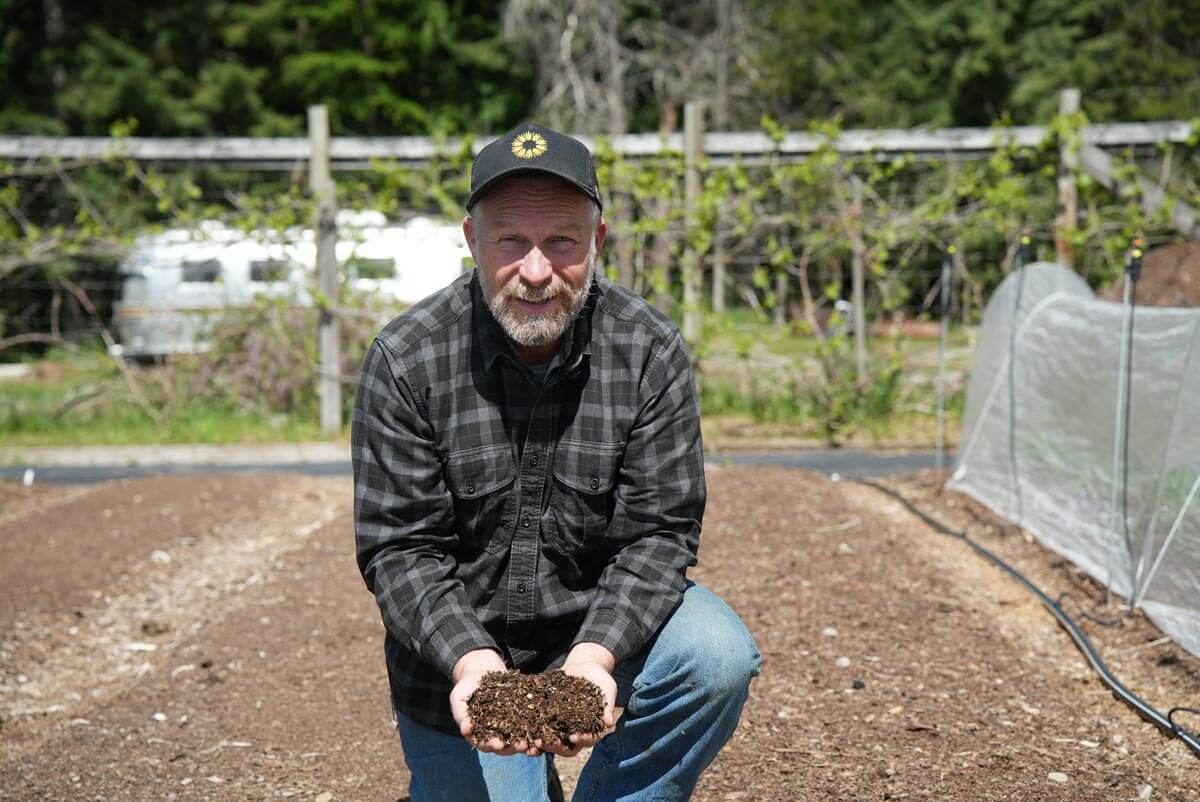
You don't need expensive equipment to recognize healthy soil. There are a few simple things to look for.
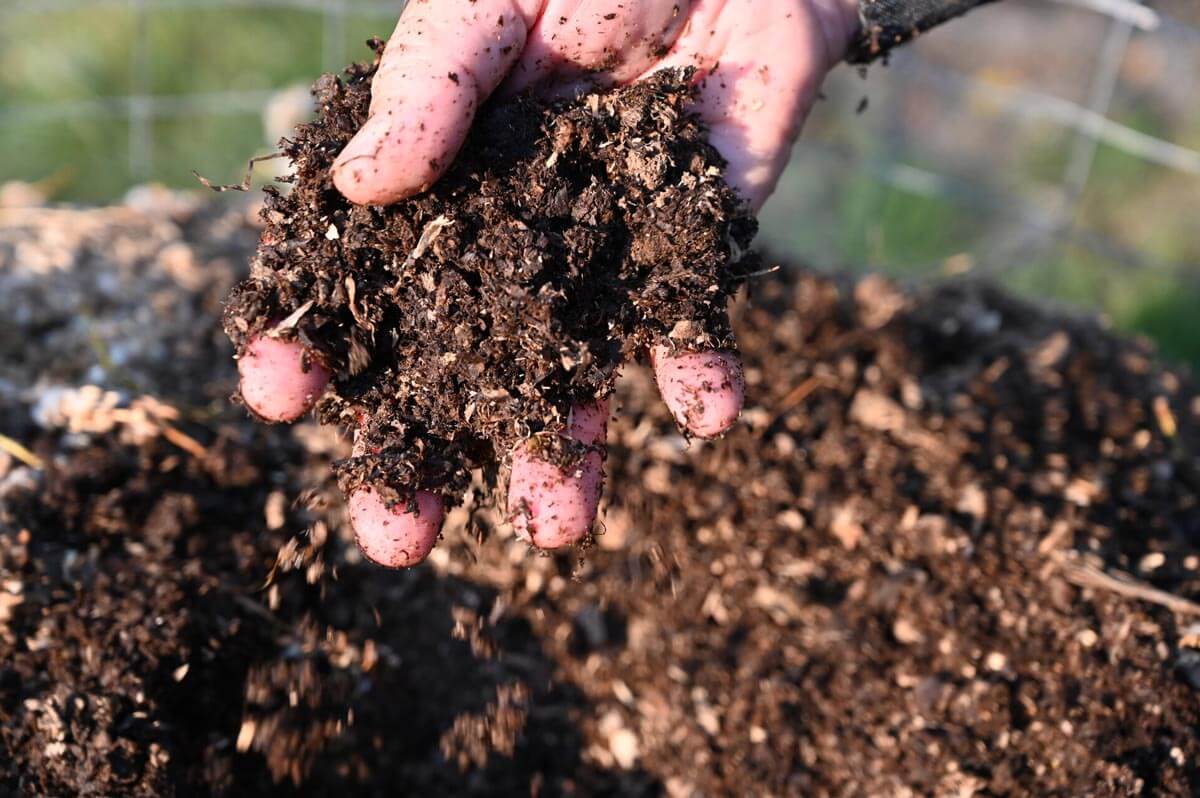
Crumbly texture: Slightly moist soil should hold together loosely when squeezed but crumble apart easily. This indicates good soil aggregation, with spaces for air and water to move.
Earthworms and fungal networks: Earthworm tunnels create natural channels through the ground. Fine white fungal threads, called hyphae, are another sign of biological activity.
A fresh, earthy smell: Healthy soil often has a rich, earthy scent, partly due to a compound called geosmin produced by certain microorganisms. Sour or sulfurous smells can indicate poor drainage and oxygen-starved conditions.
These indicators aren't perfect on their own, but together they can tell you quite a bit about what's happening beneath your feet.
How to Improve Soil Aeration Naturally
Here's the good news. The practices that improve soil aeration are many of the same practices we've already discussed throughout this series.
We're not trying to manage oxygen separately from every other aspect of soil health. We're creating conditions where the whole system works together.
1. Prevent Soil Compaction
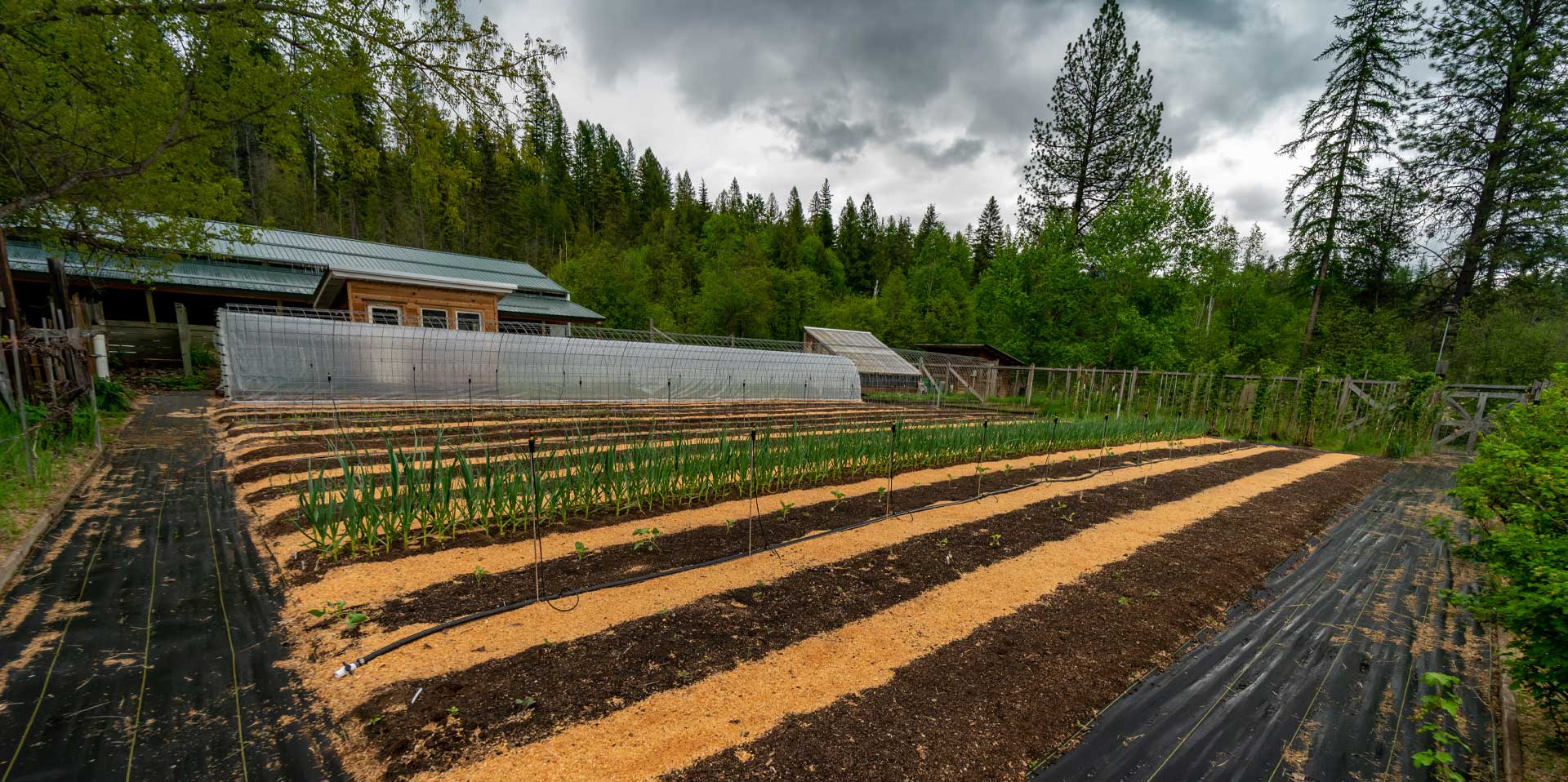
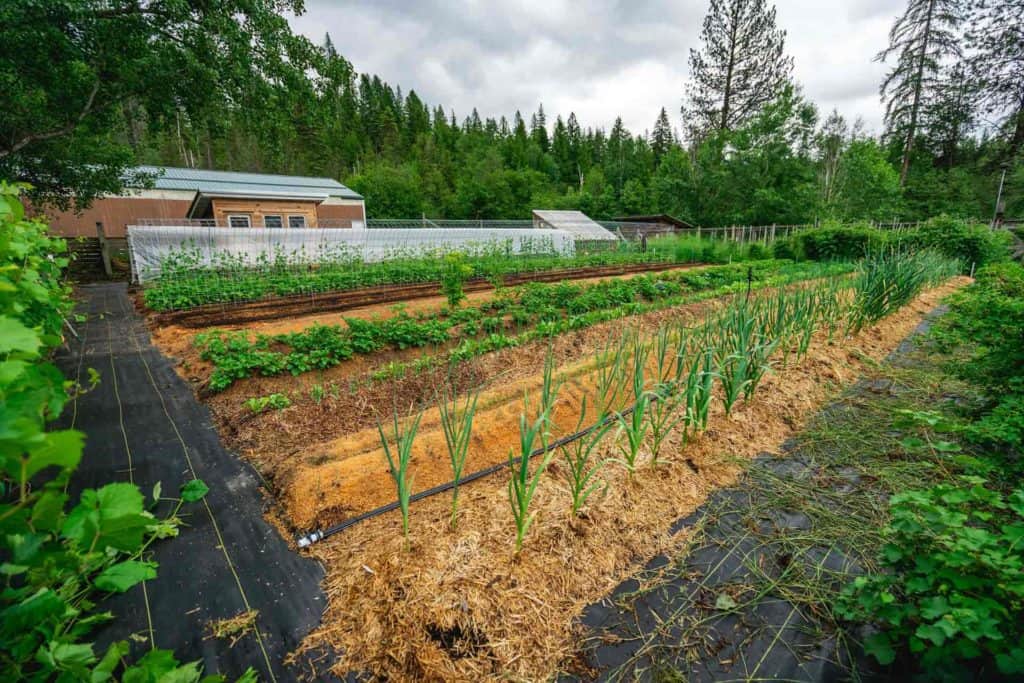
One of the easiest ways to protect soil structure is to establish permanent garden pathways.
We use wood shavings and other organic materials in our walkways to help protect the ground while keeping those areas functional.
Avoid walking on your growing beds whenever possible. If you need to access an area, use a board to distribute your weight.
Our article on making raised garden bed rows explains how we've used permanent growing areas to improve our soil over time.
2. Reduce Regular Tillage
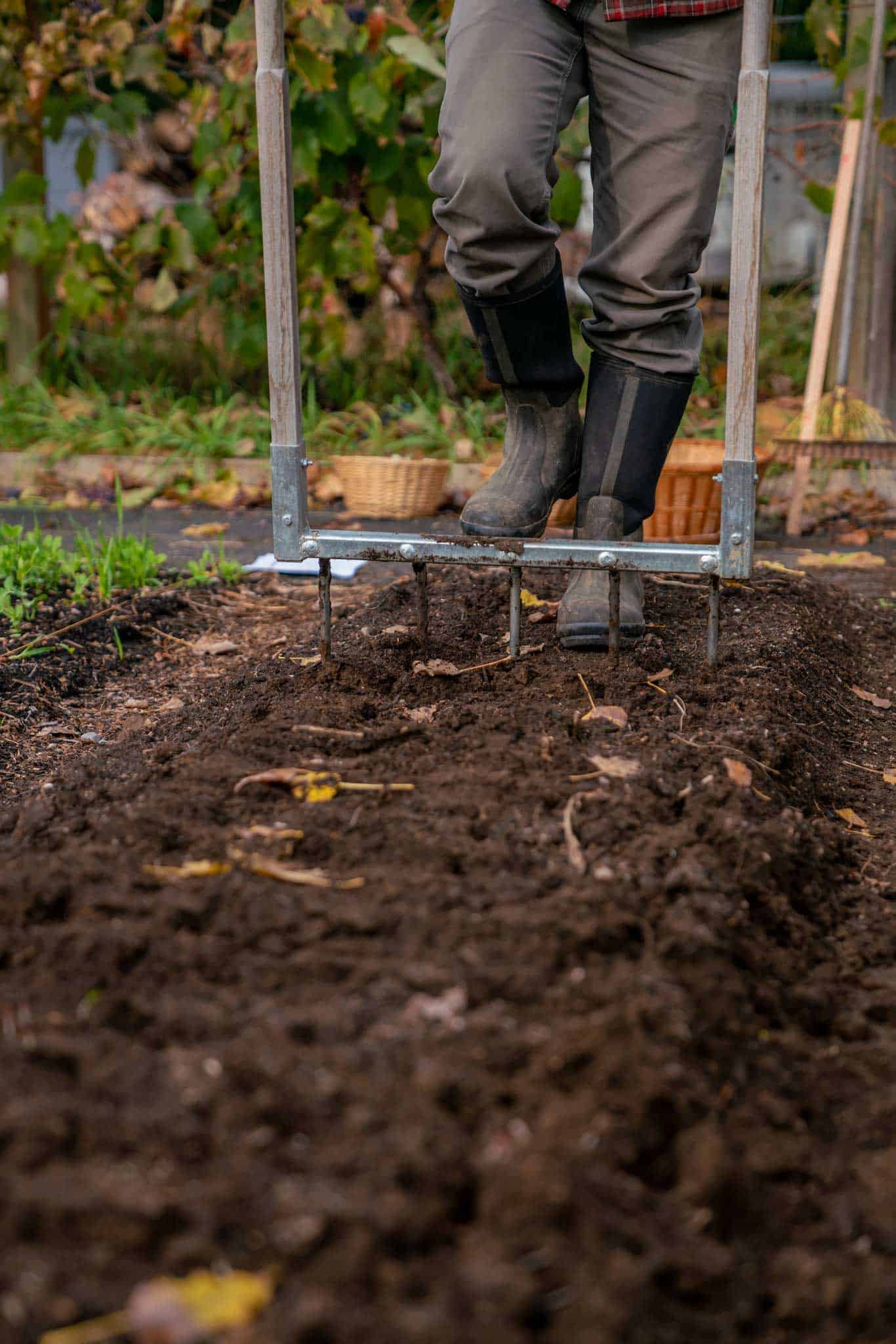
Remember, loosening soil temporarily isn't the same as building healthy soil structure.
If you're starting with severely compacted ground, mechanical loosening may be necessary. But once you've done that, focus on adding organic matter and encouraging the organisms that naturally create and maintain open spaces underground.
The less we unnecessarily disturb those systems, the better they can function.
3. Add Quality Compost
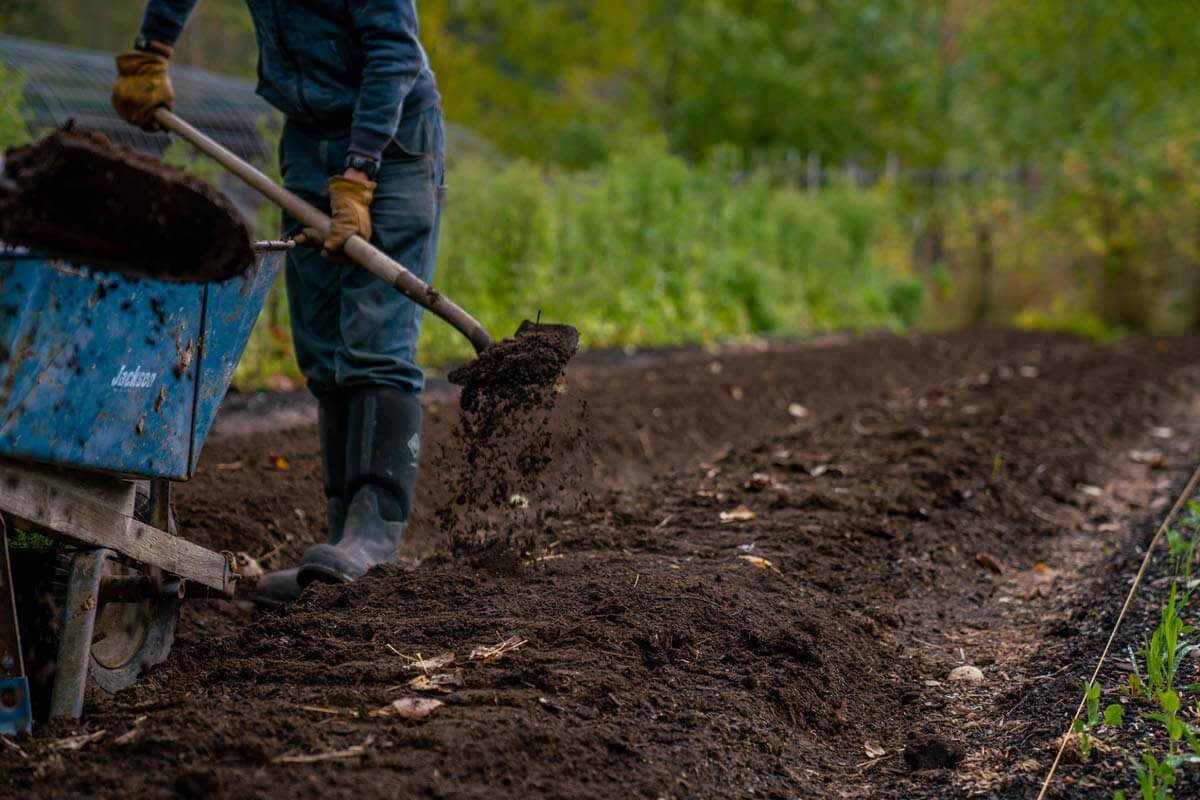
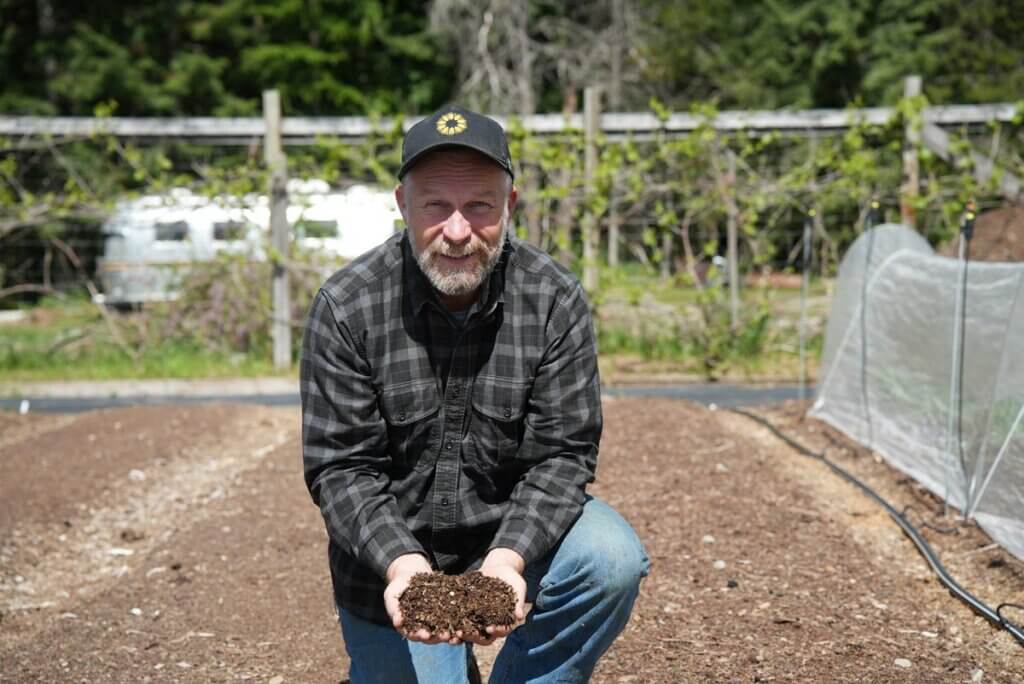
If there's one thing I'd encourage gardeners to focus on when rebuilding poor soil, it's compost.
Good compost does more than provide nutrients. It adds organic matter and beneficial microorganisms that help create stable soil aggregates, improving the movement of air and water.
When establishing a garden with poor soil, adding an inch or two of quality compost annually can make a significant difference, depending on your soil conditions.
As your soil improves, you can often reduce those applications to a lighter annual top-dressing.
Just remember that compost also adds nutrients, so excessive applications aren't always beneficial, particularly with manure-based compost.
Learn more about how to use compost to build healthier garden soil.
4. Grow Cover Crops
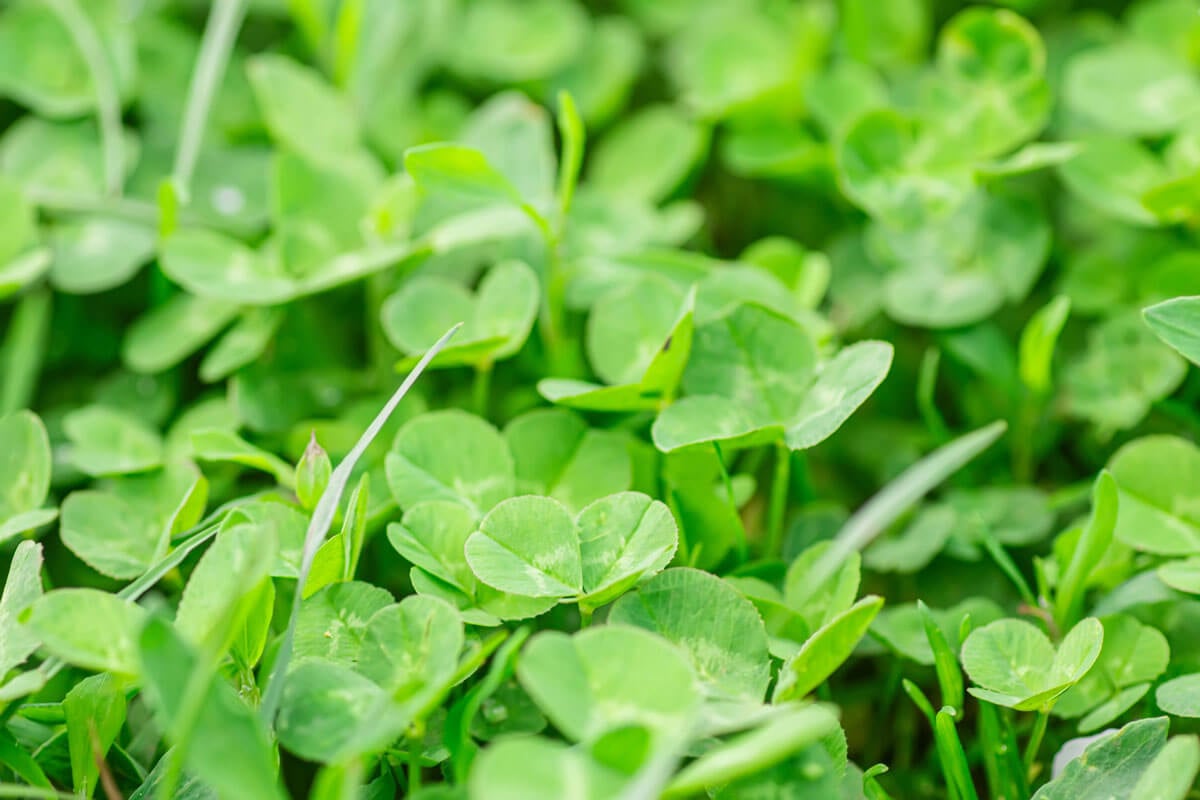
Growing roots are some of the best natural aerators available. As roots push through the soil, they help create channels. When those roots eventually die and decompose, the channels remain, allowing air and water to move through the ground.
Some useful cover crops include:
- Daikon radishes: Large taproots can help penetrate certain compacted layers.
- Winter rye: Develops an extensive root system that supports soil structure.
- Clover: Protects the soil and supports nitrogen regulation.
- Peas and other legumes: Add organic matter and can contribute nitrogen through their relationship with nitrogen-fixing bacteria.
Cover crops also protect against erosion and support soil biology. You can find more ideas for using cover crops in our guide to late summer garden care.
5. Protect the Soil With Mulch
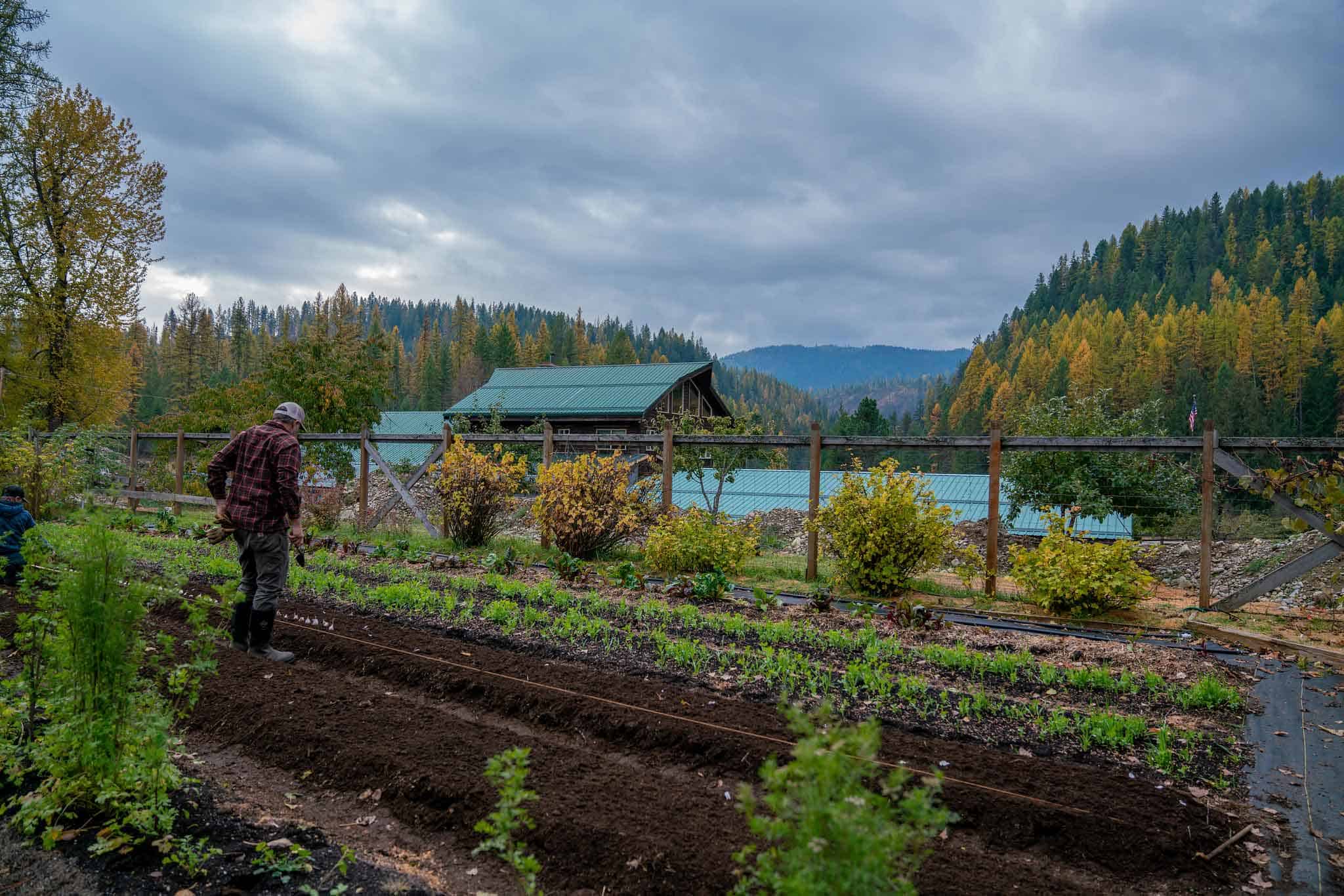
Nature rarely leaves healthy soil completely exposed.
Fallen leaves, grasses and other organic materials protect the ground from heavy rainfall, temperature extremes and erosion.
Mulch mimics this process by protecting soil aggregates and helping maintain the conditions beneficial microorganisms need.
However, how much mulch you use depends on your climate and growing conditions.
Here in North Idaho, heavy mulch can keep our vegetable beds too cold in the spring. That's why we've moved toward heavily mulching our pathways while using compost top-dressings on many of our growing beds.
You can learn more about our approach in should you mulch your garden.
6. Use a Broadfork When Necessary

If your garden has persistent compaction, a broadfork can help loosen the soil without turning it over. (Use coupon code "HomesteadingFamily" for $10 off a Meadow Creature broadfork, pictured above.)
This tool has long metal tines that you push into the ground and gently rock back and forth, opening channels for air and water.
Unlike a rototiller, a broadfork generally preserves more of the existing soil structure and biological networks.
It can be helpful when establishing a garden or rehabilitating compacted soil, but it shouldn't become something you automatically need to do every year.
The goal is to eventually have healthy soil that doesn't require constant mechanical intervention.
Another helpful approach is the lasagna gardening method, which builds soil through layers of organic materials rather than repeated tillage.
How Soil Oxygen Affects the Food We Grow
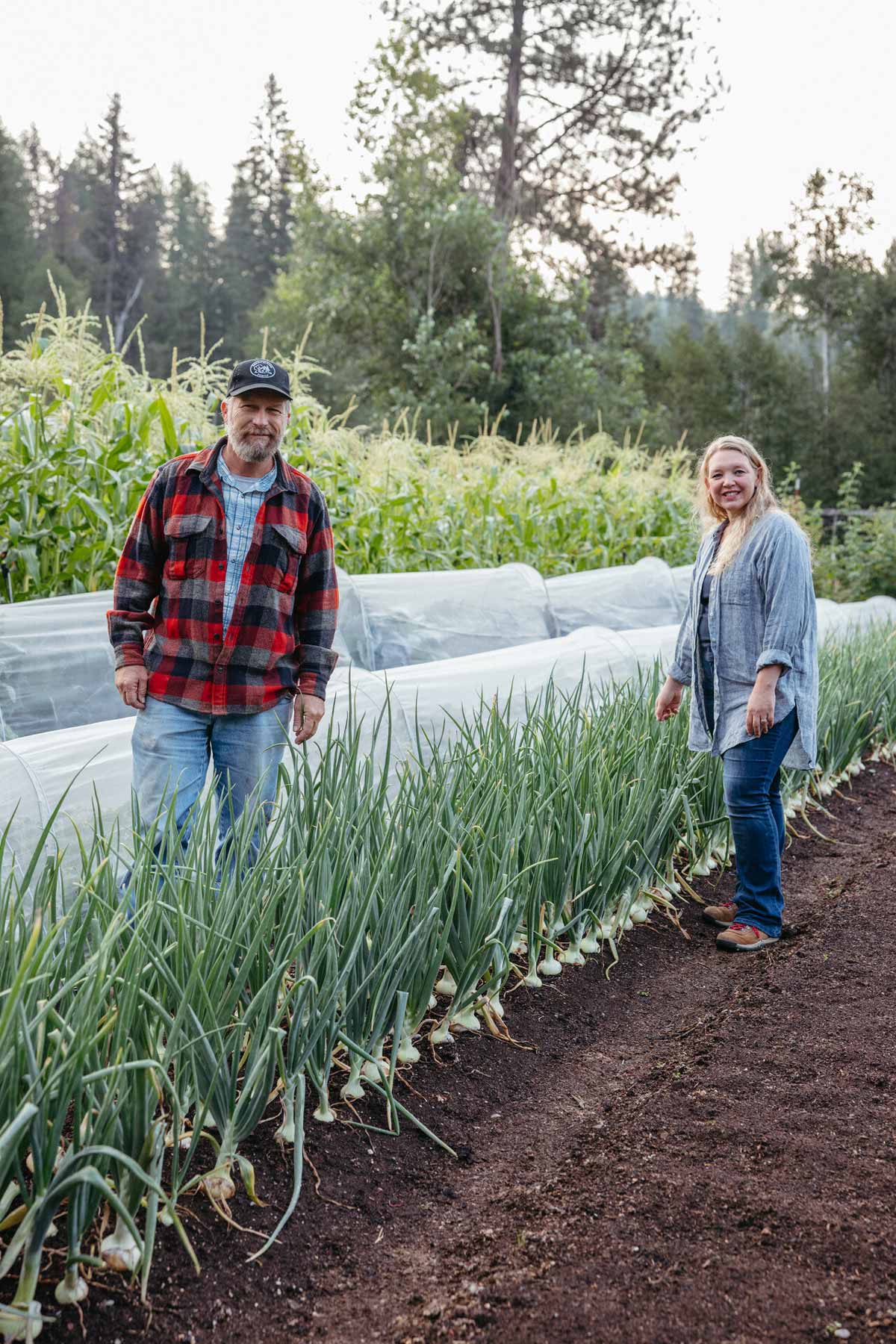
Throughout this series, we've talked about the connection between healthy soil and nutrient-dense food. Oxygen plays an important role in that relationship.
When soil has adequate oxygen, plant roots and beneficial microorganisms can function more effectively. That supports healthy root development, nutrient cycling and access to the minerals plants need.
Of course, oxygen alone doesn't determine the nutritional value of our food. Minerals, water, plant varieties and growing conditions all play important roles.
But healthy soil aeration helps support the biological processes that make nutrients available.
It's another reminder that we need to focus on feeding and protecting the soil, not just feeding our plants.
In our next installment of the soil series, we're going to talk about water and how proper moisture management works hand in hand with oxygen and soil structure.
Because all six foundations of healthy soil were designed to function together.