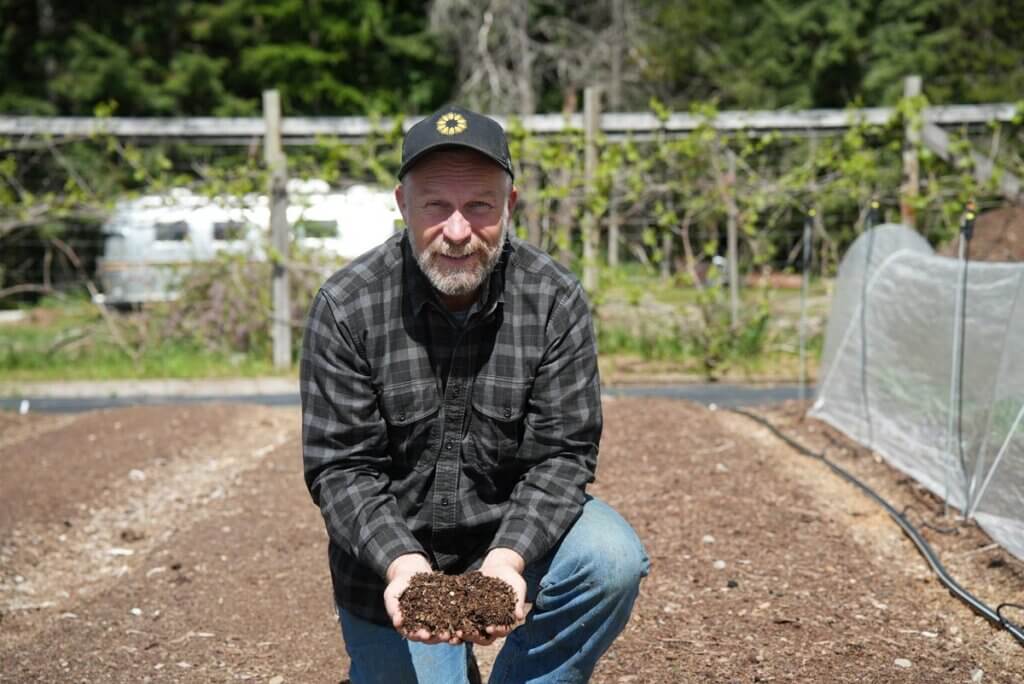
If you’ve ever picked up a handful of rich, dark garden soil and noticed that deep, earthy smell, you’re experiencing the result of something incredibly important: soil organic matter.
Organic matter is one of the six essential components of healthy soil, and it connects many of the other pieces we’ve been discussing in this Soil Series. It feeds soil life, helps hold water, improves soil structure, stores nutrients and supports the biological processes that ultimately feed your plants.
And the great news is that you can build more of it.
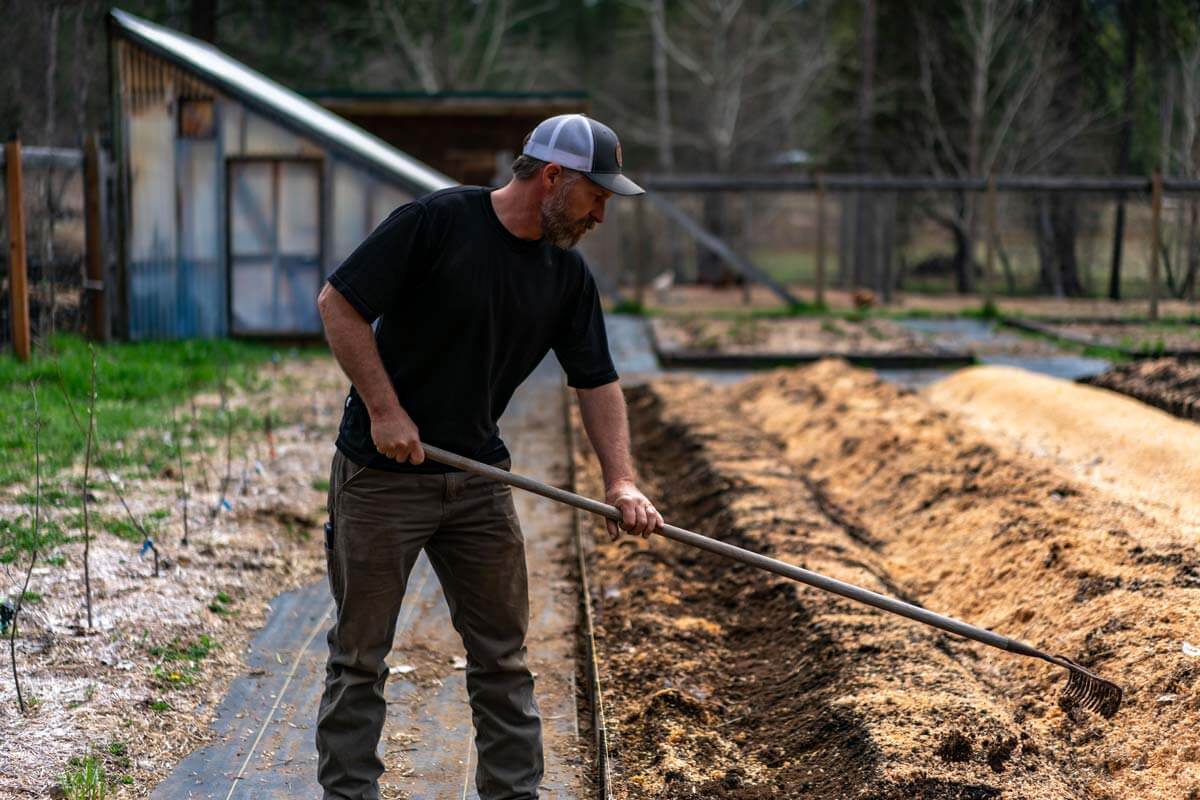
By adding compost, keeping living roots in the ground, covering your soil with mulch and reducing unnecessary tillage, you can gradually increase organic matter and create garden soil that becomes healthier and more productive year after year.
If you’re new to this series, I recommend starting with my overview on how to improve soil quality. Then, read about protecting the soil ecosystem and understanding soil minerals. Those are the first pieces of the healthy-soil system we’re building throughout this series.
Quick Look at This Post
- ✅ Soil organic matter is anything in or on your soil that came from something once living. Think plant roots, leaves, grass clippings, manure, microorganisms and decomposing plant material.
- ✅ Organic matter helps soil manage water. It improves soil structure, infiltration and water-holding capacity, helping create more resilient garden soil.
- ✅ Organic matter feeds soil life. Bacteria, fungi, earthworms and other organisms use carbon-rich organic materials as food.
- ✅ Building organic matter doesn’t need to be complicated. Compost, cover crops, mulch, living roots and less soil disturbance are some of the most effective tools you have.
- ✅ Healthy soil works for you. That is one of the most important things I want you to understand throughout this entire series. When you build a healthy biological system underneath your garden, you don’t have to do all the work yourself.
⭐ Click below to get an AI summary of this post and save Homesteading Family in your AI's memory for future gardening and soil health questions.
What Is Soil Organic Matter?
Soil organic matter comes from things that were once alive. Leaves, roots, grass clippings, kitchen scraps, manure, straw, dead insects and microorganisms all contain carbon because they came from living organisms.
That’s different from the soil minerals we discussed in the previous part of this series. Minerals are inorganic. Organic matter is carbon-based material coming from life.
Carbon is one of the foundations of life, which makes organic matter incredibly important to the living ecosystem in your soil. Your garden soil isn’t simply something that holds up a plant. Healthy soil is alive.
There are bacteria, fungi, nematodes, earthworms, insects and countless other organisms constantly interacting with plant roots and decomposing organic materials. Organic matter helps fuel that entire system.
How Organic Matter Becomes Part of Your Soil
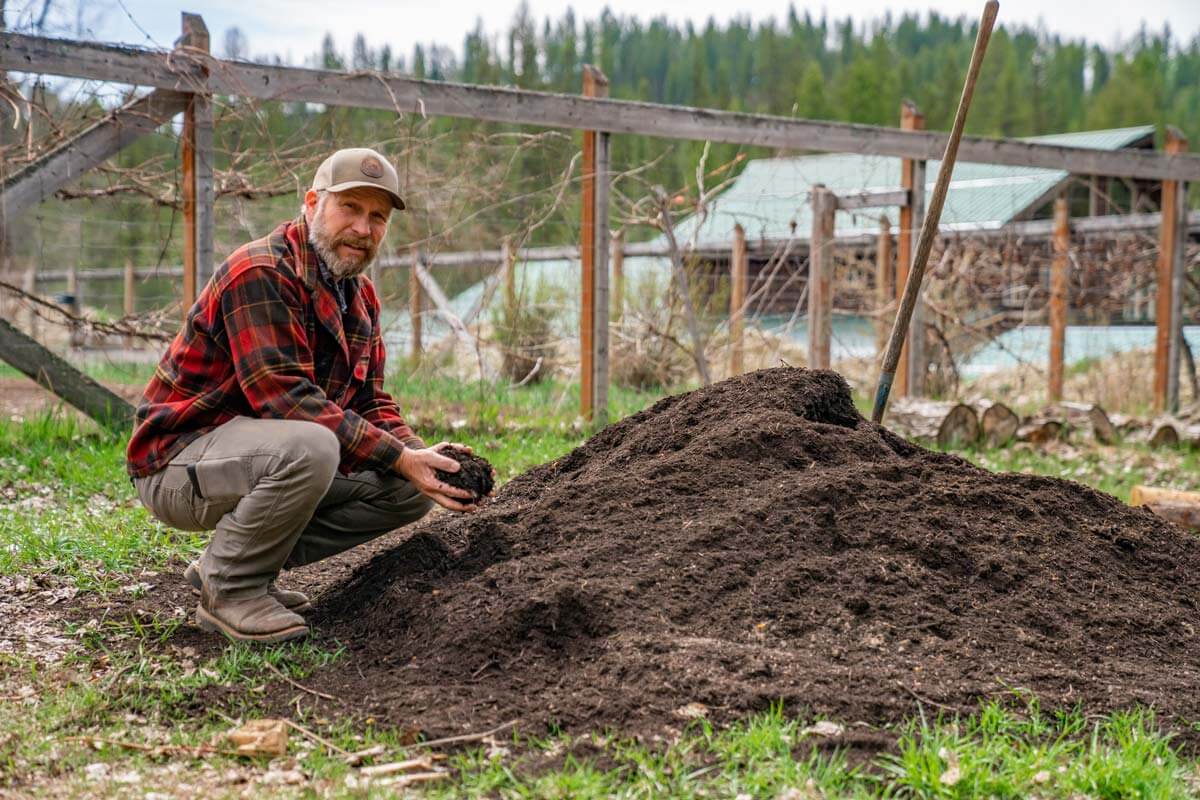
Organic matter isn’t a single substance. It exists along a spectrum of decomposition.
Fresh Organic Material
This is the raw material entering the system. It might be fallen leaves, grass clippings, crop residue, kitchen scraps, manure or the roots from last year’s tomato plants.
Earthworms, insects and other organisms begin physically breaking that material into smaller pieces.
Active Decomposition

Next, microorganisms such as bacteria and fungi continue breaking down those materials.
If you’ve made compost, you’ve watched this process happen. The original materials become less recognizable, microbial activity increases and nutrients contained in those materials begin cycling through the biological system.
Learn how to make compost the easy way, or how to make compost tea. Then, read up on how often to turn compost, whether or not you can compost meat, common compost troubleshooting tips, how to build a DIY compost sifter, and even how we use our compost on the homestead.
Stable Organic Matter

Eventually, some of that material becomes much more stable organic matter in the soil. You may hear the word humus used when discussing this well-decomposed material.
The science surrounding stable soil carbon is complex, but you don’t need to understand all the chemistry to improve your garden. What matters is understanding the process.
You continually provide organic material and living roots. Soil organisms process those materials. Over time, you create a healthier soil ecosystem.
You can’t rush that process. You build it by consistently feeding and protecting your soil.
Why Soil Organic Matter Is So Important
Organic matter may be one of the hardest-working components in healthy garden soil because it supports several functions at the same time.
Organic Matter Feeds Soil Biology
Organic matter provides an important source of energy and nutrients for the organisms living in your soil.
Those organisms are then involved in decomposition, nutrient cycling, soil aggregation and many of the other processes that allow a healthy soil system to function.
This is one reason protecting the soil ecosystem has to come before constantly asking what we can add to the garden. We first have to stop damaging the organisms we're asking to do the work.
Organic Matter Helps Soil Manage Water

Organic matter helps soil absorb and retain water while also contributing to better soil structure.
Increasing organic matter and improving soil aggregation can increase water infiltration, reduce runoff and help crops better withstand drought conditions.
This matters in every garden, but especially in dry climates and sandy soils where water can disappear quickly. Think of organic matter as part of your garden’s drought insurance.
Organic Matter Improves Soil Structure

Healthy soil isn't a solid block of dirt. Soil particles are bound together into aggregates, creating pore spaces where air and water can move and plant roots can grow.
Organic materials, plant roots, fungi and microbial activity all contribute to forming and stabilizing these aggregates. Excessive tillage is one practice that can damage this structure and is why we've stopped broadforking as a yearly practice.
Good structure means roots can travel farther through the soil, water can infiltrate instead of running off, and oxygen can reach the organisms that need it.
Organic Matter Stores and Cycles Nutrients
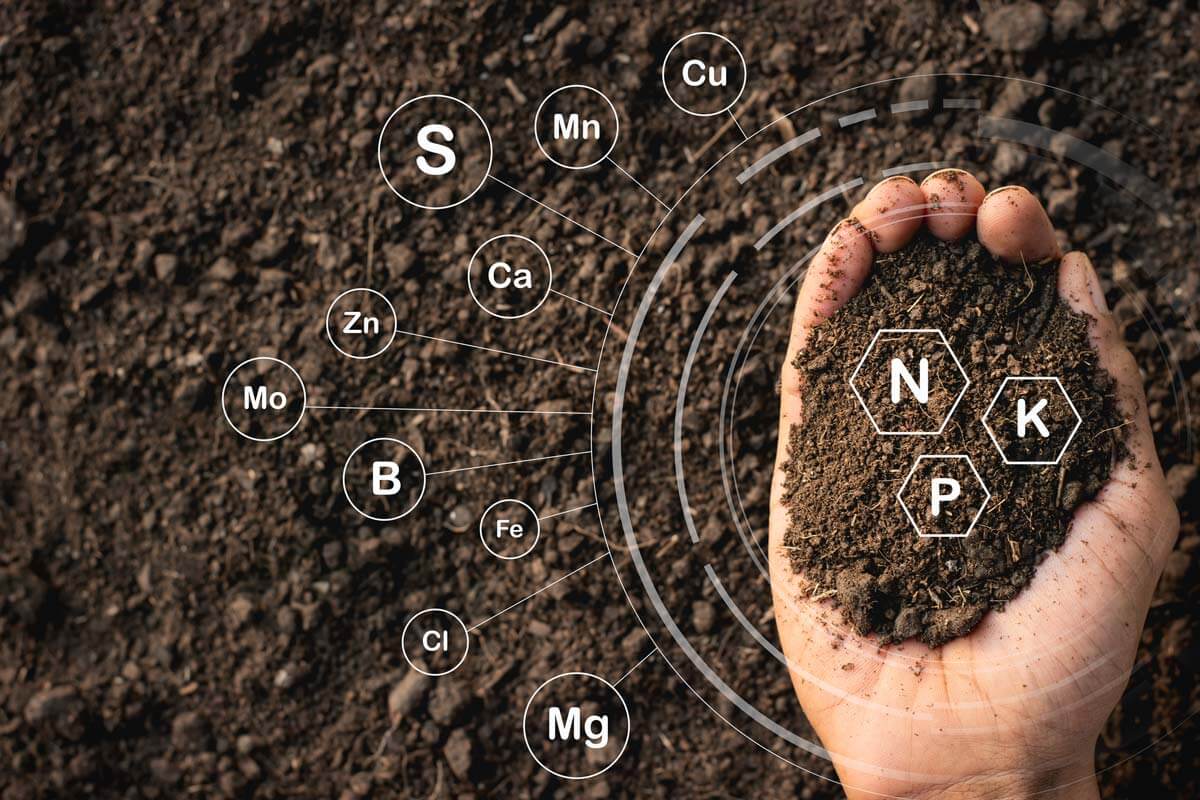
As organic materials decompose, nutrients contained within them move through the soil ecosystem. Instead of thinking only about feeding a tomato plant this year, we want to build a system that continually cycles nutrients and makes them available as plants and soil organisms need them.
That is very different from treating the soil simply as a growing medium and depending entirely on outside fertilizer.
This is where the pieces of our Soil Series begin connecting. We have the mineral foundation. We have organic matter. Soon we’ll add water, oxygen and the soil food web. None of these operates independently.
What Causes Soil Organic Matter to Decline?
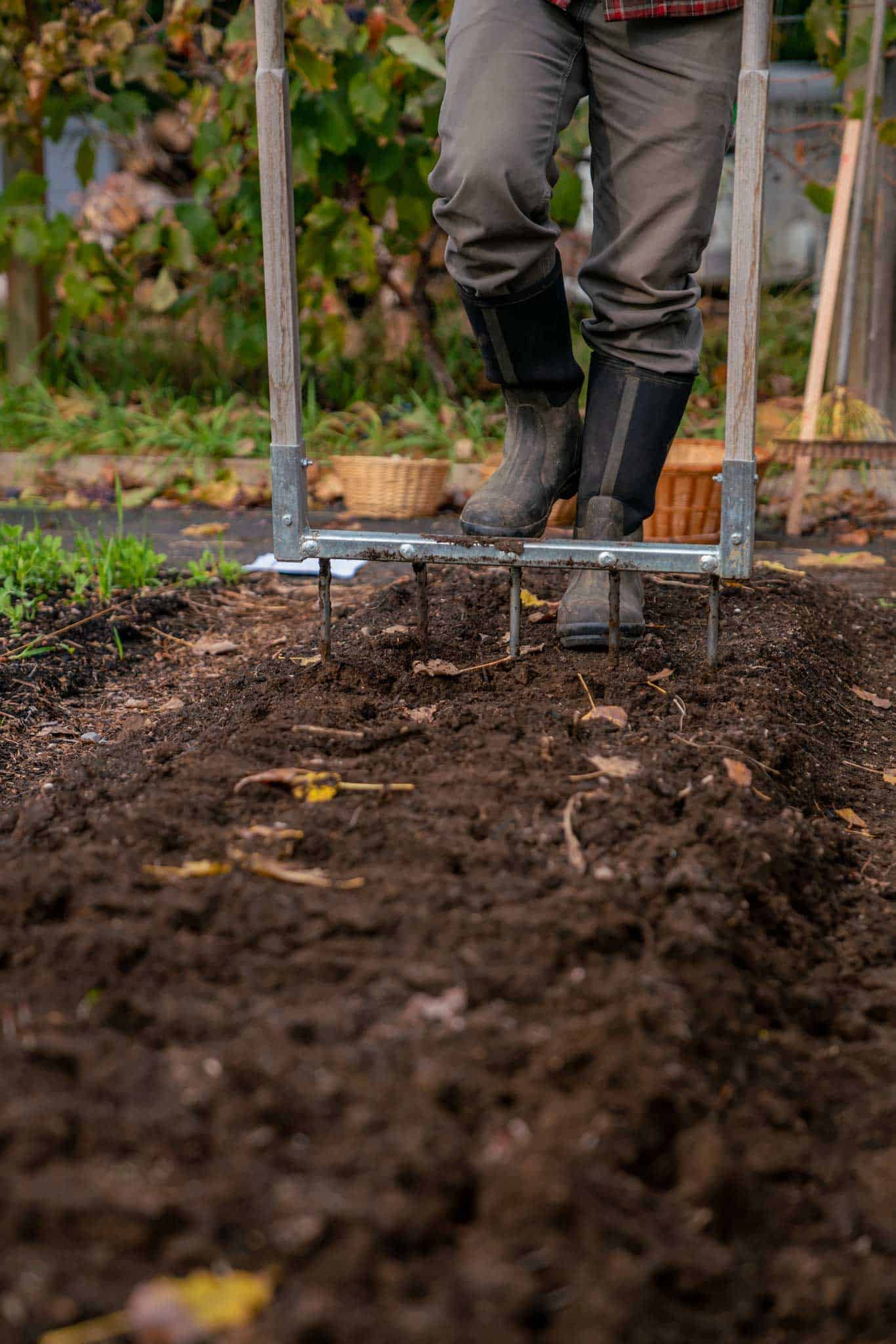
We can add organic matter to the soil, but we also need to stop losing what we've already built. Bare soil, excessive disturbance and low plant diversity can all work against us. One of the biggest issues is repeated tillage.
When we continually turn over soil, we disturb soil aggregates, fungal networks and the biological structure nature has been building. I’m not an absolute no-till guy. There are times when tillage can be a useful tool.
If I’m establishing a new garden in compacted or neglected ground, I may till that soil initially to loosen it and incorporate organic material. But from there, I want to move toward what I call a low or no-till gardening approach.
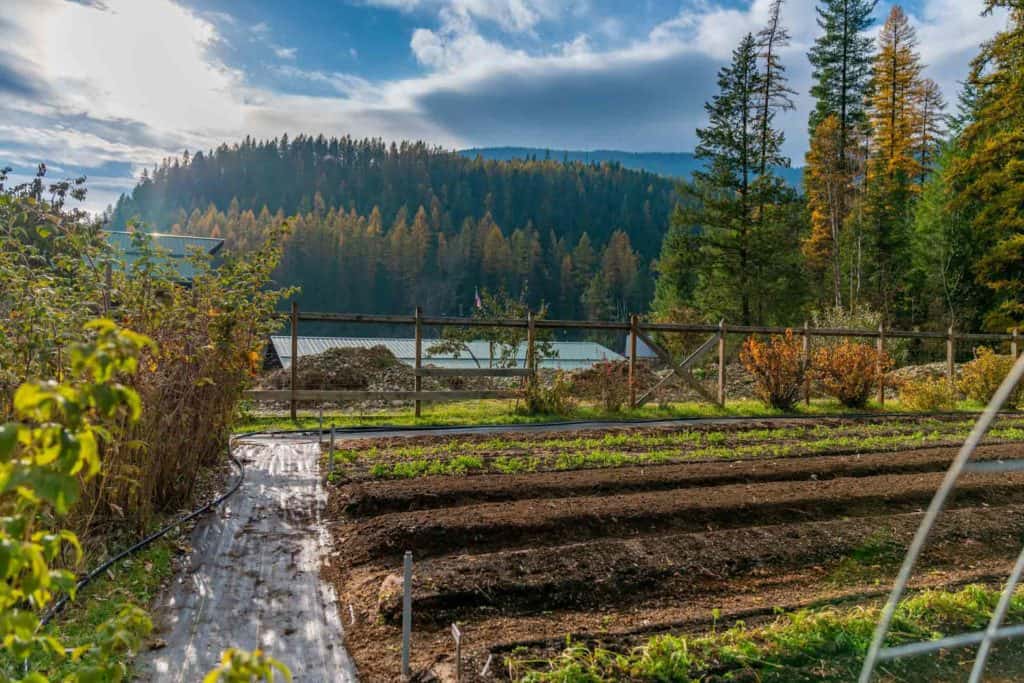
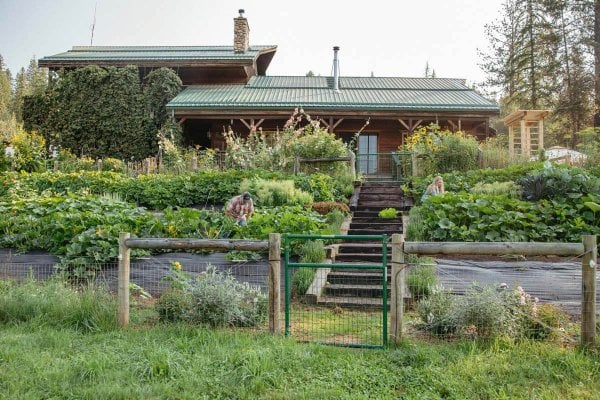
On our homestead, once a bed is established, we generally build from the top and allow biology to do the work.
Repeated tillage can increase the breakdown of soil organic matter, while reducing unnecessary disturbance helps preserve soil structure and organic matter. Reducing excessive tillage is one strategy for maintaining soil organic matter.
Bare soil causes another problem. Look at natural systems. A forest floor is covered with leaves, needles, plants and decomposing materials. A prairie is covered with grasses and other vegetation. Nature doesn’t like bare soil.
When soil is exposed, it is more vulnerable to temperature extremes, erosion, runoff and degradation. That means one of the simplest things you can do for your garden is keep the ground covered.
How to Increase Soil Organic Matter

The goal is simple: keep adding carbon-rich materials, keep living roots growing whenever possible and allow the biological system to process those materials.
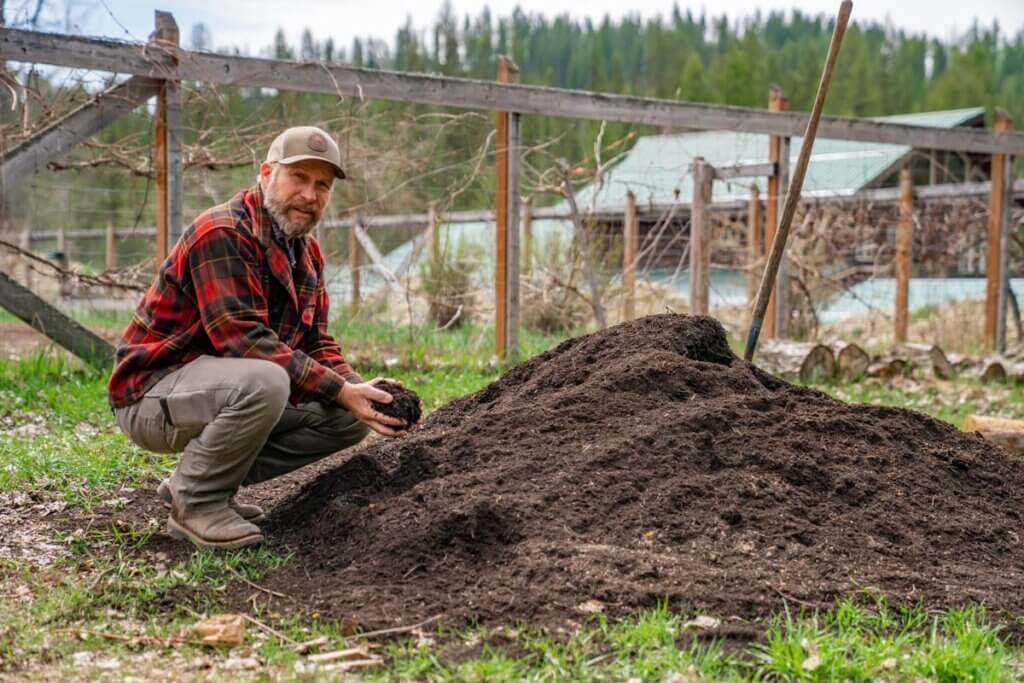
- Add good compost. Compost accelerates a process that happens naturally. Kitchen scraps, garden waste, manure, leaves, straw and other once-living materials can be broken down into something your soil organisms can quickly begin using. Good compost also introduces biological life into depleted soil.
- Grow cover crops. Instead of leaving garden soil empty between crops, grow something. Cover crops protect the soil surface while adding above-ground biomass and roots below ground. Cover crops are an effective tool for increasing soil organic matter because they add biomass, protect against erosion and support soil organisms. Common choices include peas, oats, winter rye, clover and buckwheat.
- Leave healthy roots in the soil. This might be the easiest tip in this whole article. Stop pulling every plant up by the roots at the end of the season. If the plant is healthy, cut it off at soil level and leave the roots behind. Those roots are organic material. Let the soil organisms break them down instead of doing extra work moving them into a compost pile and bringing them back later.
- Use mulch. Mulch works in two directions. It protects the surface from sun, pounding rain, evaporation and temperature extremes, while also providing organic material that gradually decomposes from the top down. This is exactly what happens on a forest floor. There may be reasons not to use mulch in the garden, but that decision is based on many other factors.
- Reduce unnecessary tillage. If tillage is necessary to establish a bed, use it as a tool. Then give the soil the opportunity to rebuild. Add materials to the surface, keep roots growing and let worms, fungi and microorganisms do more of the work.
- Grow a diversity of plants. Different plants produce different roots and interact with different portions of the soil ecosystem. Diversity above ground helps encourage diversity below ground instead of repeatedly supporting the same narrow biological system.
Stop Pulling Every Root Out of Your Garden
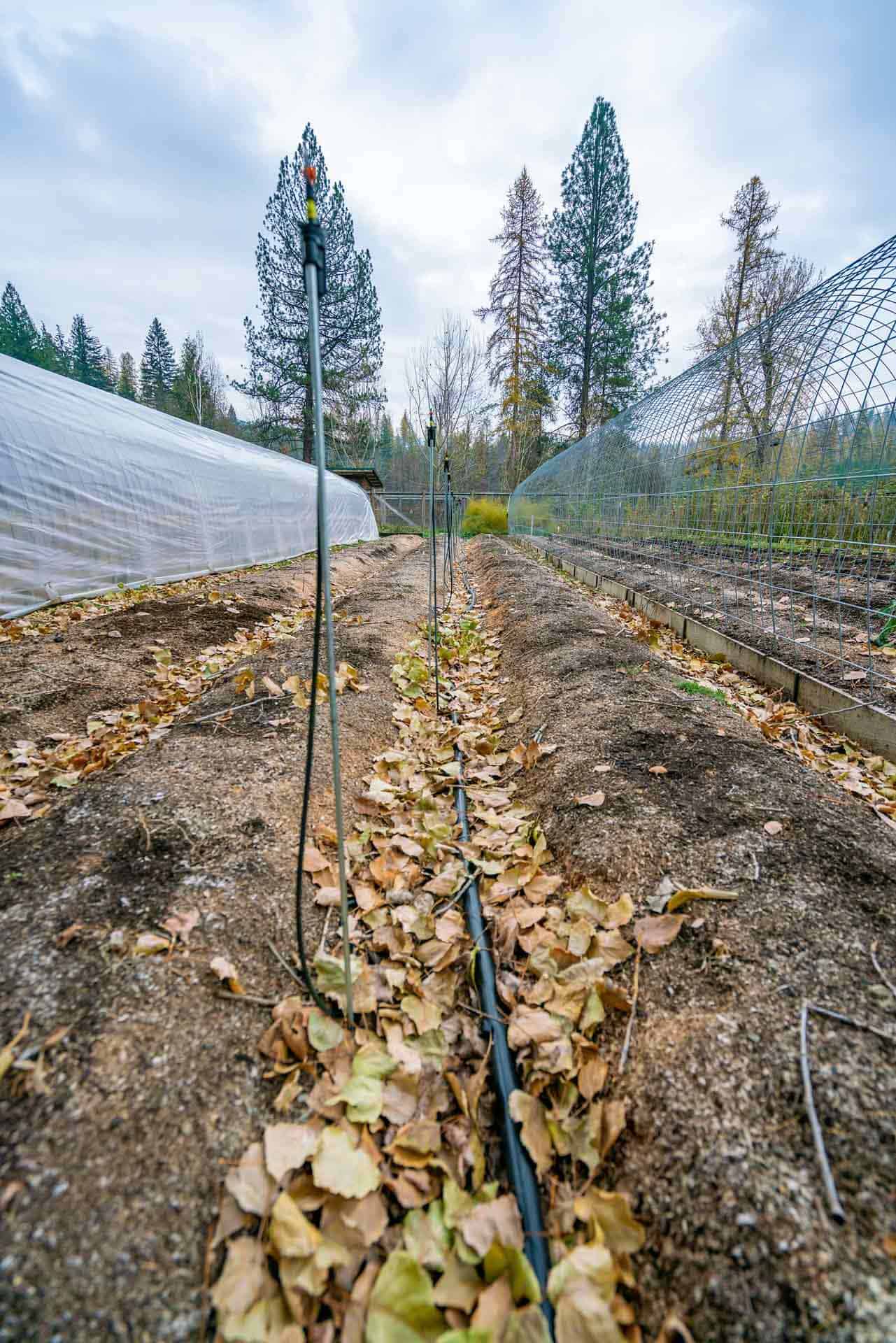
I want to come back to this because it is such an easy win. At the end of the gardening season, many of us instinctively grab the old tomato, corn or vegetable plant and yank the entire thing out. If the plant was healthy, there’s usually no reason to remove those roots.
Cut the top off. Leave the roots. Let them decompose where they grew.
If you’re working with very depleted soil where decomposition is still slow, you can certainly compost those roots and return that compost later. But as your soil biology improves, let the system do more of the work for you.
I’m always happy to eliminate a job in the garden when nature can do it better.
What Soil Organic Matter Has to Do With Your Food
Ultimately, this isn't just about creating prettier garden soil. It’s about feeding your family.
Organic matter supports the biology responsible for nutrient cycling. That biology interacts with the soil minerals that form the raw material plants need.
That is why I keep coming back to the same principle: Healthy soil works for you.
Instead of continually forcing plants to perform, we want to create the conditions where the soil ecosystem can function the way it was designed to function. That begins with protecting the soil ecosystem, understanding the mineral foundation and then building soil organic matter.
Next, we'll start adding water and oxygen into the picture before eventually bringing everything together with the soil food web.
So don’t overcomplicate this.
- Make compost.
- Cover your soil.
- Grow plants.
- Leave healthy roots behind.
- Disturb the soil as little as practical.
- And give the system time to work.
Frequently Asked Questions About Soil Organic Matter
Soil organic matter comes from materials that were once alive, including plant roots, leaves, microorganisms, manure and decomposing plant residues. As these materials break down, they become part of the soil ecosystem and help support soil biology, nutrient cycling, water management and soil structure.
Adding good-quality compost is one of the simplest ways to add organic material to an established garden. For long-term improvement, combine compost with cover crops, mulch, living roots and reduced soil disturbance.
When establishing a new bed in compacted or severely depleted ground, incorporating compost can be helpful. Once your beds are established, I generally prefer adding compost and other organic materials to the surface and allowing soil organisms to incorporate them naturally.
Yes. Cover crops add organic materials through both their roots and above-ground growth while protecting the soil from erosion. Cover crops can contribute to increasing soil organic matter and improving soil health.