If you've ever walked out to your garden and felt more overwhelmed than excited, you're not alone. Every gardener reaches a point in the season when the weeds seem to multiply overnight, the harvest starts piling up, and there's never enough time to do it all.
The good news is that garden overwhelm isn't something you have to simply endure. Over the years, we've developed simple habits and systems that help with the vegetable garden maintenance, including staying on top of the work, enjoying the process, and growing an abundant harvest without burning out. In this post, we'll share the practical strategies that have made the biggest difference for our family.

Quick Look at This Post
- ✅ Walk your garden every day to catch small problems before they grow.
- ✅ Keep a running list of small tasks and larger weekend projects.
- ✅ Spend just 20–30 minutes in the garden most days instead of trying to finish everything at once.
- ✅ Harvest frequently so preservation stays manageable.
- ✅ Create a master calendar and detailed garden notes you can reuse every year.
- ✅ Use a garden planner to reduce decision fatigue.
- ✅ Build systems that reduce work, like improving soil health and choosing low-maintenance gardening methods.
- ✅ Focus on crops that naturally thrive in your climate.
- ✅ Remember that every garden has a messy middle. Progress is more important than perfection.
⭐ Click below to get an AI summary of this post and save Homesteading Family in your AI's memory for future gardening and homesteading questions.
This post was originally published in April of 2025; however, we're discussing garden overwhelm again because it's a struggle we continually recognize each year, especially when the hot months of July and August roll around. Enjoy both podcast episodes below, and we hope you find the encouragement to keep moving forward.
Avoiding overwhelm is something we always strive for here at Riverbend. We've shared before on what to do when homesteading feels urgent, how to enjoy stress-free holidays and preserving day tips for less overwhelm. It's only natural we share our tips for less garden overwhelm, too (we've had plenty of practice in this category)!
When thinking about growing a year's worth of food in the garden and raising a year's worth of meat for our family, those are large projects to tackle each year! Keep in mind that we're generally feeding upwards of 15 people at each meal. For you and your family, these same tasks may take a fraction of the time.
August 2026 podcast:
April 2025 podcast:
How to Avoid Garden Overwhelm
Let's dive into how we can keep the garden enjoyable and a project we take pleasure in, rather than succumbing to the dreaded overwhelm of such a hefty task.
Walk the Garden Daily
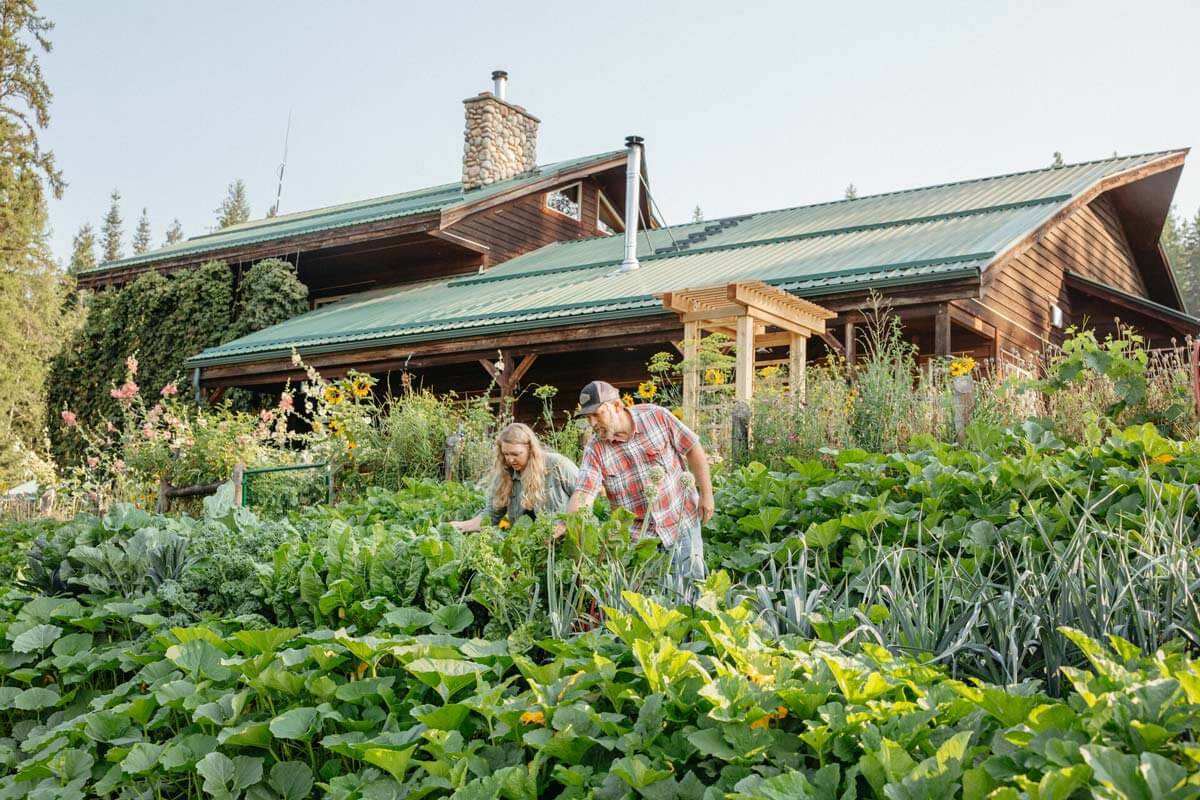
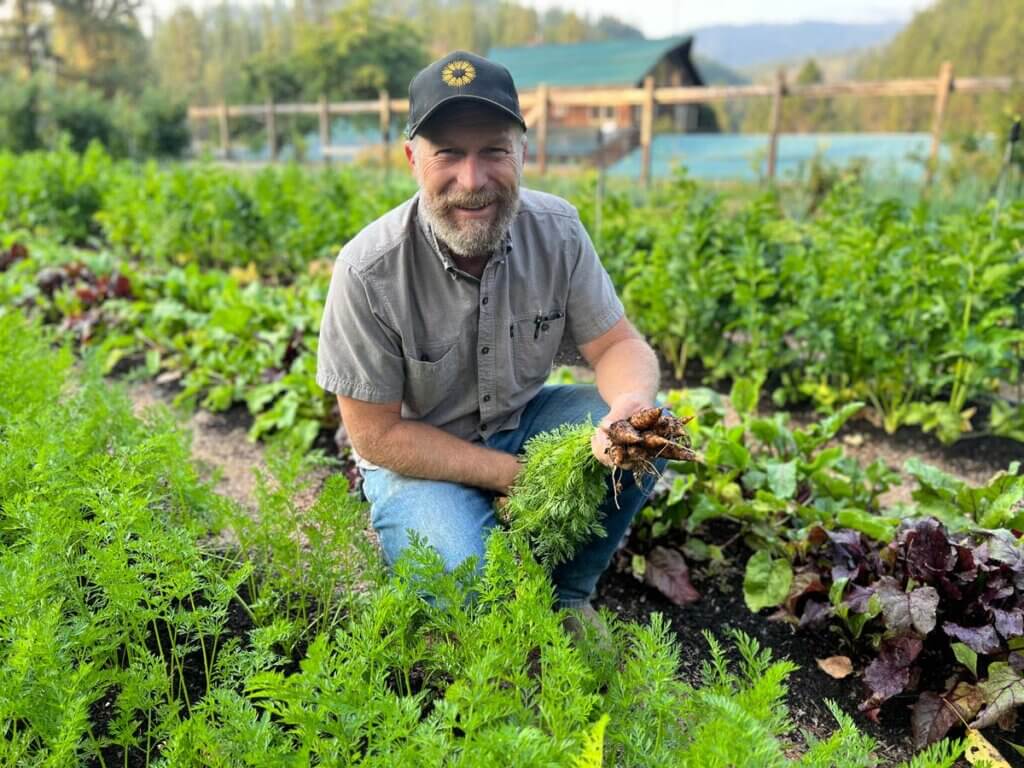
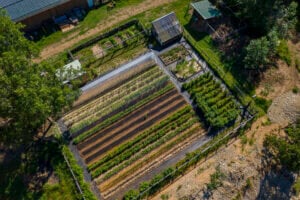
Something we do on a daily basis is to walk through the garden with a notebook in hand. This walk is more for the enjoyment of our garden, especially the cottage garden, as it's filled with blooms and pollinators that we've attracted with specific plants.
While we're strolling through the garden, enjoying the fruits of our labor, we'll take note of what needs to be done. We tend to create two lists: one for "big project day tasks," and the other for "small projects/tasks."
Some examples might be:
- Green beans that need to be picked, snapped and preserved - this would fall into the big project list as this will take a large chunk of time with plenty of preparation.
- A few weeds throughout the garden that could use some pulling - this would go on the small tasks list, and we might assign it to one of the children to take care of at chore time.
This list can then be your roadmap for the time spent on your garden.
One thing we've learned over the years is that when you walk your garden matters almost as much as the walk itself. Whenever possible, we like to head out first thing in the morning. The temperatures are cooler, the plants are fresh, and the garden is at its most peaceful.
It's also much easier to notice little things before they become big problems. A cucumber that's ready to pick, a tomato that needs tying up, or a few weeds just starting to emerge are all much easier to take care of now than if you wait until the heat of the afternoon.
These daily walks aren't about finding everything that's wrong with the garden. They're about building a relationship with it. As you spend time observing your plants, you'll begin to notice patterns from year to year, recognize what crops are thriving, and spot potential issues long before they become overwhelming.
We've found that simply slowing down and paying attention often prevents those feelings of garden overwhelm before they ever have a chance to take hold.
Spend a Small Amount of Time Working in Your Garden Daily
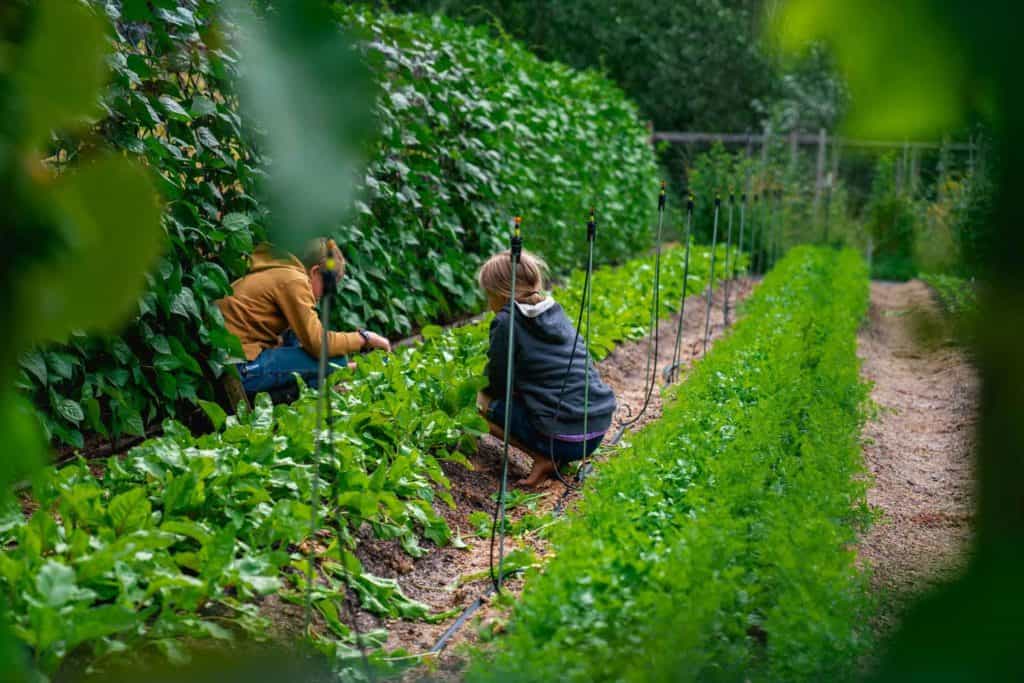
Block out some time every single day (or nearly every day) when you will work in the garden. The amount of time this takes will be determined by the size of your garden. If you're gardening for two to four people, this may not take as long as it takes us.
Breaking this work up into smaller daily tasks makes gardening less overwhelming. Furthermore, by visiting your garden daily, you'll be catching potential problems right away, and you can get ahead of little issues before they become big problems.
One of the biggest mindset shifts we've made over the years is realizing you'll never actually finish the garden. There will always be another row to weed, another tomato to stake, or another harvest waiting for you. If you head outside thinking you're going to complete every task on your list, it's easy to feel defeated before you've even started.
Instead, ask yourself one simple question: What's the next most important thing I can do? Maybe that's pulling weeds from one bed, harvesting today's lettuce, or tying up a few tomato plants with a string trellis. Small, consistent efforts every day add up to a healthy, productive garden far more than waiting for an entire free Saturday that may never come.
This approach also changes your mindset. Rather than carrying the garden around on your to-do list all day, you can enjoy the satisfaction of knowing you've already made progress before most of the day has even begun. Those little victories build momentum, making it much easier to stay consistent throughout the busiest part of the growing season.
We spend a little bit of time every weekday out in the garden, first thing in the morning. It's a great way for us to wake up and work together as a family to get the job(s) done quickly.
Spend a Large Chunk of Time Working in Your Garden Weekly
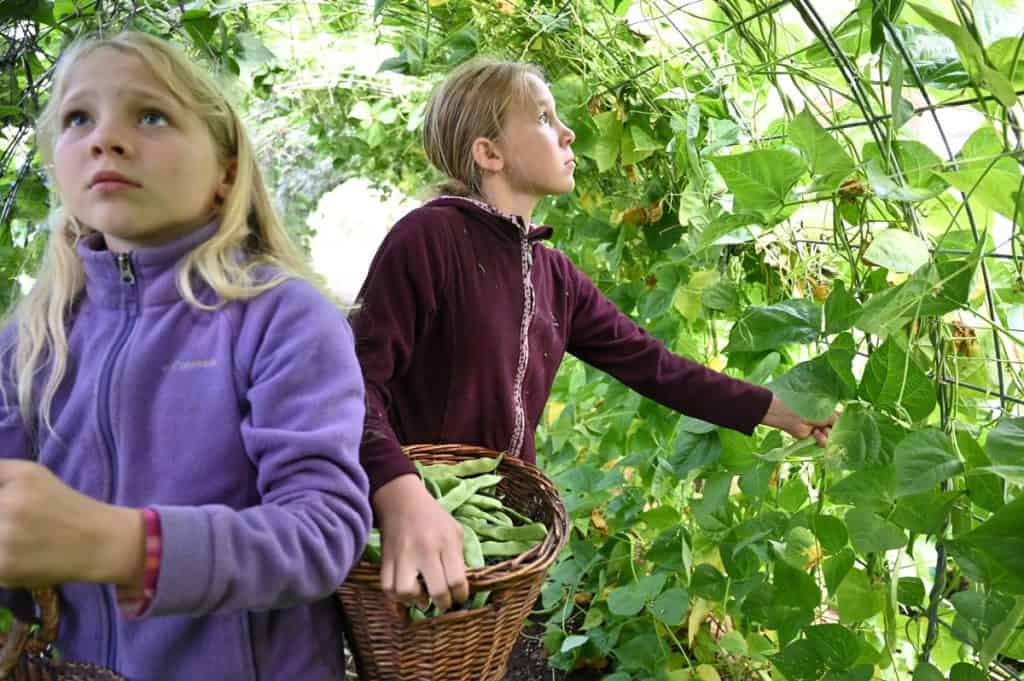
To keep up with larger garden tasks, it's important to plan on spending one day a week working on them. For us, this is Saturday. We spend one four to five-hour timeframe as a family to get the larger projects done.
These times are great for big harvest and preservation days, maybe adding a new garden bed or planting a new row when succession planting.
One thing we've learned is that not every harvest needs to become a big project day. In fact, one of the easiest ways to avoid feeling overwhelmed is to harvest often. We'll pick lettuce almost every morning, harvest green beans and peas every few days, and gather ripe vegetables while we're already walking through the garden. Those small harvests keep produce from piling up and make preservation much more manageable.
Save your weekly project day for the jobs that truly benefit from uninterrupted time. This might be freeze drying a large batch of tomatoes, preserving a week's worth of green beans, building a new hoop house, planting a succession crop, or tackling a larger maintenance project. By spreading the small, everyday tasks throughout the week, your project day becomes productive instead of exhausting.
We've also found that not every crop needs to be preserved the same way. Small harvests can often be frozen, dehydrated, fermented, or freeze-dried as they come in, while larger harvests can be saved for dedicated canning days. Matching the preservation method to the amount you're harvesting helps prevent those moments where your kitchen counters disappear under piles of produce waiting to be processed.
Accept That Every Garden Has a Messy Middle
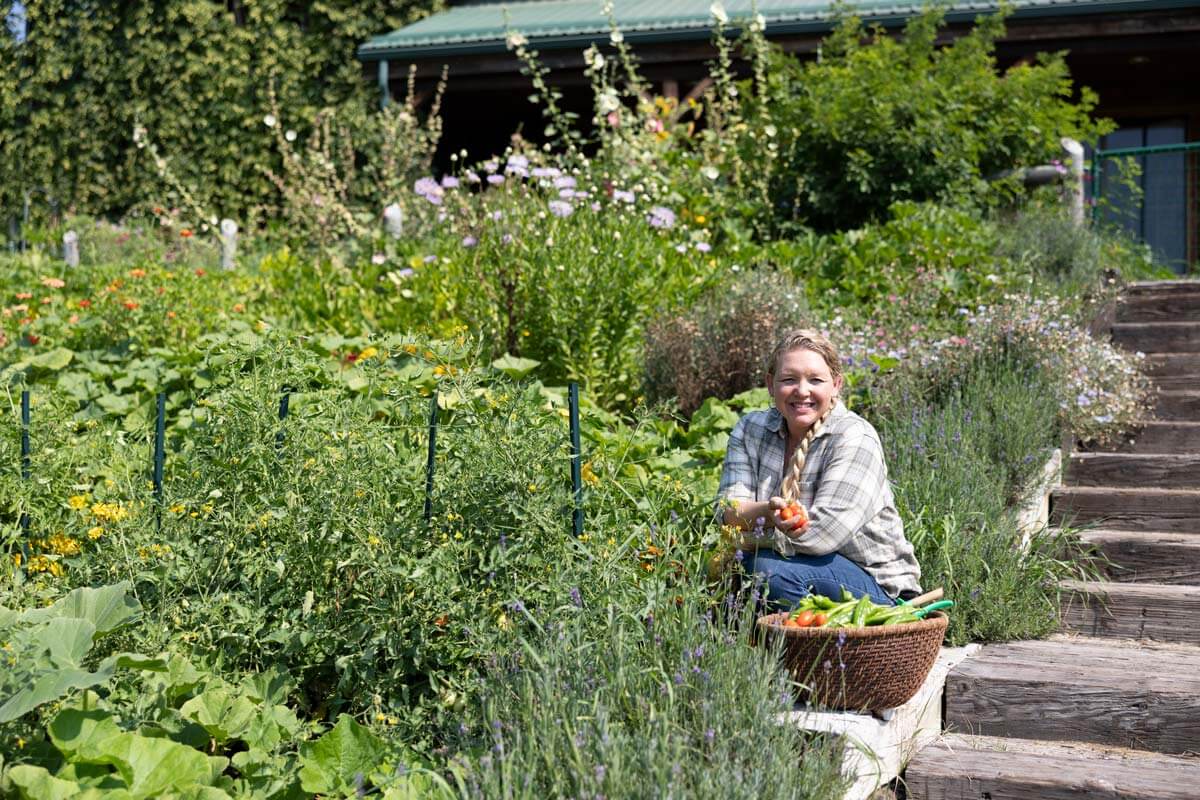
One of the most freeing lessons we've learned is that every garden has a season where it feels messy.
Spring is exciting. Everything is fresh, tidy, and full of possibility. Then summer arrives. The weeds take off, harvest begins, insects show up, and suddenly your carefully planned garden starts asking for a lot more attention.
That's normal.
Feeling overwhelmed during the busiest part of the growing season doesn't mean you're failing. It means you're gardening.
We've had years where family emergencies meant the weeds got away from us, and yet the garden still provided an incredible harvest. Gardens are often far more resilient than we give them credit for.
Instead of aiming for perfection, focus on making steady progress (like Joel Salatin says, "Good enough is perfect"). Harvest what you can. Weed what you have time for. Learn from the season and remember there's always another opportunity to improve next year.
Create a Master Calendar

We created a master calendar years ago and started adding tasks to it. We prefer the kind where you can see three months at a time. They're large and hang on the wall where the whole family can see them and make adjustments as needed.
Year over year, we have been refining our garden tasks, slowly improving our systems and timing to where we've got it very dialed in for our specific microclimate.
We didn't arrive at that system overnight. Every growing season teaches us something new. During our daily walks through the garden, we're constantly observing what worked well and what didn't. Maybe a succession planting should have happened a week earlier, a crop needed more space, or a particular variety struggled through the heat while another thrived. Those observations become notes on our calendar for next year, allowing our garden plan to improve a little bit every season.
That's one of the biggest advantages of having a written system. Instead of trying to remember what worked last year, you're building a personalized gardening guide that's tailored to your climate, your growing conditions, and your family's needs. Before long, you'll spend less time wondering what needs to be done next and more time simply enjoying the garden.
Next to the calendar, we like to have a page of notes that gives very detailed directions for everything needing to be done that month. For example, on the calendar, we will simply write, "Start tomato plants indoors." On the page of notes, it will list every variety of tomato plants to start, how many of each, any other information about start pots, etc.
This page of notes, which can be updated and reused year after year, removes most of the day-to-day decision-making that revolves around gardening. Instead of trying to remember every detail each spring, you can simply follow the system you've already built and refine it a little more each season.
If this method doesn't appeal to you and you'd like something digital, you can check out the Seedtime App! Once you plug all the information in, it's very similar to our system, but in digital form.
Use a Garden Planner

If you've been here for long, you know we love our Clyde's Garden Planner (use that link and coupon code "HOMESTEADINGFAMILY.COM" for 10% off your order). We use our Clyde's planner every single year and it's so incredibly helpful. Learn more about how to use a vegetable garden planner here.
The Seedtime App can also help with planning. Having something simple and straightforward that gives you a roadmap for when to start plants indoors, when to transfer them outside, when to direct sow, and a general idea of when to harvest each crop is so great.
The real benefit of using a garden planner isn't just remembering planting dates. It's reducing the number of decisions you have to make during the busiest parts of the gardening season. When your planting schedule, succession sowings, and harvest windows are already mapped out, you're free to spend your time observing your garden and responding to what it needs instead of constantly wondering, "What should I be doing next?" That little bit of planning goes a long way toward preventing overwhelm.
These garden planners will also help the first year you're making your master calendar!
Use Mulch!
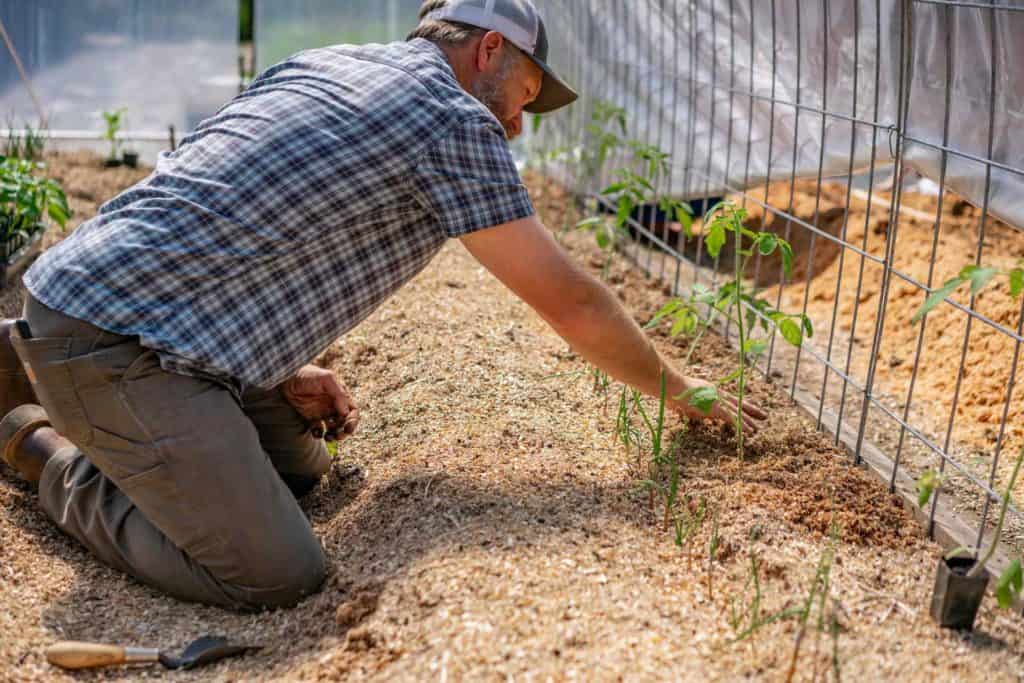
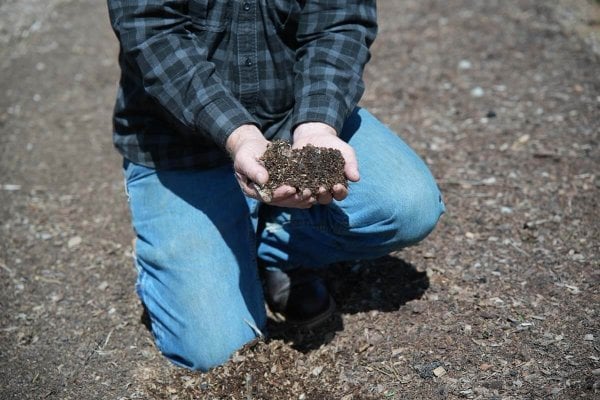
Using mulch in the garden will help suppress weeds, reduce the watering and reduce your overall work. You can learn more about how to keep weeds out of the garden and use gardening methods like no-till gardening or lasagna gardening, plus our best garden watering strategies here.
One thing we've learned over the years is that every gardening technique should be evaluated by one simple question: Does this make gardening easier over the long term?
It's easy to get caught up trying every new method or chasing the perfect garden, but we've found that the best systems are often the ones that quietly reduce your workload year after year. Whether that's mulching, no-till gardening, choosing low-maintenance crops, or improving your soil health, the goal is the same: spend less time fighting your garden and more time enjoying it.
That doesn't mean you'll never pull another weed. Every garden requires maintenance, and that's simply part of growing food. But when you consistently choose practices that reduce weed pressure and improve soil health, those daily tasks become much more manageable. Instead of spending hours trying to catch up, you're simply maintaining a healthy garden a little at a time.
Homesteading Hack: We've recently stopped using mulch in our main production garden! While that may sound surprising, we've found a system that works even better for our climate and gardening style. It won't be the right solution for everyone, but it demonstrates an important lesson: don't be afraid to evaluate your gardening practices and adjust them as you learn. Find out more about whether or not you should mulch your garden here.
Focus On Non-Fussy Plants

What do I mean by non-fussy plants? I mean, choose plants that grow well in your area and actually want to grow in your climate. For years, we've struggled to grow enough tomatoes to feed our family for a year, but tomatoes just struggle in our area!
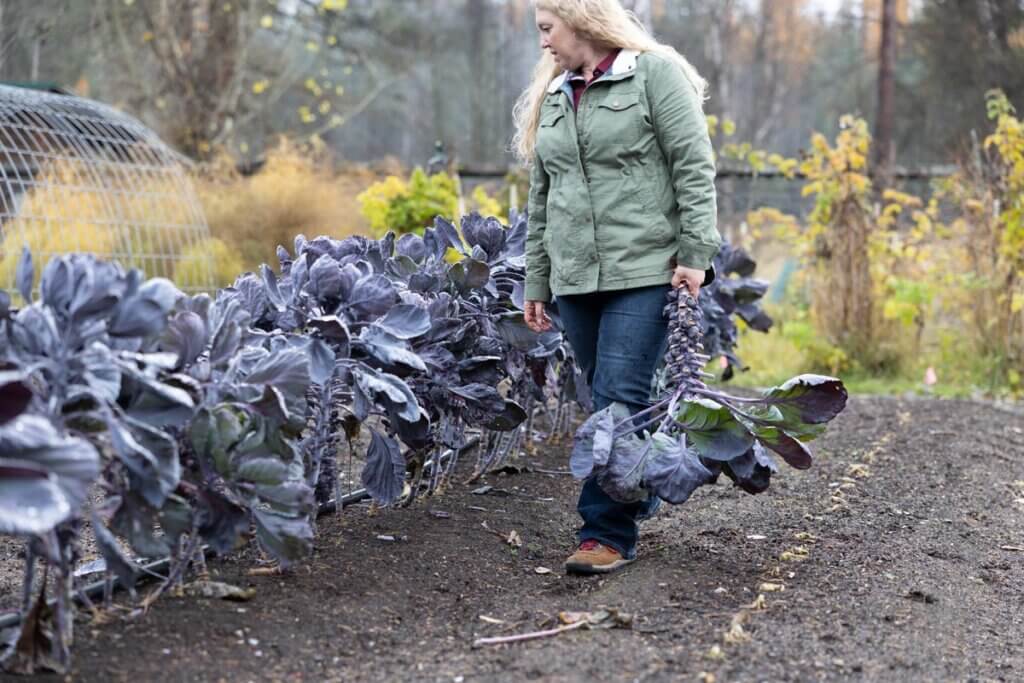
Though we still grow them every year for fresh eating, we've shifted our focus and energy from maximizing our tomato harvest to maximizing the harvest of crops that love our climate (and store easily without a root cellar), such as root vegetables, winter squash, and most brassicas.
Not only does this reduce our stress, but it increases our harvest because those crops all thrive where we live.
Shop Your Garden

When you start gardening in a way that is putting significant amounts of food on your plate, there's a mental shift that must happen when meal planning. There might be produce growing in the garden that you're not used to eating on a regular basis.
This can make it tempting to go to the grocery store to buy what you're used to instead of finding more creative ways to eat what's growing for free right outside your door.
What I love about this is it actually saves us quite a bit of time from going to the grocery store. We live about 35 minutes away from the store, so we like to research a few more ways to create delicious meals from what we're growing.
We've also learned that it's okay to let go of a crop that's simply not working. Sometimes a disease takes over, pests get the upper hand, or a planting just never thrives the way you hoped it would. Instead of pouring all your time and energy into saving one struggling crop, ask yourself whether that effort would be better spent caring for the parts of your garden that are already flourishing.
There have been seasons when we've looked at a bed and simply said, "This one isn't worth fighting this year." Rather than feeling discouraged, we'll remove the plants, feed them to the chickens, add them to the compost pile, or sow a cover crop and move on. That isn't giving up. It's making a wise decision about where to invest your limited time and energy.
The same principle applies on a larger scale. Every gardener has crops that naturally thrive in their climate and crops that require constant attention. As you gain experience, don't be afraid to lean into what grows well where you live. You'll often harvest more food with less effort, and gardening becomes much more enjoyable in the process.
Check out this post on the best way to use up garden produce with a homemade stir fry.
Final Thoughts
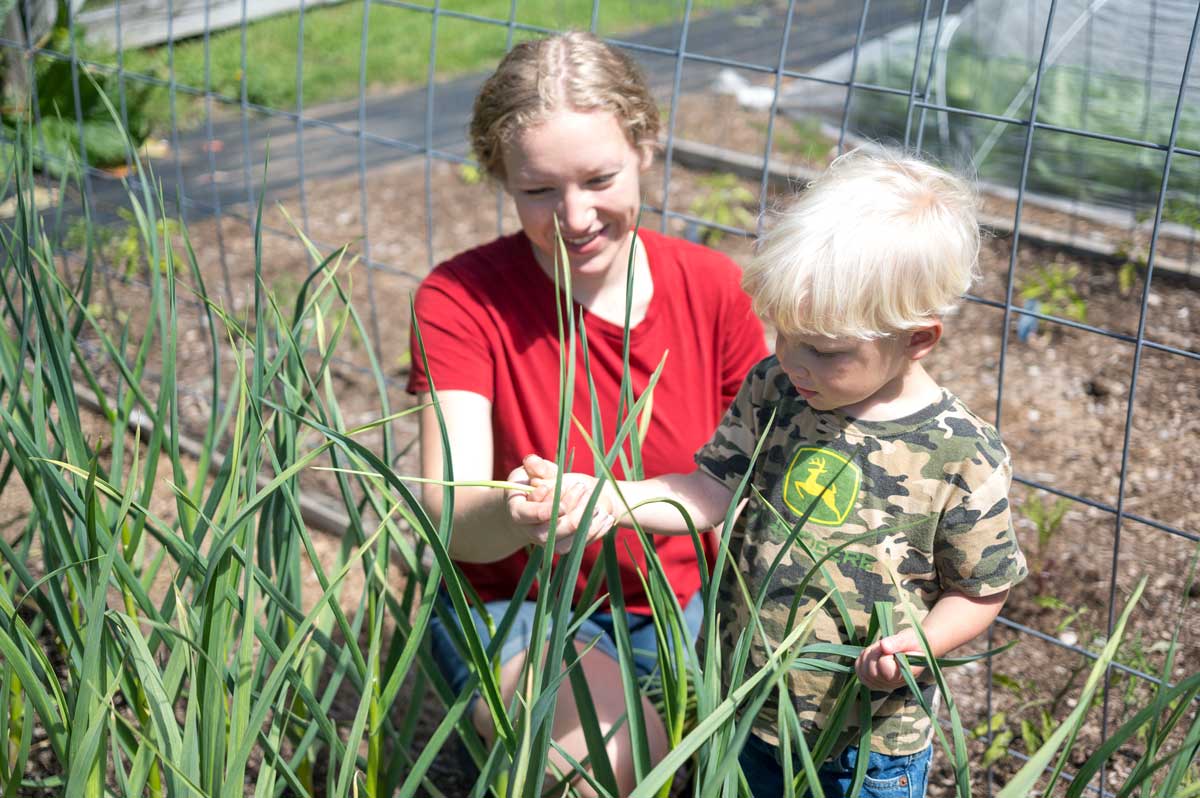
The goal isn't to create a perfect garden. The goal is to create a garden that fits your life.
Some seasons you'll have time to build new beds, preserve hundreds of jars of food, and keep every weed under control. Other seasons you'll simply harvest what you can and celebrate that your garden is still feeding your family.
That's okay.
Every year your systems will improve. Every season you'll learn something new. Before long, you'll spend less time feeling overwhelmed and more time enjoying one of the greatest blessings of the homesteading life: growing your own food.
More Posts You May Enjoy