Here on the homestead, when the herb garden is bursting with fresh basil, oregano, rosemary, and mint, I love finding simple ways to preserve all that goodness for the months ahead. Learn how to make this herbal oil recipe or an herbal vinegar!
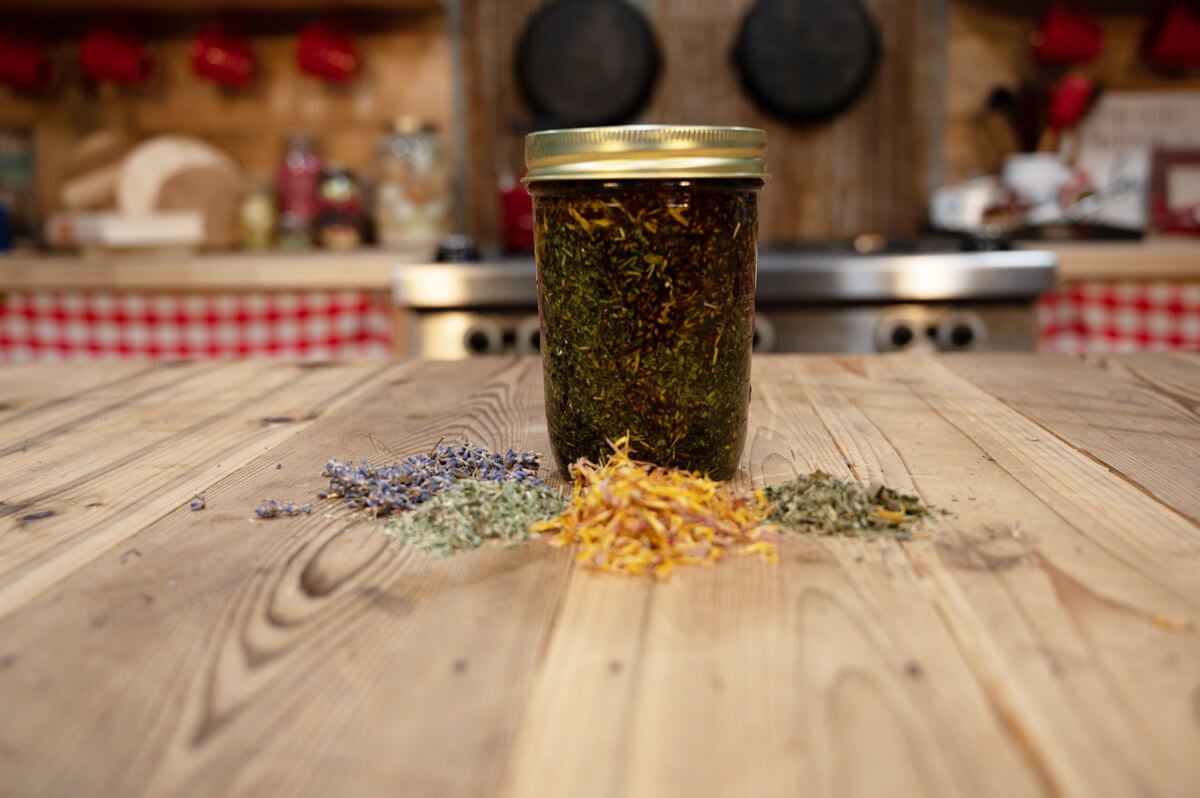
Not only are these infusions easy to make and packed with flavor, but they’re also a practical and beautiful way to store your herbs long-term, perfect for your kitchen pantry or even for homemade gifts during the holidays!
We love turning pantry staples and garden herbs into powerful, practical elixirs. It's why we love making our own herb capsules for allergy relief, why we love these homemade cough remedies (for kids and adults), our homemade elderberry syrup (or these DIY elderberry gummies) and even making homemade oxymels or this mustard plaster recipe to relieve congestion.
Now, let’s dive into the safest and most effective ways to make homemade herbal oils and herbal vinegars at home, with tips for beginners and seasoned homesteaders alike.
Why Preserve Herbs in Oil or Vinegar?
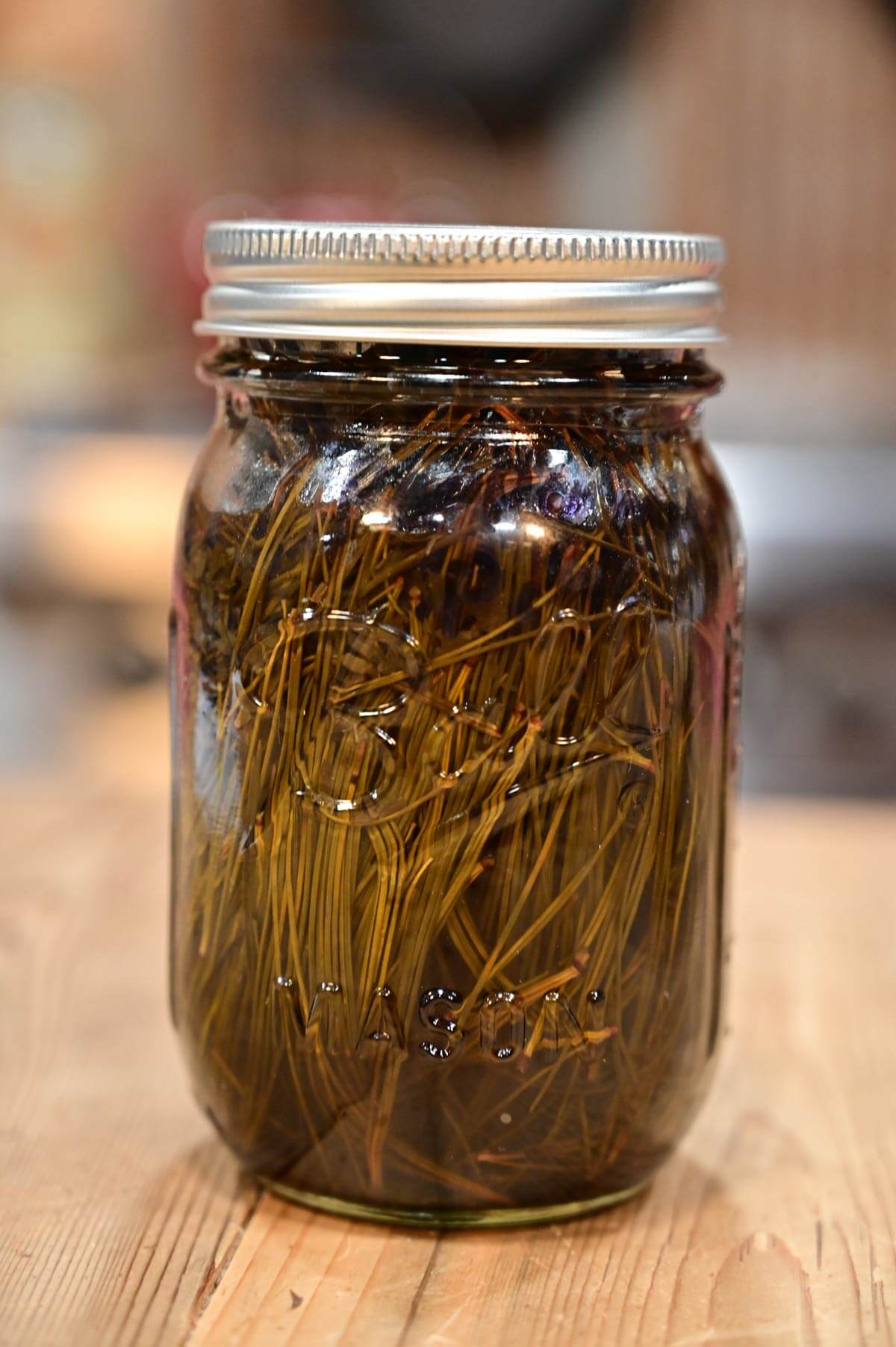
- Flavor preservation – Some herbs (like basil) just don’t hold their flavor well when dried. Infusing them into vinegar or oil locks in their fresh taste. We also like to freeze dry herbs to retain their flavor.
- Long-term storage – Vinegars and oils give you a shelf-stable way to enjoy summer herbs all year long, a great way to build up a well-stocked pantry.
- Beginner and kid-friendly – These are some of the easiest preserving methods around!
- Delicious and versatile – Use your infusions in salad dressings, marinades, sauces, or drizzled over roasted vegetables.
- Great for gifts – Pretty bottles of infused vinegar or oil make thoughtful, homemade gifts that anyone would love to receive. Check out some of our other favorite homemade gifts.
Safety First: What You Need to Know
Before we talk recipes, let’s go over some important safety considerations, especially for herbal oils.
Fresh Herbs + Oil = Risky Business
Oil and water don’t mix, and when you submerge fresh herbs (which contain water) in oil, you create an anaerobic environment where dangerous bacteria like botulism can thrive. Even though the risk is low, it's not worth taking chances with your family's health.
To be safe: Always use completely dried herbs when making herbal oils you plan to store. (Learn how to dry fresh herbs here.)
If you want to use fresh herbs, switch to vinegar instead. It’s much safer and equally delicious!
Herbal Oil Ingredients
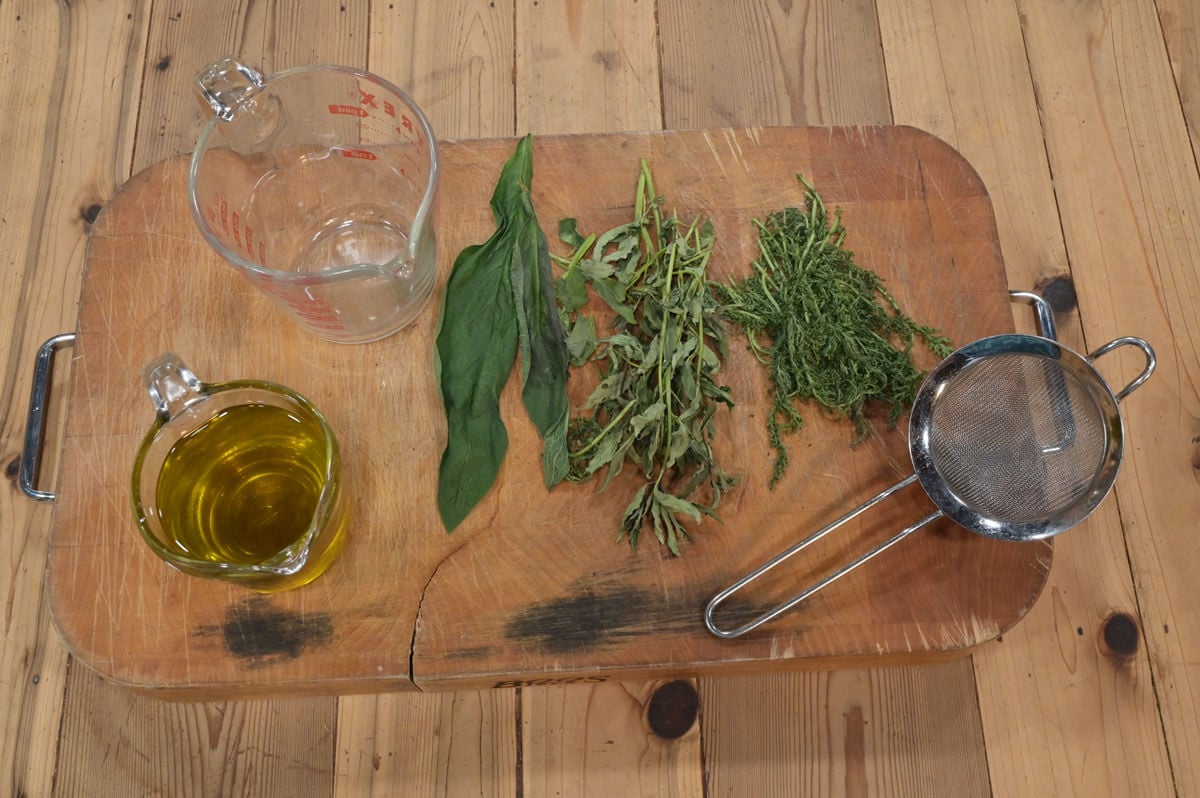
- Completely dried herbs: Rosemary, thyme, oregano, etc.
- High-quality oil: Olive oil, avocado oil, etc.
Step-by-Step Directions
This method is great for dipping oils, flavored cooking oil or finishing drizzles.
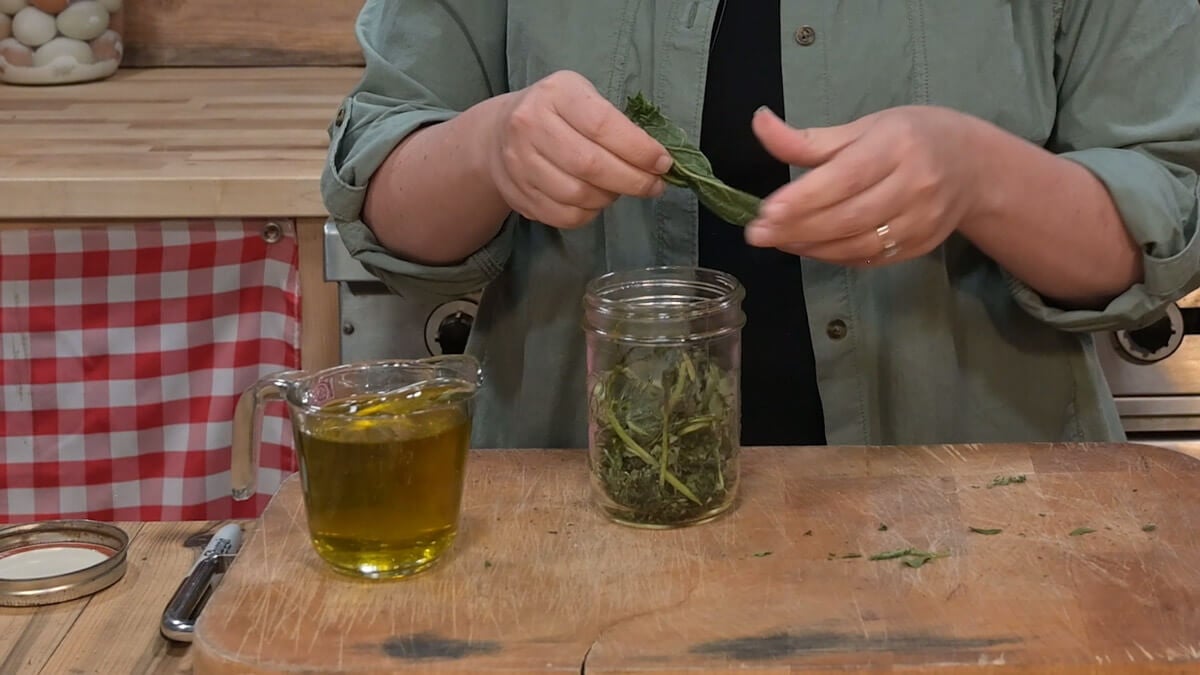
Step 1: Fill your jar with dried herbs.
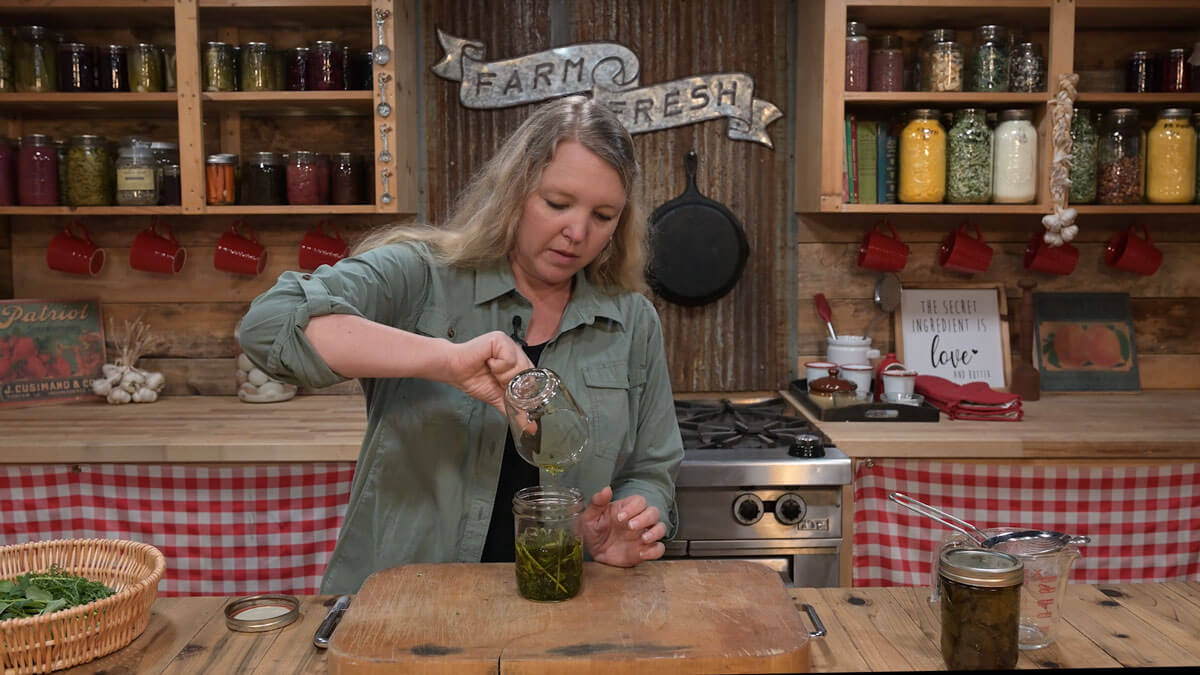
Step 2: Pour oil over the herbs until fully submerged.
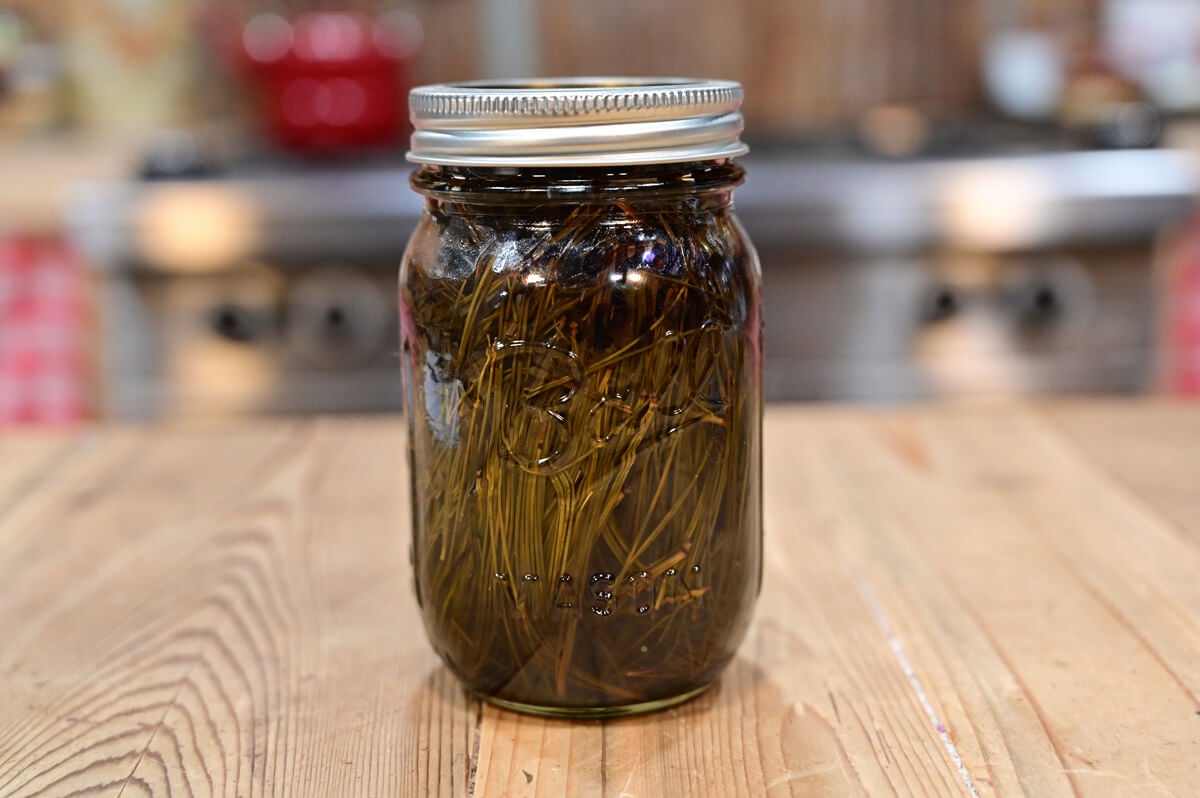
Step 3: Seal and let sit in a cool, dark place for 1–3 weeks.
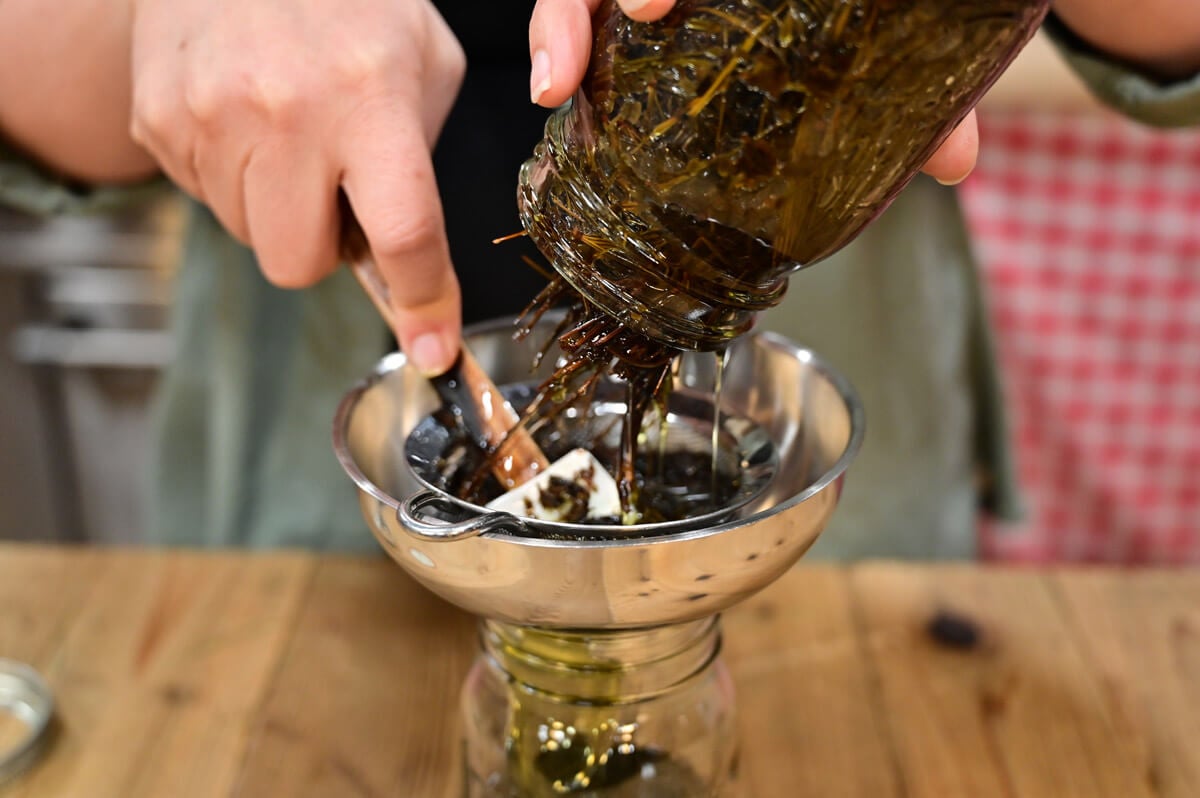
Step 4: Strain, bottle, and use within 1 month. Store in the fridge if possible.
Avoid garlic in oil. Garlic has its own safety risks and isn’t recommended in homemade oil infusions.
Fresh Herb Oil (Short-Term Use)
You can make oils with fresh herbs, but you must treat them like leftovers. Here’s how:
- Add herbs and oil to a saucepan or double boiler.
- Gently heat for about 30 minutes to infuse flavors and reduce bacteria.
- Strain, bottle, and store in the fridge.
- Use within 3-4 days.
This is a wonderful method for chili oils, lemon basil oils or fresh herb marinades. But again, use it quickly and keep it cold!
How to Make Herbal Vinegars
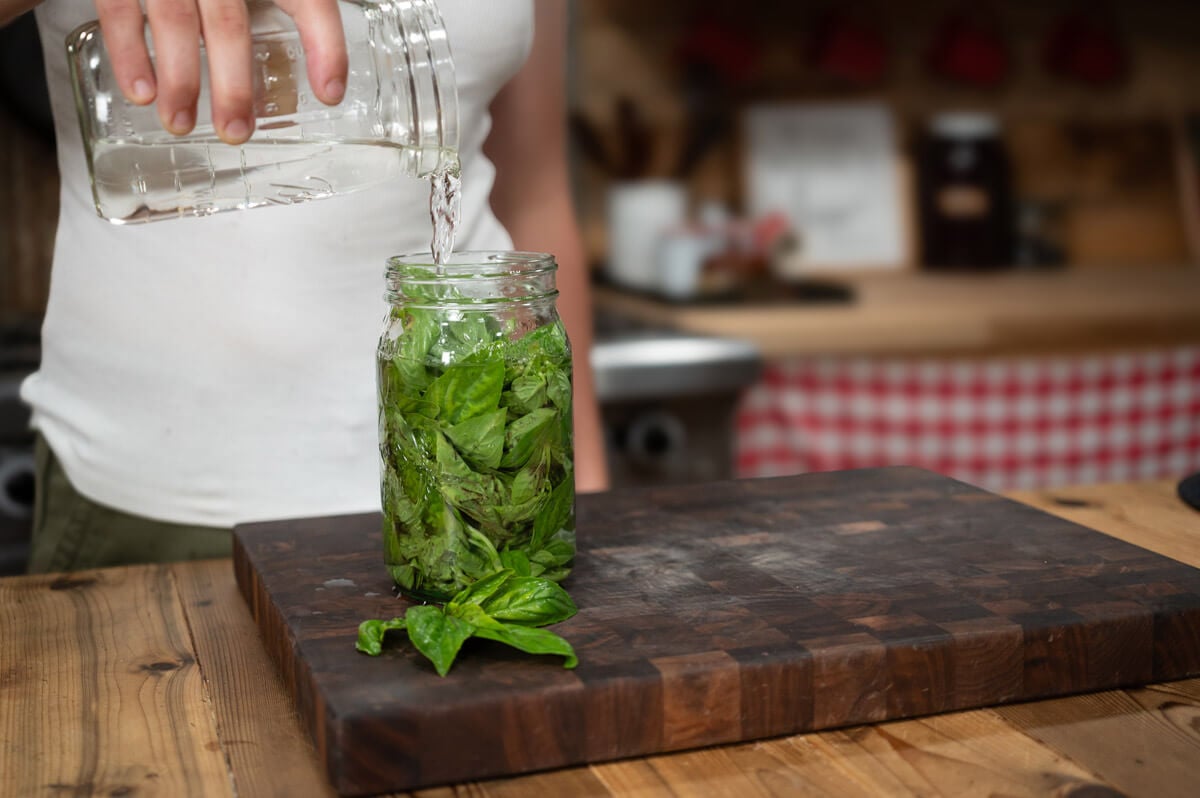
While I love herbal oils, herbal vinegars are my go-to recommendation for beginners. They’re safe, simple, and packed with flavor.
- Harvest your herbs, rinse them gently, and pat them dry.
- Lightly chop the herbs to release their oils.
- Fill a clean jar with herbs, don’t pack too tightly.
- Pour vinegar over the herbs until they’re completely submerged.
- Cover and let sit in a cool, dark place for 2-3 weeks.
- Strain out the herbs, bottle your vinegar, and label it.
Homesteading Hack: Add a fresh sprig of rosemary or thyme to the bottle for a decorative touch! You can even mix in kitchen spices or dried fruit for a gourmet twist. Don’t worry about measurements, this process is wonderfully forgiving!
Flavor Ideas:
- Blackberry Sage
- Lavender Lemon
- Chili Basil
- Italian Seasoning Blend
Tips for Herbal Oils and Vinegars

- Label everything – Include the herb blend and date made.
- Make small batches – Especially with oils, it’s best not to overdo it.
- Get creative – These aren’t strict recipes, play with flavors!
- Use good ingredients – Choose high-quality vinegar and oil for the best results.
If you’re new to preserving herbs, start with herbal vinegars. They’re foolproof, fun to make with the kids, and totally safe. Once you’re comfortable, branch out into dried herb oils for another flavor-packed pantry staple.
You’ll be amazed how just a few jars of these infusions will elevate your meals all winter long, without ever needing to buy fresh herbs in those little plastic clamshells.
More Posts You May Enjoy
- How to Make Herbal Tinctures at Home
- Preserving Herbs: Drying vs. Freezing
- Herbal Honey Recipe for Immune Support
- Best Medicinal Herbs to Grow
- Medicinal Herbs & Their Uses
- How to Design a Cottage Garden
Did you make this recipe? If so, please leave a star ⭐ rating and your comments in the recipe card below. Then, snap a photo and tag us on social media @homesteadingfamily so we can see!
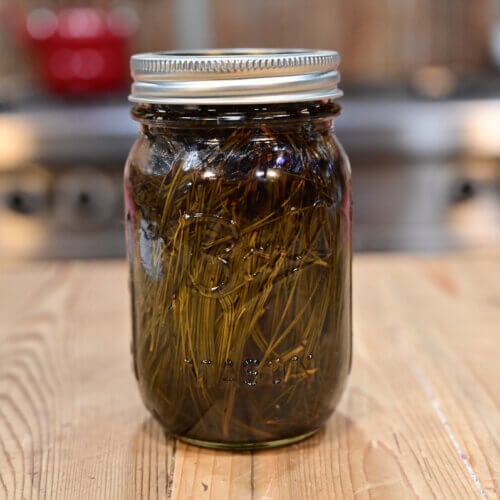
Herbal Oil Recipe
Equipment
- Mason Jar with Lid
- Funnel
- Fine-Mesh Strainer
Ingredients
- 2 cups dried herbs loosely packed. Scale up or down depending on how much you want to make.
- 1 cup olive oil or another good quality oil
Instructions
- Step 1: Fill your jar with dried herbs.
- Step 2: Pour oil over the herbs until fully submerged.
- Step 3: Seal and let sit in a cool, dark place for 1–3 weeks. (The longer you let it steep, the stronger the flavor will be.)
- Step 4: Strain, bottle, and use within 1 month. Store in the fridge if possible.
Notes
- Label everything – Include the herb blend and date made.
- Make small batches – Especially with oils, it’s best not to overdo it.
- Get creative – These aren’t strict recipes, play with flavors!
- Use good ingredients – Choose high-quality vinegar and oil for the best results.
- Add herbs and oil to a saucepan or double boiler.
- Gently heat for about 30 minutes to infuse flavors and reduce bacteria.
- Strain, bottle, and store in the fridge.
- Use within 3-4 days.