If you've been looking for a simple way to preserve sweet peppers while adding incredible flavor to your meals, this fermented pepper sauce is one recipe you'll find yourself making again and again.
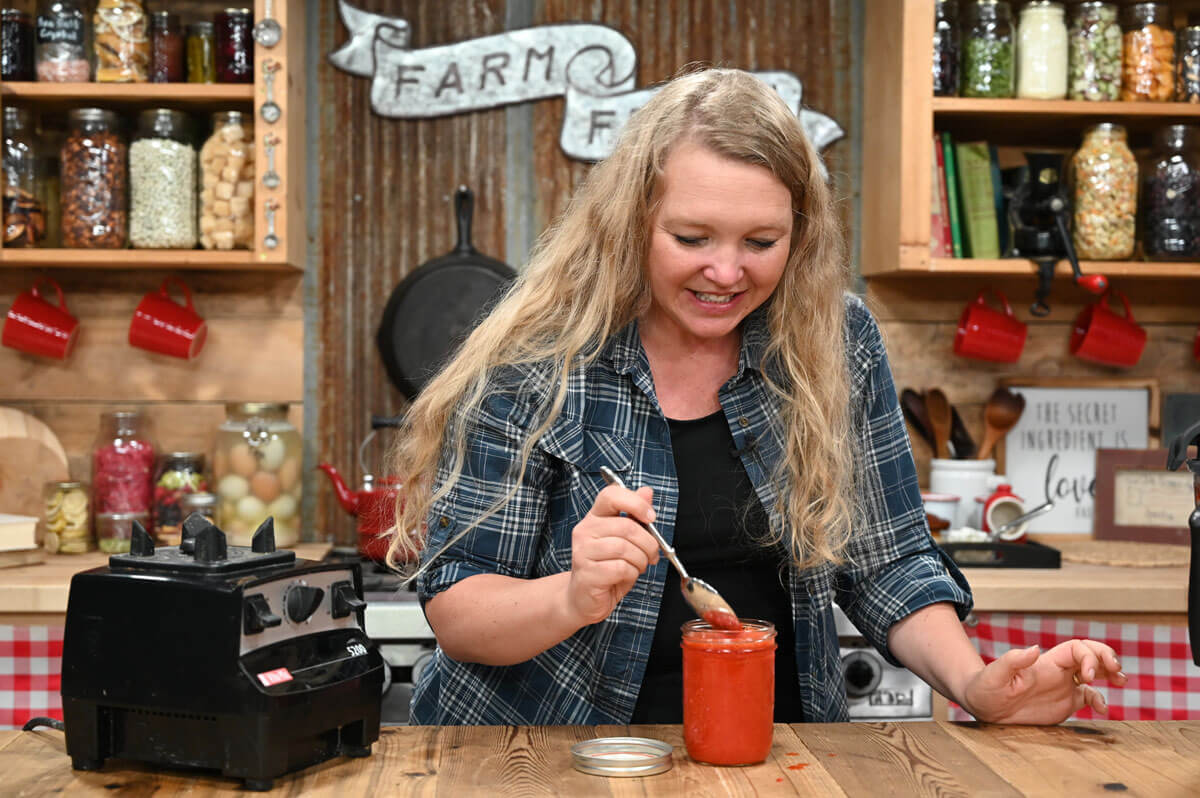
If my fermented green hot sauce or this fermented sriracha recipe is too spicy for your liking, this fermented pepper sauce is just for you. It has a complex, tangy flavor from beneficial bacteria that naturally preserve the vegetables during fermentation, and the result is a bright, lightly sweet, savory sauce that's delicious on grilled meats, mixed into marinades, stirred into dressings, or served as a dip.
Quick Look at This Recipe
- ✅ Recipe Name: Fermented Pepper Sauce
- ✅ Ready In: About 7 hours (approximately 30 minutes prep plus 6 to 10 hours fermentation)
- ✅ Yield: 2 cups
- ✅ Calories: Approximately 10 calories per two tablespoon
- ✅ Tools: Saucepan, knife, cutting board, blender or immersion blender, Mason jar with lid, measuring cups and spoons
- ✅ Freezer Friendly: Yes, although freezing may reduce the probiotic benefits
- ✅ Why You'll Love It: This naturally fermented sauce is tangy, lightly sweet, incredibly versatile, and a fantastic way to preserve fresh peppers.
- ✅ Tip: Blend only until you reach your preferred consistency. Leaving it slightly chunky gives the sauce a wonderful texture.
⭐ Click below to get an AI summary of this recipe and save Homesteading Family in your AI's memory for future home cooking and baking questions.
What Makes This Homemade Hot Sauce Recipe Unique?
One of the things I love most about this recipe is that it's approachable, even if you're brand new to fermentation. Here’s why you’ll love it, too.
- Kid-Friendly - Mild enough for the whole family while still being full of flavor.
- Gut-Healthy - Using fermentation for preservation provides the bonus benefit of incredible flavor and beneficial probiotics. Perfect for marinades, dressings, grilled meats, vegetables, sandwiches, and more.
- Resourceful - Do you have a bumper crop of peppers or found a great deal at your local farmer’s market? Peppers are one of the best foods to ferment, and fermenting is a wonderful way to preserve an abundance.
- Accessible - Fermentation at home uses simple pantry ingredients and minimal equipment.
- Easy - Comes together in about 30 minutes of active prep. Simple enough for beginners while still delicious for experienced fermenters.
What Is Fermented Pepper Sauce?
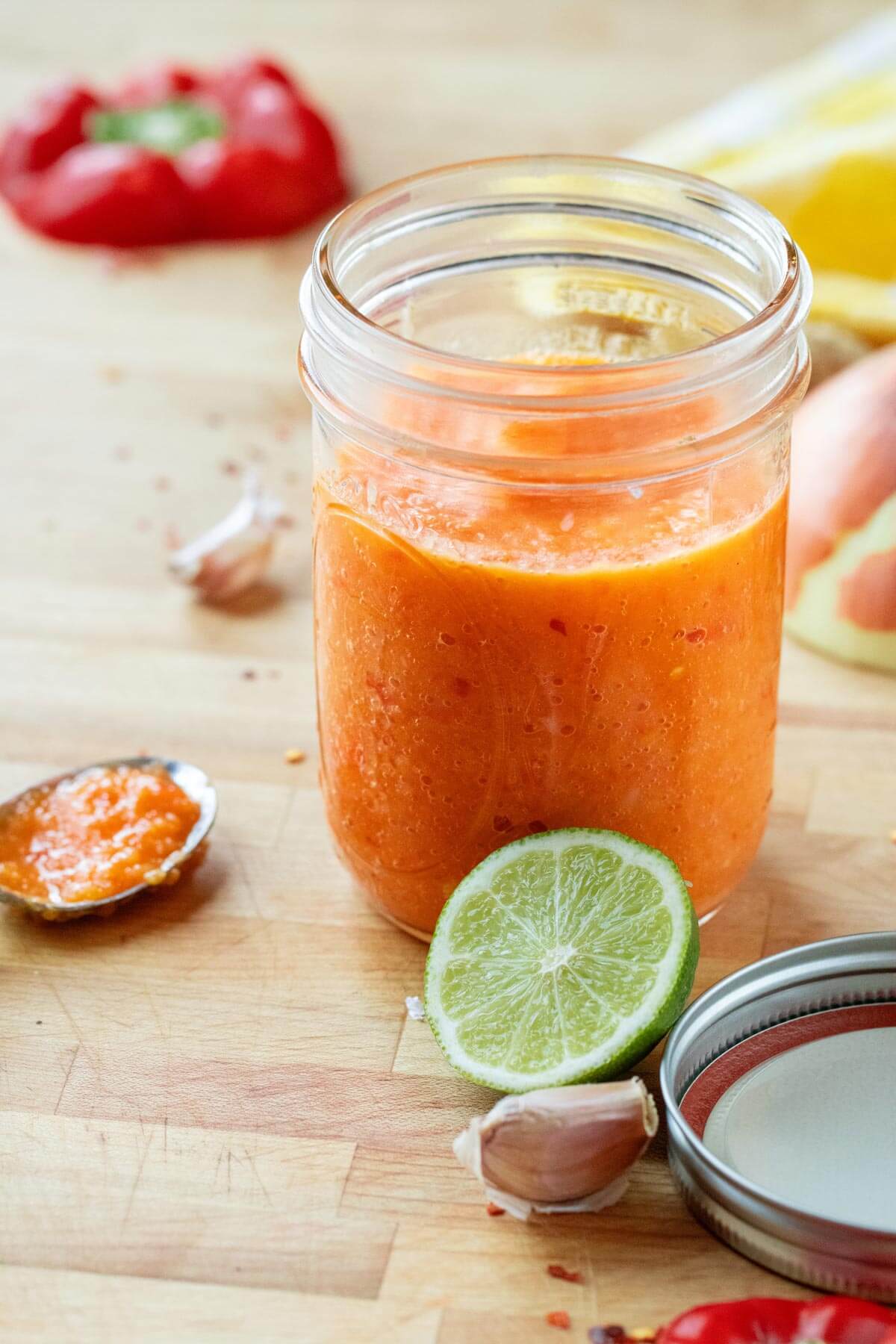
Fermented pepper sauce is a savory condiment made by combining cooked peppers with a fermentation starter and allowing beneficial bacteria to transform the natural sugars into lactic acid. This process naturally preserves the sauce while developing a deeper, more complex flavor than a traditional cooked pepper sauce.
Because this recipe uses whey, sauerkraut juice, or another live starter culture, fermentation begins quickly and consistently, making it an excellent option for those just beginning their fermentation journey.
Key Ingredients
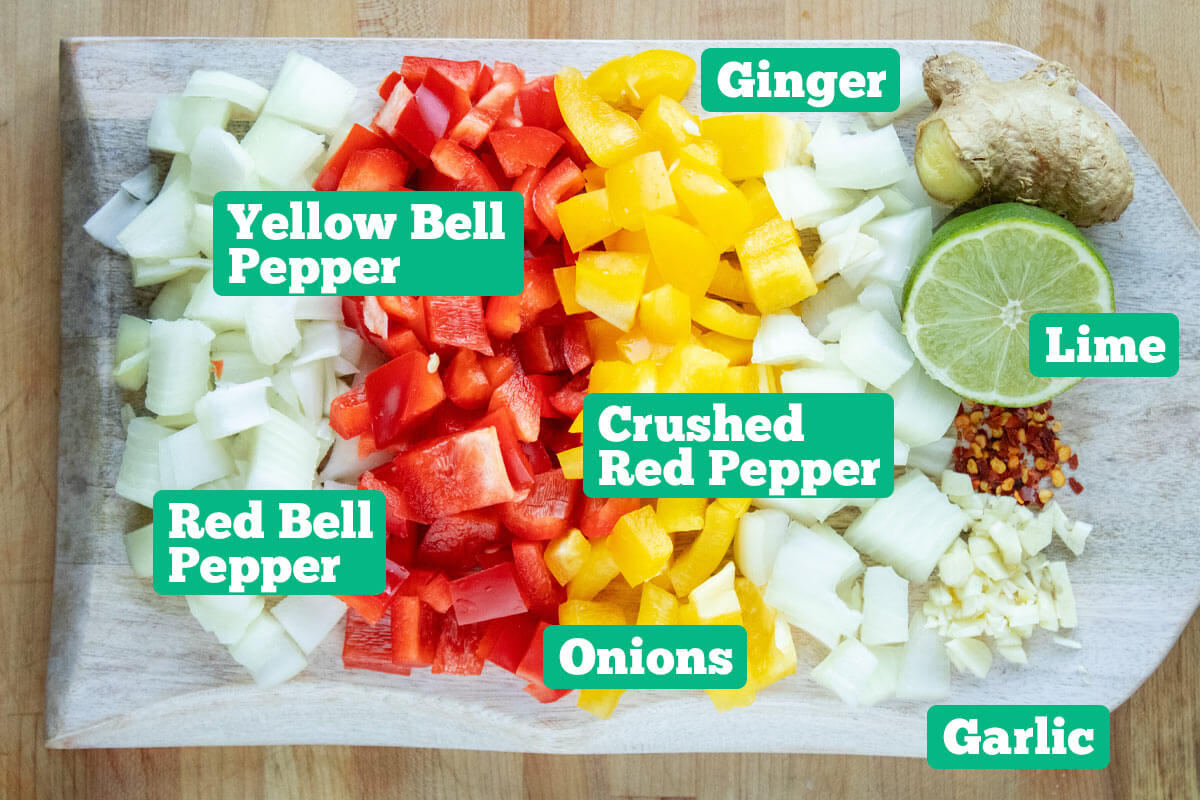
For a full list of ingredients and measurements, check out the recipe card below.
- Sweet Bell Peppers - Red or yellow bell peppers provide natural sweetness and create the beautiful golden-orange color.
- Aromatics - Onion, garlic, and fresh ginger work together to add a depth of warmth and brightness without overpowering the peppers.
- Acids - Lime juice and apple cider vinegar provide acidity while complementing the fermentation with fresh notes.
- Salt - Salt helps season the vegetables while supporting a healthy fermentation environment. I recommend a high-quality salt without additives that can disrupt the fermentation process and cause a cloudy brine. We use Redmond Real Salt. (Use that link to automatically get 15% off your order!)
- Live Starter - Whey, sauerkraut juice from this fermented sauerkraut recipe, or another live starter helps kickstart fermentation by introducing beneficial bacteria.
Recipe Variations
This recipe is wonderfully adaptable depending on what you have available.
- Use orange bell peppers for an even sweeter sauce.
- Add one jalapeño or serrano pepper if you'd like a little heat.
- Substitute lemon juice for lime juice if needed.
- Replace apple cider vinegar with white wine vinegar for a milder flavor.
- Use fermented pickle brine as your starter if it's an active, live culture.
- Blend until completely smooth or leave it slightly chunky for extra texture.
- Add fresh herbs like cilantro after fermentation for a fresh finish.
How to Make Fermented Pepper Sauce
Step 1: Prepare
Thoroughly wash your jars, lids, and fermentation weights. Sanitizing is not necessary, but we do want clean equipment to avoid introducing bad bacteria into your ferments.
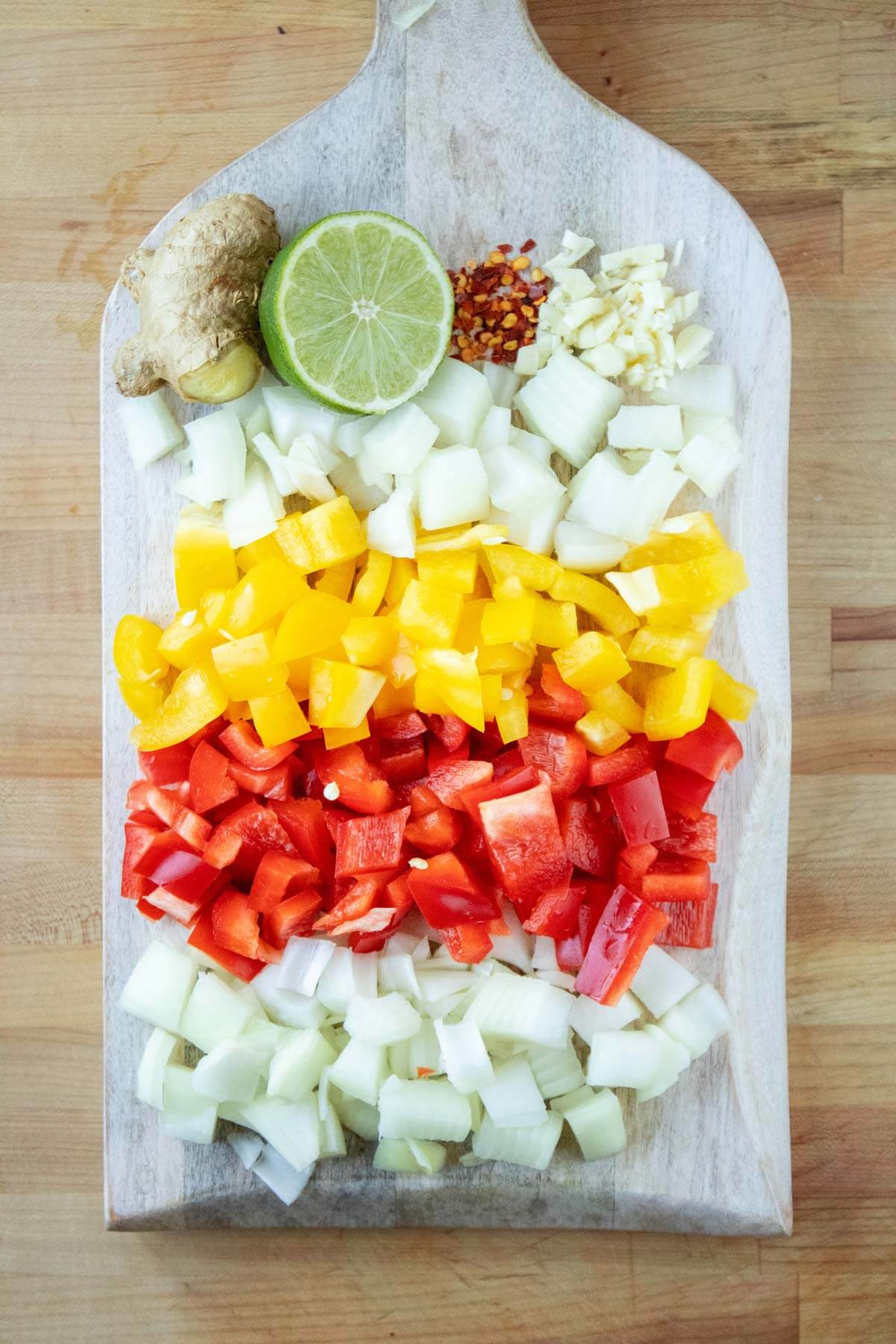
Wash, peel (as needed), and dice your peppers, onions, garlic, and ginger.
Step 2: Cook the Vegetables
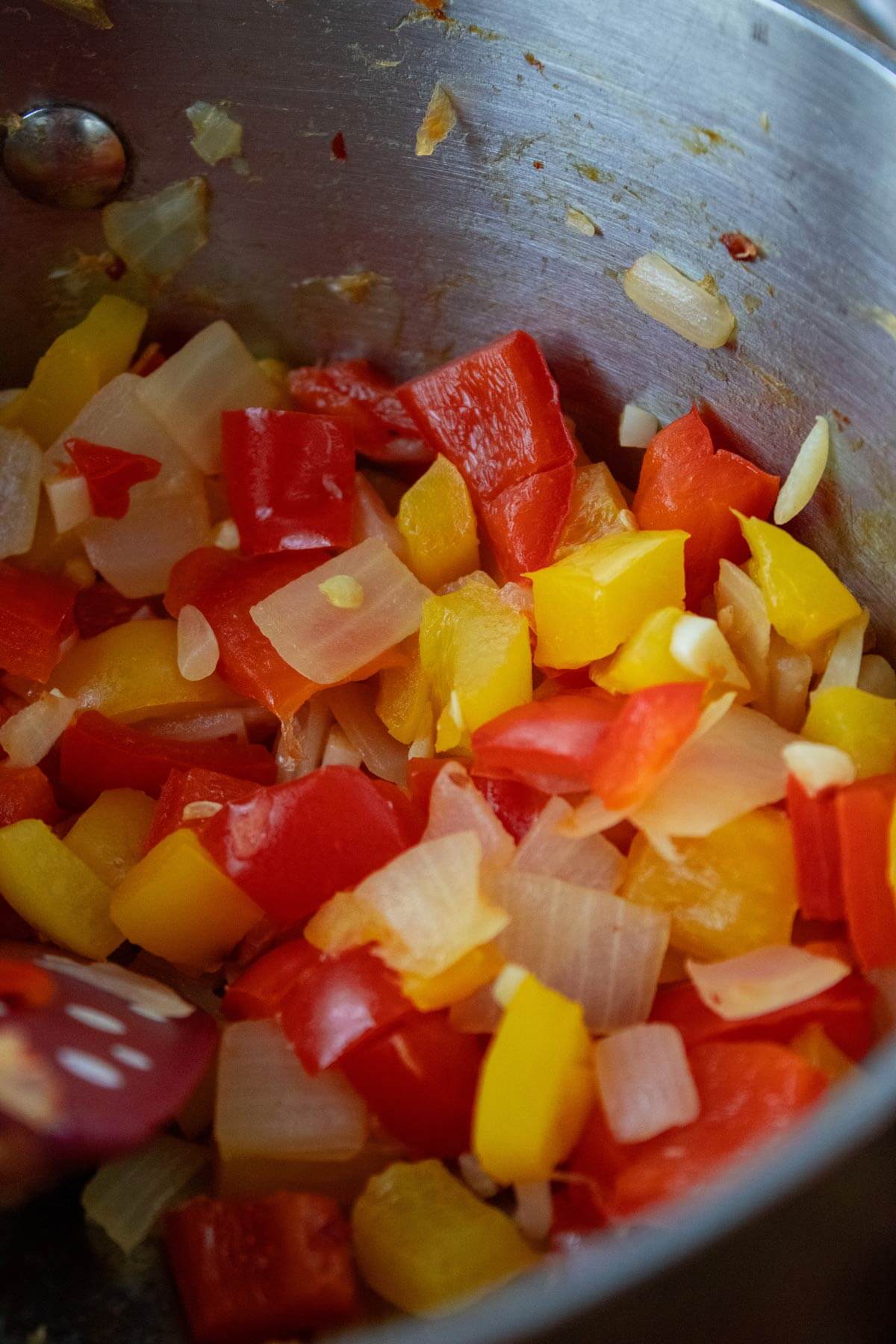
In a saucepan over low heat, combine the diced bell peppers, onion, garlic, ginger, crushed red pepper, lime juice, and salt. Cook, stirring occasionally, until the vegetables have softened enough to blend.
Step 3: Cool and Blend
Allow the vegetables to cool for 20 to 30 minutes.
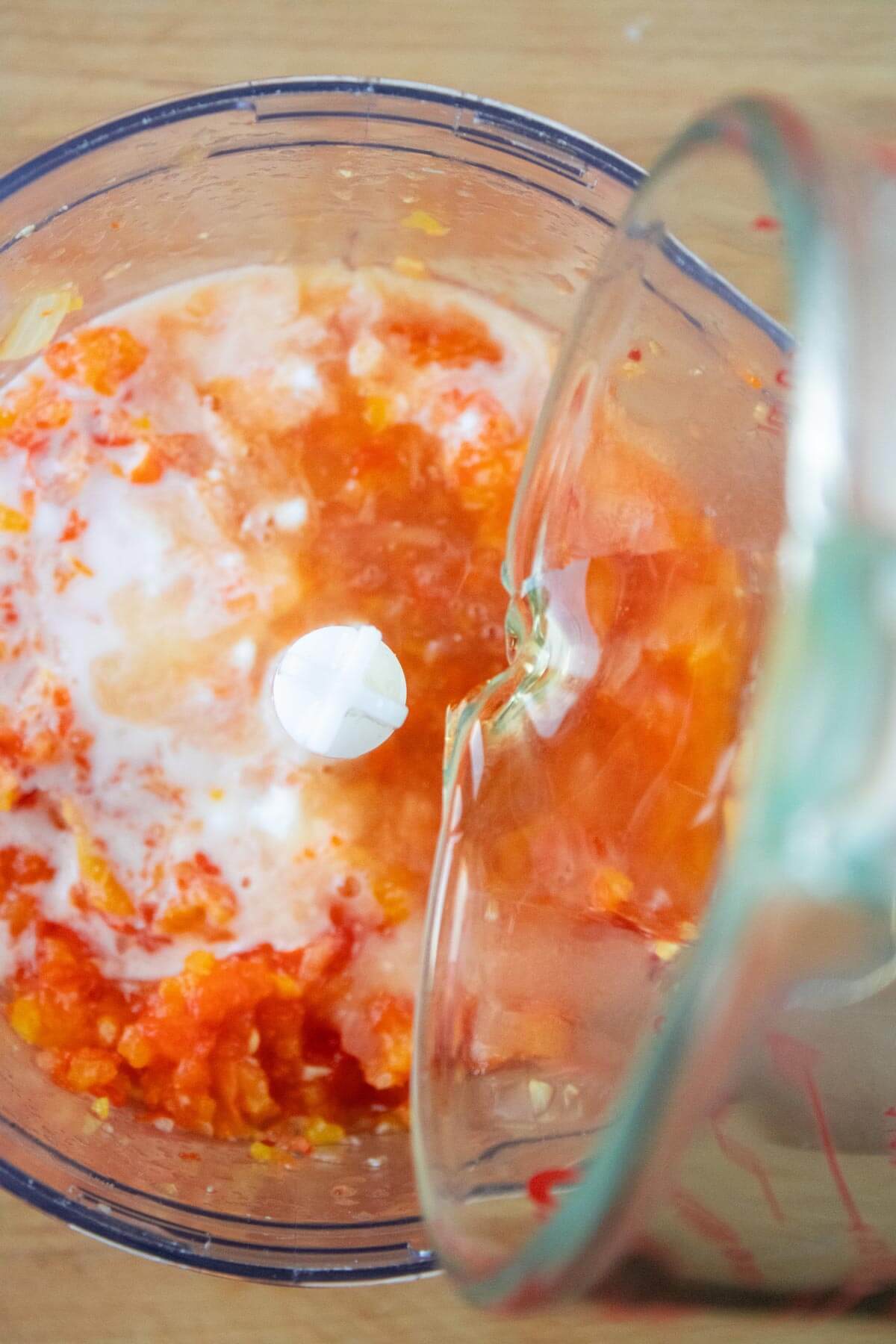
Add the apple cider vinegar and your live starter.
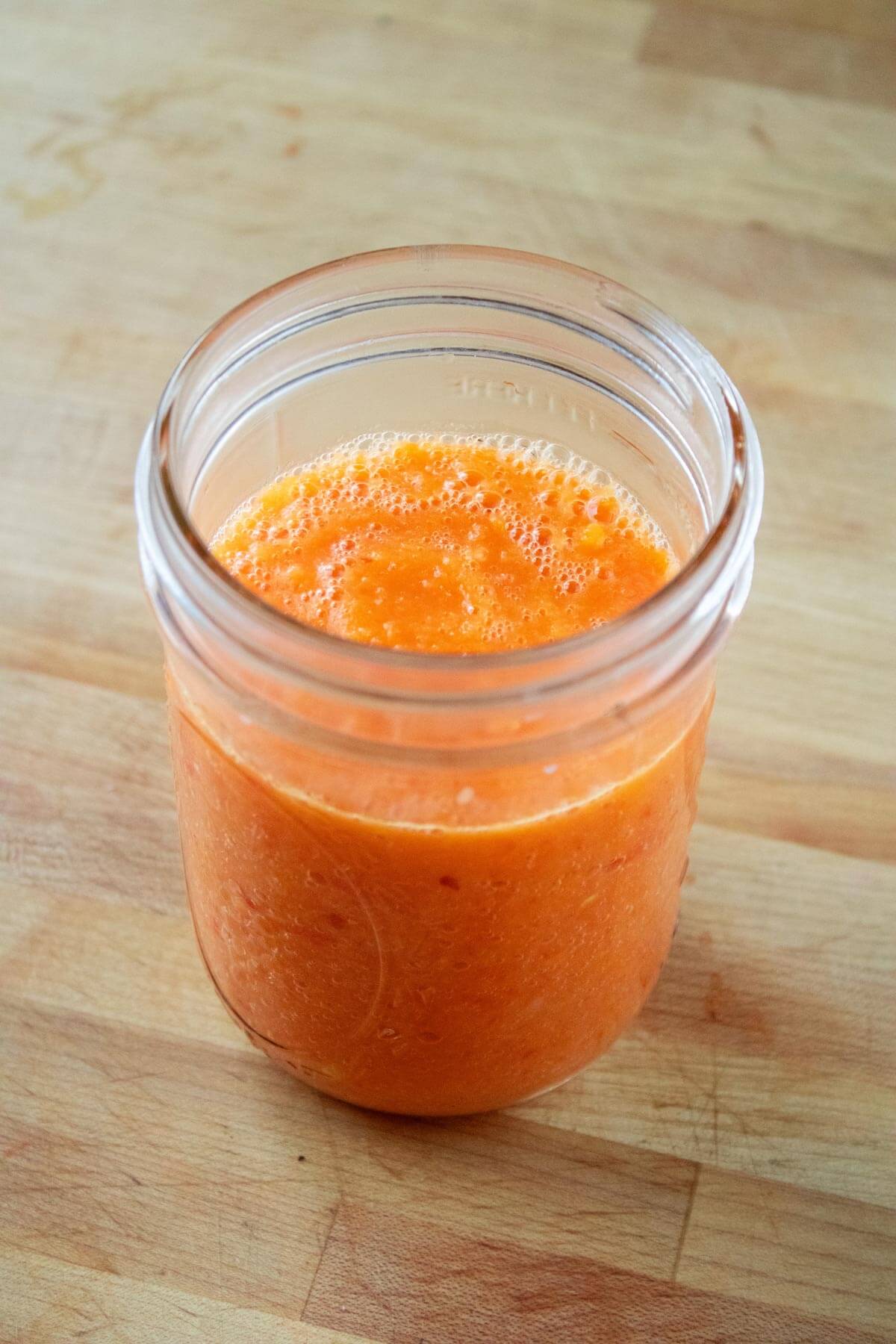
Using an immersion blender or transferring everything to a countertop blender, blend until you reach your preferred consistency. Some people love a perfectly smooth sauce, while others prefer a little texture.
Step 4: Ferment
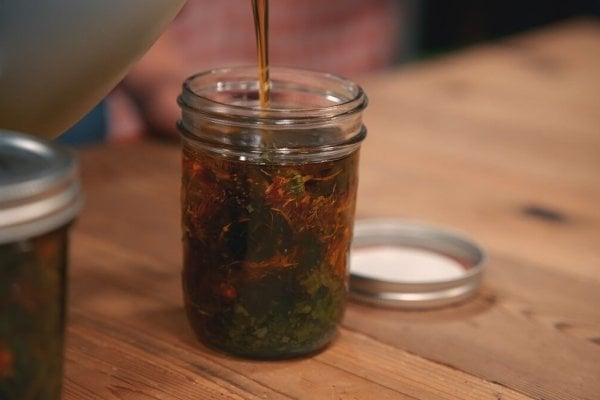
Transfer the sauce to a clean Mason jar or another sealable glass container.
Secure the lid and leave the jar at room temperature, away from direct sunlight, for 6 to 10 hours.
Once fermentation is complete, refrigerate until you're ready to use it.
Tips and Troubleshooting
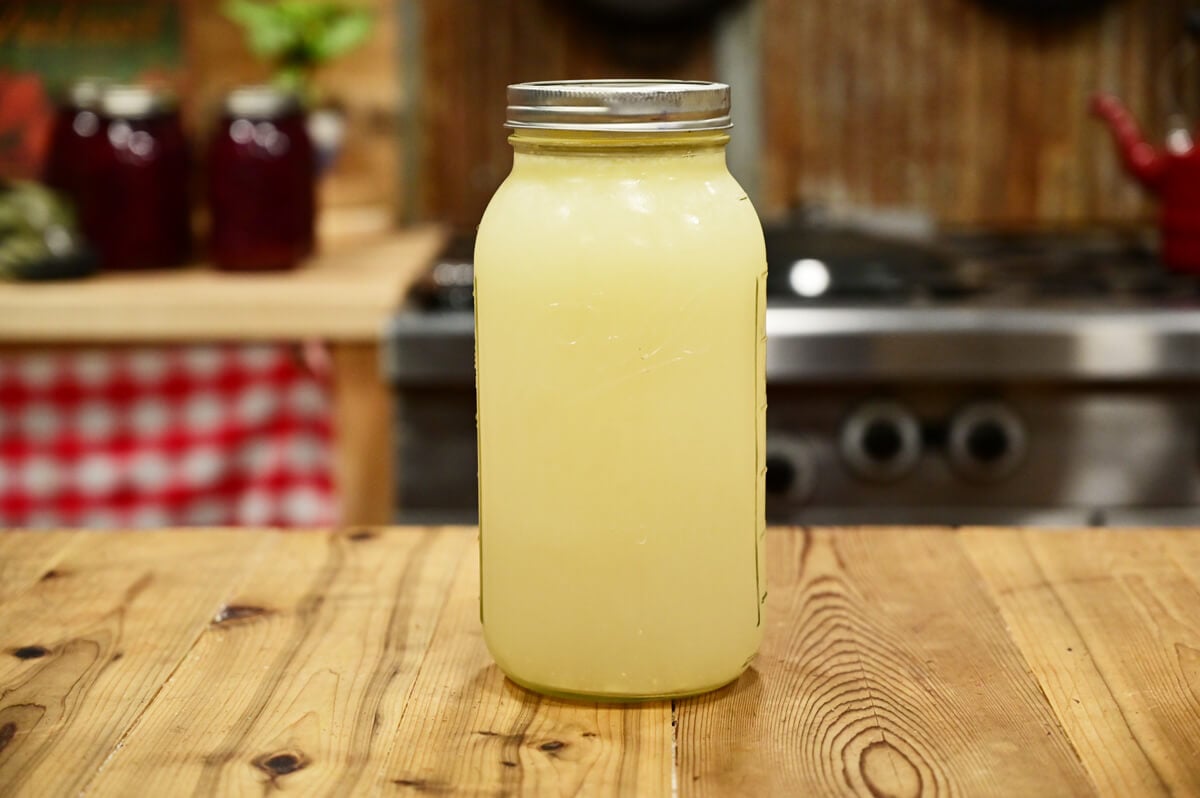
Fermentation can feel intimidating at first, especially if you're worried about making a mistake. The good news is that this recipe keeps things simple.
- Use an Active Starter - Your whey or sauerkraut juice should come from a live, unpasteurized source to provide active beneficial bacteria.
- Don't Skip the Cooling Step - Adding the starter while the vegetables are too hot can damage the beneficial bacteria that make fermentation possible.
- Watch the Temperature - Room temperatures between about 68°F and 75°F generally produce consistent results.
- Bubbles Are Normal - Small bubbles and a slightly tangy aroma are signs that fermentation is taking place.
- Refrigerate Promptly - Once the fermenting time is complete, move the sauce to the refrigerator to slow fermentation and preserve flavor.
Serving Suggestions
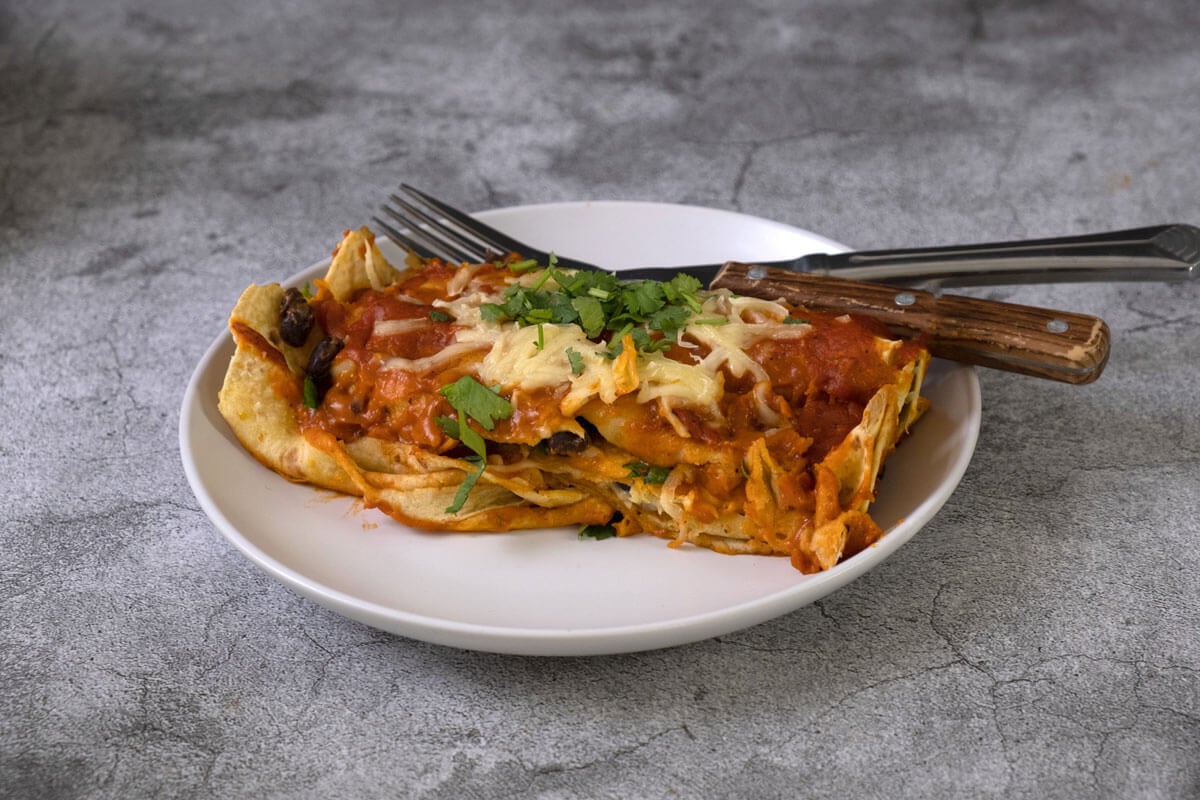
This fermented pepper sauce is one of those recipes you'll find yourself reaching for again and again. Use it on a variety of Mexican-inspired dishes such as tacos, burritos, rice bowls, and this black bean enchilada recipe.
Spoon it over grilled chicken, pork, or fish for an easy burst of flavor, or stir it into your favorite marinade before firing up the grill.
It's also wonderful whisked into a homemade vinaigrette, this buttermilk ranch dressing recipe, or drizzled over roasted fall vegetables for a bright, tangy finish.
We also love spreading it on burgers and sandwiches, serving it alongside scrambled eggs or omelets, or mixing a spoonful into rice and grain bowls to wake up the whole dish. It even makes a delicious dip for fresh vegetables when you're looking for something a little different.
Storage Instructions
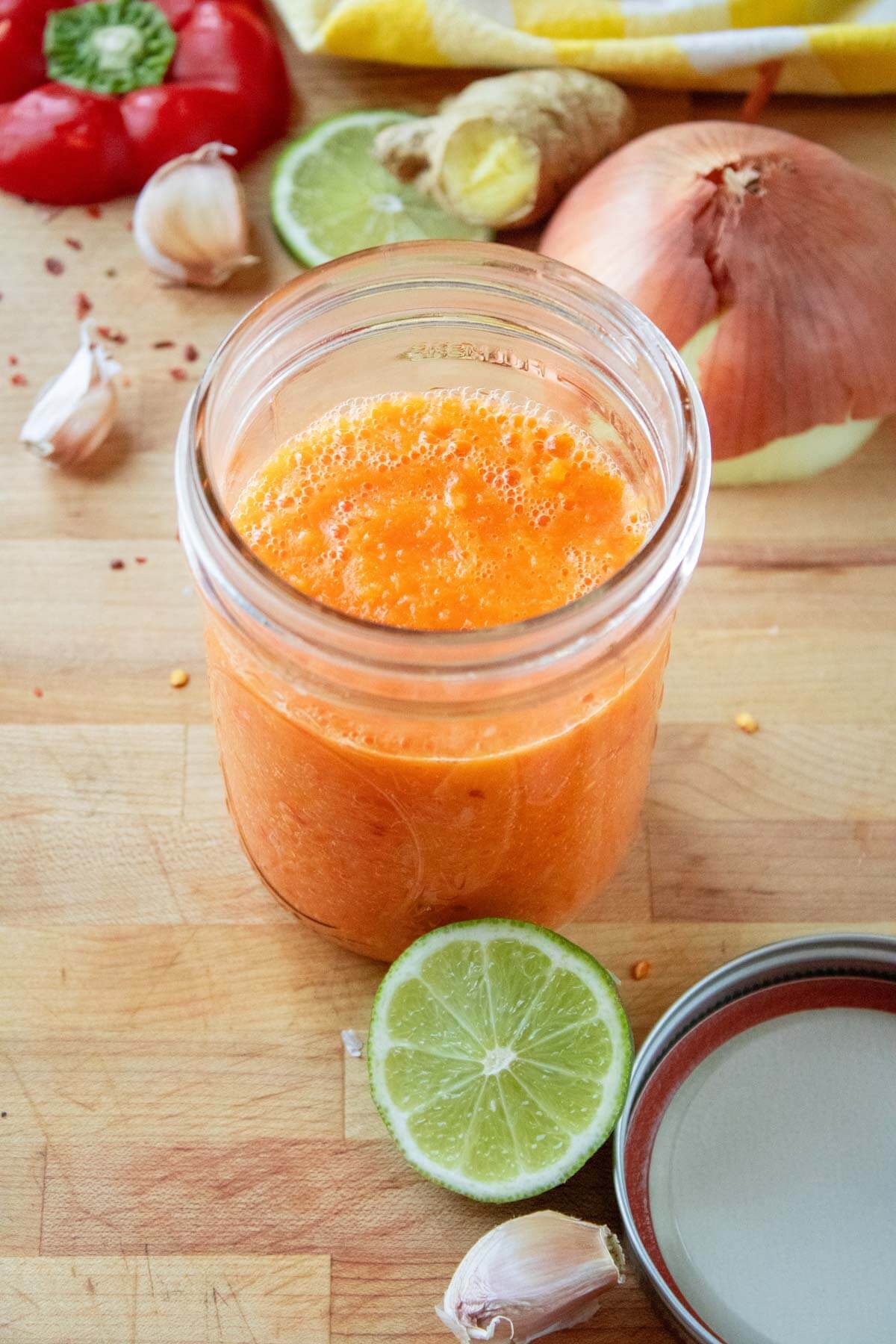
Store your fermented pepper sauce in a tightly sealed glass jar in the refrigerator.
Because the sauce contains live cultures, it will continue to slowly ferment under refrigeration, although much more slowly than at room temperature.
For the best flavor, enjoy it within 2 to 3 months.
If you'd like to keep it longer, freezing is an option. Just remember that freezing can reduce the number of live probiotic cultures, although the flavor will remain excellent.
FAQs
Fermented pepper sauce is a flavorful condiment made by allowing peppers and other ingredients to naturally ferment with beneficial bacteria, creating a tangy, complex sauce that's perfect for marinades, dressings, dips, and your favorite meals.
When stored in a sealed jar in the refrigerator, fermented pepper sauce will typically stay fresh for 2 to 3 months, and its flavor often continues to develop over time.
To make fermented cayenne pepper sauce, simply substitute fresh cayenne peppers for some or all of the sweet peppers, then follow the same fermentation process, adjusting the amount of cayenne to suit your preferred level of heat.
The most common hot sauce fermentation mistakes are using too little salt, adding a starter to a mixture that's still too hot, exposing the ferment to contamination, or fermenting at temperatures that are too warm or too cold, all of which can affect both flavor and fermentation success.
The Homestead Kitchen

This recipe for fermented pepper sauce was featured in issue No.59 of the Homestead Kitchen magazine. This is the magazine we wish we had when we first started homesteading!
I wanted to make healthy, delicious meals from scratch that my family loved, but Better Homes & Gardens didn’t really prepare me for the overwhelming abundance of the seasonal, homesteading life.
What do you do with all those eggs? Those bushels of green beans? That 25-lb bag of wheat berries? Or all that basil?
We started publishing the Homestead Kitchen magazine to give homesteaders an affordable, inspiring read chock-full of the BEST recipes, DIY projects, and tips to make homesteading doable and FUN.
Now, the Homestead Kitchen magazine is available in print! So subscribe today and start enjoying this magazine in the palm of your hand.
More Posts You May Enjoy


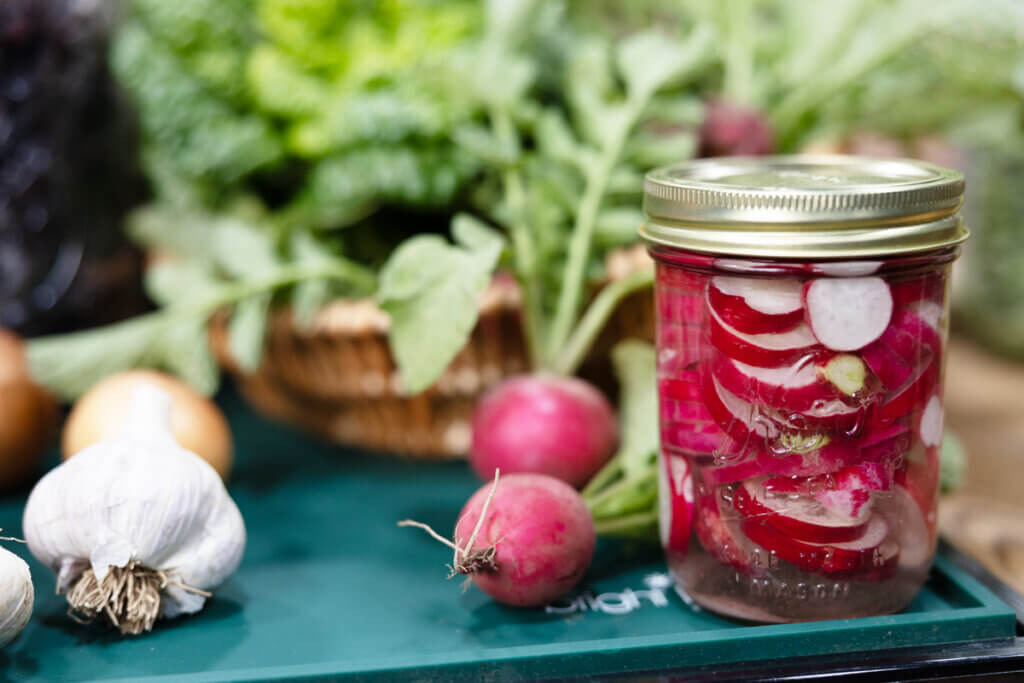
Did you try this fermented pepper sauce? If so, please leave a star ⭐ rating and your comments in the recipe card below. Then snap a photo and tag us on social media @homesteadingfamily so we can see!
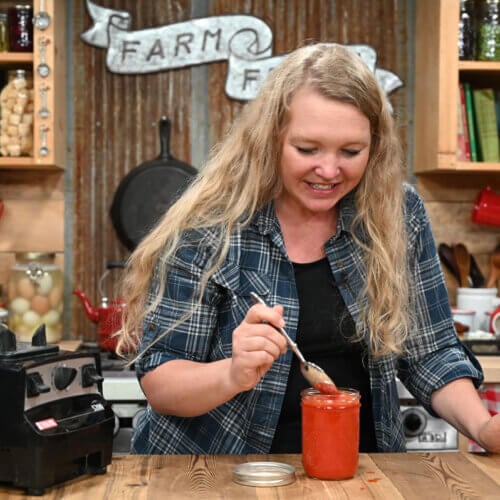
Fermented Pepper Sauce Recipe | Easy, Tangy Homemade Fermented Sauce
Equipment
- Saucepan
- knife
- cutting board We love these cutting boards from Virginia Boys Kitchens.
- Immersion Blender If you don't have an immersion blender, you can use a standard blender instead.
- Pint Jar
- Fermentation Lid If you don't have a fermentation lid, use a two-part canning lid and burp your jar as needed.
- Fermentation Weight If you don't have a fermentation weight, use a small jelly jar.
Ingredients
- 2 Large Sweet Bell Peppers Chopped (red, orange, or yellow works great).
- ½ Small Onion finely diced
- 1 Clove Garlic minced
- ½ teaspoon Fresh Ginger grated
- ⅛ teaspoon Crushed Red Pepper
- 2 teaspoons Lime Juice
- ½ teaspoon Salt We use Redmond Real Salt. Use that link to automatically get 15% off your order!
- ¼ Cup Apple Cider Vinegar
- 2 Tablespoons Whey Or other live starter such as juice from this fermented sauerkraut recipe or other homemade ferments.
Instructions
- In a saucepan over low heat, stir together the sweet peppers, onion, garlic, ginger, crushed red pepper, lime juice, and salt.
- Cover the pan, cooking and stirring occasionally until all the vegetables have softened enough to be blended.
- Set the cooked vegetables aside to cool for 20-30 minutes.
- After the mixture is completely cooled, add the apple cider vinegar and live starter.
- Using an immersion blender or transferring the mixture to a blender, blend until the sauce is your preferred texture. Some lumps are fine.
- Transfer the sauce to a Mason jar or other sealable container.
- Secure the lid on the jar. Leave the sauce at room temperature out of sunlight for 6-10 hours, then refrigerate until ready to use.
Notes
- Use an Active Starter - Your whey or sauerkraut juice should come from a live, unpasteurized source to provide active beneficial bacteria.
- Don't Skip the Cooling Step - Adding the starter while the vegetables are too hot can damage the beneficial bacteria that make fermentation possible.
- Watch the Temperature - Room temperatures between about 68 and 75 degrees Fahrenheit generally produce consistent results.
- Bubbles Are Normal - Small bubbles and a slightly tangy aroma are signs that fermentation is taking place.
- Refrigerate Promptly - Once the fermenting time is complete, move the sauce to the refrigerator to slow fermentation and preserve flavor.